Photo credit: WHO_TEE_WHO/YouTube
Most deer calibers have someone who still swears by them. That does not mean hunters are wrong to move on. Sometimes a cartridge works, but only inside a narrow lane. Sometimes it kicks too hard, costs too much, lacks good factory ammo, or just does not fit the way people hunt anymore.
The calibers hunters switch away from are not always useless. Some have killed piles of deer. The issue is that better options are easier to shoot, easier to find, easier to trust, or more forgiving when the shot is not perfect. These are the deer-season calibers more hunters are leaving behind after a few seasons of real-world use.
.223 Remington

The .223 Remington has taken plenty of deer, especially with the right bullet and careful shot placement. That is why some hunters defend it hard. Low recoil, affordable practice, and lightweight rifles make it attractive.
But a lot of hunters eventually move away from it because it leaves very little margin. Bullet choice matters too much, angles matter too much, and tracking jobs can get ugly when the shot is not perfect. For coyotes and range work, it is excellent. For deer, many hunters decide they would rather step up to something with more authority.
.22-250 Remington

The .22-250 Remington is fast, flat, and deadly on varmints. That speed makes some hunters believe it is a great deer option too. With the right bullet and ideal shot placement, it can work.
The problem is that it was never really built around deer hunting. Light, fast bullets can be explosive, especially at close range, and penetration can be inconsistent if the wrong load is used. Many hunters who try it on deer eventually switch to .243, 6mm Creedmoor, 7mm-08, or .308 because those cartridges give more reliable results on larger-bodied animals.
.220 Swift
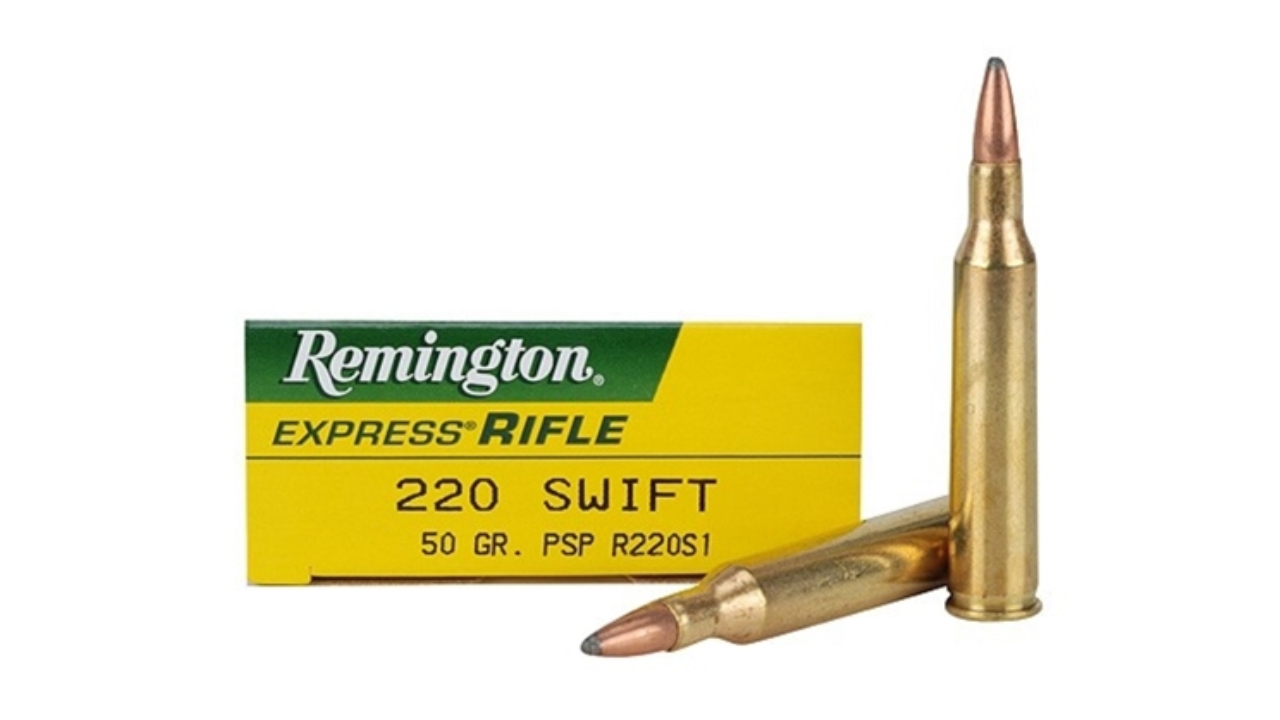
The .220 Swift has old-school speed and a loyal following, but deer hunters often move away from it for the same reason they move away from other hot .22 centerfires. It can kill deer, but it demands the right bullet and disciplined shot selection.
That is a lot to ask when better deer cartridges are everywhere. The Swift also has limited factory rifle and ammo support compared with more common options. For someone who loves the cartridge, it still has charm. For most deer hunters, it is too specialized to keep using when more forgiving rounds exist.
.243 Winchester

The .243 Winchester is one of the most debated deer cartridges because it can be excellent in the right hands. For youth hunters, recoil-sensitive shooters, and people who pick good bullets, it has filled freezers for decades.
Still, some hunters switch away after seeing how it performs on marginal hits or heavier deer. It is not a bad cartridge, but it is less forgiving than many people admit. Hunters who want more blood trail, more bullet weight, and more confidence at odd angles often move to 6.5 Creedmoor, 7mm-08, .308, or .270.
6mm Creedmoor

The 6mm Creedmoor is accurate, mild, and great for target shooting. That alone makes it tempting for deer hunters who like modern cartridges and low recoil. With proper hunting bullets, it can work well.
But some hunters find that it feels more like a precision cartridge than a practical deer-season staple. Ammo selection can lean target-heavy, and bullet weight is still limited compared with larger deer rounds. It is not weak, but many hunters eventually decide a 6.5 Creedmoor or 7mm-08 gives them a better balance for deer.
.240 Weatherby Magnum
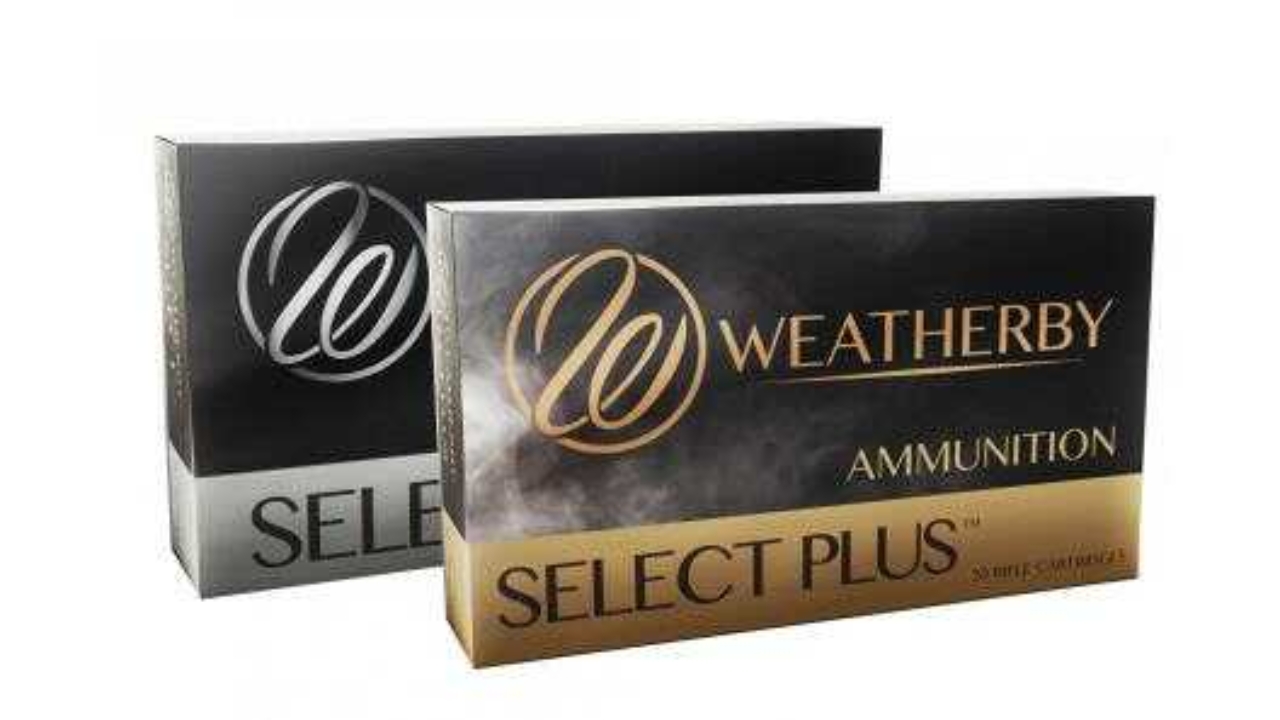
The .240 Weatherby Magnum has speed and Weatherby style, which makes it interesting. It shoots flat, hits harder than smaller varmint rounds, and can absolutely take deer with the right load.
The reason hunters switch away is the hassle. Ammo is expensive, rifles are not common, and the performance does not feel different enough from easier cartridges to justify the trouble. A .243, 6mm Creedmoor, .25-06, or .257 Roberts may be easier to live with. Flat shooting is nice, but deer season is simpler when ammo does not feel like a specialty order.
.25-06 Remington

The .25-06 Remington is a great deer cartridge when used well, so it may seem strange here. It shoots flat, recoils lightly, and works beautifully in open country. Plenty of hunters still love it for good reasons.
But others switch away because it sits in an awkward middle now. Short-action cartridges are more popular, 6.5s offer better bullet selection, and .270 Winchester or .308 give more obvious big-game confidence. The .25-06 is not failing deer hunters. It is just getting passed over by cartridges with stronger modern support.
.257 Weatherby Magnum
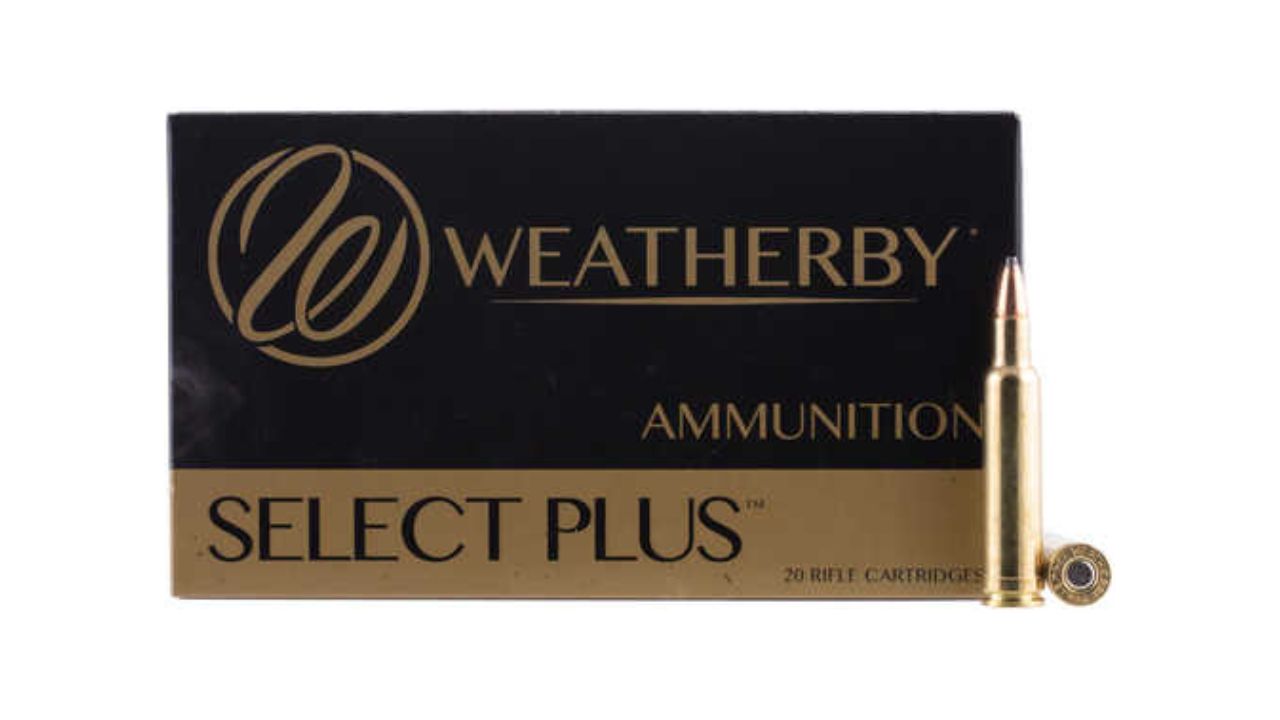
The .257 Weatherby Magnum is fast, flat, and dramatic on deer. When everything goes right, it can make deer hunting look easy. That is why it has loyal defenders.
The problem is that it can be more rifle than many hunters need, while still throwing relatively light bullets. Ammo cost, barrel wear concerns, muzzle blast, and specialty-rifle pricing push some hunters away. A cartridge that hits hard but costs a lot to feed can lose favor when simpler rounds keep dropping deer just as cleanly.
.257 Roberts

The .257 Roberts has charm, low recoil, and real history. Hunters who love it tend to really love it. In a good rifle with good ammo, it can still be a pleasant and effective deer round.
But many hunters switch away because factory support is thin compared with modern choices. Ammo selection is limited, rifle availability is limited, and newer hunters are not building setups around it. The Roberts still works, but it has become harder to recommend when 6.5 Creedmoor, 7mm-08, and .308 are sitting on every shelf.
.30-30 Winchester
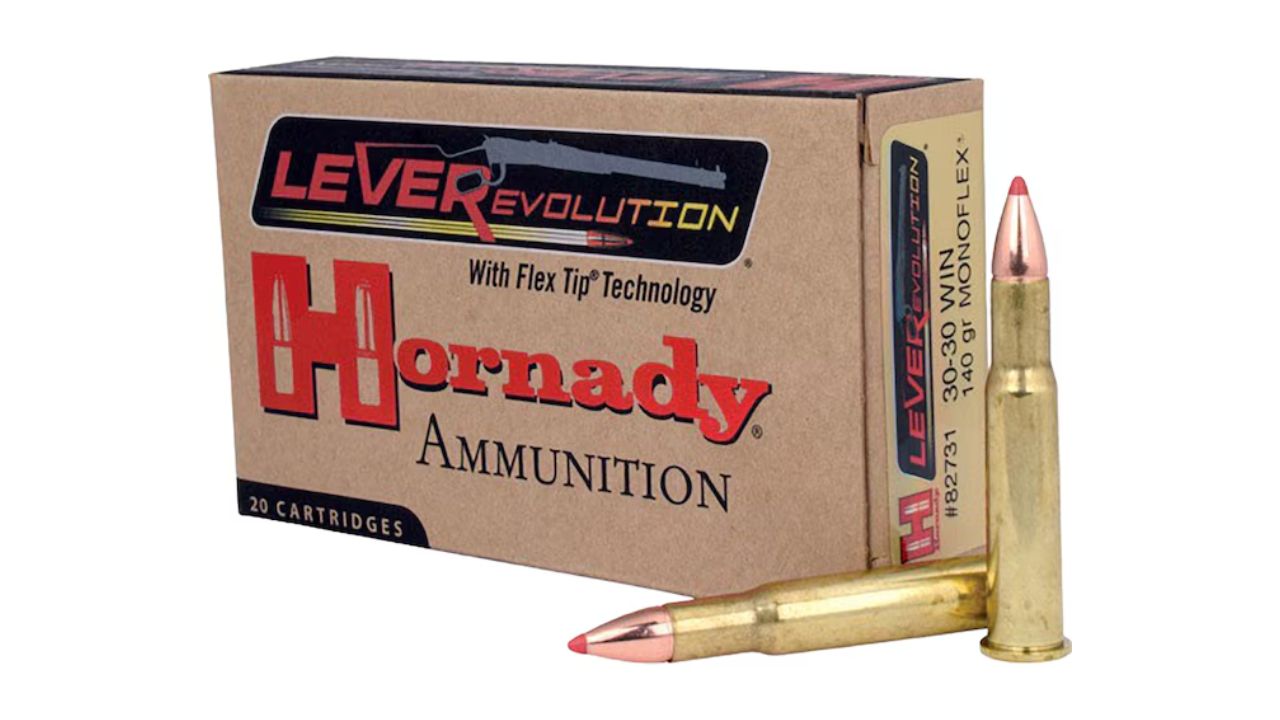
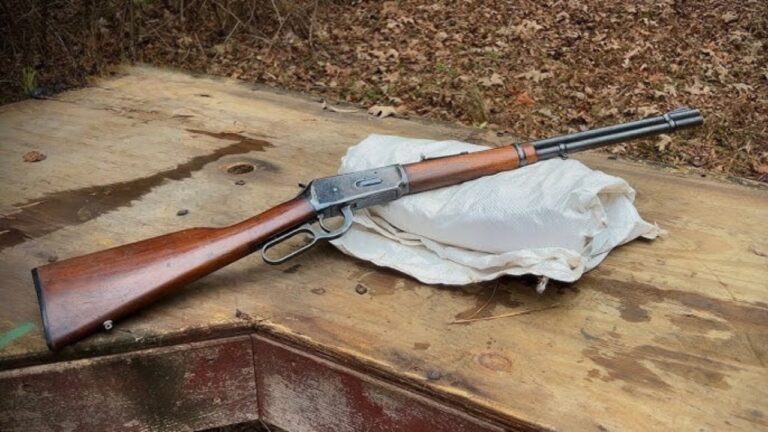
The .30-30 Winchester is not dead, and it is not bad. It remains one of the most successful deer cartridges ever made. In woods ranges, from a good lever gun, it still makes a lot of sense.
Hunters switch away from it when their hunting changes. Food plots get longer, clearcuts open up, box blinds stretch shots farther, and scoped bolt guns become more convenient. The .30-30 still works inside its lane, but some hunters get tired of managing its range limits and move to flatter-shooting cartridges.
.32 Winchester Special

The .32 Winchester Special is defended mostly by people who inherited one or grew up with one. It is a classic woods cartridge and can still handle deer just fine at normal lever-gun ranges.
The problem is support. Ammo is harder to find than .30-30, rifle choices are limited, and the cartridge does not offer enough advantage to justify the inconvenience for most hunters. Many who used one for years eventually switch simply because feeding the rifle becomes annoying.
.35 Remington

The .35 Remington still has a strong following among woods hunters. It hits harder than .30-30 up close and has a reputation for putting deer down well in timber. In a Marlin 336, it feels like a perfect old-school deer setup.
But ammo availability has pushed many hunters away. Even hunters who like the cartridge get tired of hunting for boxes or paying too much when they find them. The .35 Remington did not lose its usefulness in the woods. It lost the convenience battle to cartridges that are easier to buy.
.300 Savage

The .300 Savage is a fine old deer cartridge that sits close to .308 Winchester in spirit, if not in modern support. In a Savage 99 or classic bolt gun, it still has plenty of killing power for whitetails.
The reason hunters switch away is simple: .308 does the same general job with far better ammo and rifle availability. The .300 Savage is cool, but cool does not help when you need factory ammo before opening weekend. A lot of hunters keep the rifle but stop relying on it as their main deer gun.
7.62x39mm

The 7.62x39mm gets used for deer because rifles are handy, recoil is light, and ammo used to be cheap. Inside close range with proper soft points, it can work. The trouble is that not every load or rifle setup is ideal for deer.
Hunters switch away when they want more consistency, better bullets, and cleaner blood trails. Cheap FMJ is not deer ammo, and some soft-point loads are not as accurate or effective as hunters want. For hogs and close-range brush use, it can be useful. For a primary deer rifle, many hunters eventually step up.
.300 Blackout

The .300 Blackout is popular because it runs in compact rifles and suppresses well. That makes it tempting for deer hunters, especially in blinds, thick woods, or hog country. With supersonic hunting loads and close shots, it can work.
But hunters often switch away once they realize how narrow the lane is. Subsonic loads are a poor choice for typical deer hunting, and supersonic loads still do not give much margin past close range. Many hunters move to .350 Legend, 6.5 Grendel, 7.62×39, or .308 when they want more confidence.
.350 Legend

The .350 Legend exploded because straight-wall states created a real need for it. It offers low recoil, affordable rifles, and better range than many old slug guns. In the right lane, it is useful.
But some hunters switch away because they expected more than the cartridge was built to give. It is not a long-range hammer, and bullet performance varies by load. In states where bottleneck rifle cartridges are legal, many hunters quickly return to .243, 7mm-08, .308, or .270. The Legend solves a regulation problem more than a performance problem.
.360 Buckhammer
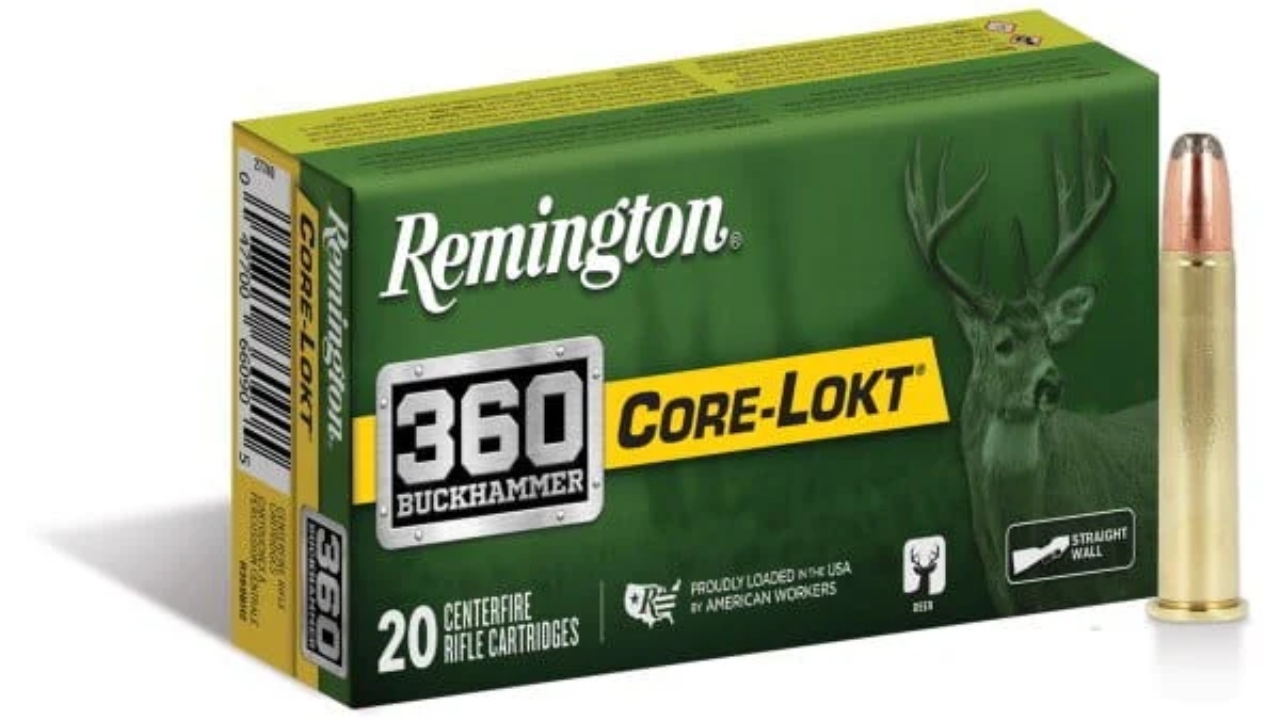
The .360 Buckhammer was designed for straight-wall deer hunting, and that gives it a clear purpose. It brings lever-action appeal and more punch than some hunters expected. For certain states and certain rifles, it can make sense.
The issue is early support and long-term confidence. Hunters are cautious about cartridges that depend on limited rifle options and limited ammo supply. Some will try it, like it, and keep it. Others may switch away because .350 Legend and .450 Bushmaster already have more shelf space and more rifle choices.
.450 Bushmaster

The .450 Bushmaster hits hard, and that is exactly why many hunters bought it. In straight-wall states, it gave rifle hunters a big step up from slugs and muzzleloaders. On deer inside its range, it can be decisive.
But plenty of hunters switch away after dealing with recoil, muzzle blast, ammo cost, and more power than they really need. It is easy to buy a big thumper and then realize a milder straight-wall cartridge gets the job done with less punishment. For average whitetails, the .450 can feel like too much noise and shove.
.45-70 Government
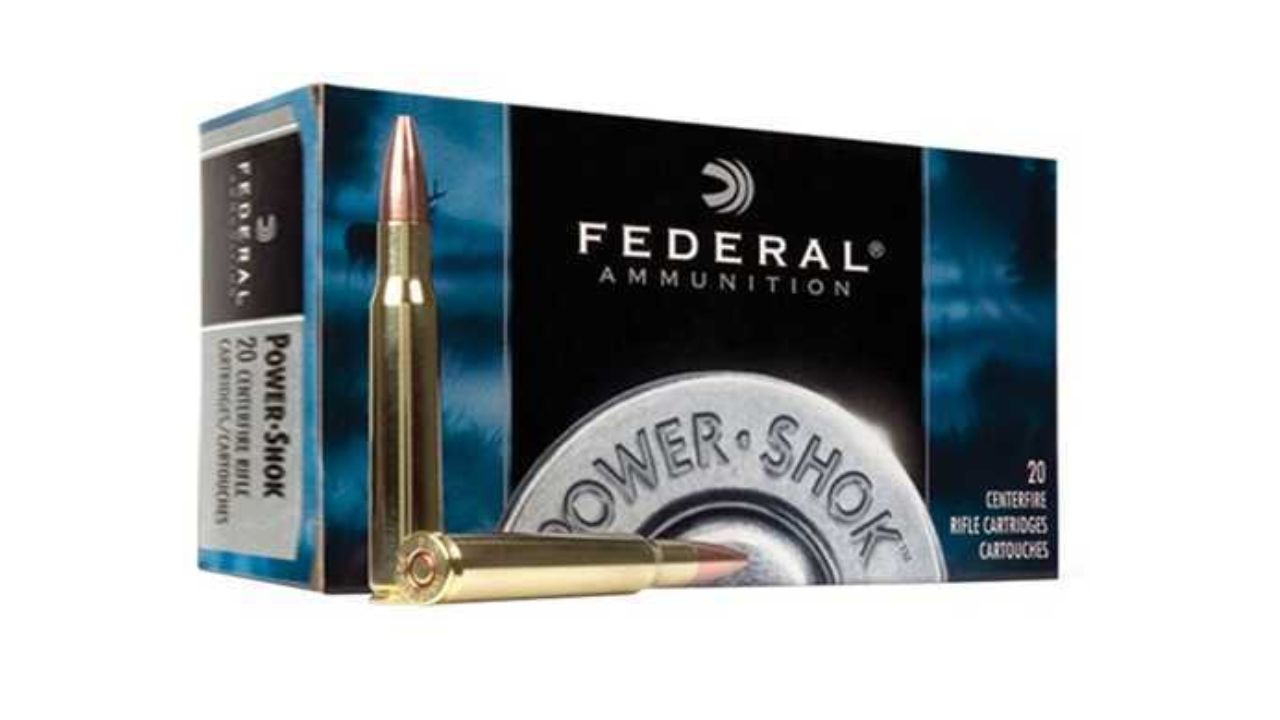
The .45-70 Government has killed more game than almost any cartridge on this list could dream of. It is powerful, historic, and excellent in the right rifle. Nobody can honestly call it useless.
But deer hunters still switch away from it because it can be more cartridge than they need. Heavy recoil, arched trajectory, expensive ammo, and load confusion all make it less convenient than modern deer rounds. In thick woods, it is still great. For the average hunter in a box blind, it can feel like carrying a hammer when a lighter tool would do.
.44 Magnum rifle
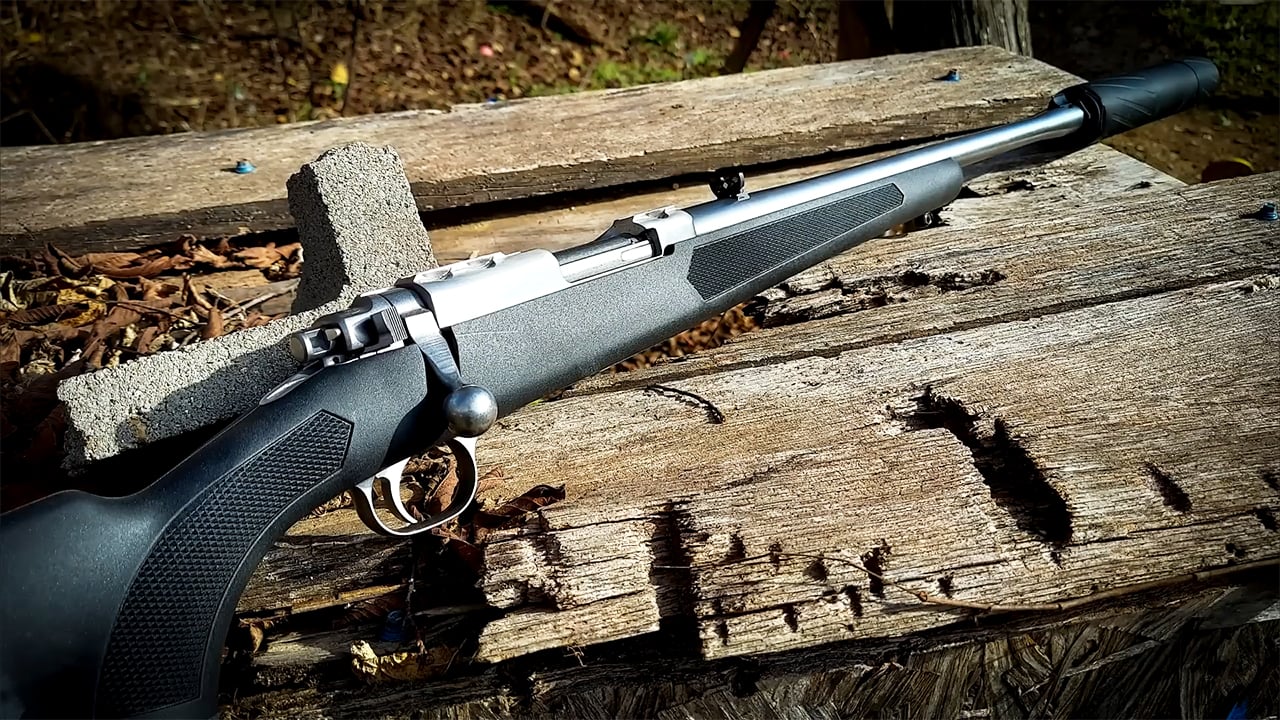
A .44 Magnum carbine is handy, fun, and useful in thick cover. It carries easily, points fast, and can take deer cleanly at close range with good loads. For brush hunting, it still has a place.
The problem is range and consistency. Some hunters stretch it too far because the rifle feels more capable than the cartridge really is. Others get tired of rainbow trajectory compared with modern straight-wall or bottleneck options. Many keep the .44 for fun but switch to something flatter and more forgiving for their main deer rifle.
Like The Avid Outdoorsman’s content? Subscribe to our newsletter so you never miss an article.
Here’s more from us: