Photo credit: Smith & Wesson/Youtube
Tiny revolvers are easy to carry, but they are not easy to shoot. A lightweight snubnose with a short grip, tiny sights, and a stiff double-action trigger can make even decent shooters look worse than they are. For new shooters or anyone who actually wants to practice, that can turn into a problem fast.
The better answer for some people is a defensive revolver with real grip space, real sights, and enough weight to calm the recoil down. These revolvers may not disappear in a pocket, but they are easier to control, easier to aim, and much easier to trust when shooting well matters.
Smith & Wesson Model 686 Plus 3-inch
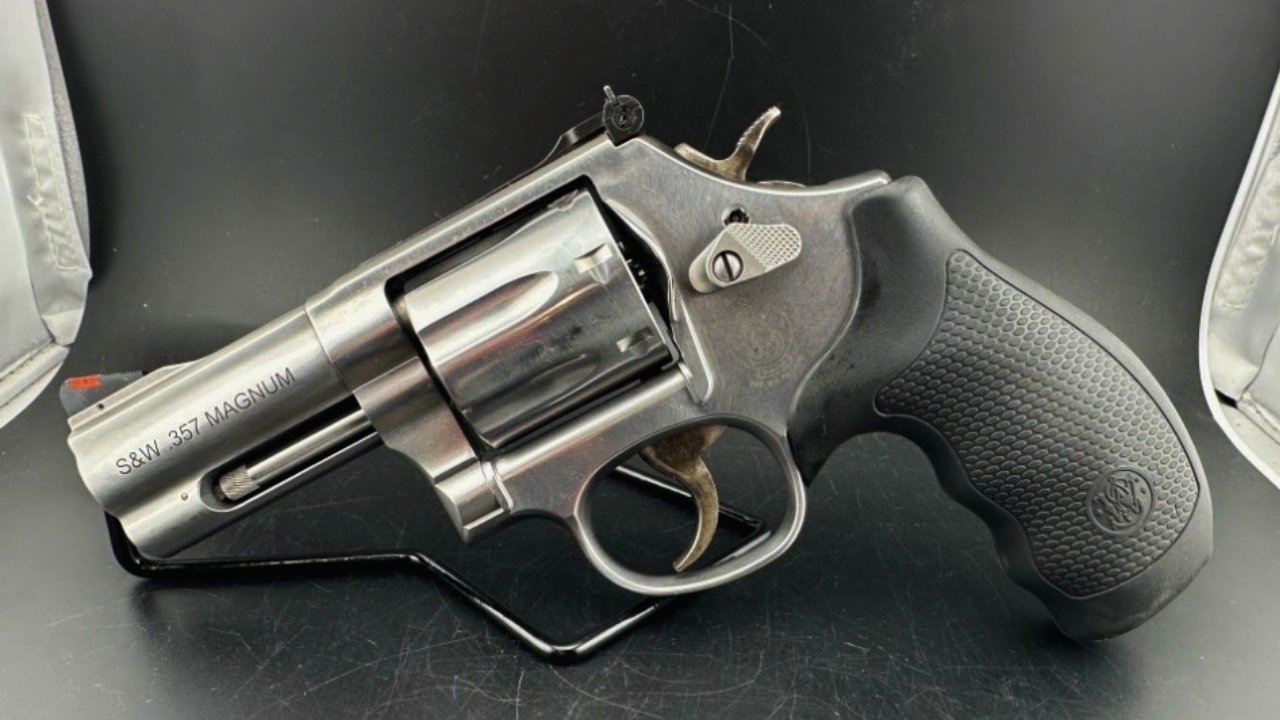
The Smith & Wesson 686 Plus with a 3-inch barrel is one of the best defensive revolvers for someone who wants shootability without going huge. The stainless L-frame gives it enough weight to handle .357 Magnum, and the seven-shot cylinder gives it a little more capacity than traditional six-shot revolvers.
The 3-inch barrel is the sweet spot. It is easier to carry than a 4-inch gun but gives better sight radius and balance than a tiny snub. Loaded with .38 Special +P or mild .357 Magnum loads, it is a very controllable defensive revolver that still feels serious in the hand.
Ruger GP100 3-inch

The Ruger GP100 3-inch is built for people who want strength first. It is heavier and chunkier than some competitors, but that weight works in its favor when the gun is fired. Recoil is easier to manage, and the revolver feels like it was made to last forever.
For defensive use, the GP100 makes sense because it gives shooters a stable platform. The grip is comfortable, the frame is strong, and the 3-inch barrel keeps it from feeling like a full-size hunting revolver. It is not dainty, but that is the whole point.
Colt King Cobra 3-inch

The Colt King Cobra 3-inch gives revolver fans a defensive-sized .357 that does not feel like a tiny backup gun. It has enough weight to shoot well, a manageable frame size, and the kind of Colt styling that makes it stand out from more utilitarian options.
The King Cobra is especially appealing for someone who wants a carryable revolver but refuses to deal with the harsh recoil of an ultralight snub. It is compact enough for belt carry but large enough to shoot with confidence. That balance is what makes it useful.
Kimber K6s 3-inch
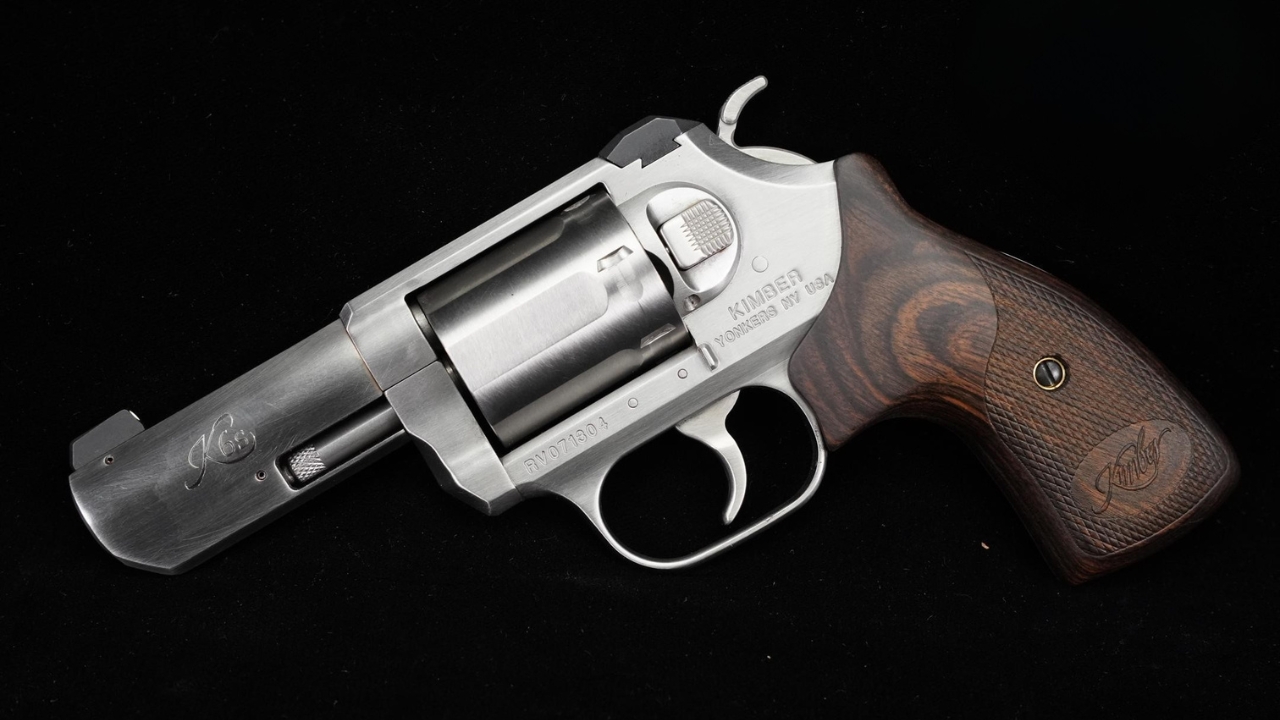
The Kimber K6s 3-inch is not a big revolver, but it feels much more shootable than the smallest snubs. The six-shot cylinder, smooth profile, good sights, and excellent trigger help it feel like a serious defensive gun rather than a pocket compromise.
The 3-inch version is the one that makes the most sense for people who want control. It gives the shooter more sight radius, more weight out front, and better handling than the shorter models. It is still compact, but it does not punish the shooter the way many tiny revolvers do.
Smith & Wesson Model 66 2.75-inch
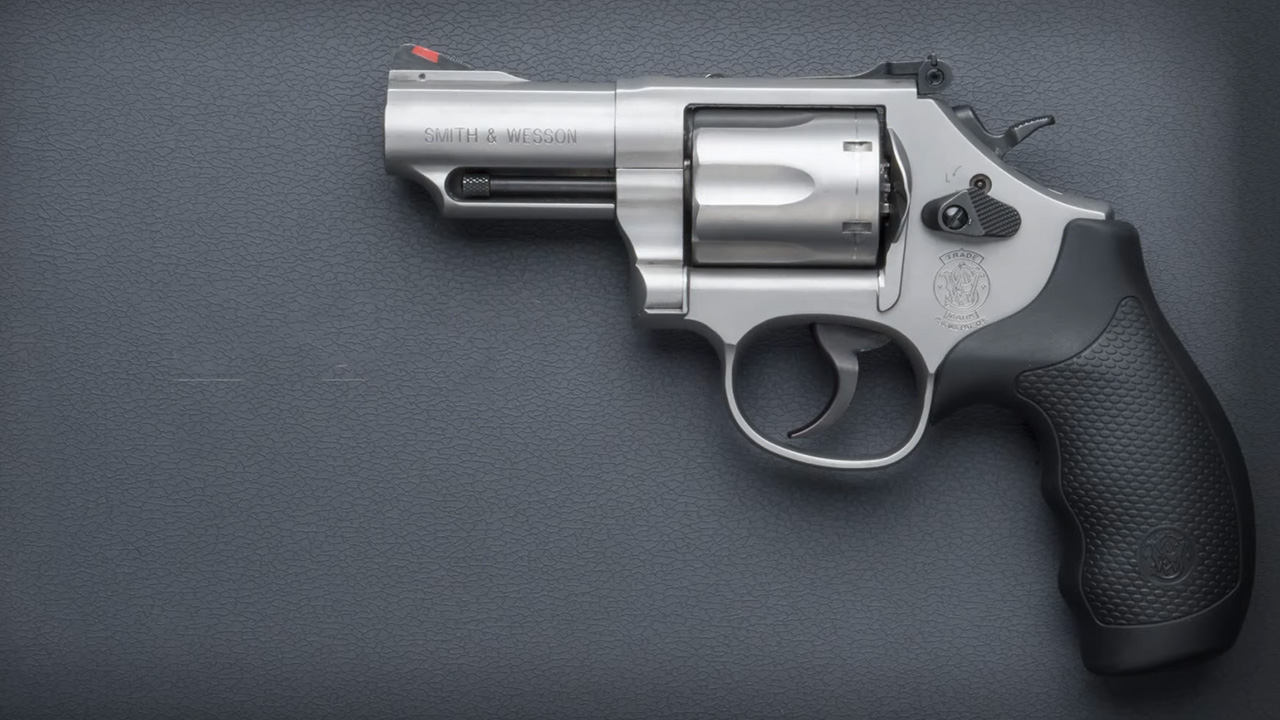
The Smith & Wesson Model 66 with the 2.75-inch barrel is a strong choice for someone who wants a classic K-frame defensive revolver. It is lighter and trimmer than the 686, but still much easier to shoot than a J-frame.
The Model 66 works well with .38 Special +P and reasonable .357 loads. It gives the shooter a real grip, usable sights, and a frame size that balances carry and control. For people who like old-school defensive revolvers, this is one of the most practical modern options.
Ruger SP101 3-inch
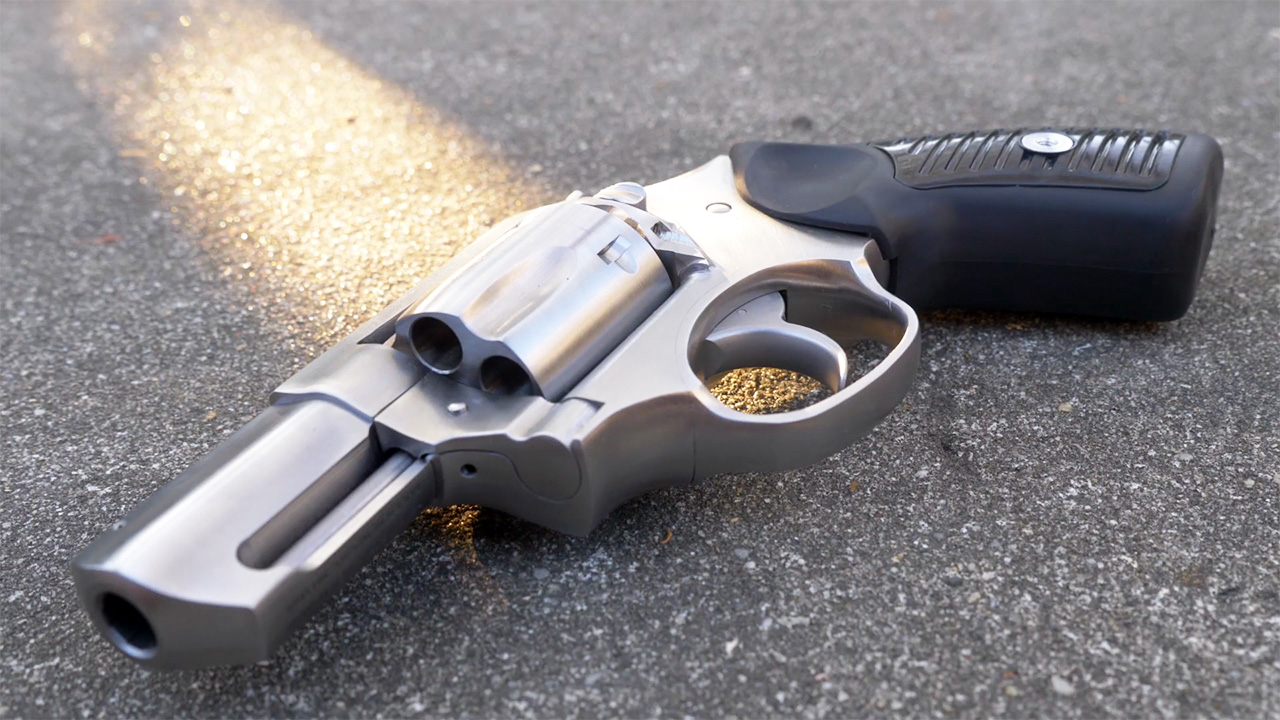
The Ruger SP101 3-inch is smaller than a GP100 but much more pleasant than the lightest snubnose revolvers. Its steel frame gives it enough weight to tame recoil, and the 3-inch barrel makes it easier to shoot accurately.
The SP101 is a good fit for someone who wants a sturdy defensive revolver without stepping into full-size territory. It is not as easy to pocket carry as tiny revolvers, but it is much easier to practice with. That tradeoff is usually worth it.
Colt Python 3-inch
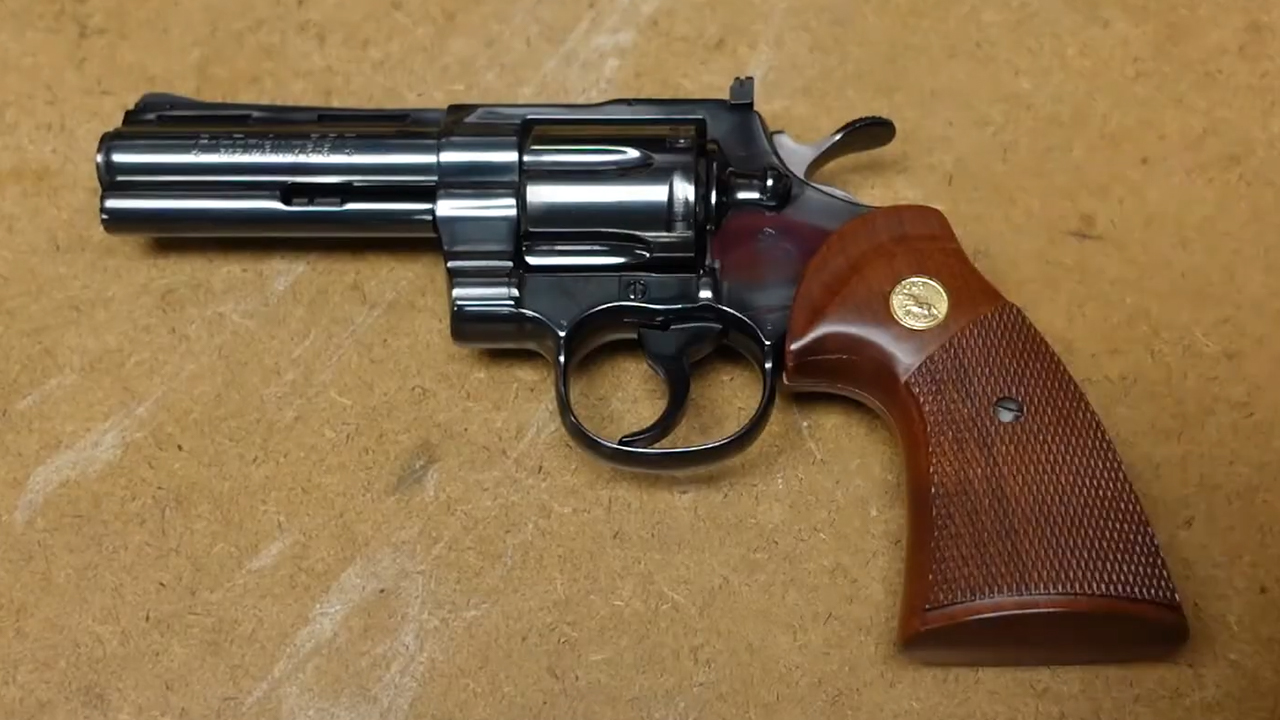
The Colt Python 3-inch is expensive, but it deserves mention because it is one of the most shootable defensive-sized .357 revolvers available. It has weight, balance, excellent sights, and a trigger that makes careful double-action shooting easier.
It is not the revolver to buy if the only goal is saving money. But for someone who wants a defensive revolver that also feels special, the 3-inch Python makes sense. It is big enough to control, short enough to carry on a belt, and refined enough to make regular practice enjoyable.
Smith & Wesson Model 19 Carry Comp
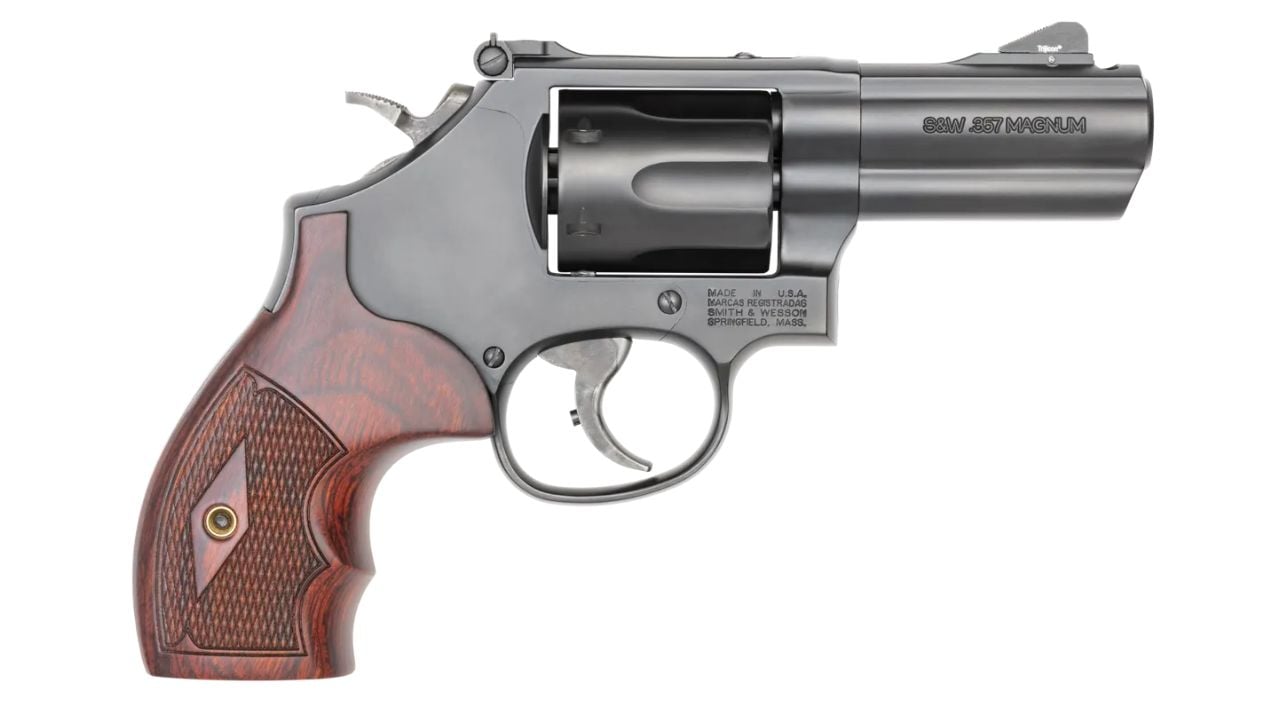
The Smith & Wesson Model 19 Carry Comp takes the classic K-frame .357 idea and gives it a defensive upgrade. The compensated barrel helps manage muzzle rise, and the round-butt frame keeps it more carry-friendly than a larger revolver.
It is especially useful for shooters who want something more controllable than a snub but less bulky than an L-frame. The Model 19 Carry Comp still has real sights, real grip options, and enough weight to behave better under recoil. It is a defensive revolver for people who actually plan to shoot their defensive revolver.
Ruger LCRx 3-inch .38 Special

The Ruger LCRx 3-inch in .38 Special is a smart option for people who want light weight without going too tiny. The exposed hammer, longer barrel, and better sights make it more versatile than the smallest LCR models.
In .38 Special, recoil is manageable enough for practice, especially compared with lightweight .357 snubs. It is not as soft as a steel revolver, but it gives shooters more control than pocket-sized options. For belt carry, home defense, or a lightweight field companion, it makes sense.
Taurus 856 Defender 3-inch

The Taurus 856 Defender gives budget-minded buyers a 3-inch defensive revolver with six shots of .38 Special. That extra barrel length matters. It gives the shooter better sight radius, more velocity, and a more stable feel than the smallest snubs.
The Defender is not as polished as a Smith or Colt, but it fills a useful lane. For someone who wants a revolver they can actually grip and shoot without paying premium money, it deserves a look. It is exactly the kind of gun that makes more sense than buying the smallest revolver just because it hides easier.
Charter Arms Professional
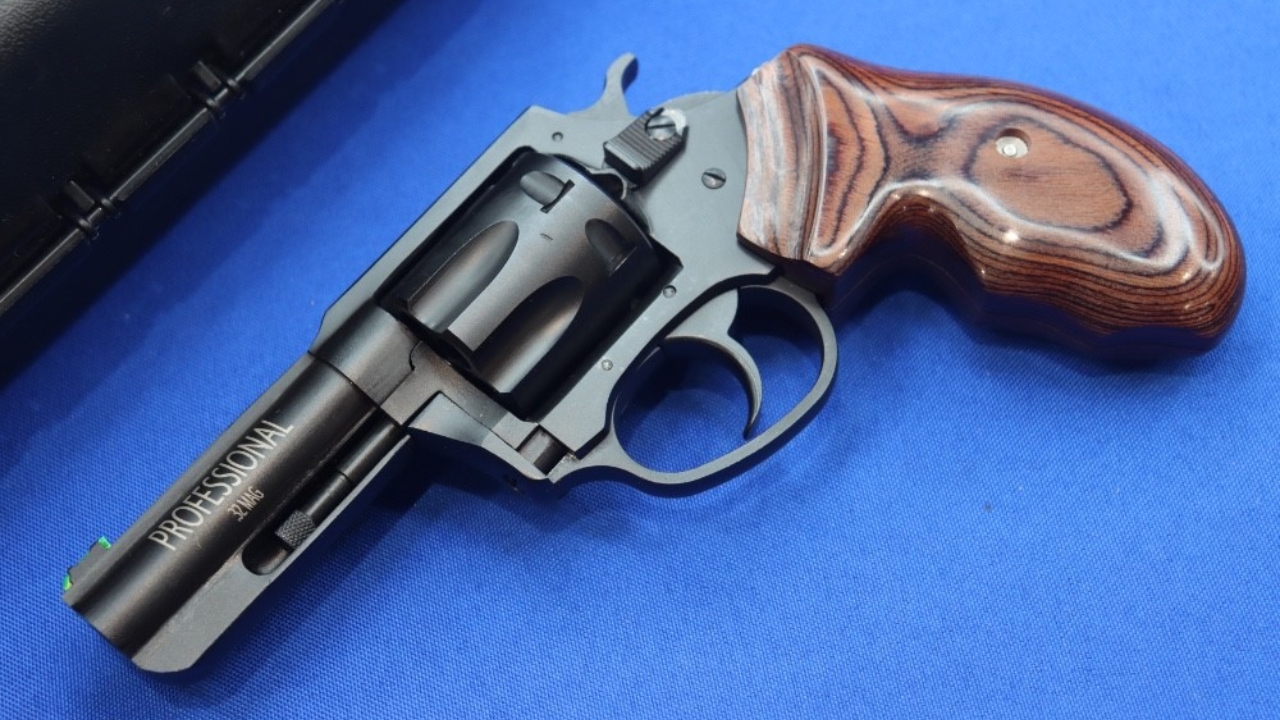
The Charter Arms Professional is an interesting defensive revolver because it gives shooters a seven-shot .32 H&R Magnum option in a carryable size. That may not sound exciting to everyone, but it makes sense for people who want less recoil without dropping all the way to a tiny .22 or .32 pocket gun.
The appeal is control. A shooter who struggles with .38 recoil may shoot a .32 H&R defensive load faster and more accurately. The revolver is still large enough to handle properly, which matters. It is not a mainstream choice, but it solves a real problem for the right person.
Smith & Wesson Model 60 3-inch

The Smith & Wesson Model 60 3-inch is a J-frame, but it is not the miserable featherweight version many new shooters struggle with. The stainless construction, longer barrel, and adjustable-sight versions make it much more useful than the smallest carry revolvers.
It still only holds five rounds, so it is not winning any capacity arguments. But it is far easier to shoot well than an ultralight snub. For someone who wants a smaller defensive revolver but refuses to accept tiny sights and brutal recoil, the 3-inch Model 60 is a better answer.
Ruger Redhawk 4.2-inch .357 Magnum
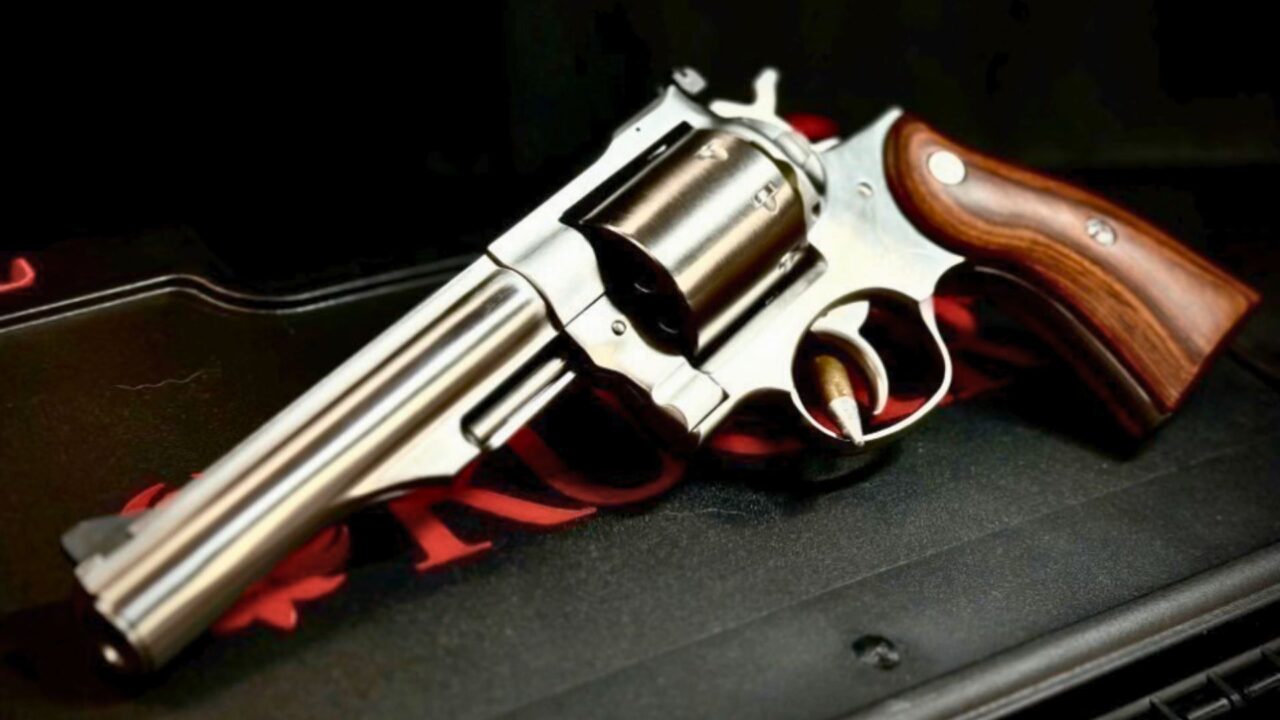
The Ruger Redhawk in .357 Magnum is not small, and that is why some shooters like it. It offers eight rounds of .357 Magnum in a large, strong frame that soaks up recoil extremely well. For home defense, field carry, or range use, it gives revolver fans serious capability.
This is not a concealed-carry revolver for most people. It is too big and heavy for that role. But for someone who wants a defensive revolver that is easy to control and built like a tank, the .357 Redhawk has a real purpose.
Smith & Wesson Model 627
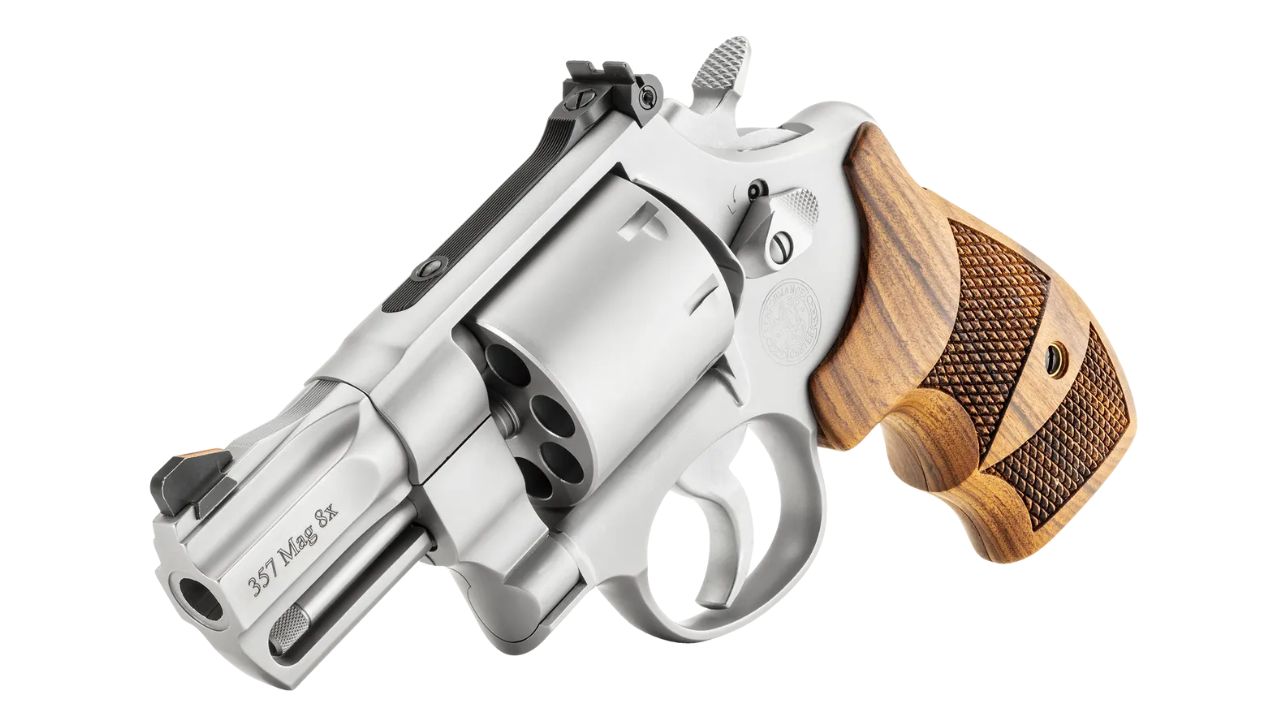
The Smith & Wesson Model 627 is another eight-shot .357 Magnum revolver that makes sense for people who value capacity and control over compact size. The N-frame gives it weight, strength, and a very steady feel under recoil.
As a defensive revolver, the 627 is more home-defense or belt-carry than concealed-carry. But it gives shooters something tiny revolvers cannot: real shootability. The extra rounds, good trigger, and stable frame make it one of the more capable defensive revolver platforms around.
Smith & Wesson TRR8
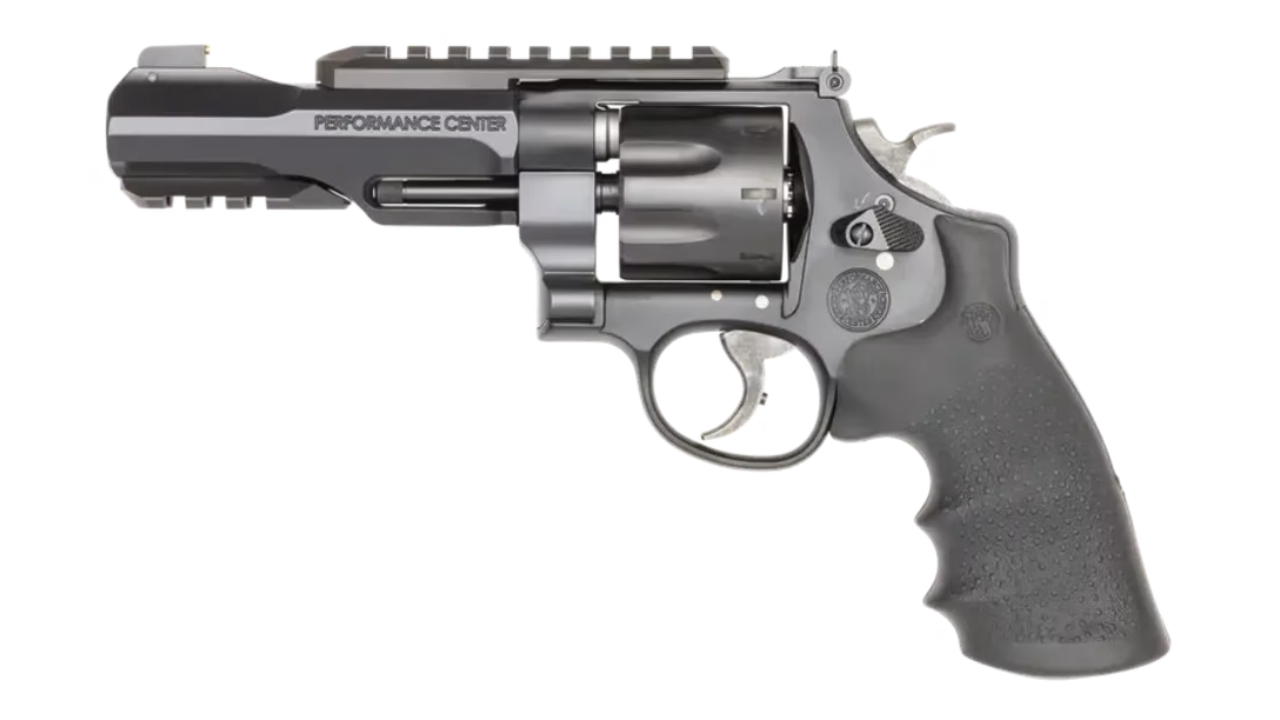
The Smith & Wesson TRR8 is not traditional, but it is practical. It gives shooters eight rounds of .357 Magnum, rails for lights or optics, and a scandium frame that keeps weight lower than a full steel N-frame. It looks unusual, but the feature set makes sense.
For home defense, the ability to mount a light is a major advantage. Many revolvers struggle in that category. The TRR8 gives revolver fans a more modern defensive setup without switching to a semi-auto. It is not cheap, but it is one of the most capable defensive revolvers available.
Smith & Wesson R8
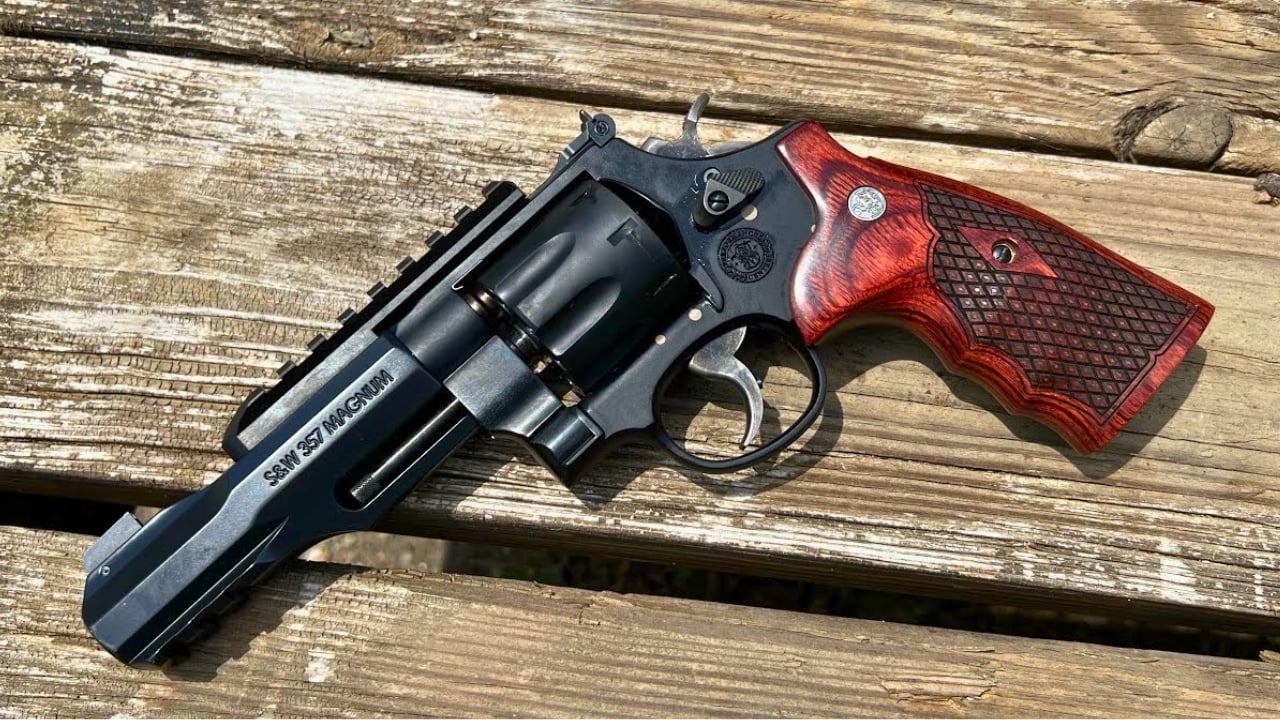
The Smith & Wesson R8 is closely related to the TRR8 and fills the same serious defensive role. It has eight-shot .357 capacity, a scandium frame, and a design aimed at duty or defensive use rather than old-school nostalgia.
The R8 is a good choice for someone who wants revolver simplicity but does not want revolver limitations. It still has a long double-action trigger and slower reloads than a semi-auto, but the capacity and shootability are excellent by revolver standards. It is a modern fighting revolver, not a pocket backup.
Ruger GP100 Match Champion
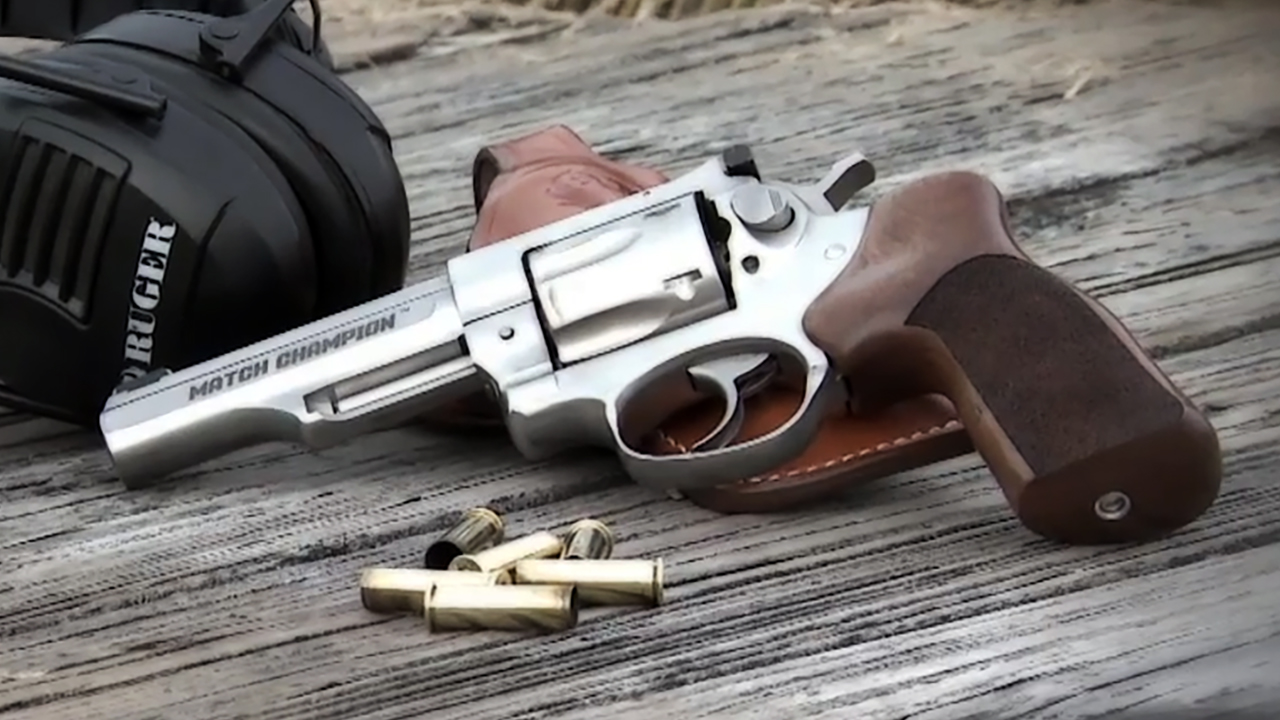
The Ruger GP100 Match Champion may sound like a range gun, but its strengths carry over well to defensive use. The trigger is cleaner than a standard GP100, the sights are useful, and the frame has enough mass to keep recoil manageable.
It is not as compact as a 3-inch carry revolver, but it is much easier to shoot well. For home defense or belt carry, the Match Champion gives owners a revolver they can practice with often and enjoy. That matters more than people admit.
Colt Trooper Mk III
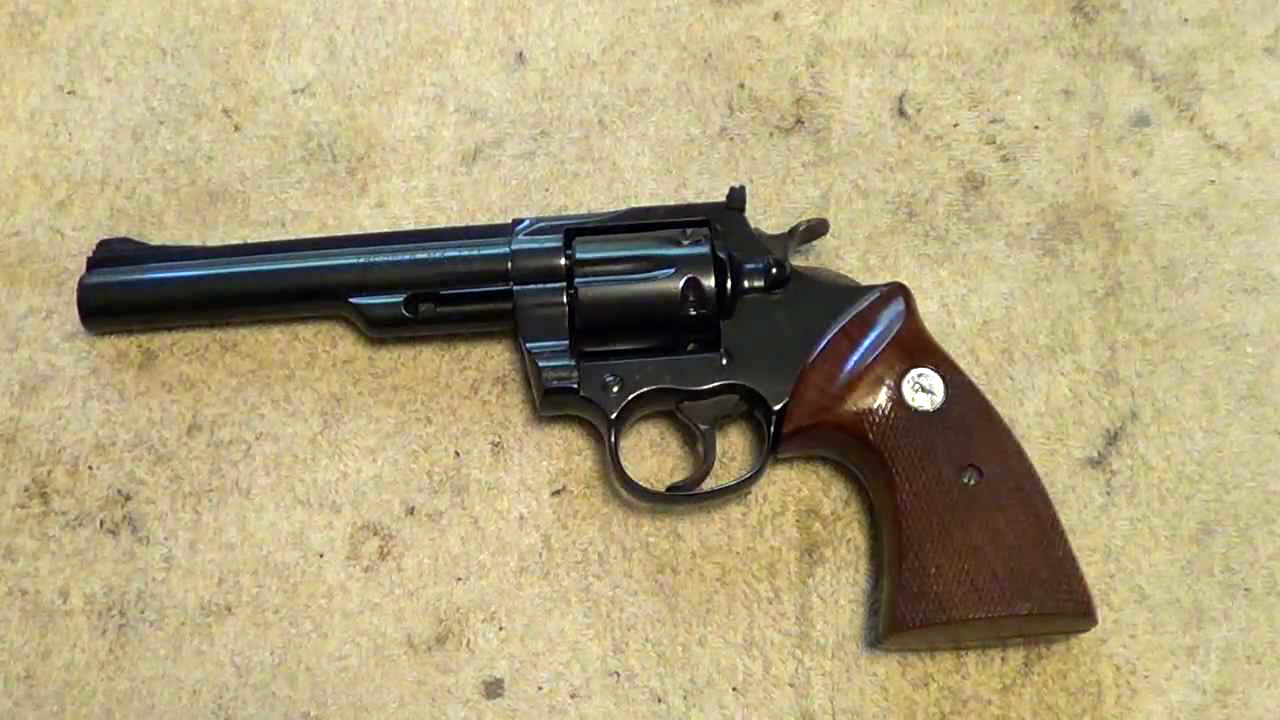
The Colt Trooper Mk III is an older option, but it still makes sense for people who do not want a tiny defensive revolver. It is a solid .357 Magnum with a full-size feel, good balance, and classic Colt character without always reaching Python prices.
A clean Trooper is not something to abuse casually, but it is still a very capable defensive revolver. Loaded with .38 Special +P or reasonable .357 loads, it gives the shooter real control. It is the kind of used revolver that reminds people bigger guns are easier to shoot for a reason.
Smith & Wesson Model 64 3-inch

The Smith & Wesson Model 64 with a 3-inch barrel is one of the best plain defensive revolvers ever made. It is stainless, fixed-sight, simple, and usually chambered in .38 Special. Former police trade-in examples built a strong reputation because they were practical tools, not showpieces.
The 3-inch Model 64 is especially useful because it balances carry and shootability so well. It has enough barrel to point naturally, enough weight to manage recoil, and enough simplicity to trust. It may not look exciting, but it is far easier to shoot than the tiny revolvers people often buy first.
Ruger Security-Six 4-inch

The Ruger Security-Six is discontinued, but it still belongs in this conversation. It is lighter and handier than a GP100, but stronger and easier to shoot than a small-frame snub. A 4-inch Security-Six gives shooters a very practical .357 Magnum revolver without excessive bulk.
For defensive use, it works well with .38 Special +P or mid-range .357 loads. It is not the newest option, and clean examples are getting harder to find, but it remains a smart revolver for people who care more about shootability than pocket carry.
Like The Avid Outdoorsman’s content? Subscribe to our newsletter so you never miss an article.
Here’s more from us: