Photo credit: Yeti Firearms/GunBroker
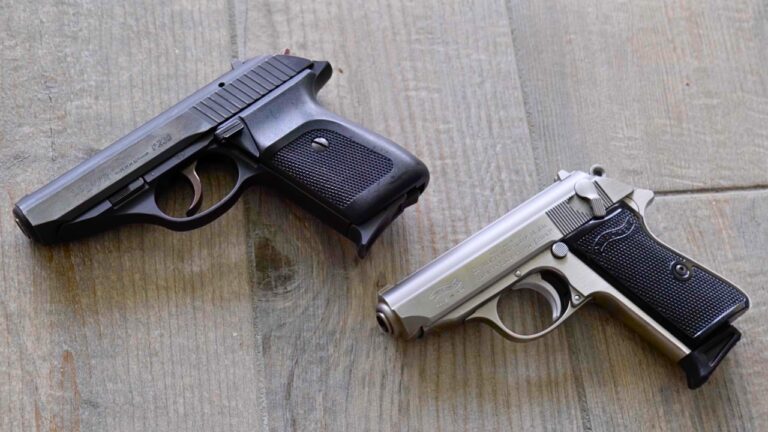
New guns get most of the attention because they are easier to market. They have fresh names, new finishes, optic cuts, threaded barrels, lighter stocks, and features that look good in a catalog. Some of that is useful. Some of it is just noise.
Plenty of older guns still make more sense because they were built around real jobs. They carried well, shot well, fed reliably, and did not need a pile of add-ons to prove their worth. These are the older guns that still hold up against newer options because the original idea was already right.
Smith & Wesson Model 64
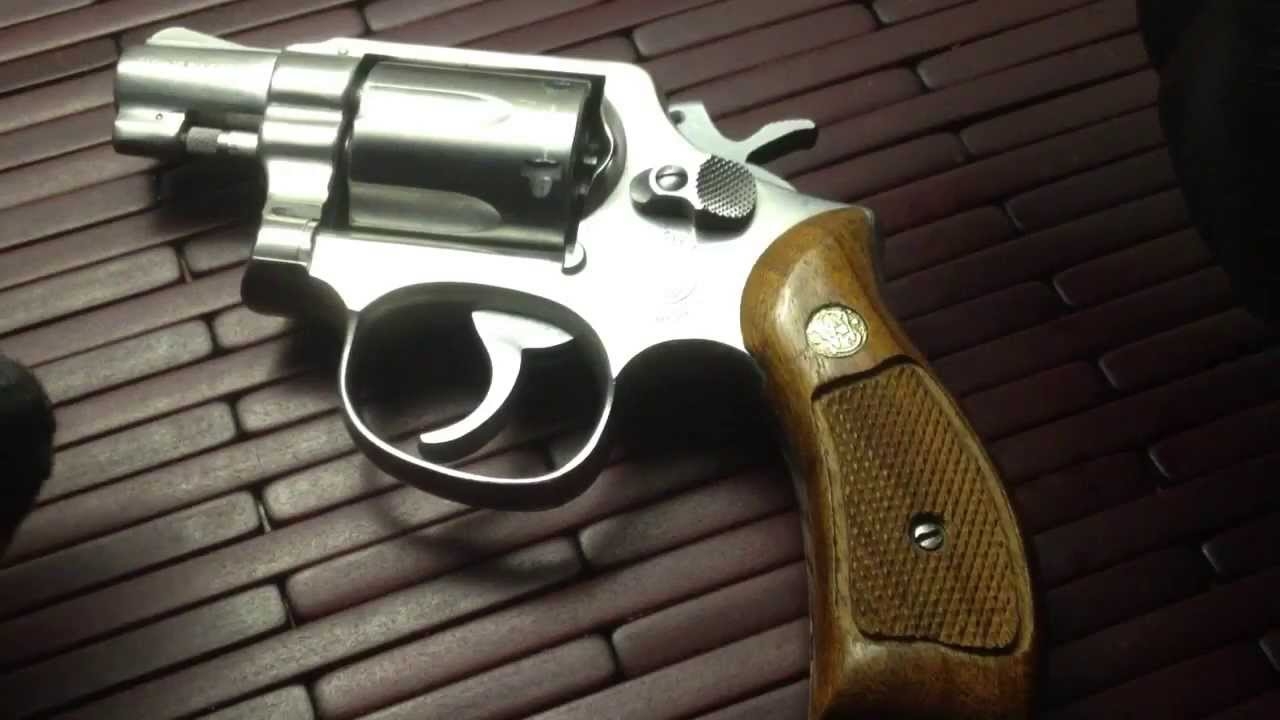
The Smith & Wesson Model 64 still makes more sense than a lot of new budget defensive handguns. It is a stainless fixed-sight .38 Special revolver that was built as a working gun, not a showpiece. Police departments trusted them because they were simple, durable, and easy to maintain.
A new low-cost pistol may offer more capacity, but the Model 64 offers confidence. The trigger can be excellent, the stainless finish handles wear well, and the gun is easy to understand. For home defense, range practice, and revolver training, an old Model 64 still feels more serious than many cheap new pistols.
Ruger P95
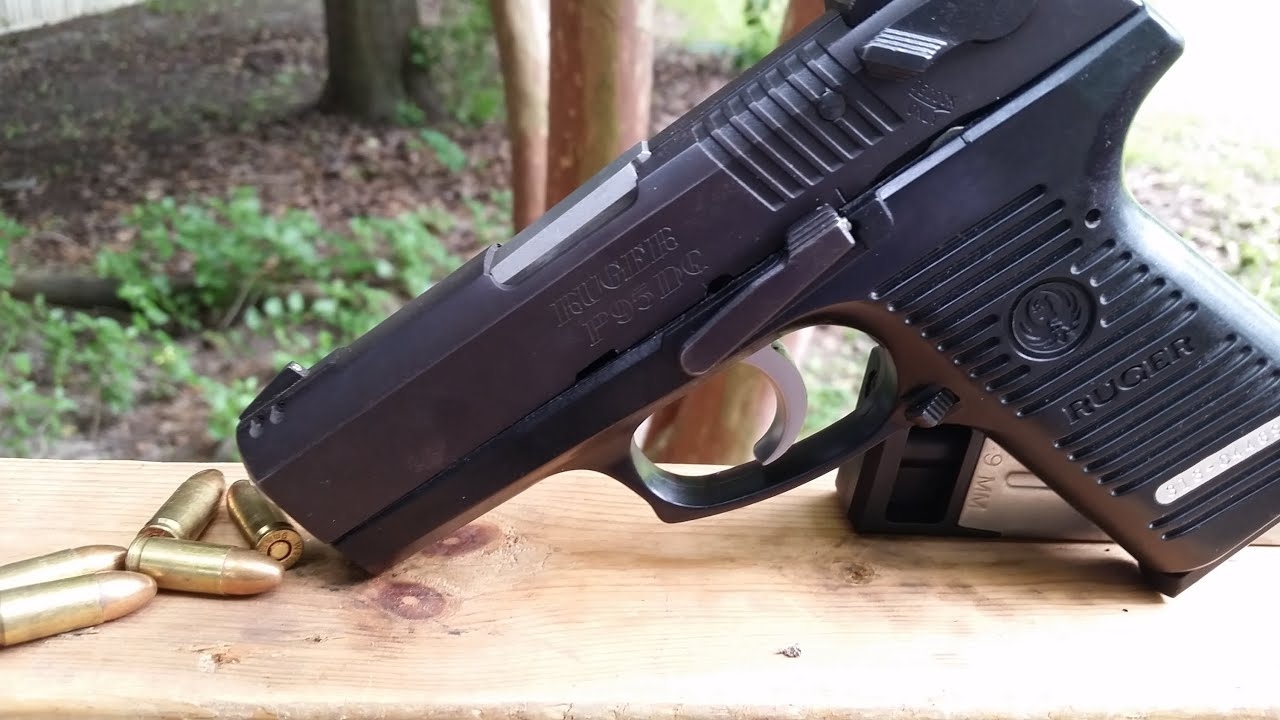
The Ruger P95 is not pretty, but it still makes more sense than plenty of newer bargain pistols. It was built during a time when Ruger seemed determined to make pistols that were tough before they were stylish. The P95 is chunky, plain, and not especially refined, but it usually runs.
That matters more than looks. A lot of new budget handguns try to feel modern while cutting corners in support, magazines, or long-term durability. The P95 may be dated, but it has a reputation for being hard to kill. For a used 9mm range or home-defense pistol, it still holds up.
Beretta 92FS
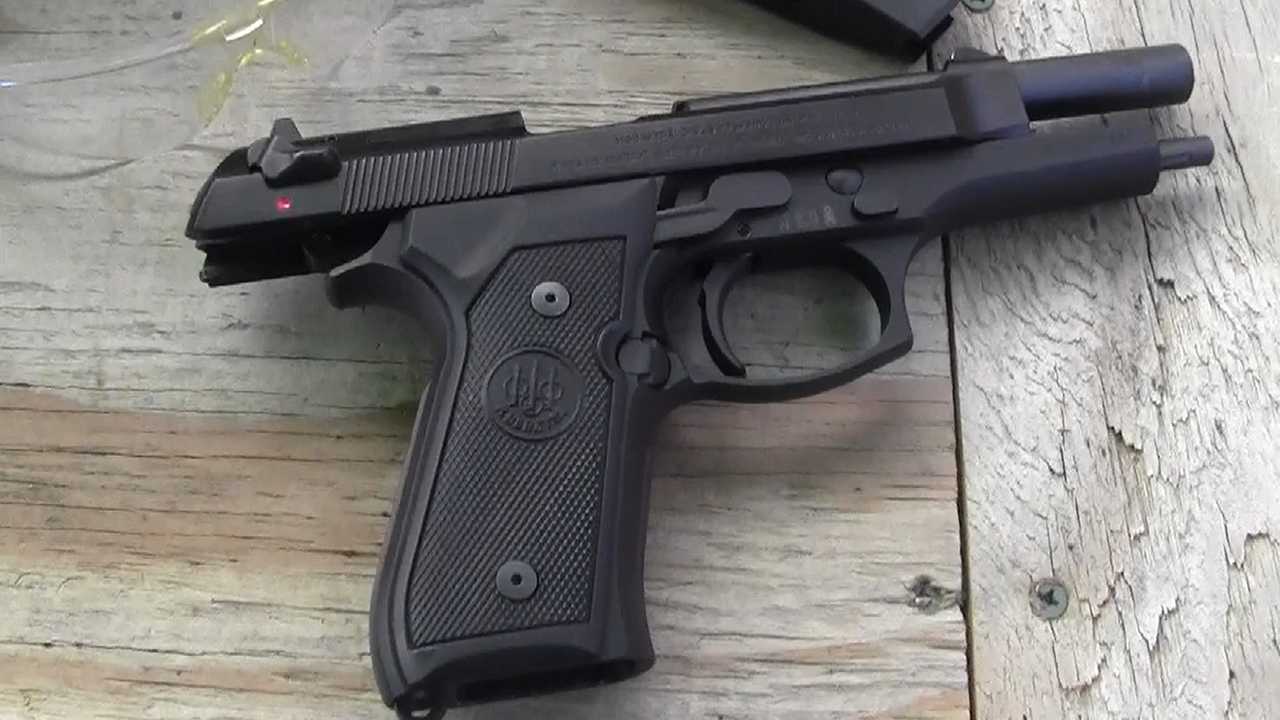
The Beretta 92FS gets dismissed by people who want lighter, smaller, optic-ready pistols. That makes sense for concealed carry, but it ignores what the Beretta still does well. It is soft-shooting, accurate, smooth, and easy to control for many shooters.
Compared with many newer compact pistols, the 92FS is simply easier to shoot well. The weight helps, the open-slide design is proven, and the DA/SA trigger gives shooters a real system to learn. It may be large, but for home defense, duty-style use, and range work, the old Beretta still makes plenty of sense.
SIG Sauer P226
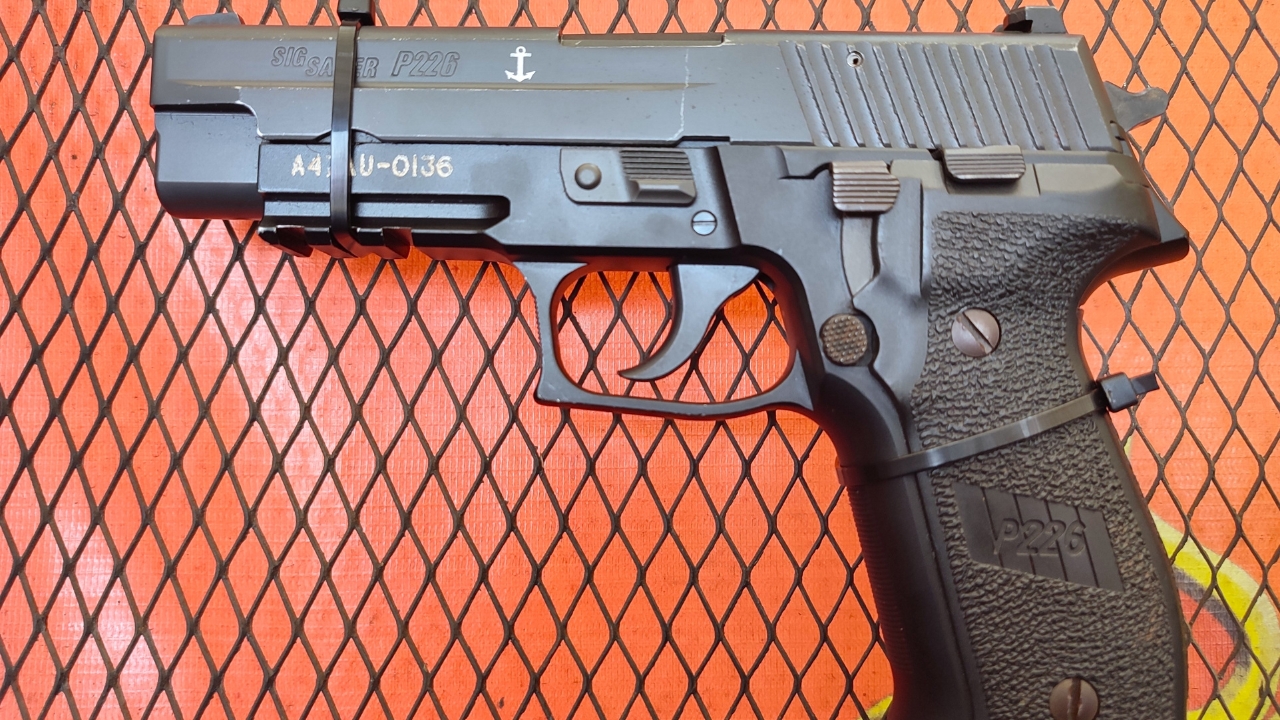
The SIG P226 is older than most of the pistols people compare it against, but it still feels like a serious handgun. It has a metal frame, solid lockup, excellent accuracy potential, and a service record that was not built on internet hype.
New striker-fired pistols may be cheaper, lighter, and easier to mount optics on, but many do not feel as confidence-inspiring as a good P226. The SIG is not the easiest pistol to carry concealed, but as a home-defense or range pistol, it still makes more sense than buying a cheaper new gun just because it is newer.
Smith & Wesson Model 5906

The Smith & Wesson 5906 is heavy by modern standards, and that is one reason people moved away from it. It is a stainless double-stack 9mm that feels like it came from a different era because it did. But that weight and build quality are also why it still makes sense.
A newer polymer pistol may be easier to carry, but the 5906 is extremely shootable. Recoil is mild, the gun feels planted, and the construction inspires trust. As a range gun, home-defense pistol, or old police-trade-in workhorse, it still embarrasses a lot of cheaper modern handguns.
CZ 75 B

The CZ 75 B still makes sense because it gets the basics right. It has a comfortable grip, low bore axis, steel frame, good capacity, and excellent shootability. It does not need aggressive slide cuts or a trendy name to be useful.
A lot of newer pistols are lighter and easier to carry, but they do not always shoot as naturally. The CZ 75 B feels like a gun made for accurate shooting first. For anyone who wants a dependable range, home-defense, or all-around 9mm, it remains one of the smartest older designs to buy.
Walther P99 AS

The Walther P99 AS still makes more sense than many newer striker-fired pistols because it offered something different. The anti-stress trigger system gave shooters a unique feel that split the difference between traditional double-action ideas and modern striker-fired simplicity.
Most new striker-fired pistols feel more alike than people want to admit. The P99 AS had personality and real function. It was ergonomic, reliable, and more interesting than another plain polymer 9mm. If someone wants a defensive pistol that is not just a copy of the same formula, the older Walther still has a point.
HK USP Compact

The HK USP Compact is blocky, expensive, and dated next to newer compact pistols. It is also one of those guns that still makes sense because it was built for hard use. The controls are large, the frame is tough, and the pistol has the kind of durability reputation that does not come from styling.
New compacts may carry easier, but the USP Compact feels like a true service pistol cut down to a practical size. It can be carried, kept at home, or used as a range gun without feeling fragile. For shooters who value durability over trendiness, the older HK still earns respect.
Ruger Security-Six
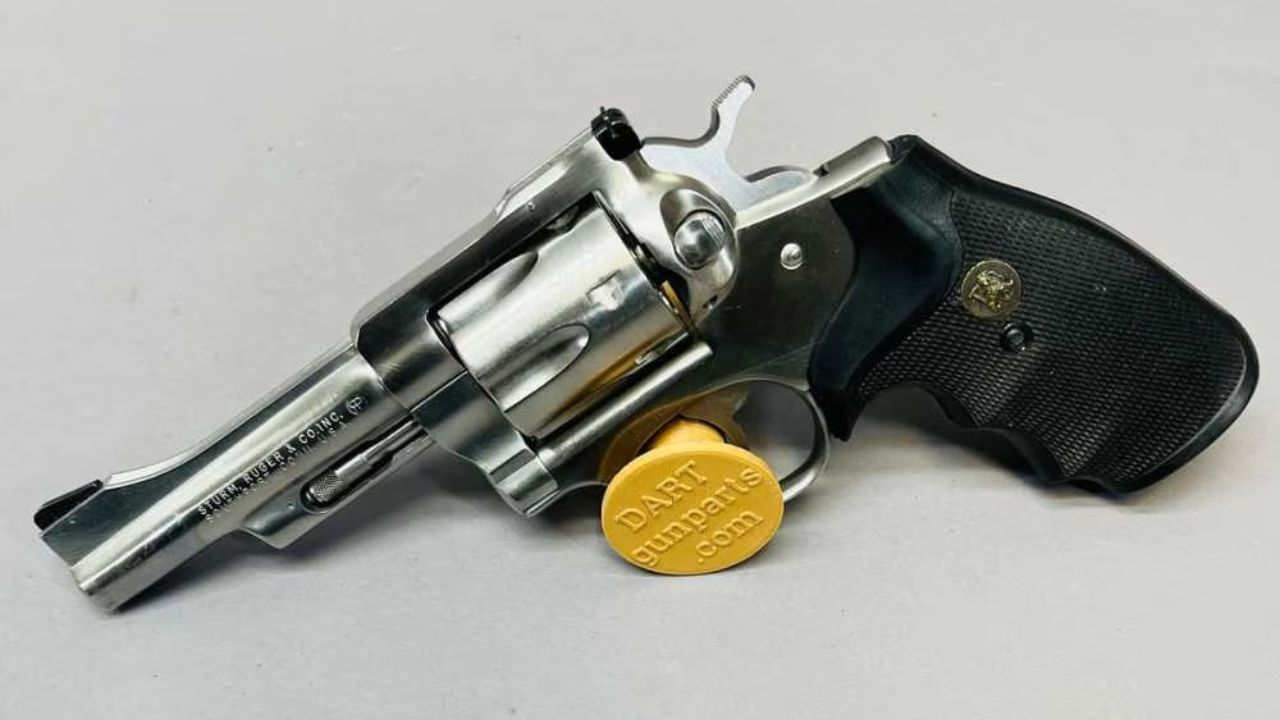
The Ruger Security-Six still makes more sense than many newer revolvers because it hits a balance that is hard to find. It is strong, but not as bulky as a GP100. It is useful as a .357 Magnum, but still handy enough to carry in the field.
A lot of modern revolvers either go very small for concealment or very large for strength. The Security-Six sits in the middle. It handles .38 Special easily, can manage .357 Magnum, and feels like a real working revolver. Clean examples are worth keeping because Ruger got the size right.
Smith & Wesson Model 15
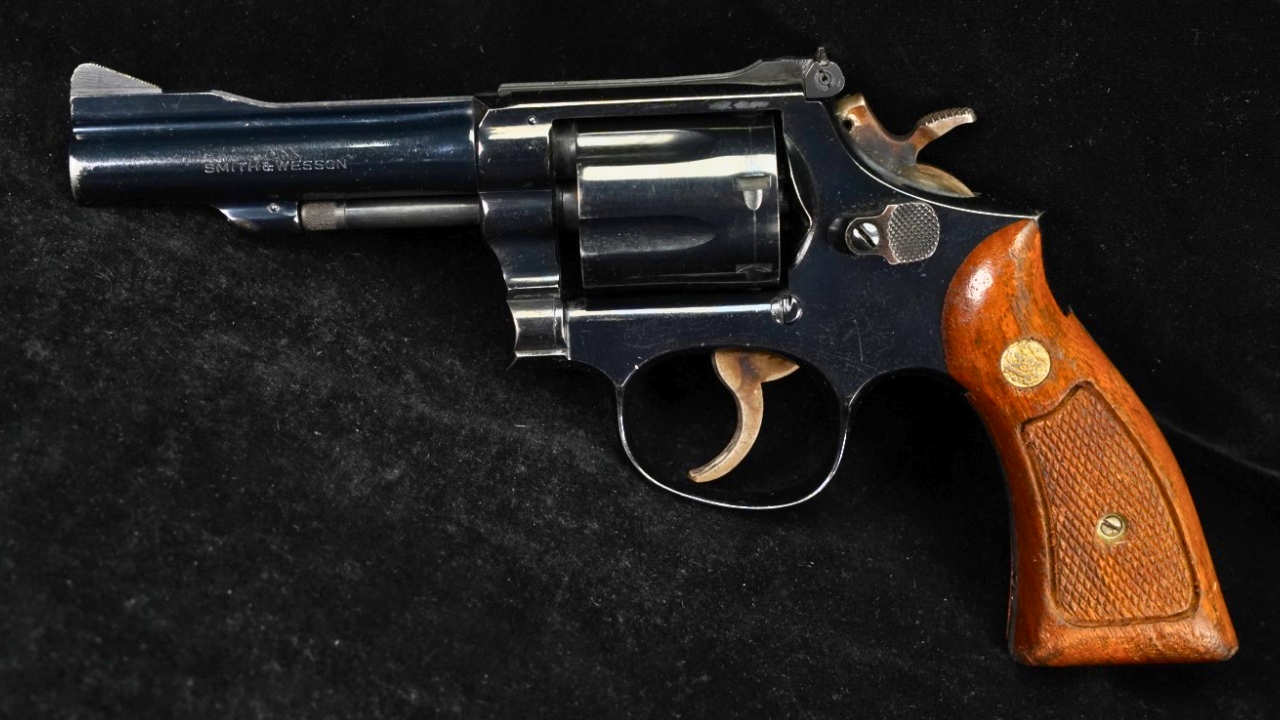
The Smith & Wesson Model 15 is a .38 Special revolver that still makes sense for training and defensive fundamentals. It has adjustable sights, a manageable K-frame size, and a double-action trigger that teaches real control.
A modern budget pistol may hold more rounds, but it will not teach trigger discipline the same way. The Model 15 is accurate, pleasant, and easy to shoot well. For a range gun, home revolver, or training tool, it remains far more useful than people expect from an old .38.
Winchester Model 1300
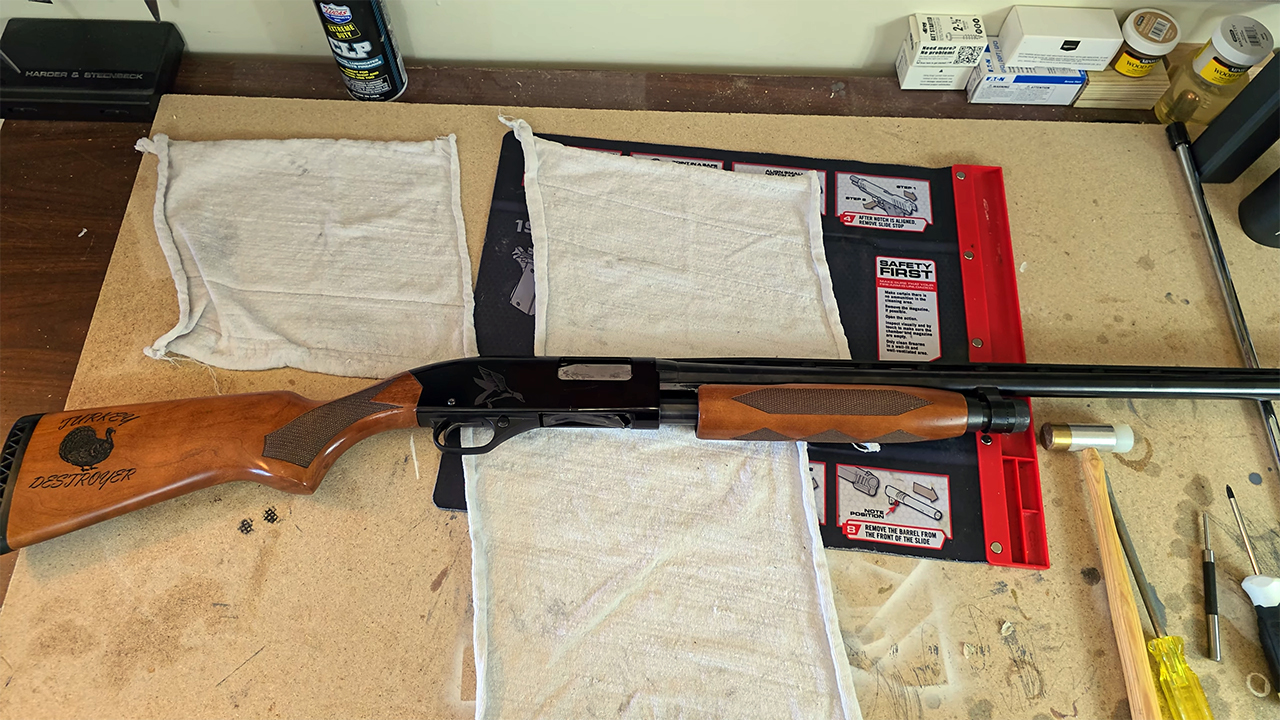
The Winchester Model 1300 still makes sense because it is one of the fastest pump shotguns many people ever owned. The action feels slick, the rotary bolt system gives it a quick cycling feel, and the gun carries well in hunting trim.
New pump shotguns may offer rails, ghost rings, or tactical furniture, but not all of them feel as lively. The Model 1300 was a practical shotgun before everything needed to look tactical. For birds, deer, home defense, or general use, a good one still makes a lot of new pumps feel clumsy.
Ithaca Model 37
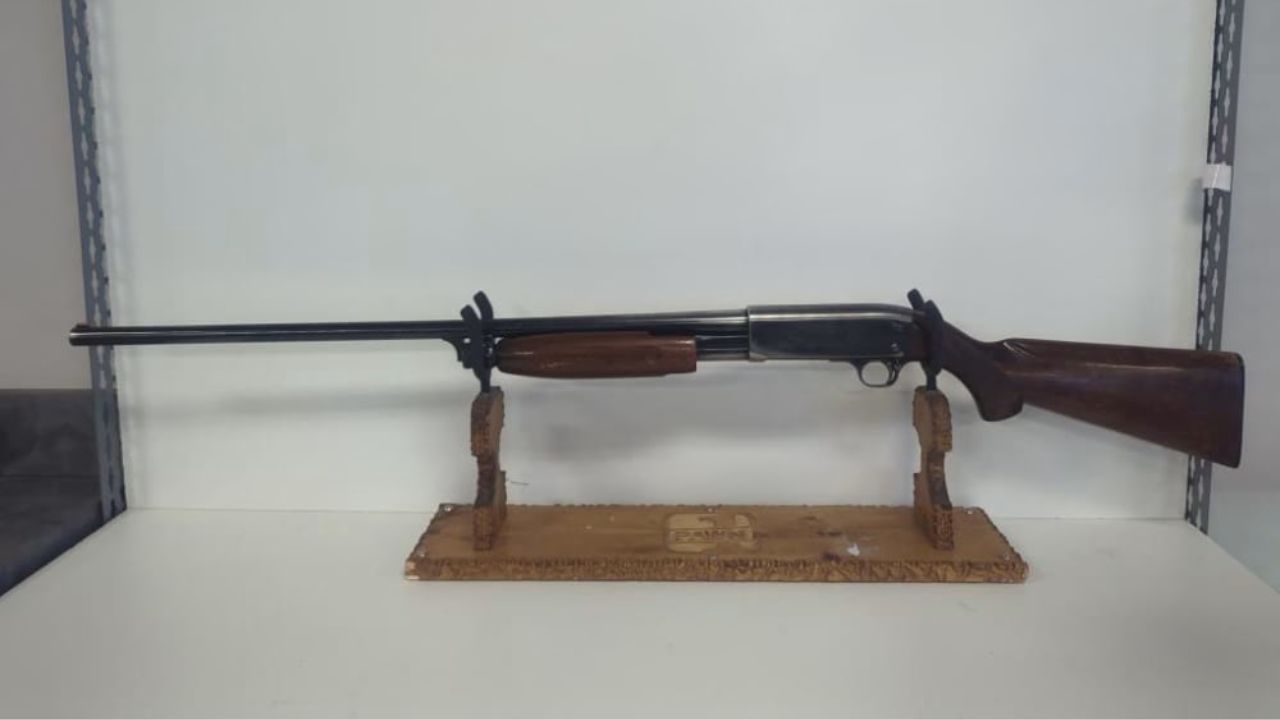
The Ithaca Model 37 is one of those older guns that still makes sense because of handling. It is slim, light, and smooth, with bottom ejection that works well for left-handed shooters. It was designed in a way that makes it feel natural in the field.
Plenty of new shotguns are more modular, but the Model 37 carries better than many of them. For upland hunting, rabbits, squirrels, and general shotgun use, it is still a joy to use. Sometimes the older design wins because it was built around walking with a gun all day.
Beretta 390
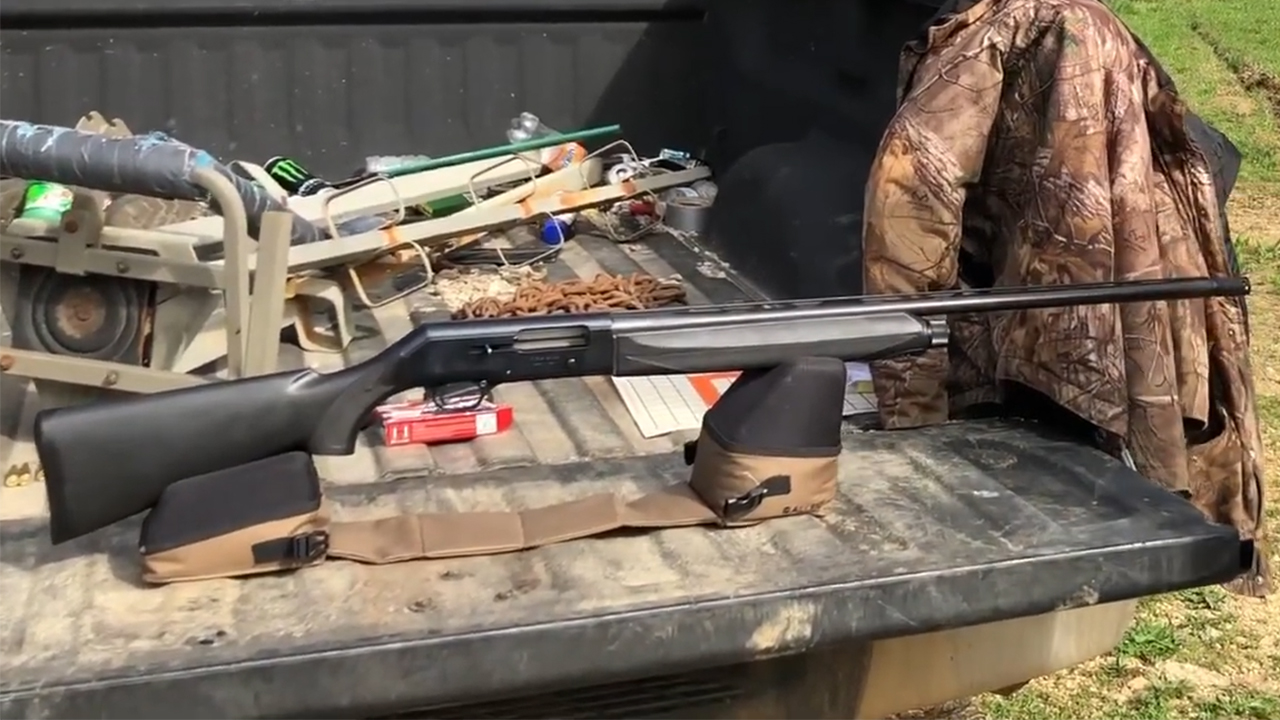
The Beretta 390 still makes sense because it is exactly what many hunters and clay shooters want in a semi-auto shotgun. It is reliable, soft-shooting, and not overloaded with gimmicks. It was made to cycle shells and keep going.
Newer semi-autos may have better coatings, lighter stocks, and cleaner styling, but the 390 still has a reputation for doing the job. A good used one can be a smarter buy than a cheap new semi-auto that has not proved itself. Shotguns do not need to be exciting when they run.
Remington 7600

The Remington 7600 still makes more sense than many hunters realize. A pump-action centerfire rifle sounds unusual if someone grew up on bolt guns and ARs, but in the deer woods it can be very practical. It gives fast follow-up shots with real rifle cartridges.
For hunters in thick timber, the 7600 still has a real purpose. It is quicker than a bolt gun for many shooters, more traditional than a semi-auto, and available in serious deer chamberings. New rifles may be more fashionable, but they do not always replace what a 7600 does well.
Savage 99

The Savage 99 still makes sense because it solved lever-action problems long before most hunters cared. It used a magazine system that allowed pointed bullets in many versions, giving hunters better cartridge options than traditional tube-fed lever rifles.
That means the 99 can still be a smart deer rifle today. It carries like a lever gun but can chamber rounds like .300 Savage, .308 Winchester, and .243 Winchester depending on the model. It is not just collectible. It remains useful because it was a clever design from the start.
Ruger No. 1

The Ruger No. 1 still makes sense for hunters who do not need fast follow-up shots and want a rifle that feels special. Its falling-block action makes the rifle compact for its barrel length, strong, and clean-looking. It does one thing very well.
New rifles usually chase capacity, weight savings, or modular features. The No. 1 goes the other direction. It rewards careful shooting and gives hunters access to a wide range of chamberings in a classy single-shot package. For the right hunter, that still makes more sense than another plastic-stock bolt gun.
Thompson/Center Contender
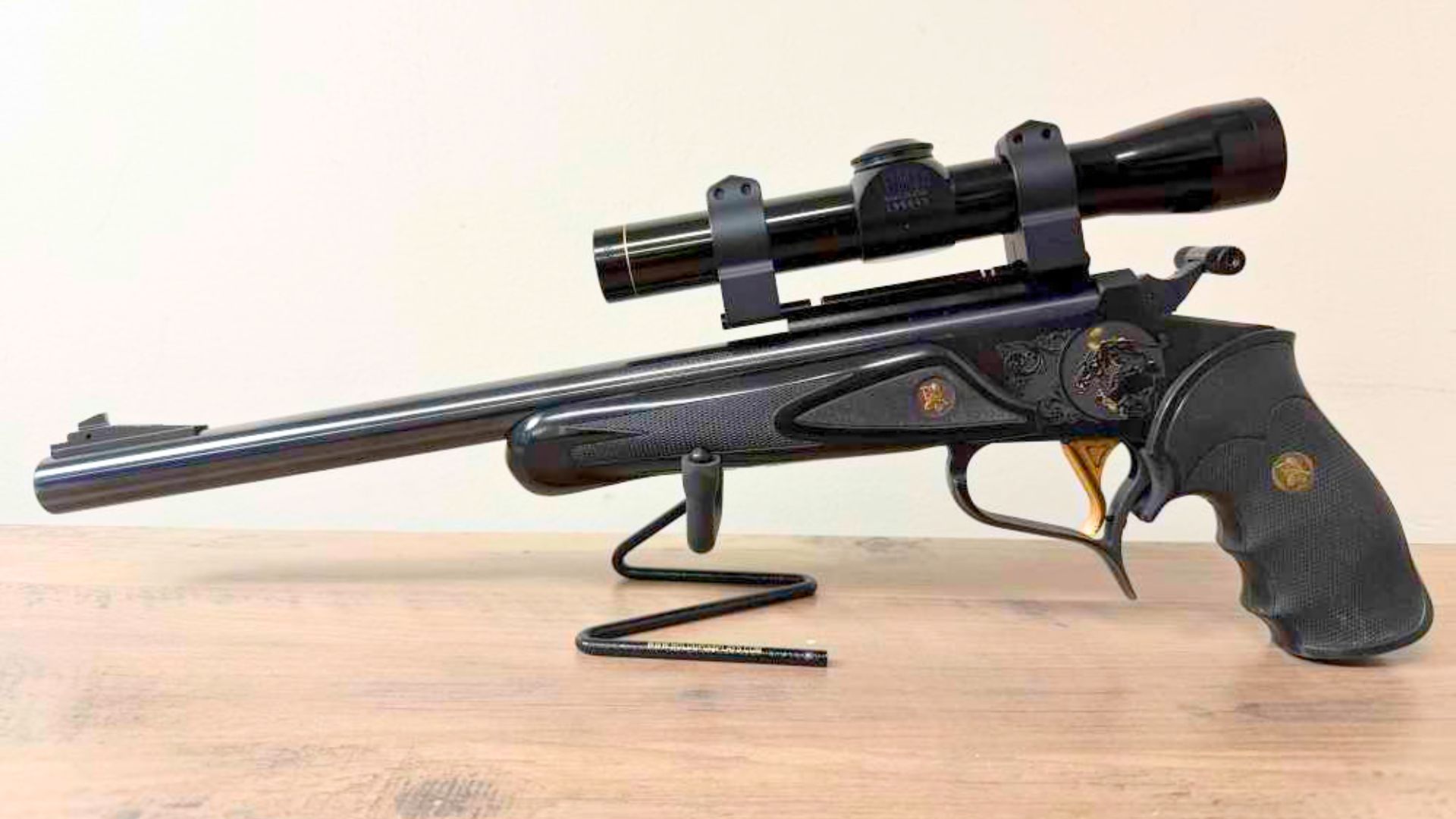
The Thompson/Center Contender still makes sense because it offers flexibility most new guns do not. One frame can use different barrels, different calibers, and different roles. It can be a handgun, carbine, small-game gun, deer gun, or oddball cartridge project.
Modern firearms often specialize. The Contender lets a shooter experiment. That is why handloaders, handgun hunters, and tinkerers still appreciate it. Newer guns may be easier to buy off the shelf, but few offer the same kind of modular usefulness.
Marlin Camp 9
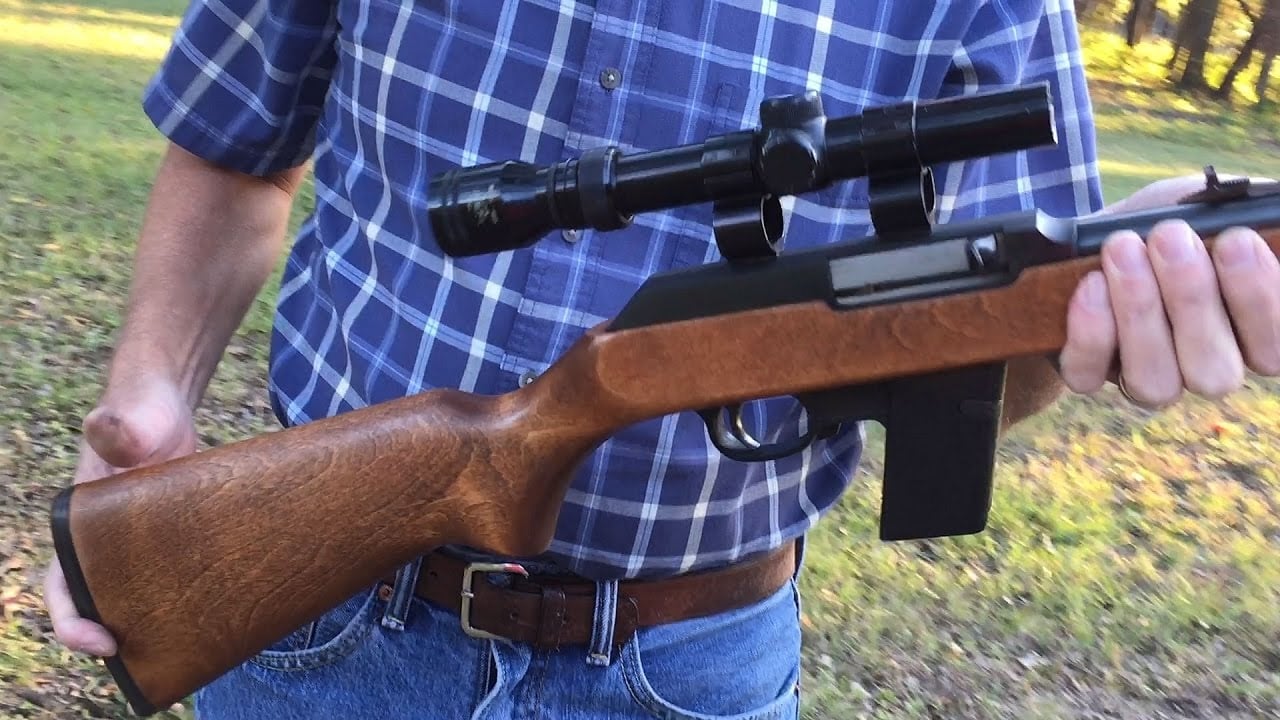
The Marlin Camp 9 still makes sense because pistol-caliber carbines became popular after it was already gone. It is a light, handy 9mm carbine with a traditional rifle feel, and it used common Smith & Wesson 59-series magazines.
A lot of new PCCs are covered in rails and AR-style furniture. That is fine for some shooters, but not everyone wants that. The Camp 9 feels like a practical little carbine instead of a tactical project. For home defense, range use, or casual shooting, it still fills a lane newer guns often ignore.
Ruger Mini-14

The Ruger Mini-14 still makes sense for people who want a semi-auto .223 without turning everything into an AR build. It is not usually as accurate as a good AR, and it is not as modular. But it has a traditional feel, handles well, and works nicely as a ranch or utility rifle.
New rifles may beat it on accessories and precision, but the Mini-14 has a purpose. It is handy, familiar, and useful for coyotes, pests, property work, and casual shooting. For people who want a semi-auto rifle that does not feel like every other black rifle on the rack, it still makes sense.
Browning BLR

The Browning BLR still makes sense because it gives hunters lever-action handling with modern rifle chamberings. Unlike traditional tube-fed lever guns, the BLR uses a box magazine, which opens the door to pointed bullets and rounds like .308, .243, .270, and others depending on the version.
That makes it more versatile than many people expect. A newer bolt gun may be cheaper and more accurate from a bench, but it will not handle like a BLR. For hunters who want fast handling and real cartridge performance, the older lever-action idea still works.
Winchester 9422
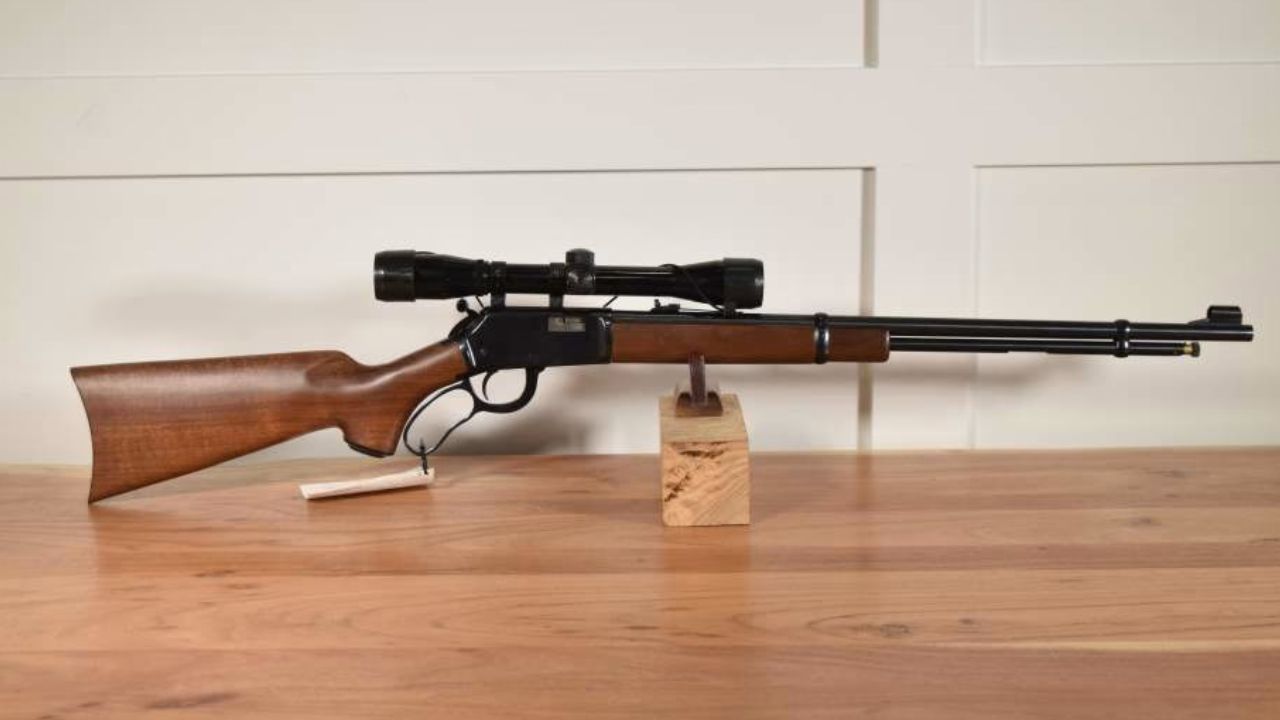
The Winchester 9422 still makes sense because a good .22 lever gun never really goes out of style. It is smooth, accurate enough for small game and plinking, and built with a quality that many modern rimfires do not match.
New .22 rifles are cheaper, easier to mount optics on, and often more practical in a strict sense. But the 9422 offers something better than cheap utility. It is a rimfire people actually want to keep. For teaching, plinking, or carrying around the farm, it still makes more sense than buying another disposable-feeling .22.
Smith & Wesson Model 41
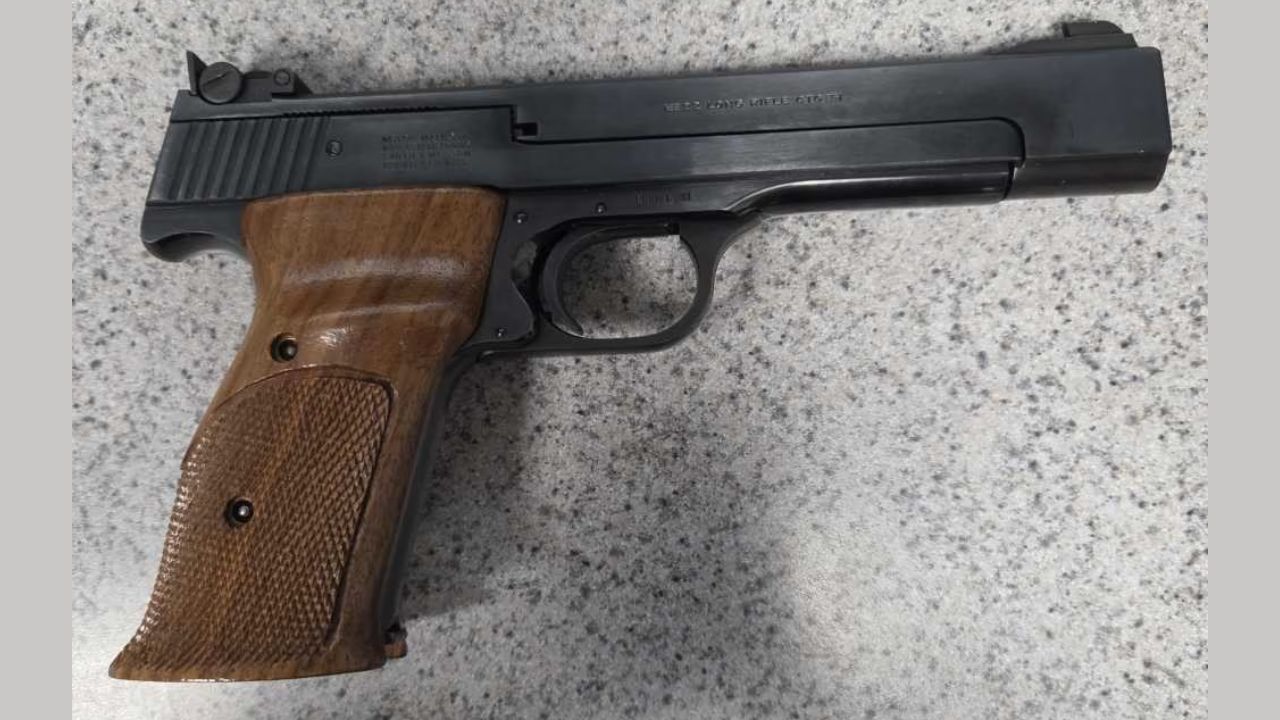
The Smith & Wesson Model 41 still makes more sense than many new rimfire pistols because it was built as a serious target pistol. It is accurate, refined, and made for shooters who actually care about clean hits.
A newer .22 pistol may be cheaper, lighter, and easier to accessorize, but it probably will not feel like a Model 41. This is the kind of handgun that can make a shooter better because it gives clear feedback. For range use, bullseye-style shooting, and pure marksmanship, the older Smith still has a strong case.
Browning Buck Mark

The Browning Buck Mark still makes sense because it is one of the best rimfire pistols for regular people who actually shoot. It is accurate, comfortable, and affordable enough to use often. It does not need to be reinvented.
New rimfire pistols come and go with tactical styling, suppressor-ready barrels, and optics rails. Those features can be useful, but the Buck Mark’s strength is still the basics. It shoots well and makes practice enjoyable. That is more important than looking new.
Winchester Model 88

The Winchester Model 88 still makes sense because it blends lever-action speed with real rifle chamberings. It never became as common as other classics, but it gave hunters something unusual: a sleek lever gun that could handle rounds like .308 Winchester and .243 Winchester.
Newer rifles may be easier to scope, easier to find, and more affordable. But the Model 88 has a combination of handling and cartridge performance that modern guns rarely copy. For deer hunters who like something different without giving up capability, it still has a reason to be around.
Like The Avid Outdoorsman’s content? Subscribe to our newsletter so you never miss an article.
Here’s more from us: