Photo credit: hickok45/Youtube
Some guns are easy to trade away at first. They seem practical, ordinary, or replaceable. Maybe they were bought as a backup, a starter, a bargain, or something to fill a gap in the safe. Then a few years pass, and suddenly selling them feels like a mistake waiting to happen.
That’s usually because the gun proved something. It kept working, kept feeling right, kept getting used, or filled a role that newer guns didn’t handle any better. These firearms became harder to sell the longer owners had them.
Ruger 10 22 Deluxe Sporter
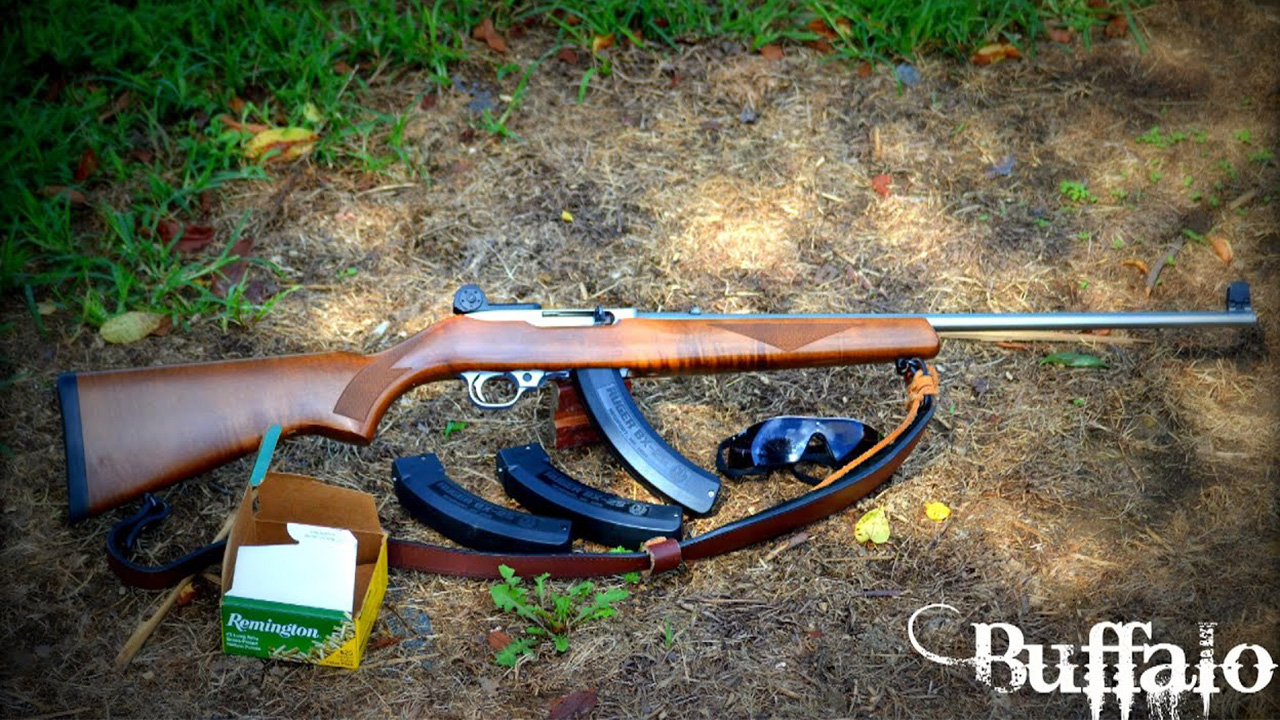
The Ruger 10/22 Deluxe Sporter is the kind of rifle that sneaks into keeper status. It has the same practical 10/22 foundation everyone knows, but the nicer walnut-style stock and cleaner lines make it feel more like a real sporting rifle than a basic plinker. At first, it may seem easy to replace with any other 10/22.
That changes after years of use. It still takes the common magazines, still has endless parts support, and still works for plinking, small-game hunting where legal, and teaching new shooters. But the Deluxe Sporter has enough traditional feel that owners get attached to it. A plain 10/22 is easy to find. A version that feels this familiar and personal becomes harder to let go.
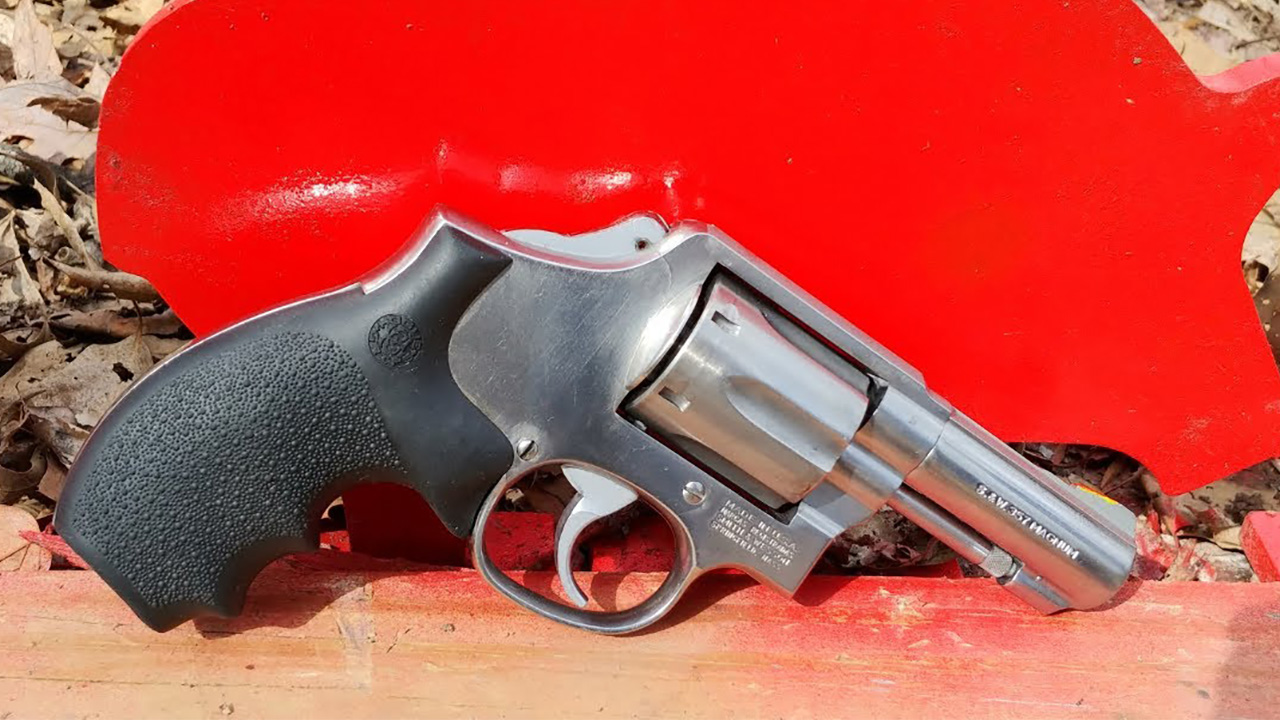
Smith & Wesson Model 65
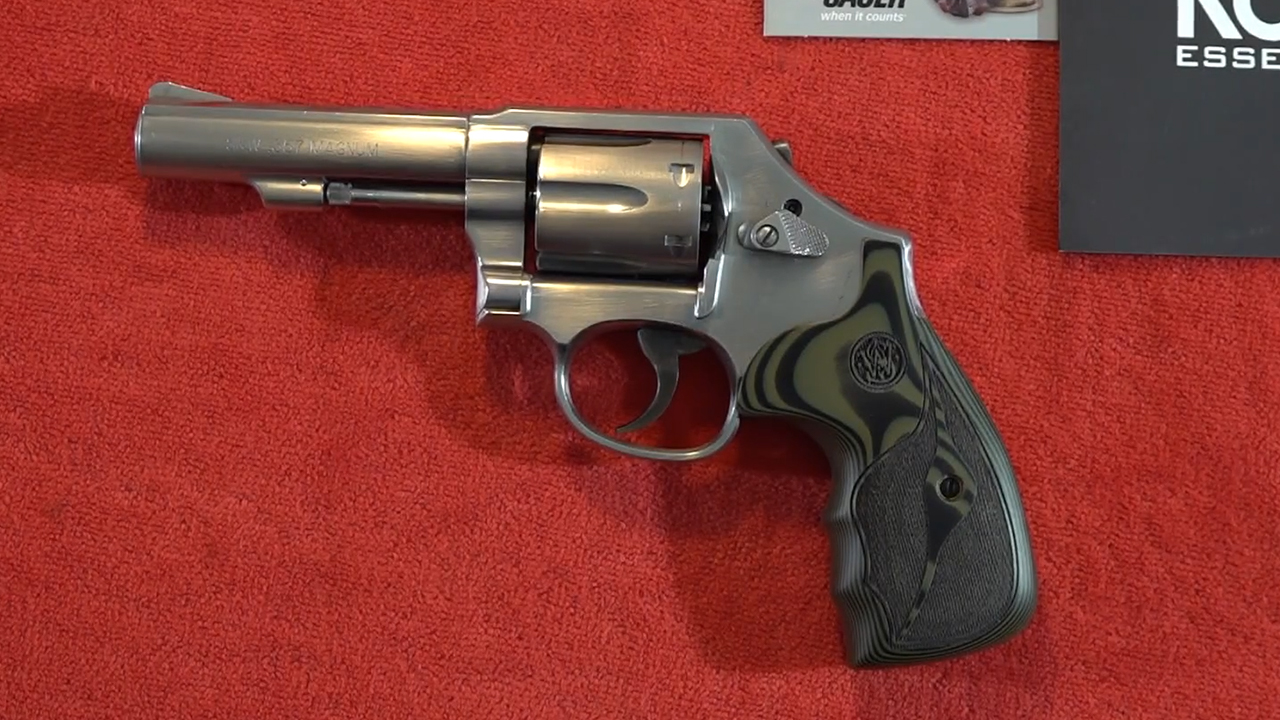
The Smith & Wesson Model 65 is a revolver that gets harder to sell once owners realize how useful it is. It’s a stainless K-frame .357 Magnum with fixed sights, originally built with a working-gun purpose. It doesn’t have the adjustability of a Model 66 or the weight of a 686, but that simpler setup has its own appeal.
The Model 65 carries well, shoots .38 Special comfortably, and handles sensible .357 Magnum loads in a package that feels trim and practical. Fixed sights also make it less fussy for a gun that may ride in the woods, truck, or nightstand. Once owners learn its balance, it stops feeling like just another revolver. It becomes the kind of gun they know they’d miss.
Winchester Model 1300 Defender

The Winchester Model 1300 Defender is one of those shotguns owners may not fully appreciate until they think about selling it. It doesn’t have the current-production support of a Mossberg 500 or 590, and it doesn’t carry the same classic reputation as an 870 Wingmaster. But the action is fast, and the gun handles well.
That fast-cycling feel is what makes it sticky. A short defensive pump that runs smoothly and points naturally is not something everyone wants to give up. It’s simple, practical, and familiar once the owner has trained with it. New tactical shotguns may look more modern, but they don’t always feel better. A proven 1300 Defender has a way of making trade offers look less tempting.
Browning BL-22 Grade I

The Browning BL-22 Grade I becomes harder to sell because it fills the fun-gun role so well. It’s a lever-action .22 with a short throw, good build quality, and handling that feels lively without being flimsy. It’s not the cheapest rimfire, but it earns its keep by being enjoyable every time it comes out.
A lot of guns are useful but not charming. The BL-22 manages both. It works for plinking, small game, and teaching new shooters, but it also gives experienced shooters that smooth little lever-action feel that never gets old. Once a family has used one for a few years, selling it feels bigger than losing a rimfire. It feels like losing a rifle everyone liked.
Colt Combat Elite
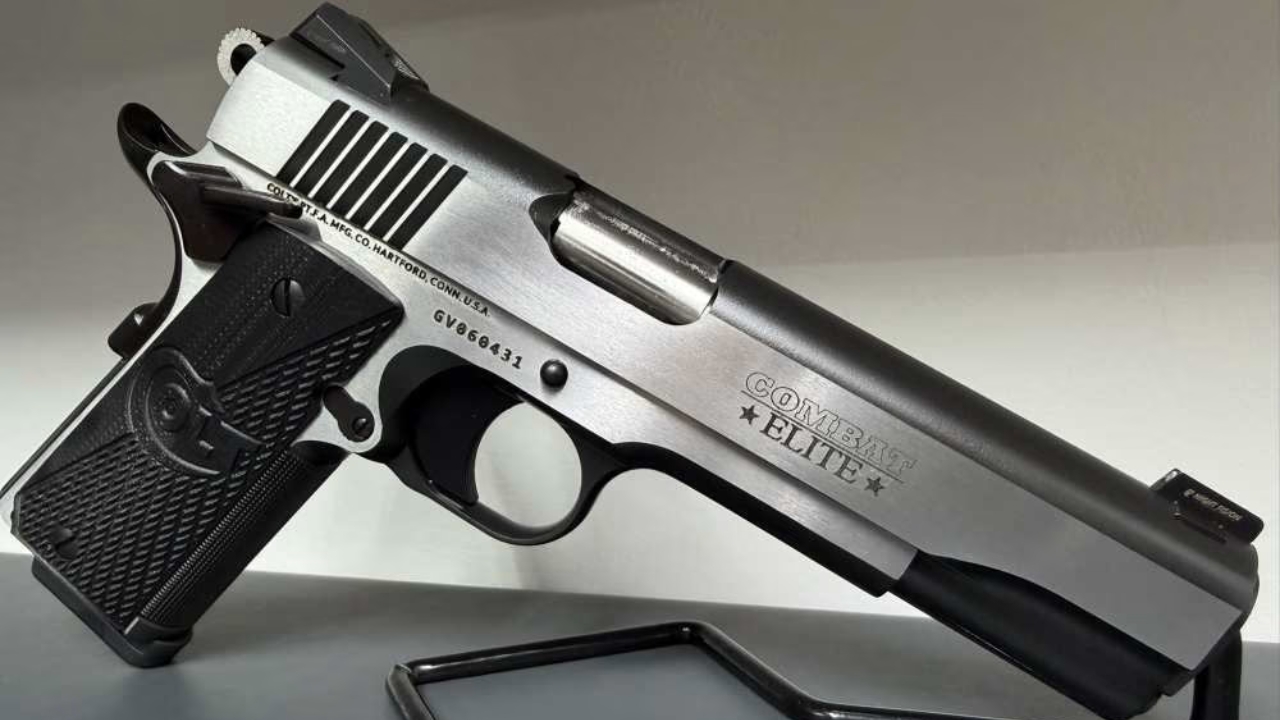
The Colt Combat Elite is a 1911 that can become difficult to sell because it gives owners a strong mix of classic Colt appeal and practical upgrades. It’s more refined than a basic GI-style pistol but not so specialized that it feels locked into one role. It looks good, shoots well, and still feels like a real Colt.
Owners who like 1911s often get attached to pistols that feel right, and the Combat Elite has that kind of pull. It still requires the normal 1911 attention to magazines, maintenance, and testing, but that’s part of the platform. Once a shooter has a reliable one with a good trigger and familiar feel, replacing it is not simple. Selling it usually sounds easier before the box leaves the house.
Marlin 1895G Guide Gun

The Marlin 1895G Guide Gun gets harder to sell because it does something very specific and does it well. A short .45-70 lever-action is not a rifle everyone needs, but for hunters and outdoorsmen who do need close-range authority, it’s hard to replace. It carries easier than its power suggests and hits hard enough to make its purpose clear.
This rifle makes sense for thick cover, hogs, black bear, and rough country where legal and appropriate. Heavy loads bring real recoil, so it deserves respect. But inside its lane, it has confidence few rifles match. Once owners have one sighted in and trusted, selling it feels risky because another rifle may not scratch the same itch. The Guide Gun has a way of becoming permanent.
SIG Sauer P229 Legion

The SIG Sauer P229 Legion becomes harder to sell because it feels like a compact service pistol refined into something special. It’s heavier than modern polymer compacts, and it costs more than many carry guns that hold similar capacity. On paper, it may seem replaceable.
Then owners shoot it enough. The metal frame settles recoil, the Legion trigger and controls feel better than standard models, and the pistol has a serious DA/SA personality that rewards training. It isn’t the easiest pistol to carry, but it’s excellent for range work, home defense, and shooters who like traditional systems. Once someone gets used to that steady feel, letting it go for a lighter plastic pistol doesn’t always feel like an upgrade.
Remington Model Seven Stainless Synthetic
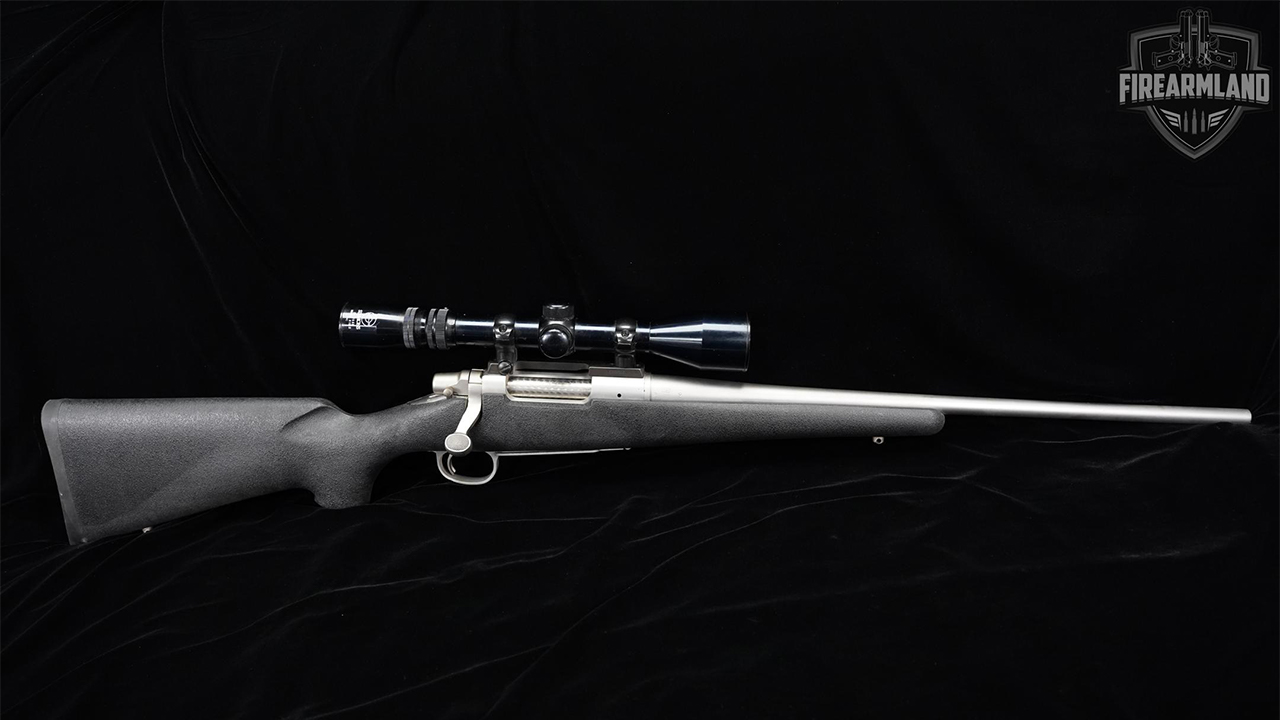
The Remington Model Seven Stainless Synthetic is the kind of rifle that gets harder to sell because compact hunting rifles are easy to miss once they’re gone. It’s short, handy, weather-resistant, and built around the familiar Model Seven action. It fits deer woods, box blinds, and tight stands better than many full-size rifles.
The stainless synthetic version is especially practical because it doesn’t ask to be babied in damp weather. In chamberings like 7mm-08 Remington, .243 Winchester, or .308 Winchester, it gives hunters plenty of capability in a compact package. New rifles may offer more features, but few have exactly the same feel. Owners who sell one often realize later they gave up a rifle that carried better than almost anything else they owned.
Beretta 85 Cheetah
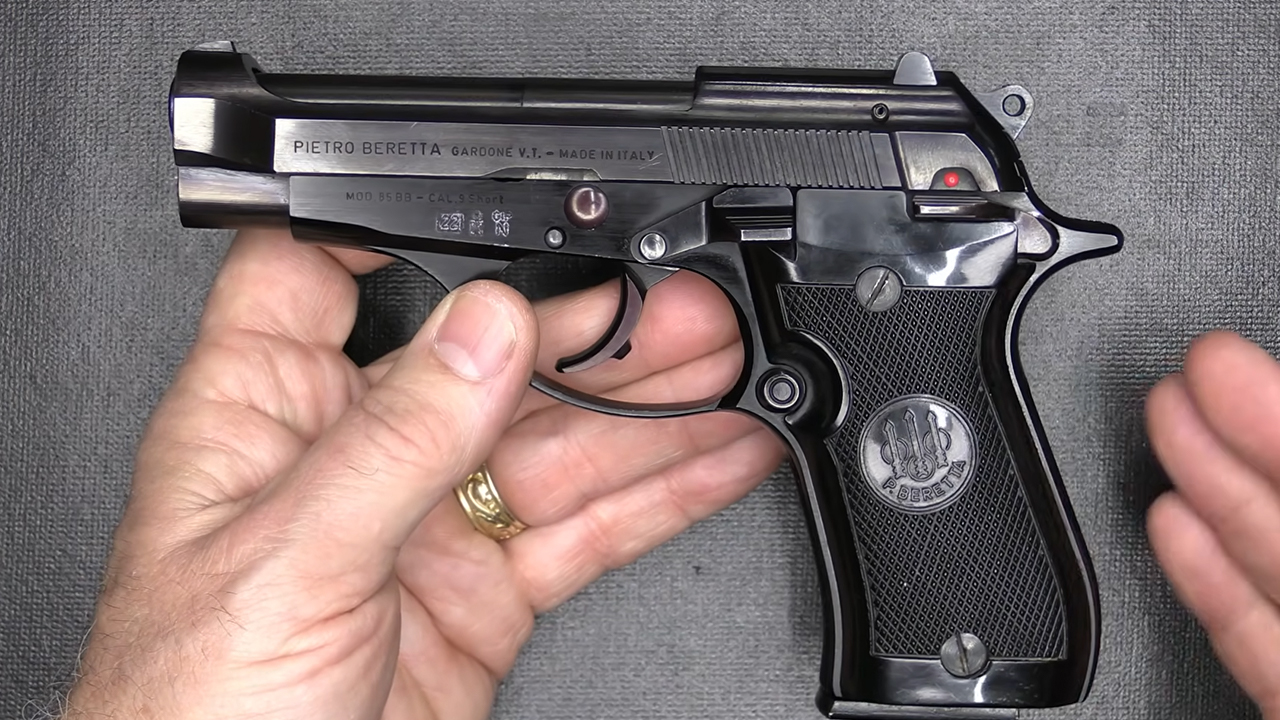
The Beretta 85 Cheetah gets harder to sell because it is simply too pleasant to shoot. It’s a single-stack .380 ACP that looks inefficient beside modern micro 9mms, and pure defensive-minded buyers may not understand the appeal. But the appeal is obvious once it’s in the hand.
The grip is slim, the recoil is mild, and the pistol has the refined feel of an older Beretta that many newer guns don’t duplicate. It’s not the smallest .380, and it isn’t trying to be. It is comfortable, accurate, and enjoyable in a way tiny carry guns often aren’t. Once an owner has one that runs well, selling it can feel foolish. There are smaller pistols, but not many this pleasant.
Weatherby Vanguard Deluxe
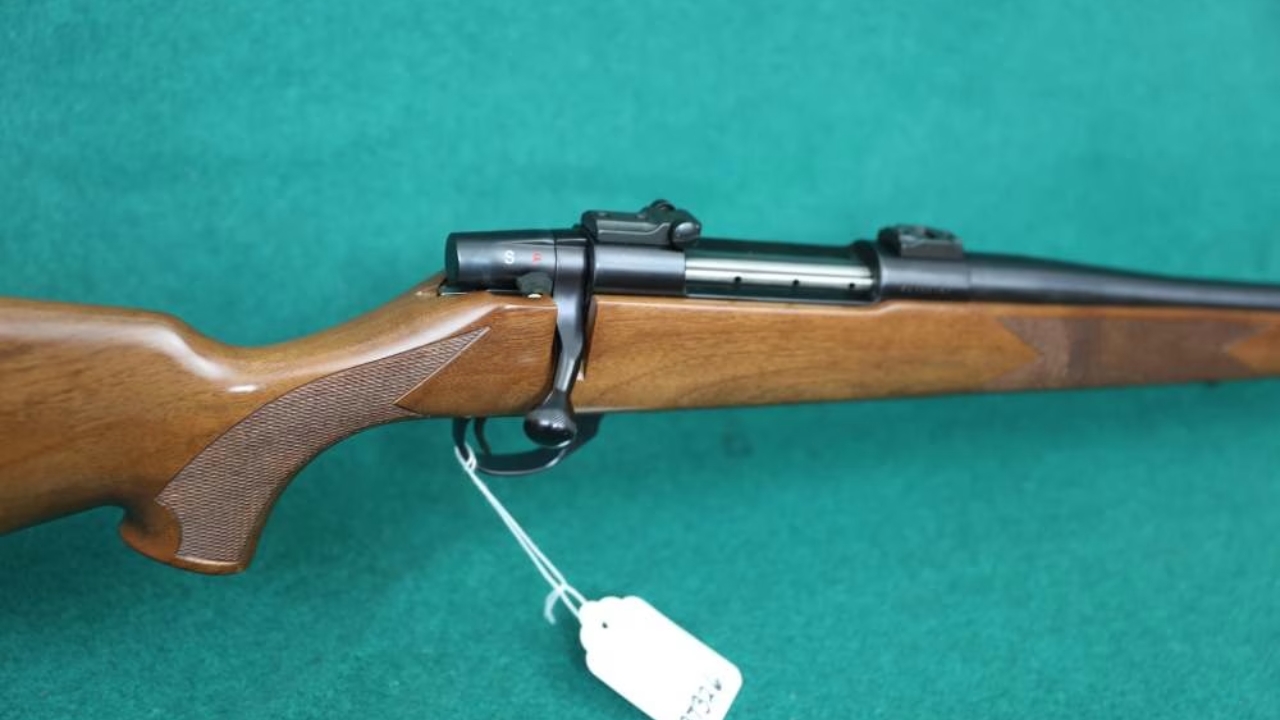
The Weatherby Vanguard Deluxe becomes harder to sell because it blends practical strength with a traditional Weatherby look. It doesn’t have the Mark V action, but it does have the sturdy Howa-built Vanguard foundation, glossy walnut styling, and enough accuracy potential to serve as a serious hunting rifle.
At first, some owners may see it as the more affordable Weatherby. Over time, that starts feeling like a strength. It shoots well, carries Weatherby character, and feels more special than plain synthetic models. It may not be the lightest rifle in the safe, but it has enough beauty and performance to earn attachment. A rifle that looks good and keeps proving itself is not easy to trade.
Ruger SP101 3-Inch
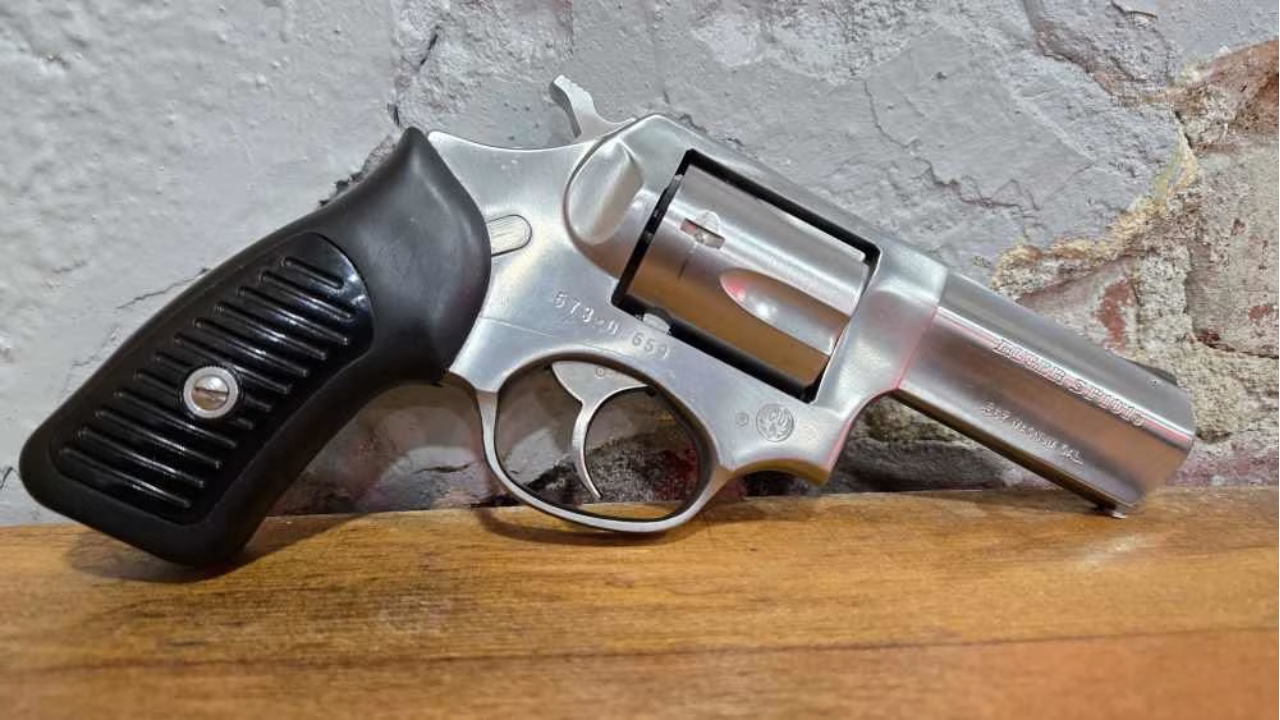
The Ruger SP101 3-inch is a revolver that gets harder to sell because it hits a very useful balance. It’s more shootable than the shortest snubs, more carryable than larger .357 revolvers, and built with Ruger’s usual tough personality. That middle ground becomes more valuable over time.
The 3-inch barrel gives better sight radius and a little more velocity than the stubby versions, while the extra weight helps with recoil. It still carries well for woods, trail, or defensive roles with the right setup. It isn’t as refined as some Smith & Wesson revolvers, but it feels strong and dependable. Owners who sell one often find themselves looking for another because the size just works.
Benelli M1 Super 90

The Benelli M1 Super 90 becomes harder to sell because it represents a simple, trusted semi-auto shotgun from an era before everything got overcomplicated. It has an inertia-driven action, strong reputation, and enough field and defensive history to keep owners attached. It isn’t as soft-shooting as gas guns, but it has its own strengths.
The M1 is light, reliable with proper loads, and easy to maintain compared with many gas-operated semi-autos. It served hunters, competitors, and defensive shotgun users well for years. Newer Benellis offer updated ergonomics and features, but a good M1 still feels lean and purposeful. Once an owner has one that runs, selling it can feel like giving up a proven tool for no good reason.
CZ 550 Full Stock

The CZ 550 Full Stock becomes harder to sell because rifles with this much character are not easy to replace. The Mannlicher-style full stock, controlled-round-feed action, and old-world hunting feel make it stand apart from the sea of synthetic bolt-actions. It’s not trendy, and that’s part of the appeal.
This rifle feels especially right in woods, hills, and traditional hunting settings where compact handling matters. It may not be the lightest or most weatherproof option, but it has personality and function working together. A good one carries well, feeds with confidence, and looks like a rifle made for hunters who care about more than specs. Once it’s gone, there aren’t many modern rifles that feel the same.
Smith & Wesson Model 41

The Smith & Wesson Model 41 gets harder to sell because it is one of those pistols that reminds owners what real rimfire accuracy feels like. It’s expensive for a .22, and that can make people consider cashing it out when it sits unused. Then they shoot it again and remember the point.
The trigger, sights, balance, and accuracy make the Model 41 deeply satisfying for careful range work. It’s not a casual plinker in the cheap-gun sense. It’s a serious target pistol that makes .22 LR feel refined. Owners who value marksmanship often regret letting one go because replacing that shooting experience is expensive and not always easy. Some guns earn their space by making practice feel better.
Savage 99C

The Savage 99C becomes harder to sell because it offers a combination most current rifles don’t. Lever-action handling, a detachable magazine, and modern cartridge capability make it useful in a way that’s still hard to duplicate. It’s not as simple as a traditional lever gun, but that complexity gives it real advantages.
In chamberings like .308 Winchester, .243 Winchester, or .300 Savage depending on the rifle, it can serve as a very practical deer rifle. Used condition matters, and buyers need to respect the design’s age and mechanics. But once an owner has a good 99C that feeds and shoots well, it becomes difficult to replace. It’s not just another old rifle. It’s a rifle with its own lane.
Like The Avid Outdoorsman’s content? Subscribe to our newsletter so you never miss an article.
Here’s more from us: