
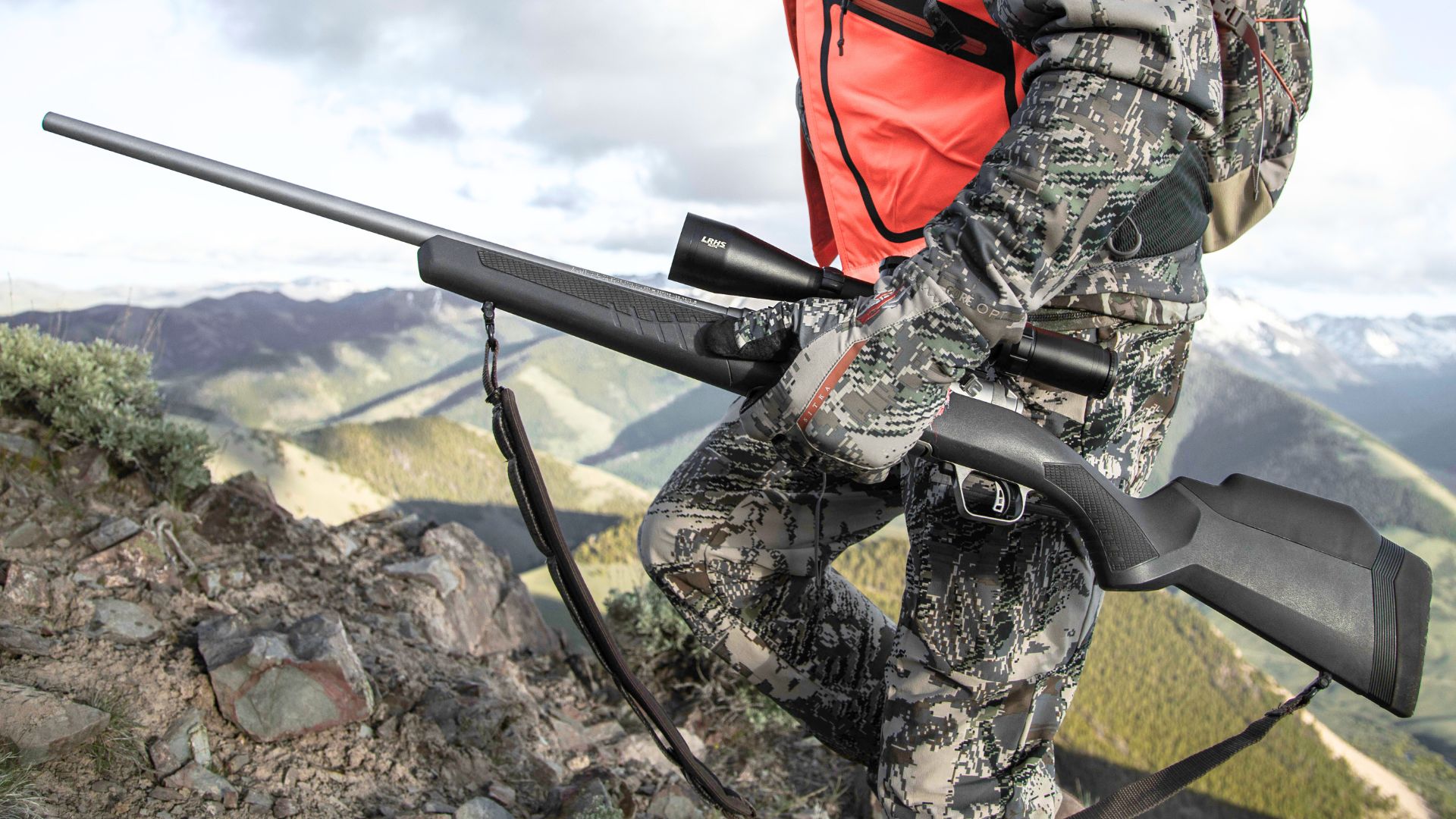
Photo credit: Savage Arms
Bad weather has a way of stripping hunting gear down to what actually matters. A cartridge can look great when the range is dry, the bench is steady, and there is plenty of time to think. Out in the real world, things feel different. Cold fingers, wet clothing, blowing wind, steep ground, and a rushed shot can change how much confidence you have in a rifle setup. That is usually when hunters start leaning on cartridges they know well instead of ones that only looked impressive on paper.
The rounds that keep trust in ugly conditions usually share a few traits. They are easy enough to find, proven enough that nobody has to guess how they behave, and practical enough that a hunter can still shoot them well when the weather turns miserable. Some are mild, some are harder hitting, and some have been around long enough to outlast several waves of newer alternatives. What they have in common is that hunters keep reaching for them when the season stops being comfortable and starts feeling serious.
.30-06 Springfield

The .30-06 has held trust for so long because it keeps covering real hunting situations without making things complicated. In rough weather, that matters. Hunters know what it does on deer, elk, hogs, and black bear, and they know they can usually find ammunition without much trouble. When conditions are already working against you, there is a lot to be said for carrying a cartridge with very few question marks attached to it.
It also earns trust because it gives you room to work with. Bullet choices are broad, performance is proven, and the cartridge has enough authority for a wide range of game without becoming so punishing that most hunters dread practicing with it. Plenty of rounds can beat it in one category or another. Few match its ability to stay useful when weather, terrain, and real field pressure all start stacking up at once.
.308 Winchester

The .308 Winchester remains a rough-conditions favorite because it is practical in all the ways hunters actually need. It is common, dependable, and chambered in rifles that tend to be straightforward and easy to carry. When the weather gets ugly, people usually stop caring about small theoretical advantages and start caring more about whether their rifle feels familiar, controllable, and ready for a fast, clean shot. The .308 keeps delivering that kind of confidence.
It also helps that the cartridge is not hard to shoot well for most people. Recoil is manageable, rifle options are everywhere, and the round has years of proven field performance behind it. That combination matters when you are cold, tired, and trying to make a shot count without perfect conditions. Hunters trust the .308 because it behaves like a serious tool without demanding much drama in return.
.30-30 Winchester
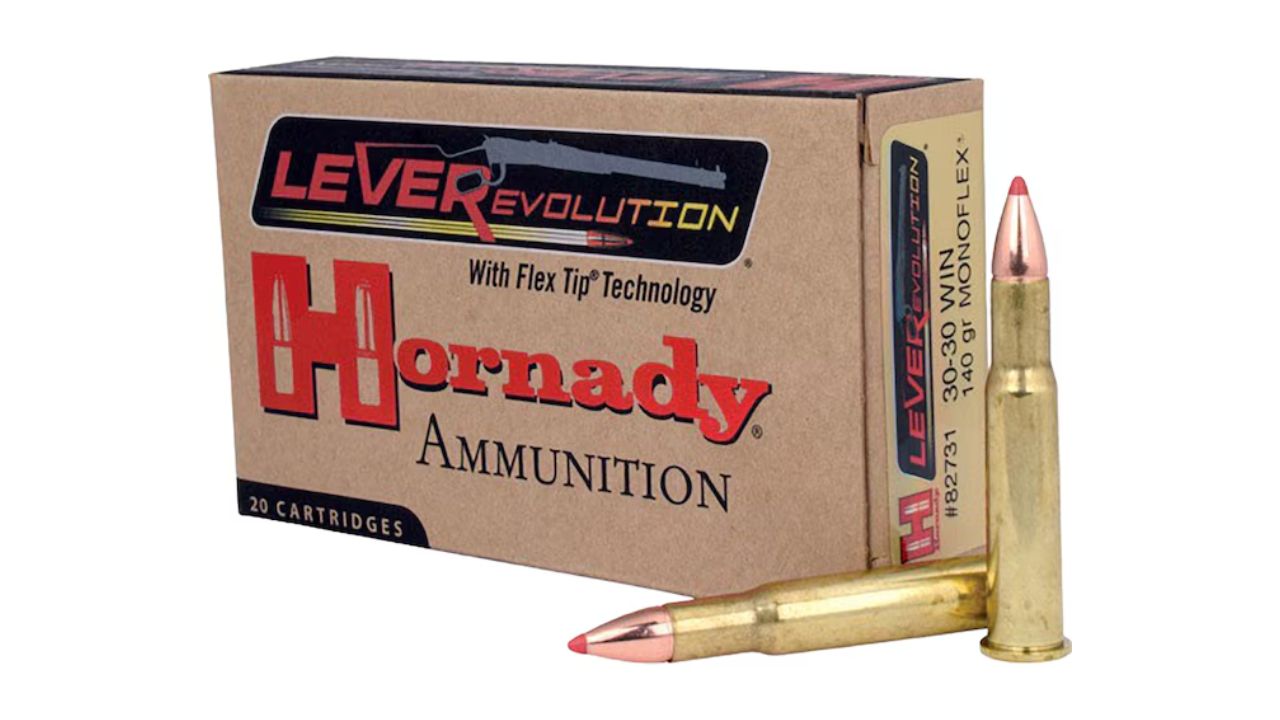
The .30-30 still earns trust when conditions get rough because bad weather and thick cover often go together. When visibility shortens, footing gets sloppy, and deer show up inside ordinary woods distances, the .30-30 continues to feel like exactly what it always was: a practical hunting cartridge built for real country, not for range-day bragging. In a handy lever gun, it carries easily and comes to the shoulder fast when a shot shows up without much warning.
That kind of usefulness matters more than trajectory charts in wet timber or brushy ridges. Nobody picks the .30-30 because they expect perfect conditions and long, deliberate shots. They pick it because they know what it does inside its lane, and that lane still matches a lot of rough-weather hunting. When you want a cartridge that feels proven, familiar, and easy to trust in the woods, the .30-30 still stands tall.
.270 Winchester

The .270 Winchester keeps the trust of a lot of hunters because it balances reach, manageable recoil, and proven field performance in a way that still works when the weather turns bad. If wind is pushing, temperatures drop, and you still need a rifle that can cover open country without becoming punishing to shoot, the .270 remains a sensible choice. It has enough reach for broad use while still staying controllable for hunters who spend real time practicing.
That last part matters. Rough conditions tend to expose weak shooting habits and shaky confidence, so a cartridge that hunters can shoot well under stress often beats one that only looks more impressive on paper. The .270 has survived because it offers useful performance without demanding too much punishment in return. When things get ugly and a shot still needs to happen cleanly, that balance keeps it very much alive.
7mm Remington Magnum

The 7mm Remington Magnum has kept hunter trust because rough conditions often mean wind, distance, and larger country that leaves less margin for weak performance. In those situations, the 7mm Rem Mag still makes a lot of practical sense. It offers strong downrange energy, a flat enough trajectory to stay useful when conditions are less forgiving, and enough long-standing field credibility that most experienced hunters already know what to expect from it.
Of course, it is not a cartridge for everyone. Recoil is noticeable, and hunters who do not practice enough can end up carrying more round than they handle well. But in the hands of someone who knows it, the 7mm Rem Mag remains one of the clearest answers for rough-country hunting where wind and distance can turn small mistakes into bigger ones. It still gets trusted because it keeps showing up where those conditions are real.
.35 Whelen

The .35 Whelen still earns trust because it feels built for hunters who want calm, direct performance without getting lost in trend-driven cartridge talk. In nasty weather, close-to-moderate ranges, and heavy cover where bigger-bodied game may appear with little warning, the Whelen has a way of making sense. It throws a heavier bullet with real authority and does not rely on flashy numbers to prove its value once conditions get less comfortable.
Part of its appeal in rough conditions is that it feels honest. It is not trying to be a long-range darling or a marketing favorite. It is trying to hit game hard and give hunters confidence when the weather is poor, the ground is rough, and the shot may not come twice. Cartridges like that tend to keep loyal followings because they earn respect in places where polished range conditions do not matter much.
.300 Winchester Magnum

The .300 Winchester Magnum remains a trusted cartridge when conditions get rough because it was built for serious hunting situations where power and reach both matter. In bad wind, steep country, and hunts where larger game may not give you ideal conditions, it offers a level of authority many hunters still want. When elk, moose, or other heavier animals are on the list, the .300 Win Mag continues to feel like a cartridge with very little uncertainty attached to it.
That trust does come with responsibility. Recoil is real, and hunters who shoot it poorly will not gain much from carrying all that extra cartridge. But for people who know how to run it, the .300 Win Mag stays relevant because it can handle ugly conditions without asking the hunter to wonder if the rifle is enough. That kind of confidence carries real weight when the weather has already taken comfort off the table.
.45-70 Government
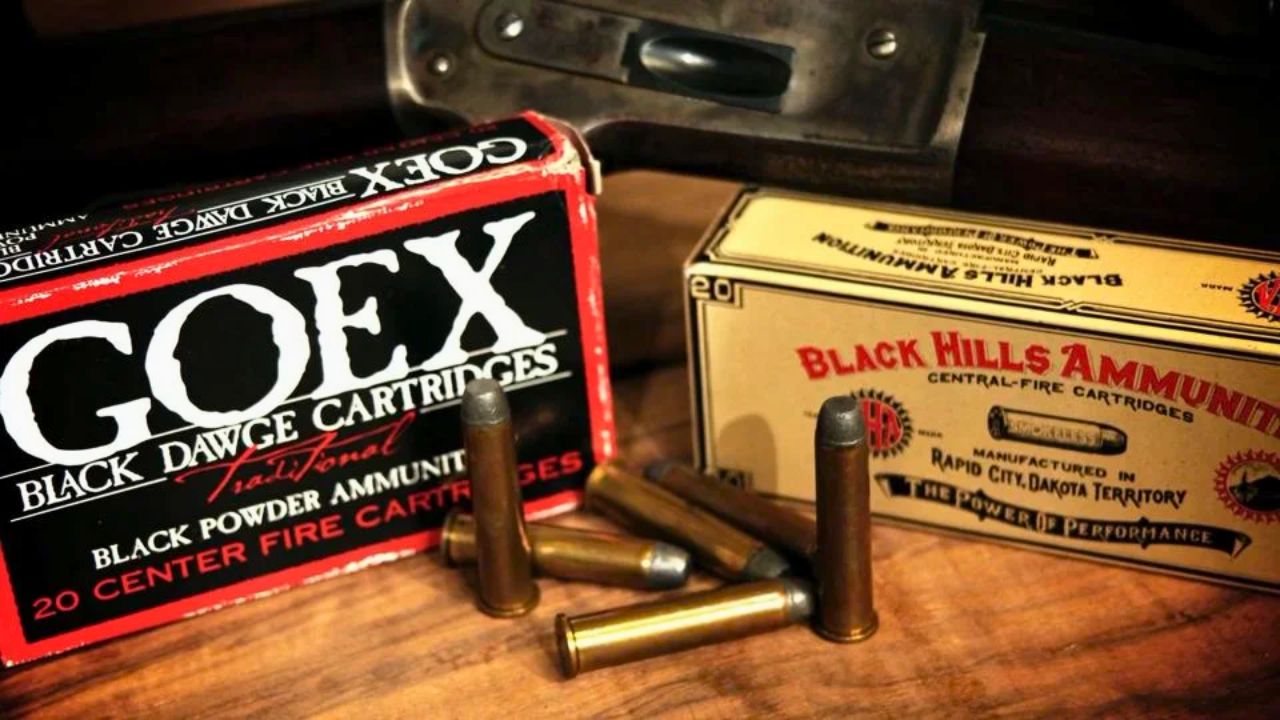
The .45-70 earns trust in rough conditions because some hunting environments still call for a cartridge that settles things quickly at moderate range. Thick timber, brush, foul weather, and larger animals at closer distances all keep this old round relevant. In those settings, the .45-70 does not need to be flat shooting to make sense. It needs to be decisive, dependable, and chambered in rifles that are easy to handle when visibility, footing, and timing all get ugly.
That is exactly why hunters still reach for it. A lever gun in .45-70 is not the answer to everything, but in the right environment it feels extremely honest. It carries well, comes up quickly, and delivers the kind of authority that still matters in close-country hunting. When conditions turn nasty and the hunt gets short-range and serious, the .45-70 still feels like a cartridge built for the job.
.338 Winchester Magnum

The .338 Winchester Magnum keeps its place among trusted rough-condition cartridges because it was made for hunts where things are not always neat, easy, or close. Big country, hard weather, and heavier game all play to its strengths. Hunters who carry a .338 are usually not guessing about what they want. They are choosing a cartridge with real authority, the ability to handle tough animals, and a long-standing reputation for serious field work.
It is not a casual choice, and that is part of why it remains respected. Nobody carries a .338 Win Mag because it is light recoiling or universally pleasant. They carry it because in the right hands it takes uncertainty out of difficult hunts. When snow, wind, steep terrain, and bigger game all start showing up together, that kind of confidence becomes easier to understand.
.280 Remington

The .280 Remington still earns trust because it gives hunters a very workable blend of reach, manageable recoil, and versatility without demanding much attention for itself. In rough weather, that kind of balance is often more valuable than flashy performance claims. A hunter can carry it into varied country, use it on a broad range of game, and still expect a rifle setup that remains controllable when the weather is poor and the body is tired.
Part of why it stays respected is that experienced hunters tend to appreciate cartridges that do a lot without forcing a big trade. The .280 has always lived in that space. It offers enough for open-country use, enough for bigger game with proper bullets, and enough shootability that many hunters can stay sharp with it. When rough conditions start testing both gear and judgment, that all-around nature becomes a real asset.
.243 Winchester

The .243 Winchester may not be the first cartridge people think of for rough conditions, but it still earns trust with hunters who know exactly what they want from it. When used inside its role, it offers light recoil, useful accuracy, and the kind of shootability that becomes even more important when weather is bad. A cartridge you can place precisely with cold hands and limited comfort is often more valuable than a harder hitter you never learned to shoot confidently.
That is where the .243 keeps its place. For deer-sized game and hunters who value precision over brute force, it still makes practical sense. Rough conditions have a way of magnifying recoil issues, flinch problems, and rushed technique. A mild cartridge that lets a hunter stay composed can be a smarter choice than something more powerful on paper. The .243 remains trusted because plenty of hunters understand that trade clearly.
.375 H&H Magnum

The .375 H&H Magnum still holds trust in harsh hunting conditions because it has long represented the kind of cartridge people carry when the hunt is serious, the animals are large, and the environment is not going to help you. It is a classic heavy-game round for a reason. Hunters turn to it when reliability, penetration, and authority matter more than convenience, and it has spent decades proving that it belongs in that category.
Its continued relevance comes from the fact that dangerous or demanding hunts have not changed enough to make it obsolete. Weather, terrain, and animal size still create the same kinds of problems they always did. The .375 H&H remains trusted because it answers those problems in a very direct way. It is not a round for every hunter or every season, but when conditions get truly rough, its reputation still feels fully earned.
Like The Avid Outdoorsman’s content? Subscribe to our newsletter so you never miss an article.
Here’s more from us:


