Photo credit: willeybros/GunBroker
Every deer camp has a few rifles that draw laughs the moment someone pulls them out of a case. You know the ones—guns with reputations that never quite recovered from decades of jokes, cheap builds, or stories that grew bigger than the rifles themselves. But for every punchline, there’s always a hunter who still shows up with one slung over their shoulder, ready to hunt like it’s completely normal.
The funny thing is, these rifles stick around because they work “well enough.” They’re not the best, not the prettiest, and not the rifles anyone brags about online. But they keep showing up at camp year after year because somebody out there trusts them.
Remington 710

The Remington 710 is one of those rifles everyone teases, but it still turns up in deer camps because it’s cheap, simple, and usually already sighted in from a decade ago. Hunters mock the plasticky feel, the bolt that never runs smooth, and the generally rough build. Still, the rifle does fire when you pull the trigger, and for some hunters, that’s enough.
It sticks around for first-timers, loaner use, or folks who don’t obsess over gear. You may roll your eyes, but you’ll still see one leaning in a cabin corner every season.
Savage Axis

The first-gen Savage Axis takes plenty of heat for its stiff trigger and lightweight, hollow-feeling stock. Hunters love to point out how it rattles and how it doesn’t balance like a nicer rifle. But even with the ribbing, it still fills tags every season because it manages decent accuracy with factory ammo.
People keep them because they’re affordable, reliable enough, and everywhere. You can laugh at the feel, but the truth is you’ll always see an Axis at camp, usually carried by someone who doesn’t overcomplicate their gear.
Ruger American Compact

The Ruger American Compact doesn’t get mocked because it’s unreliable—it gets teased for looking and feeling cheap. Hunters often joke about the plasticky stock and the pencil-thin barrel whipping around. Still, the rifle regularly punches tight groups where it counts.
What keeps it at camp is practicality. It’s light, manageable, and easy to carry through brush. Plenty of hunters land one on sale and never bother upgrading. For all the jokes, it does the job, and that’s why it keeps showing up.
Winchester Model 670

The Winchester 670 is essentially a budget Model 70, and that alone invites jokes. Hunters rib the owner for bringing “the cheaper version,” even though the rifle is capable and durable. It doesn’t have the prestige of a true Model 70, but it shoots straight enough to fill a freezer.
You still see them because they were affordable and built well enough to keep running decades later. Hunters tease them, sure—but they never tell the owner to leave it home.
Marlin Model 336C (Worn-Out Examples)

A beat-up, over-hunted Marlin 336C gets plenty of commentary at camp. The jokes aren’t about the model itself, which is well-loved, but about how rough some rifles look after years of abuse. A scratched, pitted, loose-stock example always gets a few laughs.
But even the roughest 336C usually still works. Hunters keep them going because they’re familiar and quick in the woods. Mocking the condition is part of the tradition, but everyone knows those rifles have taken more deer than most new guns ever will.
Remington 770
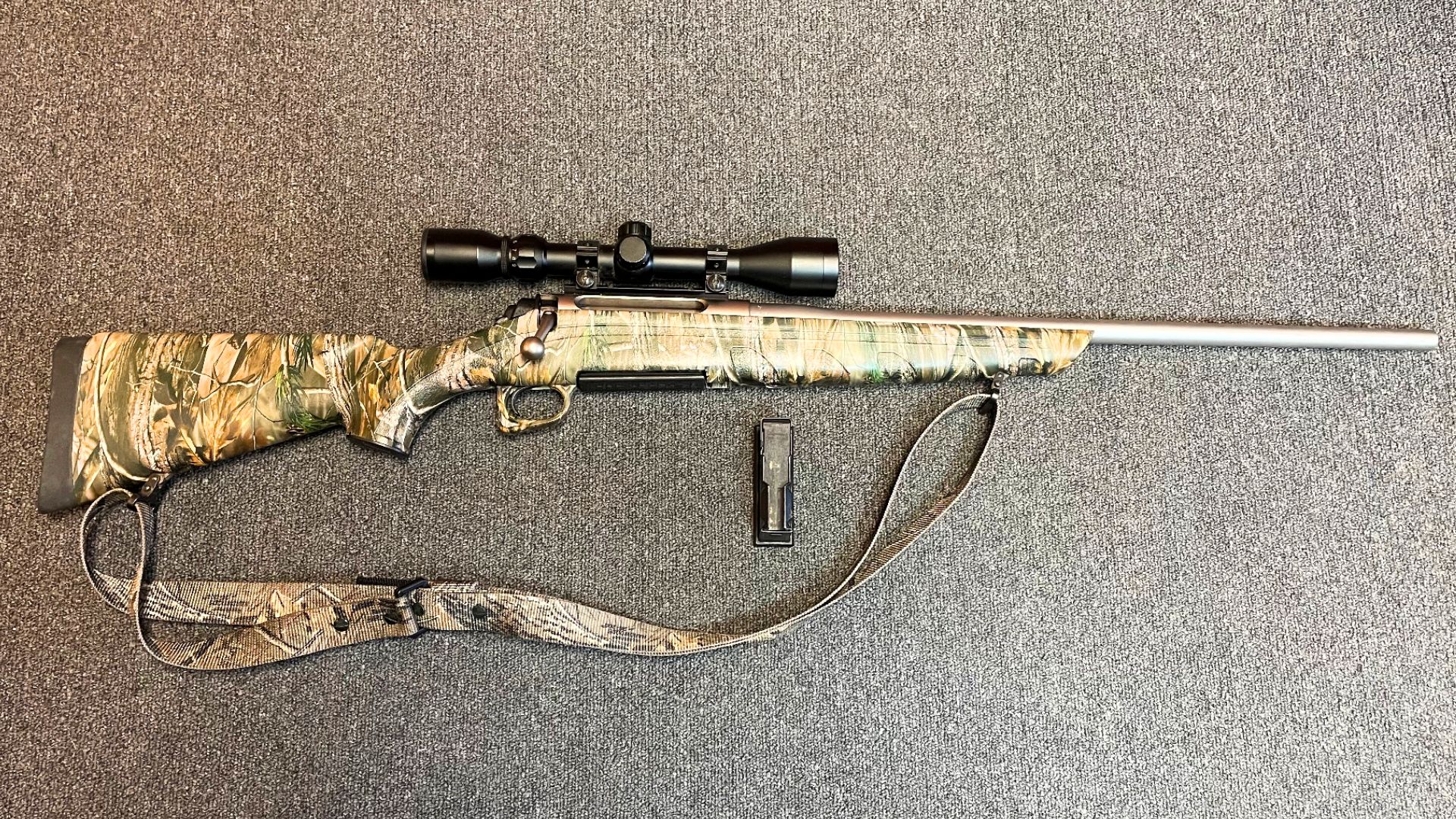
The Remington 770 is probably the most roasted rifle in modern deer hunting. Everyone knows the horror stories—sticky bolts, stiff triggers, and questionable build quality. But for every joke, there’s a hunter still using one because it came as a cheap combo and holds a zero “well enough.”
Folks keep them out of convenience. They bought it once, it killed deer, and now it’s their dedicated backup or truck rifle. You can mock it all you want, but it’s not disappearing from camps anytime soon.
Mossberg Patriot (Early Models)

The early Mossberg Patriot models sparked plenty of jokes for their flimsy-feeling stocks and rough edges. Hunters often point out how the rifle looks cheaper than it shoots. But once sighted in, it usually performs reliably for typical deer ranges.
That’s why it sticks around. Hunters pick them up on sale, mount a budget scope, and call it good. No one brags about owning one, but they still show up in camps across the country every fall.
Remington Sportsman 78
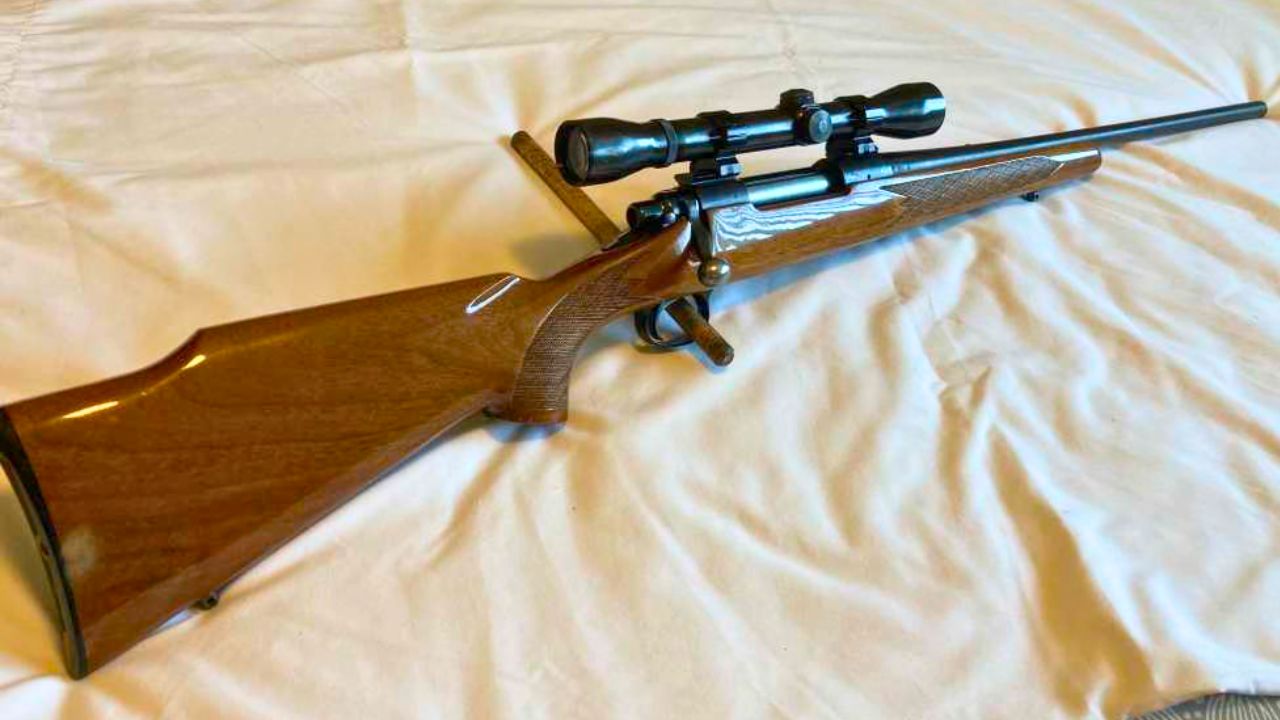
The Sportsman 78 often gets teased as “the budget 700,” and owners hear it every season. However, the rifle shares enough DNA with the 700 to shoot accurately and hold up well. People laugh at the plain stock and barebones features, but they don’t question its effectiveness.
Since many were bought at good prices decades ago, they’re still in circulation. Hunters appreciate a rifle they don’t have to baby, so the 78 sticks around no matter how many jokes it takes.
H&R Handi-Rifle

The Handi-Rifle gets plenty of laughs because of its simplicity and single-shot design. Hunters joke about needing only one shot—but also about missing and having no follow-up. Still, the rifles are surprisingly accurate and easy to carry.
People bring them to camp because they’re light, safe for new hunters, and chambered in a wide range of calibers. You’ll still see them in the hands of hunters who enjoy the challenge or just trust a rifle that’s never let them down.
Savage Model 340
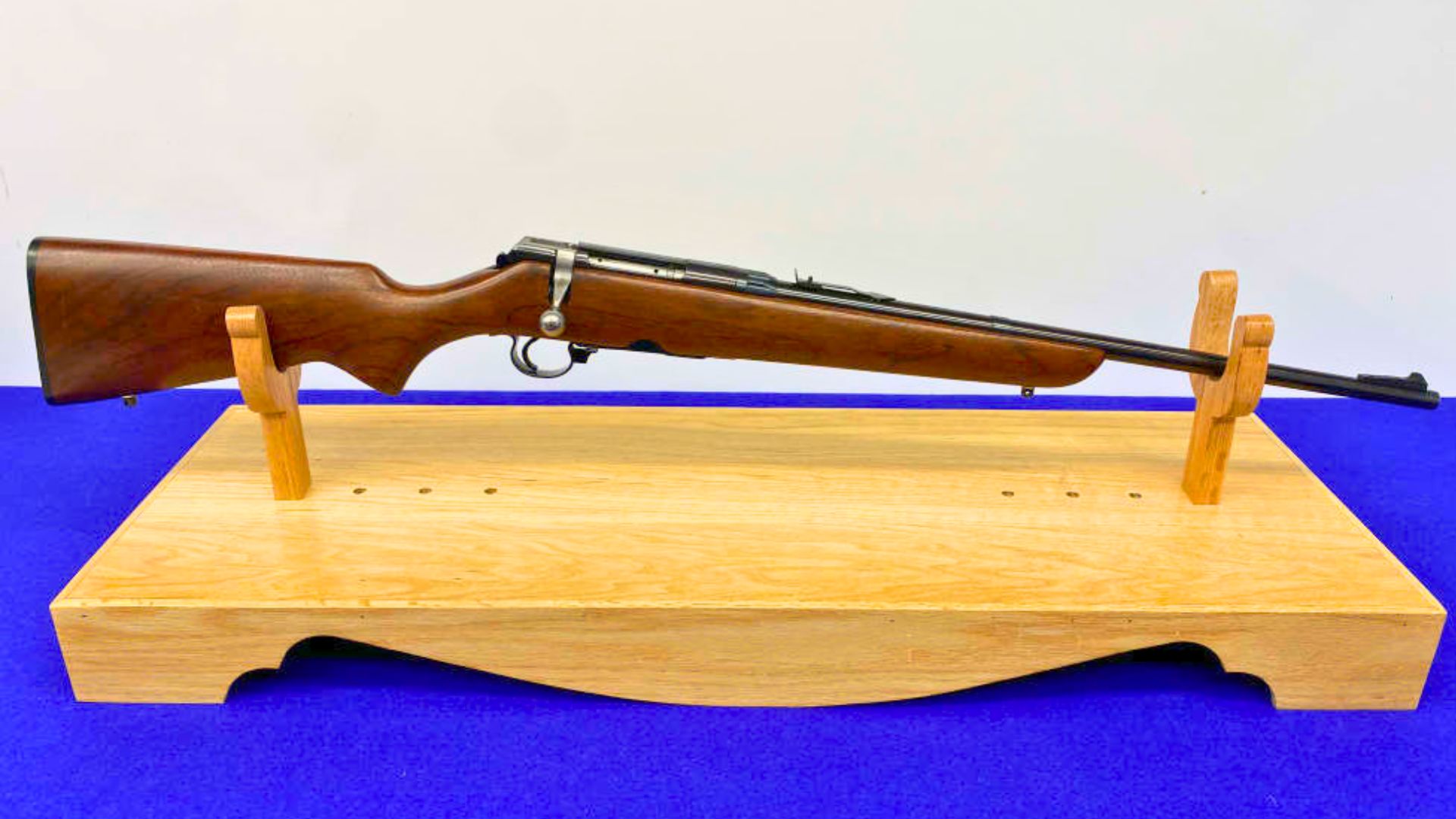
The Savage 340 gets ribbed for its awkward looks, basic build, and clunky magazine. It’s not sleek or modern, and hunters love to crack jokes about it being a farm gun. But it still shoots straight with classic cartridges like .30-30 and .22 Hornet.
The reason it stays around is simple: these rifles were inexpensive and handled rough use without failing. Many families still have one tucked in the cabin, ready to hunt whenever needed.
Winchester Model 100

The Winchester 100 draws teasing for its occasional reliability issues and dated styling. Hunters love to poke fun at how finicky some examples can be when not maintained perfectly. Even so, plenty of folks still bring them to deer camp.
Part of that persistence is nostalgia—a lot of these rifles were passed down. They may not be flawless, but they still work well enough for moderate-range hunts, and their owners aren’t letting go.
Remington Model 742 Woodsmaster

The 742 catches endless jokes for its reputation of eventually eating extractors. Hunters love calling it the “Jam-Master,” but they still show up in camps everywhere. When they’re clean and maintained, many of them run just fine.
Owners keep them because they carry well, shoot nicely, and have probably taken dozens of deer in their lifetime. The jokes come easy, but the reliability—when things are right—keeps them alive in the field.
Mossberg 464

The Mossberg 464 gets teased as a “budget lever gun,” especially by fans of Marlin and Winchester. Hunters laugh about the feel and the finish, but they still show up because they’re accessible and accurate at typical woods distances.
People keep them because they offer lever-action nostalgia without the price tag. Even if they aren’t admired, they’re dependable enough to stick around in deer camps.
Marlin XS7

The Marlin XS7 doesn’t get mocked for performance—it gets teased for being the plainest rifle in camp. It’s not flashy and never drew much attention on release. Hunters often joke about its no-frills stock and bargain-bin look.
Still, the rifles shoot surprisingly well. Many hunters held onto them because they offered serious accuracy for very little money. They might not draw admiration, but they earn respect when groups start forming on the target.
Ruger Model 77/44

The 77/44 gets lighthearted ribbing for its limited range, chunky bolt feel, and sometimes inconsistent accuracy. Hunters joke about it being a niche rifle, but plenty still bring it along for thick timber hunts.
It sticks around because it carries easily, hits hard up close, and works beautifully in places where shots rarely stretch out. Mocking it is part of the culture, but the rifle’s usefulness keeps it in the rotation.
Like The Avid Outdoorsman’s content? Be sure to follow us.
Here’s more from us: