Photo credit: Jeff Thrower/Shutterstock.com
Every deer camp has a guy who shows up with the most expensive rifle and a caliber nobody else has ever heard of. The theory is always the same: more speed, more power, or some boutique cartridge will give an edge in the field. But the truth is, many of these rounds empty your wallet faster than they put venison in the freezer. Ammunition costs pile up, rifles chambered for them are pricier, and performance in real hunting conditions often doesn’t match the hype. A .270, .308, or .30-06 will usually do the job without fuss, while these calibers often leave you wondering why you bought into them in the first place.
.257 Weatherby Magnum

The .257 Weatherby Magnum is flat-shooting and fast, but when it comes to deer, it’s often overkill in the wrong ways. Factory ammo is expensive and not always easy to find locally, meaning every range session eats a chunk of your hunting budget. The recoil is sharper than needed for whitetails, and barrel life isn’t exactly generous with the high velocities involved.
In the field, it doesn’t kill deer any better than more affordable mid-calibers like the .270 Winchester. Sure, you’ll get flatter trajectories, but unless you’re stretching shots way past what most hunters ever see, that advantage doesn’t make up for the cost. You’ll burn through money and barrel steel long before you see a return in venison.
.30 Nosler
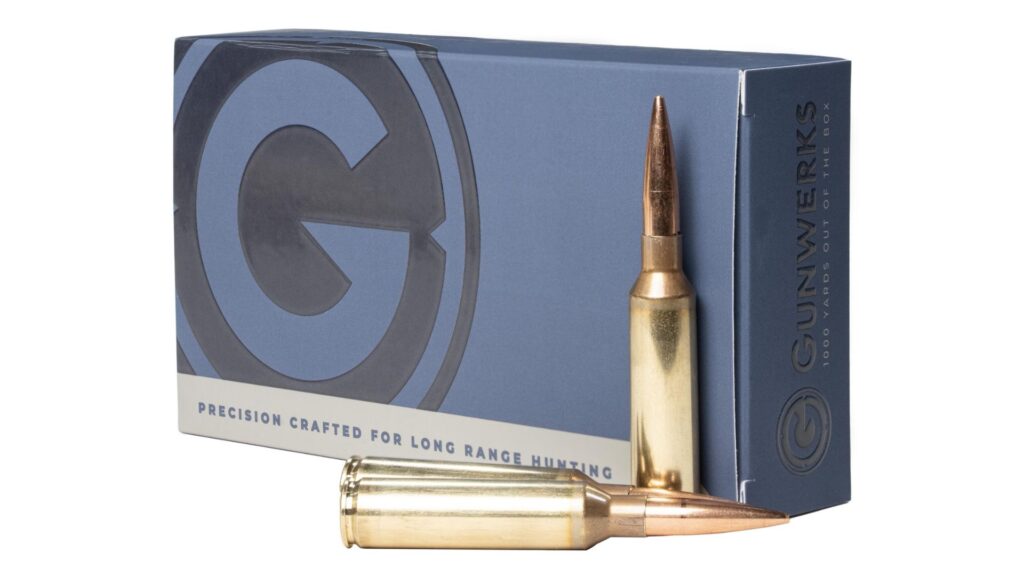
The .30 Nosler was marketed as the next evolution of long-range hunting rounds, but it’s hard to justify when you’re chasing deer. Factory loads cost a premium, and availability is spotty unless you handload. It brings magnum-level recoil, and yet in real hunting ranges—inside 300 yards—it doesn’t do anything a .30-06 or .308 can’t already do.
You’ll find yourself paying more for ammo, rifles, and reloading components without seeing any real-world advantage on deer-sized game. Guides often roll their eyes when hunters bring one along, knowing that shot placement matters more than the cartridge. Unless you’re chasing elk at distance, you’re better off keeping your money and sticking with tried-and-true calibers.
.28 Nosler
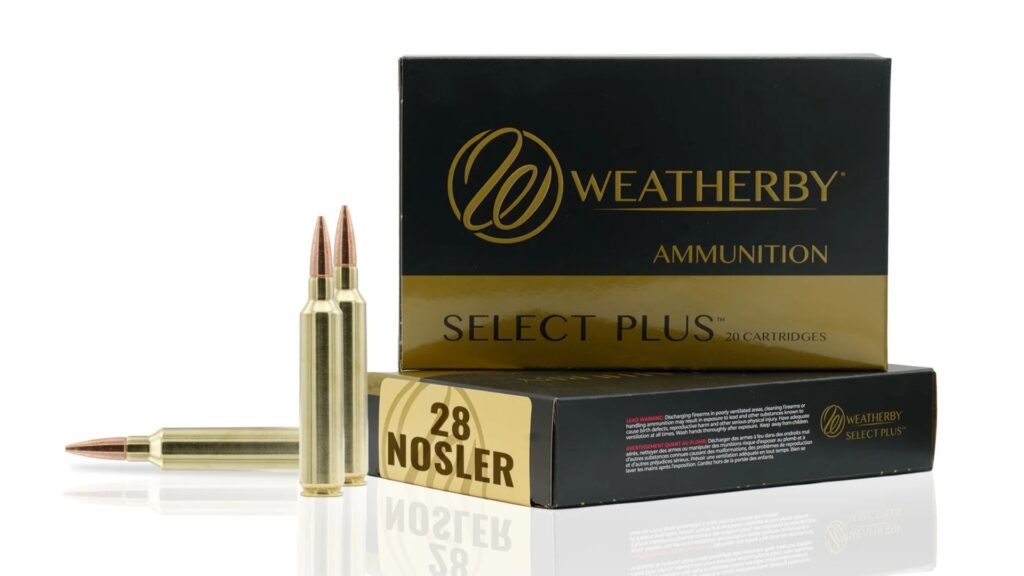
The .28 Nosler promises blistering velocity and long-range performance, but for deer, it’s unnecessary punishment for your shoulder and your bank account. Factory ammunition is among the priciest you’ll see on a shelf, and barrel life suffers from the overbore design. Unless you’re shooting steel at extreme distances, the advantages don’t translate to filling a deer tag.
Compared to classics like the .270 Winchester or 7mm-08, the .28 Nosler doesn’t drop deer any faster. It often causes excessive meat damage on close-range shots, which only adds to the frustration of spending big. It’s a caliber that looks good on paper but drains your wallet long before it delivers a meaningful edge in the deer woods.
6.5-300 Weatherby Magnum
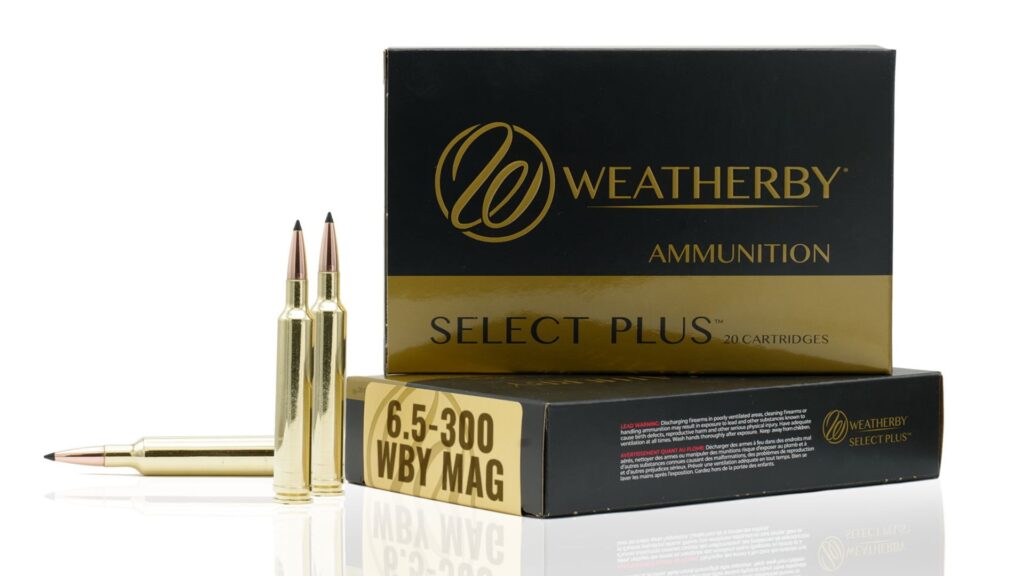
This round is one of the fastest 6.5s ever created, but it comes at a cost—literally. Ammo prices are steep, and the round eats barrels like few others. While it offers flat trajectories, those benefits are far more relevant for long-range target shooters than the average deer hunter who takes shots inside 250 yards.
On deer, the 6.5-300 doesn’t provide any real advantage over a standard 6.5 Creedmoor or .270. You’ll pay three to four times as much for ammo and wear out your barrel quickly in the process. If your goal is filling the freezer, you’ll find this caliber punishes your wallet more than it helps in the field.
.300 Remington Ultra Magnum

The .300 RUM is a beast, and while it carries impressive energy, it’s overkill for deer. Ammunition isn’t cheap, and recoil is heavy enough that many shooters develop bad habits on the trigger. At normal whitetail ranges, it doesn’t put venison on the ground any better than a .308 or .30-06.
It shines for extreme-range elk or moose, but when used on deer, it’s more of a bragging-rights caliber than a practical one. You’ll burn through money in ammo and leave the woods with bruised shoulders, not necessarily more meat. It’s a round that proves bigger isn’t always better when deer are the target.
.26 Nosler
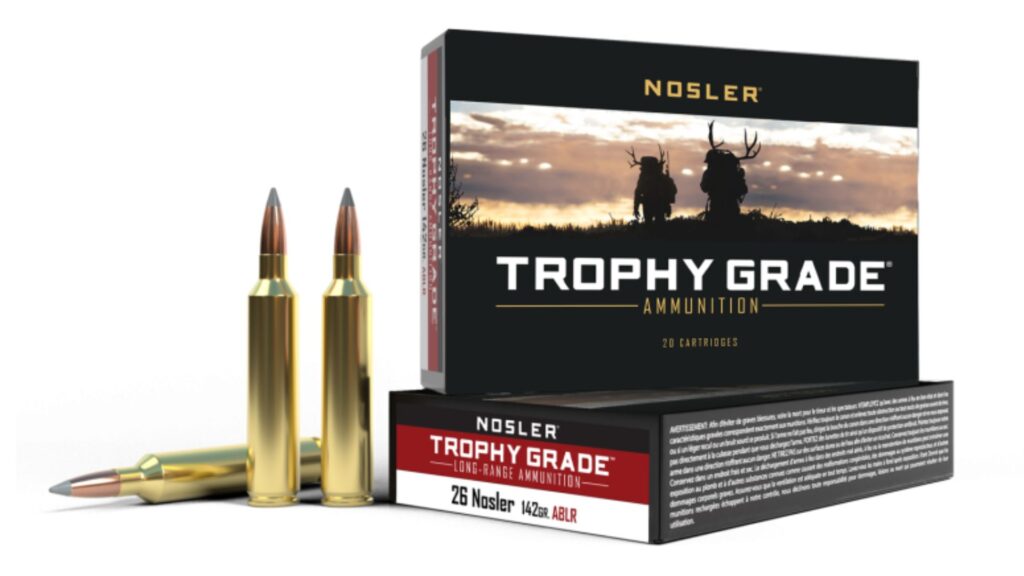
The .26 Nosler came on strong with promises of long-range dominance, but it quickly earned a reputation for high ammo costs and short barrel life. On paper, the velocity numbers are impressive. In reality, you don’t need that kind of performance for deer hunting, and you’ll pay dearly for every round you fire.
Ammunition is expensive and not as easy to find as more common calibers, and handloading isn’t exactly cheap either. While it can certainly kill deer, so can much less expensive and less punishing options. It’s a classic case of marketing hype meeting real-world disappointment when you factor in the cost-to-result ratio.
.338 Lapua Magnum

The .338 Lapua Magnum is a military-grade long-range round that some hunters drag into deer camp. The issue is, it’s wildly impractical for the task. Ammo prices are sky-high, and rifles chambered for it are heavy and expensive. Recoil is stout, often making accuracy worse for hunters who don’t train regularly with such power.
At normal hunting ranges, it delivers far more energy than needed, leading to wasted meat. Deer don’t require a round built for extreme-distance sniping, and you’ll drain your bank account faster than you fill your freezer. Guides see this caliber as a novelty in deer camps, not a sensible tool.
.224 Valkyrie
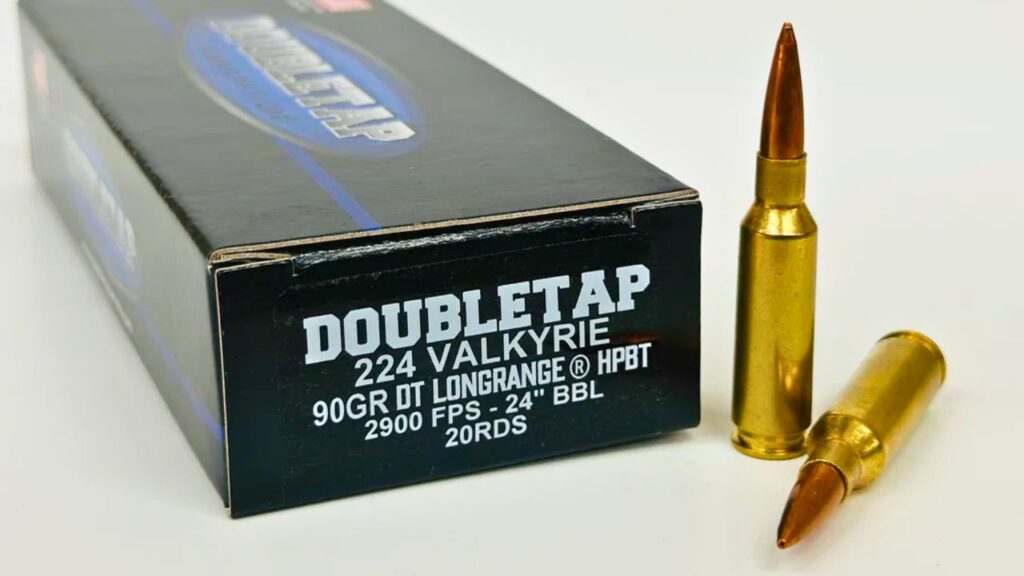
The .224 Valkyrie was hyped as a flat-shooting AR round, but for deer, it falls short. Ammunition isn’t as cheap as you’d expect for a small-caliber cartridge, and performance is inconsistent on medium game. With lighter bullets and marginal energy, it doesn’t anchor deer as reliably as more proven options like the .243 Winchester.
You’ll spend more money chasing accuracy from a round that was designed with long-range target shooters in mind, not hunters. It might be fun for coyotes or paper, but when used for deer, the .224 Valkyrie tends to disappoint, especially given the cost compared to proven budget-friendly calibers.
.300 Weatherby Magnum
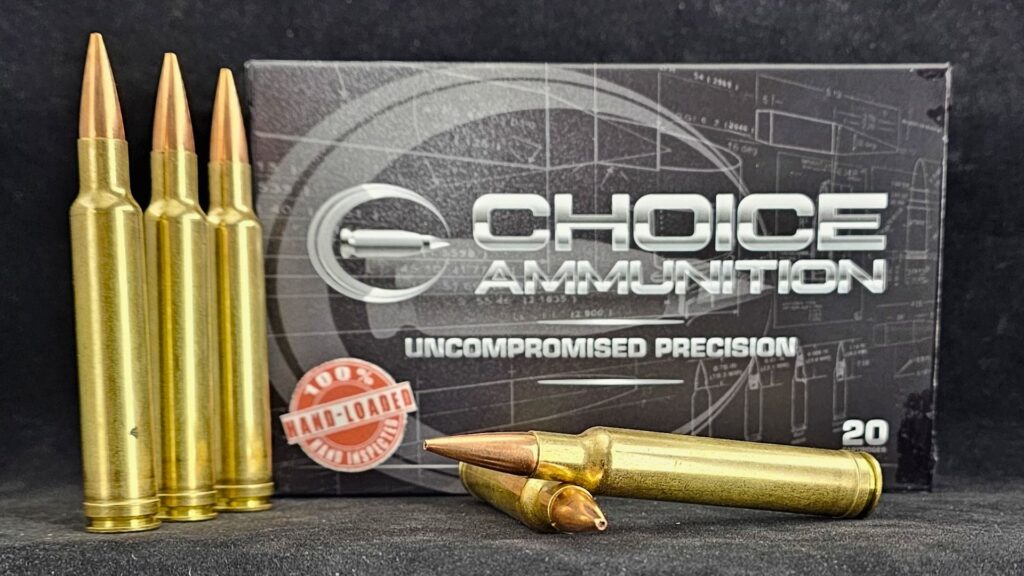
The .300 Weatherby Magnum has been around a long time, but it’s still more rifle than you need for deer. Factory loads are costly, recoil is significant, and rifles chambered for it aren’t cheap either. While it certainly has the horsepower for larger game, on deer it’s excessive in both cost and performance.
You’ll often see hunters with meat loss from shots taken at closer ranges, and there’s no real advantage over a .30-06 or .308 for whitetails. Unless you’re chasing game in wide-open country at long distances, this caliber is more about draining your wallet than improving your success.
.22-250 Remington
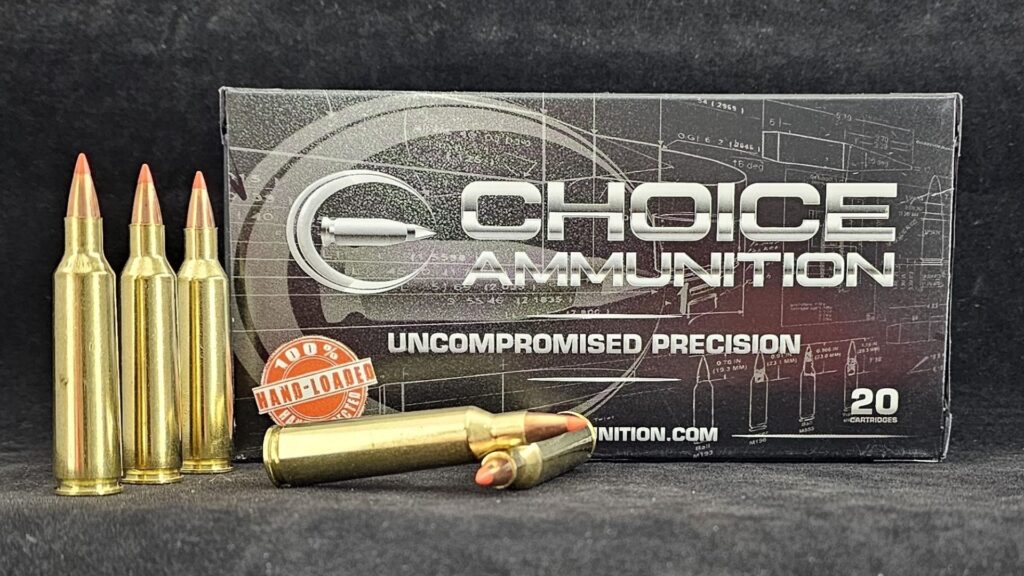
The .22-250 is a favorite varmint round, but some hunters try to stretch it into deer hunting. While ammo isn’t always outrageously priced, it adds up fast if you shoot often. More importantly, performance on deer can be inconsistent, especially without perfect shot placement and the right bullet choice.
You’ll pay for premium controlled-expansion bullets if you want reliable kills, and even then, it doesn’t offer the margin for error that larger calibers do. It’s one of those rounds that looks efficient on paper but doesn’t give you dependable results in the deer woods. That makes it an expensive way to gamble on your freezer filling up.
.264 Winchester Magnum
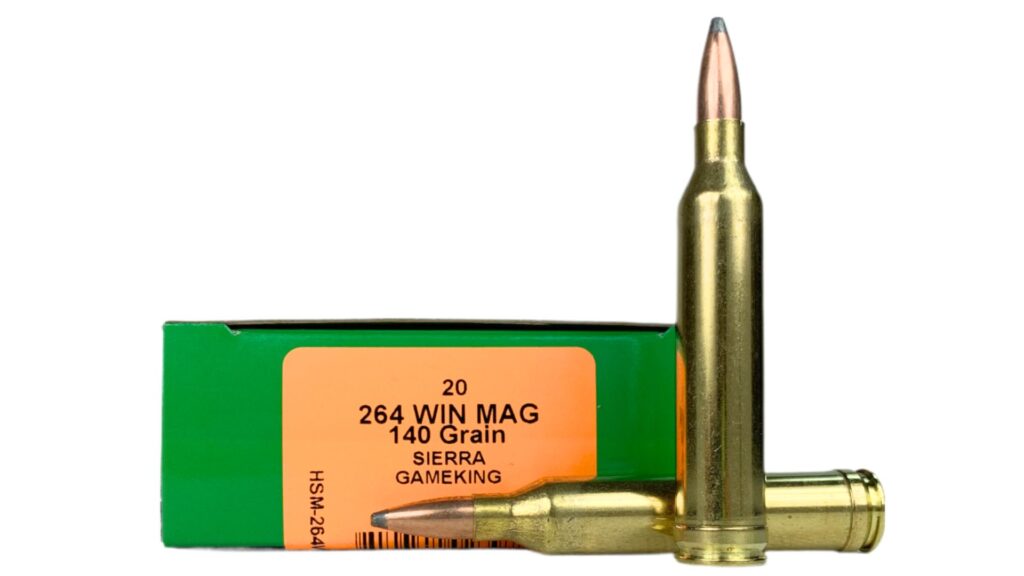
The .264 Win Mag had its moment in the sun, but it faded for a reason. It’s expensive to feed, hard on barrels, and doesn’t do anything on deer that the .270 or 7mm Rem Mag can’t do better. You’ll pay a premium for ammo that isn’t widely available, and in return, you won’t see any extra effectiveness in the field.
Hunters who try it often realize they’re spending more for less. It can certainly kill deer, but so can far more affordable and practical cartridges. It’s a caliber that eats money and barrels faster than it delivers any noticeable edge in deer hunting.
.375 H&H Magnum
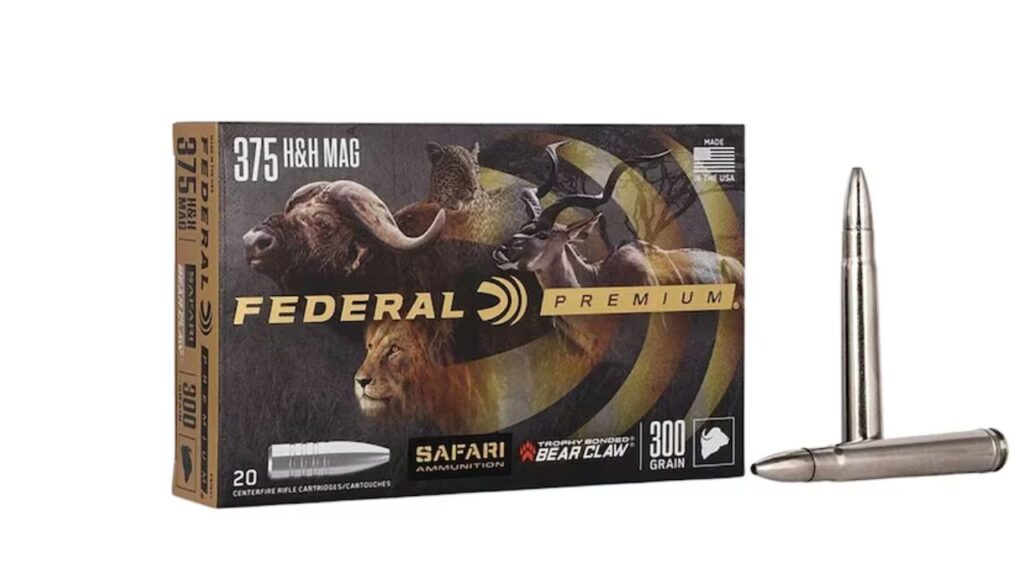
The .375 H&H is a classic dangerous-game round, but it has no real place in deer camp. Ammunition is extremely expensive, rifles chambered for it are heavy, and recoil is significant. On deer, it’s overkill in every sense, often causing excessive damage without providing any advantage in clean kills.
You’ll find yourself spending money to fire a round designed for Africa’s big game, not a whitetail in the woods. While it has history and appeal for collectors, it doesn’t belong in the field when your target is a deer. It’s another caliber that empties your wallet long before it fills your freezer.
*This article was developed with AI-powered tools and has been carefully reviewed by our editors.