Photo credit: Guns Blazing Ranch/YouTube
When you pick up a pistol for carry or range duty, you expect it to hold up for at least a thousand rounds—minimum. But some don’t even make it halfway there. A few hundred rounds in, and things start to shake, shift, and fall out of spec. Slide-to-frame fit gets sloppy. Pins walk. Springs sag. It’s one thing for a pistol to wear with use. It’s another when it comes apart like it was never meant to be shot in the first place. A tight budget shouldn’t mean accepting a pistol that won’t last a weekend’s worth of shooting. If you’re noticing play in the barrel hood, slop in the frame rails, or your groups wandering more than they did at round one, it’s probably not you. Some pistols simply can’t take the pressure—literally and figuratively. If you’ve owned one of these, you know the frustration. If you haven’t yet, here’s a look at where things tend to fall apart fast.
SCCY CPX-2
The SCCY CPX-2 looks appealing at first—affordable, lightweight, and compact. But by the 300–400 round mark, many shooters start noticing trouble. Trigger resets get mushy. The takedown pin loosens. And worst of all, the slide-to-frame play becomes more obvious with every trip to the range. It’s a pistol that feels like it’s aging in dog years. Some of these issues can be chalked up to design choices aimed at keeping costs down, but reliability shouldn’t be one of the trade-offs. It’s not uncommon for CPX-2 owners to shelve the gun early and move on to something more durable. If yours still runs, great—but it’s likely on borrowed time.
Taurus Spectrum

Taurus tried to make the Spectrum a soft-shooting .380 with a unique look and feel, but the build quality never lived up to even casual range use. The slide starts wobbling early, and several owners report frames cracking well before they hit the 500-round mark. It’s a small pistol with soft edges, but that doesn’t help when internals start wearing prematurely and you’re left with inconsistent performance. The trigger, which already feels gummy out of the box, doesn’t improve with age. In fact, it often gets worse. If you’re relying on this one for carry, it’s worth taking a serious look at how it’s holding up—if it still is.
KelTec P11
The P11 has its fans—mostly because of the price and small footprint—but it also has a reputation for shaking itself apart. The slide finish wears fast. Magazine catch springs lose tension. And most notably, the trigger system gets grittier and looser with every box of ammo. Some folks hit 400 rounds and start wondering why the reset feels different. That’s usually a sign the internal parts are already wearing into odd grooves. It’s a pistol that served its purpose for many, but long-term use often meant carrying it more than shooting it. If yours rattles when you shake it, that’s not normal—though it’s not rare, either.
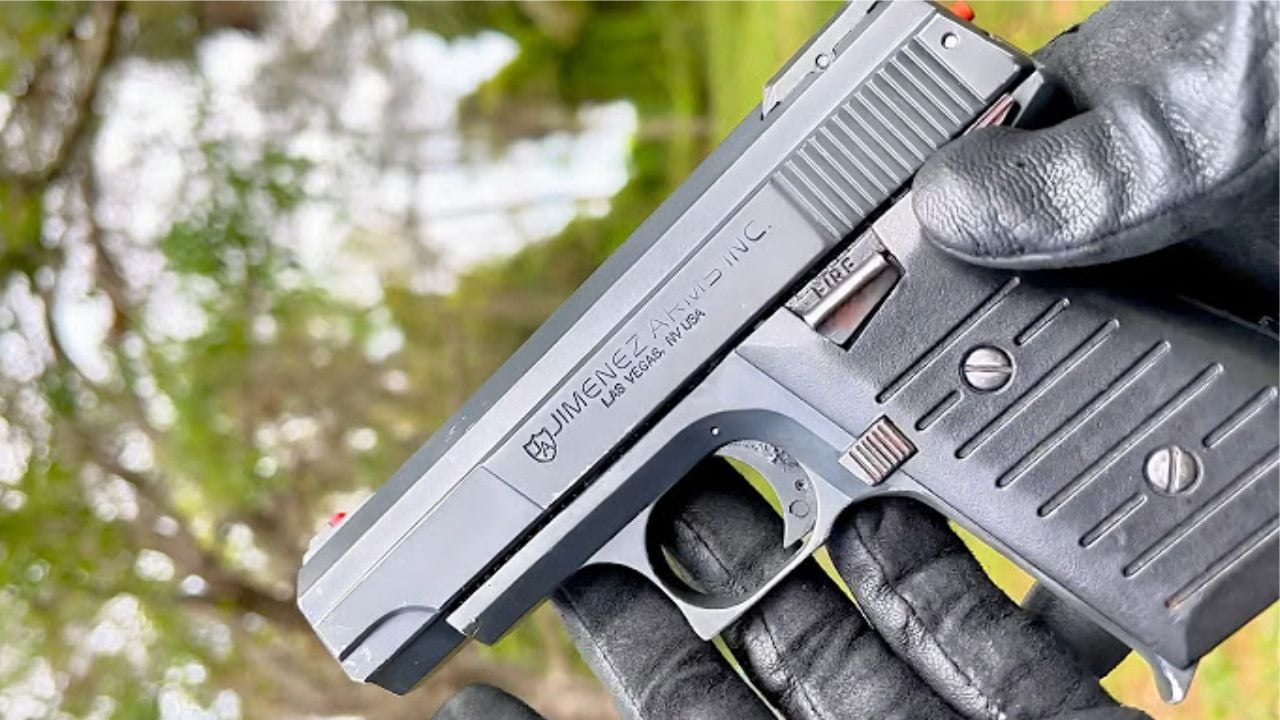
Jimenez JA-Nine

If you’ve handled one, you probably already know. The Jimenez JA-Nine is a striker-fired pistol that feels loose even when it’s new. But what little tightness it does have disappears quick. Slide rails wear unevenly, firing pins start dragging, and frames occasionally crack under sustained use. It’s not uncommon to hear stories of extractors flying off or magazines failing to seat after a couple hundred rounds. These pistols weren’t built for volume shooting—and it shows. Even cleaning them can reveal how rough the machine work was. They’re cheap for a reason, and unfortunately, that reason usually shows up sooner than you’d like.
Cobra FS 380
The Cobra FS 380 is another Saturday-night-special type pistol that rarely makes it to 500 rounds without something loosening up. The zinc alloy frame isn’t doing it any favors when it comes to long-term durability. Many owners report cracked slides, broken firing pins, and enough frame slop to cause reliability problems early on. Even those who baby their FS 380s find that regular range use wears them down faster than expected. It’s not a gun you pass down or train hard with—it’s the kind you buy because it was cheap and later regret every box of ammo spent on it.
Zastava M70A

While not a true throwaway pistol, the Zastava M70A has had a few batches imported that didn’t hold up well. Some were assembled with mismatched or out-of-spec parts, leading to premature wear in the barrel lugs and frame rails. The recoil spring assembly in particular doesn’t take well to prolonged range sessions, and accuracy starts to suffer once tolerances open up. If you’ve got one that’s holding tight, consider yourself lucky. But don’t be surprised if yours starts showing signs of fatigue before the odometer hits 500. They’re decent shooters—until they’re not.
Remington R51 (Gen 1)
The first-gen R51 was supposed to be a sleek revival of a classic design. Instead, it earned a reputation for failing early and often. Some units literally rattled out of the box, while others made it to a few hundred rounds before problems started stacking up. Slide galling, extractor issues, and trigger group failures were common. Even Remington admitted defeat and reworked the design—but if you’re still holding onto a Gen 1 model, it’s probably already showing its age, even if you haven’t put many rounds through it. These weren’t meant for the long haul, and their track record proves it.
American Tactical FXH-45

This polymer-framed 1911-style pistol promised a lighter twist on a proven design. The problem? That polymer frame doesn’t exactly hold up to .45 ACP punishment over time. The slide-to-frame fit loosens quickly, and recoil starts to wear on internal parts in ways you wouldn’t see with steel. Accuracy degrades as the pistol shakes itself apart, and function issues crop up after a few hundred rounds. You’ll hear defenders say it’s “fine if you don’t shoot it much,” which kind of proves the point. It may look like a 1911, but it doesn’t have the staying power of one.
Like The Avid Outdoorsman’s content? Be sure to follow us.
Here’s more from us:
The worst deer rifles money can buy
Sidearms That Belong in the Safe — Not Your Belt
*This article was developed with AI-powered tools and has been carefully reviewed by our editors.