Photo credit: Misha's Guns/YouTube
Some guns earn attention because they are new, loud, expensive, or covered in features. Others earn it the slower way. They get carried, hunted with, left in trucks, passed through families, rebuilt, refinished, and kept working long after the next big thing has come and gone.
That kind of staying power is hard to fake. A firearm can look good in a catalog and still fall apart under real use. The ones below proved themselves by sticking around, showing up in the field, and giving owners fewer reasons to replace them than the market expected.
Remington 870 Wingmaster
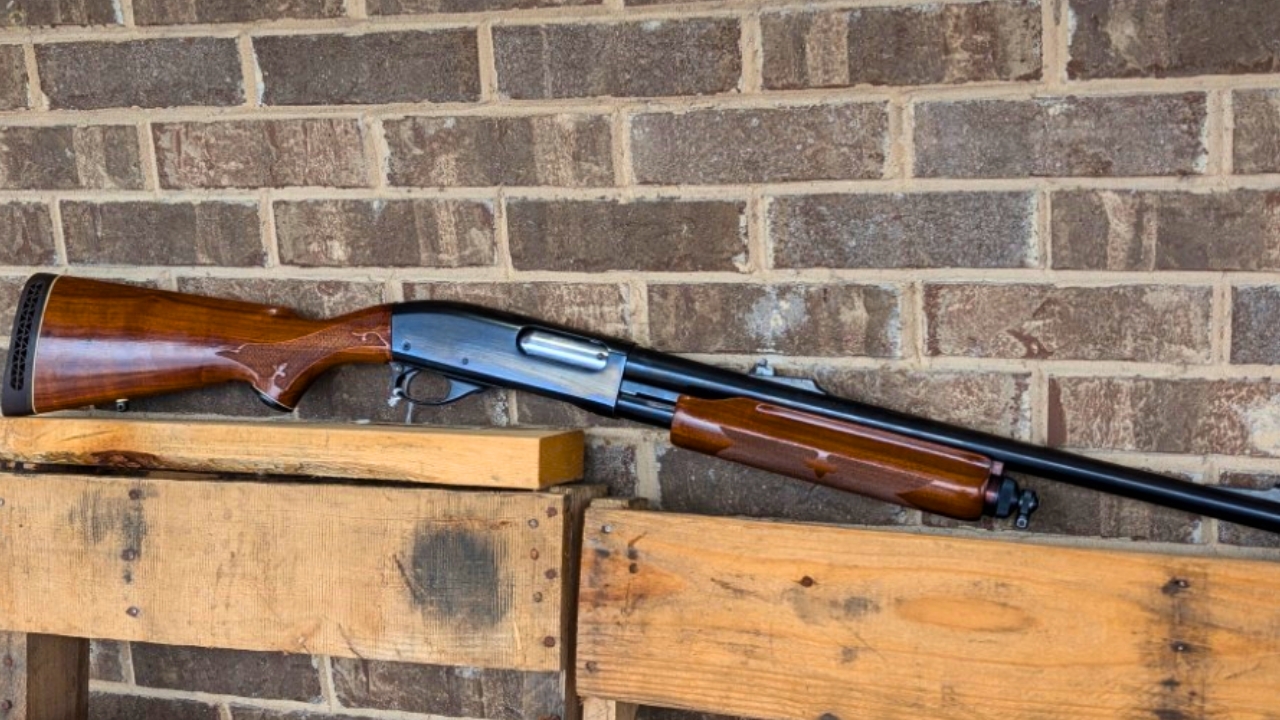
The Remington 870 Wingmaster proved its staying power by doing ordinary shotgun work better than most people expected. It hunted birds, guarded homes, rode in patrol cars, and handled decades of use without feeling fragile or fussy.
The smooth action is a big part of why people still talk about it with respect. A well-used Wingmaster has a feel that newer budget pump guns often lack. You can tell it was built during a time when fit, finish, and function all mattered. Plenty of them look worn now, but they still cycle, still pattern, and still earn a place in the safe.
Ruger 10/22

The Ruger 10/22 is one of those rifles that almost everybody has owned, borrowed, or learned on at some point. That kind of reach does not happen by accident. It is light, handy, reliable, and forgiving enough for new shooters without being boring for experienced ones.
Its real strength is how long it stays useful. You can leave it close to factory, turn it into a squirrel rifle, build it into a range toy, or pass it to a kid learning the basics. The rotary magazine, simple action, and endless parts support helped turn the 10/22 into more than a rimfire. It became a permanent fixture.
Winchester Model 70
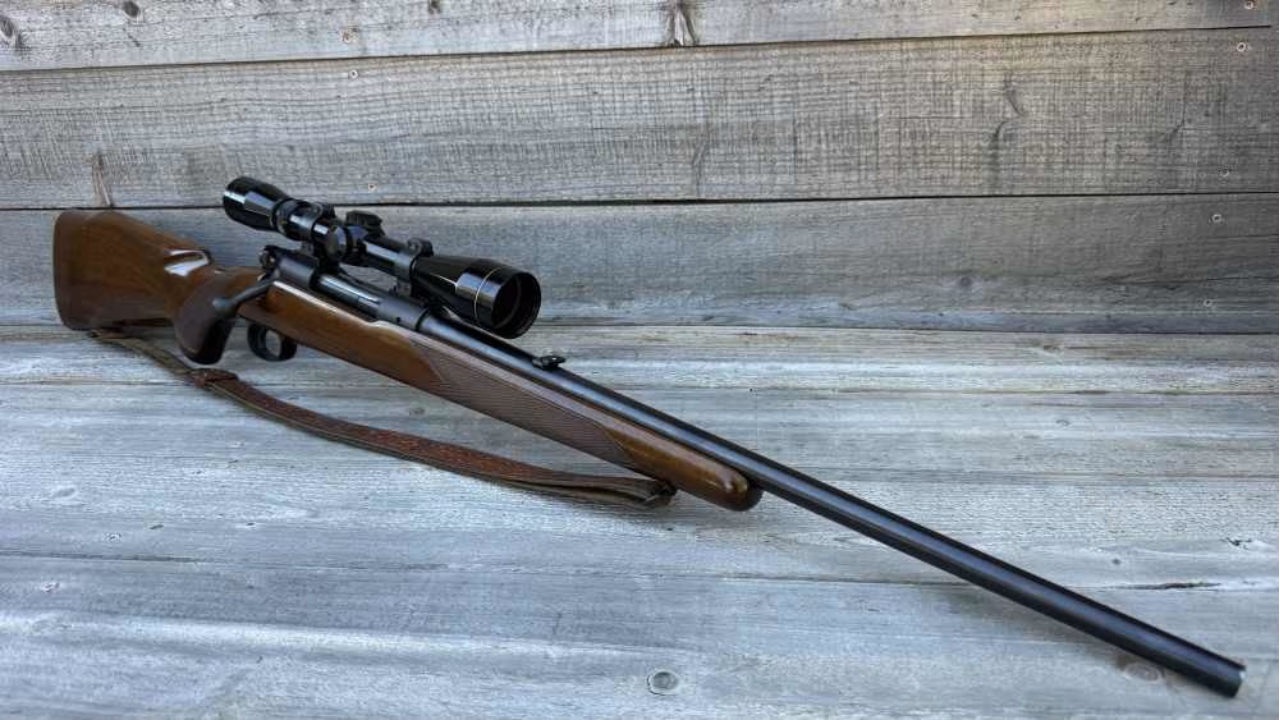
The Winchester Model 70 earned its reputation the old-fashioned way, by spending decades in deer camps, elk country, and hard weather. Hunters trusted it because it felt controlled, solid, and serious without needing extra explanation.
The pre-64 rifles get most of the romance, but the Model 70 name lasted because the basic idea was sound. A good bolt action that feeds well, carries well, and puts rounds where they belong will always have a place. The Model 70 proved that lasting value is not always about flash. Sometimes it is about confidence when the shot matters.
Colt Government Model 1911
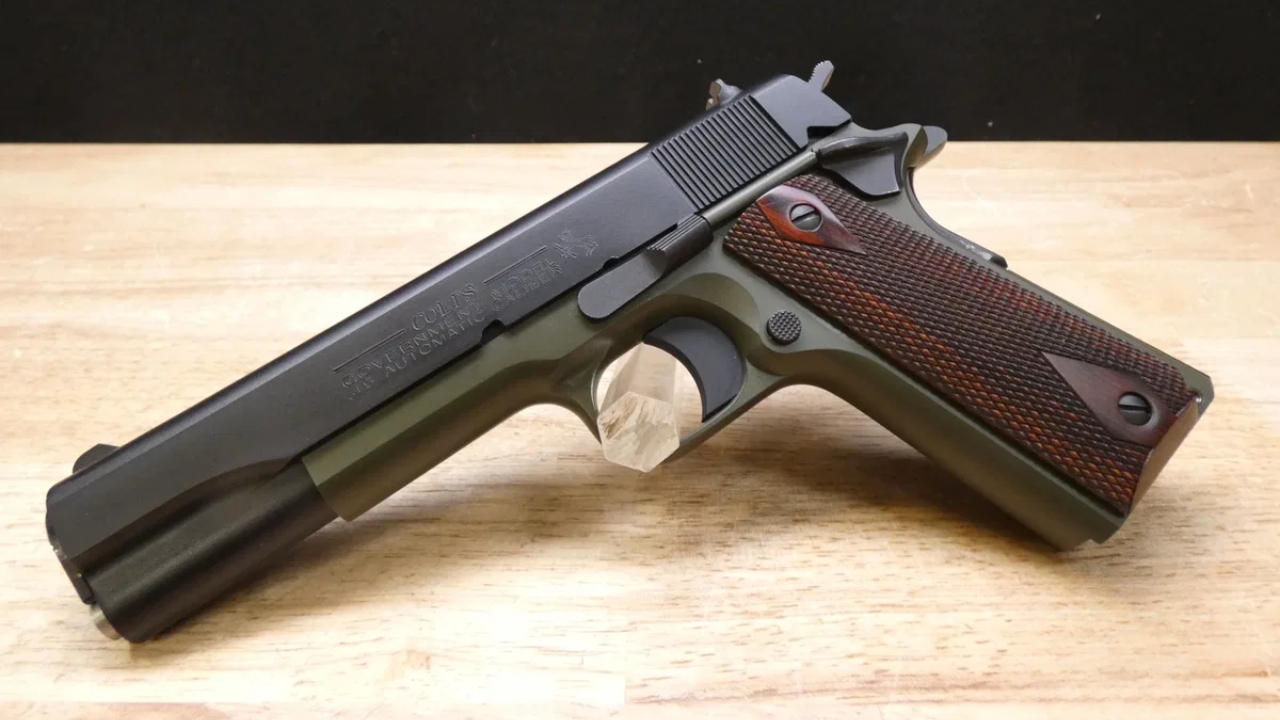
The Colt Government Model 1911 lasted because it kept doing real work long after people declared it outdated. Military service, competition, personal defense, and collector demand all kept it alive across generations.
It is not the lightest pistol, and it is not the easiest platform for lazy maintenance. Still, a well-built 1911 has a trigger, grip angle, and handling feel that shooters keep coming back to. The design rewards people who understand it. That is why so many pistols borrowed its ideas, yet the original pattern still has a grip on American gun culture.
Marlin 336
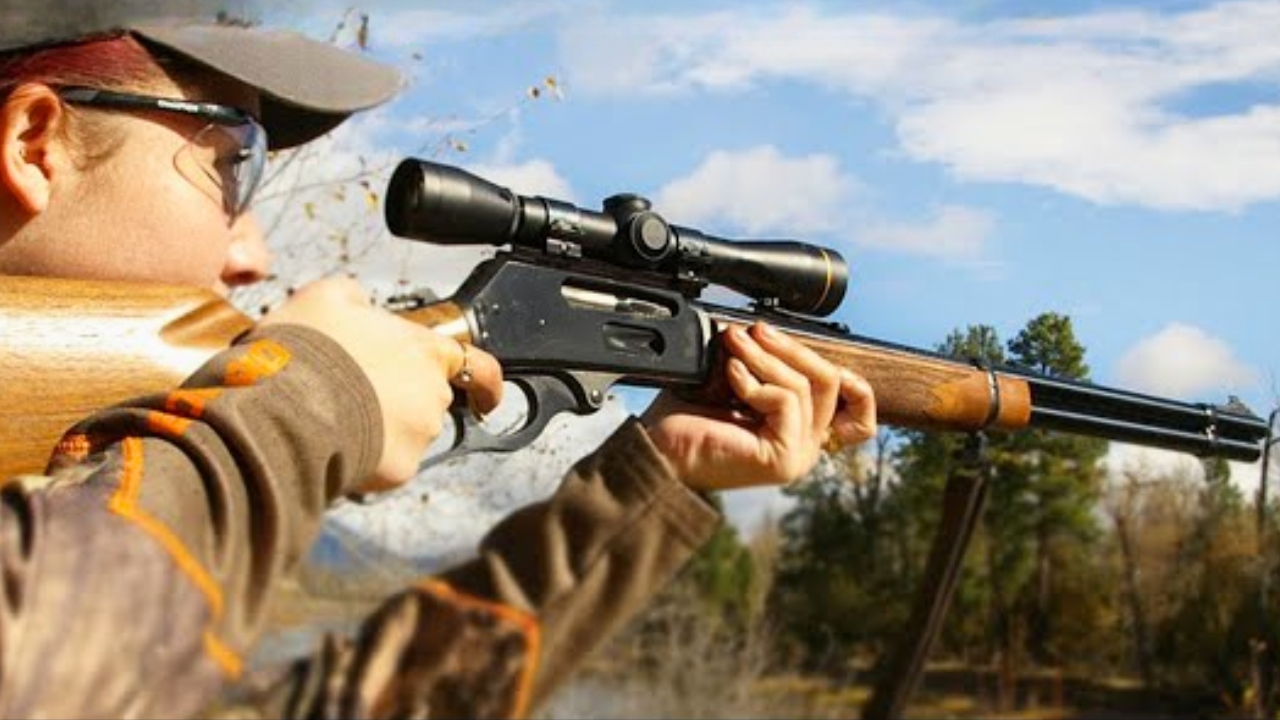
The Marlin 336 proved itself in brush country, deer woods, and pickup racks across the country. It was never trying to be fancy. It was a working lever gun chambered in rounds that made sense for the kind of hunting many people actually did.
Its side-eject design made scope mounting easier than older top-eject lever guns, and that helped it age well. In .30-30 especially, the 336 became the rifle many hunters reached for when shots were close, woods were thick, and reliability mattered more than bragging rights. A clean older 336 still feels like a smart rifle, not a leftover.
Smith & Wesson Model 10
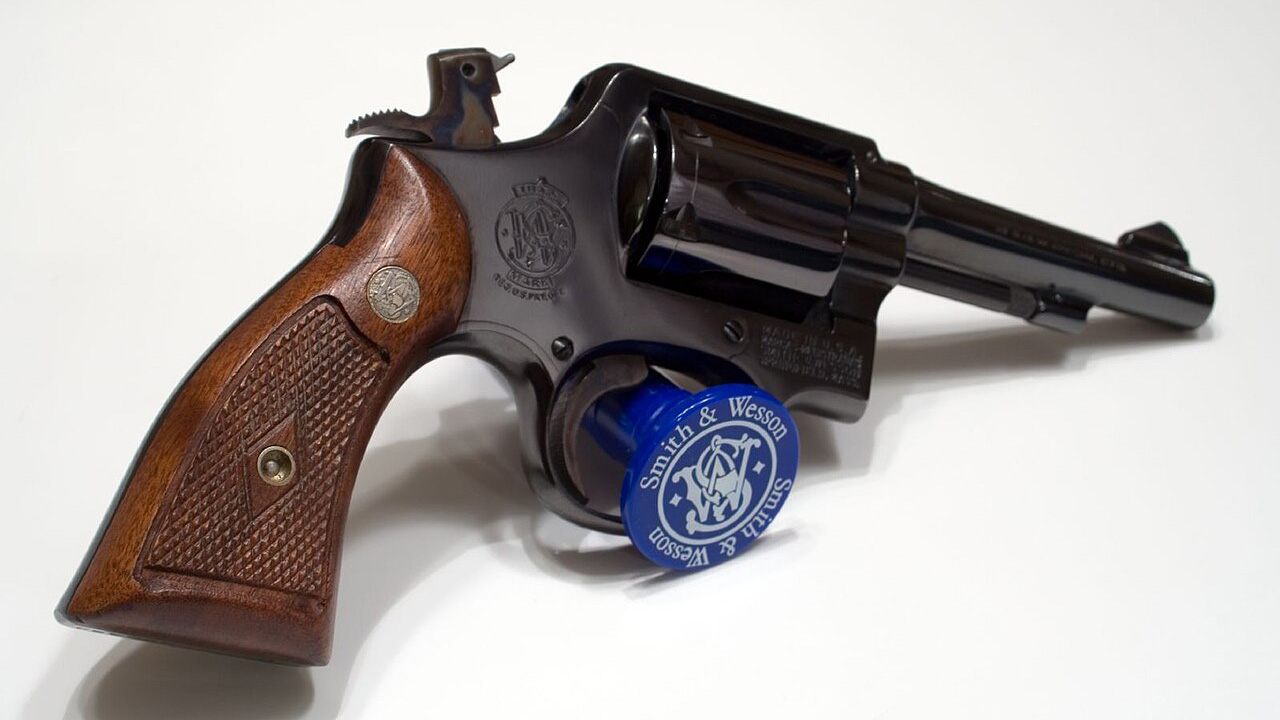
The Smith & Wesson Model 10 lasted because it was honest. It was not exotic, flashy, or complicated. It was a fixed-sight .38 Special revolver that police officers, homeowners, and everyday shooters used because it worked.
That plainness is exactly why it aged so well. The Model 10 points naturally, carries enough weight to shoot comfortably, and handles standard-pressure .38 loads without drama. Millions were made, and many are still perfectly serviceable today. It is the kind of revolver that reminds you durability does not have to look dramatic. It can look like a worn blued service gun that still locks up tight.
Browning Auto-5
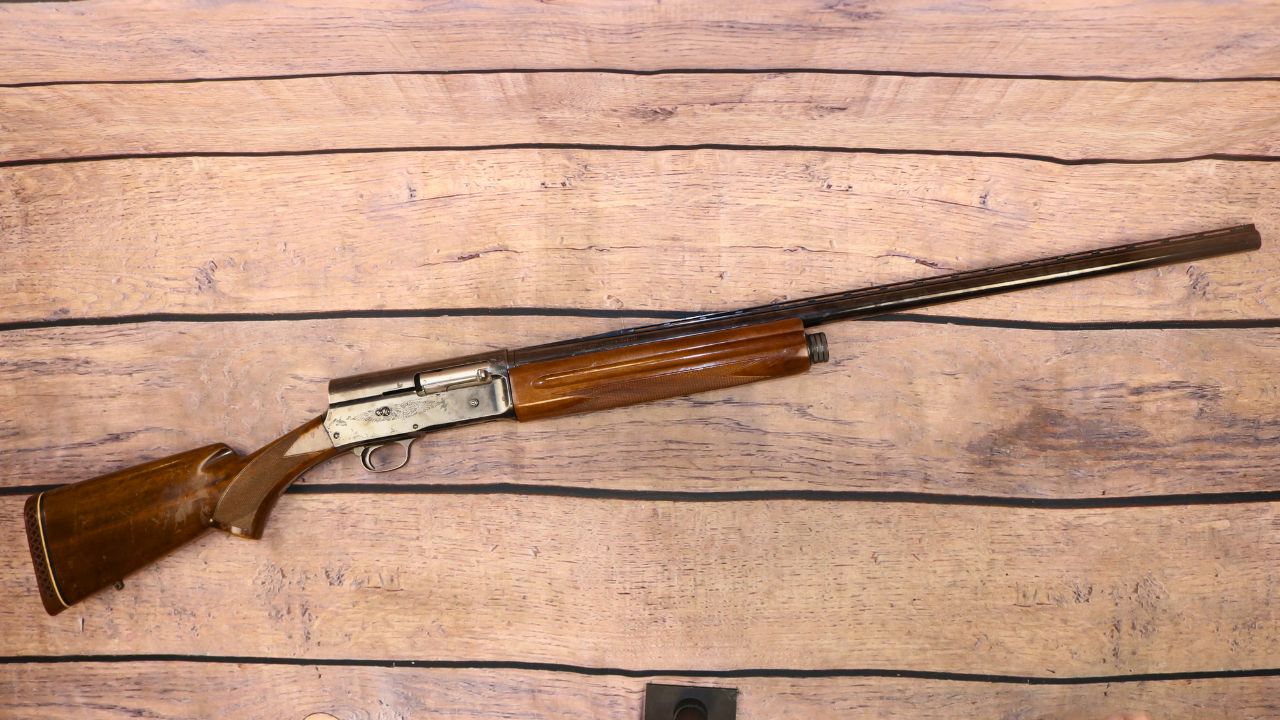
The Browning Auto-5 proved its toughness in duck blinds, farm fields, and upland cover long before semi-auto shotguns became smooth and soft-shooting by modern standards. Its long-recoil action has a feel all its own, and once you know it, you do not forget it.
The humpback receiver makes it instantly recognizable, but the gun’s real legacy is how long it kept running. Many Auto-5s were used hard for generations and still cycle with the right setup. It is heavier and more mechanical-feeling than many newer shotguns, but that is part of the charm. It feels like a machine built to work.
Ruger Blackhawk

The Ruger Blackhawk earned loyalty by being stronger and more practical than a lot of traditional single-action revolvers. It gave shooters the old single-action feel with modern durability, especially in heavier chamberings that demanded a tougher frame.
Hunters, handloaders, and outdoorsmen took to it because it could handle real use without feeling delicate. A Blackhawk in .357 Magnum, .41 Magnum, .44 Magnum, or .45 Colt can stay useful for decades. It is not fast to reload and it is not modern by carry-gun standards, but it does not need to be. It lasted because it filled its lane extremely well.
Mossberg 500

The Mossberg 500 proved a shotgun does not have to be expensive to last. It became common for hunters, homeowners, and working users because it was affordable, simple, and willing to take abuse without much complaint.
The tang safety is easy to reach, the action is straightforward, and parts support has kept the platform alive for years. A Mossberg 500 may not have the polished feel of a high-end pump, but that was never the point. It is the shotgun people keep in closets, trucks, cabins, and duck camps because it does what a pump gun is supposed to do.
Mauser 98

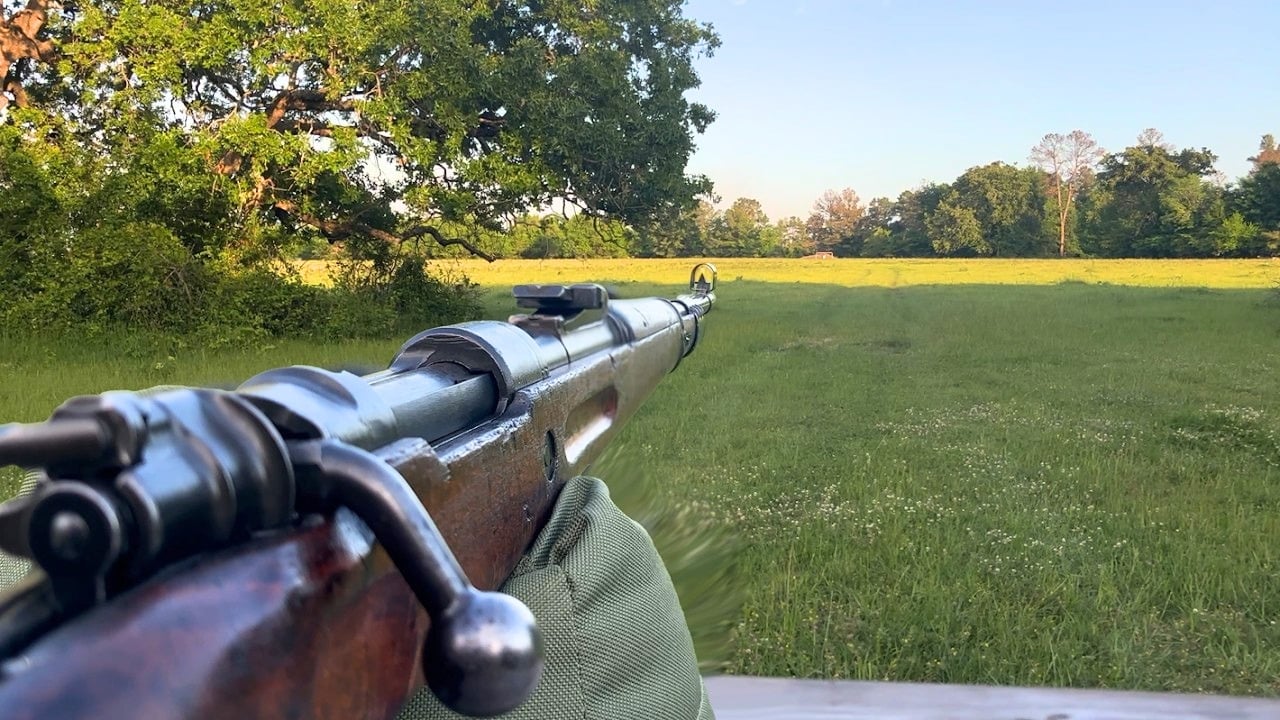
The Mauser 98 lasted because its action became the blueprint for what a serious bolt rifle could be. Controlled-round feed, strong extraction, and a tough receiver made it trusted around the world in military and sporting roles.
Even today, the influence is easy to see in hunting rifles built long after the original was old news. The Mauser 98 was not light by modern standards, and plenty of rifles have improved on certain details. But the foundation was so good that generations of rifle makers kept borrowing from it. That is not nostalgia. That is proof of a design that worked.
Smith & Wesson Model 686

The Smith & Wesson Model 686 proved it could last by giving shooters a .357 Magnum revolver with enough strength, weight, and shootability to handle steady use. It became a favorite for range work, defense, and outdoors carry because it balanced power and control well.
The stainless construction helped, especially for people who carried revolvers in rough weather or stored them in working environments. A good 686 does not feel like a fragile collector piece. It feels like a revolver meant to be shot. That is why clean examples still move fast and used ones rarely stay ignored for long.
Browning Hi-Power
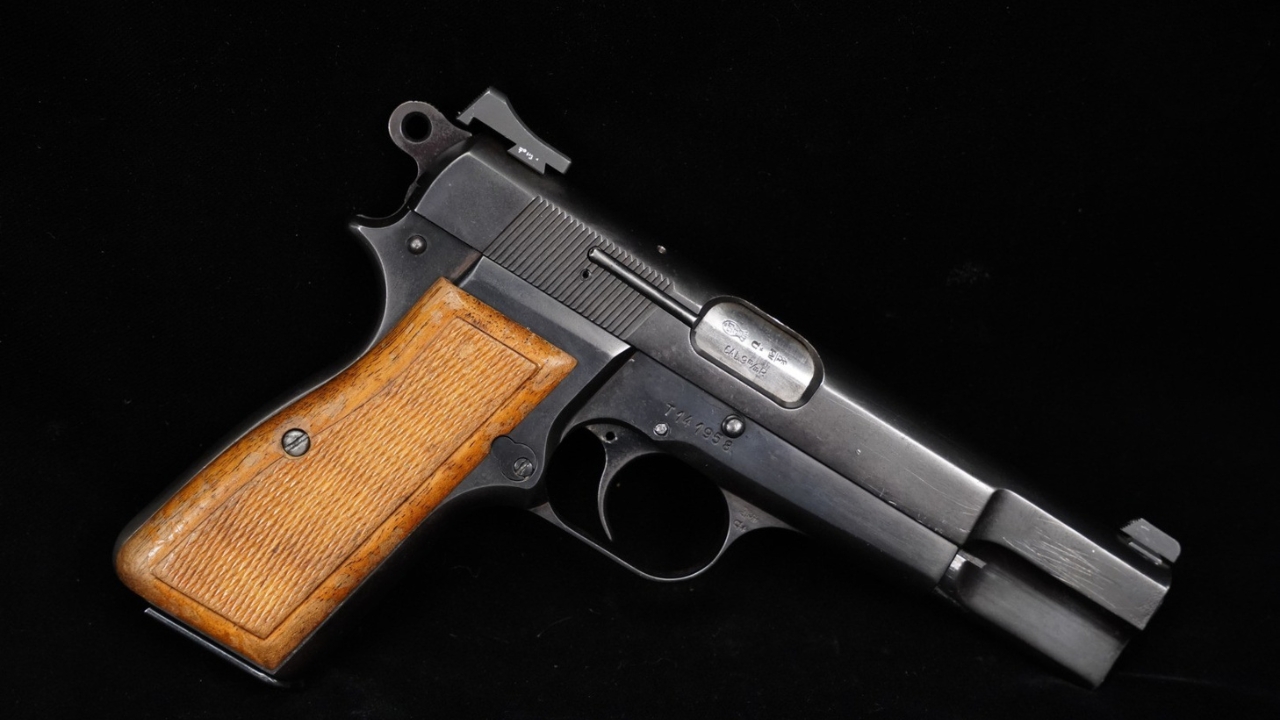
The Browning Hi-Power lasted because it got so much right early. A double-stack 9mm pistol with good handling, strong lines, and real-world service history was ahead of many pistols that came much later.
Its trigger system was never perfect, especially with the magazine disconnect in place, but shooters kept forgiving it because the pistol felt so natural in the hand. Military, police, and civilian users around the world kept the Hi-Power relevant for decades. Even now, newer versions and clones exist because the design still makes sense to people who value feel and history.
Winchester 1894
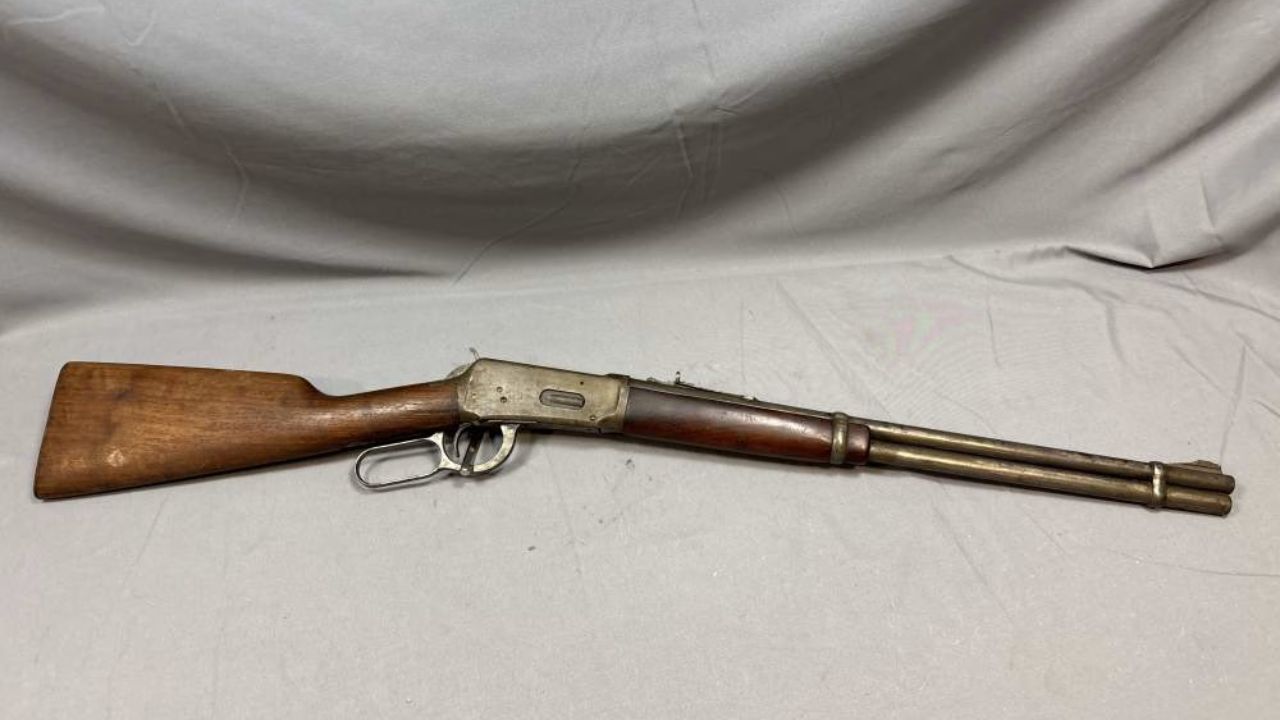
The Winchester 1894 proved itself by becoming one of the classic American deer rifles. In .30-30, it gave hunters a light, quick-handling rifle that worked beautifully in timber, hills, and close-range country.
It was never meant to stretch across bean fields like a modern magnum rifle. Its strength was carrying easily and coming to the shoulder fast when a buck stepped through cover. That kind of usefulness does not expire. Many old 94s still hunt every season, and even beat-up examples carry stories. A rifle that stays useful that long has already made its case.
Beretta 92FS

The Beretta 92FS proved it could last through military service, police use, range abuse, and years of argument from people who either love it or never liked it. Through all that, the pistol kept running.
It is large for a 9mm by modern carry standards, but that size helps it shoot smoothly. The open-slide design, locking block system, and soft recoil impulse give it a feel that many polymer pistols do not match. It may not be everyone’s first choice today, but the 92FS has too much service history and too many loyal owners to dismiss.
Ruger M77

The Ruger M77 earned its place by being a hunting rifle that could live in the real world. It showed up in trucks, scabbards, deer stands, mountain camps, and wet weather without needing special treatment.
Depending on the generation, shooters argue over triggers, safeties, and small design changes, but the M77’s larger reputation held together because the rifles were tough. The controlled-feed versions especially earned respect from hunters who liked a rifle with a serious action feel. It was not always the prettiest or lightest rifle on the rack. It lasted because it could take years of field use and keep doing the job.
Like The Avid Outdoorsman’s content? Be sure to follow us.
Here’s more from us: