Photo credit: GermanBlankAndAirgunReviews/YouTube
Some guns feel great on the range. You run a few boxes through them, they’re accurate, reliable, and smooth. But take them outside the bubble—add some dirt, stress, or bad weather—and the cracks start showing. These are the guns that perform in ideal conditions, but can’t quite hack it when it really counts.
SIG Sauer P320 (Pre-Upgrade)

In training, the P320 seems like a winner—great trigger, modular design, and easy to shoot. But the early models had issues with drop safety, and even now, some versions still choke under rough use. It’s fine on a square range, but not something you want bouncing around in a duty holster.
The P320 gained attention fast, and for good reason. But when real-world abuse entered the mix, the flaws started surfacing. If you’re running one, make sure it’s the updated version with the proper fixes.
Kimber Ultra Carry II

At the bench or on a static line, this little 1911 feels slick. But the moment you introduce rapid fire or less-than-perfect grip, it starts getting finicky. FTFs and stovepipes aren’t uncommon once the gun gets a little dirty.
For a carry gun, reliability should never be optional. The Ultra Carry II is just a little too picky with ammo and conditions to trust when things aren’t calm and clean.
Taurus PT709 Slim

This one seems like a great budget carry option during dry fire or casual shooting. It’s lightweight, compact, and easy to conceal. But after a few hundred rounds or any exposure to grit and heat, it starts acting up.
Real-world use shows it struggles to stay consistent. You can’t afford to second-guess your pistol in a serious moment, and unfortunately, the 709 doesn’t always inspire confidence.
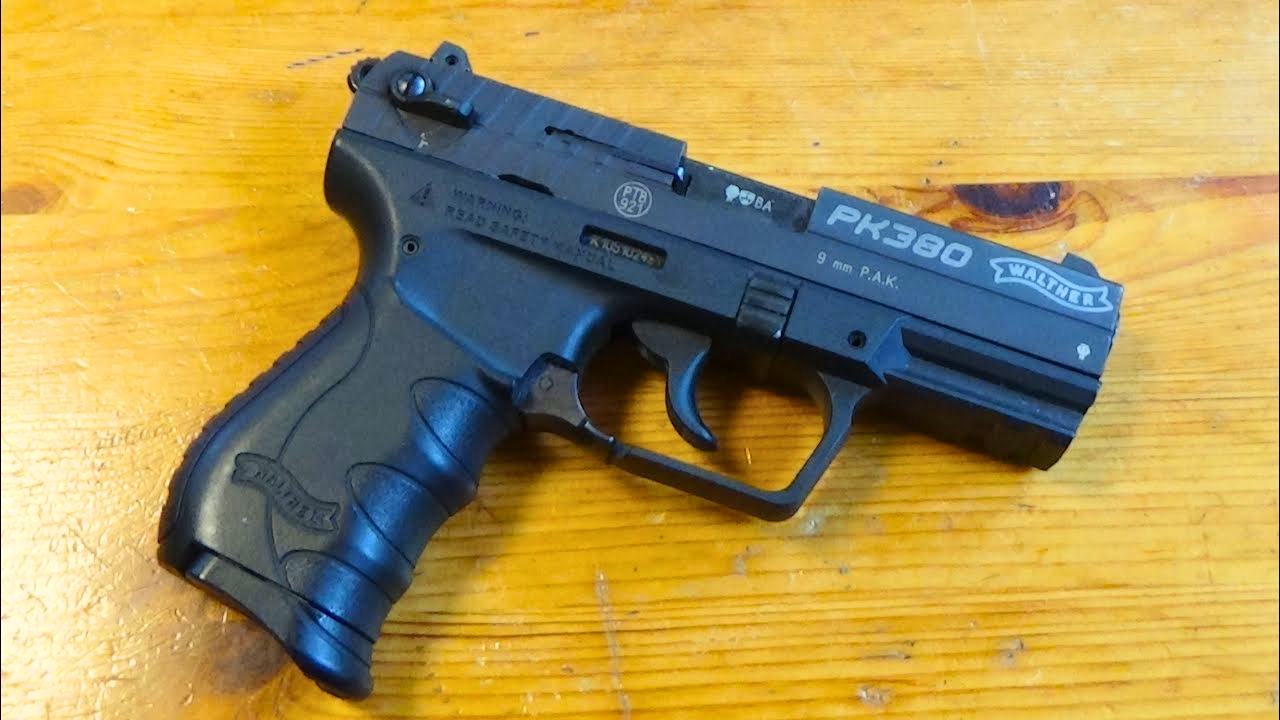
Walther PK380

The PK380 is soft shooting and feels great for beginners. But once you leave the comfort of the range, its reliability issues become hard to ignore. Light strikes and cycling problems crop up more than you’d want.
It’s also not easy to break down for cleaning, which only adds to the issue. If everything goes just right, it’s fine. But in the real world, things rarely go just right.
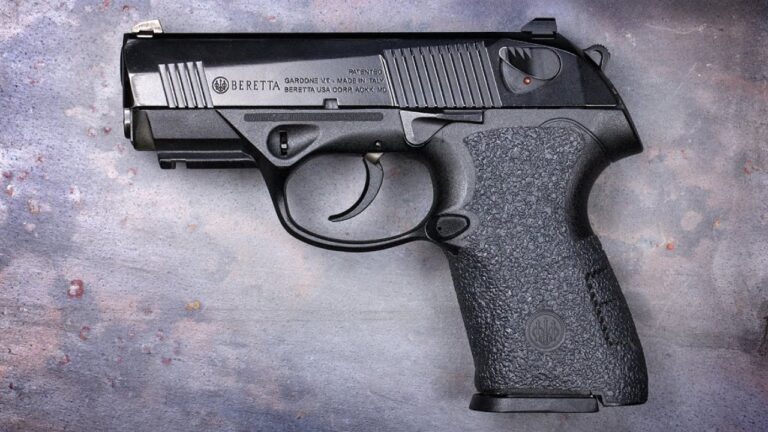
Beretta 9000S

Beretta usually nails it, but the 9000S missed the mark. In training, it runs decently, but put it under time pressure or less-than-perfect conditions and the reliability drops off quick.
The controls are awkward, and the gun doesn’t feed consistently with a variety of ammo. A defensive pistol has to be more than accurate—it has to be dependable. This one just isn’t.
Springfield XD-S (First Gen)

This slim single-stack .45 feels solid in practice. But once dirt, sweat, or fast reloads enter the equation, problems can show up. Many users report failure-to-feed issues after extended use without cleaning.
It’s comfortable to carry, sure—but that doesn’t mean it’s ready when things get messy. Later versions improved, but the first gen isn’t something you’d want to bet your life on.
Remington R51

In theory, the R51 had a lot going for it—lightweight, low recoil, and a slick retro design. But on the range, issues start popping up quickly. It jams, misfeeds, and feels out of place under pressure.
Even Remington’s relaunch couldn’t shake its bad reputation. It’s more of a collector’s oddity than a serious self-defense tool. In the real world, it’s just not up to the job.
CZ P-07 (Early Models)

CZ makes some excellent pistols, but the early P-07s had teething problems. Reports of trigger reset failures and slide issues showed up as soon as they were taken into real use.
In training, you might not notice. But carry it in the real world with grime, heat, or heavy use, and things can start to get sketchy. Newer models fixed most of this, but not everyone got the memo.
Smith & Wesson Sigma Series
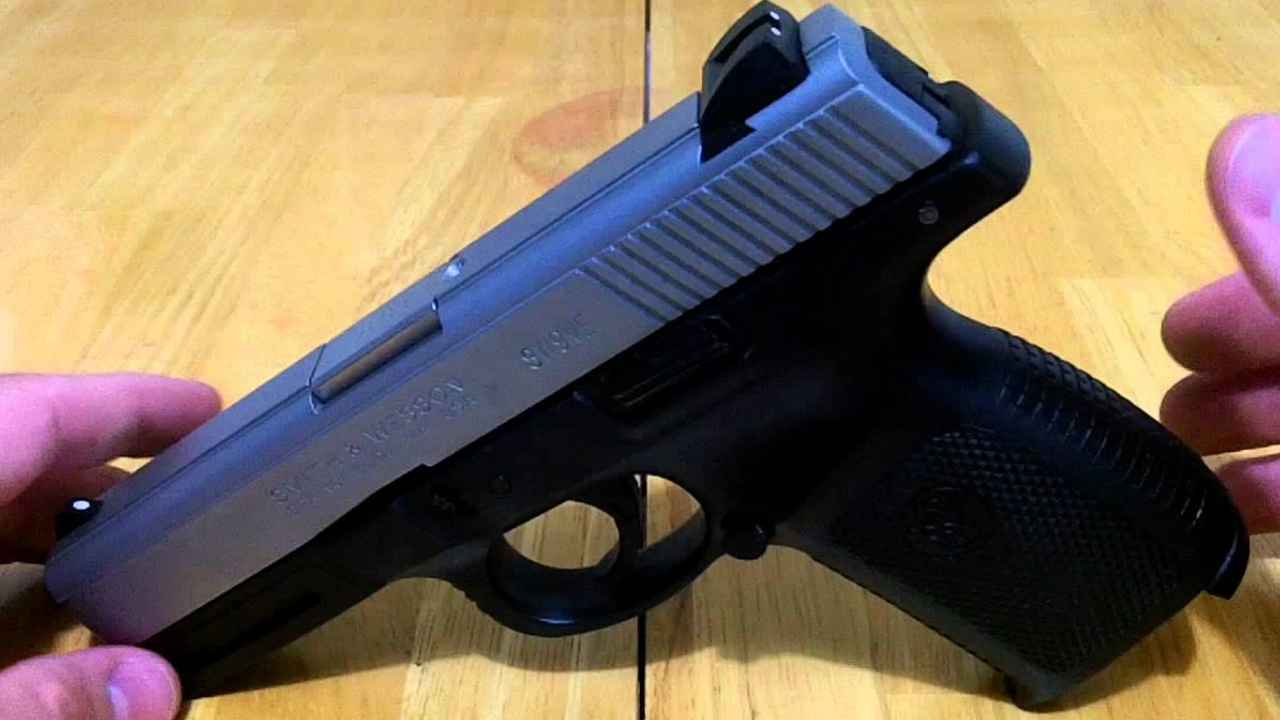
At first glance, the Sigma series looks like a great alternative to Glock. On the range, it shoots okay—though the trigger’s rough. But in real-world handling, the reliability falls off fast, especially with certain ammo.
The gun is known for misfeeds and extraction problems when it’s not kept spotless. For a budget pistol, it checks some boxes—but it doesn’t pass the trust test when things get real.
Kel-Tec PF-9
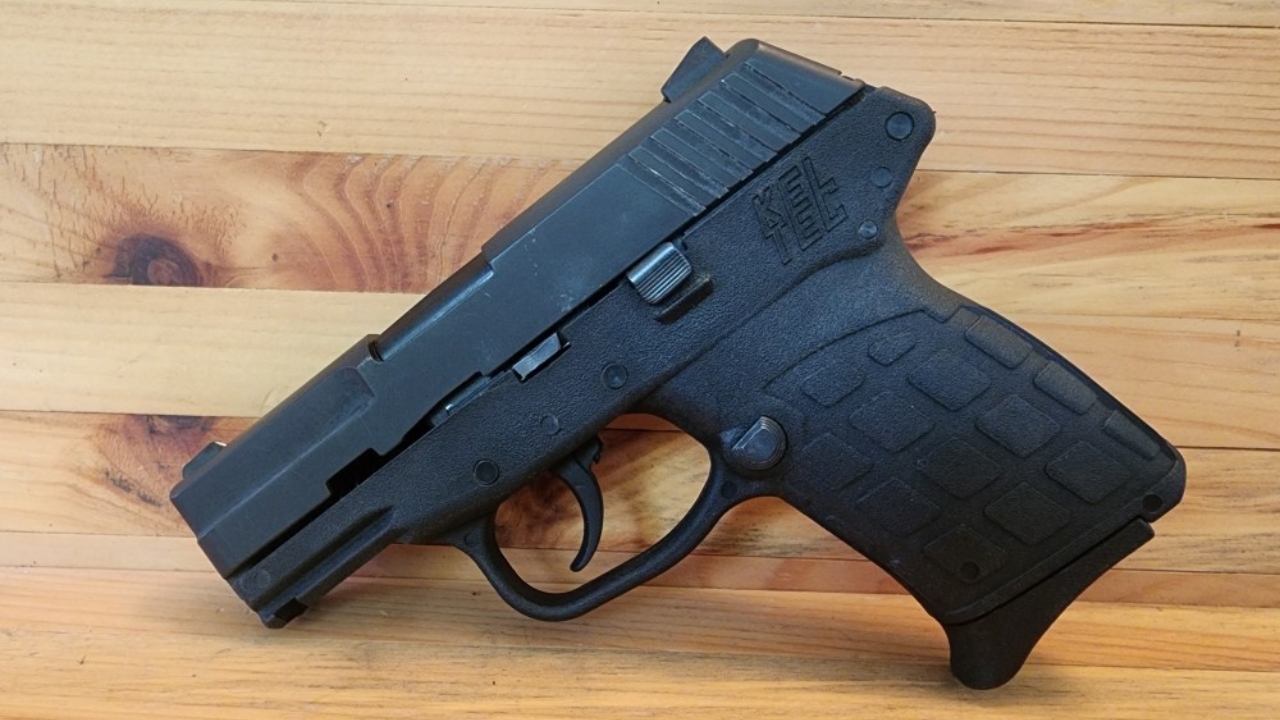
The PF-9 is appealing for its size and price. On paper, it’s a no-brainer for deep concealment. But shoot more than a few mags and you’ll start noticing feeding issues and frame wear.
It’s fine for limited use, but it’s not built for high-stress situations. When it counts, you want something that won’t hiccup halfway through a magazine.
FN FNS-9 (Pre-Recall)

Another pistol that ran great in drills—but only until the wrong kind of pressure was applied. The FNS-9 had a recall tied to striker issues that led to failures to fire or drop safety concerns.
On the range, many users never saw a problem. But holster it, carry it, and add some abuse, and failures became more common. Always double-check your serial number if you’re still using one.
Rock Island 1911s (Budget Models)

Rock Island 1911s are a gateway to .45s for many shooters. They run great during casual practice, but once you really run them hard, their tolerance for abuse shows its limits.
Failures to eject or feed under rapid fire aren’t rare, especially with hollow points. They’re fine for the range—but they’re not ideal for rough carry or serious defense work.
*This article was developed with AI-powered tools and has been carefully reviewed by our editors.