Photo credit: Savage Arms
You know the kind of rifle that makes a good first impression—clean lines, decent price, maybe even solid specs on paper. But then you take it into the field, and the little issues start adding up. Loose stocks, wandering zeros, clunky triggers, or unreliable cycling. Sometimes it’s not one big flaw, but a stack of small disappointments that turns that “solid budget rifle” into the one you warn your buddies to stay away from. Most hunters don’t like to trash talk gear unless it really lets them down. But when a rifle doesn’t perform in the moment it matters—or causes more frustration than success—it usually doesn’t get recommended again. Here are 12 rifles that may have looked good at first glance but ended up being the kind nobody wants to vouch for a second time.
Remington 770

The Remington 770 is the rifle most hunters mention when talking about rifles they’d never recommend again. It was meant to be an upgrade from the old 710, but it didn’t fix much. The bolt is rough, the stock feels hollow, and the scope package it ships with is mediocre at best. Most guys take it to the range, struggle with accuracy, and immediately start wondering if they should’ve spent a bit more.
The action has a tendency to bind under pressure, and the barrel quality is hit-or-miss. It’ll kill deer if you do your part, but it doesn’t inspire confidence—especially when you’re hiking in rough country or trying to make a longer shot. Plenty of first-time hunters bought one, only to regret it after a single season. And the guys who lent theirs out? They’ll usually tell you they wouldn’t do it again. The 770 taught a lot of folks that not every “deal” is worth it.
Mossberg 100ATR

The Mossberg 100ATR had potential to be a decent budget rifle, but it never really delivered. Accuracy was spotty, the factory trigger felt inconsistent, and the plastic stock flexed under pressure. At the bench, it might shoot okay—but once you get into the field, that’s when the problems show up. Sling pressure could shift your point of impact. A rough bolt throw made quick follow-ups clumsy.
Most folks who tried to recommend it did so because of price. And then they’d spend the next season explaining away its problems. “You’ve got to find the right ammo,” or “it’ll shoot better once you replace the trigger.” That’s not the kind of advice you want to give twice. The 100ATR taught a lot of hunters that saving $100 up front isn’t worth the headache when you’ve got a buck in your scope and the rifle decides it wants to act up.
Remington 710

The Remington 710 was supposed to be an entry-level hunting rifle, but it’s one that earned a reputation for being unreliable, awkward, and difficult to shoot well. The plastic receiver insert made scope mounting sketchy, and the bolt had a tendency to hang up when cycling under pressure. The accuracy was inconsistent from the start, and many rifles came from the factory with barrels that wouldn’t group tighter than 3–4 inches.
You can still find guys who tried to make it work—some swapped out scopes, fiddled with torque settings, or switched ammo brands. But most ended up frustrated, especially after dealing with jammed actions or wandering zero. Once you’ve dragged a rifle like that through the woods and missed a clean shot because the bolt stuck or the trigger felt mushy, you stop recommending it. The 710 is the kind of rifle you talk about in hindsight—with a sigh and a lesson learned.
Savage Axis XP (first gen)

The first-generation Savage Axis XP combo was built for affordability, and that shows. The factory scope was a weak link from the beginning. It wouldn’t hold zero if you bumped it wrong, and the rings often needed replacing right out of the box. The stock was lightweight but felt flimsy, especially when bracing against shooting sticks or resting on a tree limb.
Accuracy could be decent, but consistency wasn’t. The trigger was heavy, and the bolt lift was stiff enough to throw off quick follow-ups. Most hunters who picked one up recommended it to a buddy, only to get a call later about missed shots and frustration. Savage improved the line later on with the Axis II, but the damage was done for that early version. It became one of those rifles you stop suggesting—not because it can’t work, but because you’ve seen too many times when it didn’t.
Browning AB3

The Browning AB3 is a slick-looking rifle with some nice features on paper—free-floated barrel, detachable magazine, decent finish. But it’s never built the same trust as the X-Bolt. The trigger can feel inconsistent, the bolt throw is sometimes sticky, and the factory stock has more flex than most folks expect from a Browning.
Accuracy varies, and while some rifles shoot fine, others don’t hold up as well over time. It’s the kind of rifle a guy might buy because he wanted the Browning name without the X-Bolt price. Then after a season or two, he quietly sells it off and doesn’t bring it up again. You might recommend it once, thinking it’ll be “close enough” to the higher-end options. But after a hunting buddy misses a shot or fights the action in cold weather, you don’t mention it again. It’s not terrible—but once it lets someone down, that’s usually the end of it.
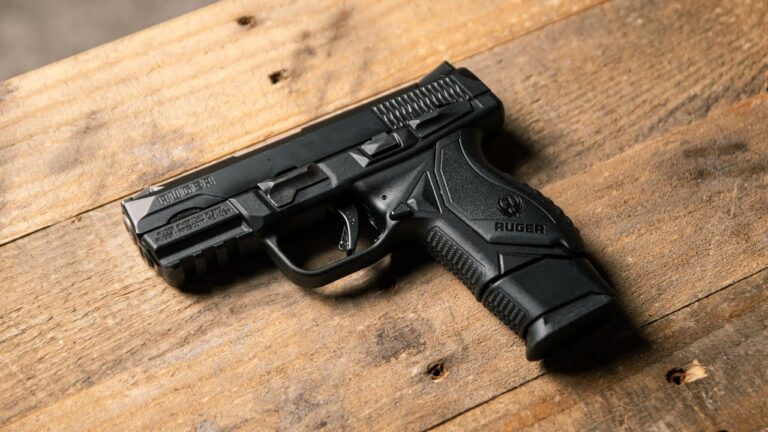
Ruger American Predator (5.56 NATO)

The Ruger American Predator line has seen success in several calibers, but the 5.56 NATO variant is one that gets mixed reviews from hunters. It looks like a solid budget rifle, but it’s hampered by the limitations of the cartridge. While 5.56 is fine for varmints, it’s marginal on deer-sized game and doesn’t offer much margin for error. That alone has led to more than a few tough recoveries and tracking jobs.
Beyond that, the AI-style magazine fit is loose in many models and can affect feeding. The recoil impulse is low, but so is the stopping power. Most guys who try it end up wishing they’d gone with the .308 or 6.5 Creedmoor version instead. If you’ve ever recommended this to someone and watched them struggle to drop a deer clean, you likely learned to leave it off your “starter rifle” list going forward.
Thompson/Center Compass

The T/C Compass was introduced to compete in the budget bolt-action market, and on paper, it offered a lot: threaded barrel, three-position safety, decent ergonomics. But once folks got them into the field, the flaws started to show. The trigger wasn’t anything special, and early models had issues with accuracy and barrel crown consistency.
More than a few hunters reported fliers, wandering groups, or tight cold-bore shots followed by wide second rounds. You could tinker with torque specs, swap scopes, and try handloads—but most people don’t want to “tune” a rifle that’s supposed to be ready out of the box. The Compass isn’t the worst rifle by far, but after you recommend it to someone and hear about their frustrating range trip or missed shot, you’re less likely to suggest it again. It’s another example of a rifle that sounds better on paper than it performs under pressure.
CVA Hunter (single-shot)

The CVA Hunter is compact, simple, and offered in calibers from .243 to .45-70. For new hunters or folks looking for a lightweight option, it’s tempting. But in practice, the single-shot break-action design makes it hard to love after the novelty wears off. The triggers are often heavy, and accuracy varies by barrel.
Follow-up shots are slow, and for newer hunters, that often means missed opportunities or rushed first shots. Recoil can be harsh in the larger calibers due to the rifle’s light weight. Hunters who’ve used one tend to say, “It works”—but they’re also quick to move on to something faster and more consistent once they get a season under their belt. You might recommend it once because it’s affordable. But after hearing someone complain about a scope rail shifting or struggling to make clean hits at 150 yards, you usually don’t bring it up again.
*This article was developed with AI-powered tools and has been carefully reviewed by our editors.