Photo credit: guys_who_shoot/Shutterstock.com
Some rifle calibers shine inside the first fifty yards, giving you predictable groups and enough punch to do the job. But once you step past that line, their weak points show up fast. Light bullets lose stability, slow rounds start dropping like stones, and designs originally intended for short-range work struggle to hold a consistent path. When you’ve spent years watching good bullets behave in the wind, it becomes obvious which cartridges simply weren’t built to stretch.
These calibers work well inside tight ranges, but once you push them past fifty yards, accuracy and retained energy fall apart far faster than most expect.
.22 Long Rifle (high-velocity loads)

High-velocity .22 LR loads are popular because they shoot flatter than standard rounds at close range, but past fifty yards they start to run out of steam quickly. The lightweight bullets bleed speed almost instantly, which makes them sensitive to even light wind. Many rifles group well at twenty-five yards yet produce inconsistent patterns once you stretch the distance.
At fifty yards, drop becomes significant, and any breeze pushes the bullet farther than expected. The round is excellent for short-range practice or small-game hunting, but consistency fades fast once you push past its natural comfort zone.
.22 WMR from short barrels

The .22 WMR carries more energy than .22 LR, but short-barreled rifles and carbines shorten its effective reach dramatically. When fired from compact platforms, the cartridge fails to reach optimal velocity, causing hollow points in particular to destabilize or lose accuracy beyond fifty yards.
Wind drift shows up quickly because the bullet is light and fast, and retained energy drops sharply at modest range. In longer barrels it performs well, but in short rifles or youth carbines, you’ll notice accuracy falling apart as soon as you start stretching your shots.
.17 HMR in gusty conditions

Under perfect weather, the .17 HMR is superb at fifty yards and beyond. But introduce crosswind, and the cartridge becomes extremely unpredictable. The tiny bullet, despite its speed, has almost no ability to resist drift. Once wind becomes inconsistent, groups expand dramatically.
In tight cover or calm mornings, it holds together fine. But if you’re taking shots in open terrain or variable wind, accuracy degrades quickly after fifty yards. Many shooters love the round, but they also learn how fast performance collapses when conditions shift.
.410 bore slugs from single-shot rifles

Rifled .410 slugs can be useful at close range, but once you move toward fifty yards, both drop and accuracy decline sharply. The projectiles are short, slow, and lack the stability of modern sabot designs. Many single-shot rifles also have basic sights that limit precision.
By fifty yards, groups often spread enough to make ethical shot placement difficult. The caliber does fine for tight-range pest control, but it simply wasn’t engineered for accuracy beyond that point. Its trajectory and limited energy set a hard ceiling on practical distance.
.300 Blackout subsonic
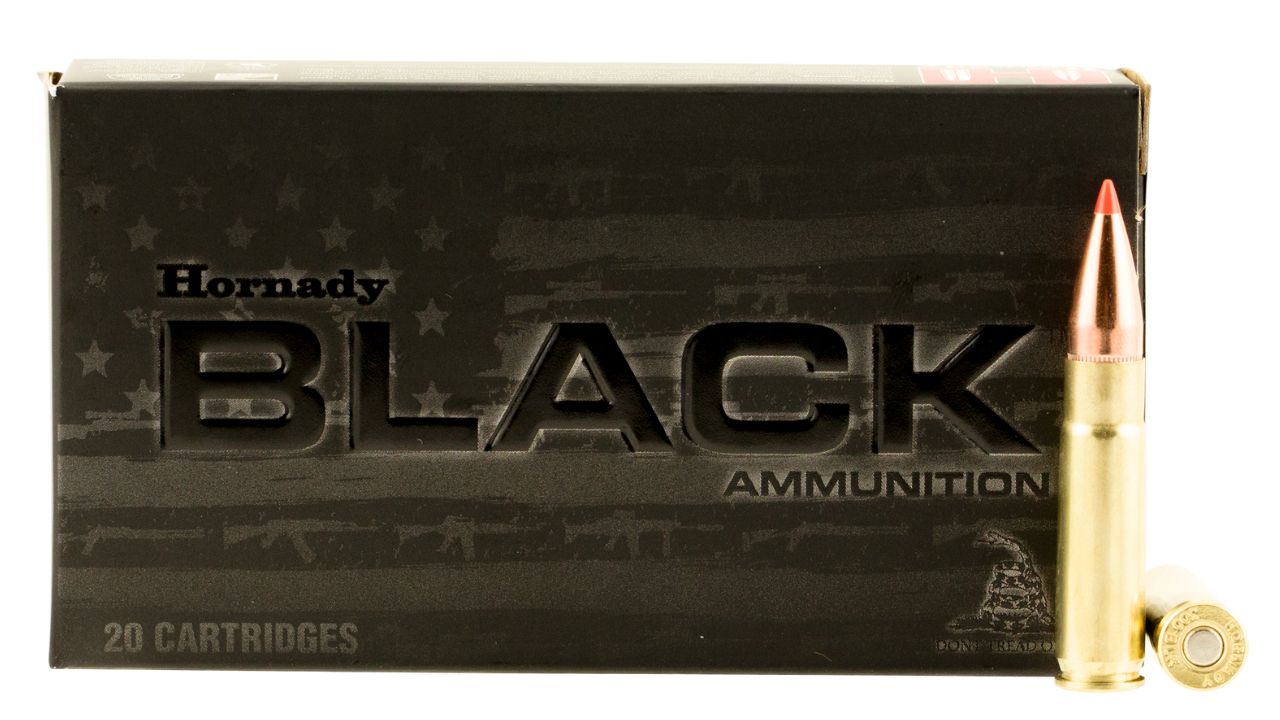
Subsonic .300 Blackout loads excel at close-range shooting, especially from suppressed rifles. But at fifty yards, the heavy, slow-moving bullets start dropping quickly and lose predictability. The round’s low velocity makes it extremely sensitive to range-estimation errors and even small shifts in wind.
Supersonic loads stretch farther, but subsonics fall apart fast. For training or specialized work they function well, but expecting consistent accuracy past fifty yards often leads to disappointment. They’re purpose-built rounds, not general-use options.
.44 Magnum from carbines

.44 Magnum carbines deliver excellent short-range punch, but pistol-caliber ballistics limit their performance beyond fifty yards. The large, slow bullet drops steeply and sheds energy faster than most new shooters expect. Even slight changes in hold or sight picture can create large shifts downrange.
When used inside its lane, the caliber is reliable and straightforward. Push it beyond fifty yards, and trajectory and stability begin working against you. It’s a powerful tool—but a short-range one.
.357 Magnum from lever-action rifles

Lever-action rifles chambered in .357 Magnum are handy and enjoyable, but they’re still constrained by the original pistol cartridge. At fifty yards, you start noticing the bullet’s rapid drop and tendency to lose predictable flight, especially with lightweight or soft-point ammunition.
The caliber works beautifully for woods ranges, but it doesn’t stretch well. Energy falls quickly, and many loads struggle to maintain tight groups as distance increases. Shooters who expect rifle-like behavior past fifty yards often learn the limitations the hard way.
.30 Carbine
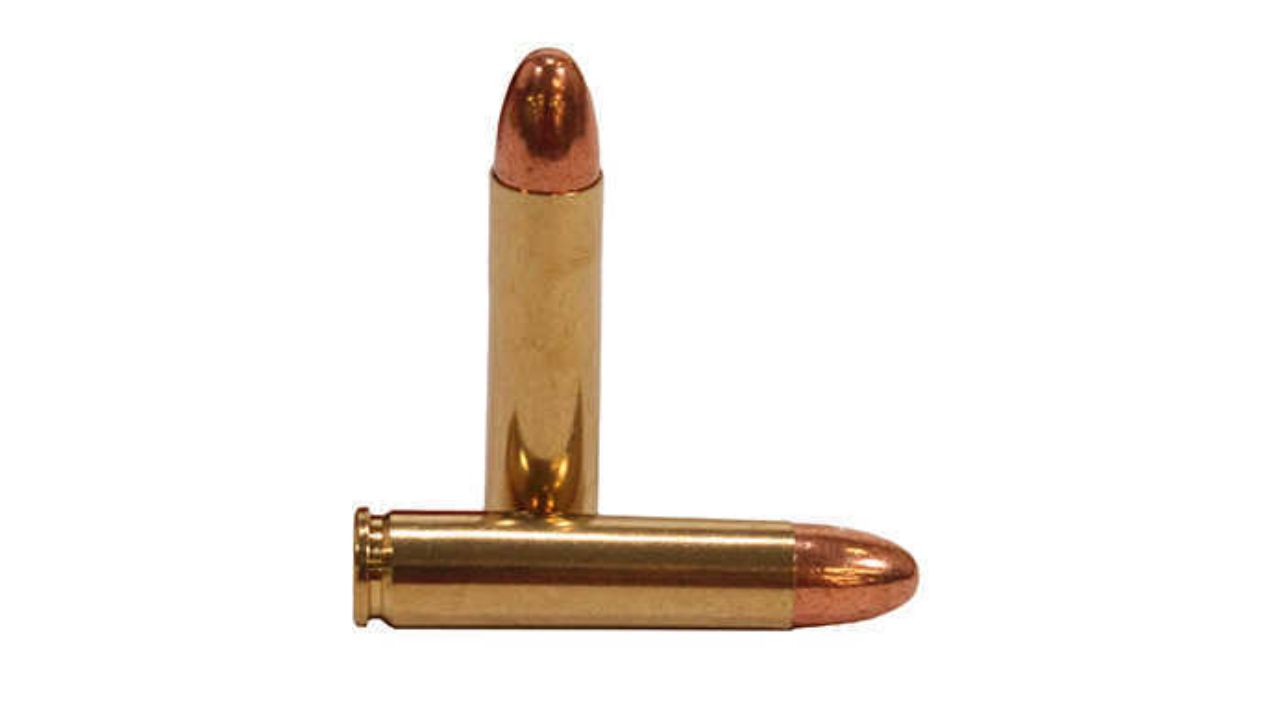
Originally designed for lightweight military carbines, the .30 Carbine round performs acceptably at short distances but becomes inconsistent past fifty yards unless conditions are ideal. The round’s modest speed and relatively small bullet give it little margin for wind drift, and drop becomes noticeable quickly.
Many rifles chambered for it also feature basic sights that limit longer-range accuracy. The cartridge has its place in close-range shooting, but expecting consistent performance beyond fifty yards usually leads to frustration.
.45 Colt from rifles

The .45 Colt can hit hard at close distances, but from rifles it still behaves like a pistol cartridge. Its slow velocity creates a steep trajectory curve, and many traditional loads lose stability when stretched past fifty yards. Hollow points in particular may not track straight as they slow.
It performs well if you keep shots tight, but beyond fifty yards you’re dealing with significant drop and reduced accuracy. The caliber works, but only within its intended envelope.
.22 Hornet (traditional soft-point loads)
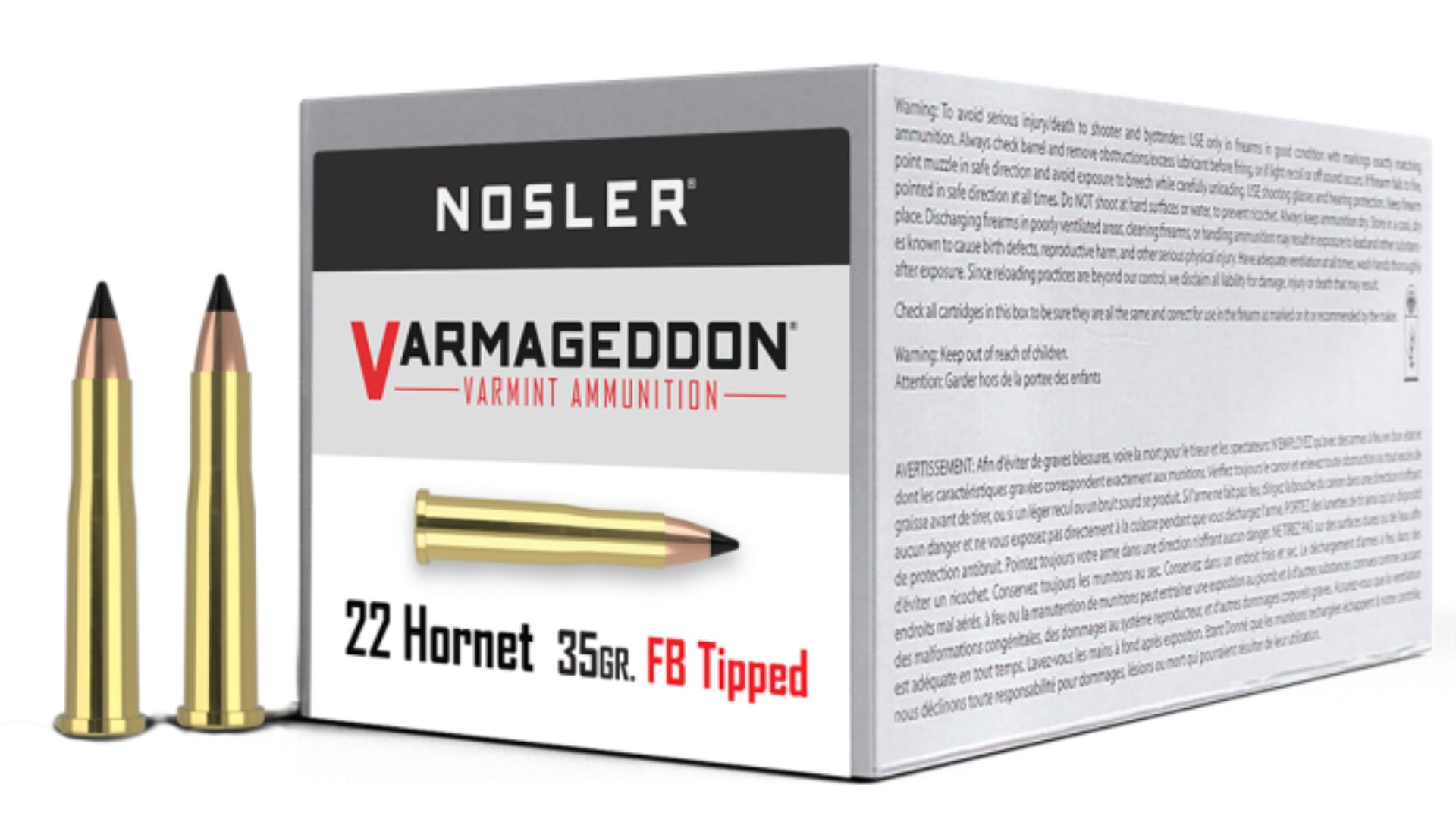
The .22 Hornet has long been considered a quiet, pleasant small-game cartridge, but many traditional loads struggle with consistency once you begin pushing distance. The bullet’s low ballistic efficiency causes it to lose velocity quickly, and drop becomes significant past fifty yards.
Wind drift is also more pronounced than many expect. Modern handloads and improved bullet designs help, but factory soft-points often show their limits early. It’s a classic round, but one best kept inside tighter ranges.
.357 Maximum out of revolver-based carbines

Carbines based on revolver mechanisms can handle .357 Maximum, but accuracy beyond fifty yards often suffers. The long cartridge, when fired from rifles not originally optimized for it, doesn’t always stabilize well with factory twist rates.
As the bullet slows, accuracy becomes inconsistent. Inside close range, the round hits with authority, but pushing distance reveals its sensitivity to barrel design and ammunition choices. It’s a caliber that demands very specific setups to work well at longer ranges.
.32-20 Winchester

The .32-20 remains a nostalgic and enjoyable caliber, but traditional loads drop quickly past fifty yards. Low velocities and soft bullets limit how far you can stretch it while still maintaining accuracy. Many lever guns chambered for the round also feature older sight styles that further restrict precision.
Within fifty yards, it’s fun and consistent. Beyond that, both wind drift and trajectory work against you. It’s a classic round that simply isn’t built for modern expectations of distance performance.
.25-20 Winchester
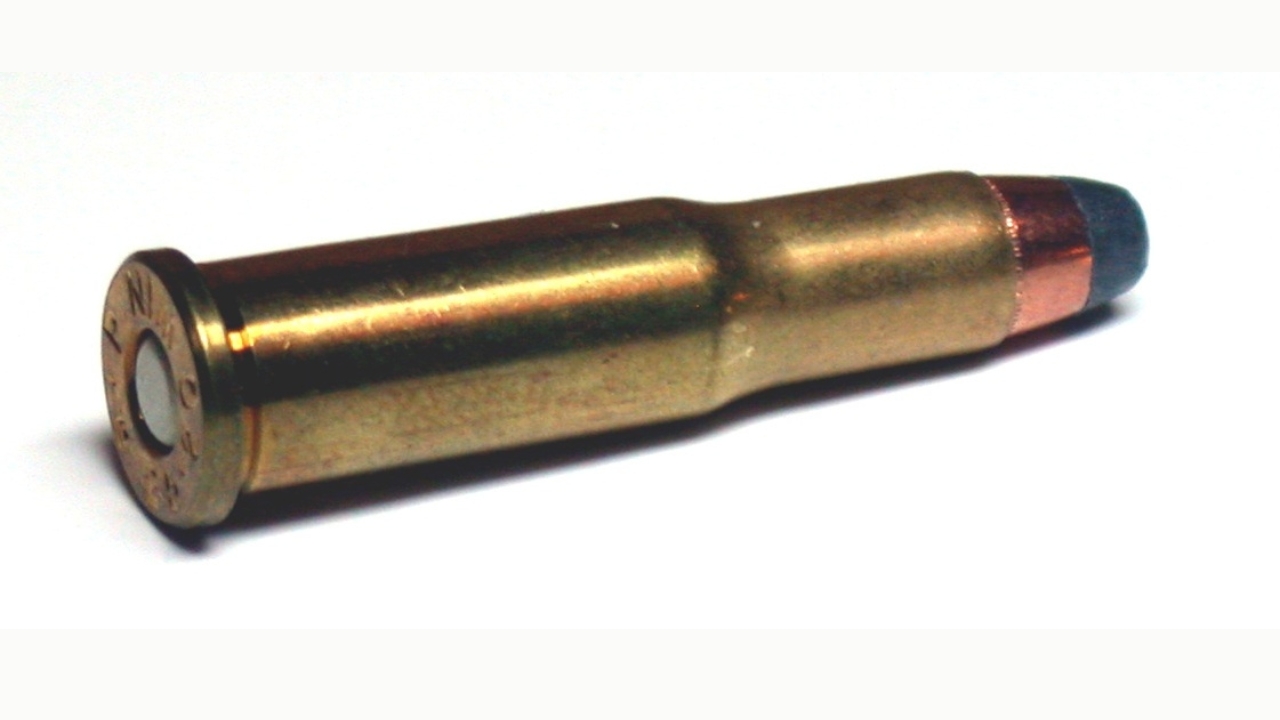
The .25-20 offers mild recoil and solid performance inside short distances, but the bullet’s small size and slow speed make longer-range shooting unpredictable. Past fifty yards, drop becomes dramatic, and group sizes grow rapidly in most rifles.
Wind shifts move the bullet easily, and the light construction limits penetration and stability as the round slows. Like many early small-bore cartridges, it’s enjoyable up close but unreliable once you stretch it even a modest amount.
.410 buckshot loads
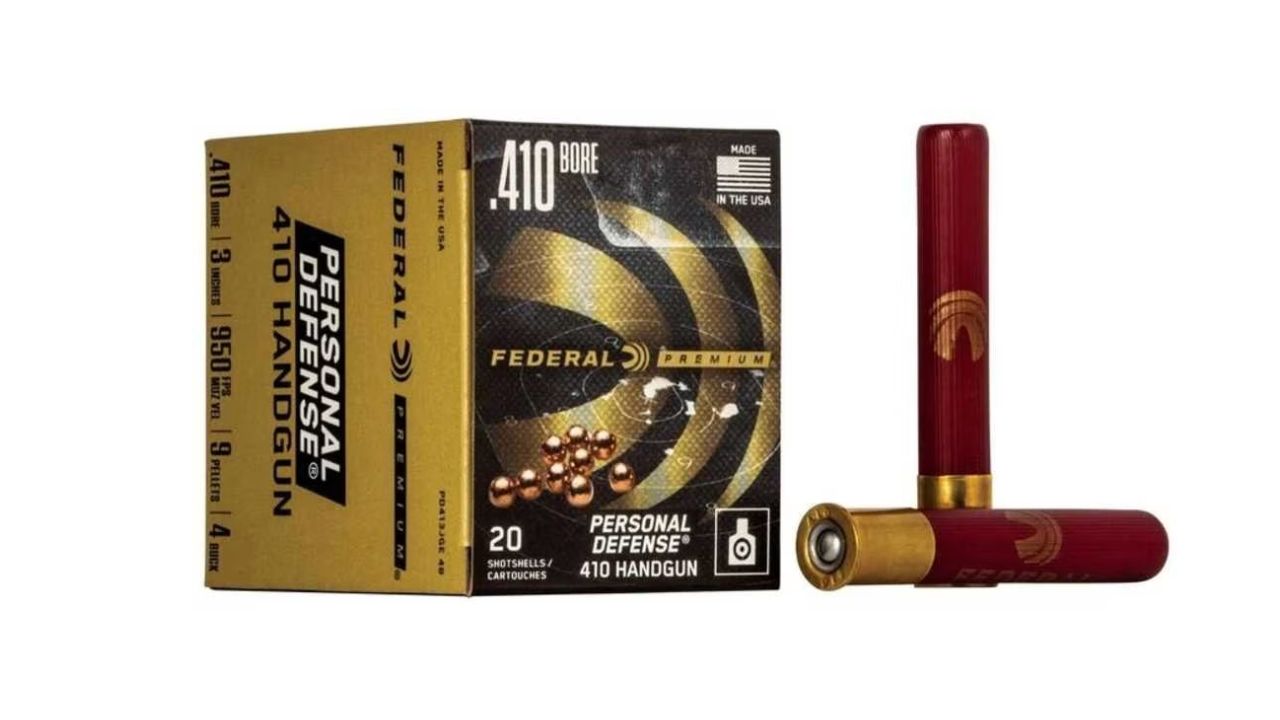
While technically a shotshell, .410 buckshot deserves mention because it’s often used in rifle-style platforms. At fifty yards, the pattern spreads so dramatically that accuracy becomes nearly nonexistent. The pellets lack both weight and uniformity to maintain a controlled path.
Inside fifteen to twenty yards, the load works for small-scale defensive roles or pest control. Past that, performance collapses. The sparse, irregular pellet distribution simply cannot hold a predictable pattern at distance.
Like The Avid Outdoorsman’s content? Be sure to follow us.
Here’s more from us: