Photo credit: Fish Bucks And Bullets/YouTube
A lot of cartridges look good on paper at 100 yards. Past 200, the paper stops being polite. Wind starts showing up, drop stops being theoretical, and marginal bullet performance becomes obvious. “Staying honest” past 200 isn’t about being a laser beam. It’s about being predictable—repeatable dope, manageable drift, and enough retained velocity that your bullet still behaves the way it’s supposed to when it arrives.
That matters for hunting and for real practice. If you can’t trust the cartridge beyond 200, you start blaming your rifle, your scope, or the weather. The cartridges below have earned reputations for staying consistent when you push past the easy distances. They’re not all trendy, but they’re steady, and they reward shooters who actually spend time on the trigger.
.308 Winchester

.308 Winchester stays honest because it’s predictable. You’re not chasing weird velocity swings, and you’re not relying on fragile bullet behavior. Past 200, it gives you steady drop data and manageable wind performance with the right bullets.
It also shines in the real world because it isn’t picky. You can find accurate loads, good hunting bullets, and match bullets without treating ammo like a treasure hunt. That means more practice, which is the real cheat code for being “good past 200.”
The downside is you’ll see more drop than newer high-BC cartridges. That doesn’t make it bad—it makes it honest. When you learn the holds or dial your dope, the .308 rewards you with repeatable hits and clean kills at sensible distances.
.30-06 Springfield

The .30-06 has been doing honest work past 200 for over a century. It carries enough velocity and bullet weight to keep hunting bullets performing well past the easy distances, and it handles a wide range of bullet weights without acting strange.
Past 200, the .30-06 gives you flexibility. You can push heavier bullets for bigger game or keep it lighter for flatter shooting, and you’re still working within a cartridge that has proven data and proven results. It’s not a mystery round.
It isn’t the softest kicker, and it isn’t the flattest modern option. But it stays predictable, and predictable is what you want when the wind is quartering and your rest isn’t perfect. The .30-06 won’t flatter you. It will tell you the truth.
7mm Remington Magnum

7mm Rem Mag stays honest past 200 because it carries speed and BC in a way that makes wind less punishing. It’s not magic, but it gives you more room when conditions aren’t perfect, especially if you’re shooting across open country.
It also tends to deliver strong downrange performance on game because it keeps velocity up. That matters when you’re past 200 and you still want your bullet to expand and penetrate the way a hunting bullet should. This cartridge doesn’t run out of gas quickly.
The trade is recoil and blast. If you don’t enjoy practicing with it, you won’t get the benefit. But if you put in the range time and run a rifle you shoot well, 7mm Rem Mag stays consistent, stays capable, and doesn’t get weird once you step past the easy yard lines.
6.5 Creedmoor

6.5 Creedmoor stays honest past 200 because it’s built for consistency. It’s easy to shoot well, it handles wind better than many traditional hunting rounds, and it tends to deliver predictable velocities and repeatable dope.
The bigger advantage is how it encourages practice. Recoil is mild enough that you can shoot more without developing bad habits. More rounds downrange means more confidence calling wind and correcting misses, and that’s what separates paper shooters from field shooters.
It’s not a hammer for the biggest game, and it’s not the fastest cartridge on the rack. But for deer-sized hunting and for real-world shooting past 200, it’s steady. When you miss, you can usually diagnose it. When you hit, it’s repeatable. That’s what “honest” looks like in a cartridge.
.270 Winchester

.270 Winchester stays honest because it shoots flat enough to keep your life easy past 200 without turning into a wind circus. It has a long history of being accurate in real hunting rifles, and it carries enough velocity to keep bullets working at the distances most people actually shoot.
Past 200, the .270 isn’t a guessing game if you know your dope. It doesn’t demand a giant scope or a full-on precision setup to be useful. You can run a normal hunting rifle and still get repeatable results.
The key is bullet choice. The .270’s speed can make some bullets act aggressively up close, but downrange it’s often right in its comfort zone. For open country deer hunting and practical distance shooting, it stays predictable and doesn’t punish you with surprises.
7mm-08 Remington
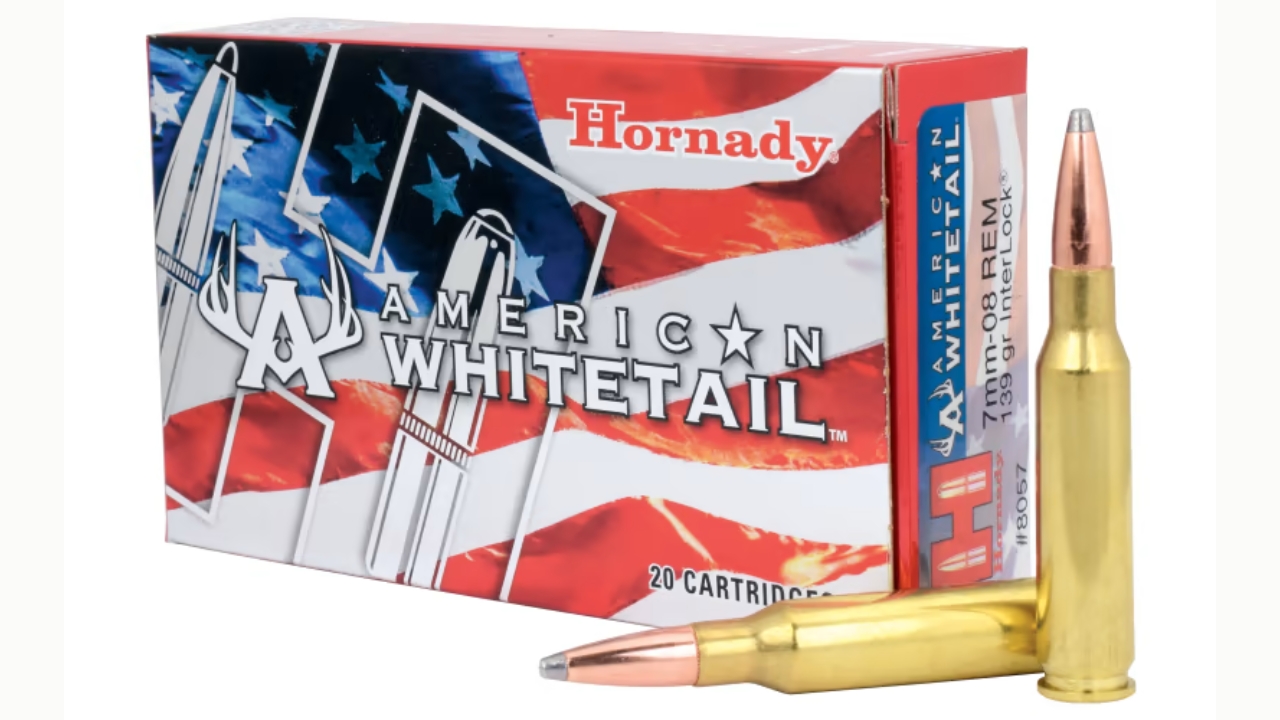
7mm-08 stays honest past 200 because it balances everything well. It’s mild enough to practice with, it hits with enough authority for deer and similar game, and it doesn’t get pushed around by wind like some lighter cartridges.
It also tends to shoot accurately in a wide range of rifles. You don’t have to chase a perfect build to get good results. Past 200, it gives you steady drop data and a bullet that still behaves like a hunting bullet when it arrives.
This cartridge is often overlooked because it doesn’t look flashy on a ballistics chart. In the field, it’s a different story. If you want a cartridge that doesn’t beat you up, doesn’t eat barrels, and still stays consistent when you stretch it, the 7mm-08 is one of the most practical answers.
.280 Remington

.280 Remington stays honest past 200 because it’s a sweet spot round that never really needed marketing. It pushes 7mm bullets at solid velocities without the full recoil and blast of the magnums, and it carries well downrange with good BC options.
That means wind doesn’t embarrass you as quickly, and drop stays manageable with realistic hunting setups. It’s also a cartridge that tends to do well with a wide range of bullet weights, giving you flexibility without weird behavior.
The only real drawback is availability compared to the big-name cartridges. But if you’re the kind of shooter who buys ammo in advance and practices with what you hunt, the .280 rewards you. Past 200 it stays predictable, it keeps bullets performing, and it doesn’t punish your shoulder during long range sessions.
.300 Winchester Magnum

.300 Win Mag stays honest past 200 because it carries power and momentum that don’t fade quickly. When the wind is moving and the shot isn’t close, the cartridge gives you a strong downrange package that still hits hard and still drives bullets deep.
It’s also a cartridge with a ton of proven load options. There’s a reason it shows up in hunting camps and long-range circles. With a good rifle and good fundamentals, it’s consistent, and your dope tends to track the way it should.
The cost is recoil, blast, and the temptation to let the cartridge do the thinking for you. It won’t. You still have to call wind and manage your trigger. But if you’re hunting bigger animals or shooting longer in open country, the .300 Win Mag stays capable and doesn’t turn unpredictable past 200.
.243 Winchester

.243 Winchester stays honest past 200 when you keep it in its role. It’s accurate, low recoil, and easy to shoot well, which means you can practice more and actually learn what wind is doing. Past 200, that matters more than raw horsepower.
It also shoots flat enough that small errors in range estimation don’t punish you immediately. On deer-sized game, with the right bullet, it can perform well at distance because it still arrives with enough speed to make the bullet work.
Where it stops being honest is when you ask it to be a bigger-game cartridge or when you take marginal angles. Past 200, you want clean broadside opportunities and good bullets. If you do that, the .243 is steady and predictable. If you don’t, it tells on you fast.
.25-06 Remington

.25-06 stays honest past 200 because it carries speed and a flat trajectory that makes distance feel manageable. When you’re shooting across fields or open ridges, it keeps drop reasonable and helps you stay on target without turning every shot into a math problem.
Downrange, it also tends to keep bullets in a good performance window on deer-sized game, provided you’re running proper hunting bullets. It’s a cartridge that can make longer shots feel calm, which is why so many hunters still swear by it.
The caution is up close. That speed can be hard on fragile bullets at short range, and it can create unnecessary meat damage if you pick the wrong load. But past 200, where impact speeds settle down, the .25-06 often becomes more consistent and predictable. It rewards hunters who understand its strengths.
6.5 PRC

6.5 PRC stays honest past 200 because it gives you more downrange performance than 6.5 Creedmoor without going full magnum. It carries velocity well, drifts less in wind than a lot of classic hunting rounds, and still stays manageable for shooters who actually practice.
Past 200, you’ll appreciate how it holds onto speed. That means your drop data stays consistent, and hunting bullets tend to perform reliably deeper into the distance window. It also gives you more cushion when the wind is switching and you don’t get a perfect rest.
The trade is more recoil and more cost than Creedmoor. If you don’t practice, you won’t gain much. But if you do, the PRC delivers a predictable downrange package that feels “honest” when you step past 200 and stop pretending conditions are perfect.
.260 Remington

.260 Remington stays honest past 200 because it’s a mild cartridge that throws good bullets efficiently. It doesn’t beat you up, it’s capable in wind with high-BC 6.5 bullets, and it tends to deliver repeatable dope when you’re actually shooting beyond the easy distances.
It also has a practical hunting side. With proper bullets, it can be very effective on deer-sized game while staying easy to shoot well from field positions. That matters past 200, where a small flinch or rushed press shows up fast.
The downside is it’s not as mainstream as the Creedmoor now, so ammo availability can be a factor. But as a cartridge concept, it’s hard to argue with. Past 200 it stays predictable, it stays shootable, and it doesn’t demand magnum recoil to do solid work.
6mm Creedmoor

6mm Creedmoor stays honest past 200 because it makes hitting feel repeatable without beating you up. It’s flat, it handles wind well for its class, and recoil is light enough that you can spot impacts and make corrections quickly. That’s how you learn, and that’s how you get better.
Past 200, it’s a great training cartridge because it doesn’t hide your mistakes. If your wind call is off, you’ll see it. If your trigger press is sloppy, you’ll see it. And because it’s so shootable, you can keep practicing without developing a flinch.
For hunting, it’s best on deer-sized game with the right bullets and good angles. It’s not the best choice for heavier animals. But the question here is honesty past 200, and the 6mm Creedmoor delivers that: predictable flight, manageable drift, and repeatable results when you do your part.
.338 Federal

.338 Federal stays honest past 200 in a different way. It’s not a speed demon, but it’s consistent and it hits with authority downrange. When you get past 200, a lot of hunters start seeing marginal bullets fail to penetrate on tougher angles. The .338 Federal tends to stay decisive because it pushes heavier bullets that keep driving.
It also does something important: it avoids magnum punishment. You get strong terminal performance without the sharp recoil and blast of big magnums, which means you’re more likely to practice with it and shoot it well. That’s honesty too.
The trade is trajectory. You need to know your drops, and you need to respect distance. But if you’re hunting in open timber, cutovers, or big woods where 200 to 350 can happen, the .338 Federal stays consistent and doesn’t rely on fragile speed.
.300 WSM

.300 WSM stays honest past 200 because it delivers magnum-style downrange performance in a package that often fits lighter, handier rifles. It carries velocity, it carries energy, and it handles wind well enough that you’re not constantly getting embarrassed when conditions change.
It’s also a cartridge with a solid track record in hunting camps. With good bullets, it performs reliably on bigger game at distance because it still arrives with enough speed and momentum to expand and penetrate. Past 200, that matters more than advertised muzzle numbers.
The downside is recoil, especially in lighter rifles. If you don’t practice, you’ll never get the benefit. But if you build a setup you can shoot and you spend time behind it, the .300 WSM stays predictable when you step past 200 and stop pretending every shot is a calm broadside at 100.
Like The Avid Outdoorsman’s content? Subscribe to our newsletter so you never miss an article.
Here’s more from us: