Photo credit: timotheos/Shutterstock.com
You’ve seen the ads — rifles that promise sub-MOA accuracy, perfect ergonomics, and rugged reliability right out of the box. Every manufacturer swears their new model will “redefine performance.” But when you actually shoulder these rifles in the field or at the range, some of them crumble under basic expectations. It’s not that they’re total junk; they just don’t live up to the sales pitch. Whether it’s flimsy stocks, poor triggers, or inconsistent accuracy, these rifles tend to leave hunters shaking their heads and trading them off for something that delivers. If you’ve ever felt disappointed after spending good money on a rifle that talked a big game, you’re not alone — here are the rifles that fall short of nearly every claim made for them.
Remington 770

The Remington 770 was supposed to be the budget hunter’s dream — affordable, accurate, and dependable. In reality, it’s one of the most complained-about rifles ever produced. The rough bolt travel feels like sandpaper, and the plastic magazine rattles like a box of rocks. Accuracy is inconsistent, even with premium ammo, and the factory scope packages rarely hold zero past a few boxes of shells.
Many hunters bought it thinking it’d be a cheaper version of the 700, but the two aren’t even in the same league. The 770’s injection-molded stock flexes under a sling, and the trigger pull is gritty and unpredictable. If you’re serious about reliable hunting rifles, this one proves that you get what you pay for — and sometimes, less.
Mossberg Patriot

The Patriot hit shelves with a bold claim — modern performance at a blue-collar price. On paper, it looked promising. But once hunters got it into the field, flaws started surfacing. The bolt lift feels spongy, the finish scratches easily, and many users report wandering zero after minor bumps. That’s not something you want in the backcountry.
Its biggest issue is inconsistency. Some shoot decently, others throw flyers no matter what ammo you feed them. The factory trigger is better than older Mossbergs, but still not crisp enough for precision work. The rifle’s look and features say “modern,” but the real-world results say “needs work.” It’s one of those rifles that tries hard to be everything — but ends up mediocre at all of it.
Ruger American

The Ruger American is praised endlessly online, but spend real time behind one and you start noticing the corners cut. Accuracy can be good, but not always repeatable. The molded stock flexes under pressure, changing your point of impact. The bolt, while functional, lacks the smooth cycling you’d expect from a rifle that claims to be “match capable.”
The trigger’s decent, but that’s about where the refinement ends. It’s a solid budget rifle for what it is — a starter gun — but Ruger’s marketing often oversells it as a precision-ready platform. When you start comparing it to rifles that cost just a little more, you realize the American’s limitations fast. It’s fine for casual hunting, but it doesn’t live up to the hype that’s built around it.
Savage Axis II
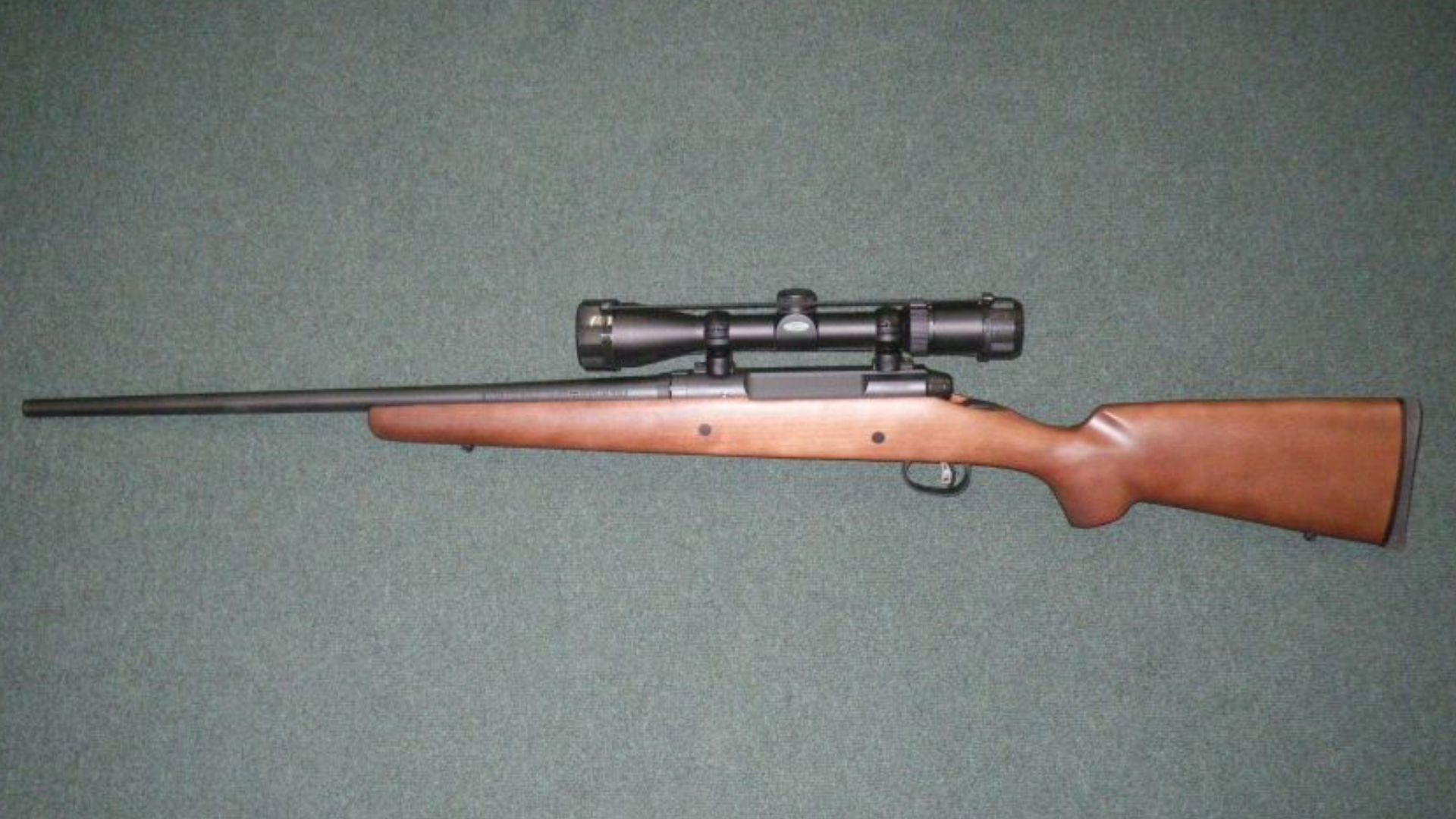
The Axis II gets praised for its affordability and AccuTrigger system, but its accuracy claims are hit-or-miss. Out of the box, many rifles group acceptably, while others scatter rounds like a shotgun past 100 yards. The lightweight stock is one of the biggest issues — it’s flimsy and flexes when supported, which destroys consistency.
It also feels cheaply built. The bolt throw is rough, and the plastic magazine fit can vary from one rifle to another. The Axis II is serviceable for budget-minded hunters, but calling it “precision-ready” like some ads do is laughable. It’s fine for deer within moderate range, but it’s nowhere near the level of refinement or reliability that marketing promises.
Browning AB3

The Browning AB3 was marketed as an affordable alternative to the X-Bolt, but that comparison did it no favors. The polymer stock feels hollow, and the bolt throw, while fast, lacks the smooth confidence you’d expect from Browning. Accuracy can be decent, but many users notice vertical stringing once the barrel heats up.
The trigger is another letdown — inconsistent pull weights and noticeable creep make it feel less refined than Browning’s reputation suggests. The rifle isn’t terrible, but it’s a clear step backward for a brand known for premium craftsmanship. Many hunters end up selling theirs to fund an X-Bolt or something with real consistency. It’s proof that sometimes “budget Browning” is still too expensive for what you get.
Winchester XPR

Winchester pitched the XPR as a modern, affordable rival to the Model 70. That was a mistake. The XPR feels more like a budget experiment than a successor to the rifleman’s classic. Its stock feels thin and hollow, the bolt lift is stiff, and the trigger lacks the clean break that makes the Model 70 a legend.
Accuracy isn’t bad — it’s just unpredictable. You can stack bullets one day and chase your zero the next. The rifle also struggles in cold conditions where bolt travel tightens up. For a gun that’s supposed to carry the Winchester name, it’s a disappointment. It sells on brand recognition more than performance — and hunters who’ve used both quickly realize that the XPR doesn’t deserve the comparison.
Remington 783

The 783 was Remington’s attempt to fix the 770’s reputation, but it never fully recovered. While accuracy improved slightly, build quality still lagged behind competitors. The stock feels cheap, the bolt wobbles, and the factory trigger has a gritty, unpredictable pull. It’s serviceable but uninspiring.
Remington claimed it was designed for “precision at an accessible price,” yet very few shooters would call it precise. You can make it better with aftermarket parts, but that defeats the whole purpose of buying a budget rifle. The 783’s problem isn’t that it’s awful — it’s that it overpromised and underdelivered.
Thompson/Center Compass

When T/C launched the Compass, it was supposed to be their affordable, accurate option for hunters. But quality control quickly tanked its reputation. Barrels often shot well for a bit, then opened up drastically. Plastic stocks warped under sling tension, and some rifles had magazine feed issues straight from the box.
The Compass wasn’t a total flop — some rifles shot fine — but consistency was its downfall. When you never know whether the one you buy will group well or scatter, trust goes out the window. T/C hyped the Compass as a “MOA-guaranteed” rifle, but that guarantee didn’t always survive real-world testing.
Kimber Hunter

The Kimber Hunter promised a lightweight, accurate rifle with a premium pedigree. In theory, it sounded like a backcountry dream. In practice, it proved finicky. The feeding and extraction are hit-or-miss, with some rifles refusing to cycle smoothly right out of the box. For a rifle carrying the Kimber name and price tag, that’s a major letdown.
The stock feels light but not confidence-inspiring, and the recoil lug bedding system isn’t consistent between rifles. Accuracy varies widely depending on ammo. Some hunters swear by theirs, but many more quietly sold them off after a few frustrating seasons. The Hunter’s claims of “premium accuracy and reliability” don’t hold up nearly as well as the rifle’s marketing suggests.
Weatherby Vanguard Synthetic

Weatherby built its reputation on accuracy, so when the Vanguard Synthetic hit the market, expectations were high. Unfortunately, not every model lives up to the company’s guarantee. The synthetic version suffers from inconsistent bedding and uneven barrel free-floating, both of which can ruin accuracy.
The trigger is decent, but the rifle’s weight distribution feels off compared to older Vanguards. It’s still a serviceable hunting rifle, but not one that lives up to Weatherby’s legacy of precision. Many hunters find themselves disappointed, especially those expecting the same magic as the Mark V. The Vanguard Synthetic isn’t a bad rifle — it’s simply not what the marketing makes it sound like.
Howa 1500 Hogue

The Howa 1500 Hogue is one of those rifles that feels great in your hands but doesn’t always shoot like it should. The rubberized stock offers comfort, but that flexible design can throw off accuracy under bipod pressure. The action is smooth enough, yet some rifles show inconsistent grouping that’s hard to tune out.
Howa claims sub-MOA performance, but that’s optimistic for most factory rifles in this trim. It’s not terrible — far from it — but the marketing oversells its precision. Many hunters end up swapping barrels, bedding the stock, or replacing triggers just to make it perform like advertised. When you buy something that promises “benchrest accuracy,” that kind of tinkering shouldn’t be required.
*This article was developed with AI-powered tools and has been carefully reviewed by our editors.