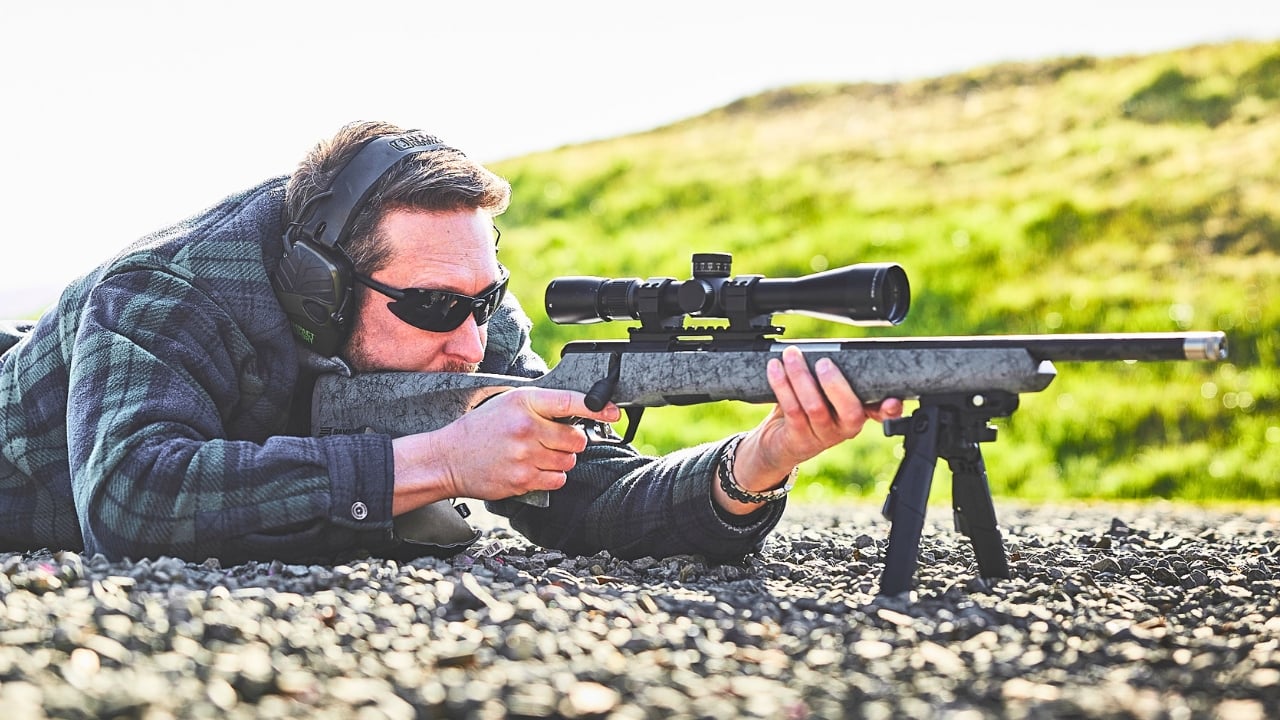
Photo credit: Savage Arms
Some calibers look great on charts and ballistics tables—right up until you have to shoot them in real wind. That’s when velocity drops faster than you expect, lightweight bullets start drifting sideways, and all those “flat-shooting” claims fall apart. Wind is the great equalizer, and you learn quickly which rounds hold their line and which ones get pushed all over the hillside.
Many hunters find out the hard way during long-range or canyon hunts, where even a mild crosswind exposes a cartridge’s weaknesses. If you’ve ever watched a confident caliber get bullied by a breeze, you know exactly what this list is about.
.22-250 Remington (light varmint loads)
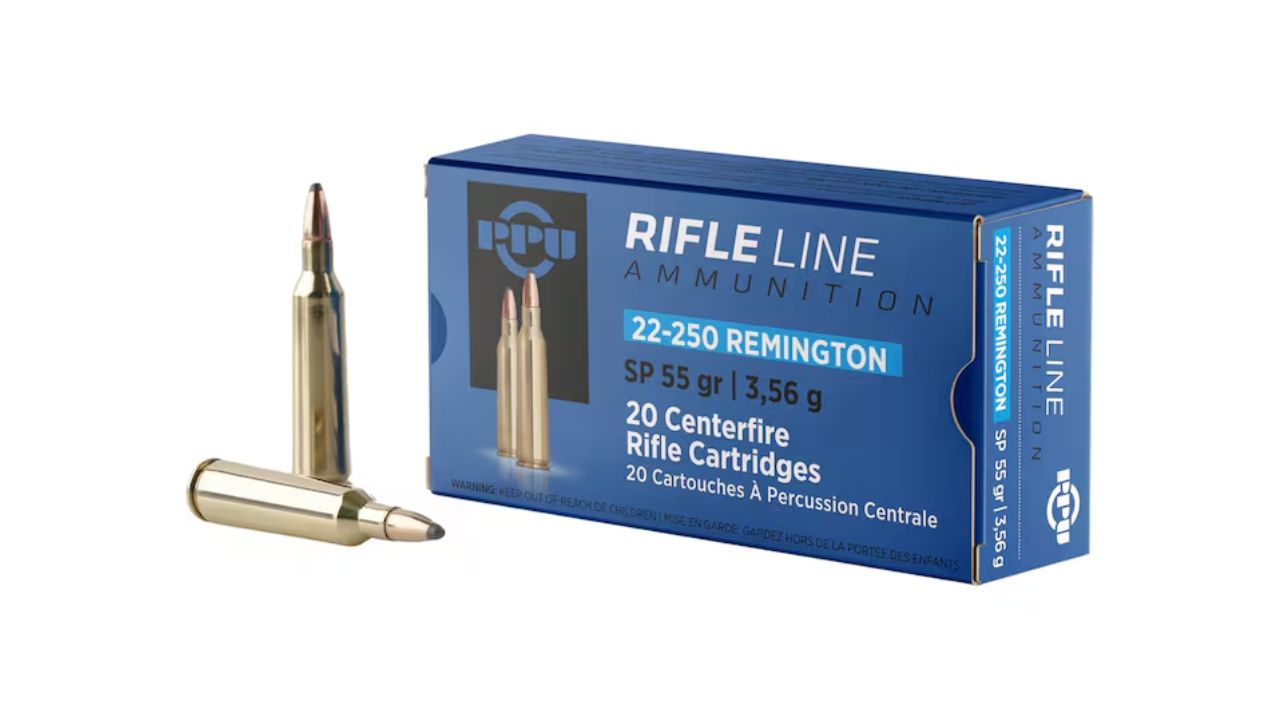
The .22-250 shines on paper with incredible speed, but once you push light 40- to 50-grain bullets into real wind, the drift becomes obvious. At moderate distances, a light crosswind can shove those projectiles farther than many hunters expect. It remains a favorite for varmints, yet the conditions have to work in your favor to capitalize on its accuracy.
When the breeze picks up, you need to hold far more than feels natural. Even with perfect form, those lightweight bullets shed momentum quickly and wander off-line. It’s a great caliber, but not one you can trust on breezy days.
.204 Ruger
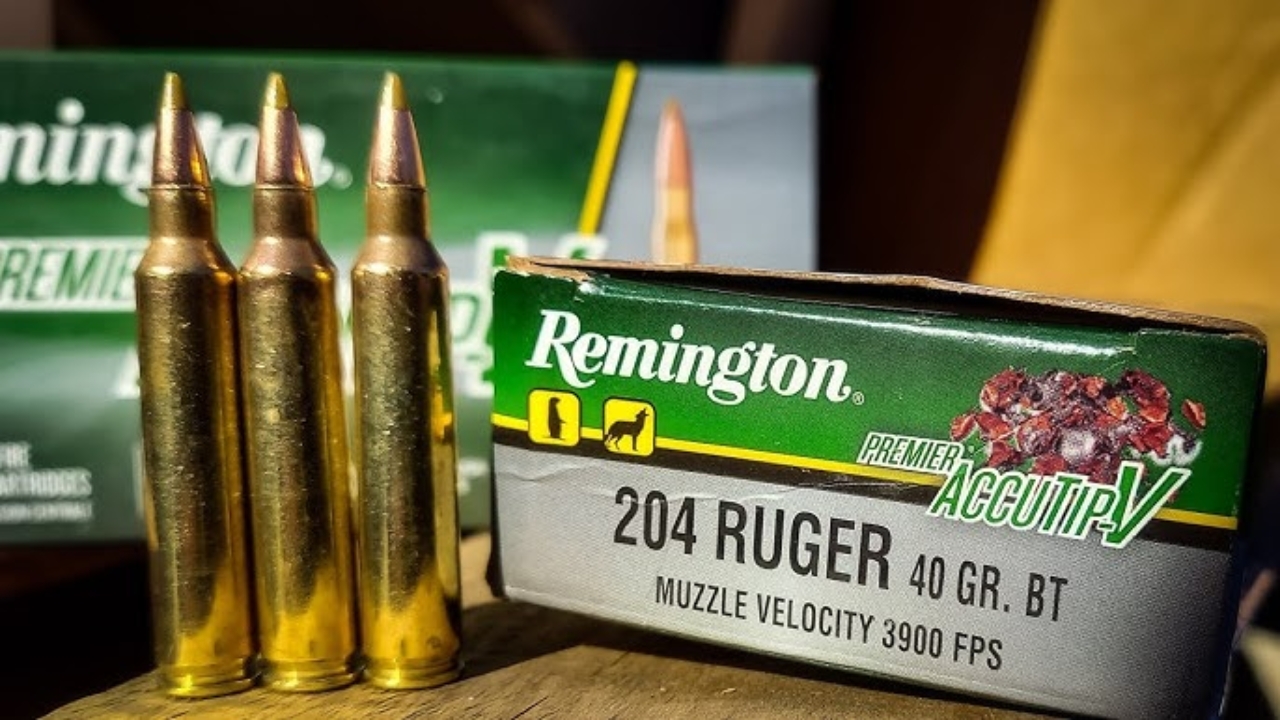
The .204 Ruger is impressively fast, but the small, light bullets lose the wind battle almost immediately. Even at shorter ranges, drift becomes exaggerated, making precise shot placement difficult once conditions change. Many shooters love the low recoil, yet they also admit the caliber struggles as soon as the wind starts working.
The speed gives you a little cushion, but not enough to ignore crosswinds. If you’re shooting prairie dogs on calm days, it performs beautifully. Once the breeze comes in, though, it requires constant correction and careful judgment to land accurate hits.
.243 Winchester with 55-grain bullets

The .243 Win. can be excellent with heavier bullets, but the ultralight 55-grain loads marketed for speed suffer heavily in wind. These projectiles leave the barrel fast, yet they lose stability and drift more than expected. Hunters often switch to these loads for flatter arcs, only to discover they’re harder to control when conditions are unpredictable.
In real wind, the bullet doesn’t have enough weight to stay on track. Heavier 95- to 100-grain bullets do far better, but the light varmint loads make the .243 feel like an entirely different and less reliable caliber.
.17 HMR
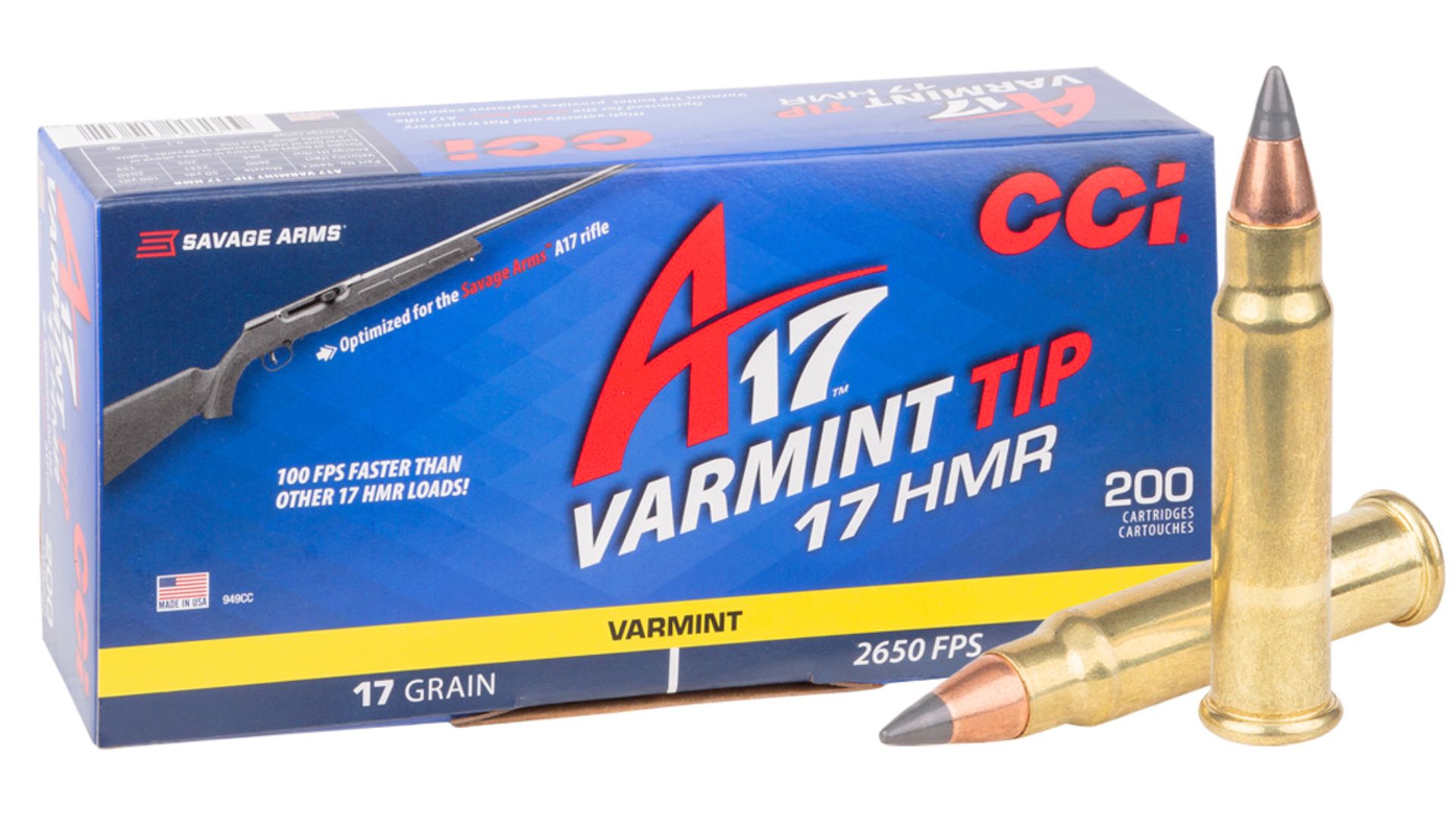
At the range on calm days, the .17 HMR can be shockingly accurate. Once the wind shows up, it becomes a completely different cartridge. The tiny 17-grain bullets get pushed around so easily that even slight gusts force shooters to make large compensations.
It’s still a great small-game caliber, but you have to pick your days. In open country or fields where wind comes from every direction, grouping becomes inconsistent fast. You quickly learn the limitations of lightweight rimfire aerodynamics.
.223 Remington with varmint bullets

The .223 Rem. performs well with heavier bullets, but the 40- to 50-grain varmint loads drift badly once wind kicks up. These loads are popular for their speed, yet their low BC means they don’t stay on track long enough for reliable hits in breezy conditions.
Shooters who rely on them for coyotes or long field shots quickly see the issue. Even with careful holding, the bullet’s trajectory is easily disrupted. Heavier 69- to 77-grain projectiles help, but they change the character of the caliber entirely.
.30 Carbine
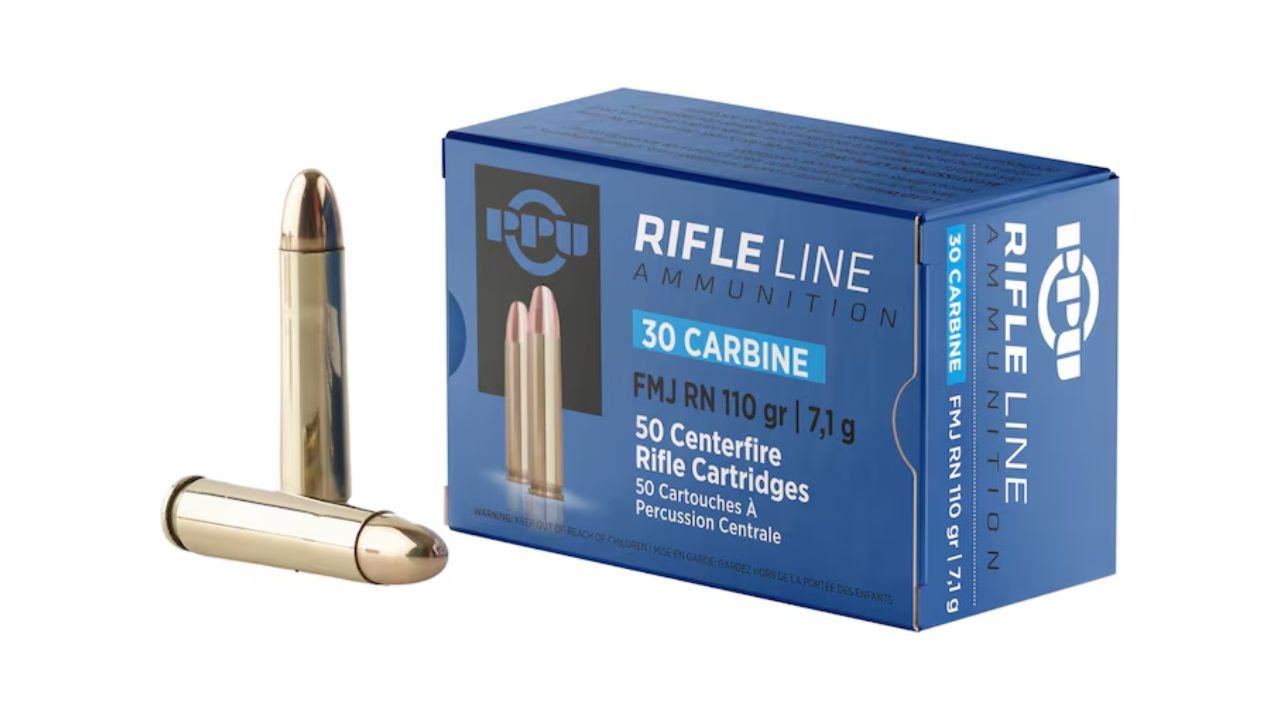
The .30 Carbine was never built for long-range precision, and wind highlights every limitation. Its slow, lightweight bullet bleeds speed early, making it extremely vulnerable to drift. Even at modest ranges, crosswinds pull it off target more than many realize.
You can get good results at short distances, but once you stretch things out or step into open terrain, the round struggles. Hunters and shooters who expect modern rifle performance quickly see how wind-sensitive it really is.
.300 Blackout (supersonic loads)

Supersonic .300 Blackout loads offer solid performance inside 200 yards, but their low BC and moderate speeds make them wind-sensitive as soon as you push past that. The bullets lack the aerodynamic efficiency needed to fight drift effectively.
Most shooters don’t notice this in thick timber or short-range work, but in open fields the weaknesses show instantly. The round was never intended for long-range stability, and crosswinds expose that reality clearly.
5.7x28mm
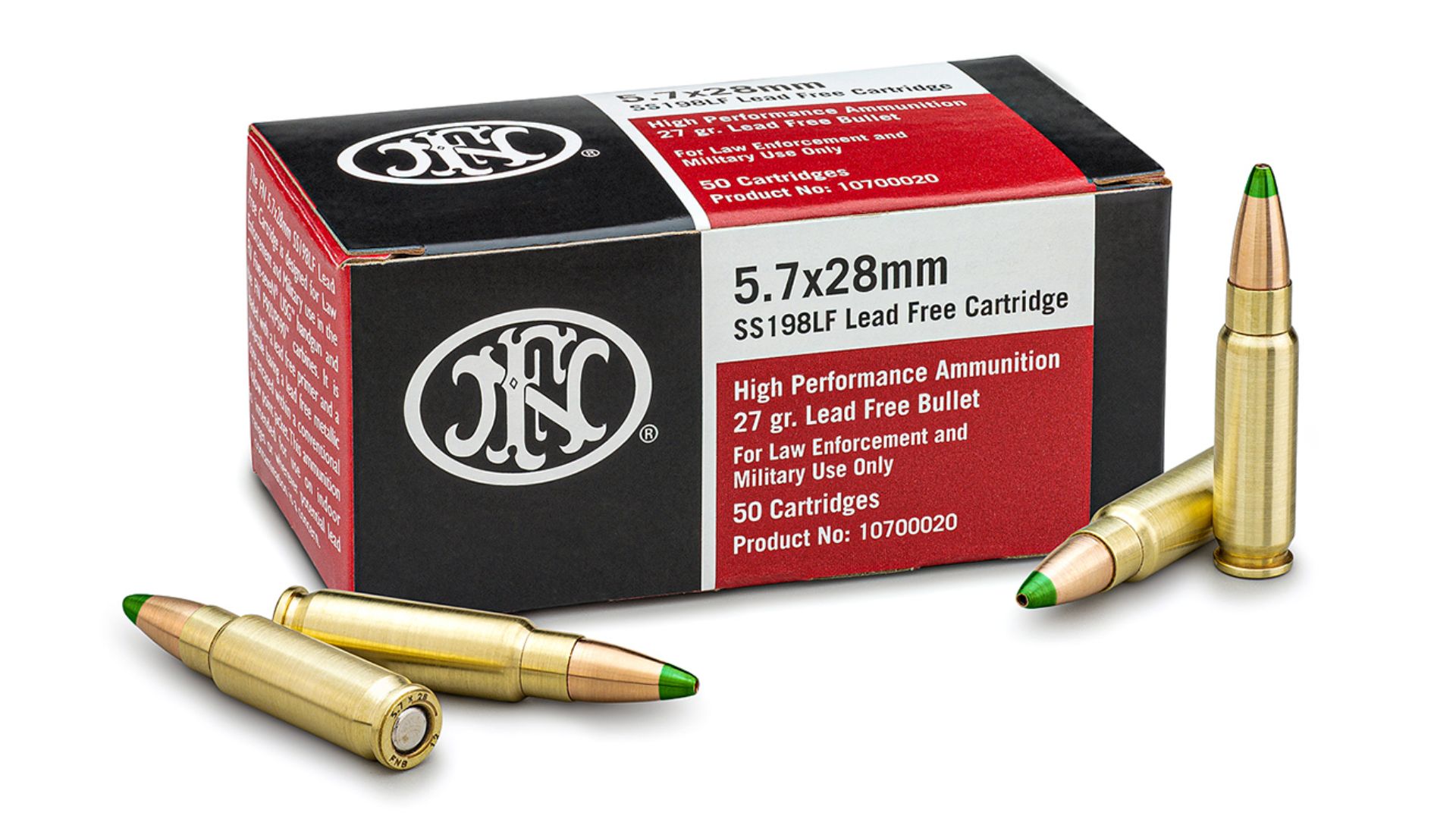
The 5.7x28mm moves fast, but the bullets are tiny and extremely light. Even slight wind conditions push them off course, making long-range accuracy tough to maintain. Shooters using PDW-style setups quickly learn that outdoor distances aren’t as forgiving as indoor testing.
It’s fun to shoot and has unique benefits, yet you have to treat wind seriously if you’re stretching the distance. Past 100 yards, drift becomes a real challenge.
.22 WMR

The .22 WMR sits in an interesting middle ground—more power than .22 LR, but still far too light to resist wind effectively. The bullets fly fast enough to tempt shooters into taking longer shots, yet they drift more than expected once they leave sheltered positions.
It performs well in calm air, but prairie wind or open-field gusts expose its vulnerability. It takes more correction than many new shooters realize, especially past 125 yards.
7.62x39mm (cheap steel-case loads)
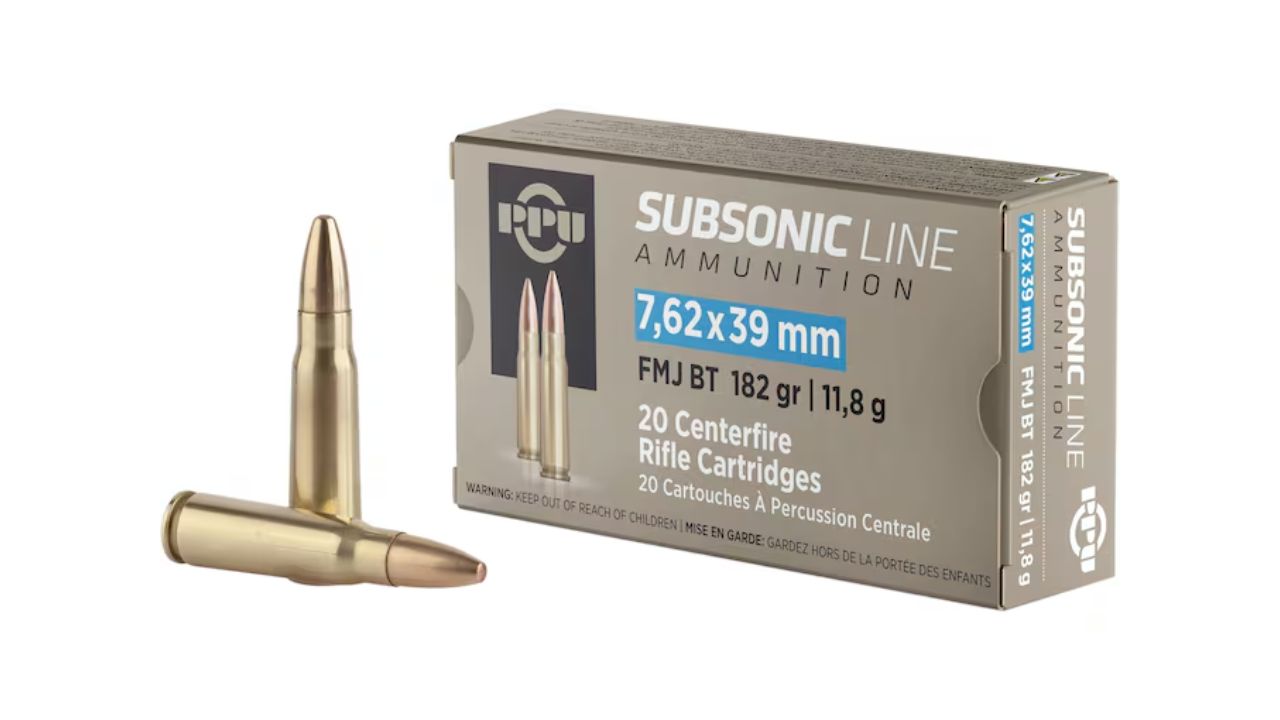
The 7.62x39mm has decent weight, but many common steel-case loads use flat-based, low-BC bullets that don’t handle wind well. Beyond 200 yards, drift becomes noticeable and often unpredictable depending on the ammunition.
It’s reliable for short-range work, yet when pushed into open spaces, accuracy falls off quickly. Wind exaggerates group sizes, leaving many shooters surprised at how rapidly performance changes.
.30-30 Winchester (standard flat-nose bullets)

The .30-30 is iconic, but the traditional flat-nose bullets aren’t great in wind. Their shape creates drag, and they don’t hold energy well at distance. In wooded shooting they’re fine, but in open terrain wind drift becomes significant.
Many modern ballistic-tip loads solve this problem, yet old-school lever-gun ammunition remains vulnerable. Crosswinds expose the limitations immediately, especially on shots past 150 yards.
.270 Winchester with 90-grain loads

The .270 can be excellent for wind performance—just not with ultralight 90-grain bullets. These loads advertise high speed, but their low BC makes them drift heavily in anything beyond calm conditions.
Hunters who try these loads for varmint or dual-purpose use quickly realize they require excessive hold-offs. Heavier 130- to 150-grain options perform far better under real-world wind.
.45-70 Government with slow cast loads
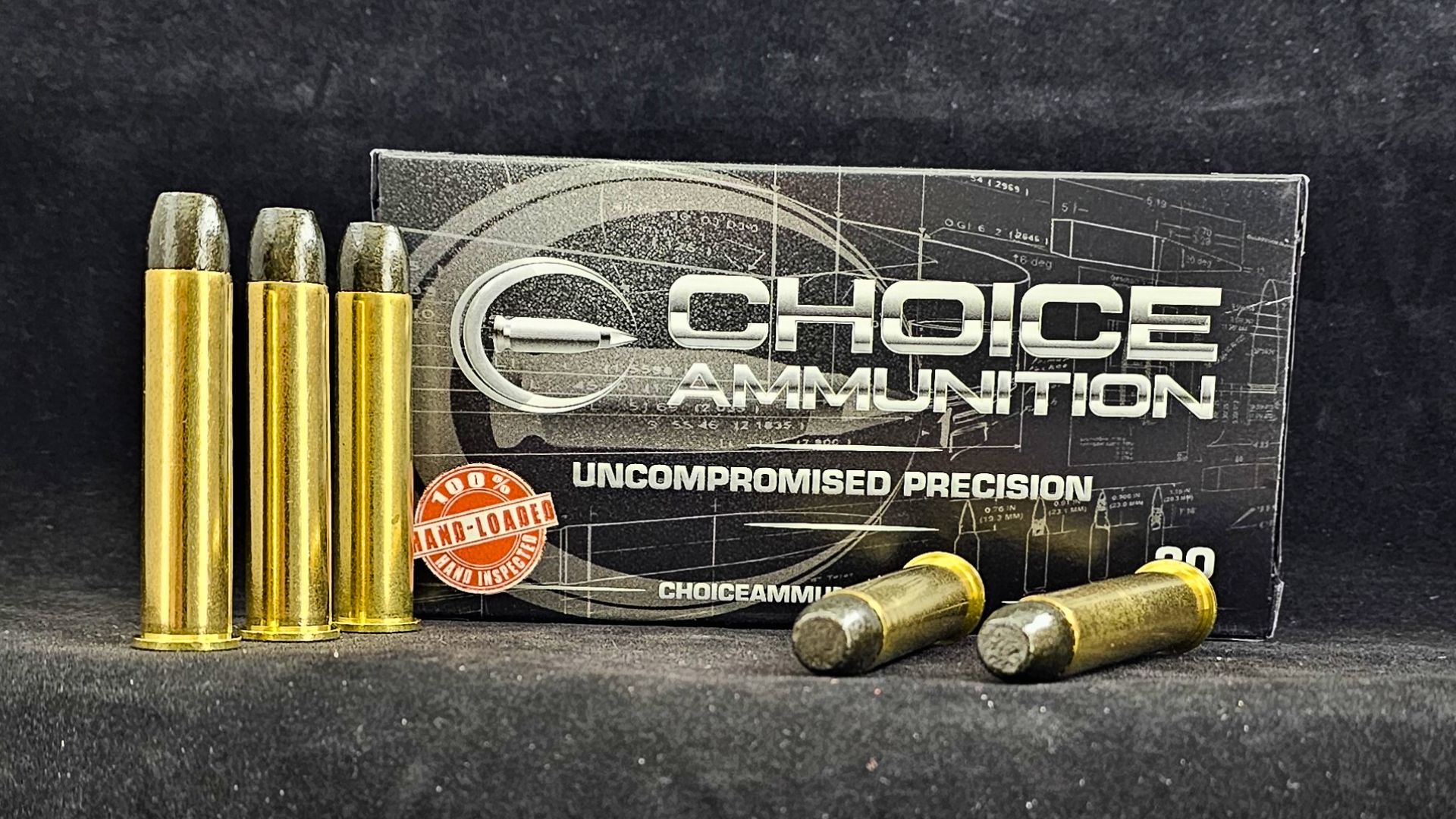
Heavy bullets usually resist wind well, but low-velocity cast loads used in some .45-70 rifles shed energy too quickly to keep a steady path. Their rainbow trajectory makes them even more vulnerable to drift across open terrain.
At short woodland distances they’re reliable, but when the wind kicks up across fields or ridgelines, precision becomes a challenge. The combination of slow speed and drag exposes their limits fast.
7mm-08 Remington with ultralight bullets

The 7mm-08 is normally stable in wind, but the ultralight 100- to 120-grain bullets marketed for speed don’t behave as well. Their lower sectional density makes them drift more than expected in real conditions.
Shooters wanting flat arcs often try these loads first, only to learn they give up wind performance. The caliber shines with heavier bullets—not the lightweights that look good on paper.
.25-06 Remington with varmint bullets

The .25-06 is a strong performer with heavier hunting bullets, but the lighter varmint loads drift badly once you step into open country. These bullets fly fast yet lack the BC to stay stable in tough wind.
It’s a great cartridge, but its best long-range behavior only appears with proper projectile selection. The temptation to chase speed leads to wind drift that surprises even experienced shooters.
Like The Avid Outdoorsman’s content? Be sure to follow us.
Here’s more from us: