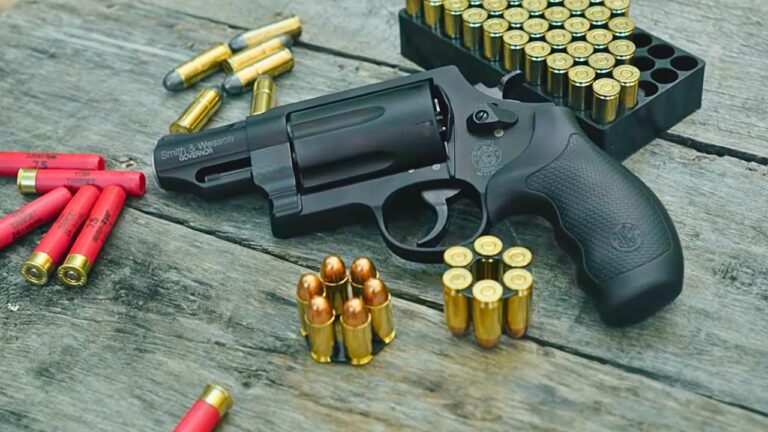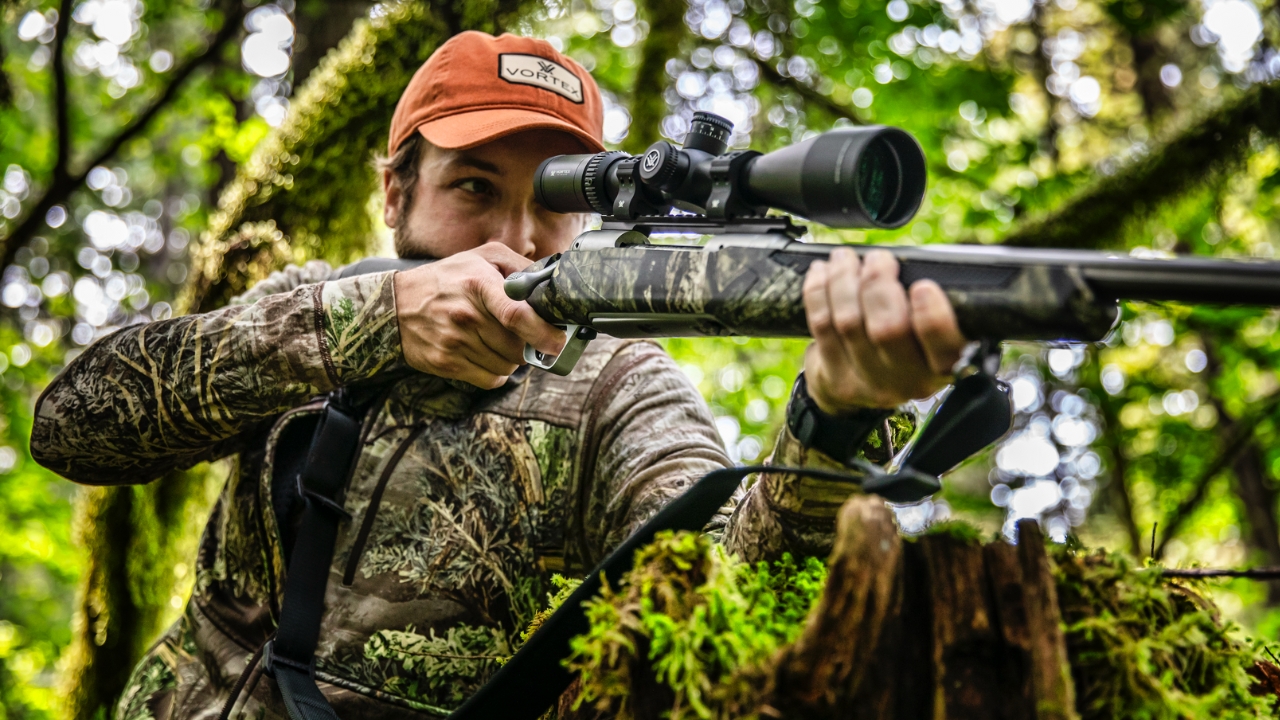
Photo credit: Savage Arms
A lot of deer hunters don’t “retire” a caliber because it can’t kill a whitetail. Most of them can, with the right bullet and a good shot. The problem is what happens in the real world—ammo that’s hard to find, recoil that makes you flinch, rifles that are heavier than you wanted, or a cartridge that doesn’t actually give you an advantage where you hunt. One season is all it takes to figure out whether you enjoy practicing with it, whether you can feed it all year, and whether it gives you clean, repeatable results.
These are the calibers that often look great in a shop, sound great in camp talk, and then quietly get traded off after a season. Not because they’re “bad,” but because they don’t match what most deer hunters actually need.
300 Remington Ultra Magnum

The 300 RUM sells the dream of extreme power and flat shooting. In deer woods, it often turns into a recoil problem you didn’t bargain for. If you don’t shoot it a lot, you never truly learn it, and the first cold-bore shot of the season can feel like a surprise.
Ammo cost and availability push it further toward the bench-queen category. Most hunters don’t want to pay premium prices just to practice enough to stay sharp. On deer, it’s also easy to end up with more meat damage than you wanted if you’re taking common whitetail distances. After one season, a lot of guys decide they’d rather shoot a cartridge they actually enjoy practicing with.
338 Winchester Magnum

The .338 Win. Mag. has serious credibility, and it absolutely works on bigger animals. For deer, though, many hunters realize they bought more recoil than they need. It’s not the push alone—it’s the way that recoil changes how you shoot when you’re trying to stay consistent.
Ammo isn’t always sitting on every small-town shelf either, and when you do find it, you’re often paying enough that you start limiting range time. That’s a bad trade. Deer hunting rewards familiarity and confidence far more than raw horsepower. After a season of flinching, bruised shoulders, and expensive practice, plenty of hunters move to something milder that still hits deer hard.
7mm Remington Magnum

The 7mm Rem Mag is popular for a reason, but it’s also one of the first “magnums” many deer hunters buy. For a lot of them, the recoil and muzzle blast are the surprise, not the performance. If your rifle is light, the 7mm can feel sharp enough that you start dreading practice sessions.
The other frustration is that it’s easy to chase precision issues that are really shooter issues. You end up swapping scopes, playing with loads, and questioning yourself when the real culprit is flinch creeping in. When you finally admit you don’t shoot it as well as you shoot a .270 or .308, you move on. One season is often enough to figure that out.
300 Winchester Magnum

The .300 Win. Mag. is a classic, and it does everything people claim it does. The problem is that deer hunters often buy it for “just in case” power they never use. Most whitetails aren’t taken at extreme distance, and most hunters don’t need the recoil and blast that come with the cartridge.
The bigger issue is practice. A .300 makes you honest about whether you actually like shooting. If you start avoiding the range, your confidence drops, and your accuracy suffers. On deer, it can also be more destructive than you wanted at common distances. A lot of hunters finish one season and decide they’d rather shoot a cartridge that’s comfortable enough to practice with all year.
28 Nosler

The 28 Nosler is built for speed and long-range performance, and it can be impressive in the right hands. But for many deer hunters, it becomes a lifestyle cartridge—expensive ammo, fewer options on shelves, and a rifle setup that often ends up heavier and more specialized than they planned.
Recoil isn’t always brutal, but the blast and the cost can still change your training habits. If you don’t reload, you may also feel locked into whatever factory load you can find. After one season, the romance wears off for hunters who realized they’re shooting deer at normal ranges and could’ve done the same job with a more common cartridge they can buy anywhere.
26 Nosler

The 26 Nosler looks like the perfect answer on paper—flat trajectory, high velocity, modern appeal. Then you live with it. Barrel life is a real consideration for high-velocity cartridges, and while most deer hunters won’t shoot out a barrel quickly, the cartridge still nudges you toward a niche setup.
Factory ammo availability can be spotty depending on where you live, and it’s rarely cheap. That cost pushes people into shooting less, which is the opposite of what you want if you’re trying to be consistent. After a season, many hunters realize the “flat shooting” advantage didn’t matter as much as they thought, and they’d rather run a cartridge they can feed without effort.
6.5 PRC
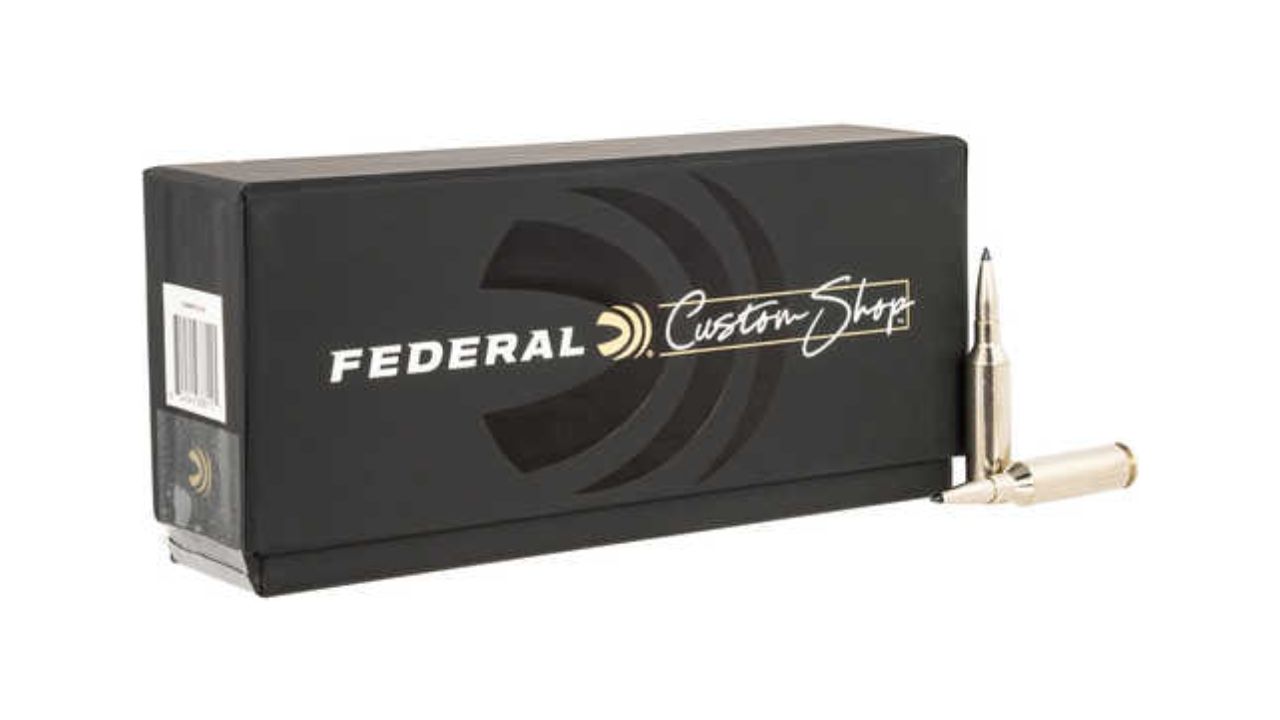
The 6.5 PRC is a strong cartridge, but it often gets bought by deer hunters who were perfectly served by 6.5 Creedmoor. The PRC’s extra speed can be useful, but it also tends to come with higher ammo cost and less universal availability in small shops.
The recoil jump isn’t massive, but it’s noticeable in lighter rifles, and the muzzle blast can be sharper than what many expect from a “6.5.” If you don’t shoot suppressed, that blast can make range days less fun. After one season, some hunters decide they gained very little for what they paid, and they go back to a Creedmoor or move to something like .308 that’s everywhere.
6.5 Creedmoor

This one surprises people, but the Creedmoor gets “retired” by hunters who bought into the idea that it’s a laser beam that drops deer like lightning no matter what. When bullets and shot placement aren’t chosen wisely, you can see marginal blood trails and delayed reactions, especially on less-than-ideal hits.
That doesn’t mean the Creedmoor is weak. It means it’s easy for new hunters to treat it like a magic wand and then blame the cartridge when real-world variables show up. After one season, some hunters switch to a larger diameter caliber because it boosts their confidence and often produces more obvious on-the-ground results. The Creedmoor works, but it doesn’t cover for sloppy decisions.
350 Legend

The .350 Legend is practical in straight-wall states, but some hunters buy it expecting it to behave like a traditional rifle cartridge. It’s effective inside its lane, yet it’s not a long-range answer, and wind drift plus trajectory can surprise people who stretch shots past what they should.
Ammo can also be inconsistent depending on brand and bullet design, and some rifles show picky feeding with certain loads. If you don’t enjoy the limits, you’ll feel boxed in. After one season, hunters sometimes move to a different straight-wall option that fits their preferences better, or they go back to a shotgun or muzzleloader if their state rules allow it.
450 Bushmaster
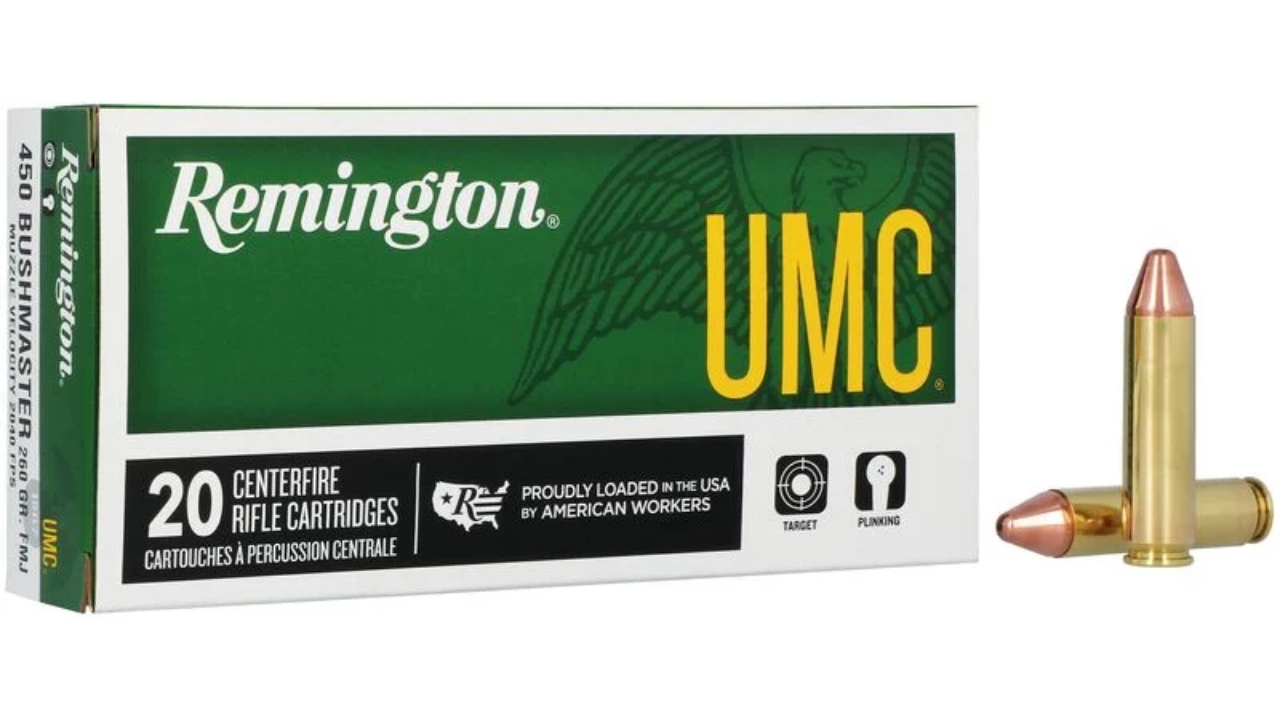
The .450 Bushmaster hits hard and can be a great deer cartridge in the right setup. The problem is that many hunters buy light rifles in .450 and then realize recoil isn’t just “a little more.” It can be punchy enough that practice becomes unpleasant fast.
Ammo cost can also sting, and availability can be hit-or-miss depending on your area. If you’re not reloading, you might find yourself saving ammo instead of shooting. That’s a bad pattern. After one season, a lot of hunters decide they want a straight-wall cartridge that’s easier to shoot well, or they go to a more traditional rifle caliber if they’re not restricted by regulations.
500 S&W Magnum

A rifle in .500 S&W Magnum is a novelty that can absolutely kill deer. It’s also a cartridge that exposes whether you enjoy recoil or merely tolerate it. In many setups, recoil is intense, muzzle blast is loud, and the whole experience can turn into a “once in a while” gun.
Ammo is expensive, and you don’t see it everywhere. That means less practice, and less practice means less confidence. After one season, many hunters realize they bought it for the story more than the need. They end up moving to a more practical straight-wall option that still hits hard but doesn’t punish them every time they touch off a round.
30-30 Winchester

The .30-30 is a deer classic, but it can get “retired” by hunters who expected modern rifle ballistics. If you grew up hearing legends about it, then you take it to open country and start stretching shots, you quickly learn it has limits.
Trajectory and bullet performance at distance can lead to frustration if you’re hunting fields, cutovers, or big timber edges where shots can be longer. None of that makes it a bad deer round. It makes it a cartridge that shines inside a certain range. After one season in the wrong environment, many hunters move to a flatter-shooting option that better matches how and where they hunt.
243 Winchester

The .243 gets retired when hunters treat it like a “point and shoot” deer cartridge with any bullet they can find. With the right deer bullet, it works well. With the wrong bullet—or with poor shot placement—it can leave you with minimal blood and too much uncertainty.
New hunters often pick it for low recoil, which is smart, but then they don’t pay attention to bullet construction. After one season of tracking jobs that felt harder than they should have, some hunters jump to a larger caliber because they want a wider margin. The .243 isn’t fragile. It just asks you to be intentional about ammo and shot angles, and not everyone wants that responsibility.
22-250 Remington

The .22-250 is a fast, accurate varmint cartridge, and it’s not a sensible deer choice in many places. Even where it’s legal, it leaves little room for error, and bullet selection becomes critical. A deer hit wrong with a small, high-velocity bullet can turn into a bad situation quickly.
A lot of hunters try it because they already own the rifle, or they like the flat trajectory. After one season, most decide it’s not worth the stress. You spend too much time thinking about perfect angles and perfect placement when you could carry a cartridge built for deer and still shoot comfortably. The .22-250 can be deadly in the right hands, but it’s a common one-season experiment.
270 Winchester Short Magnum

The .270 WSM promises .270 performance with more speed in a short action. It can deliver, but many hunters “retire” it because of ammunition realities. In some areas, .270 WSM loads are hard to find, and when you do find them, they’re priced high enough that you hesitate to practice.
The cartridge can also be snappy in lighter rifles, and muzzle blast tends to be more noticeable than people expect. If you don’t reload, you may feel stuck with limited load options. After a season, the practical hunter often decides a standard .270 Win. or a .308 gives them everything they need with less hassle. The WSM isn’t wrong. It’s simply less convenient than most deer hunters want.
Like The Avid Outdoorsman’s content? Subscribe to our newsletter so you never miss an article.
Here’s more from us: