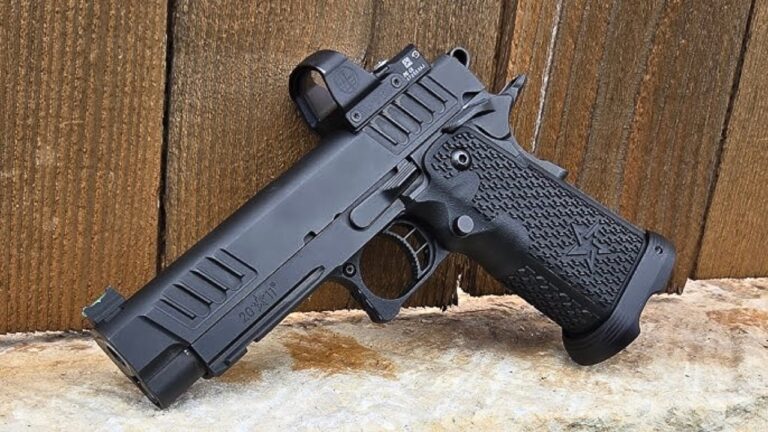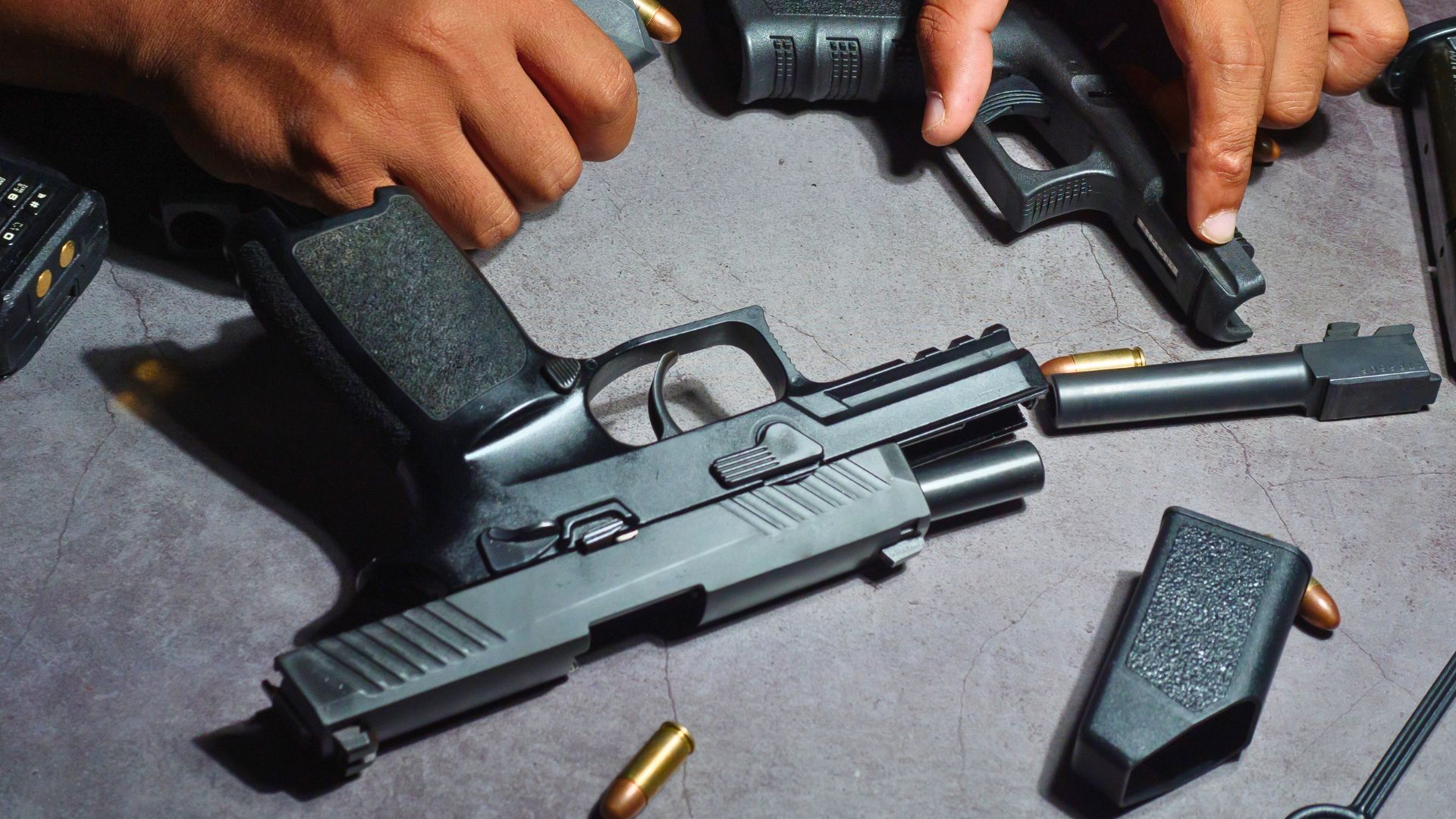
Photo credit: SROOLOVE/Shutterstock.com
Some pistols earn trust by running day in and day out with minimal attention. Others can be accurate, fast, and even impressive on the surface, but only if you’re willing to constantly adjust springs, magazines, extractors, or ammo to keep them from stumbling.
These are the pistols that don’t usually fail catastrophically. Instead, they slowly drift out of reliability, demanding tuning sessions between range trips. None of this makes them useless, but it does mean they ask far more from you than a serious-use handgun should. If you’ve spent enough time shooting, maintaining, and diagnosing pistols, you’ve likely crossed paths with more than a few of these designs.
Kimber Custom II

Kimber’s tighter-fit 1911s can shoot well, but reliability often hinges on careful maintenance. As tolerances tighten, lubrication and spring condition become critical. A slightly worn recoil spring or dry rails can quickly introduce feeding or return-to-battery issues.
You’ll often find yourself monitoring extractor tension and rotating magazines to keep things smooth. Ammo sensitivity also shows up faster than expected. When everything is right, the pistol runs well. When it’s not, you’re diagnosing problems more often than you should.
Springfield Armory RO 9mm 1911
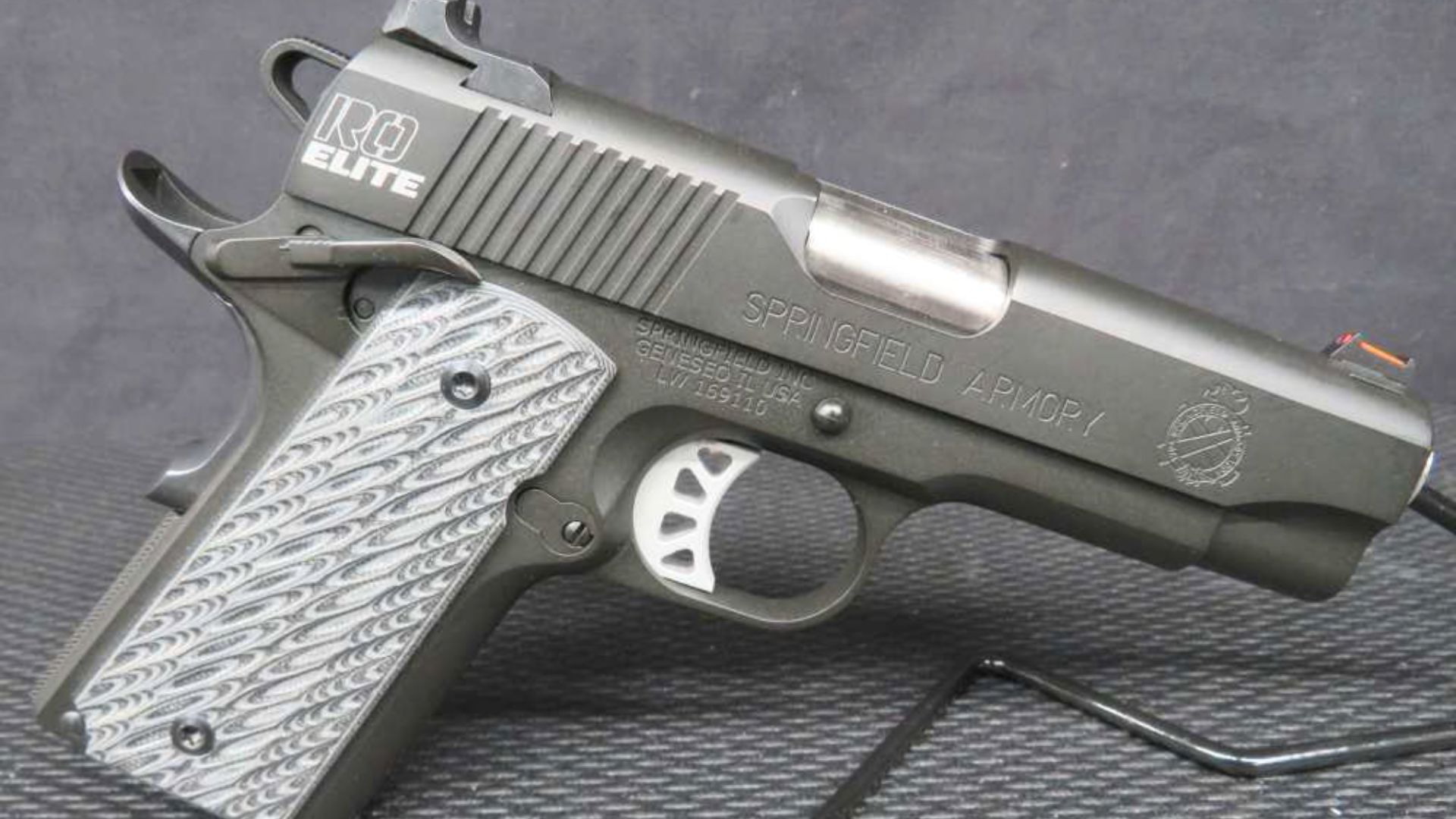
The 9mm Range Officer can be accurate and soft-shooting, but it lives close to the edge of reliable timing. Slide mass, recoil spring weight, and ammo pressure all have to stay balanced. Small changes can lead to short-stroking or failures to feed.
Many owners experiment with spring weights and magazine brands to maintain consistency. As parts wear, reliability can shift subtly. It’s a pistol that rewards careful setup but rarely stays perfect without attention.
STI DVC Open
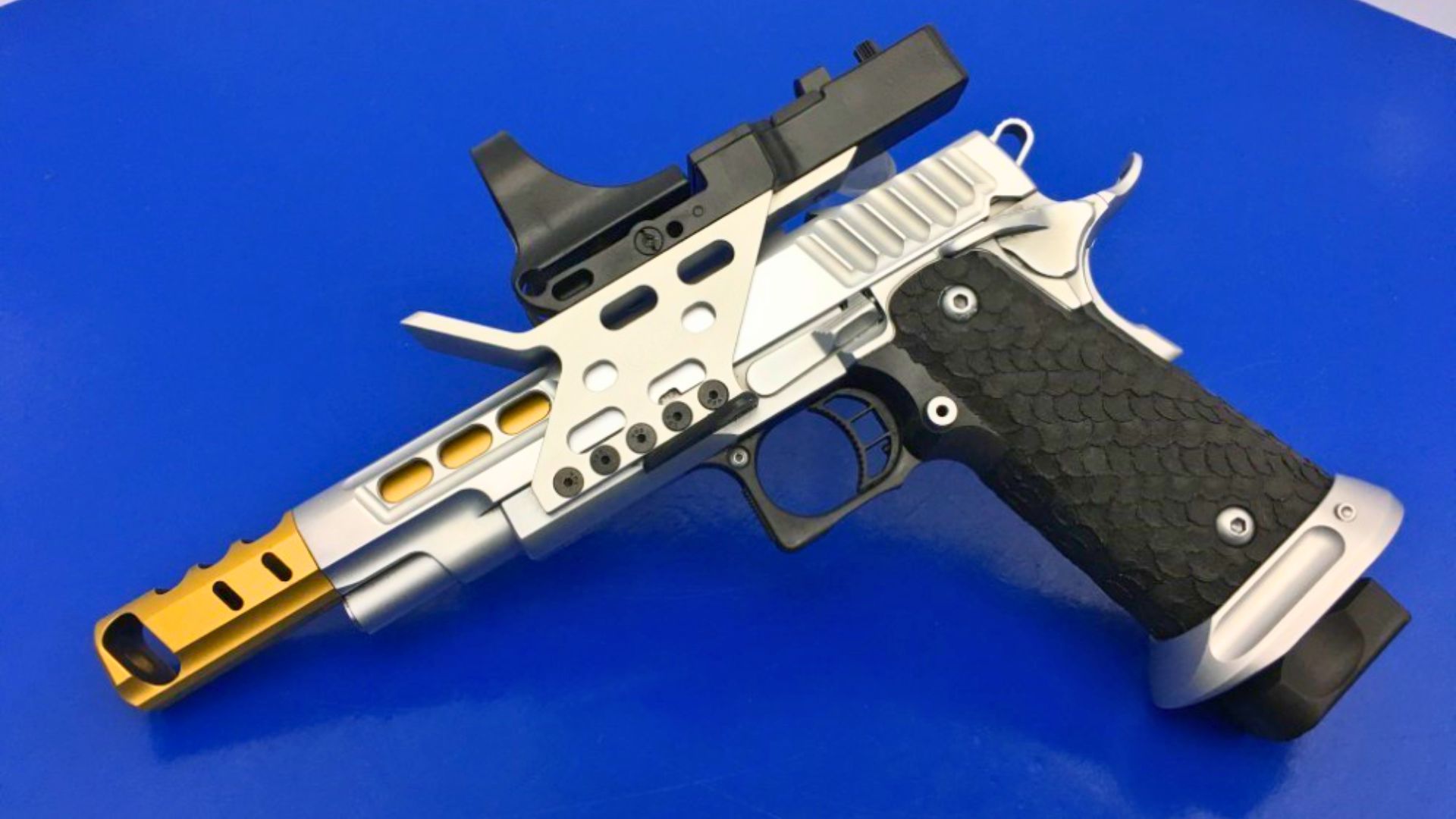
The STI DVC Open is a pure competition pistol, and its reliability depends heavily on tuning. Compensators, lightened slides, and tuned triggers demand specific loads and constant monitoring.
Change ammo, springs, or even environmental conditions, and performance can suffer. These pistols can run flawlessly, but only when everything stays dialed in. Reliability here is something you actively manage rather than expect.
Colt Defender

The Colt Defender compresses the 1911 design into a short package, and that compression creates challenges. Fast slide speeds leave little margin for spring fatigue or magazine inconsistencies.
Owners often replace recoil springs frequently to stay ahead of problems. Ammo selection matters more than with full-size models. While capable, it requires more upkeep than most people expect from a defensive pistol.
Para-Ordnance P14-45

The P14-45 offers capacity, but its double-stack magazines introduce reliability variables. Feed geometry becomes critical as magazines wear, and tuning feed lips is not uncommon.
Many shooters find that magazines dictate reliability more than the pistol itself. Keeping it running smoothly often means sorting, tuning, and replacing mags regularly. It can be dependable, but it rarely stays that way without effort.
Glock 34 Gen 4 (competition-modified)
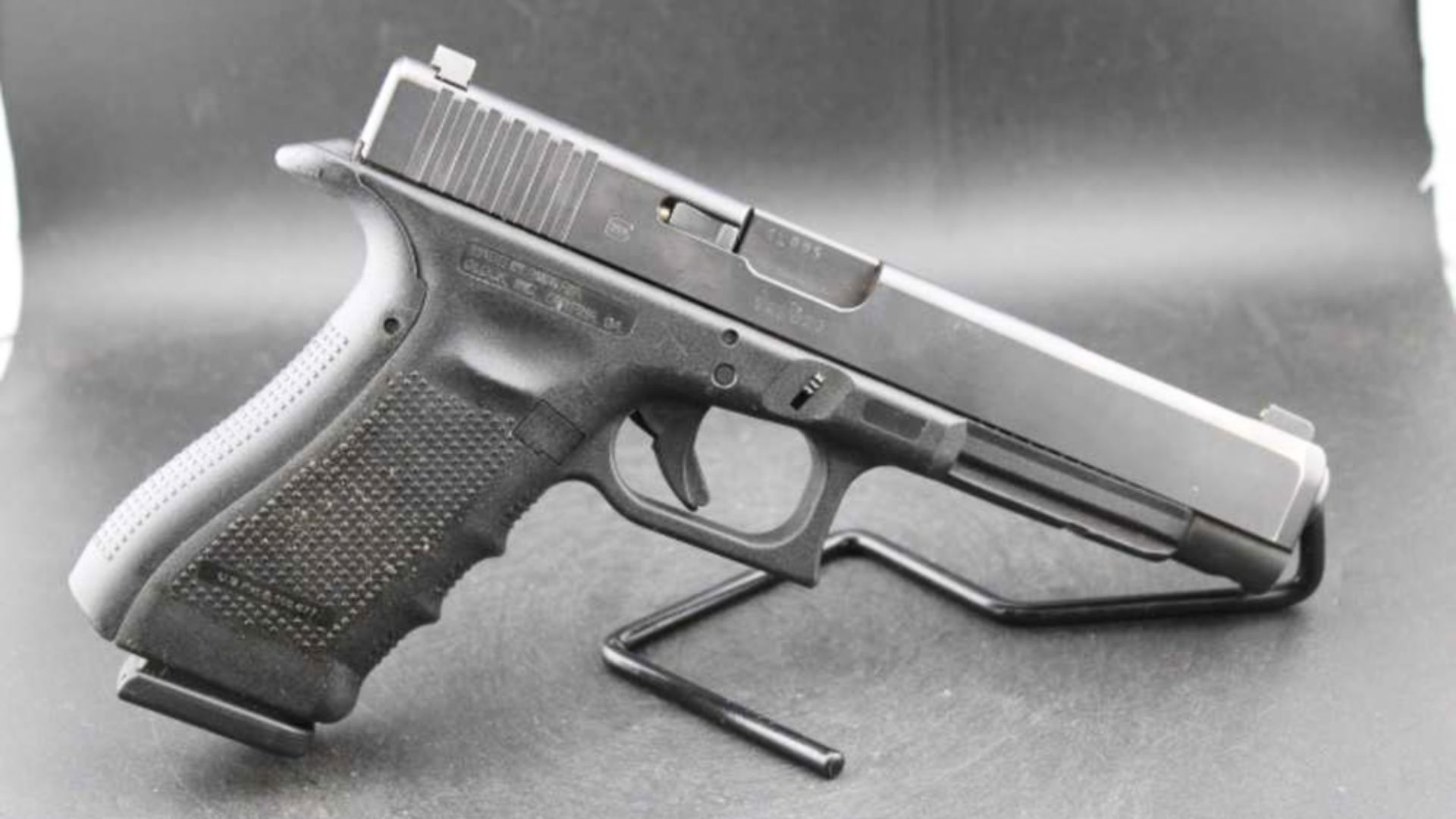
In stock form, the Glock 34 is reliable. Once modified for competition with lighter connectors, reduced striker springs, and aftermarket triggers, that margin narrows quickly.
Light primer strikes and inconsistent resets can appear over time. Shooters often chase reliability by reverting parts or increasing spring weights. It shoots well when tuned, but reliability becomes something you verify constantly.
CZ Shadow 2
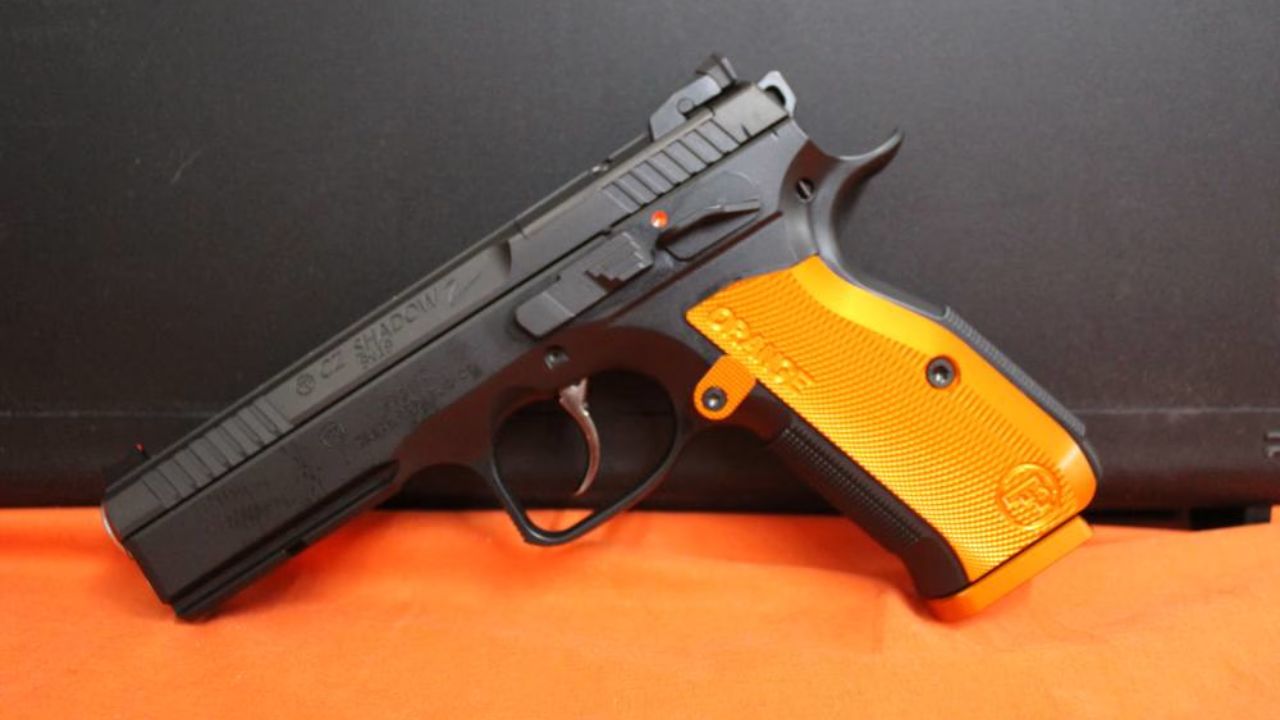
The CZ Shadow 2 is accurate and soft-shooting, but its competition focus means maintenance matters. High round counts wear springs quickly, and timing shifts can introduce failures if ignored.
Recoil and trigger return springs require scheduled replacement. Miss those intervals and reliability can degrade fast. It’s not fragile, but it demands disciplined upkeep to stay dependable.
Tanfoglio Stock II
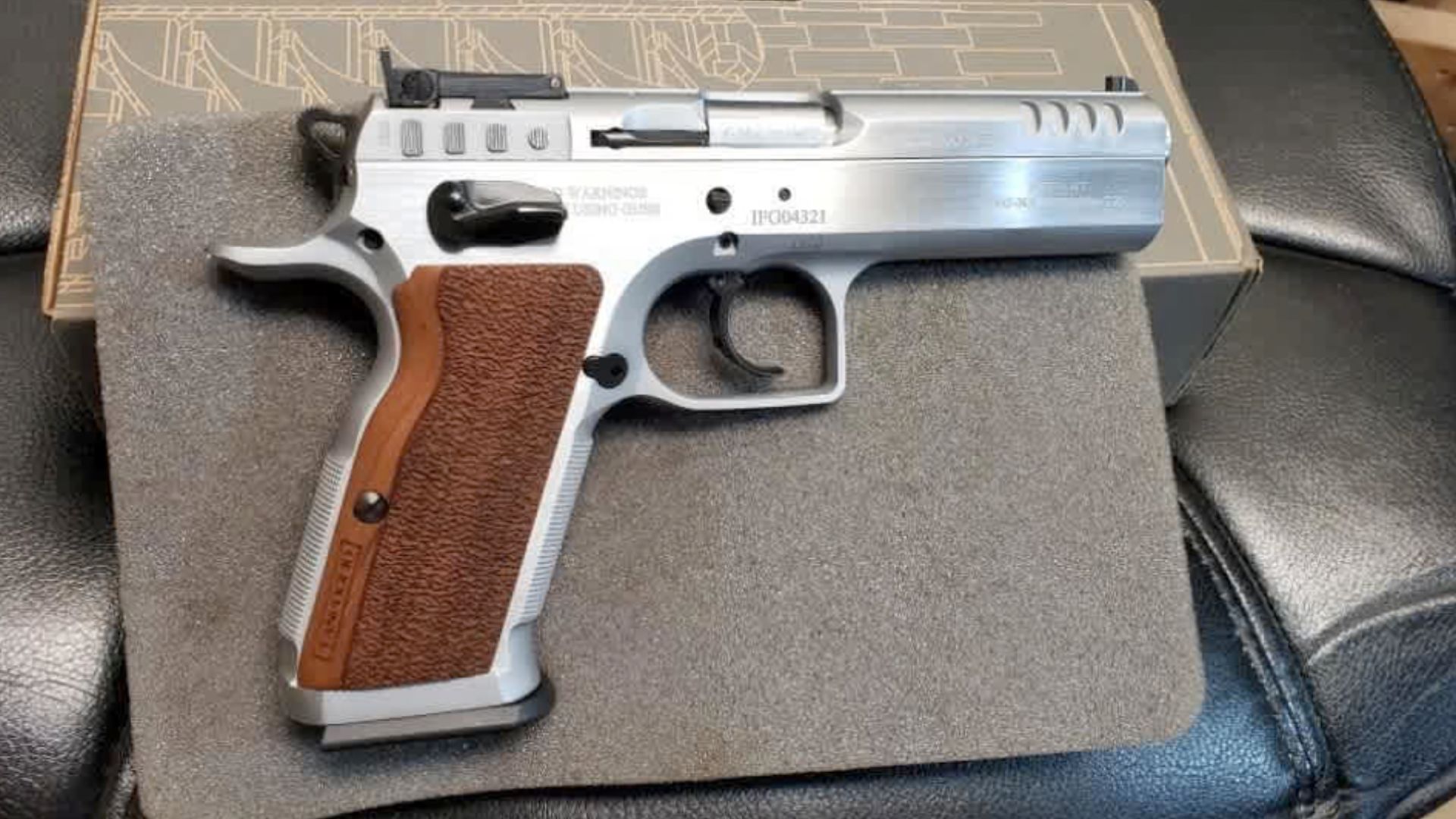
The Stock II delivers excellent accuracy, but it relies on precise spring balance. Ammo changes and worn recoil springs can affect cycling more than expected.
Owners often keep spare springs on hand and track round counts closely. When properly maintained, it runs well. When neglected, malfunctions tend to appear without much warning.
Wilson Combat EDC X9

The EDC X9 blends 1911 ergonomics with modern design, but tight tolerances still rule the day. It prefers consistent ammo and proper lubrication to maintain reliability.
As springs settle and parts wear in, adjustments may be needed. It’s a refined pistol that rewards involvement, but it doesn’t thrive on neglect or casual maintenance.
Kimber Ultra Carry II

The Ultra Carry II pushes the 1911 design hard. Short slides and lightweight frames accelerate wear and increase sensitivity to spring condition.
Frequent recoil spring changes are common, and magazine selection becomes critical. These pistols can run, but they rarely forgive skipped maintenance or poor ammo choices.
Staccato XC

The Staccato XC is engineered for performance, but it still relies on precise balance. Compensated barrels and tuned internals demand proper ammo and spring health.
As round counts climb, reliability depends on proactive maintenance. It’s capable and impressive, but it expects you to stay ahead of wear.
SIG Sauer P320 XFive (heavily modified)
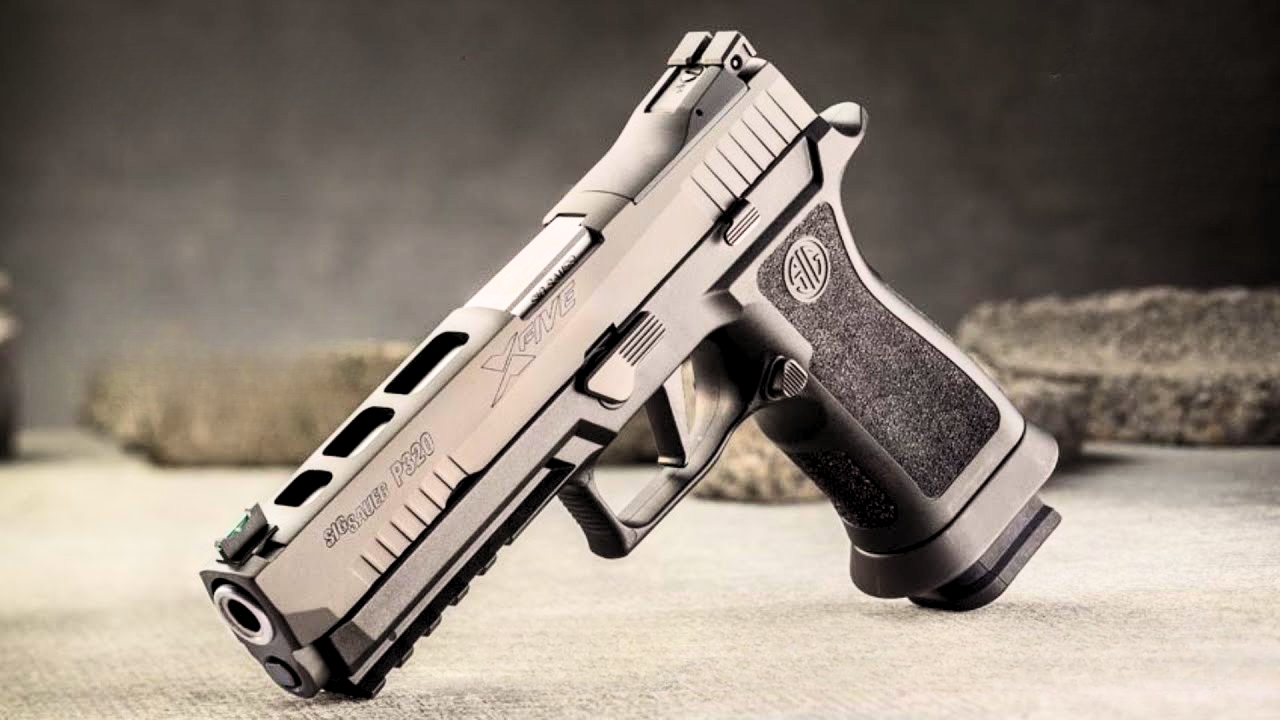
The XFive performs well in stock form, but heavy trigger work and aftermarket components can narrow reliability margins. Reduced springs may introduce light strikes or reset issues.
Owners often tune and retune setups to balance performance and reliability. Once modified, it requires more oversight than a duty-configured P320.
Rock Island Armory TAC Ultra 9mm

The TAC Ultra can run well, but fit and finish variability often require tuning. Extractor tension, feed ramps, and magazines may need attention early on.
With proper setup, reliability improves, but it’s rarely effortless. Owners willing to tune are rewarded, while those expecting out-of-the-box consistency may be disappointed.
Smith & Wesson M&P 2.0 (competition builds)

Stock M&P pistols are reliable, but competition builds often reduce that margin. Lightened triggers and altered sear geometry can introduce inconsistent ignition.
Maintaining reliability means careful part selection and regular testing. Performance gains come with added responsibility.
Dan Wesson Valor

The Valor is well-made, but its tight fit demands proper lubrication and spring management. As tolerances stack, small issues become noticeable faster.
Owners often stay ahead of wear with regular spring changes and magazine testing. It’s a high-quality pistol that still expects you to stay involved to keep it running smoothly.
Like The Avid Outdoorsman’s content? Subscribe to our newsletter so you never miss an article.
Here’s more from us: