Photo credit: Dmitri T/Shutterstock.com
Every shooter’s had that one rifle that looks fine, cycles fine, and somehow sprays bullets like you’re patterning a turkey gun. You try new ammo, torque the screws, clean the bore, even start doubting yourself—but the groups stay ugly. Some rifles never seem to settle in, no matter how much you want them to. Whether it’s cheap barrels, warped stocks, or sloppy chamber tolerances, a few factory models have earned a reputation for turning tight groups into shotgun patterns. If you’ve ever burned half a box of ammo just trying to get something to print, you know the kind of rifles we’re talking about. Here are the ones that’ll have you measuring groups in inches instead of cloverleafs.
Remington 710
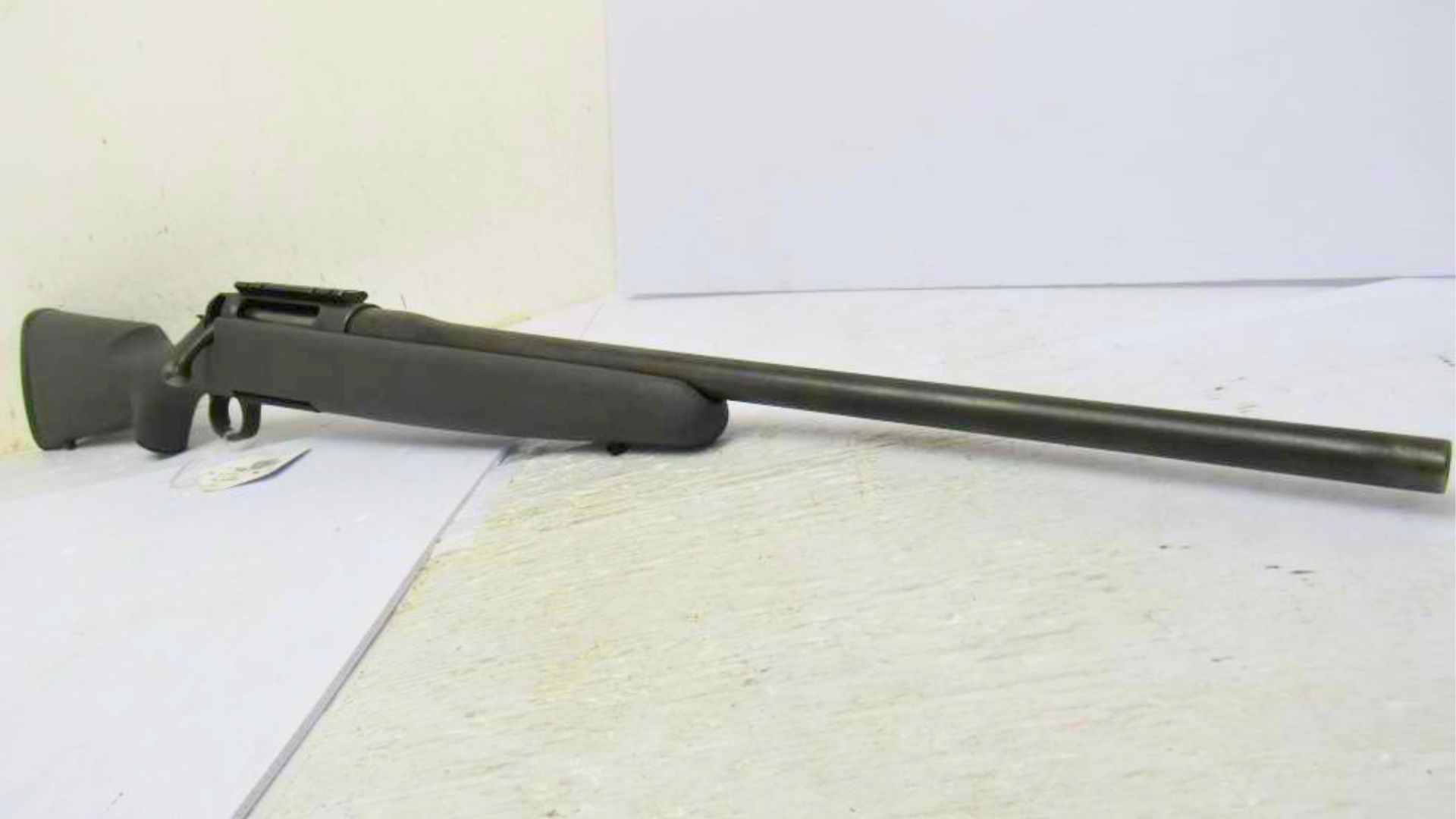
The Remington 710 earned its spot here the hard way—by frustrating thousands of hunters. It looks fine at first glance, but accuracy falls apart fast once you hit the range. The cheap injection-molded stock flexes enough to throw your point of impact, and the barrel-to-receiver fit is notorious for inconsistency. Even a decent scope can’t save a setup that won’t repeat shots within a dinner plate at 100 yards.
Many owners spend a season chasing loads and tightening hardware before giving up. It’s a rifle that might get you through one hunt, but you’ll spend the next few wondering why your buddies’ groups look half the size of yours.
Mossberg ATR 100

When the ATR 100 launched, it promised affordable accuracy, but those early rifles proved anything but. The thin sporter barrel heats up quickly and walks shots all over the target once it does. Add in a stock that flexes like a sapling and a trigger with too much creep, and your best efforts still won’t tighten those groups.
Even the rifles that start strong rarely stay that way. After a few boxes of ammo, point of impact shifts appear without warning. It’s the definition of frustrating—good enough to tempt you into trying, bad enough to make you regret it. Most ATRs end up traded off or used as loaner rifles after that first disappointing season.
Ruger American Predator (early production)
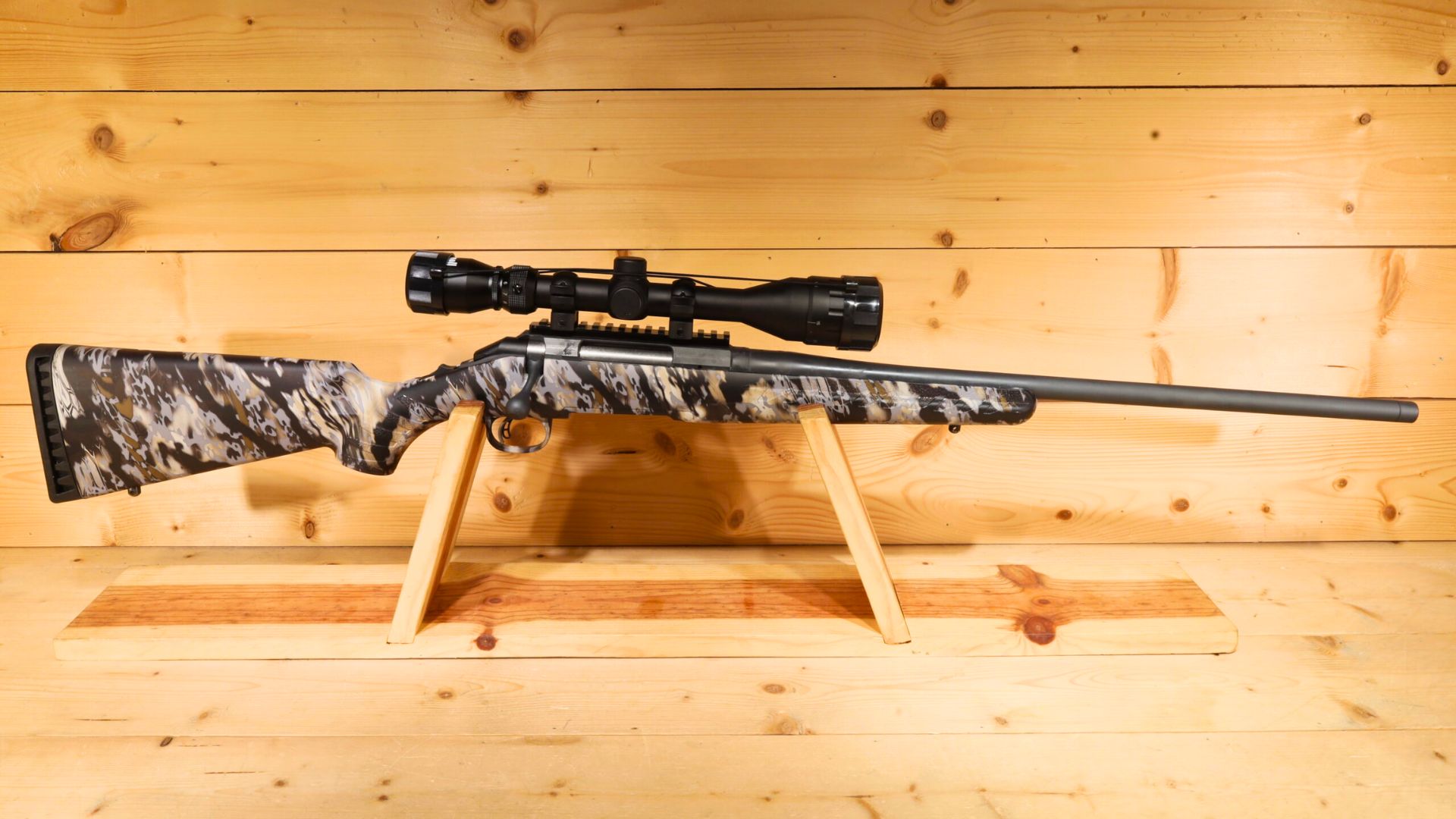
The Ruger American Predator has a loyal following now, but the early production runs were rough. Those first barrels were hit or miss—literally. Many hunters reported wild inconsistencies between loads, with some rifles shooting minute-of-buck accuracy and others barely keeping rounds inside a paper plate.
The flexible polymer stock didn’t help either, especially when shooting off a rest. Pressure points on the barrel channel would shift and ruin repeatability. Later versions fixed a lot of this, but those early rifles gave the model a reputation that lingered. If you picked one up from that first wave, you probably learned to pack extra ammo—because you needed every shot to figure out where the last one landed.
Remington 770

The 770 was supposed to improve on the 710, but it carried over most of the same issues—and added a few of its own. Accuracy is unpredictable at best, thanks to poor barrel quality and loose tolerances between the action and stock. Even rifles that group decently one day can fall apart the next.
Some shooters found them acceptable for short-range woods hunting, but stretch past 100 yards and it’s anyone’s guess where rounds will land. The 770’s biggest problem is inconsistency—you might get a good one, but odds aren’t in your favor. That’s why they’re so common in pawn shops; they’re fine for learning trigger control, but not for tagging a buck at dawn.
Savage Axis (pre-AccuTrigger models)

Before Savage added the AccuTrigger and stiffened the stock, the original Axis rifles had serious accuracy issues. The lightweight stock would twist under recoil, and contact points against the barrel changed from shot to shot. You could watch your groups spread as the barrel warmed.
Many shooters tried to fix the problem with bedding jobs and trigger replacements, but it often wasn’t enough. The rifles weren’t inherently inaccurate, but the factory setup guaranteed inconsistency. Once the AccuTrigger arrived, the design finally lived up to its potential—but those first-generation Axis rifles are still reminders of how much a cheap stock can ruin an otherwise solid platform.
Marlin X7 (Remington-era production)

When Marlin was under Remington’s roof, the X7 rifles suffered for it. Barrels were rough, bedding was sloppy, and triggers varied wildly. Some rifles shot acceptably, others grouped like a bad shotgun at 75 yards. Hunters expecting Marlin’s usual reliability found themselves constantly adjusting optics to chase wandering zeros.
It wasn’t the design’s fault—it was manufacturing shortcuts. Before the takeover, the X7 had potential, but those later runs turned into a mess. By the time most owners realized their rifle couldn’t hold a group, resale value had already tanked. It’s a perfect example of how poor oversight can ruin a decent rifle on paper.
Remington 783

Remington tried to redeem its entry-level line with the 783, and while later ones shot well, the first batches were plagued by inconsistencies. Factory crowns weren’t clean, stock bedding was uneven, and the cheap scope mounts worked loose under recoil. Put all that together, and you had rifles scattering three-inch groups at 100 yards even with premium ammo.
Some shooters managed to tame theirs with bedding compound and aftermarket triggers, but most just moved on. The 783’s early reputation stuck, and even the improved versions couldn’t shake it. If you’ve ever owned one from that first run, you probably still remember the feeling of disbelief watching your groups open up with every shot.
Thompson/Center Venture

The Venture promised sub-MOA accuracy and sleek looks, but many of them fell far short of that claim. Barrels were inconsistent, and some left the factory with rough rifling that fouled quickly. Once copper built up, groups widened dramatically. You could clean it spotless, shoot three good rounds, and then watch the next two wander off in opposite directions.
Hunters expecting precision found themselves frustrated and tired of constant cleaning. The Venture isn’t inherently bad, but those problem barrels left a bad taste in the mouths of a lot of owners. It’s one of those rifles you stop trusting after a single unpredictable hunt.
Mossberg Patriot

The Patriot looks good on the rack, but looks don’t make tight groups. The thin barrel combined with a light stock creates a rifle that’s sensitive to heat and pressure. It’ll shoot fine cold, but after a few quick follow-ups, your group opens like a fan.
Some rifles respond well to load tuning, but most shooters find themselves chasing accuracy that never quite arrives. It’s fine for a single, cold-bore hunting shot, but don’t expect benchrest performance. Many hunters who tried one for target work quickly learned why it’s more at home in a blind than at a range.
Browning AB3
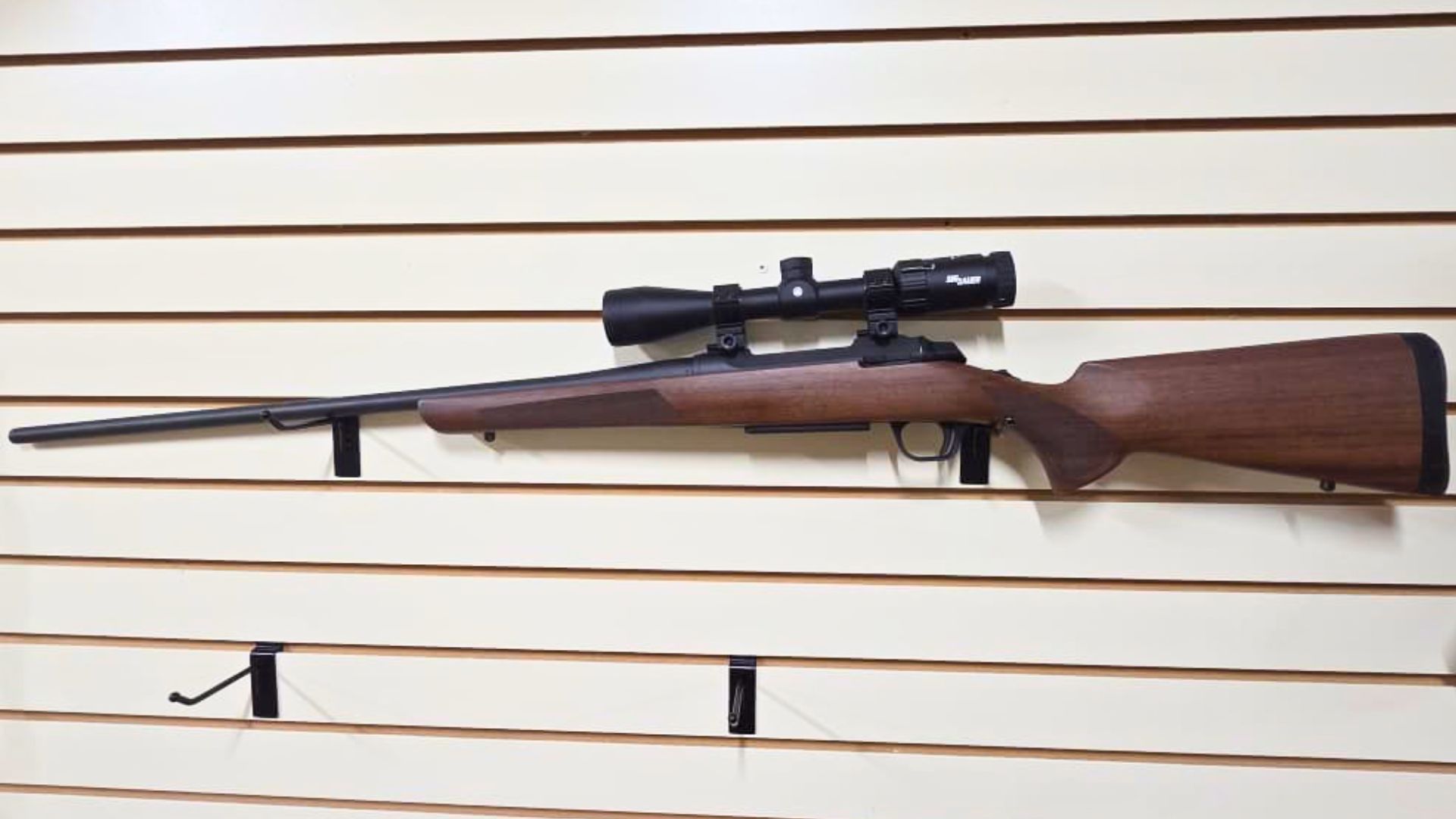
The Browning AB3 carries a famous name, but it’s one of those rifles that doesn’t live up to it. The action feels rough, the trigger’s heavy, and consistency varies from gun to gun. A few shoot great; many scatter rounds no matter what you feed them.
Part of the problem lies in the lightweight barrel profile and budget stock, both of which can shift point of impact between shots. Hunters expecting X-Bolt accuracy ended up frustrated by unpredictable groups. For a company that usually nails precision, the AB3’s performance feels like a step backward—and one many owners didn’t give a second chance.
CVA Cascade (early production)

When the Cascade launched, it drew a lot of attention as CVA’s entry into centerfire rifles. Early reviews were promising, but field reports told a different story. Barrel harmonics and bedding inconsistencies made accuracy hit or miss. Some rifles grouped well; others spread bullets like buckshot beyond 100 yards.
Those issues were eventually ironed out, but not before plenty of hunters pawned theirs in disappointment. If you were unlucky enough to get one of those early models, you probably remember wondering how a rifle that looked so good on paper could shoot so unpredictably in practice. It’s a reminder that not every new design hits its stride right out of the gate.
*This article was developed with AI-powered tools and has been carefully reviewed by our editors.