Photo credit: Big Game Hunting Blog/YouTube
Every few years, ammo makers dig through history looking for something to rebrand as “the next big thing.” Sometimes it works, but too often, those old rounds were buried for a reason. Maybe they burned too much powder for the performance they gave, maybe they were hard on barrels, or maybe they simply didn’t fill a gap that needed filling. Yet, nostalgia and marketing have a way of bringing them back. These are the calibers that should’ve stayed in the archives—cartridges that sounded great on paper but still couldn’t compete once the novelty wore off.
.224 Valkyrie

The .224 Valkyrie promised to turn the AR-15 into a 1,000-yard rifle. On paper, it had the numbers—high BC bullets and plenty of speed. In reality, the cartridge struggled with inconsistent factory loads and barrels that didn’t stabilize heavy bullets well. Many rifles shot mediocre groups, leaving shooters disappointed.
The Valkyrie’s concept wasn’t bad—it was trying to give long-range performance in a small package—but execution fell short. Once 6mm ARC and other cartridges arrived, the Valkyrie faded fast. It’s still around, but it never became what its revival campaign promised. Sometimes old wildcats should stay wild.
.41 Magnum

The .41 Magnum was revived with hopes of landing between the .357 and .44 Magnums, but it ended up pleasing neither camp. It kicks harder than most shooters want for personal defense and doesn’t offer a real advantage for hunting. When it returned in modern revolvers, it still carried all the same problems—limited ammo options, high cost, and recoil that makes practice expensive and unpleasant.
Despite its power, it never developed a strong following. Modern handloaders can make it work, but factory ammo remains rare and overpriced. The revival was a nostalgia play, and while old-timers may love it, there’s little reason for anyone else to bother.
.17 WSM

The .17 Winchester Super Magnum came roaring back promising more velocity and flatter trajectories than the .17 HMR. It delivered the speed but not the precision. Most rifles chambered in .17 WSM had accuracy issues, partly due to inconsistent rimfire manufacturing and excessive pressure.
The cartridge also proved loud, hard on barrels, and limited in bullet selection. The performance difference over the .17 HMR didn’t justify the cost or complexity. Shooters who tried it often went back to their .22 Magnums or .223s. It was an attempt to revive an overachiever, but in practice, it was an overcooked experiment.
.30 Super Carry

Federal’s .30 Super Carry tried to modernize handgun ballistics by offering 9mm-like performance in a slimmer package. The problem? The 9mm already does everything it promised. While the .30 offers slightly more capacity, the gains are minimal, and ammo availability is poor.
When it hit the market, only a handful of pistols were chambered for it. Shooters didn’t buy in, and gunmakers quickly stopped pushing it. The idea was fine in theory—more rounds in the same space—but the real-world payoff wasn’t worth switching calibers. It’s another reminder that reinventing the 9mm wheel rarely works.
5mm Remington Rimfire Magnum
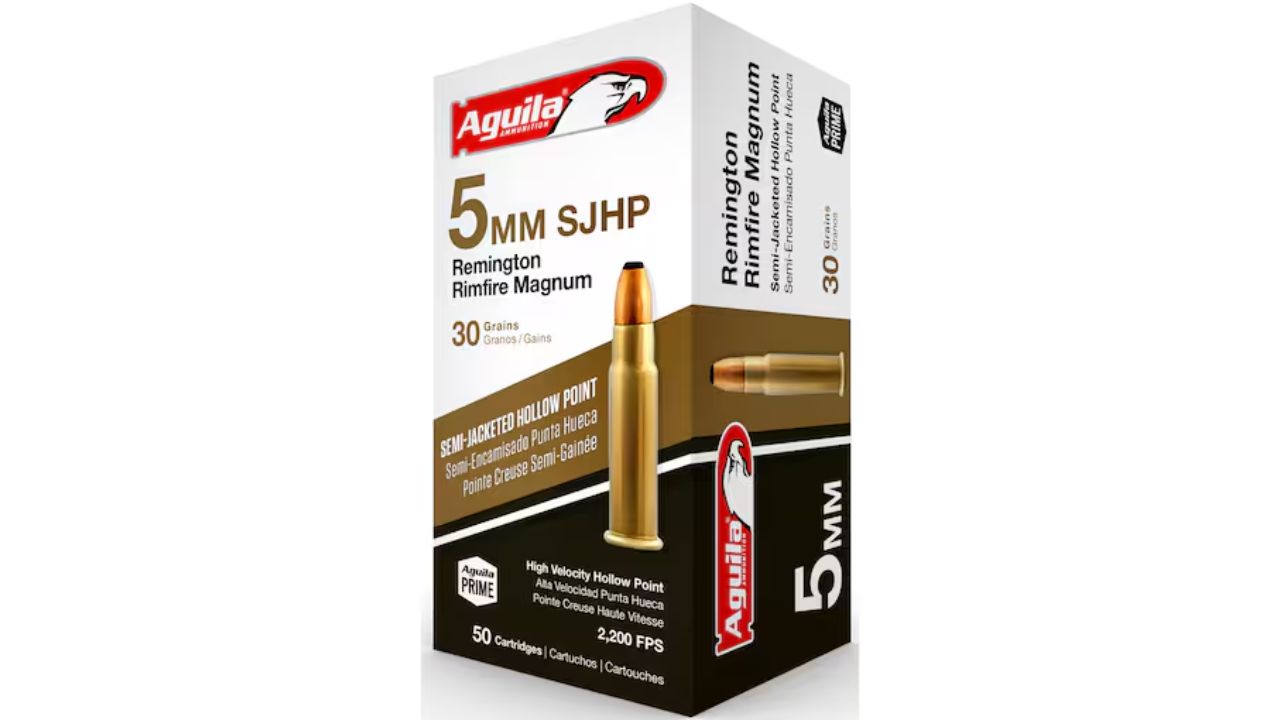
The 5mm RRM had its shot decades ago, and its brief revival didn’t last long. When it returned, the ammo was hard to find, expensive, and inconsistent in quality. Ballistically, it sits awkwardly between .22 WMR and .17 HMR, offering little advantage over either.
Few rifle options didn’t help its case, and even dedicated varmint hunters found no reason to stick with it. The limited market and proprietary ammo sealed its fate again. It’s one of those cartridges that looked great in an ad but never lived up to the hype, old or new.
.300 RUM (Remington Ultra Magnum)
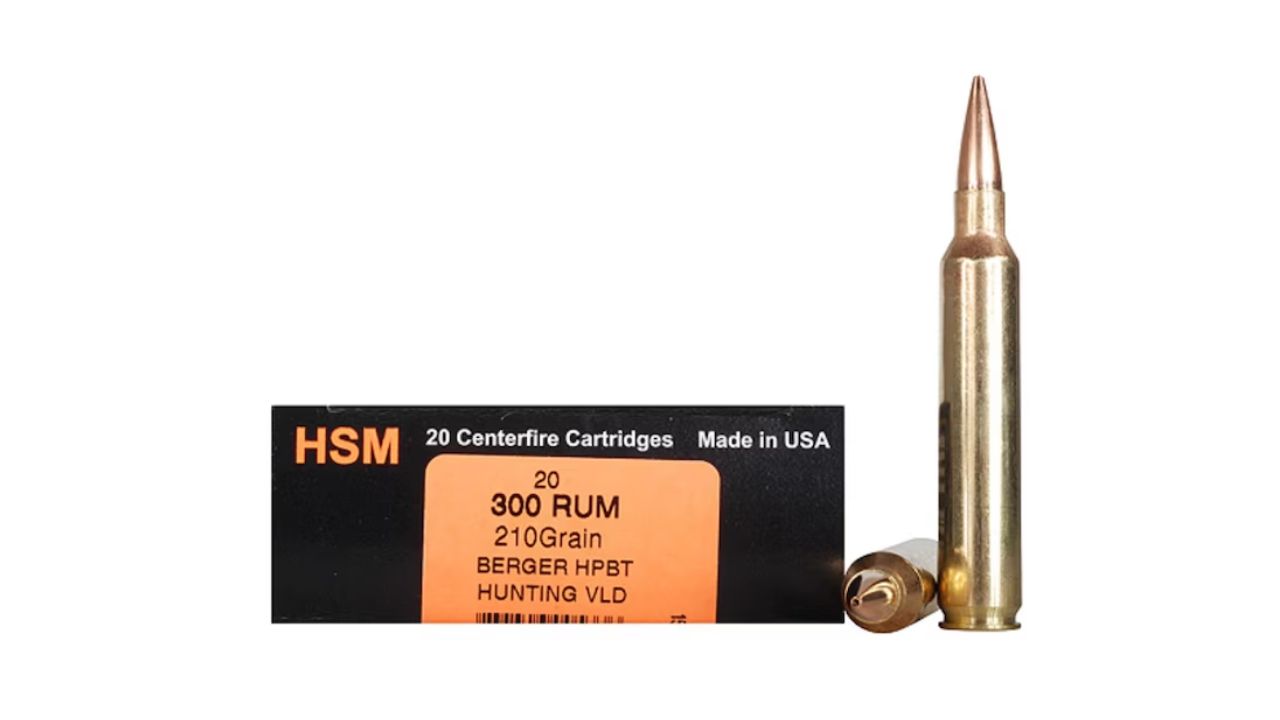
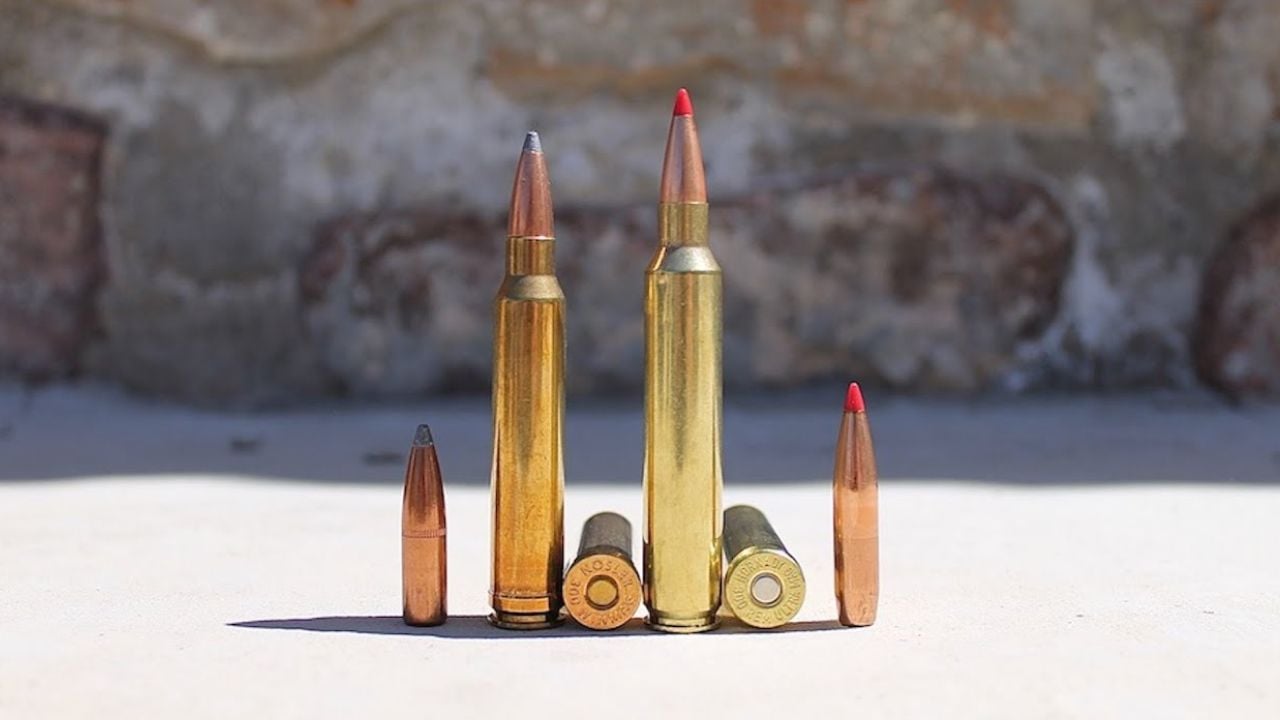
When Remington brought back the .300 Ultra Mag, it promised blistering speed and long-range performance. It definitely delivered on velocity—but at a price. The recoil is brutal, the barrel life is short, and the powder burn is excessive. Few shooters can take advantage of the velocity without destroying barrels or shoulder sockets.
When revived, it found a niche among long-range hunters, but even that crowd quickly turned to more efficient cartridges like the .300 PRC or .28 Nosler. The RUM burns more powder than most reloaders care to handle and doesn’t outperform the competition enough to justify it.
.35 Whelen

The .35 Whelen’s return was driven by nostalgia, not need. It’s a solid round for elk or moose at modest ranges, but modern cartridges do the same job with less recoil and better ballistics. When it was reintroduced in modern rifles, shooters realized why it faded out to begin with.
It kicks hard, has limited ammo options, and lacks the trajectory hunters want today. It’s still loved by a loyal few who handload, but as a commercial comeback, it never stuck. Some classics are best left for those who already own them.
.300 Savage

The .300 Savage was groundbreaking in its day, offering near-.30-06 performance in a shorter case. But when it was revived, it had little purpose. The .308 Winchester had long since replaced it, offering better pressure handling and broader ammo support.
Modern rifles chambered for the .300 Savage didn’t bring shooters anything new—only nostalgia and limited factory ammo. It’s still great in old lever guns, but trying to sell it as a modern option again was a stretch. Its time passed decades ago, and it should’ve stayed that way.
.32 ACP

The .32 ACP has been revived over and over in compact pistols, each time billed as the perfect balance between recoil and power. Every time, it ends up proving the same thing: it’s underpowered for self-defense by modern standards. With today’s micro 9mm pistols offering real stopping power in the same size, the .32 has no real place anymore.
Ammo is still expensive and often hard to find, and modern loads can’t close the performance gap. It’s a piece of history, not a viable comeback story. The latest revival attempts only reminded shooters why it faded in the first place.
.257 Weatherby Magnum

The .257 Weatherby Magnum has always been fast—maybe too fast. When revived in new rifles, shooters loved the flat trajectory but hated the barrel life. The overbore design burns throats out quickly, especially in lightweight hunting rifles that heat up fast.
It’s accurate, but it’s expensive to shoot and tough on barrels. With modern 6.5mm cartridges offering similar performance and better longevity, the .257’s revival was more romantic than practical. It remains a niche choice for diehards who don’t mind replacing barrels every few seasons.
.22 Hornet

The .22 Hornet is a piece of history that never needed a comeback. When reintroduced in modern bolt rifles, it proved as finicky as ever—sensitive to handloads, limited in range, and underpowered compared to newer varmint rounds.
Its low velocity and thin brass make it a chore to reload accurately. It’s charming in an old-school way but irrelevant in a world full of .223s and .204s. Bringing it back only highlighted how far small-caliber performance has advanced since the Hornet’s heyday.
.45 GAP

The .45 GAP was supposed to modernize the .45 ACP in a shorter case, but when revived, it only reminded shooters how unnecessary it was. Glock designed it to fit in smaller frames, but once 9mm and .40 S&W technology caught up, nobody needed it.
Ammo availability has always been limited, and when the last wave of pistols chambered for it hit shelves, they vanished quickly. The round performs fine, but “fine” doesn’t sell in a market flooded with proven .45 ACP handguns. Its revival didn’t last long because it didn’t solve a problem worth solving.
Like The Avid Outdoorsman’s content? Be sure to follow us.
Here’s more from us:
The worst deer rifles money can buy
Sidearms That Belong in the Safe — Not Your Belt
*This article was developed with AI-powered tools and has been carefully reviewed by our editors.