Photo credit: Buffalo's Outdoors/YouTube.com
Semi-autos do a lot extremely well, but they also depend on a chain of things going right. Magazine quality matters. Ammunition matters. Slide velocity matters. Recoil springs, extractor tension, limp-wristing, dirty internals, and even one questionable part swap can all start turning a “reliable” pistol into a headache. That does not make semi-autos bad. It just means they are a system, and systems can get picky faster than people like to admit.
That is where a good revolver keeps reminding people why it never went away. A revolver is not magic, and it can still be shot poorly or neglected badly enough to cause problems. But when you are talking about straightforward function with quality ammo and decent maintenance, these guns have a way of staying in the fight when an auto starts throwing tantrums. They are less dependent on magazine drama, less sensitive to slide timing, and often a lot more tolerant of long stretches between range sessions. These are the revolvers that still make a strong case when self-loading pistols start acting fussy.
Smith & Wesson Model 686 Plus
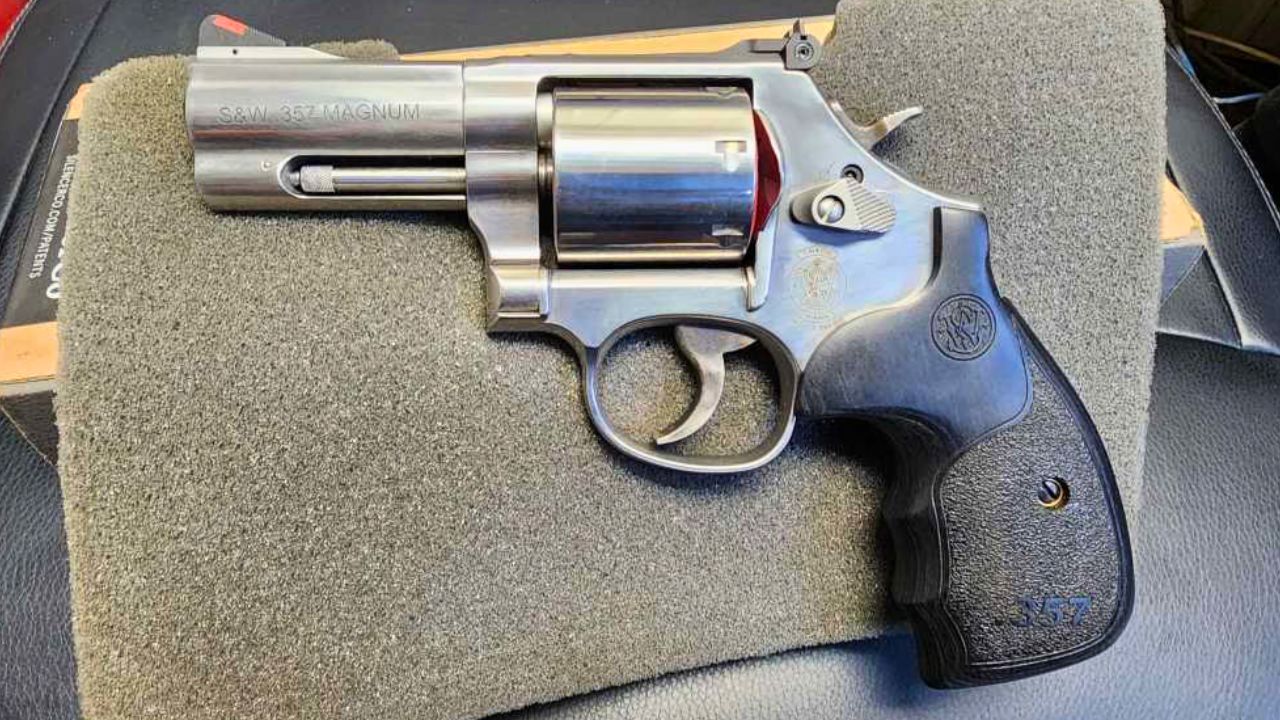
The Smith & Wesson Model 686 Plus holds its own very well when semi-autos get finicky because it gives you a strong L-frame revolver with real durability and one extra round in the cylinder without losing the basic advantages that make revolvers appealing in the first place. It is built to handle steady use, it shoots .38 Special and .357 Magnum with equal confidence, and it does not care whether your magazine springs got lazy or your last aftermarket part changed the whole mood of the gun.
That is a big reason experienced shooters still keep one around. The 686 Plus is not temperamental, and it does not need a lot of excuses made for it. Load it with good ammunition, keep it reasonably clean, and it tends to do exactly what you expect. In a world where some semi-autos can become weird over surprisingly small issues, that sort of steadiness means a lot.
Ruger GP100

The Ruger GP100 holds its own when semi-autos get finicky because it was built with hard use in mind and has the sort of rugged, overbuilt personality that still appeals to people who want a handgun they can lean on. It handles full-power .357 Magnum without complaint, shoots .38 Special comfortably, and does not depend on the same chain of timing-sensitive parts a self-loader does. That makes it a very reassuring gun to have nearby.
It also helps that the GP100 feels like a working revolver, not a delicate collectible. The lockup is strong, the frame is robust, and the gun has a long reputation for taking a lot of shooting without developing drama. When a semi-auto starts acting picky about ammo, grip, or maintenance, a GP100 is the kind of revolver that reminds you how refreshing mechanical honesty can be.
Smith & Wesson Model 10

The Smith & Wesson Model 10 holds its own because a medium-frame .38 Special revolver built around straightforward service use remains one of the cleanest answers to basic defensive reliability ever made. It is not glamorous, and it is not trying to impress anyone with tactical accessories or modern buzzwords. It is trying to fire when needed and do it with a trigger system and fixed sights that generations of shooters learned to trust.
That kind of simplicity ages very well. The Model 10 does not need a magazine to feed properly or a slide to cycle at the right speed. With quality ammunition and a shooter who understands double action, it stays dependable in the exact way many service guns were meant to. When an auto starts getting touchy, a revolver like this still feels refreshingly grounded.
Colt King Cobra

The Colt King Cobra holds its own when semi-autos get finicky because it combines the natural strengths of a good double-action revolver with real shootability and a strong, confidence-building frame. It is chambered for .357 Magnum, built with serious use in mind, and carries enough weight and refinement that it does not feel like a compromise piece. It feels like a revolver you can trust when other guns start turning into projects.
That matters because reliability is not only about whether the gun can fire. It is also about whether the owner feels calm using it. The King Cobra tends to offer that kind of reassurance. It has a smooth modern Colt feel, it avoids a lot of the small-system dependency that can make autos fussy, and it stays very easy to understand once things get serious.
Ruger SP101
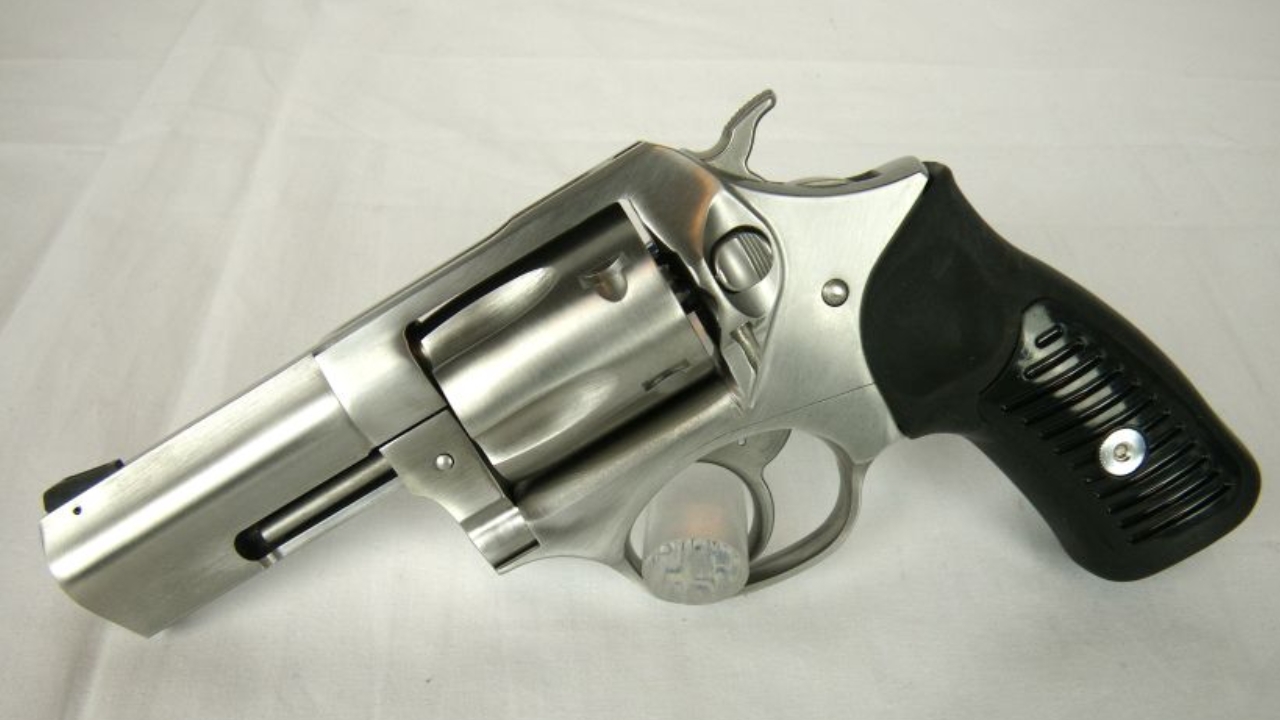
The Ruger SP101 holds its own because it gives you a compact revolver that still feels like it was built to take real use. Small semi-autos often become the finickiest guns in the safe once ammo choice, weak grip, or wear starts stacking up. The SP101 answers that with a sturdy little revolver that stays simple, durable, and direct. It may be compact, but it does not feel fragile or high-strung.
That is why so many people still respect it. The SP101 can ride in a defensive role, work as a trail gun, or sit ready with .357 Magnum or .38 Special without asking the owner to think much beyond proper ammo selection and ordinary maintenance. When a tiny semi-auto starts getting unpredictable, the SP101 often looks smarter every day.
Smith & Wesson Model 19 Carry Comp

The Smith & Wesson Model 19 Carry Comp holds its own when semi-autos get finicky because it offers a very practical modern revolver take on an already respected platform. You get the proven K-frame format, the flexibility of .357 Magnum and .38 Special, and the kind of direct operation that does not suddenly become moody because of a weak grip or a magazine that started causing trouble. It remains a serious fighting handgun in a world that often forgets revolvers can still play that role well.
It also makes sense because it is easy to run under stress once you actually know double action. There is no safety debate, no slide malfunction to diagnose mid-string, and no magazine question mark hanging over the gun. It is simply a loaded revolver with a good trigger and a strong reputation, which is often exactly what people start wanting once a semi-auto starts being difficult.
Kimber K6s DASA 3-inch
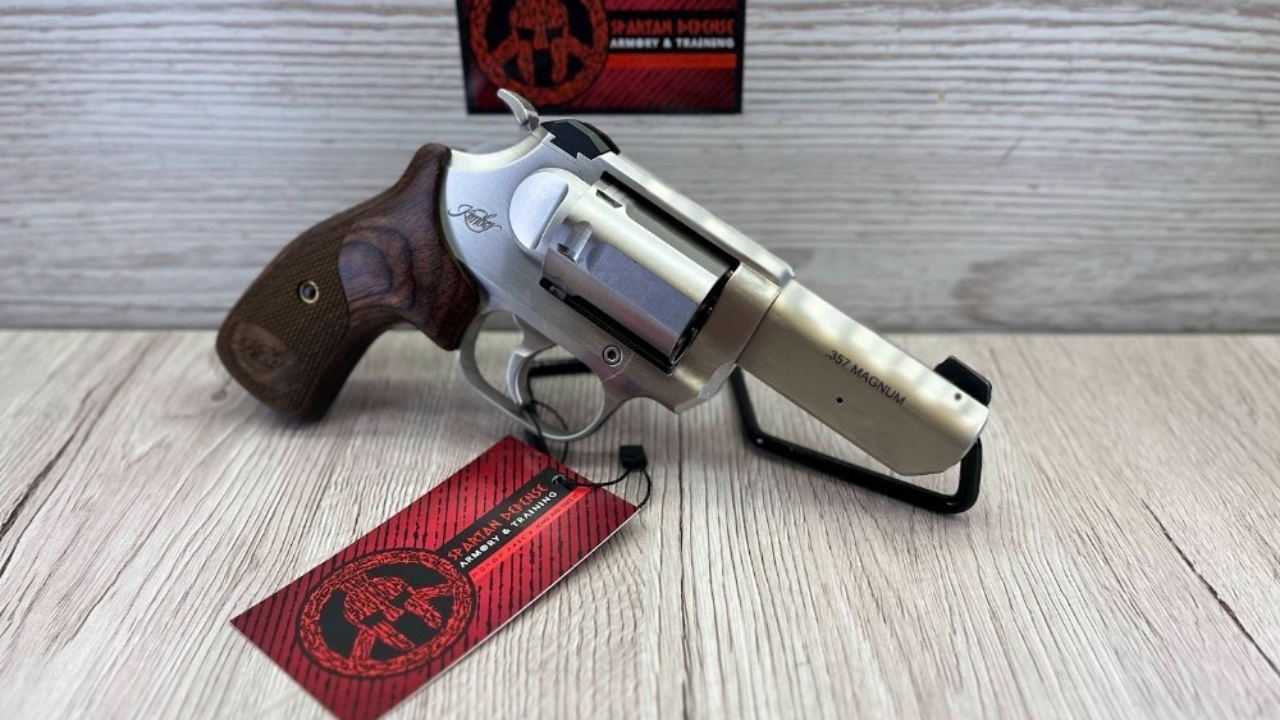
The Kimber K6s DASA 3-inch holds its own because it gives you a compact revolver that feels more refined and more shootable than many people expect from the category. When small semi-autos start getting finicky, part of the appeal of a revolver is not only reliability but clarity. The K6s gives you that while still offering enough barrel and enough grip to remain practical in real shooting. It feels serious, not merely convenient.
That is a big reason it belongs here. The DASA setup gives the owner options, the revolver remains very easy to understand mechanically, and the compact format still works well for carry or home use. When a carry auto starts needing too much coddling, a K6s often feels like a much more mature answer.
Colt Python 4.25-inch
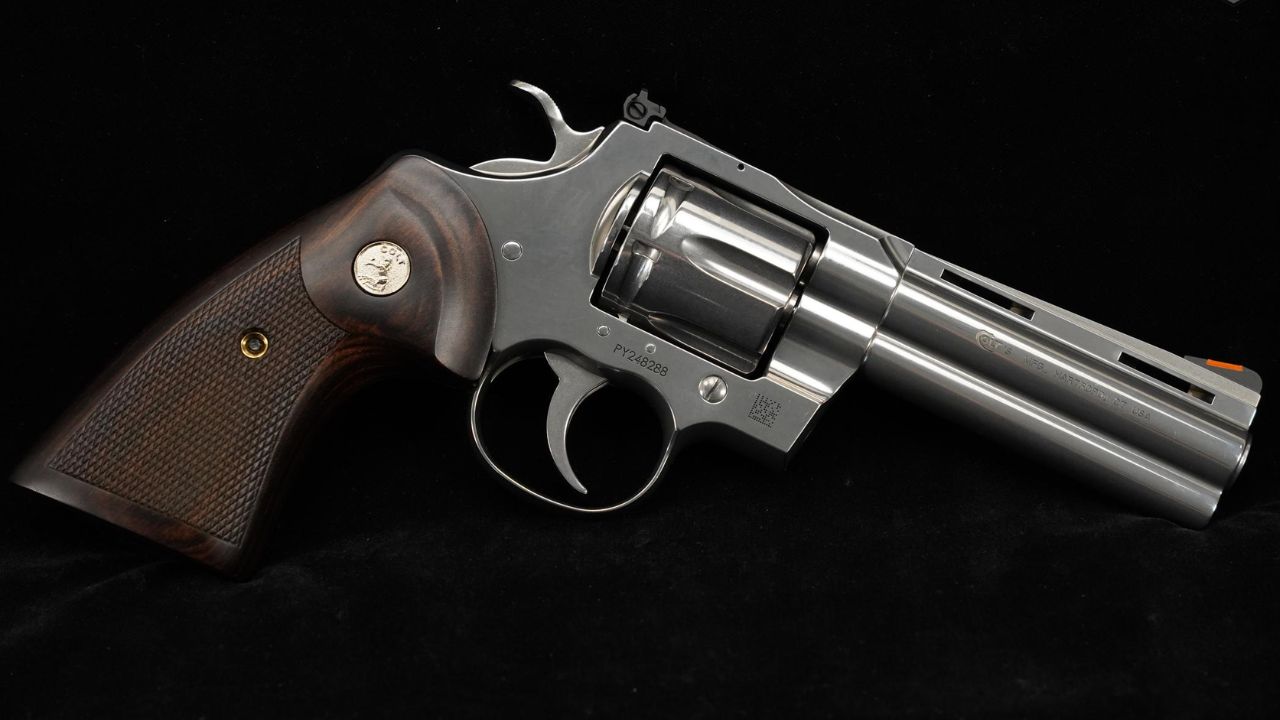
The Colt Python 4.25-inch holds its own when semi-autos get finicky because it combines premium revolver quality with the sort of basic operational confidence that makes wheelguns attractive in the first place. It does not care about feed ramps, recoil spring life, or magazine condition. If the chambers are loaded and the gun is in proper working order, it gives the owner a very direct, very reassuring interface with the problem at hand.
It also helps that the 4.25-inch Python is not only dependable, but extremely shootable. That is important. A revolver does not earn respect only by being reliable. It earns respect by making that reliability usable. The Python’s trigger, balance, and practical size help it stay more than just a beautiful backup plan. It remains a very serious gun in its own right.
Smith & Wesson 640 Pro Series

The Smith & Wesson 640 Pro Series holds its own because it offers the snag-free, enclosed-hammer simplicity many people want in a defensive revolver, while still keeping enough strength and practical shootability to matter when things get real. Small semi-autos often look like the obvious carry answer until they start becoming selective about ammo or sensitive to grip under stress. The 640 answers that with a stainless J-frame that stays extremely straightforward.
That straightforwardness is the whole point. It is a gun you can carry without much fuss and call on without wondering whether the last batch of practice ammo, the current recoil spring, or the magazine in the gun is going to become part of the story. With quality loads and regular basic care, the 640 Pro keeps the process refreshingly simple.
Ruger LCRx 3-inch
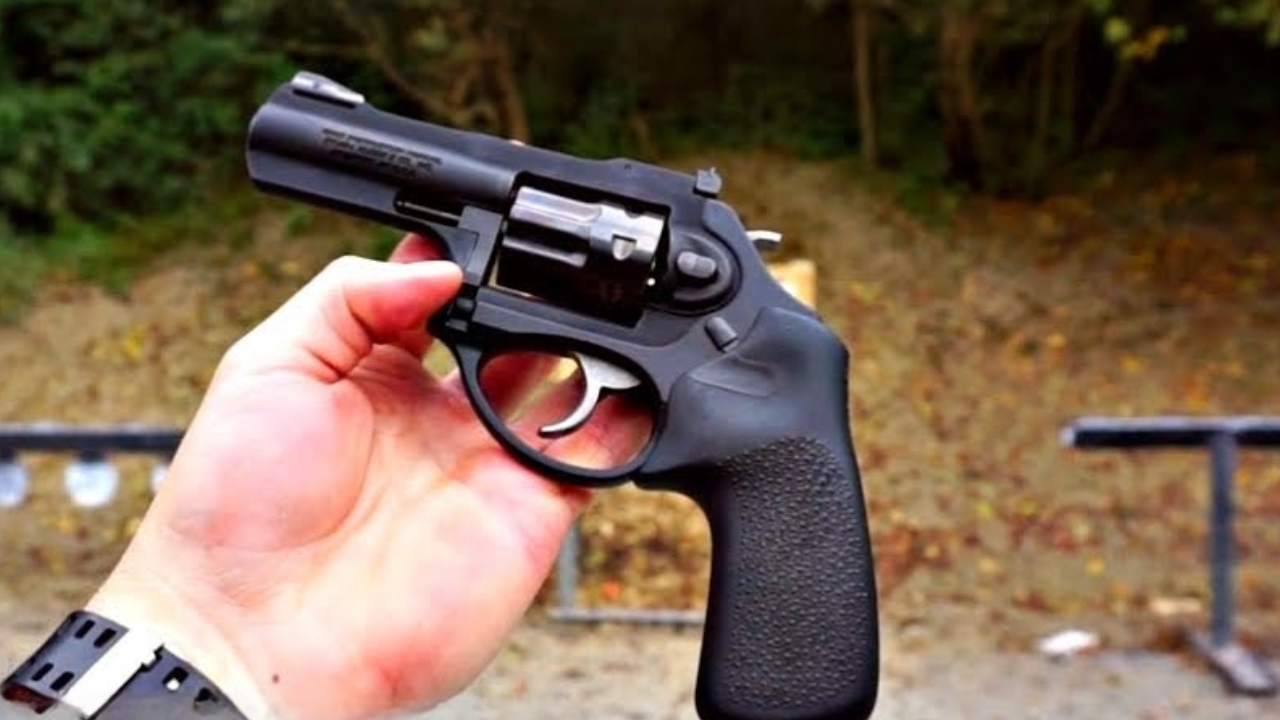
The Ruger LCRx 3-inch holds its own when semi-autos get finicky because it gives the owner a revolver that is light enough to stay practical but large enough to shoot with more confidence than the smallest snubs. The longer barrel, better sight radius, and improved handling all help, especially when compared with compact autos that can turn surprisingly unpleasant or unreliable once you move beyond ideal conditions.
It is also one of those revolvers that benefits from being easy to understand and easy to keep ready. You do not need to think about cycling, feeding, or magazine quality. You need good ammunition, decent fundamentals, and a gun in proper working order. That formula still appeals to a lot of people for good reason, and the 3-inch LCRx executes it well.
Taurus 856 Executive Grade

The Taurus 856 Executive Grade holds its own because it gives shooters a modern six-shot defensive revolver that still leans heavily on the basic strengths that make revolvers attractive when semi-autos get moody. It is simple, direct, and not dependent on the same chain of feeding and cycling events that can cause compact autos to start acting unreliable at inconvenient times. That alone gives it a real place in the conversation.
This version also benefits from a more polished feel than some shooters expect. It remains a practical revolver, not a range toy or showpiece, and that practicality is exactly why it deserves mention. When a semi-auto starts asking too much from the owner, a sensible six-shot revolver like this can look very appealing again.
Smith & Wesson Model 66 Combat Magnum
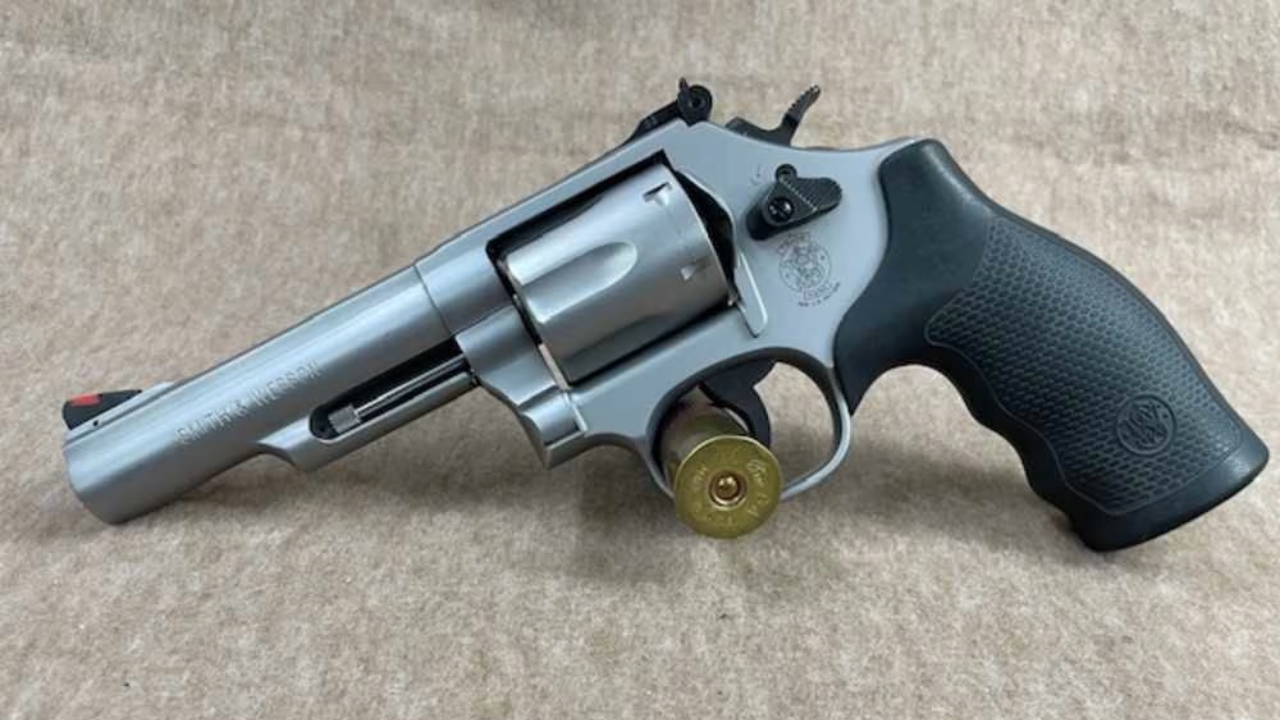
The Smith & Wesson Model 66 Combat Magnum holds its own because it gives shooters a very practical .357 Magnum K-frame that balances speed, size, and real-world handling extremely well. When a semi-auto gets finicky, people often rediscover how nice it is to have a handgun that does not care about magazine tuning, slide speed, or the exact way you are gripping the frame under stress. The Model 66 has long represented that kind of practical independence.
It also remains very shootable, which is what keeps it from being only a nostalgia piece. The gun points well, carries well for a revolver, and remains extremely viable with .38 Special or .357 Magnum depending on the role. That flexibility and steadiness are exactly what many people start wanting once self-loaders get temperamental.
Colt Cobra

The Colt Cobra holds its own because it is a lightweight defensive revolver that still gives you the clean directness of a wheelgun without becoming as punishing or as crude as some small revolvers can feel. When a semi-auto starts acting sensitive, the Cobra reminds you that defensive handguns do not have to be complicated to be useful. They have to be loaded, ready, and trustworthy.
That is where this gun makes its case. It stays compact enough for carry, it offers one more round than many traditional snubs, and it avoids the whole category of magazine and slide-driven headaches that can come with smaller autos. For people who value straightforward carry reliability, the Cobra still has a lot going for it.
Ruger Redhawk 4.2-inch

The Ruger Redhawk 4.2-inch holds its own when semi-autos get finicky because it was built around strength first and asks very little from the owner beyond ordinary revolver care and good ammunition. While it is a larger revolver than some on this list, that size comes with a kind of confidence that many people appreciate in home, field, or heavy-duty defensive roles. It is not there to be delicate.
It also offers the sort of rugged reliability that becomes very attractive when semi-autos start becoming ammo-sensitive or maintenance-sensitive. The Redhawk does not need a lot of explanation. It needs to be loaded and used properly. That kind of blunt practicality still earns a lot of respect.
Charter Arms Mag Pug
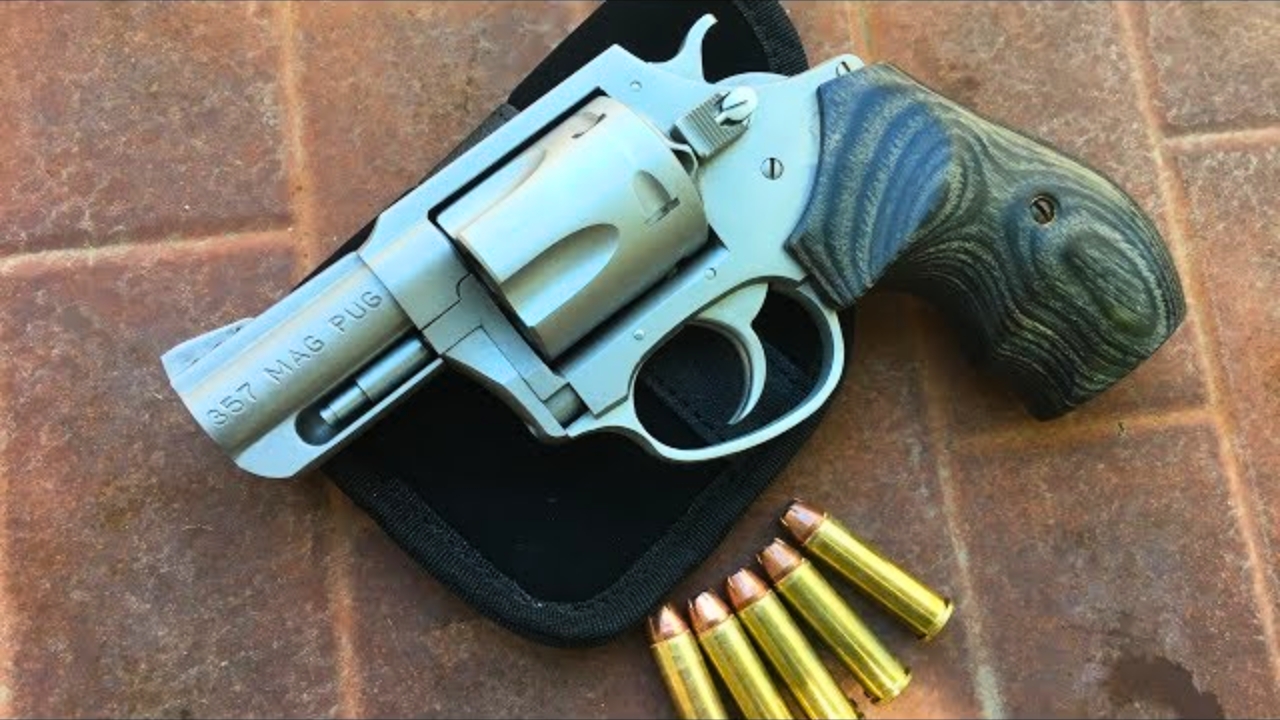
The Charter Arms Mag Pug holds its own because it gives people a compact revolver chambered in .357 Magnum that still leans into the revolver formula of direct defensive readiness. When semi-autos get finicky, especially smaller ones, one of the biggest appeals of a gun like the Mag Pug is that it remains simple. There are no magazine questions, no cycling concerns, and no need to think about whether the gun is going to like the exact load in it.
That simplicity is why revolvers like this keep staying relevant. The Mag Pug is not a target revolver or a match piece. It is a straightforward defensive revolver that keeps offering one of the oldest advantages in the handgun world: very little between the shooter and the next shot except a trigger press.
Like The Avid Outdoorsman’s content? Subscribe to our newsletter so you never miss an article.
Here’s more from us: