Photo credit: Glen Butler/YouTube
When you’re a few miles deep and daylight’s running out, the last thing you need is a rifle that starts to fall apart. You’ve probably had one—the kind that starts tight but loosens up fast, with hardware backing out, zero drifting, and a stock that sounds like it’s full of sand. These aren’t rifles that fail in the lab. They fail in the field—after being bounced around on a four-wheeler, hauled through rain, or leaned against the wrong tree one too many times. Some get loose because they were rushed through assembly. Others cut corners where it matters. Here are twelve rifles that tend to rattle apart when the hunting gets real.
Ruger American

The Ruger American punches above its price in a lot of ways, but field use reveals its soft spots. The synthetic stock on earlier models flexes, compresses, and doesn’t always hold tight against the action. You’ll start to hear creaks, and your groups will walk if you don’t catch it early. The bolt isn’t immune either—it can develop slop after long use if not cleaned and lubed right.
Hunters report scope bases working loose and action screws losing torque. It’s the kind of rifle that benefits from a bedding job and a careful once-over out of the box. If you don’t stay on top of it, it’ll start sounding like a tackle box halfway through season.
Savage Axis
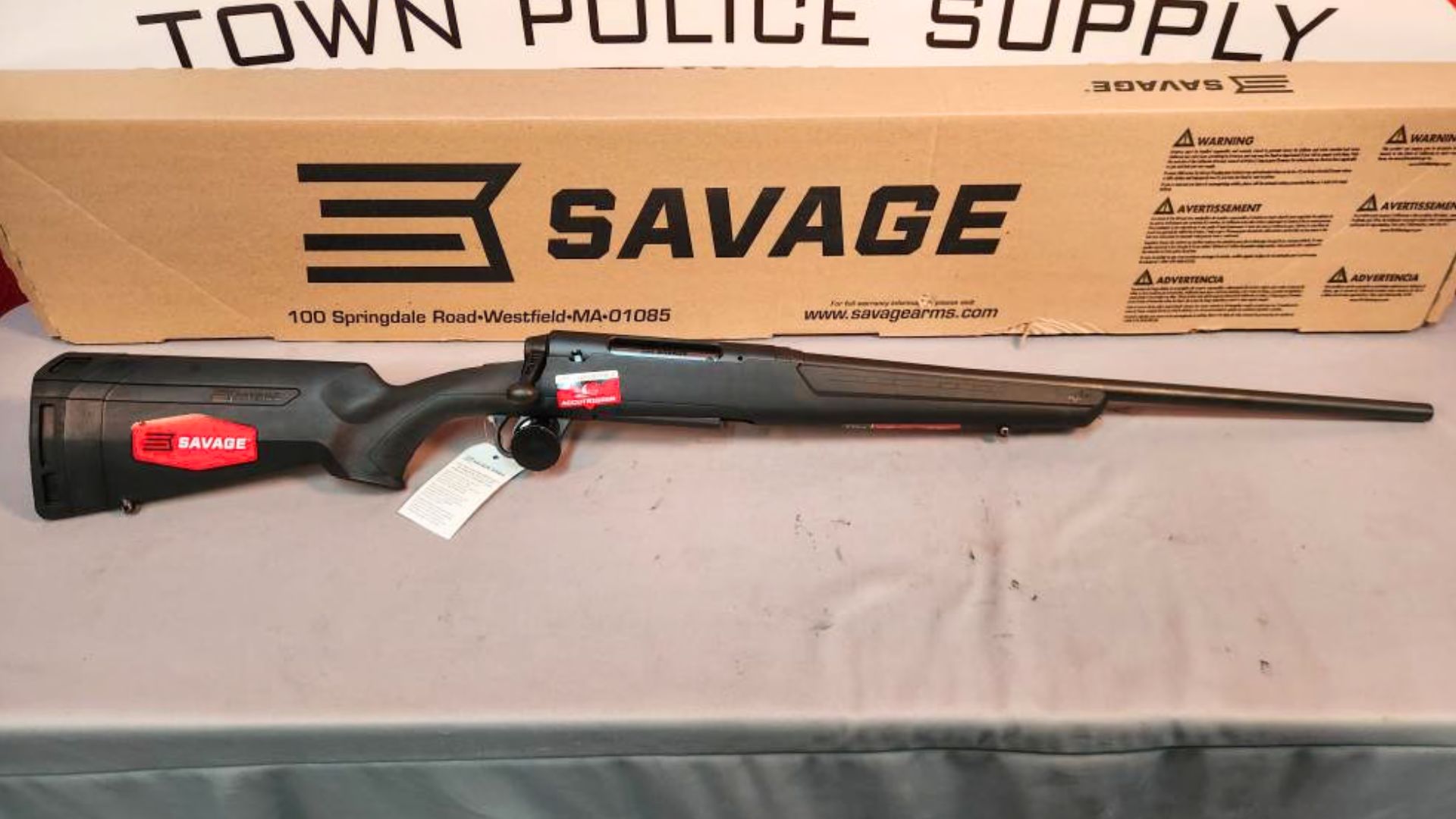
The Savage Axis was designed to be affordable, and that comes with trade-offs. The stock is hollow and prone to flex, especially under sling tension or bipod pressure. Combine that with a floating barrel and minimal bedding, and you’ve got a setup that moves on you more than it should.
After a few hunts, you’ll likely hear some chatter from the forend or stock-to-action interface. Scope mounts loosen up if they weren’t torqued right at the factory. It’s not uncommon to feel a wiggle at the bolt handle or magazine latch after a season of bumps and drops. Regular checks help, but some upgrades are needed if you want it to last.
Mossberg Patriot
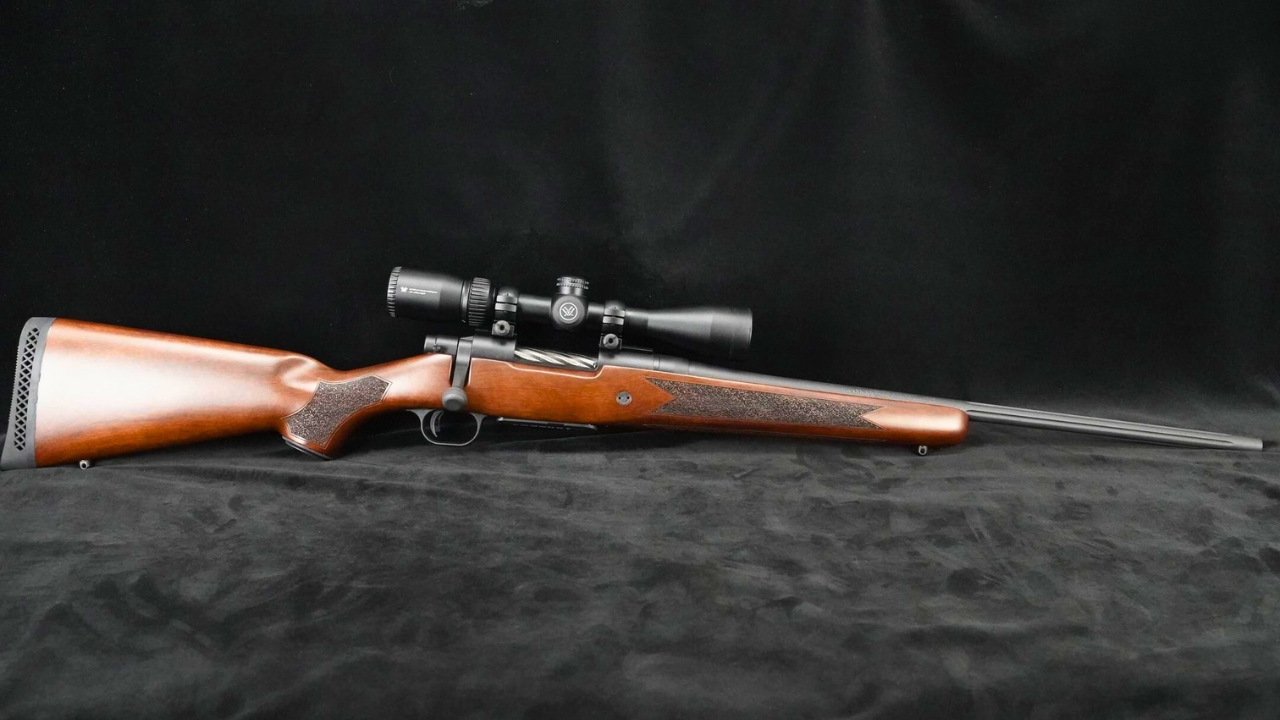
You get a lot of features on the Patriot for the price—spiral fluted bolt, decent trigger, and scope combos—but that lightweight stock is its weakness. Under real field pressure, the action can shift. Hunters have noticed the rifle developing squeaks, flex, and sometimes enough play to lose zero.
The sling studs have been known to rip out, and the plastic magazine doesn’t inspire long-term confidence. On top of that, the recoil lug bedding area can loosen under heavy recoil. Once that starts, everything else follows. It’ll still shoot fine at first, but don’t be surprised if it starts talking back after a few miles on your shoulder.
Remington 770
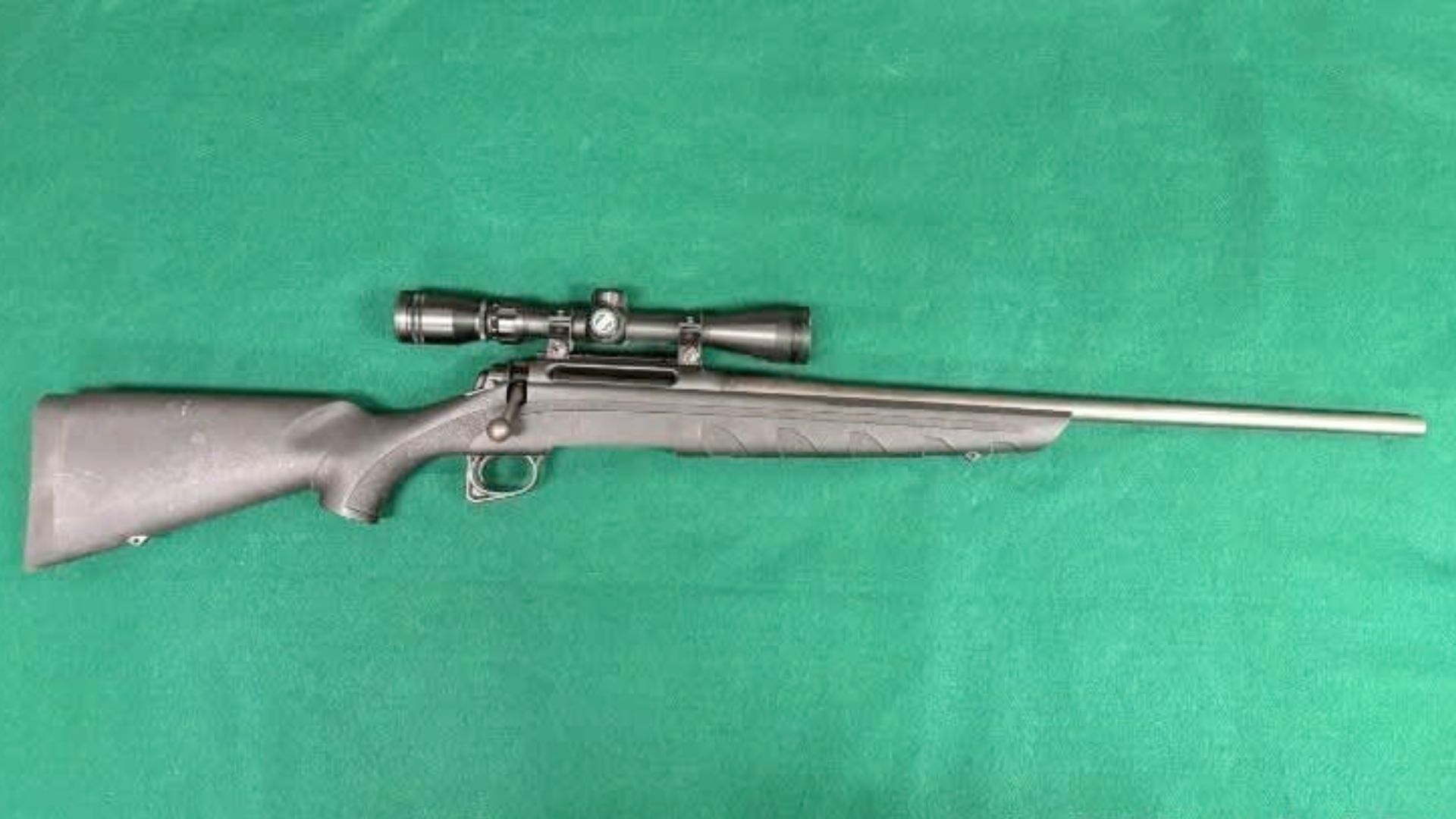
The 770 was never known for its quality, but it still shows up in deer camps. The action runs stiff, the bolt gets sticky, and the stock is as hollow as a toy gun. After a few hunts, you’ll start to hear it rattle even when you walk.
The scope mounts are integral and can’t be changed, which causes issues when they shift. The bolt handle has also been known to loosen or even snap with hard use. You’ll spend more time chasing screws and torque settings than shooting. Most hunters who’ve owned one either traded it off quick or turned it into a loaner they don’t mind losing.
Thompson/Center Compass
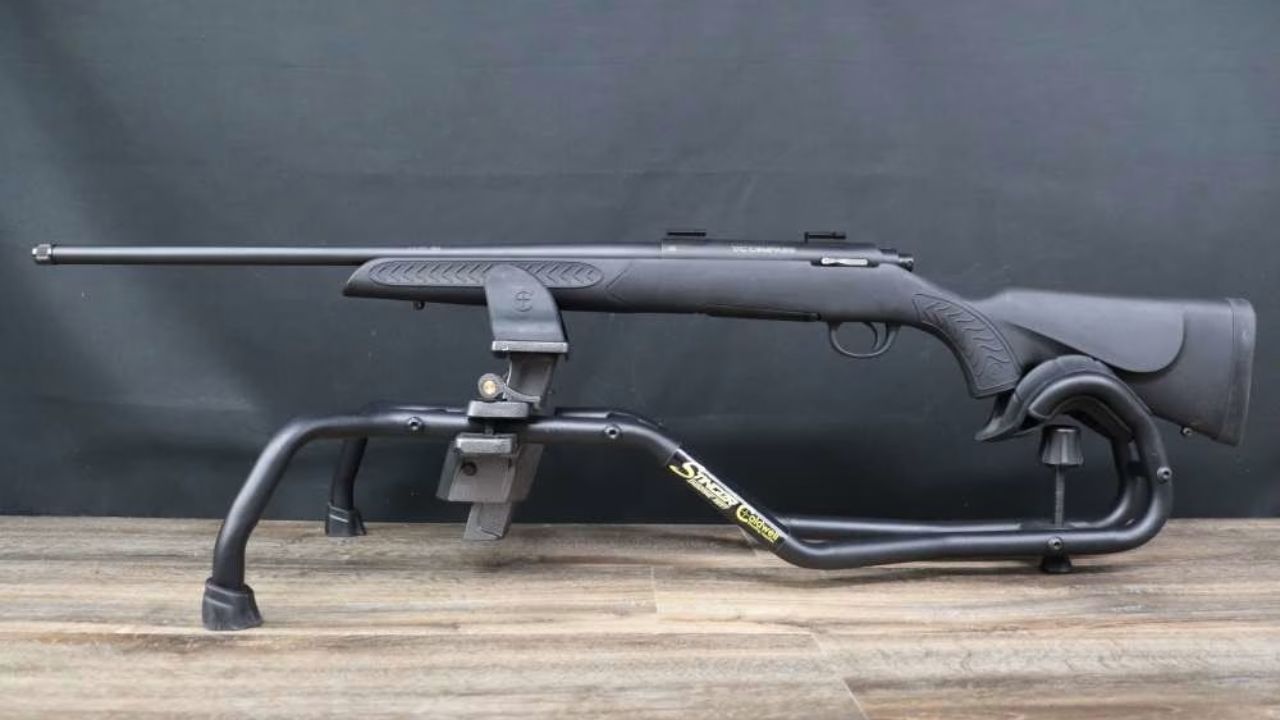
The Compass had a decent feature set on paper, but in practice, the polymer stock doesn’t hold up. You’ll hear creaks at the wrist or forend, and action screws have a habit of backing out unless you use thread locker. The trigger housing area feels soft, and with enough recoil cycles, you’ll get some movement.
Field reports show point-of-impact shifts after rough rides in trucks or slings. The rotary magazine can loosen up, and the safety switch isn’t the most confidence-inspiring. It’s the kind of rifle that sounds decent until the conditions get bad—then it starts singing the loose parts song.
Remington Model 710
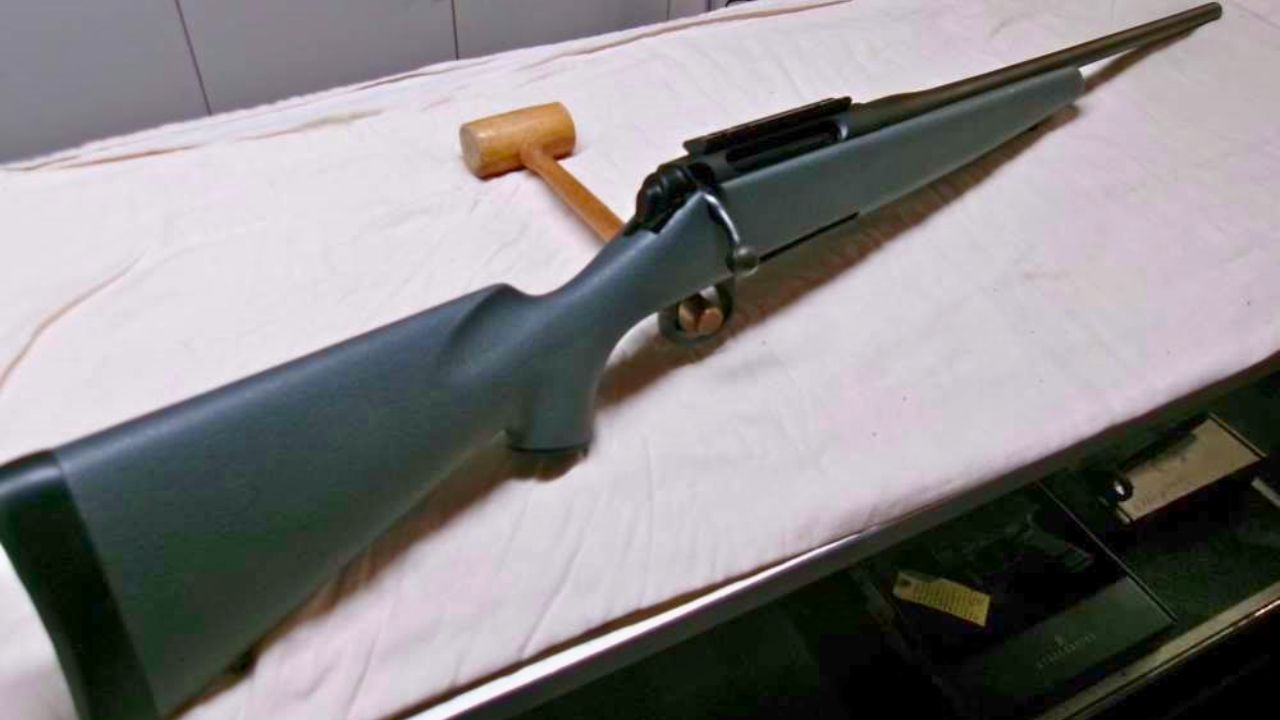
Like the 770, the 710 is one of those rifles people regret buying once it gets dirty. The bolt can stick or grind if you haven’t cleaned it after every trip. More importantly, the polymer stock and aluminum receiver bedding interface often develop play over time.
You’ll start to notice it when your cold-bore shots drift an inch or two, and the rifle creaks when you shoulder it. The factory scope and rings are nothing to trust either—they’ve rattled loose more than a few times in the field. This rifle needs constant TLC or it’ll shake itself apart before the season’s over.
PSA PA-10 (early models)

Palmetto’s PA-10 AR-10 platform has grown more refined, but early models had some real issues. Loose castle nuts, buffer tubes backing out, and undersized takedown pins all made for a rattly setup once you got through a few hundred rounds.
For hunters using it as a field rifle, the charging handle would often develop play, and scope mounts didn’t always sit square. The gas system wasn’t always tuned, which caused vibration and carrier bounce. These guns need to be torn down and reassembled right if you want them quiet and dependable in the field. Otherwise, they sound like a toolbox in your pack.
Browning AB3
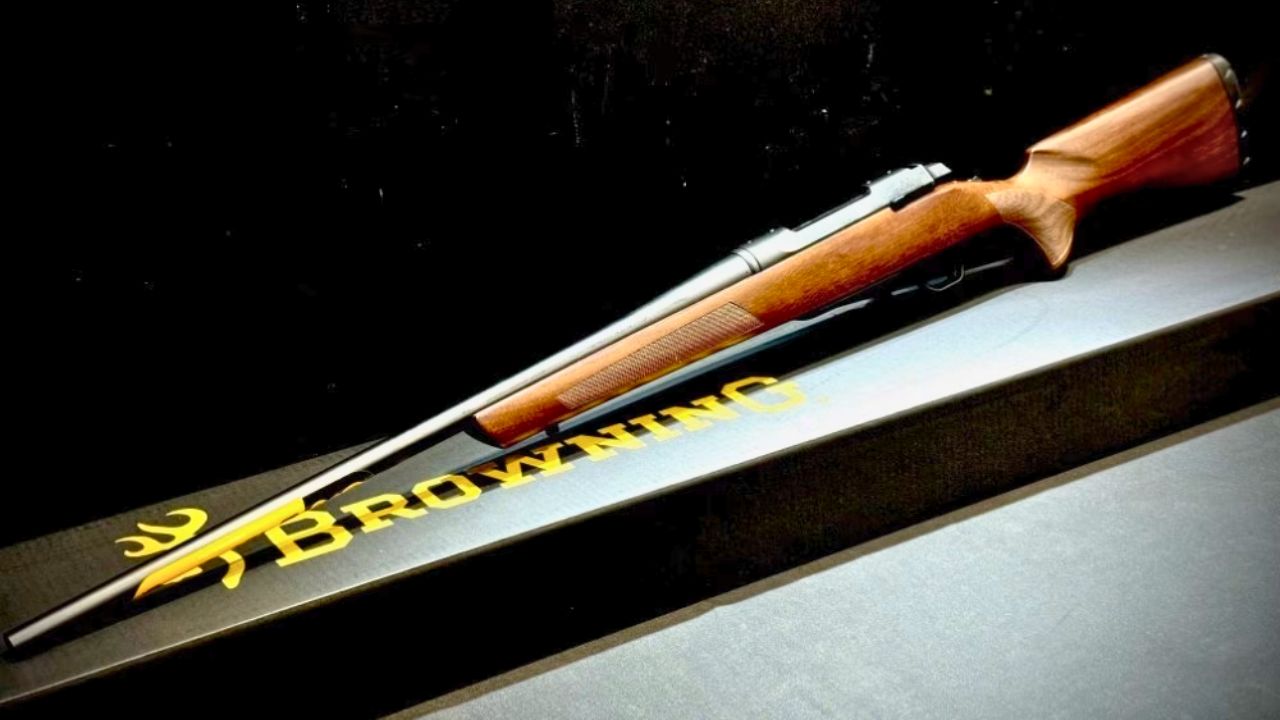
The AB3 is supposed to be the more affordable Browning option, but it doesn’t carry the same tightness as the X-Bolt. The bolt throw is a bit clunky, and the plastic bottom metal and magazine assembly don’t always hold up. You’ll notice rattling after a few seasons, especially around the mag well.
Some users have found that the recoil lug fit can shift slightly under pressure, and groups open up fast once that starts. Even the sling studs can loosen with time. It’s a rifle that can be made better with some aftermarket help, but out of the box, it’s got some growing pains in real-world use.
Marlin X7
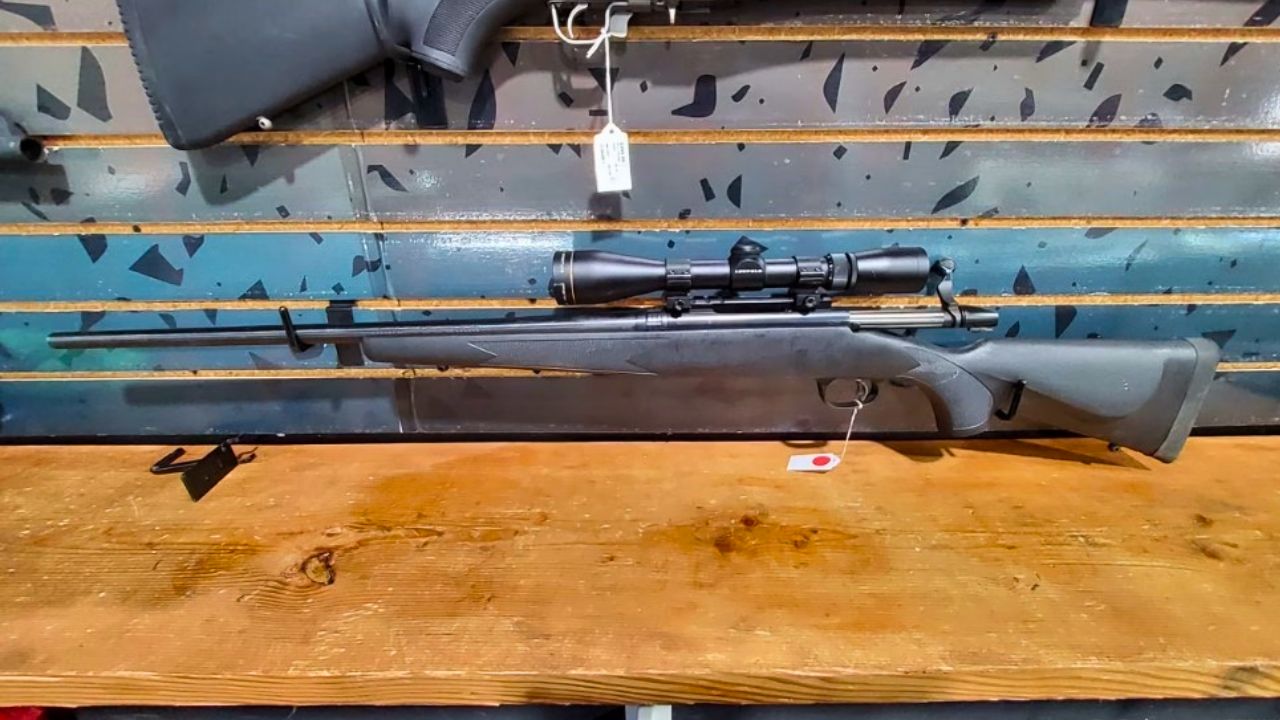
Marlin’s short run at bolt guns with the X7 series had potential, but the execution lacked staying power. The stock was a weak point, especially at the forend where it could touch the barrel under pressure. That led to wandering groups and a wobbly feel in the blind.
Hunters have reported the safety and bolt becoming loose after frequent carry, especially in wet weather. The action screws tend to loosen if they aren’t set with care. For all its good ideas, the rifle never held up to long-term abuse. Most who hunted hard with it found themselves upgrading or trading off.
Remington 783 (early runs)

The 783 came along trying to clean up Remington’s budget image, and while it shoots well out of the box, early runs had issues. The stock and recoil lug mating area was too soft, leading to action movement under recoil. With time, that small wiggle turns into a full-on rattle.
You might notice the trigger guard flexing or hearing the mag well buzz under tension. Hunters also complained about loose scope bases and mounting holes that weren’t centered. It’s better now in later versions, but if you picked up an early model on sale, double-check everything before trusting it in rough country.
Howa 1500 Hogue models

Howa makes a good action, but some of the factory Hogue-stocked models show their weakness after real field use. That soft rubberized stock feels nice in the hand, but it flexes more than you’d expect under sling tension or bipod pressure. You’ll hear it squeak, and zero can wander if the action shifts even slightly.
Some hunters have also run into scope bases loosening and the magazine system not seating right after extended carry. It’s not a dealbreaker if you bed the stock or torque things right, but if you skip that, the rifle can start to feel like it’s rattling itself apart by mid-season.
Winchester XPR
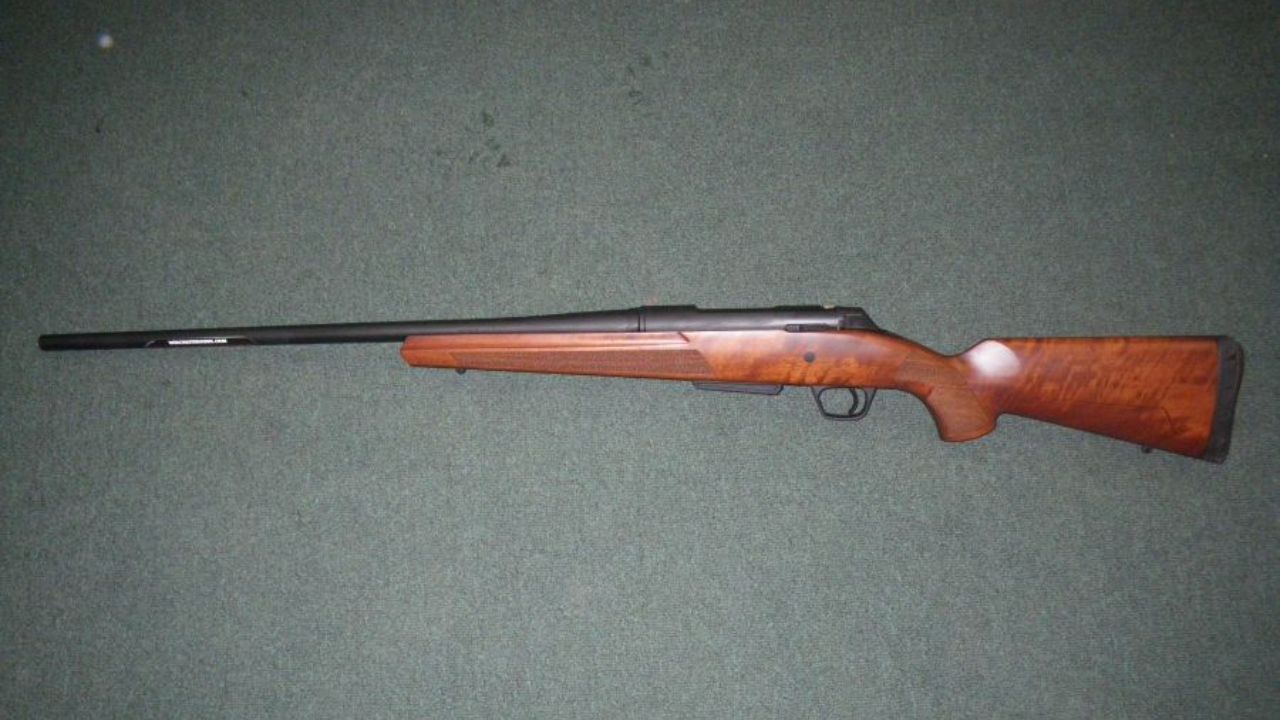
The XPR is Winchester’s take on an affordable bolt gun, but field reports have pointed out areas that don’t hold up to repeated abuse. The stock can compress at the recoil lug, and the action has been known to move under recoil if screws aren’t watched closely.
After a few hunts, the bolt can develop a clicky feel, and the magazine catch tends to loosen. Some users even report the safety mechanism wearing down and feeling spongy. It’s a rifle you can work with if you don’t mind maintenance, but if you leave it as-is, it might sound like it’s coming apart before season’s done.
Like The Avid Outdoorsman’s content? Be sure to follow us.
Here’s more from us:
The worst deer rifles money can buy
Sidearms That Belong in the Safe — Not Your Belt
*This article was developed with AI-powered tools and has been carefully reviewed by our editors.