Photo credit: 704 TACTICAL/YouTube
When you spend enough time behind rifles, you eventually run into the ones that wear out your patience faster than they wear out a barrel. These are the rifles that turn every range session into a guessing game, leaving you wondering whether your optic shifted or the gun simply refuses to behave. You torque the mounts, check the rail, swap rings, and even drag out another scope, but none of it fixes what’s really going on. Some rifles fight you no matter how much effort you throw at them. They wander, they string shots, and they turn solid optics into suspects. These are the rifles that make you question every optic you own, because they never give you the consistent baseline you need to trust your gear.
Remington 770
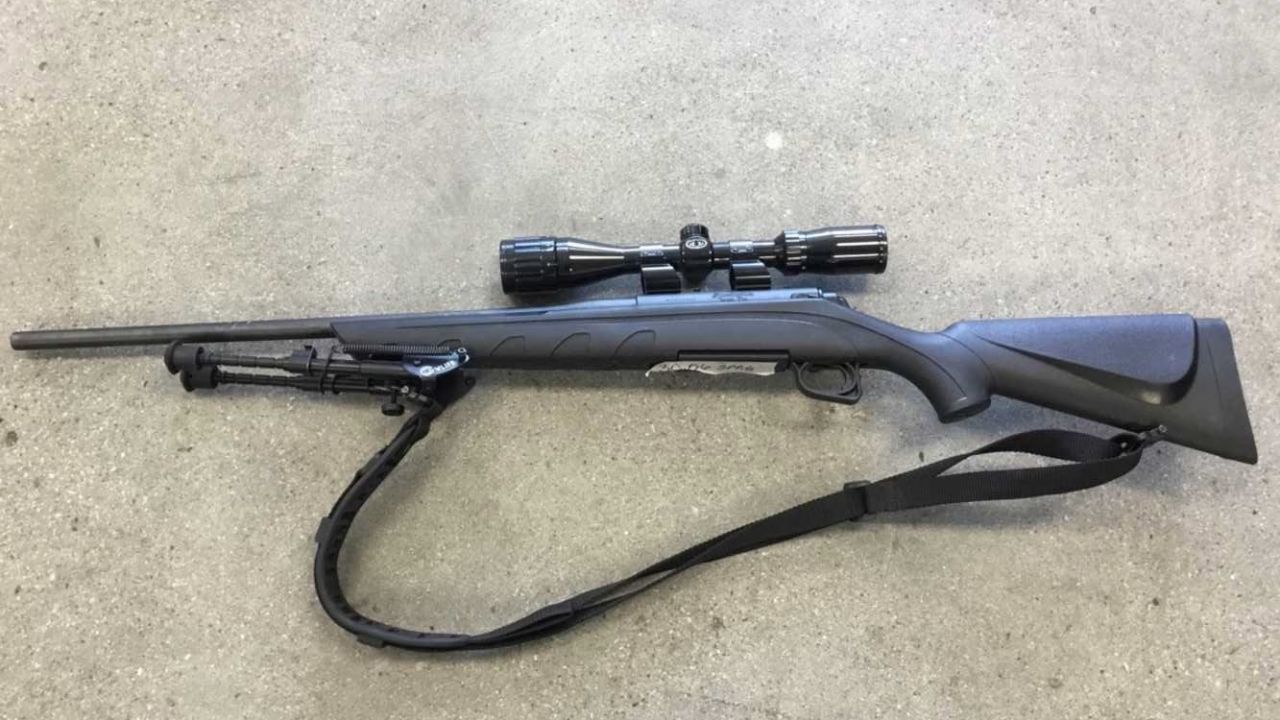
The Remington 770 has frustrated more shooters than almost any modern budget rifle. You try to give it a fair chance, but the inconsistent barrel fit, rough action, and flexible stock all work against you. Even when you mount a quality optic, the rifle struggles to deliver repeatable groups. You’ll chase zeros every outing, and even small bumps during transport can shift impact enough to make you think your scope is at fault.
What keeps you second-guessing is how unpredictable it can be. One group looks decent, the next falls apart, and nothing in your setup explains the shift. Most rifles let you isolate problems with a little troubleshooting, but the 770 keeps you in limbo. It’s the kind of gun that makes you swap optics out of frustration, even though deep down you know the glass isn’t the issue.
Mossberg ATR

The Mossberg ATR often lures shooters in with its approachable price, but the experience rarely holds up once you start testing it seriously. The stock has more flex than you want, and pressure changes on the forend can shift point of impact dramatically. You might tighten the action screws, re-level your scope, and still never track down the inconsistency. Every adjustment feels like a temporary fix rather than a solution.
What makes this rifle especially maddening is how its performance swings from outing to outing. Some days it behaves, and other days it throws shots well outside where you expect them. That kind of variability leads you to blame your rings or your optic before realizing the rifle itself is drifting on its own. It’s a classic example of a platform that pins the blame on good glass.
Winchester Model 770
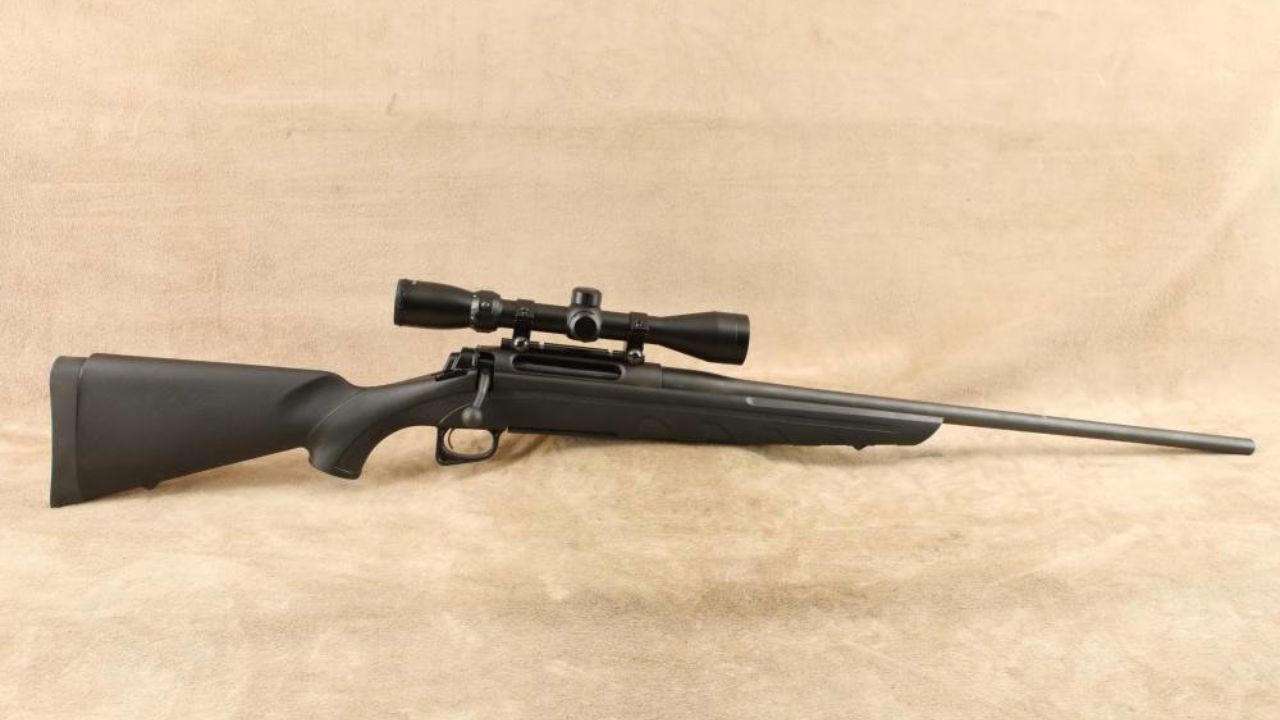
The Winchester 770 tries to fill an affordable niche but often leaves shooters wondering why their scopes suddenly feel unreliable. The combination of a lightweight, flexible stock and inconsistent bedding creates problems that even seasoned shooters can’t easily diagnose. You might think the optic is shifting, only to find the stock is torquing differently every time you rest it.
The rifle doesn’t give you the stable foundation you need to evaluate optics. You end up swapping mounts, adjusting torque values, and trying multiple scopes, thinking you’ve narrowed it down to hardware. But the underlying issues persist. Many rifles can get away with minor quirks, but this one amplifies them until your confidence in your optics starts to fade.
Remington 710
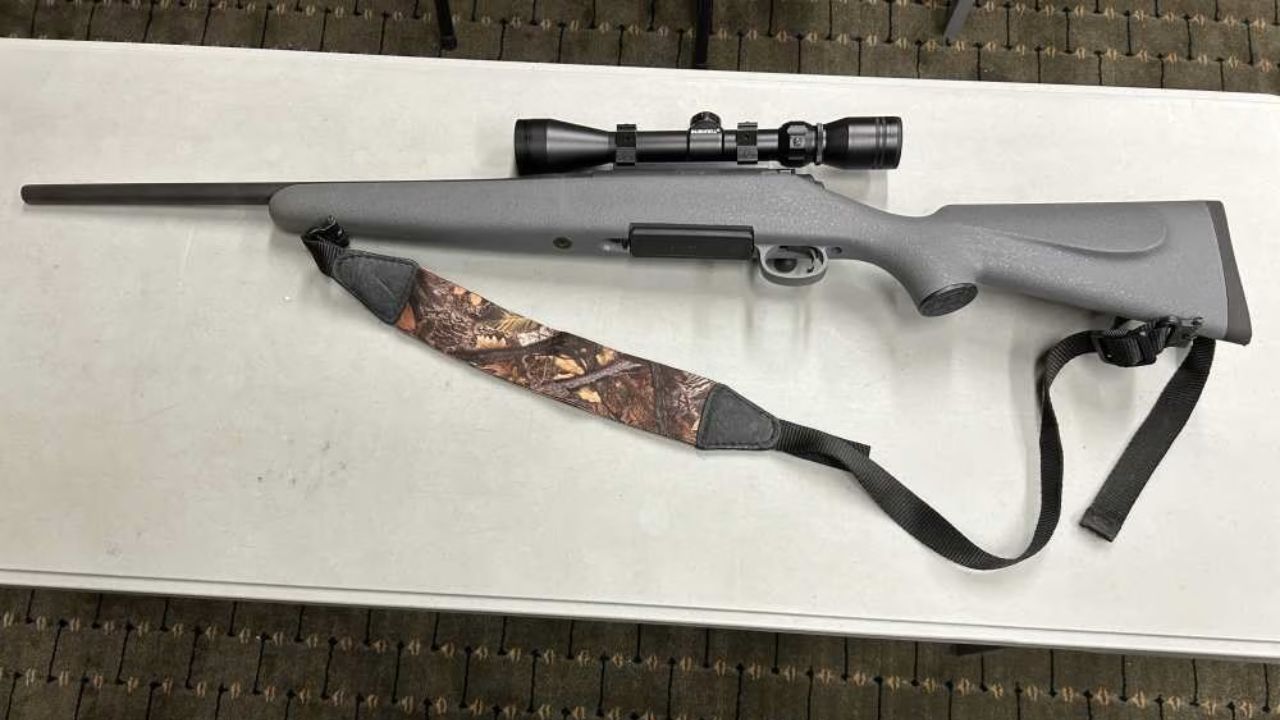
The Remington 710 earned its reputation for wandering groups long before the 770 arrived. The molded receiver insert, rough bolt travel, and inconsistent chambering all combine into a rifle that rarely prints the same pattern twice. Even with a dependable optic, you find yourself chasing impact across the target, convinced something in your setup shifted.
What makes the 710 especially deceptive is how it’ll occasionally give you a promising group just long enough to keep you guessing. You go home thinking the optic is steady, only to return and see everything fall apart again. It’s the kind of rifle that convinces you to troubleshoot gear that didn’t need troubleshooting in the first place.
Savage Axis (First Generation)

The first-generation Savage Axis has potential but comes with a stock that works against most optics. The forend flexes easily, and even moderate pressure—whether from a bipod or a tight rest—can shift your impact dramatically. It leaves you wondering whether your scope is wandering when, in reality, the rifle’s geometry is shifting shot to shot.
What keeps shooters confused is how the Axis sometimes performs well enough to mask the issue. You’ll get a respectable cluster, then an unexpected flyer that convinces you to re-check your mounts. Without bedding work or an aftermarket stock, the platform struggles to give consistent feedback. Many blame their optics long before they blame the rifle.
Ruger American (Early Lightweight Stock Models)

The Ruger American shoots well in many configurations, but the early lightweight stocks made consistency a challenge. Those stocks flexed enough under recoil or sling tension to alter where the barrel pointed ever so slightly—just enough to send groups scattering. When your point of impact shifts without a clear reason, the first thing you suspect is the scope.
The rifle’s potential is there, but the stock creates enough variability that you might swap optics, torque screws, and break out the Loctite before realizing nothing on the rail is moving. Once you put the action in a sturdier stock, it behaves, but until then it makes even seasoned shooters question their equipment.
Browning A-Bolt II Micro Hunter (Whippy Lightweight Barrels)

The A-Bolt II Micro Hunter features a thin barrel that heats quickly, and when it does, accuracy changes in ways that make you question everything on the rifle. The early shots may group tight, but once the barrel warms, the pattern shifts enough to convince you your optic lost zero. The lightweight platform exaggerates this shift even more.
Shooters often confuse this heat-driven drift for optic failure, especially because the rifle handles and cycles so well that you assume the glass must be the issue. But no amount of ring swapping or torque checking fixes a barrel that strings shots as it heats. It’s an easy rifle to like, but it can make you doubt your scope far more than necessary.
Marlin X7 Lightweight Models
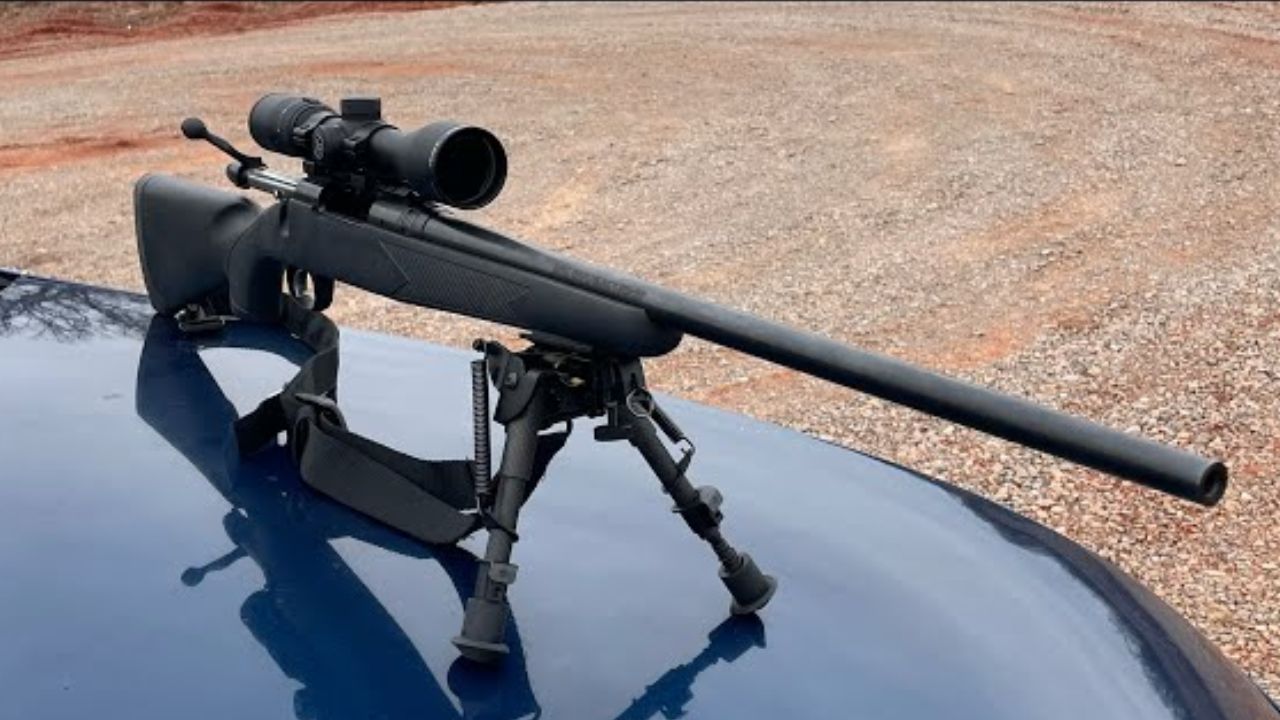
The Marlin X7 line earned respect for good triggers, but the lightweight models struggled with thin barrels and flexible stocks. A small change in pressure—whether from your rest or your shoulder—could cause a noticeable shift in accuracy. That kind of inconsistency makes you wonder whether your mounts or rings are slipping.
The X7 isn’t unreliable, but it’s sensitive. And sensitive rifles convince shooters to question their optics long before they question technique or bedding. You may spend entire sessions swapping glass before you realize the rifle’s fitment is the actual culprit. Once you reinforce it properly, things improve, but until then it’s a guessing game.
Weatherby Vanguard Synthetic (Early Hollow Stocks)

Earlier synthetic Vanguard stocks had enough hollow flex that the rifle never settled into a truly consistent pattern. Even though the barreled action was solid, the stock allowed enough movement that your point of impact shifted more than expected. It’s the kind of change that makes you start debating whether your scope held zero.
You might tighten action screws until you’re certain they’re perfect, yet the rifle keeps wandering. Many shooters blamed their optics until they replaced the stock and saw immediate improvement. The Vanguard action is proven, but the early polymer stocks caused enough inconsistency to hide that potential.
Howa 1500 Lightweight Sporter
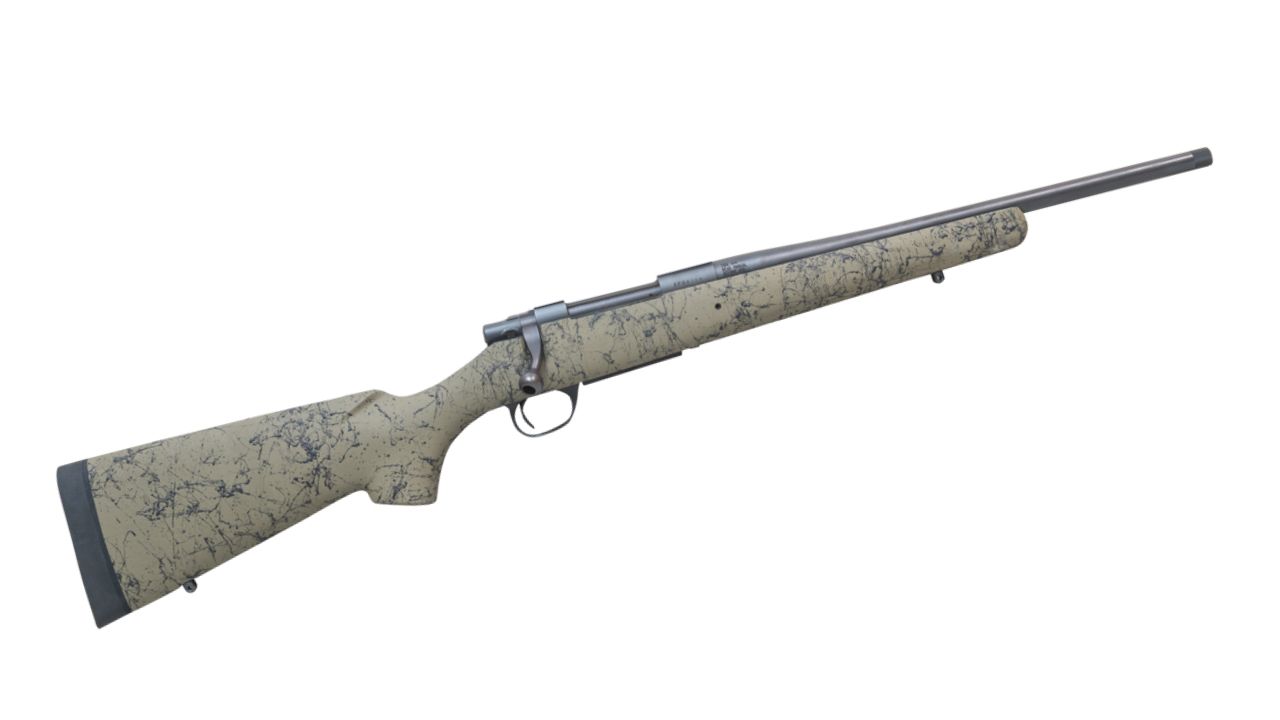
The Howa 1500 is usually steady, but the lightweight sporter versions can frustrate shooters who aren’t expecting barrel sensitivity. Once the barrel heats, it moves slightly enough to open groups, and because the rifle starts strong, the shift can trick you into thinking your optic is drifting. The action is dependable, but heat management becomes a real factor.
That slow, creeping shift in impact makes you check mounts, rings, and even your optic’s internals before you realize the cause is thermal movement. Many rifles experience this, but lightweight Howas exaggerate it enough to make troubleshooting feel like chasing shadows.
Tikka T3 Lite (Heat Sensitivity)

The Tikka T3 line is known for accuracy, but the Lite models with thin barrels can still cause trouble when the heat builds. You might get three clean shots that stack beautifully, then watch the next ones drift outward in a way that looks suspiciously like a scope issue. The rifle’s smooth action and excellent trigger make you assume the optic must be the culprit.
This heat sensitivity isn’t a flaw so much as a byproduct of the lightweight design, but it can mislead shooters into overhauling their optic setups. Once you learn its rhythm, it’s predictable, but until then it can make even experienced shooters second-guess their gear.
Remington Model 742 Woodsmaster

The Remington 742 has a long history of reliability concerns, and accuracy shifts are a common part of that story. Wear in the action rails, inconsistent lockup, and heat buildup lead to drifting groups that mimic optic problems perfectly. You tighten your mounts, re-zero, and still watch the rifle wander.
The 742 can tease you with a decent group before opening up dramatically. That pattern is confusing enough to send you down the optics rabbit hole. In most cases, the problem isn’t the glass—it’s the rifle’s aging system slowly losing its tightness. For many shooters, the 742 is the definition of a rifle that makes you question your optic.
Remington Model 7400
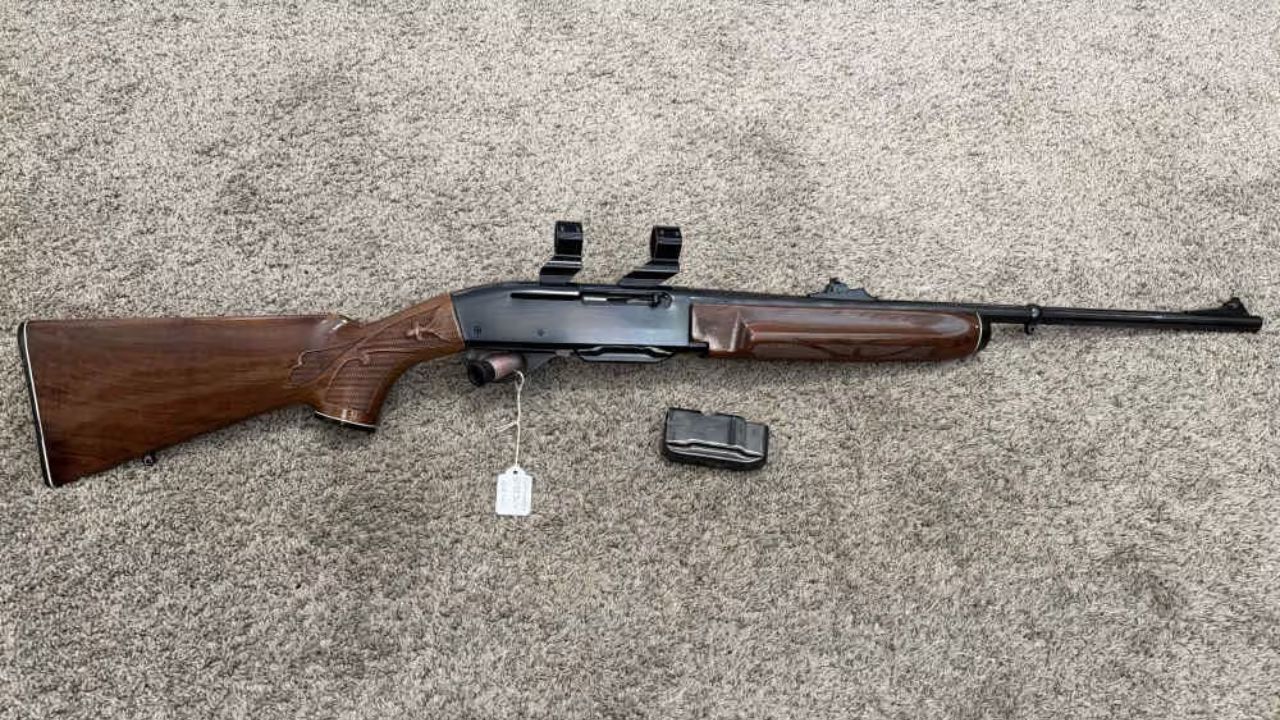
The Remington 7400 followed the 742 lineage with similar issues. Inconsistent cycling and wear over time make accuracy unpredictable, especially after heat builds in the chamber area. You’ll chase drifting groups until frustration sets in because everything points toward optic failure when the rifle’s lockup is the real issue.
The 7400 shoots well when things are perfect, but the margin for error is narrow. As it ages, that inconsistency grows, and shooters often adjust or replace optics that never needed attention. It’s a rifle that can blame your scope for problems it created.
Ruger Mini-14 (Older Models)

Older Mini-14s earned a reputation for wide, wandering groups. As the barrel warmed, reliability stayed fine, but accuracy often deteriorated enough to make shooters assume their optic shifted. Rail mounts and rings took the blame for decades before the real issue—barrel design—became widely accepted.
The gun cycles well and handles beautifully, which tricks shooters into thinking the optics must be the weak point. But once the heat builds, grouping unpredictability overshadows everything else. Without aftermarket work or newer designs, the Mini-14 can send you chasing optic issues for months.
SKS Variants (Worn Surplus Examples)

Many SKS rifles run reliably but struggle with consistent accuracy, especially worn surplus versions. Loose-fitting components, uneven crowns, and aging bores can send groups scattering unexpectedly. That scattering leads shooters to wonder if their mounts or scopes are shifting when the real culprit is the rifle’s condition.
Mounting optics on an SKS often means dealing with cover-mounted or side-mounted setups that never lock in perfectly. Even when the optic holds, the rifle’s natural inconsistencies make you think it didn’t. The SKS is reliable mechanically, but accuracy can feel unpredictable enough to blame optics you shouldn’t be blaming.
Like The Avid Outdoorsman’s content? Be sure to follow us.
Here’s more from us:
The worst deer rifles money can buy
Sidearms That Belong in the Safe — Not Your Belt
*This article was developed with AI-powered tools and has been carefully reviewed by our editors.