Photo credit: Christensen Arms
Some rifles look great on paper—long barrels, tight tolerances, and all the promises of flat trajectories and better velocities. But once you start dragging them through the woods, up the side of a ridge, or into a cramped treestand, that extra length starts to work against you. You end up with a gun that handles like a flagpole and delivers performance that doesn’t match the burden it brings.
There’s a point where a longer barrel stops adding real-world value and starts making things harder. You’re not gaining much in velocity, you’re not seeing better groups offhand, and your follow-up shots slow down. If you’ve hunted with any of these rifles, you know what I’m talking about. They shoot fine at the bench, but in the field, they remind you that barrel length doesn’t always equal better.
Ruger American Predator 6.5 Creedmoor

This rifle gets a lot of love for the price tag and the accuracy you can squeeze out at the bench. But in the woods or on the mountain, that long, heavy barrel becomes more of a hassle than a help. It’s not threaded on all models, the balance feels front-heavy, and it doesn’t carry well. Add in the slick bolt that can lift on you in the sling, and it starts to feel less like a field rifle and more like a test mule for Hornady’s favorite cartridge. It’ll print cloverleafs, sure—but once you’re more than 50 yards from the truck, you might start wondering why you brought it.
Remington 700 SPS Tactical

On paper, a 20-inch heavy barrel chambered in .308 Win sounds like a do-all setup. But throw it on your shoulder for half a mile and the weight tells another story. These rifles can shoot, no doubt, but the fat barrel and mediocre synthetic stock turn this into a range queen real fast. The recoil isn’t noticeably softer, and accuracy gains disappear once you move off bags. Hunters think they’re getting a precision tool with field chops. What they get is a gun that makes them wish they’d picked something handier every time they hear leaves crunch before legal light.
Winchester Model 70 Super Grade

You buy it because it looks right. The barrel is long and polished. The walnut is pretty. It feels like a real rifle—and it is. But that 24-inch barrel in .30-06 doesn’t offer much over a 22-incher unless you’re handloading 220-grain partitions or chasing elk in wide-open country. For most hunters in the woods or patchy farmland, the extra length snags on branches and slows you down. Accuracy’s fine, recoil’s manageable, but carrying it day after day reminds you this thing was made for a different era—one with horse scabbards and fewer fences to climb.
Savage 110 Long Range Hunter

You expect a long barrel when the word “long range” is stamped on the receiver. But once you lug this rifle into the field, you realize it’s more suited to steel plates than whitetails. The weight is tolerable if you’re prone behind a bipod. In a treestand or dragging through brush? That 26-inch barrel in .300 Win Mag feels like a sailboat mast. It balances poorly, and quick follow-up shots aren’t easy. Sure, it shoots tight, but that doesn’t make it a good hunting rifle. If you’ve carried one in elk country, chances are you’ve thought hard about cutting it down.
Marlin 1895 SBL (Pre-Ruger)
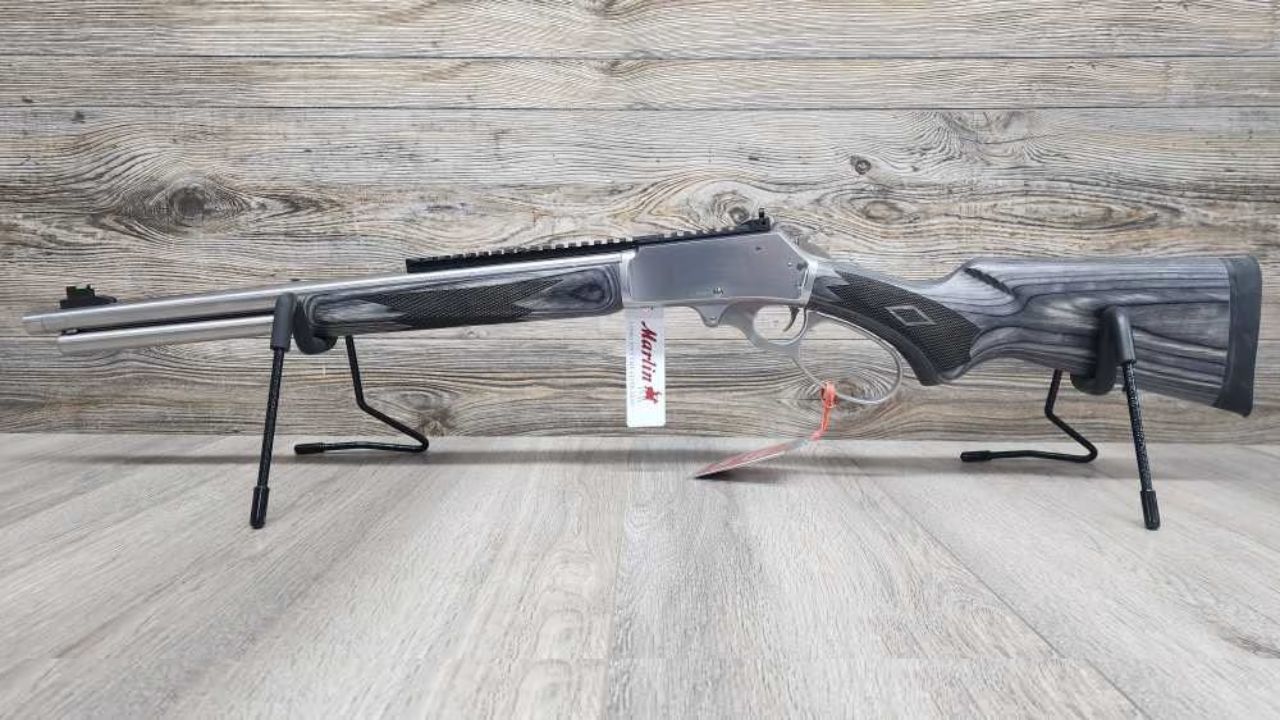
The modern stainless and laminate look good, and the 45-70 chambering brings a lot of power. But that 19-inch barrel might as well be 26 when you add the full-length mag tube, thick forend, and scope. It feels bulky, and the recoil is sharp. You get one good shot before your fillings rattle. Accuracy isn’t bad, but it’s not great either. Add in spotty quality control from the Remington years, and it’s easy to regret dragging this thing up into a stand or down a game trail. It’s a showpiece that handles like a shovel in thick cover.
Tikka T3x Varmint

If you hunt coyotes from a blind or deer from a field edge, this rifle might be fine. But for the average walk-and-stalk hunter, the long heavy barrel in .223 or .308 wears out its welcome quick. It’s accurate, sure. But the whole package is better suited for a bench than a backpack. It’s front-heavy, slow to shoulder, and doesn’t swing well offhand. For a gun this long, you expect reach—but ballistically, you’re not getting much more than a standard sporter. Unless you’re punching paper or fur from a fixed position, you’ll probably start wishing you’d picked something lighter.
Mossberg Patriot Predator .300 Win Mag
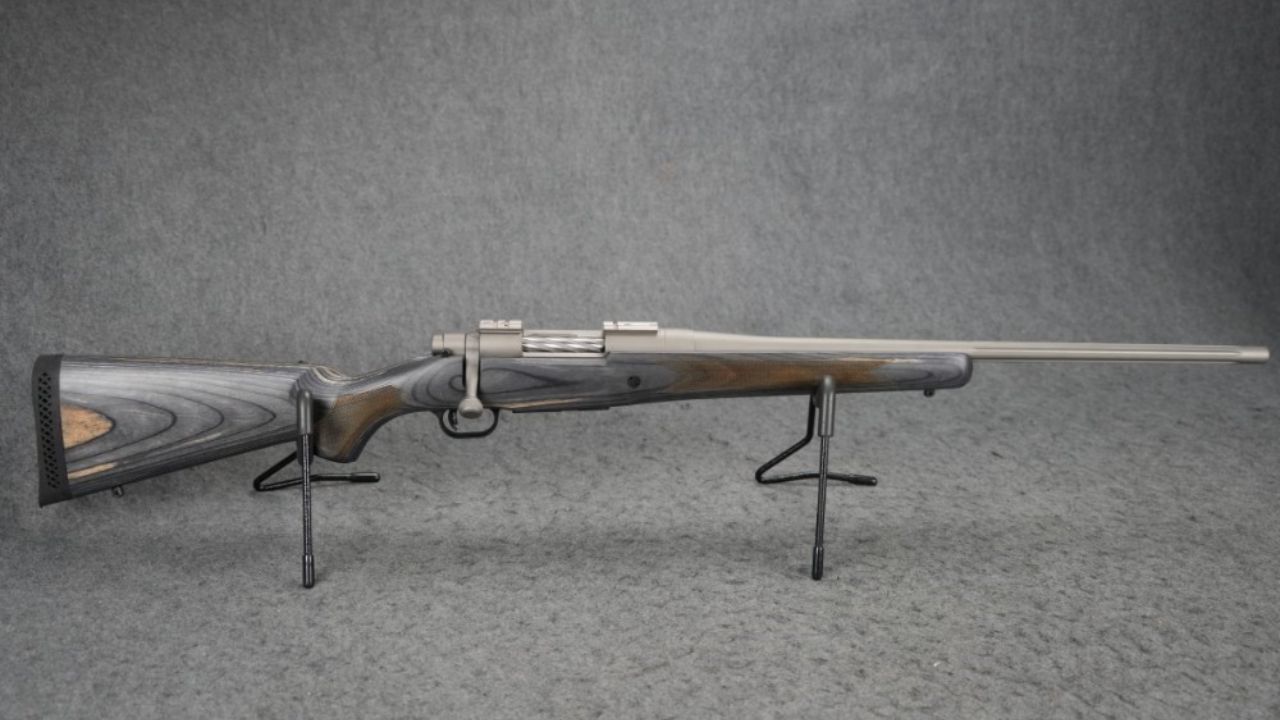
The barrel length makes sense if you’re trying to wring every last foot per second from a magnum. But the rifle itself isn’t built to handle that pressure comfortably. The plastic stock flexes, the recoil pad feels like cardboard, and it’ll rattle your fillings if you’re not ready for it. Add in the awkward length in a tight blind or heavy timber, and the whole package starts to feel mismatched. Accuracy is passable but not impressive. The juice isn’t worth the squeeze. It looks like a hunter’s rifle on the rack, but feels like a chore in your hands.
CZ 557 Sporter .30-06
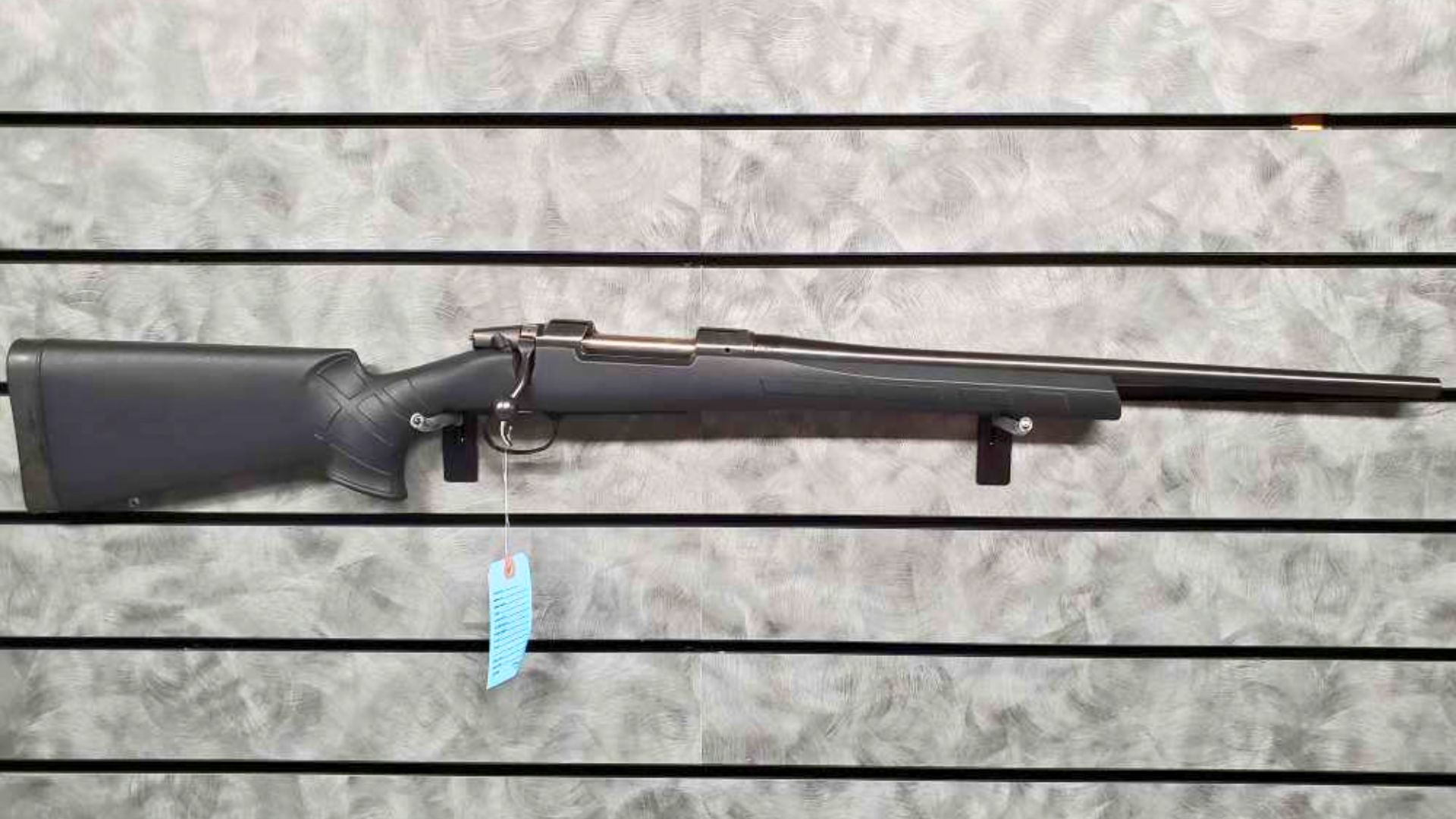
CZ makes solid guns, and the 557 isn’t the worst out there—but this one feels like it was built for the range, not the ridge. The 24-inch barrel in .30-06 adds unnecessary weight and length without giving you much more than a few extra feet per second. It’s slow to mount and doesn’t balance well offhand. The recoil impulse feels more drawn out than sharp, which some shooters like, but it doesn’t help follow-up shots in the field. It’s a rifle you respect at first, then quietly retire after one season of trying to make it work in the woods.
Browning X-Bolt Hell’s Canyon Long Range
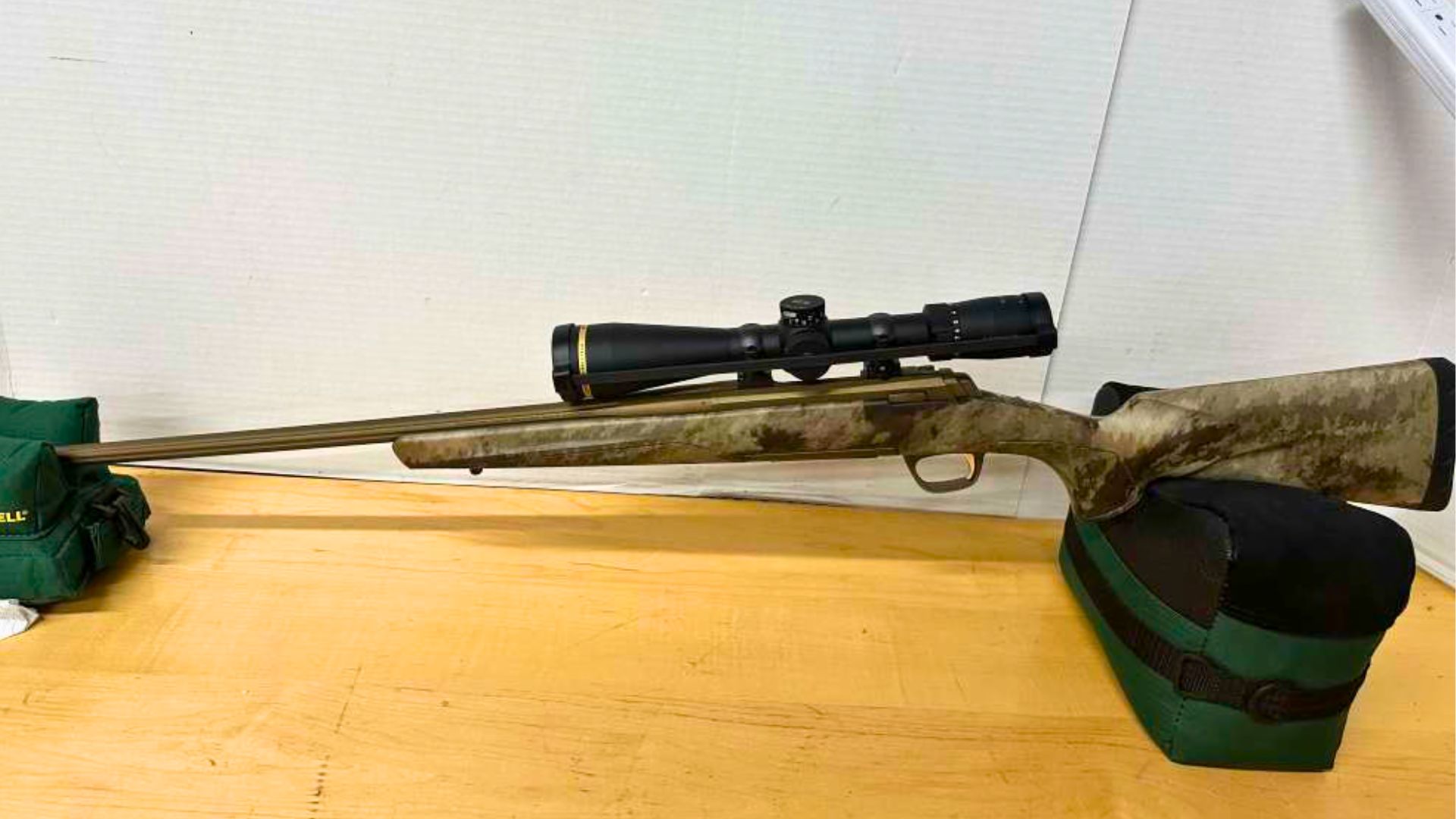
Cerakote looks good. Threaded muzzle’s a nice touch. But that fluted barrel is longer than it needs to be unless you’re really leaning into handloads and long-range work. Most hunters grabbing this in 6.5 PRC or .300 Win Mag end up realizing it’s a better match for a range day than a backcountry hunt. The stock is wide, the gun’s nose-heavy, and unless you’re packing in with a sled, it’ll wear you out. It’s not inaccurate by any means, but it’s overbuilt for 90% of real-world hunting. The first trip out usually exposes that hard truth fast.
Weatherby Vanguard Series 2 Synthetic

These rifles aren’t bad by any means, and in calibers like .270 or .30-06, they shoot fine. But the 24-inch barrels paired with stiff synthetic stocks make them feel like they’re trying too hard to be target rifles. You’re not getting much velocity gain from that length unless you’re loading heavy-for-caliber rounds. The balance is awkward, and it doesn’t settle into your shoulder naturally. It’s the kind of rifle that sounds good at the counter but feels clunky after a few miles in the field. Accuracy is solid, but handling leaves most hunters wishing they’d sized down.
Howa 1500 Hogue in .308

This rifle gets recommended a lot—and it’s not a terrible pick if you’re bench shooting. But in the field, the combination of a 22-inch barrel and that squishy Hogue stock makes for a rifle that doesn’t track well. It flexes more than you expect when braced against a tree or blind rail. The longer barrel in .308 doesn’t really give you any edge in performance, and it’s not enough rifle to reach way out there anyway. Hunters who carry one season after season often end up leaving it behind for something shorter, stiffer, and easier to trust in a snap.
Christensen Arms Mesa Long Range
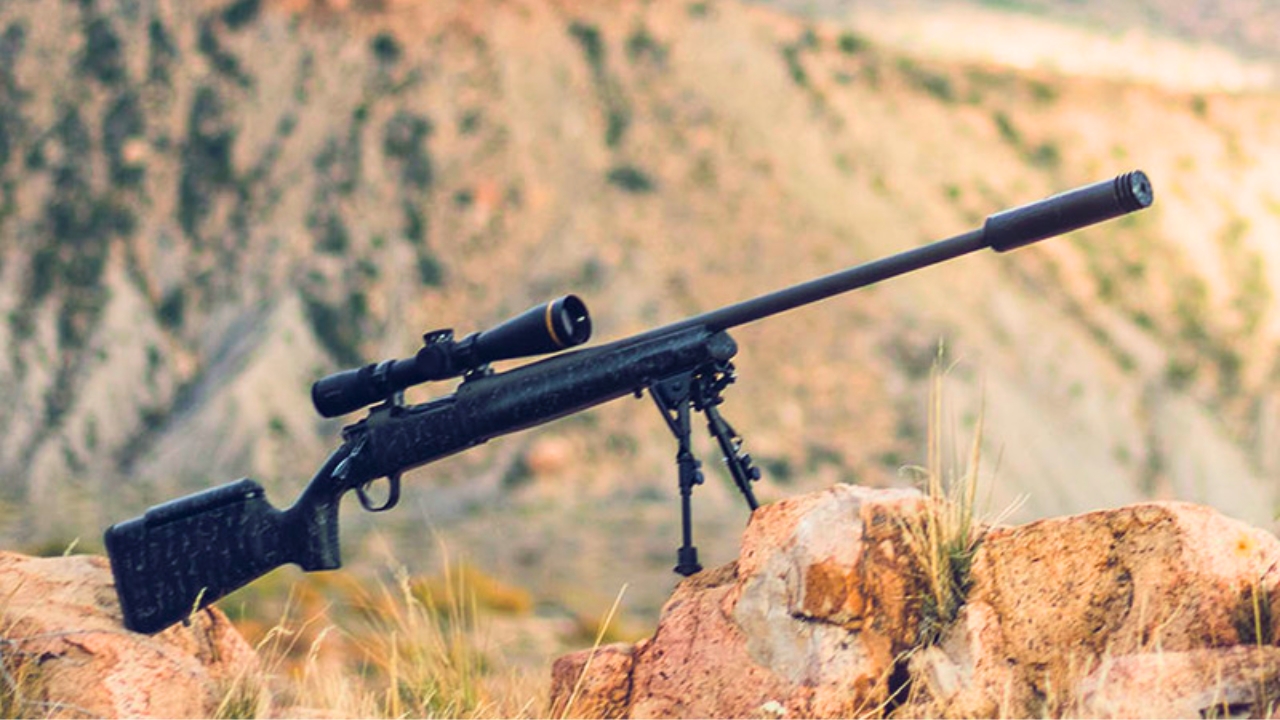
This one tempts you with carbon fiber touches and modern styling. But once you get it in the field, the flaws stand out. The barrel is longer than it needs to be, especially in 6.5 Creedmoor, and the balance is off. The stock feels great on the bench, but in a treestand or walking fence lines, it’s bulky. The accuracy is there if you’ve got time, but quick follow-up shots or offhand work? Not so much. It’s the kind of rifle that makes a strong first impression and a quiet exit after your second or third missed shot in the field.
Like The Avid Outdoorsman’s content? Be sure to follow us.
Here’s more from us:
The worst deer rifles money can buy
Sidearms That Belong in the Safe — Not Your Belt
*This article was developed with AI-powered tools and has been carefully reviewed by our editors.