Photo credit: Savage Arms
There are plenty of cartridges that look impressive on a target but fall apart once you put them to the real test in the field. Paper doesn’t care about velocity, sectional density, or bullet construction—it only shows you holes in a tight group. Game animals are a different story, and that’s where some calibers get exposed. Hunters sometimes learn the hard way that what shoots clean groups at the range doesn’t always translate to clean, ethical kills. Factors like penetration, energy retention, and bullet performance matter far more than raw accuracy. When you pick the wrong cartridge, you might end up with a well-placed shot that doesn’t anchor the animal. That’s why you need to know which calibers stay in the “target only” category, despite their range appeal. Here are some that might surprise you with how fast they crumble when the stakes are higher than paper.
.204 Ruger
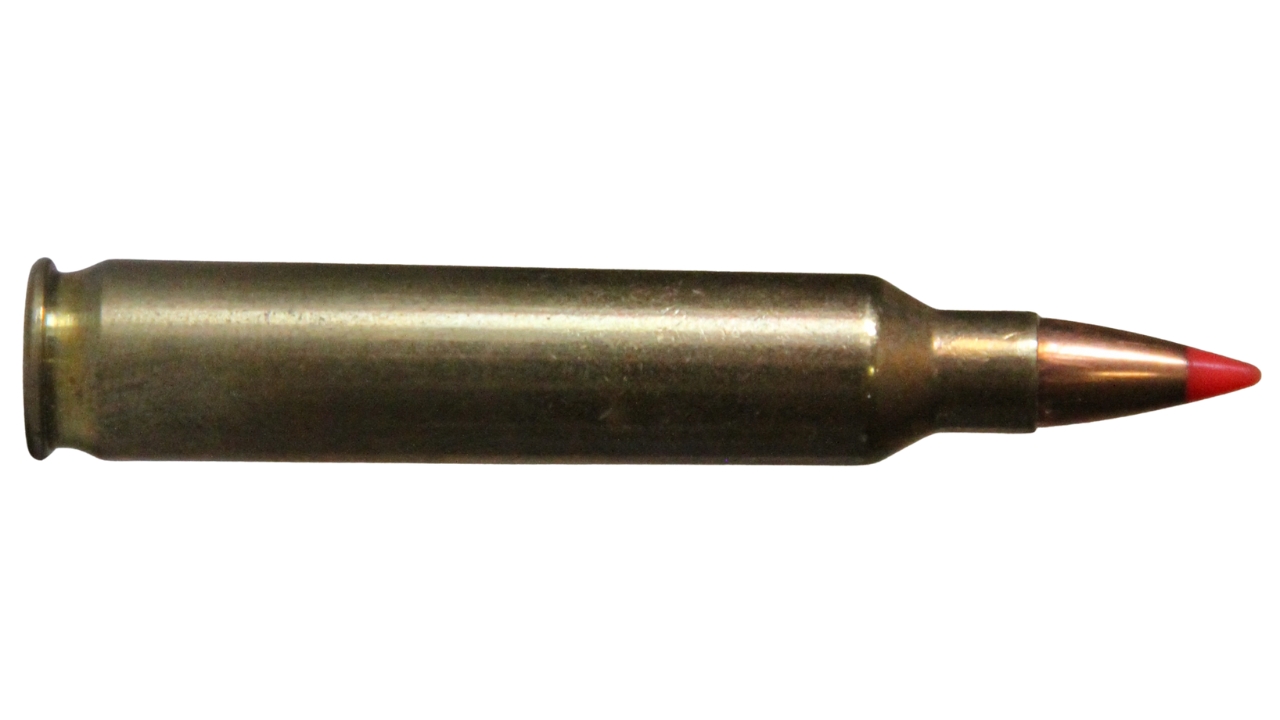
The .204 Ruger is loved by varmint hunters and target shooters for its flat trajectory and almost nonexistent recoil. On paper, it prints incredibly tight groups and lets you spot your own hits without losing sight of the target. But that’s about where its usefulness ends for anything bigger than coyotes or prairie dogs. With lightweight bullets moving at blistering speeds, the cartridge lacks the mass and penetration required for deer-sized game.
Even though you might see impressive muzzle velocities and a laser-flat path, the energy drops quickly and bullet construction doesn’t hold up in larger animals. Hunters who’ve tried it on deer often report poor blood trails and animals running long distances before dropping—if they drop at all. If you’re chasing fur or shooting paper, the .204 delivers. But for real hunting situations beyond varmints, it’s one of those cartridges that looks better on charts than it performs in the field.
.22 Hornet
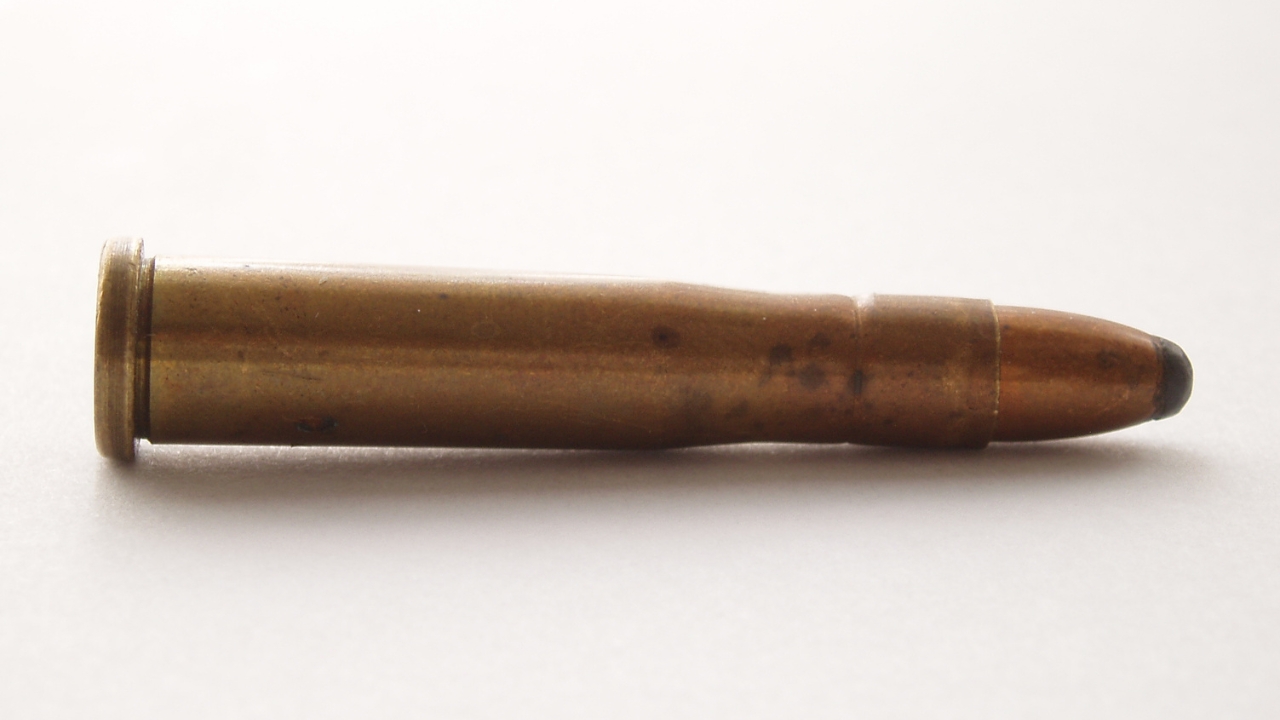
The .22 Hornet has been around for nearly a century, and while it can still shoot neat little groups at 100 yards, it’s not a cartridge you want to trust on bigger game. With mild velocities and light bullets, it doesn’t carry the energy needed for clean penetration on deer or hogs. Even with modern bullet designs, the Hornet still runs into limitations that can’t be ignored once you move past small game or varmints.
Hunters sometimes make the mistake of thinking a well-placed Hornet shot will anchor a deer, but the reality is that you’re asking a small-caliber round to do a much bigger job than it was ever intended for. Sure, you’ll see clean holes in paper targets, but in the field, you risk wounding an animal rather than bringing it down quickly. The Hornet works in its lane, but outside of that, it proves why paper performance doesn’t always equal hunting effectiveness.
.17 HMR

At the range, the .17 HMR is one of the most fun rimfires you’ll ever shoot. It flies flat, hits with surprising precision, and makes tin cans or paper targets look easy. But for hunting beyond small varmints, it fails hard. The tiny 17-grain bullets explode on impact rather than driving deep, which means they lack the penetration needed for even medium-sized predators.
Plenty of hunters have been tempted to push the cartridge past its limits, only to find wounded animals that were never recovered. The .17 HMR is at its best on squirrels, groundhogs, and rabbits, where explosive impact works in your favor. On deer or hogs, it’s simply irresponsible. This is one of those rounds that shines on paper and in casual shooting but leaves you short when it matters most. If you want a rimfire for actual hunting beyond varmints, step up to something like the .22 WMR instead.
.22 Long Rifle
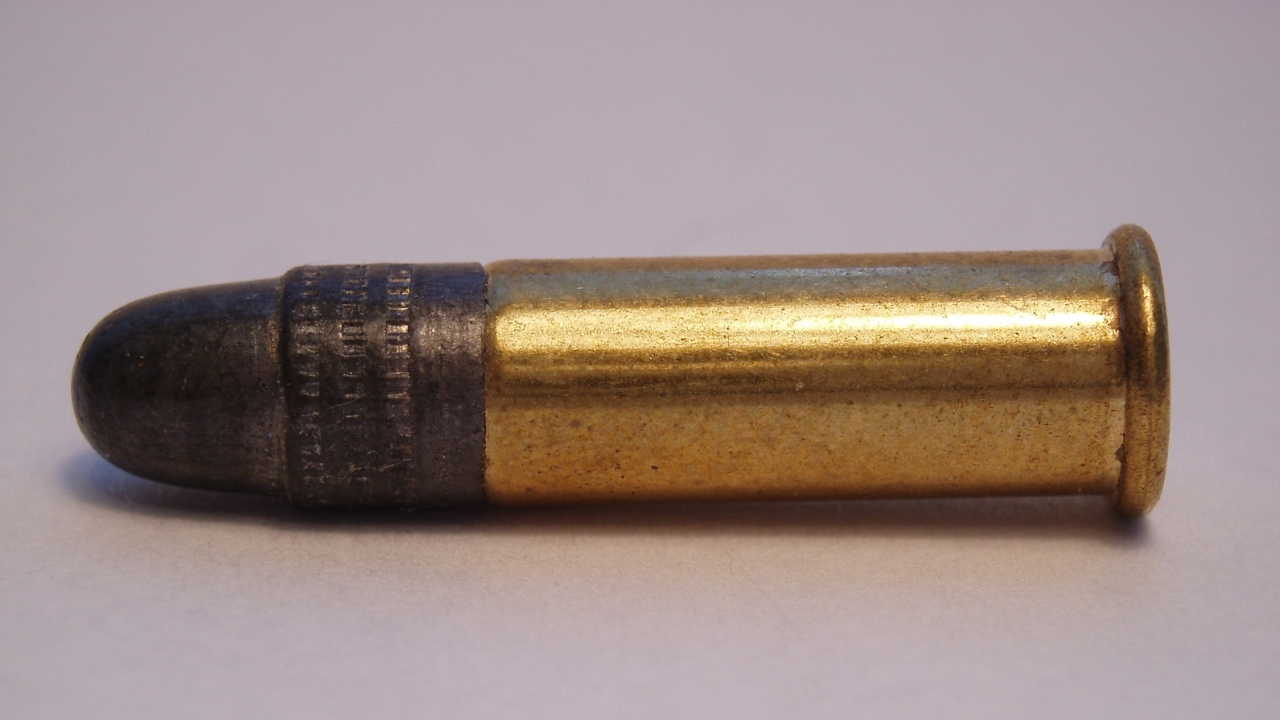
No rimfire round has been shot more than the .22 LR, and there’s a reason—it’s cheap, accurate, and easy to handle. On paper, you’ll get cloverleaf groups all day long, and the mild recoil makes it ideal for training. But when it comes to big game, the .22 LR simply doesn’t deliver. Its slow velocities and limited bullet weights prevent reliable expansion and penetration.
You’ll still hear stories of hunters who dropped deer with a .22 LR, but those cases are the exception, not the rule. Far more often, the cartridge fails to provide the energy needed for ethical kills. It’s a rimfire designed for plinking and small-game hunting, not deer or larger animals. On paper, the .22 LR remains a legend, but in the field, you quickly see why every state has restrictions against using it for game beyond small critters.
.300 Blackout Supersonic

At the range, .300 Blackout often looks good, especially out of short-barreled rifles where it prints neat groups inside 100 yards. But when hunters push it beyond its effective limits, especially with supersonic loads, it doesn’t deliver consistent performance on deer-sized game. Light bullets moving at modest speeds don’t always penetrate deeply enough, and energy transfer is less than ideal.
While it was designed with versatility in mind, especially for suppressed shooting, the .300 Blackout isn’t a powerhouse for hunting. Sure, it hits paper targets fine and makes for fun range sessions, but in the field, you’ll see more drop and less authority on impact than cartridges with similar trajectories. If you’re chasing hogs or deer, you’d be better off with a .308 or 6.5 Creedmoor. The Blackout’s accuracy on paper masks its shortcomings when it comes time for a real hunt.
5.7x28mm
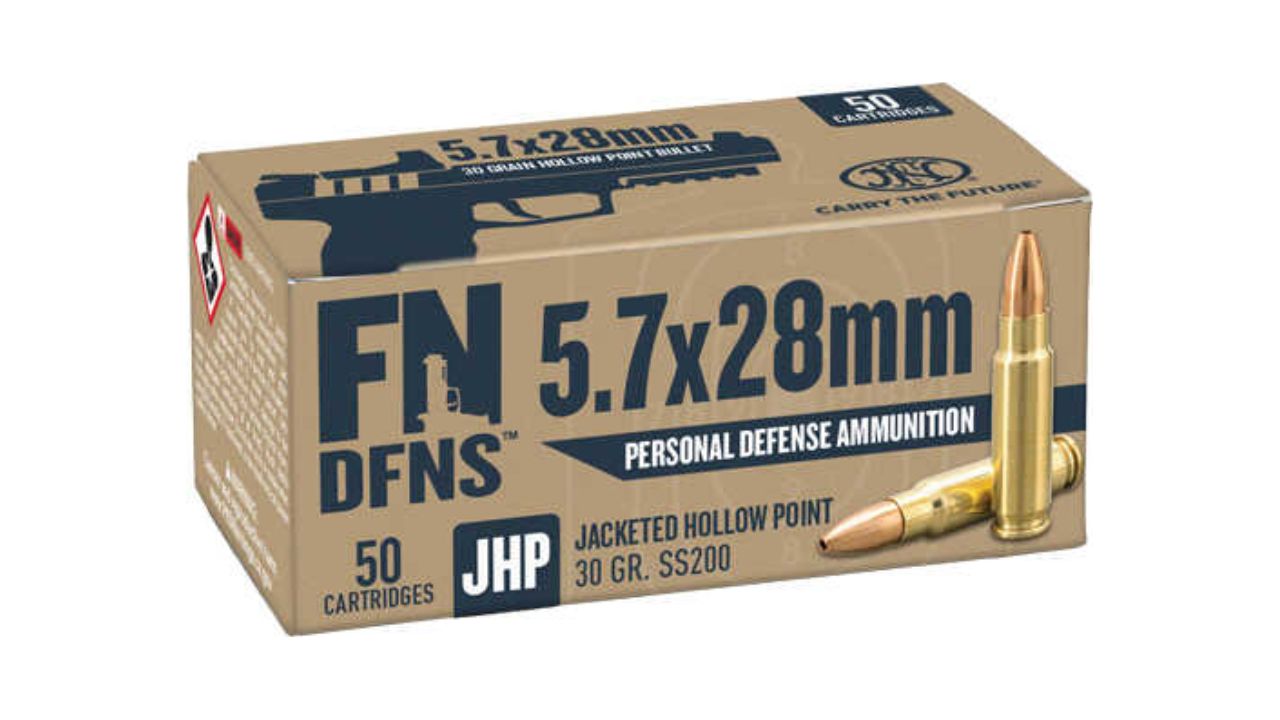
The 5.7x28mm cartridge is another example of a round that looks great on charts and at the range but comes up short on game. It’s fast, accurate, and shoots flat, which makes it appealing for paper punching and steel targets. But with lightweight bullets and limited terminal performance, it struggles with anything bigger than varmints. Penetration is shallow, and energy transfer is minimal compared to traditional hunting calibers.
Hunters who’ve tried it on predators like coyotes or even hogs often find it lacking. Wounding rather than dropping animals is a common outcome when pushing the 5.7 past its intended purpose. While it’s fun for plinking and works in certain self-defense contexts, it’s not a hunting round you want to depend on. On paper, it delivers groups and speed. On game, it’s another story entirely, showing why accuracy alone doesn’t equal effectiveness.
6.5 Grendel

The 6.5 Grendel earned a strong following for its accuracy and efficiency in the AR-15 platform. At the range, it produces clean groups out to medium distances with relatively low recoil. But when used on game, especially past 200 yards, its limitations become clear. Bullets lose steam quickly, and energy drops below what’s recommended for ethical deer hunting.
Some hunters swear by it for short-range work, but stretching the Grendel past its ideal range exposes its weaknesses. Even well-placed shots may not produce the same quick results you’d see with a .308 or 6.5 Creedmoor. On paper, the Grendel is fantastic—it’s affordable, accurate, and efficient. In the field, though, you need to be realistic about what it can and can’t do. It’s fine for moderate distances but fails to deliver consistent results if you try to make it something it’s not.
.25-20 Winchester
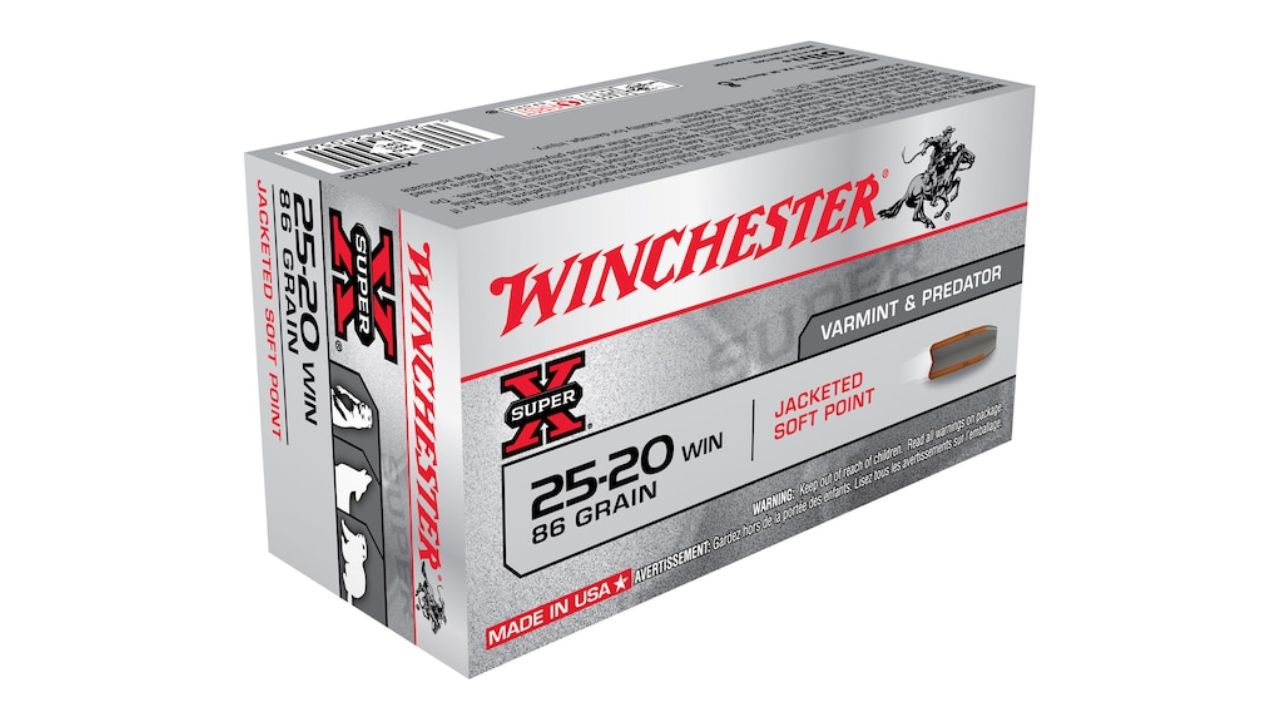
The .25-20 Winchester has a nostalgic charm and can still shoot tidy groups for those who reload it, but it’s severely underpowered for hunting anything larger than varmints. With low velocities and light bullets, it doesn’t have the penetration or expansion required for ethical kills on deer-sized game. Even in its prime, it was considered marginal, and today it falls even further behind modern hunting standards.
At the range, the cartridge is fun and surprisingly accurate, but those groups don’t tell the whole story. Once you use it in the field, its shortcomings show up quickly. Hunters who’ve tried it on whitetails often found themselves with wounded animals instead of clean kills. It’s one of those cartridges that works fine for paper and nostalgia but has no real place in modern hunting beyond varmints or small predators.
7.62x39mm with FMJ

The 7.62x39mm is widely available and has decent paper accuracy at short ranges. But when paired with FMJ bullets, which is what most surplus ammo comes in, it fails badly on game. Paper doesn’t show the difference, but in the field, FMJ loads pencil through animals with little expansion or energy transfer. That leads to wounded game and poor recovery rates.
The cartridge itself isn’t inherently flawed—loaded with proper hunting bullets, it can handle deer and hogs at close ranges. The issue is that many shooters rely on cheap FMJ ammo because it performs well at the range. That’s where the trap is: what works on paper targets doesn’t work on animals. If you’re serious about hunting with the 7.62×39, you need soft points or purpose-built bullets. Otherwise, it’s one of the clearest examples of paper accuracy failing in the real world.
.32-20 Winchester
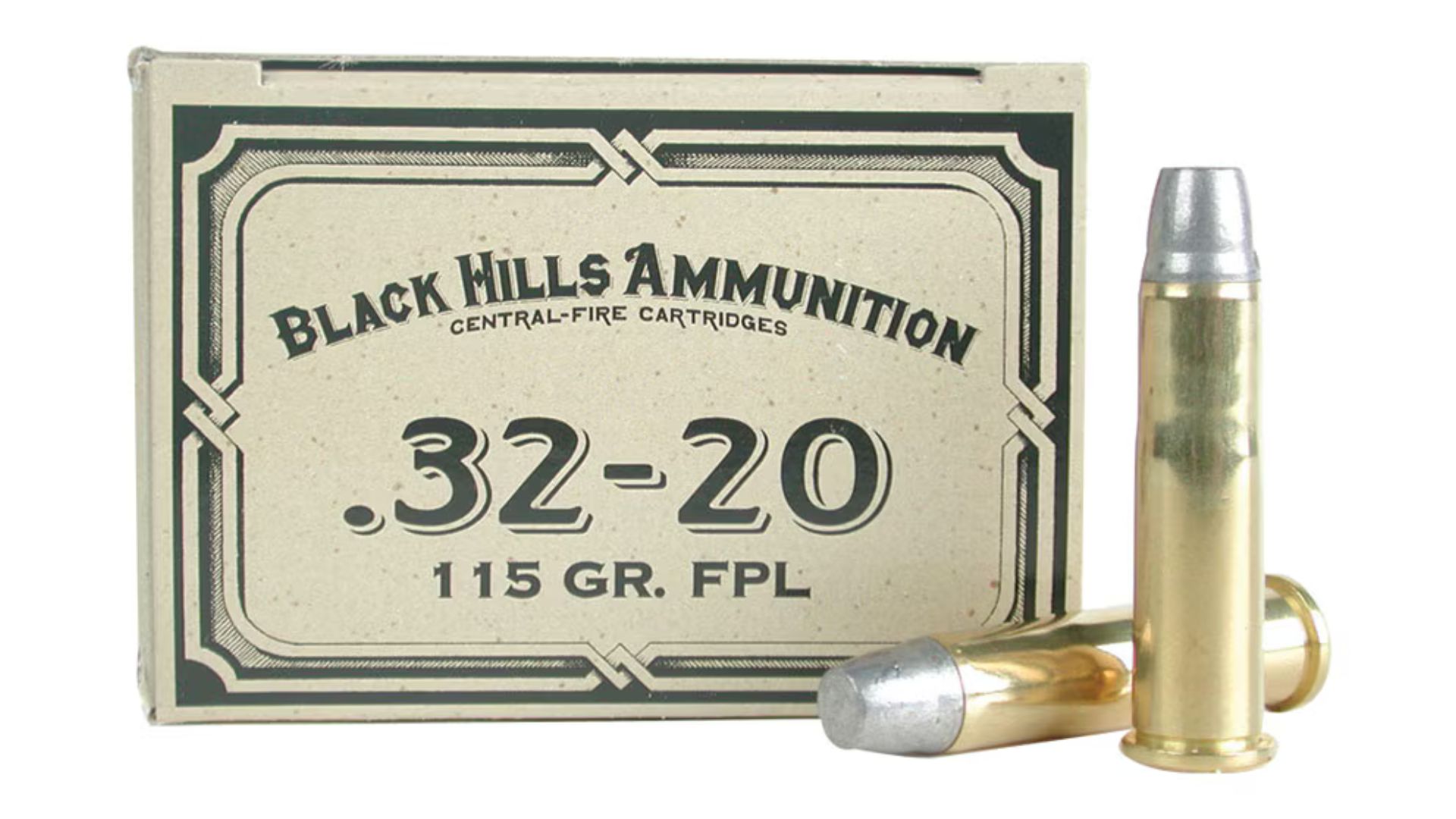
Like the .25-20, the .32-20 Winchester is more of a relic than a modern hunting cartridge, but some still try it out. On the range, it’s accurate enough for target shooting and nostalgic fun. But the ballistics are weak, and the bullets are too light to reliably bring down deer or larger animals. Hunters who experimented with it quickly found it lacking.
While it’s fun for plinking and small-game shooting, the .32-20 simply doesn’t belong in the field for anything bigger. Even when you land a shot exactly where you want it, the round fails to produce enough penetration and energy to anchor the animal. It’s an example of how accuracy and practicality don’t always overlap. On paper, it’s fine, but when you’re depending on it for clean kills, it falls apart.
6mm ARC

The 6mm ARC was designed for accuracy and efficiency in the AR-15 platform, and it lives up to that on paper. It groups tightly, stays flat out to medium ranges, and feels light on recoil. But when used on game, especially larger-bodied animals, it’s underwhelming. With lighter bullets and reduced energy past 300 yards, it doesn’t provide the reliable penetration hunters expect.
Plenty of shooters appreciate its range performance, but in the field, it’s not the powerhouse some marketing makes it out to be. You might drop smaller deer at moderate distances, but beyond that, results become inconsistent. If you’re buying for hunting, you’d be better served with a cartridge designed with terminal performance in mind. The 6mm ARC excels in paper punching and controlled range environments, but in the real world of hunting, its weaknesses are tough to ignore.
*This article was developed with AI-powered tools and has been carefully reviewed by our editors.