
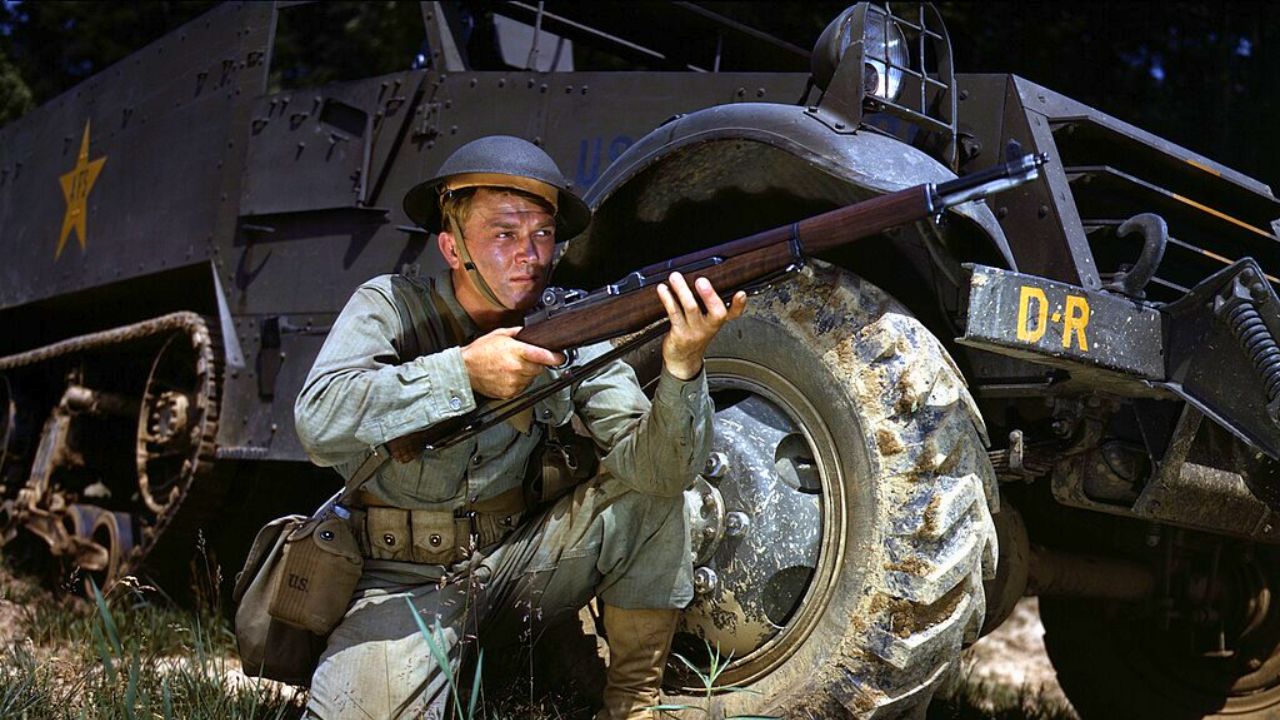
Photo credit: By Alfred T. Palmer – Public Domain, /Wikimedia Commons
Some rifles leave the battlefield and fade into history. Others go home with soldiers, end up on firing lines, and keep shaping new shooters for generations. These are the rifles that didn’t stop teaching when the wars ended. They built marksmanship fundamentals, patience, and discipline—and they still do. Whether you learned to shoot on one at camp, at a range, or under a mentor who served, these rifles connect the old training grounds to today’s firing benches. Their triggers, stocks, and sights might look outdated, but their lessons are timeless: steady aim, clean trigger press, and respect for the rifle’s history.
Springfield M1903

The M1903 Springfield taught soldiers the fundamentals of precision marksmanship long before scopes became common. Its bolt action is smooth, and its iron sights remain some of the best ever fitted to a military rifle. When you shoot one, you immediately understand why generations of Americans learned on it.
Today, you still see M1903s on firing lines in CMP matches and vintage rifle competitions. They teach trigger control and sight alignment better than many modern rifles. The recoil is manageable, the accuracy outstanding, and the balance perfect for field positions. It’s a rifle that rewards good form—and punishes sloppy shooting, the way a training rifle should.
M1 Garand

Few rifles taught more soldiers—or civilians—how to shoot than the M1 Garand. Its semi-auto action and eight-round clip forced you to manage rhythm, recoil, and reloading under pressure. Once you hear that metallic ping, you understand why it defined a generation of shooters.
Even today, CMP Garands serve as training tools for new marksmen. They teach follow-through and recoil recovery, skills that transfer to modern semi-autos. The rifle’s weight steadies your aim, and its accuracy humbles careless shooters. You can’t rush the M1; it makes you shoot deliberately, every time.
Lee-Enfield No. 4 Mk I
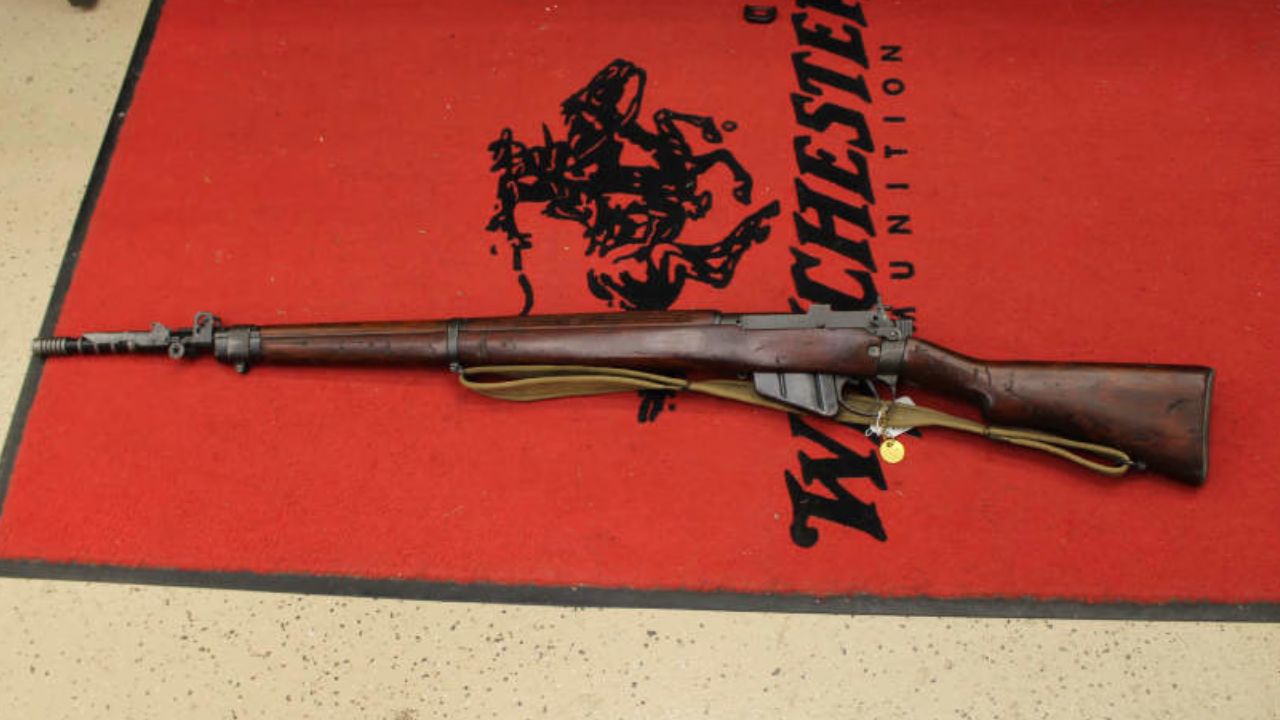
The British Lee-Enfield trained Commonwealth soldiers for decades, and it’s still teaching shooters how to work a bolt fast and smooth. Its rear-locking lugs and ten-round magazine make it one of the quickest bolt actions ever fielded.
At the range, it rewards consistent cycling and follow-up accuracy. The long sight radius and crisp two-stage trigger build confidence with every shot. Many instructors still use the Lee-Enfield to show students how proper bolt manipulation keeps your sights on target. It’s a rifle that proves skill can beat speed—and that old-world craftsmanship still matters.
Mauser K98k
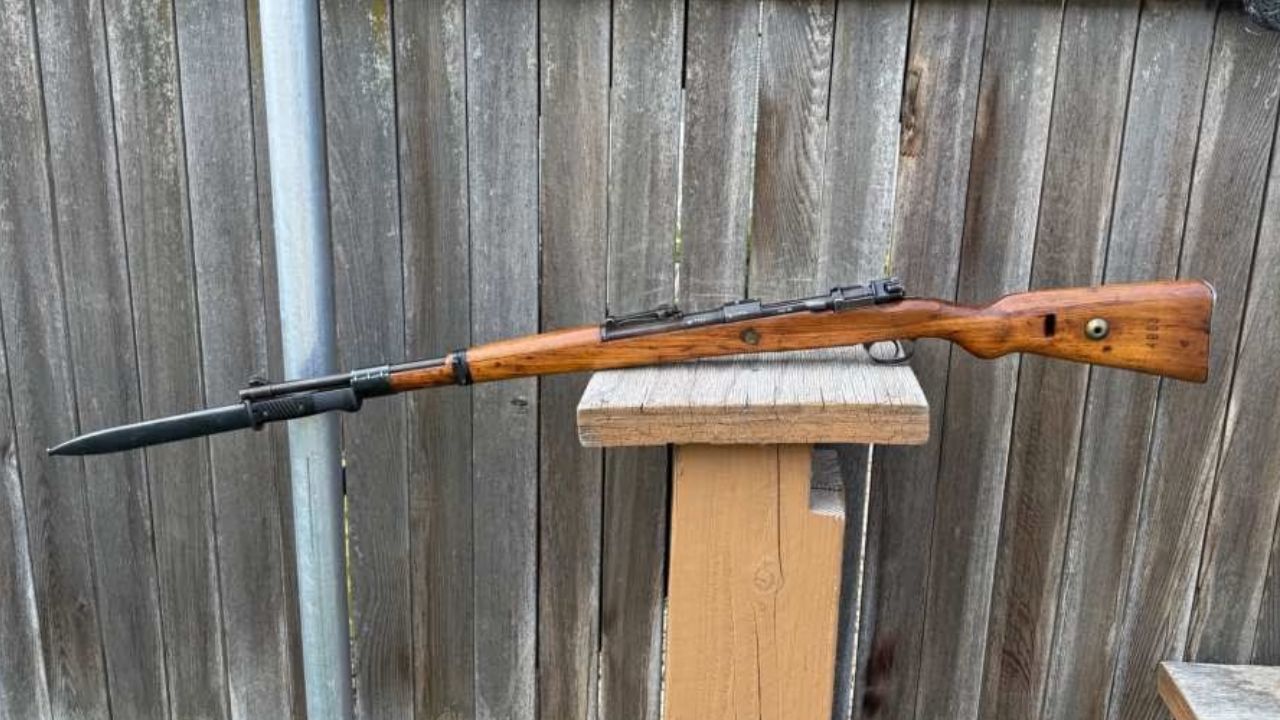
The Mauser K98k is the rifle that shaped nearly every bolt-action design that followed. Its controlled-feed action, strong extractor, and smooth cycling became the blueprint for rifles worldwide. Soldiers trained on it learned the value of simplicity and reliability.
Modern shooters still study the Mauser to understand bolt design and extraction. It’s heavy, accurate, and built to handle real recoil. The K98k trains you to control breathing and steady your position before breaking a shot. Every time you cycle that bolt, you’re repeating a motion practiced by millions of soldiers before you—a rhythm that never gets old.
Mosin-Nagant M91/30
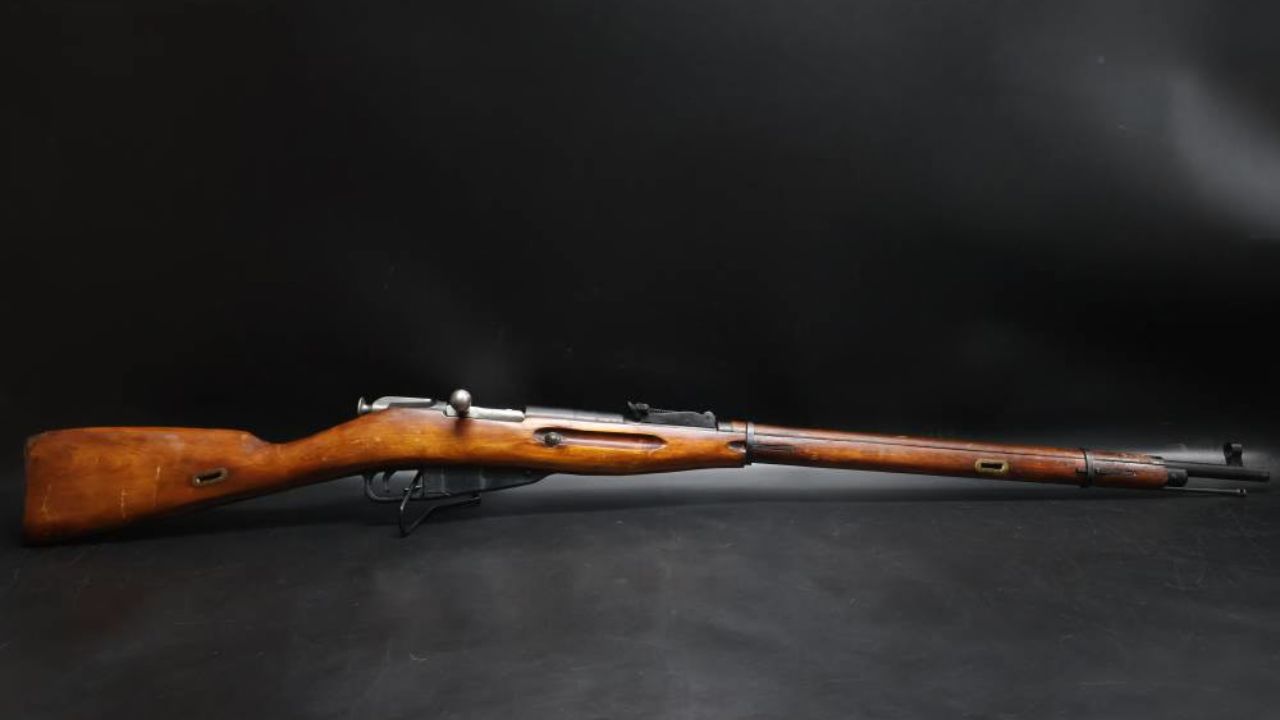
The Mosin-Nagant might not be refined, but it’s trained countless shooters in the basics of marksmanship. It’s a rifle that demands respect: long, heavy, and unforgiving of bad habits. Learn to shoot one well, and you’ll handle almost anything better afterward.
The stiff bolt and hard recoil force you to focus on fundamentals. It’s not a rifle you rush with. For many modern shooters, the Mosin is a cheap and durable way to learn bolt control and patience. It’s rough around the edges, but that’s what makes it a good teacher—it rewards effort and punishes carelessness.
M16A1
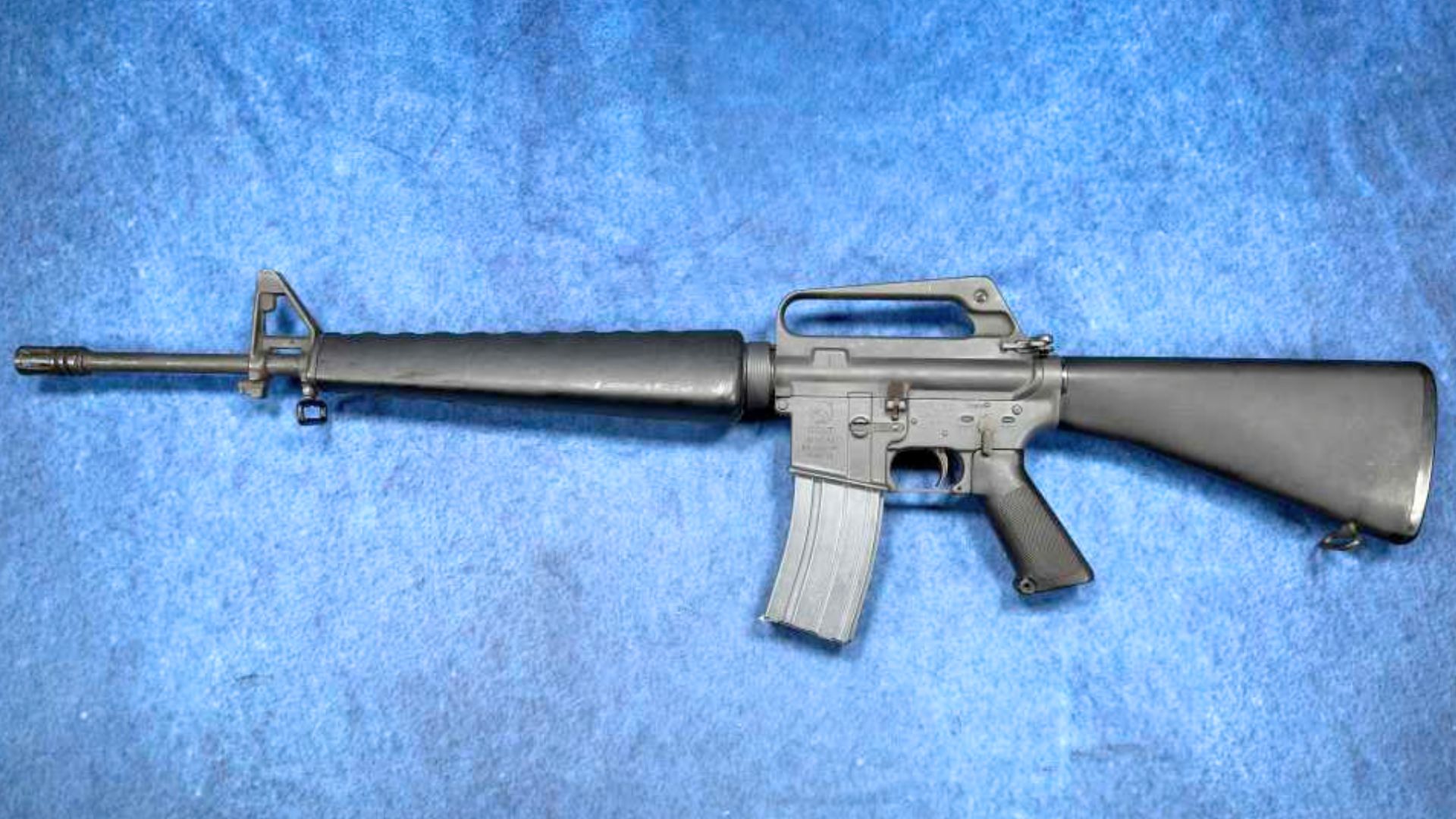
The M16A1 changed everything about how soldiers learned to shoot. Lightweight, accurate, and fast-handling, it introduced marksmanship through precision rather than brute strength. Troops trained to control bursts and trust the rifle’s low recoil, setting a new standard for practical accuracy.
Today, its descendants—the AR-15 family—teach the same lessons to civilian shooters. The fundamentals of stance, sight picture, and trigger press all trace back to those original service rifles. Every time you zero an AR or practice controlled pairs, you’re following the same path laid down by M16 trainers decades ago.
M14
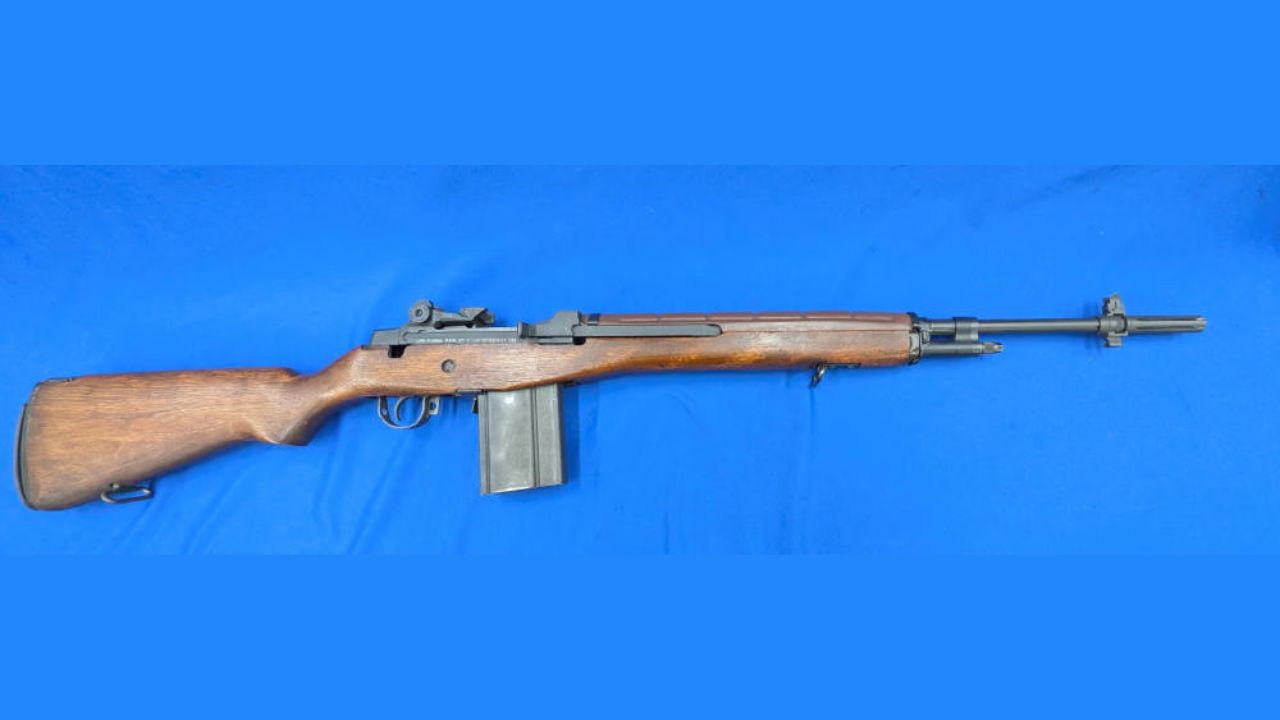
The M14 bridged the gap between the M1 Garand and the modern battle rifle. For many soldiers, it was their first experience balancing power and precision in one package. With its 7.62 NATO chambering and semi-auto action, it demanded discipline and control.
Today, marksmen and competitive shooters still use M1As—the civilian version—to master recoil management and follow-through. The M14 isn’t forgiving; it teaches shooters to hold solid form and stay locked into position. When you learn to run one smoothly, everything else feels easier.
SKS

The SKS trained soldiers across Eastern Europe and Asia, and now it trains new shooters at backyard ranges everywhere. Its mild recoil and simple gas system make it approachable, but its accuracy teaches you to focus on fundamentals rather than gadgets.
The SKS doesn’t rely on optics or modern ergonomics. It forces you to learn iron sights, proper cheek weld, and natural point of aim. For decades, it’s been a first rifle for countless shooters, showing that skill—not hardware—makes the marksman.
FN FAL

The FN FAL earned the nickname “the right arm of the free world,” and for good reason. It trained soldiers across dozens of nations and still teaches shooters how to handle a powerful semi-auto with control. Its adjustable gas system and balanced recoil make it a natural tool for understanding battle rifle mechanics.
Civilian shooters who train with the FAL learn about weight distribution, sight alignment, and practical field shooting. It’s accurate enough for competition and rugged enough for hunting, bridging old and new shooting disciplines. Once you learn to run a FAL, every other semi-auto feels simpler.
Swiss K31
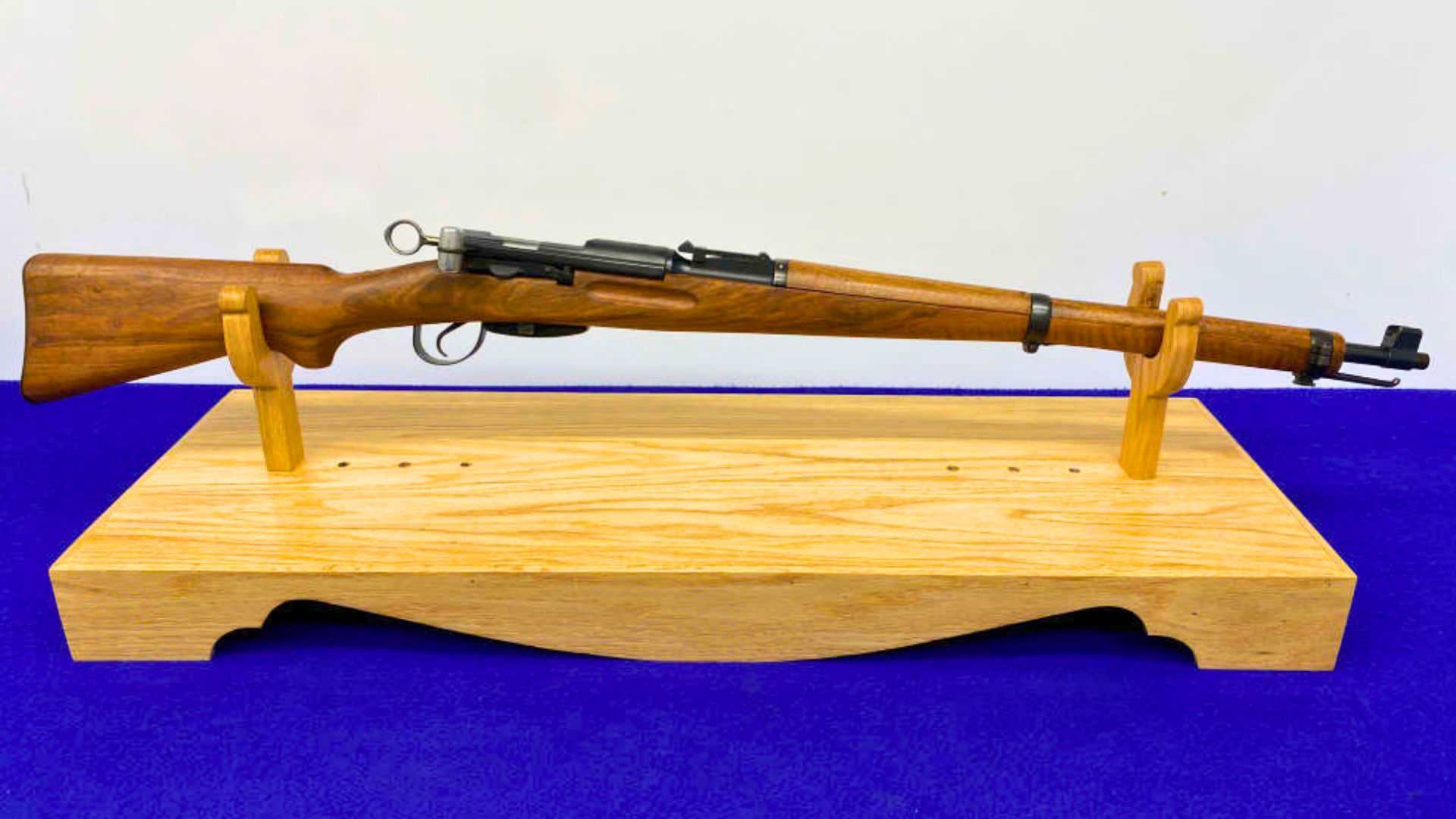
The Swiss K31 never saw war, but it trained every able-bodied man in Switzerland for generations. It’s an exercise in precision. The straight-pull bolt cycles like a watch mechanism, teaching smooth handling and focus on trigger discipline.
Modern shooters still use K31s to master natural point of aim and shot consistency. The rifle’s inherent accuracy exposes every flaw in your fundamentals. You can’t rush it—you have to earn every group. The K31 reminds shooters that craftsmanship and consistency go hand in hand.
M1903A3 Trainer
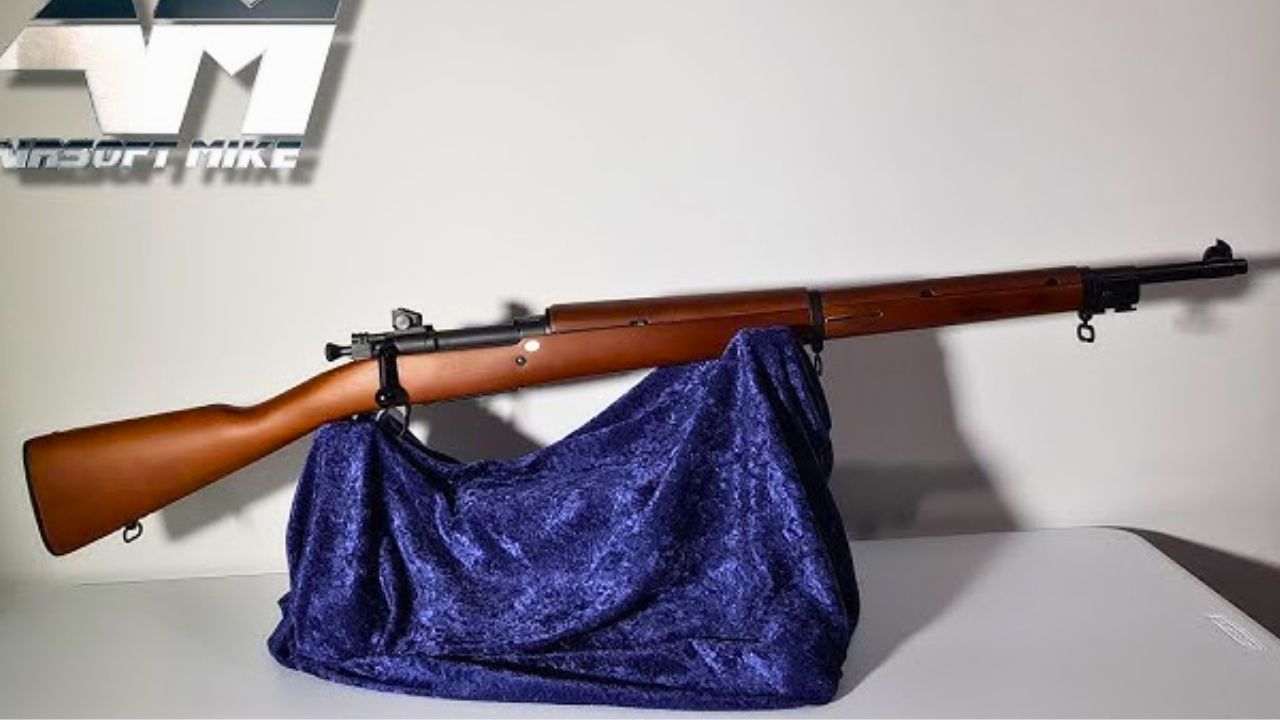
When the M1903A3 replaced earlier Springfields for training, it refined how American shooters learned to aim and operate. Its simplified sights and rugged action made it ideal for recruits—and it still serves that purpose today in vintage matches.
The rifle teaches patience and precision. There’s no shortcut with iron sights; it forces you to trust alignment and steady breathing. If you want to learn how to shoot a bolt gun right, a good M1903A3 will humble you until you do. It’s an honest rifle that rewards skill the same way it did 80 years ago.
Ruger 10/22

The Ruger 10/22 may not have trained soldiers, but it carries the same teaching spirit. Countless service members and hunters alike have started on one. It builds confidence, teaches trigger control, and rewards good form without the punishment of recoil.
Many instructors use it to teach fundamentals before moving shooters up to centerfire rifles. Its reliability and accuracy make it perfect for repetition, and repetition builds muscle memory. Whether you’re a kid or a combat vet fine-tuning your groups, the 10/22 is the rifle that makes you better.
M1 Carbine
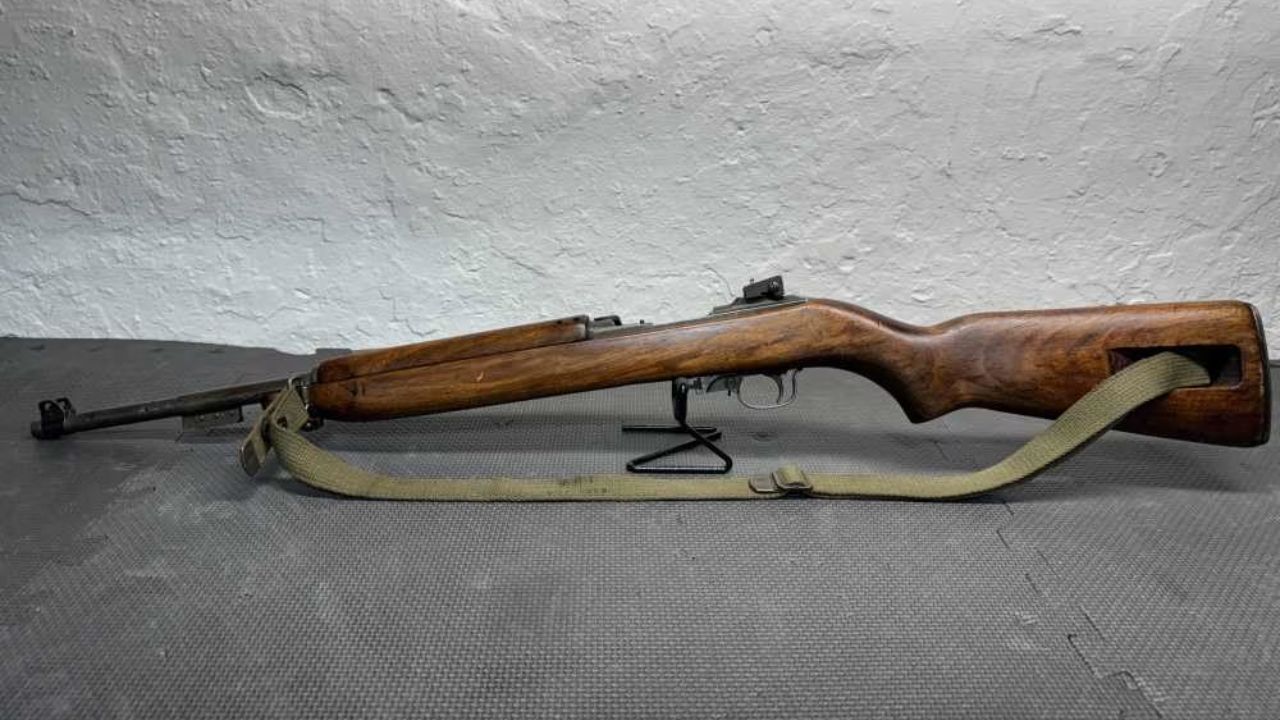
Lightweight and fast, the M1 Carbine trained soldiers to shoot on the move. Its controllable recoil and quick handling made it perfect for close-range marksmanship and confidence building. It wasn’t a powerhouse, but it made hits under stress.
Modern shooters use it the same way—to practice speed, transitions, and target focus. It’s an approachable centerfire rifle that still teaches practical lessons about movement and accuracy. For many, it’s the bridge between rimfires and full-sized rifles—a role it continues to fill perfectly.
CZ 452
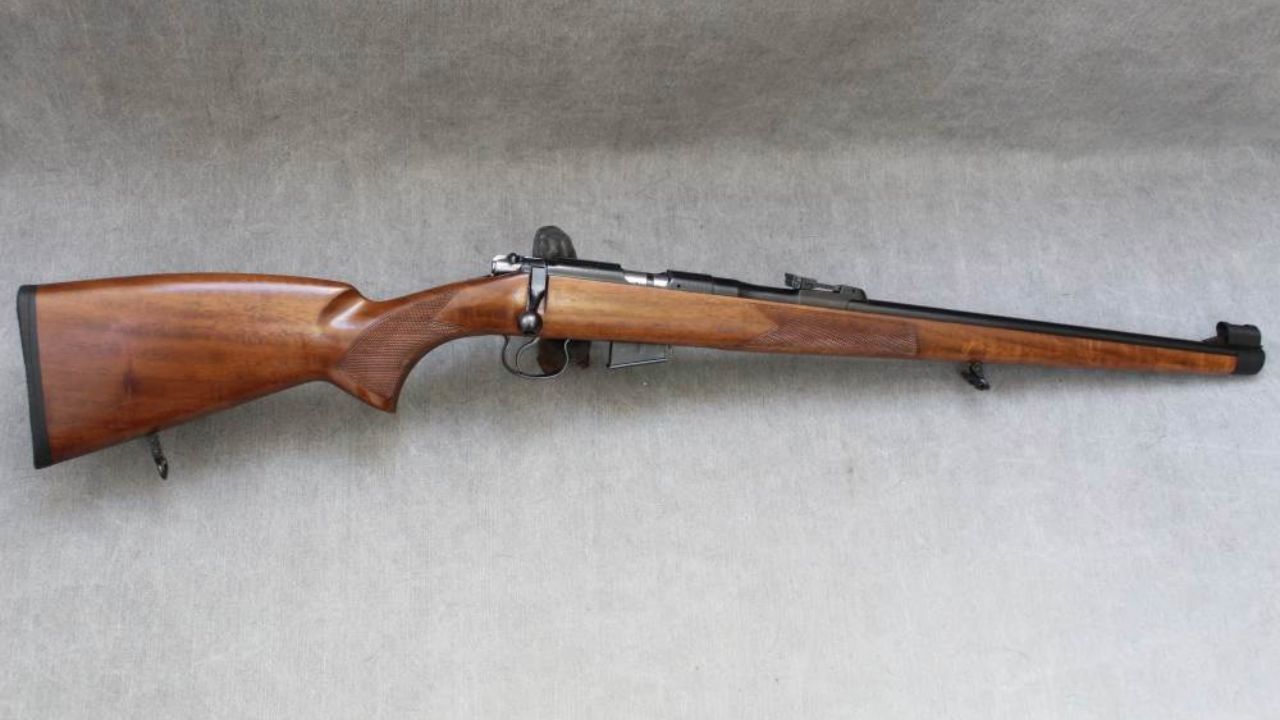
The CZ 452 and its kin have become training staples for anyone serious about precision. They’re accurate, smooth, and teach you everything a good service rifle should, just in .22 LR form. With tight tolerances and crisp triggers, they reward careful shooters.
Many military trainers use rimfires like the CZ for introductory marksmanship. They mimic the feel of full-sized rifles while letting shooters focus purely on fundamentals. When you can put five shots through a dime at 50 yards, you’re learning the same patience and discipline soldiers once practiced on service rifles.
M24 Sniper Weapon System
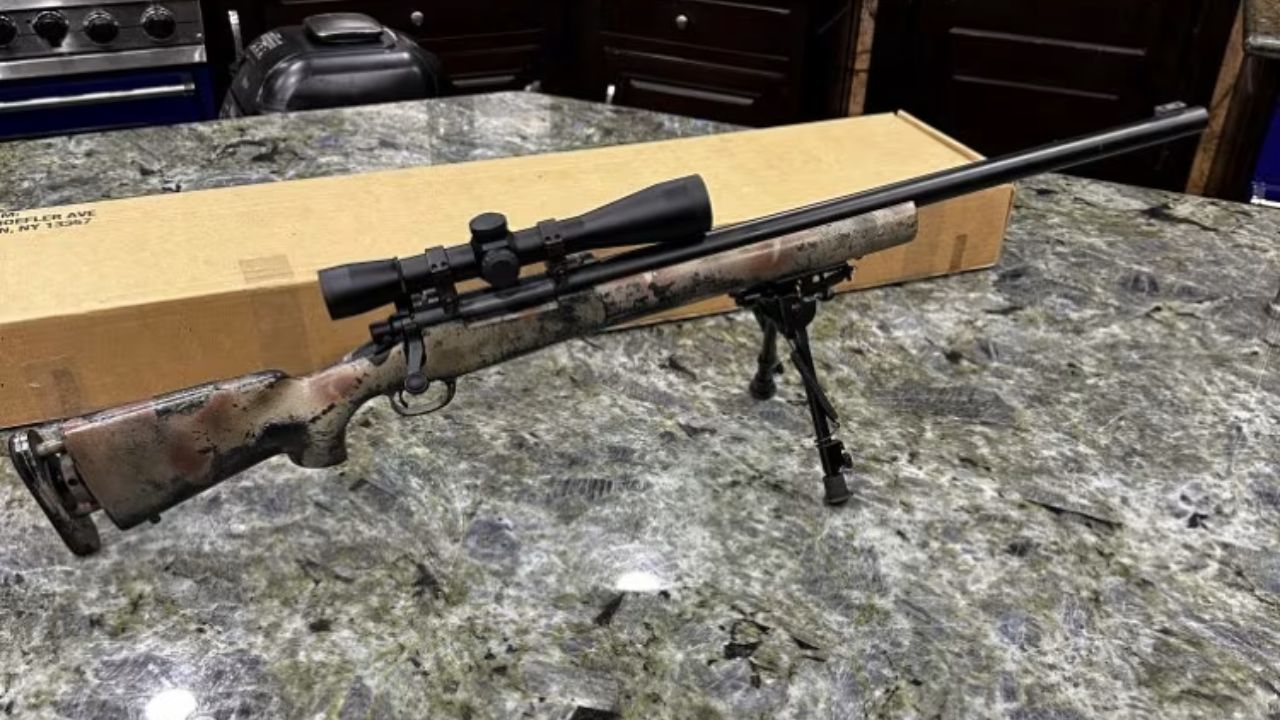
Based on the Remington 700, the M24 trained generations of snipers—and it still serves as a benchmark for precision shooting today. Its bolt action teaches absolute consistency. Every shot demands attention to breathing, trigger press, and follow-through.
Civilian versions of the M24 dominate long-range competitions and training programs for the same reason. It’s a rifle that tells you the truth—every mistake shows up on paper. If you can master one, you’ve learned nearly everything a soldier with an M24 had to know about precision and patience. It’s the modern legacy of old-school training, still as relevant as ever.
Like The Avid Outdoorsman’s content? Be sure to follow us.
Here’s more from us:
The worst deer rifles money can buy
Sidearms That Belong in the Safe — Not Your Belt
*This article was developed with AI-powered tools and has been carefully reviewed by our editors.


