Photo credit: PeopleImages/ShutterStock.com
A cracked slide isn’t something most shooters expect to deal with, but it happens more often than you’d think. Some handguns leave the factory looking strong and trustworthy, only to show their flaws after enough rounds. Stress points in the design, softer metal, or high-pressure loads can all take their toll. You might not notice it right away—most of these pistols run fine until suddenly they don’t. Then you’re left with a gun that looks good in the safe but can’t be trusted at the range. These are handguns that give off the air of reliability but end up failing in the very place they should be strongest—the slide.
Beretta 92FS (early military models)

The Beretta 92FS has a long track record, but the early military-issued M9 pistols taught shooters about one major weak spot: the slide. Under heavy use with high-pressure ammo, cracks began forming, usually at the locking block or around the ejection port. Some slides even separated entirely, leading to serious failures in training.
Most civilian shooters will never put enough rounds through a 92FS to see this problem, but those in high-volume military testing sure did. Beretta later strengthened the design and improved metallurgy, which solved much of the issue. Still, the early history lingers, and it’s an example of how a pistol that looks rock-solid on the surface can develop problems when pushed hard.
SIG Sauer P226 (early stamped slide versions)

The P226 is usually considered a gold standard, but the early stamped sheet-metal slides weren’t built for unlimited use. Heavy NATO loads and constant training cycles exposed stress cracking, especially near the breech block insert. Over time, the problem showed itself in law enforcement and military stocks, where these pistols saw tens of thousands of rounds.
Modern P226s with milled stainless slides are much more durable and rarely see these failures. But those who carried older stamped-slide versions learned quickly that reliability has its limits. When cracks started forming, the gun’s reputation for flawless performance took a hit, even if only for a specific production period.
Glock 17 (Gen 1 and Gen 2)

The early Glock 17s set the stage for polymer-framed pistols, but they weren’t perfect. Some of the first generations used slides that weren’t as strong as later designs, and cracks sometimes developed at the slide rails or around the ejection port. Most issues showed up after high round counts with hot 9mm loads.
Glock learned from these problems and beefed up later generations with improved slide metallurgy and design tweaks. Today’s Glock slides are almost legendary for their toughness, but old-timers remember when those early Glocks weren’t quite indestructible. If you own an early Gen 1 or 2 and run it hard, inspecting the slide regularly is a smart move.
Smith & Wesson 5906
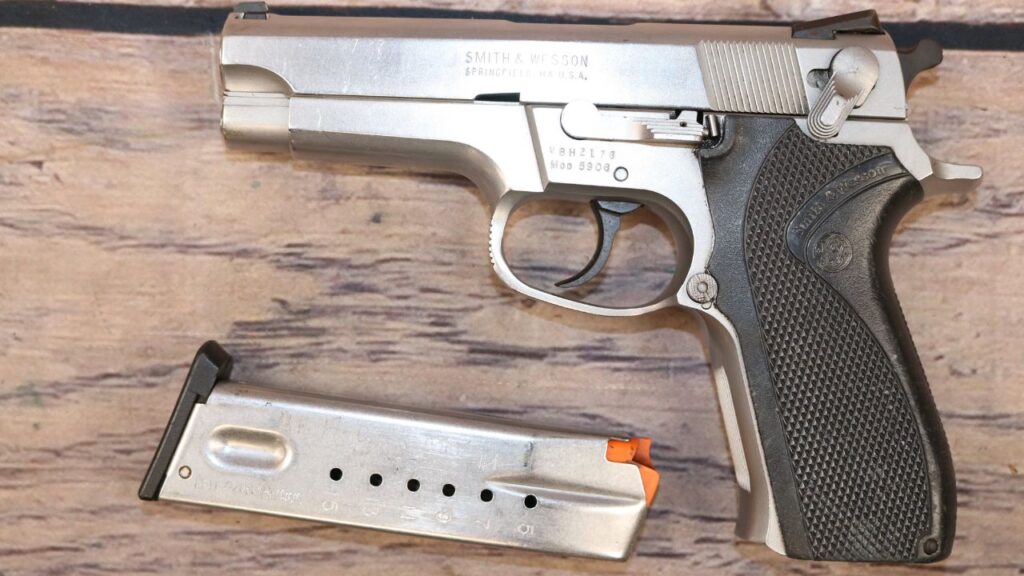
The Smith & Wesson 5906 is a solid third-gen pistol, but some shooters ran into issues with cracked slides after heavy service use. The culprit often came down to the high-volume training demands placed on police duty guns. With tens of thousands of rounds downrange, the stainless-steel slide eventually developed cracks at stress points, particularly near the front.
While not every 5906 suffered this fate, it happened enough that armorers kept a close eye on them. For a duty gun, any sign of slide damage means it’s time to retire it. The 5906 remains respected, but its history includes examples of slide cracking that remind you no pistol is immune to fatigue.
CZ 75 (early imports)
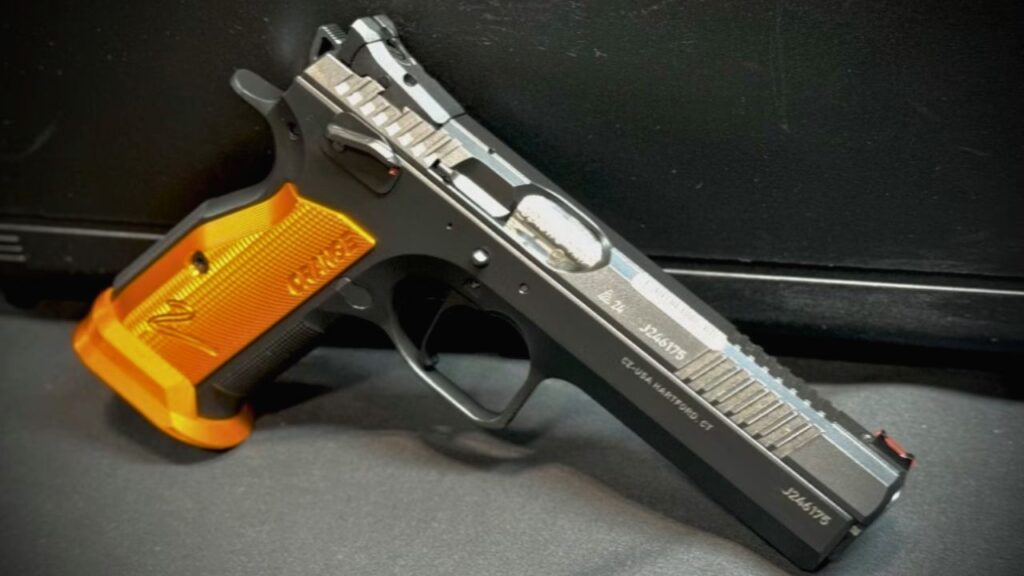
The CZ 75 is praised for its ergonomics and shooting characteristics, but early imported models had slide durability issues under prolonged use. The design’s thin slide rails—while contributing to its accuracy—meant less material in critical areas. Over time, cracks appeared near the slide stop cutout, especially when shooters used hotter ammunition than the pistol was designed for.
Later models, especially those made after the Cold War with better materials, corrected most of these issues. Still, the early pistols showed that even a well-regarded design can reveal flaws when subjected to higher pressures and more rounds than originally intended. If you shoot one of those early CZs, it pays to watch for hairline cracks.
Walther P38

The Walther P38 was ahead of its time during World War II, but materials were limited in those years, and some slides didn’t hold up under stress. Cracks often appeared near the locking block area after prolonged use. Postwar production improved, but even those had cases where the slides gave out under heavy round counts.
The P38 remained in military service long after the war, which only increased the chances of fatigue showing up. Collectors today often shoot them sparingly because they know the history. It’s a handgun that feels solid in hand but carries a reputation for eventually giving in at the slide.
Colt Double Eagle
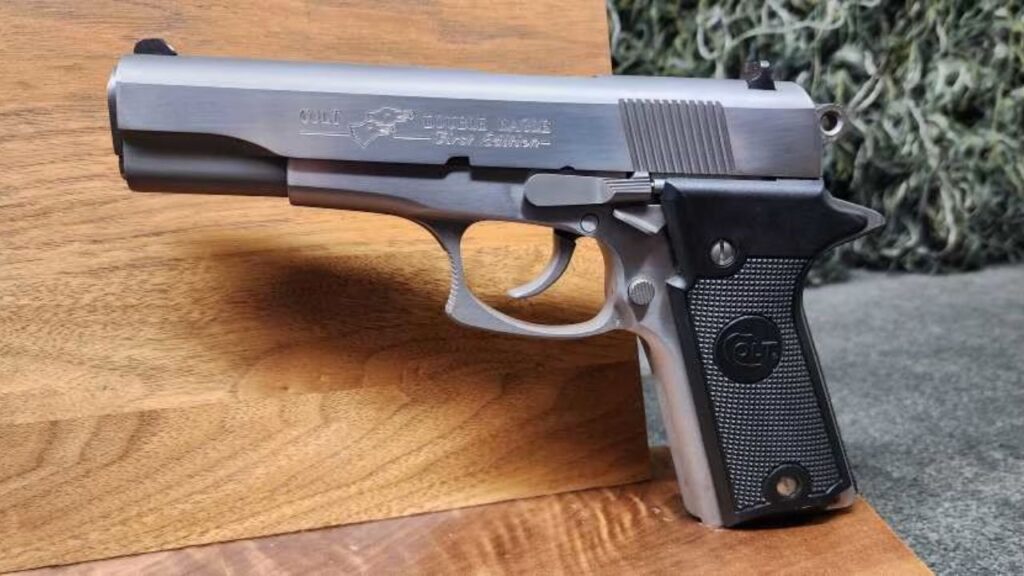
The Colt Double Eagle looked like a modernized 1911 when it launched, but its execution left a lot to be desired. Among the problems, cracked slides became a real concern after extended shooting. The stainless material and design choices didn’t always hold up under .45 ACP pressures, especially with higher round counts.
The pistol never gained much traction in the market, and the durability concerns didn’t help its reputation. While some shooters had no issues, enough did that the Double Eagle often gets remembered for its shortcomings. A pistol meant to feel like the future of Colt ended up showing cracks—literally—before it ever became trusted.
Star Model B
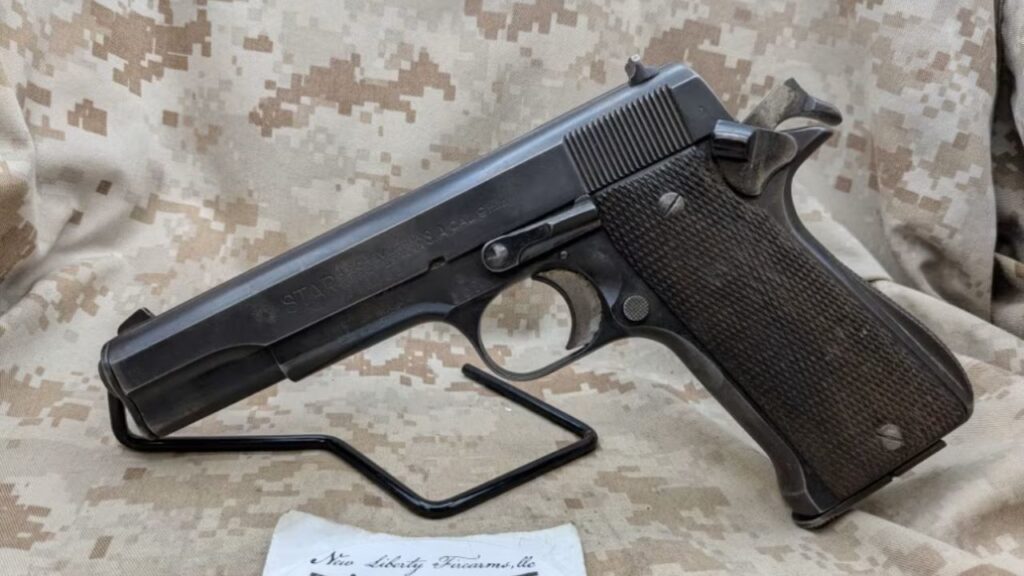
The Star Model B looks like a 1911 at first glance, but it’s chambered in 9mm and built on its own system. Unfortunately, some of these Spanish pistols were made with inconsistent metallurgy. As a result, slides sometimes cracked around the locking areas or ejection port after steady use.
Collectors and casual shooters often picked them up cheap, thinking they were getting a reliable stand-in for a 1911. But those who put serious rounds through them found the flaws. It’s another example of how a pistol that looks tough and dependable on the outside can fail where it matters most.
Llama Max Series
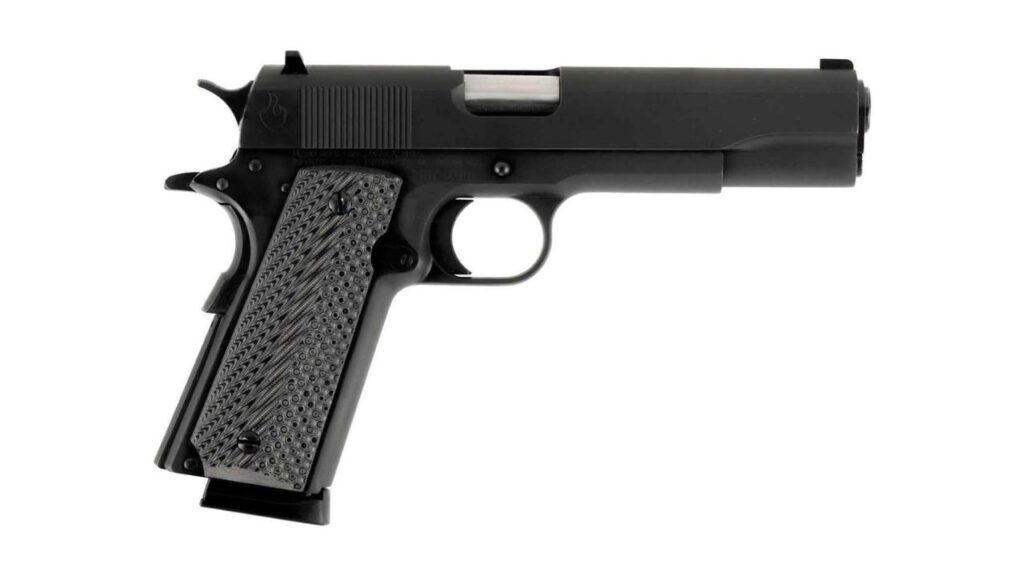
Llama pistols were Spanish-made 1911-style handguns that promised affordability, but their reputation for durability was mixed at best. Slide cracking was not uncommon, especially on older models made with softer steel. Many shooters reported failures after pushing them through regular practice sessions.
While some Llama pistols held up, enough of them failed to create a widespread reputation for being unreliable in the long run. They had the looks of a 1911, but they didn’t always bring the same toughness. For many shooters, a cracked slide was the last straw before shelving the gun.
SIG Sauer P220 (stamped slide versions)
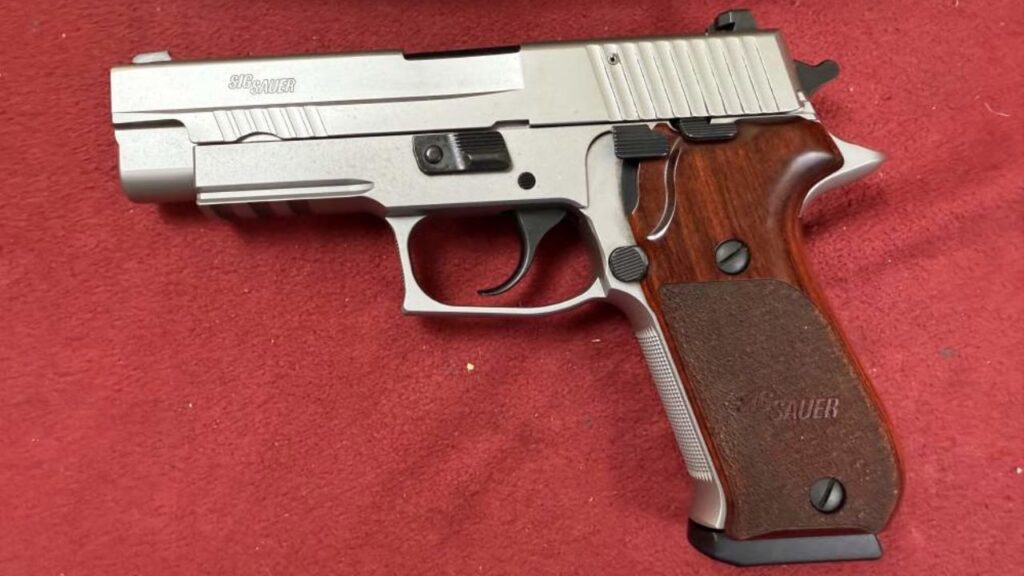
The SIG P220 has been in service worldwide, but the early stamped-slide versions weren’t immune to slide cracking. Under heavy use, especially with .45 ACP pressures, cracks began to form near the breech block. Later stainless steel slides fixed the issue, but those who carried earlier models saw firsthand the limitations of the design.
The P220 remains respected overall, but its history includes examples of slide failures that left shooters wary. It’s another case where a pistol appears rugged and service-ready until high use shows its weak spots. Regular inspections were key for anyone depending on those early stamped-slide versions.
Beretta Model 81
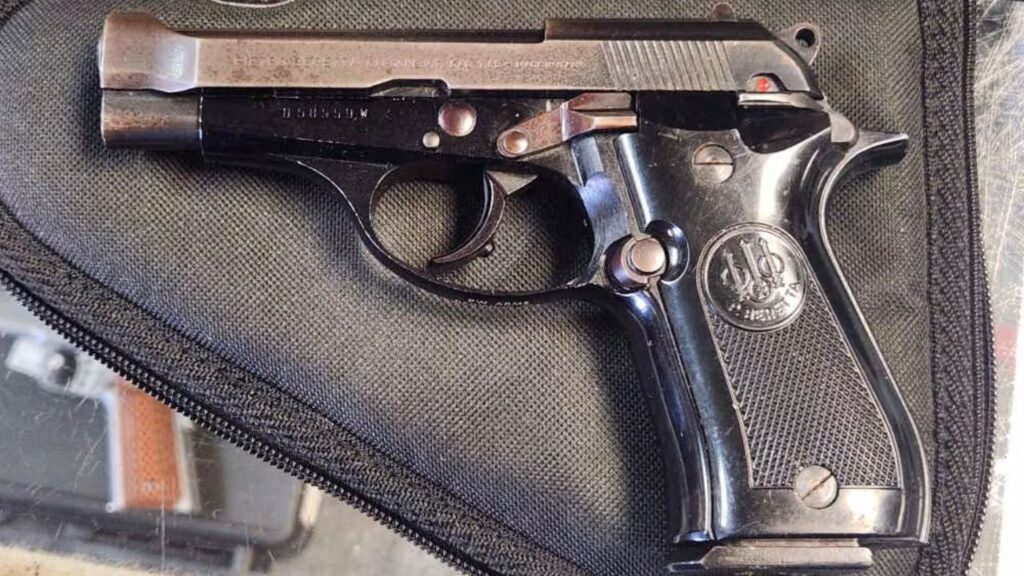
The Beretta Model 81 in .32 ACP is a neat little pistol, but its slide wasn’t always up to the task. With high-volume use, particularly in training, cracks sometimes appeared near the ejection port. While it’s not a hard-recoiling caliber, the smaller slide dimensions and steel quality made this issue more common than you’d expect.
For casual shooters, the problem may never surface, but in agencies or training environments where these pistols saw thousands of rounds, failures happened. It’s a reminder that even lower-caliber pistols can develop serious structural issues when their slides aren’t built to handle extended use.
*This article was developed with AI-powered tools and has been carefully reviewed by our editors.