Photo credit: Nomad Soul/Shutterstock.com
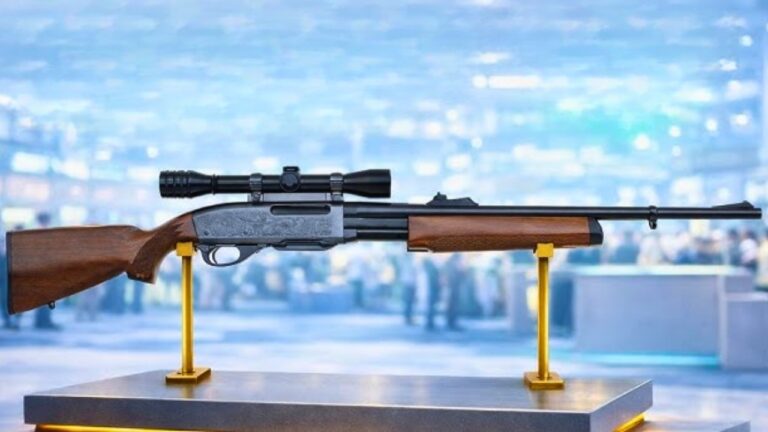
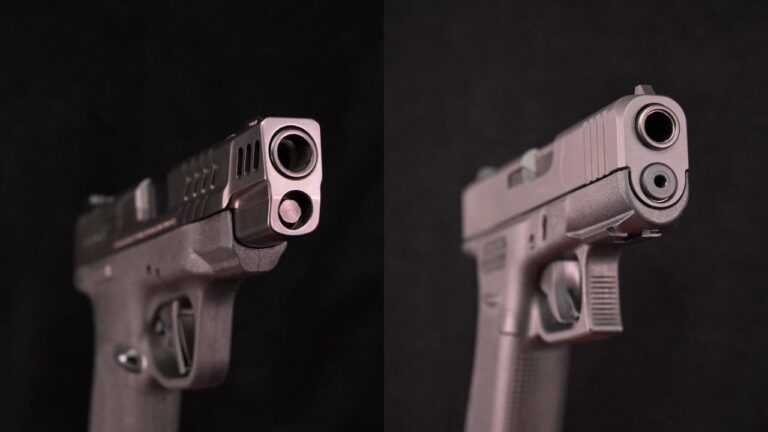
I remember exactly which one it was. It stood out immediately in the display case. Clean lines, aggressive styling, something about it just looked right. It felt like the kind of gun you’d want to own, the kind you’d be proud to show off. I handled it, liked the way it looked in my hands, and didn’t spend nearly enough time thinking about anything beyond that. At the time, that felt like enough. It wasn’t until I started actually shooting it that I realized how little I had paid attention to the things that matter more than appearance. The grip didn’t quite fit me the way I needed it to. The trigger wasn’t consistent. And the overall feel during longer sessions made me question why I had rushed the decision in the first place.
Looks fade fast when performance isn’t there
What I noticed pretty quickly was how fast the appeal of a good-looking gun wears off when it doesn’t perform the way you need it to. At the range, the things that mattered were control, consistency, and how predictable the gun felt shot after shot. That’s where the cracks started to show. My grip never felt completely settled. Follow-up shots weren’t as smooth as they should have been. And the more I tried to make it work, the more it became obvious that I had chosen based on something that had nothing to do with how I actually shoot. It’s easy to overlook those details when you’re standing at the counter. It’s a lot harder to ignore them when you’re the one behind the trigger.
Fit should have been the first question
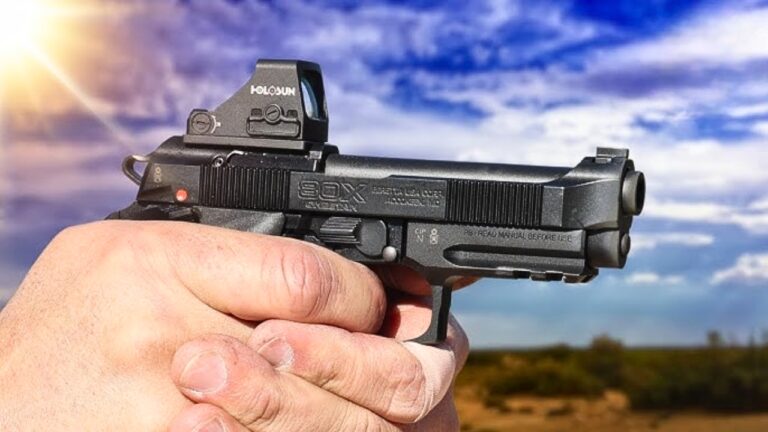
The biggest mistake I made was not paying enough attention to how the gun fit me. That’s something you can’t fix with looks, and it affects everything. Grip angle, texture, reach to the trigger, and overall balance all play into how well you can control a firearm. If those things aren’t right, you end up compensating without even realizing it. That’s exactly what I was doing. Small adjustments in my grip, slight changes in pressure, all of it added up to inconsistency that didn’t need to be there. A gun that fits properly tends to feel natural right away. The one I chose felt good at first glance, but not over time.
I didn’t think about how I’d actually use it
Another thing I overlooked was how the gun would fit into my actual use. It’s one thing to admire something in a case. It’s another to carry it, train with it, and rely on it. Weight, size, and how it handles over a full session all matter more than I gave them credit for. I didn’t think enough about how it would feel after a couple hundred rounds or how it would behave in different conditions. That kind of thinking comes with experience, but it’s also something you can slow down and consider before making a purchase. I skipped that step and paid for it later.
There are better places to spend attention and money
After that experience, I started focusing more on the things that actually improve performance. A gun that fits well, a trigger you can control, and sights you can use confidently matter more than anything cosmetic. Reliable magazines, a solid belt and holster setup, and consistent practice do more for you than any visual upgrade ever will. Bass Pro and other retailers carry plenty of options that check those boxes, but it still comes down to how the gun works for you. The right choice isn’t always the one that stands out the most at first glance.
It changed how I handle the counter
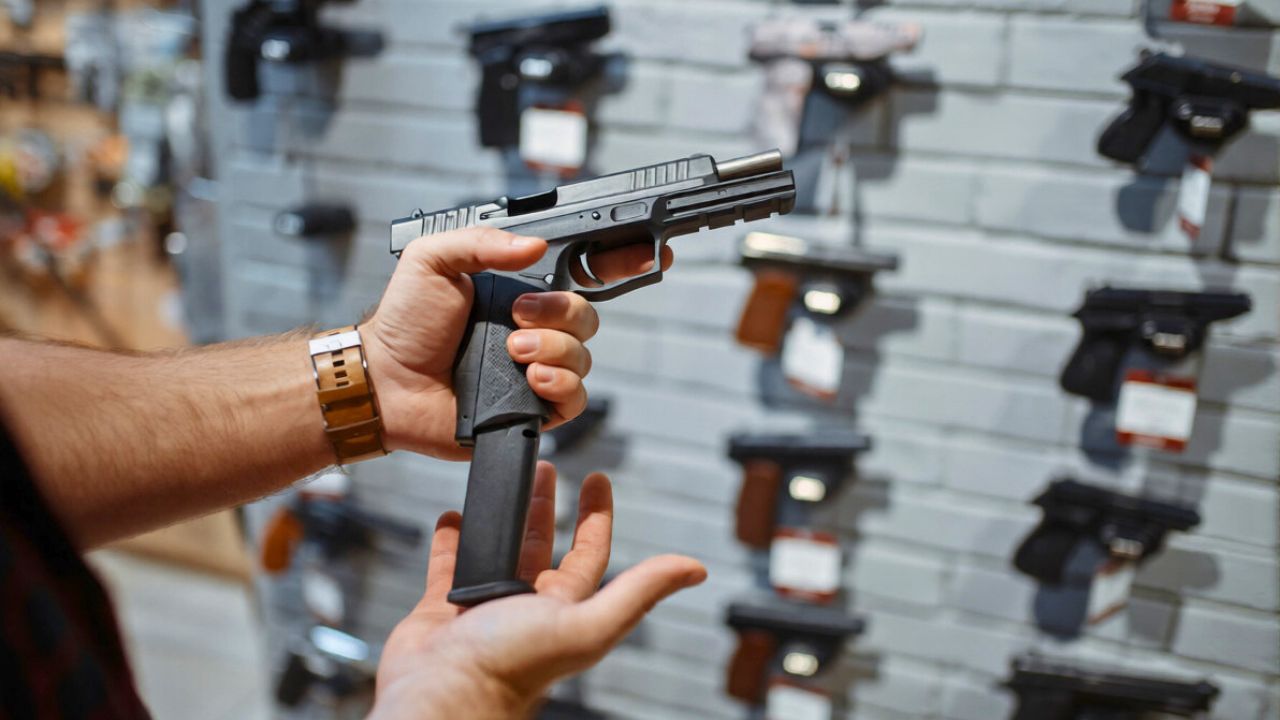
Now, when I’m looking at a firearm, I take more time. I handle it longer. I think about how it feels, not just how it looks. I pay attention to the small details that didn’t stand out to me before. That shift has made a big difference in the choices I make. I’m less likely to be pulled in by appearance and more focused on how the gun will perform over time.
A good decision feels boring at first
One thing I’ve noticed is that the right choice doesn’t always feel exciting in the moment. It might not be the one that grabs your attention right away. It’s the one that feels steady, predictable, and comfortable when you actually use it. That kind of decision tends to age a lot better than one based on looks alone. I learned that the hard way, but it’s a lesson that stuck.
Like The Avid Outdoorsman’s content? Subscribe to our newsletter so you never miss an article.
Here’s more from us: