Photo credit: WHO_TEE_WHO/YouTube
Some calibers are known to wander, open up, or flat-out lose consistency once you start putting real rounds through them. It’s not always the rifle’s fault—some cartridges simply run hot, foul fast, or erode throats quicker than most shooters expect. When that happens, accuracy walks away long before the barrel is “shot out.” If you’ve ever had a rifle grouping tight on the first outing and scattering shots a month later, you already know how frustrating these cartridges can be. This list focuses on calibers that commonly lose their edge after only a few boxes, especially when paired with lightweight barrels, aggressive loads, or hot-weather shooting.
.22-250 Remington
The .22-250 Remington is famous for speed, but that velocity comes with a price. Once you start stacking rounds through it, the throat takes a beating faster than nearly any mainstream varmint cartridge. With light-barreled rifles, you’ll see groups grow noticeably as heat and fouling accumulate. Shooters who send round after round at prairie dogs or coyotes often notice the accuracy drop long before they expect.
Even when you clean often, the combination of speed and powder volume accelerates wear. If you shoot conservative loads and keep your barrel cool, it performs beautifully. But once you push it hard for a few outings, the rifle stops behaving the way it did when it was fresh. The .22-250 can be extremely accurate—just not for as long as slower .22-caliber cartridges.
.243 Winchester

The .243 Winchester is an excellent deer and predator round, but its high operating pressures and fast twist barrels can take their toll quickly. With lighter hunting rifles, a few fast-paced range sessions are enough to show carbon streaking and copper fouling that start shifting groups. Many shooters try to stretch the .243 into varmint-duty volume, and that’s when the accuracy drop shows up earlier than expected.
Even with proper cleaning, throat wear becomes noticeable faster than with milder cartridges like the .260 Rem or 7mm-08. Heat is the real culprit here—long strings of shooting turn a tack-driver into a rifle that sprays shots wider than you remember. When kept cool and used like a typical hunting rifle, it’s outstanding. But the .243 punishes anyone who treats it like a high-volume round.
.300 Winchester Magnum
The .300 Win Mag delivers tremendous power, but it runs hot and hard, and accuracy can fade quicker than many shooters expect. With a narrow throat and heavy powder charges, carbon builds up fast, especially in sporter-weight barrels. After a few boxes of ammo, you’ll often see flyers and point-of-impact shifts that weren’t there on day one.
The cartridge’s recoil also contributes to early accuracy loss, since many shooters subconsciously start adjusting their grip and shoulder pressure. Combine that with hot loads and high pressures, and you’ve got a recipe for wandering groups. The .300 Win Mag is a great long-range and hunting round, but it demands disciplined shooting and cleaning to stay consistent beyond those first couple dozen rounds.
.257 Weatherby Magnum

The .257 Weatherby Magnum is lightning-fast, but it’s tough on barrels—much tougher than most shooters expect. Its overbore design means huge powder charges are pushing relatively small bullets, creating heat that few light hunting barrels can tolerate well. By the time you’ve fired a few boxes, accuracy begins to soften as the throat erodes and fouling builds aggressively.
Because most Weatherby rifles encourage shooters to take advantage of the flat trajectory, hunters often practice long strings at distance, speeding up wear. The rifle still hits hard and shoots flat, but the tiny groups you saw early on tend to widen unless you let the barrel cool completely between strings. For shooters who obsess over tight groups, this cartridge can be a disappointment in the long run.
6.5-300 Weatherby Magnum
The 6.5-300 Weatherby Magnum runs at blistering velocities, and those speeds come with predictable consequences. Even a few boxes of factory ammo can start rounding out the throat, and you’ll notice groups opening as soon as fouling builds. With factory sporter barrels, heat builds almost instantly, and accuracy fades even faster.
Weatherby designed this cartridge for extreme velocity, and it delivers—but that velocity takes a toll. Clean relentlessly, shoot slow, and you’ll delay the accuracy loss. Push it hard, and you’ll lose your tight groups before you ever hit triple-digit shot counts. It’s a phenomenal long-range hunting round, but not the best choice for shooters who want consistency over years of heavy practice.
.26 Nosler

The .26 Nosler gained attention for its speed, but the same characteristics that make it impressive also wear barrels fast. With big powder charges packed into a short magnum case, the throat sees heat and friction levels similar to a torch. This makes accuracy degrade earlier than shooters expect—sometimes after as little as two or three boxes.
You can maintain accuracy longer by spacing out strings and keeping the bore spotless, but it’s still one of the shortest-lived accurate calibers in the field. For hunters who fire a handful of rounds a year, it works well. For shooters who train often or stretch shots at long range, the rifle starts drifting sooner than they’d like.
.264 Winchester Magnum
The .264 Winchester Magnum has always been a barrel eater, which is part of why it faded compared to slower 6.5mm rounds. Its reputation for accuracy loss comes from how fast the throat erodes, especially with older factory loads that ran extremely hot. Even modern loads still generate enough heat and pressure to shift groups after just a couple outing’s worth of shooting.
When treated as a hunting rifle only, it delivers long-range precision with manageable recoil. But high-volume shooters quickly learn that accuracy goes downhill fast. It’s a classic example of a great idea pushed past what most barrels can sustain long-term.
.257 Roberts +P
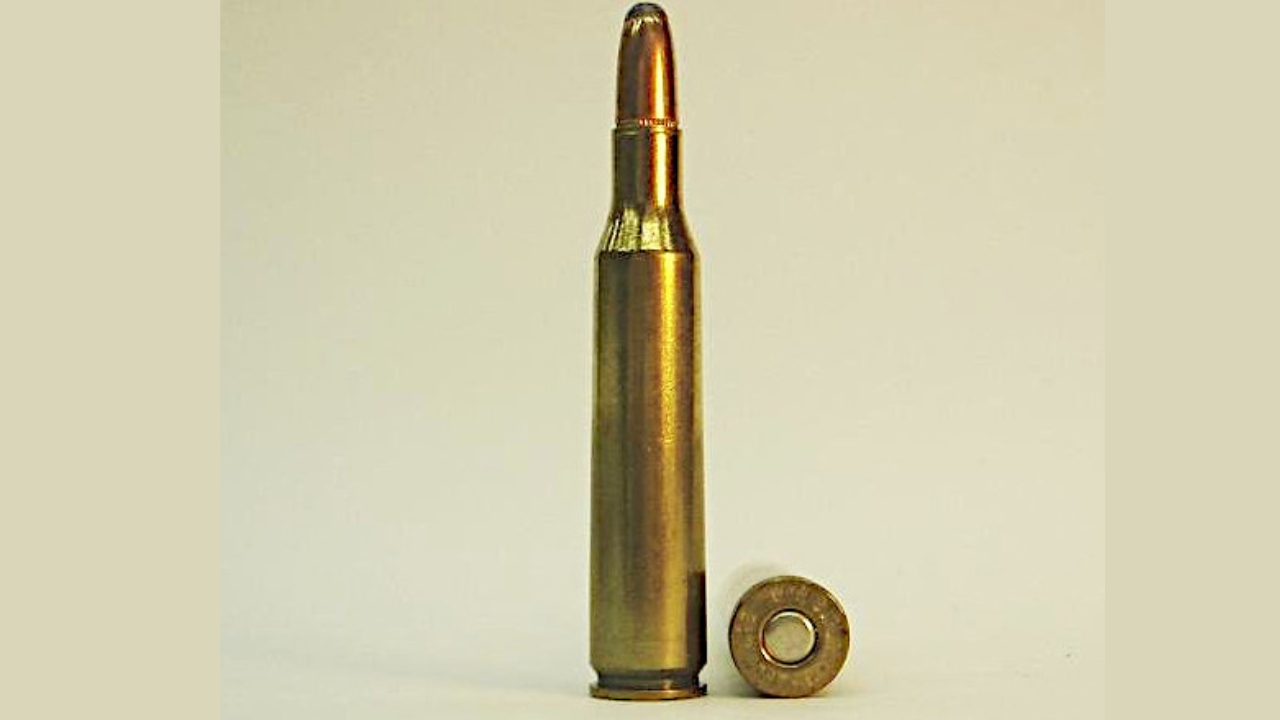
The .257 Roberts in its standard form is easy on barrels, but +P versions push pressures high enough to cause fouling and heat-related accuracy loss much sooner. Hunters often pick +P loads for better reach, but the jump in velocity begins thinning throat life after just a few boxes. It’s not catastrophic, but it’s noticeable.
The cartridge still performs well, but you’ll find it becomes more sensitive to copper buildup and barrel temperature than most people expect. Clean it regularly, keep your pace slow, and it performs beautifully. Push it hard with +P ammo, and accuracy starts slipping in a hurry.
.270 Weatherby Magnum
The .270 Weatherby Magnum is an impressive long-range hunting round that produces flat trajectory and big energy, but it’s notoriously rough on barrels. Pressure is high, heat is intense, and carbon buildup becomes a problem almost immediately if you’re shooting more than a handful of rounds at a time.
After a few boxes, shooters often see groups shift unless they’re extremely disciplined with cleaning. For most hunters who shoot once or twice a year, it never becomes noticeable. But for range days or practice-heavy seasons, accuracy starts to fade early—especially in lightweight barrels.
7mm Remington Ultra Magnum

The 7mm RUM is capable of excellent accuracy, but its oversized powder capacity means barrels heat fast and throats erode quickly. After a few boxes, especially in warm weather, you’ll see groups widen and shots walk as fouling accumulates. The cartridge simply runs too hot for frequent shooting in sporter-weight rifles.
Recoil also plays a role. Many shooters develop small form inconsistencies over time, and the cartridge punishes even minor changes. Clean often and keep sessions short, and it stays accurate. Push it faster, and accuracy slips away sooner than you’d like.
.30-378 Weatherby Magnum
Few cartridges generate the heat and pressure of the .30-378 Weatherby Magnum. It’s one of the fastest .30-caliber rounds ever developed, and that performance comes at the cost of barrel life. Accuracy decay is noticeable after surprisingly few rounds, especially when using lighter barrels or shooting multiple strings.
Even when handled carefully, carbon and copper build quickly enough that precision shooters see drift early in the rifle’s life. It’s a powerhouse through and through, but not a cartridge for anyone who plans to shoot more than a few times per season.
6.5 PRC (in lightweight barrels)

The 6.5 PRC can be extremely accurate, but in ultralight hunting rifles it tends to lose that accuracy quickly under heat. The cartridge runs hotter than the 6.5 Creedmoor, and when paired with thin sporter barrels, groups start to widen once you’ve fired only a few boxes. It’s not a bad cartridge—it’s simply sensitive to barrel profile.
Heavier barrels handle the heat and fouling better, but most hunters choose lightweight rifles that can’t absorb that extra warmth. When that happens, you see cold-bore accuracy give way to inconsistent performance once the barrel warms even a little. Treat it as a slow-shot hunting round, not a high-volume practice cartridge, and it stays reliable.
Like The Avid Outdoorsman’s content? Be sure to follow us.
Here’s more from us:
The worst deer rifles money can buy
Sidearms That Belong in the Safe — Not Your Belt
*This article was developed with AI-powered tools and has been carefully reviewed by our editors.