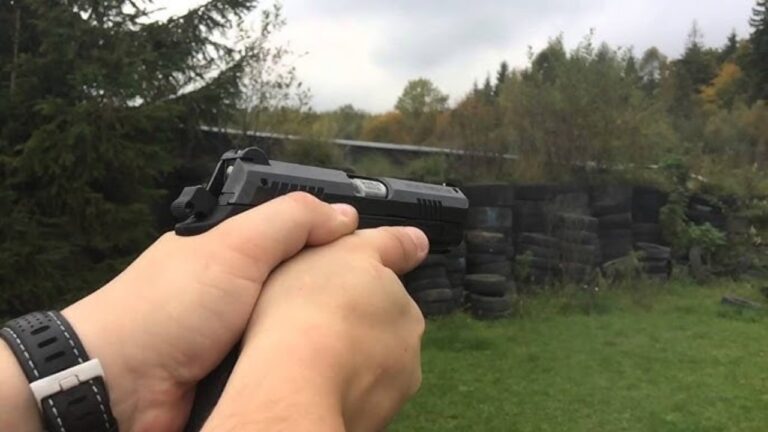
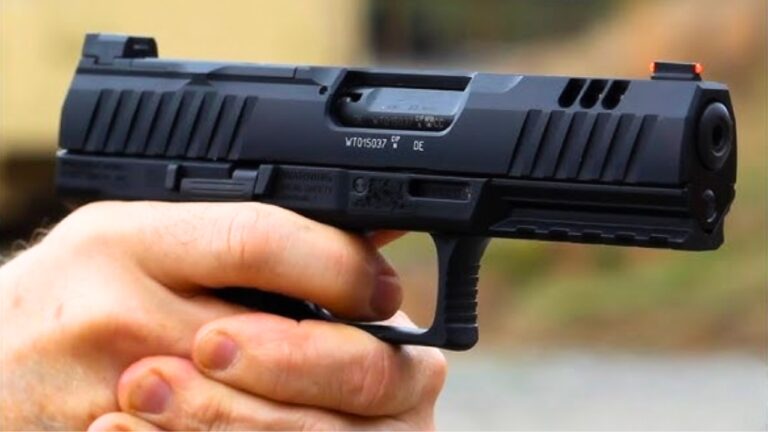
Photo credit: New World Ordnance/YouTube
A carry gun shouldn’t be a science project. If you’ve got to “find the one ammo it likes,” swap three different magazines, and keep a spare bag of small parts… that’s not confidence. That’s babysitting. The problem is a lot of these guns are easy to buy because they’re cheap, available everywhere, or they look like the perfect concealment answer. Then real life shows up: stoppages, weird wear, picky feeding, or quality control that’s all over the place.
I’m not saying every single one of these is junk. I’m saying these are the ones I tell people to vet harder before they trust their life to them.
Kimber Solo Carry
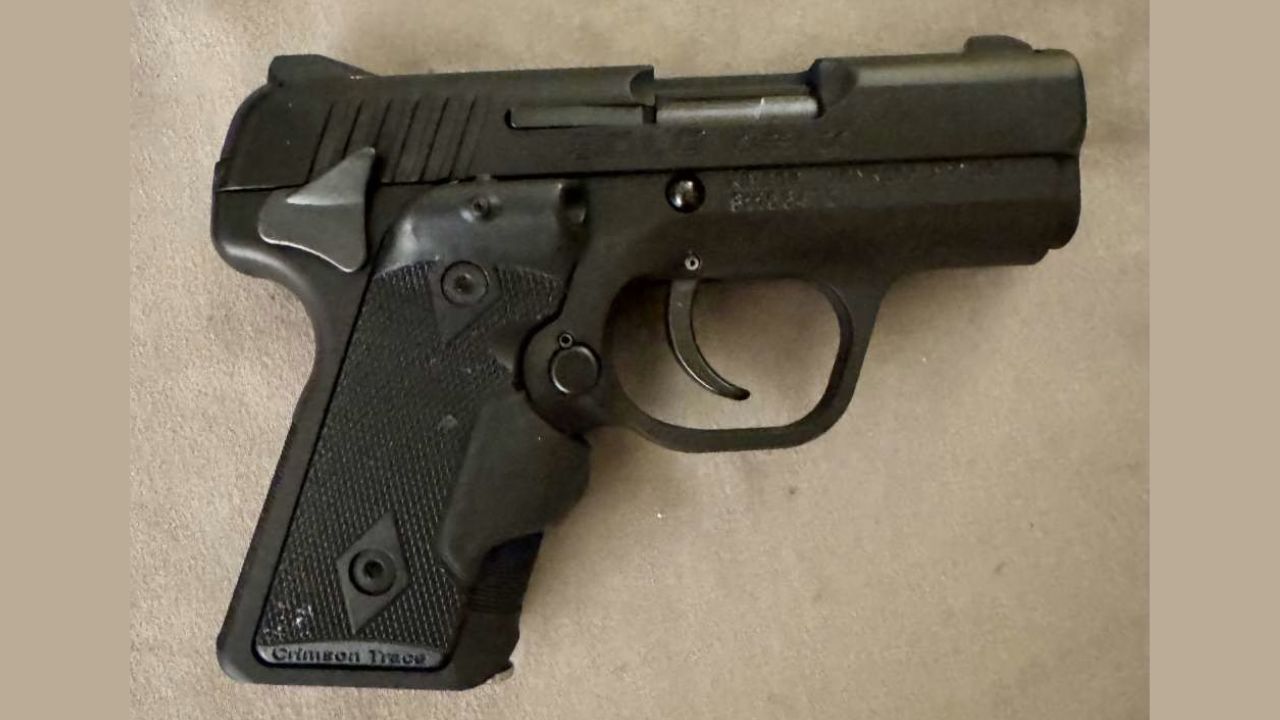
The Kimber Solo is the definition of “sounds perfect on paper.” Tiny 9mm, good looks, good brand name, easy to fall for. The issue a lot of owners run into is that it can be ammo-picky and spring-sensitive, especially if you’re trying to run cheap practice ammo or lighter loads. When a pistol only behaves with a narrow band of ammo, that’s not a confidence builder—because practice ammo and carry ammo aren’t always the same animal.
And it’s not just “one guy on the internet.” The pattern you’ll see is: it runs for a bit, then people start chasing reliability with different loads, different mags, and different maintenance routines. If you already own one and it runs with your carry load, great—prove it with real round count. But if you’re shopping, the Solo is one of those pistols that can turn daily carry into daily doubt.
Diamondback DB9

The DB9 got popular because it was one of the smallest 9mms you could buy without selling a kidney. And that’s also why it can be hard to trust: you’re asking a tiny, light pistol to do big-pistol work. With some DB9s—especially older ones—people run into feed issues, harsh recoil behavior that encourages limp-wristing, and overall “this feels like it’s on the edge” cycling.
A micro 9 needs margin. The DB9 often feels like it has less margin than the average carry pistol. You’ll see guys get a good day at the range, then a bad day, then they start blaming mags, ammo, grip, everything. Some examples run fine, sure. But if your goal is a boring, predictable carry gun, DB9s are one of those purchases that can turn into a troubleshooting hobby.
Diamondback DB380

Same theme as the DB9: small, light, easy to carry, and sometimes not as confidence-inspiring as the idea sounds. A .380 should be easy, right? Not always. With tiny .380s, you can get weird feeding angles, inconsistent slide behavior, and a gun that’s very sensitive to grip and ammo shape.
The DB380 also tends to attract buyers who want something ultra-compact and affordable, which often means they don’t put a serious round count on it. That’s how “it seemed fine” becomes “I don’t trust it.” If you’re going to carry a DB380, you need to do the unsexy work: run your actual carry ammo, run multiple magazines, and see if it stays boring. If it doesn’t, don’t rationalize it. Replace it.
Kel-Tec P-11 (9mm)

The P-11 has been around forever, and a lot of them do what they’re supposed to do. The reason it lands here is that it can be a rough combination of trigger, shootability, and “it’ll run… until it doesn’t.” The long, heavy trigger makes it easy to shoot poorly, and when guys shoot poorly they start blaming reliability because they’re not getting the performance they expected.
On top of that, Kel-Tecs can be very “this individual gun” dependent. Some are tanks. Some are finicky. The P-11 is a classic case of being easy to buy and easy to carry, but not always easy to trust unless you’ve personally proven it. If you’re carrying one, it needs a real test—because the pistol’s reputation is too mixed to just assume you got a perfect one.
Kel-Tec P-3AT (.380)

The P-3AT is one of the reasons pocket carry got as popular as it did. It’s small, light, and it disappears. It also lives in that world where tiny guns have tiny margins. People run into issues that can be magazine-related, ammo-profile related, or grip-related. And because it’s a pocket gun, it gets pocket lint, sweat, and neglect—then people act surprised when it starts acting weird.
The hardest part is that owners often don’t train with it much, because it’s not fun to shoot. So they never get enough reps to learn what it does when it gets dirty or when you shoot it fast. That’s why it becomes “hard to trust.” It might be fine—but you don’t actually know unless you’ve put real rounds through it in carry-like conditions.
Kel-Tec P-32 (.32 ACP)
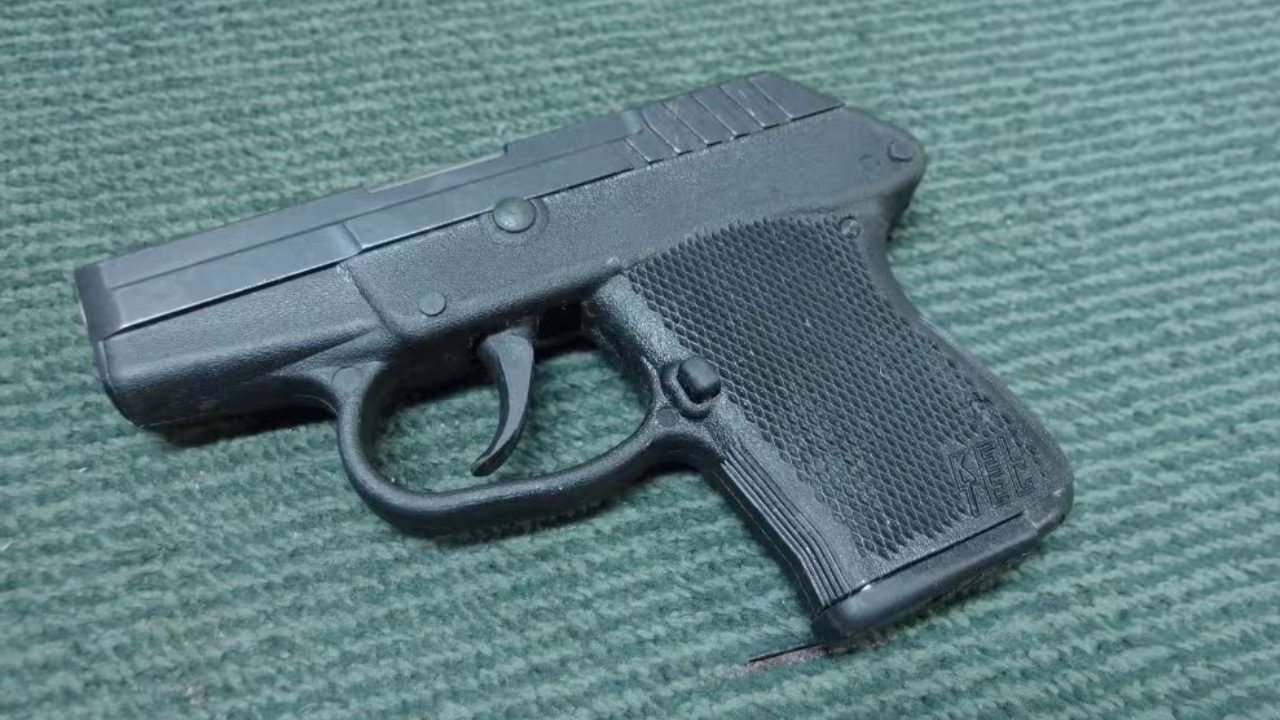
The P-32 is one of the softest-shooting pocket options, and a lot of people like it for that reason. The trust issue isn’t “it can’t work.” The trust issue is that pocket guns are often carried a ton and shot very little, and the P-32 tends to be treated like a “better than nothing” tool rather than a gun people actually prove.
And when you don’t prove a gun, you don’t trust it—at least not honestly. Add in how sensitive tiny pistols can be to magazine condition and ammo profile, and you’ve got a gun that can be perfectly fine but still hard to trust if you’re not disciplined. If you carry a P-32, run it hard enough to know what it does. If you can’t be bothered, don’t pretend you’re confident with it.
Taurus Spectrum (.380)
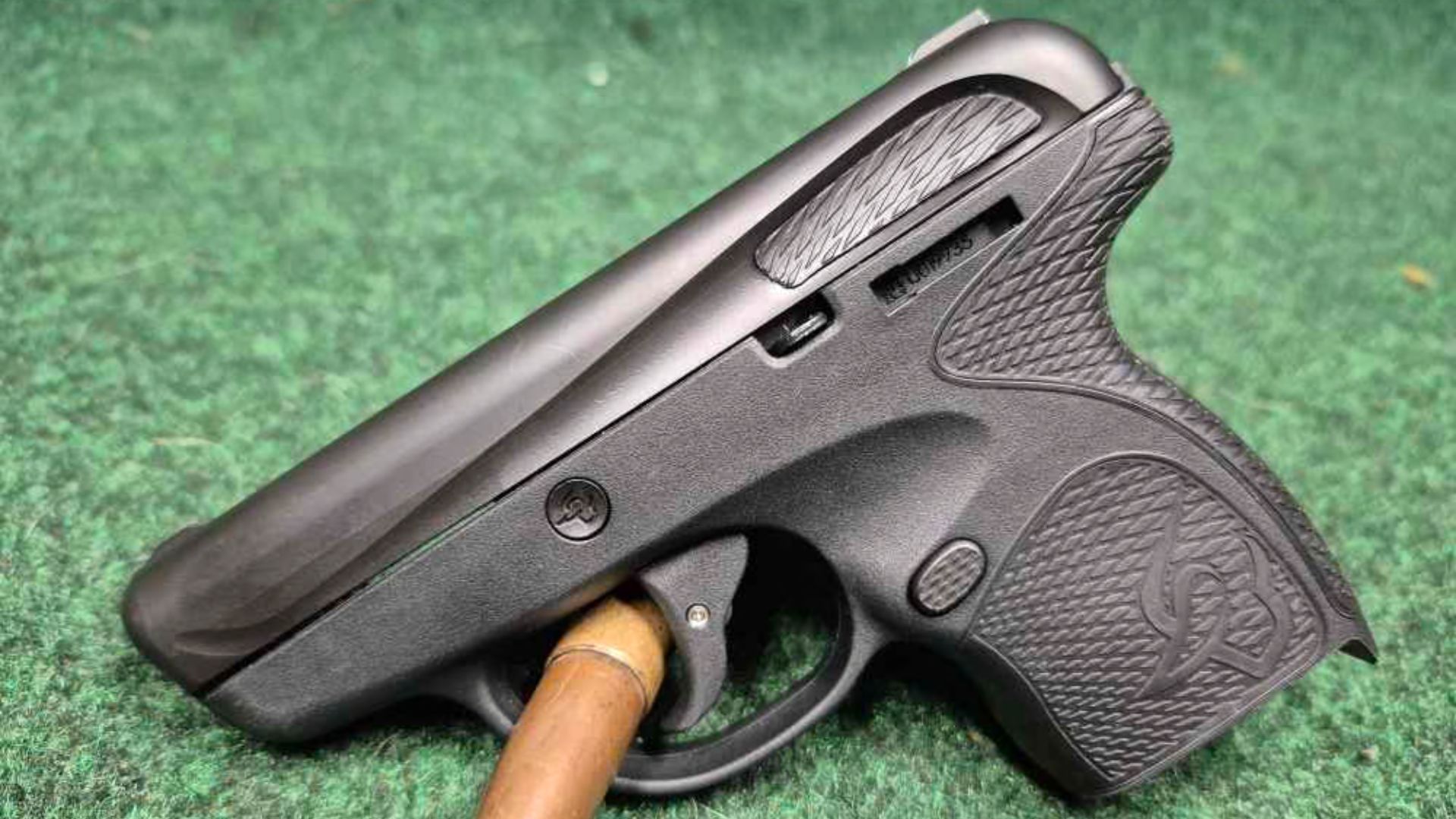
The Spectrum was marketed as a modern pocket .380 option with a slick look. A lot of owners’ experiences were… mixed. That’s the main issue here: when quality control and performance feel inconsistent, trust gets shaky. Some people get a good one. Some people get one that’s fussy, or one they never warm up to because it feels like it’s always one step from a hiccup.
Pocket pistols already operate with less margin. When you add a platform that has a reputation for being inconsistent across individual guns, you’re basically signing up to do extra testing before you carry it. If you’ve got one that runs, awesome—keep it clean and keep your mags healthy. If you’re shopping, there are other pocket options with a more consistent track record that don’t leave you guessing.
Taurus PT709 Slim (9mm)

The PT709 Slim is attractive because it’s thin, easy to conceal, and usually priced to move. The trust problem is that it’s another pistol where a lot of guys report “mine is fine” while others report frustration. That’s the definition of a carry gun you can’t blindly recommend without the disclaimer: you need to personally test it and be honest about what you see.
When a pistol is easy to buy and hard to recommend with confidence, it lands on a list like this. The PT709 can be a decent carry gun in the hands of someone who tests it and maintains it. But if you’re the type who buys it, shoots one box, and straps it on, you’re gambling. Carry guns shouldn’t feel like a gamble.
Jimenez JA-9 (9mm)
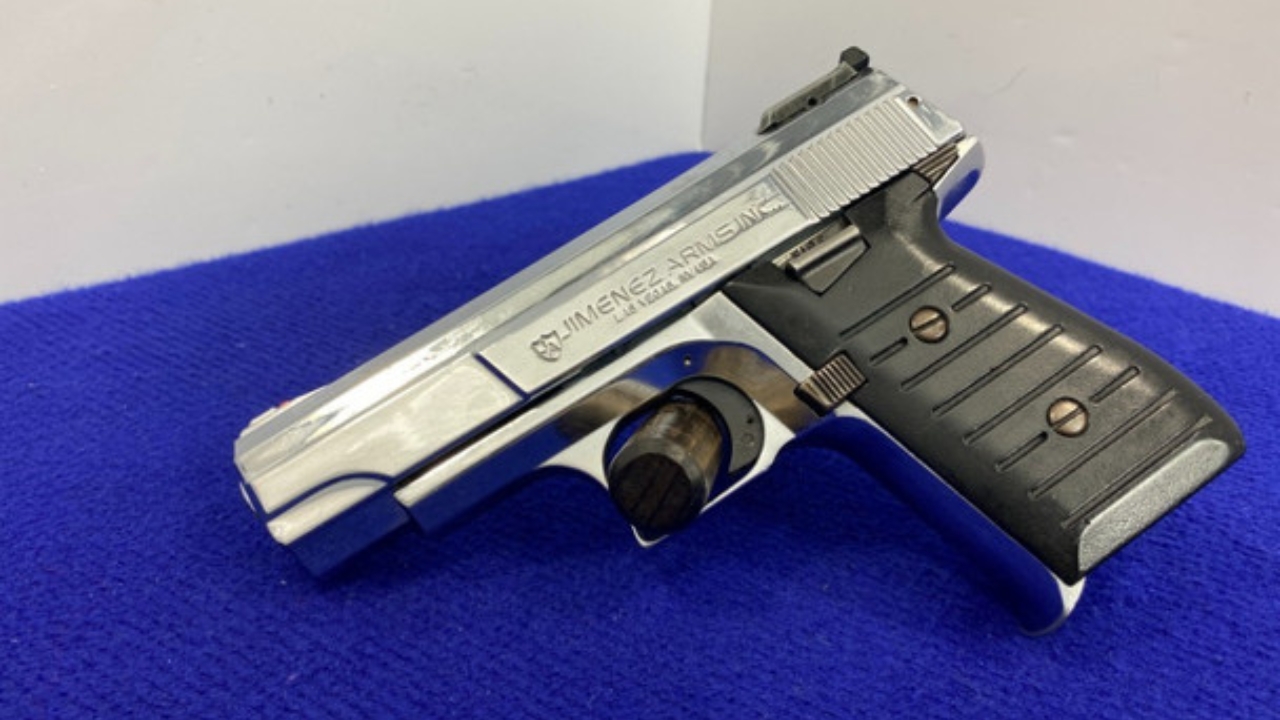
These are easy to buy because they’re cheap. That’s the whole pitch. The trust issue is pretty simple: when you’re shopping in the absolute bottom tier, you’re buying less consistency and less margin. That doesn’t mean every single one will fail. It means you’re more likely to see rough triggers, rough cycling, questionable magazine quality, and parts that wear in ways you don’t love.
And here’s the part people don’t say out loud: the guys buying these are often doing it because they don’t have money for ammo and training either. So you end up with a gun that might not be consistent, carried by someone who hasn’t put the reps in to prove it. If you’re serious about defense, I’d rather see you save a little longer and buy something boring and proven.
Phoenix Arms HP22A (.22 LR)

A .22 carry gun is already a compromise, but people still buy these because they’re cheap and available. The trust problem is that rimfire ignition is less reliable than centerfire, and the HP22A is not a platform most people would call “duty grade.” Between ammo variability, magazine sensitivity, and the reality that .22 LR isn’t built for defensive reliability, it’s a tough one to recommend as anything more than a range toy.
Could it go bang? Sure. Will it go bang when you need it? That’s the whole issue. If your carry plan is built around a pistol that’s known for being picky and it’s firing a rimfire cartridge, you’re stacking compromises. It’s easy to buy. It’s hard to trust—because the system itself is working against you.
Hi-Point C9 (9mm)

I know—some guys are going to say, “My Hi-Point runs.” And some of them are right. The reason the C9 ends up here isn’t because every one is a jam-o-matic. It’s because it’s a brick. It’s heavy, bulky, and the kind of gun people buy when they’re trying to solve a budget problem fast. That often means it doesn’t get carried consistently, and it doesn’t get trained with consistently either.
Trust is partly mechanical and partly behavioral. If the gun is so big and awkward that you keep leaving it at home, it’s not a trustworthy carry solution—even if it runs. And if you carry it rarely, you won’t know if your mags are still good or if anything is loosening up. It’s easy to buy. It’s hard to trust as a daily carry habit.
Cobra CB38 / similar derringers
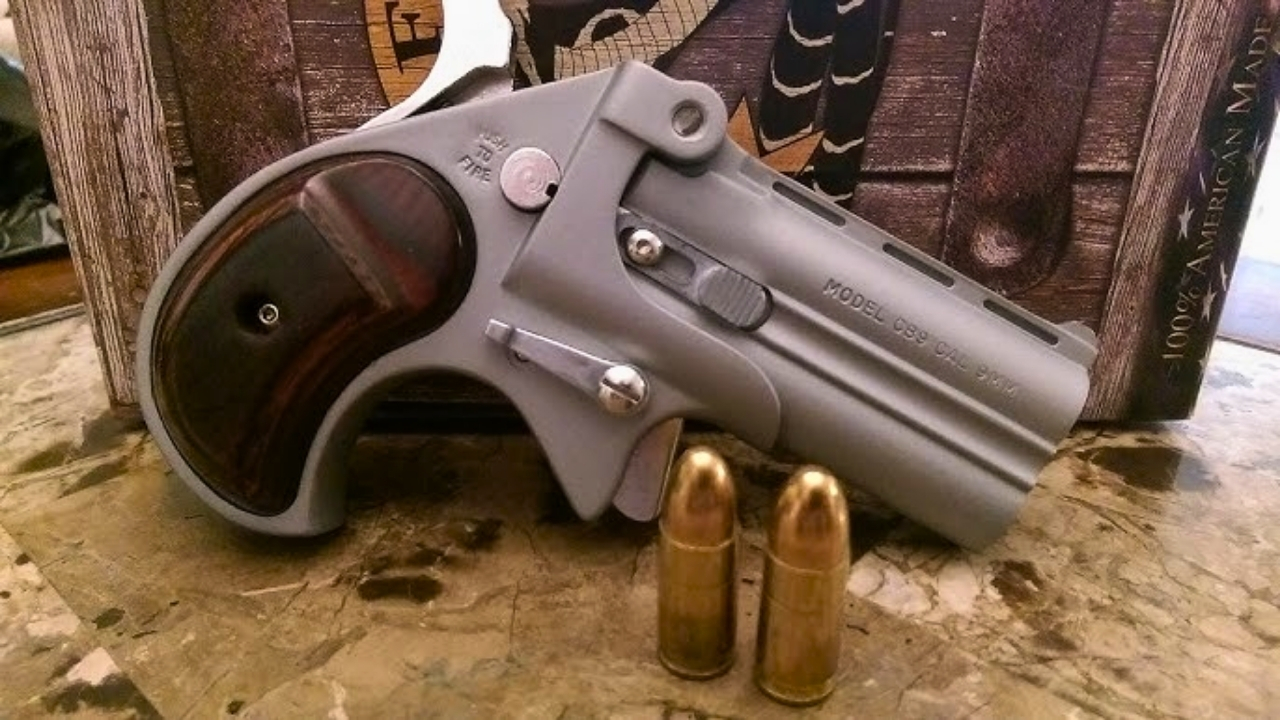
Derringers are easy to buy, easy to pocket, and easy to convince yourself about. They’re also hard to trust in a real defensive context. Low capacity, slow reload (basically no reload), small grips, heavy triggers, and a recoil impulse that makes accurate follow-up shots harder than people expect. They’re also not forgiving when you’re stressed.
A derringer is a last-ditch tool, and it should be treated like one. The problem is people buy them thinking they’re getting a simple carry gun, then realize it’s a compromise on top of a compromise. If you want something you can shoot well and carry daily, a derringer isn’t the answer. It’s a “better than nothing” answer—and that’s why it’s hard to trust.
Para-Ordnance Warthog (.45 ACP)
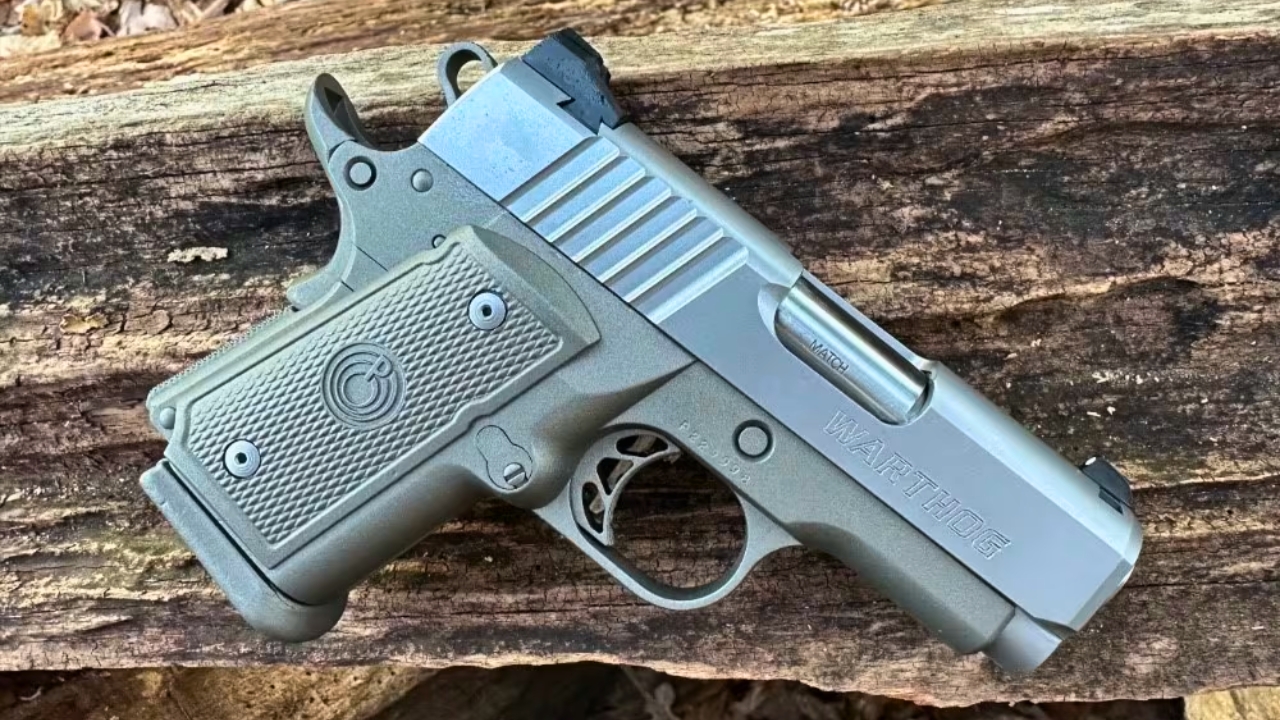
Tiny double-stack .45s sound awesome until you actually try to make them boring-reliable. Short 1911-style guns with fat magazines can be picky about magazines, springs, and ammo. The Warthog has fans, but it also has a long history of being the kind of pistol that runs great for some people and causes headaches for others—especially if maintenance and mags aren’t perfect.
And because it’s a compact .45, recoil and slide speed can magnify problems when springs get tired. That’s why it can be hard to trust for daily carry unless you’ve personally proven it over time. A carry gun shouldn’t require constant tuning. If yours runs, keep it running. If it’s the “it’s great except when…” gun, don’t carry it.
AMT Backup (various calibers)

The AMT Backup is a classic example of a gun people buy because it’s small and made of stainless, then they realize it’s not a modern carry experience. These were designed in an era where micro pistols didn’t have today’s refinement. Between shootability, trigger feel, and the reality that older pocket designs can be sensitive, they often end up being carried more than they’re trained with.
And that’s where trust dies: when you don’t practice, you don’t know what you’ve got. A lot of AMT Backup owners either love them because they accept the quirks, or they get frustrated because it doesn’t behave like a modern micro 9. If you’re thinking about one for carry, be honest. It’s a cool piece. It’s not a “set it and forget it” carry platform.
Jennings J-22 / Bryco / similar cheap rimfire pocket pistols

These are easy to buy in some places because they’re cheap and they show up used. The trust problem is the same as the Phoenix but worse: rimfire reliability plus questionable build quality plus tiny margins. If you’re relying on a small, low-grade rimfire pistol for defense, you’re betting your life on the least reliable ignition system in common use.
Guys buy them thinking “it’s better than nothing.” Sometimes nothing is the honest answer until you can afford a basic, proven centerfire pistol and a couple good mags. If you’re serious about protecting your family, don’t build your plan around a gun that’s famous for being a compromise machine.
Like The Avid Outdoorsman’s content? Be sure to follow us.
Here’s more from us: