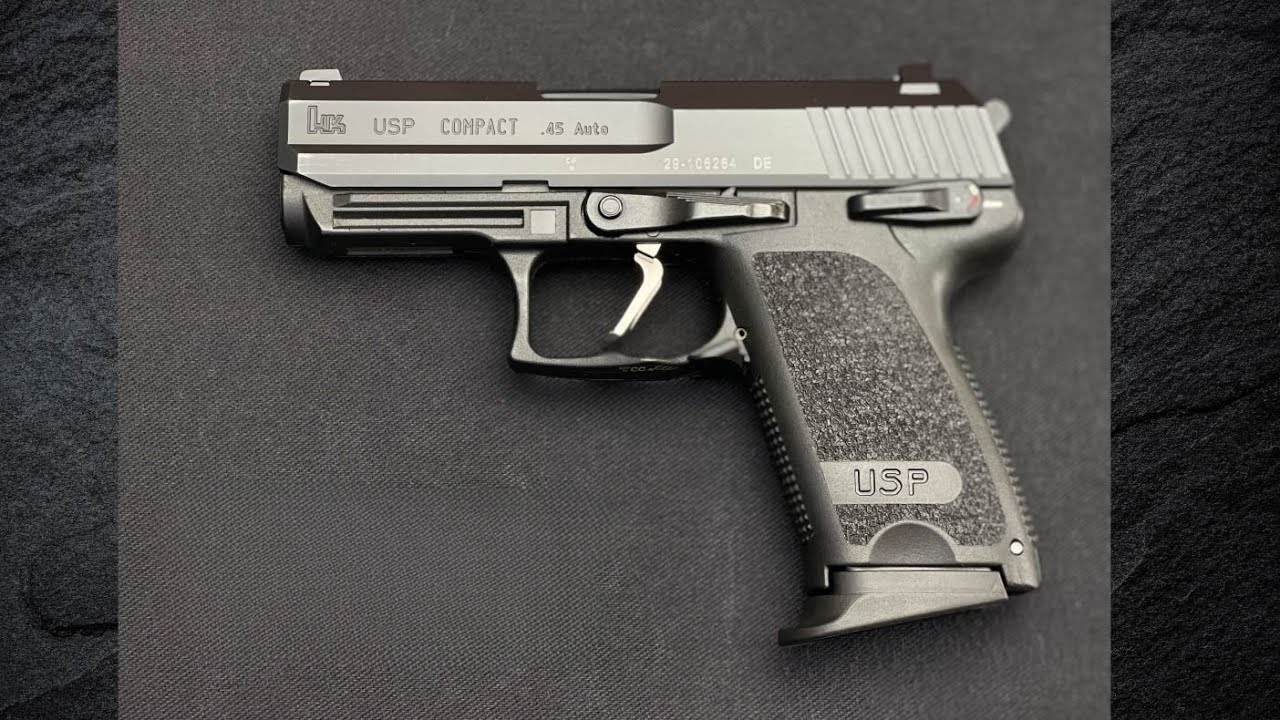
Photo credit: MDpolo Gun Channel/YouTube
The handgun market loves a comeback story, but some pistols never really needed one. They were already reliable, already shootable, already trusted by people who put in real range time instead of chasing whatever the next product cycle promised to fix. While newer models kept arriving with sharper marketing, revised frames, and fresh claims about solving old problems, these handguns just kept working.
That is why they still matter. They did not need a redesign to become useful again because they never stopped being useful in the first place. They carried well enough, shot well enough, and built the kind of trust that does not come from launch buzz. These are the handguns that were already doing the job while the market kept pretending the job had changed.
SIG Sauer P228
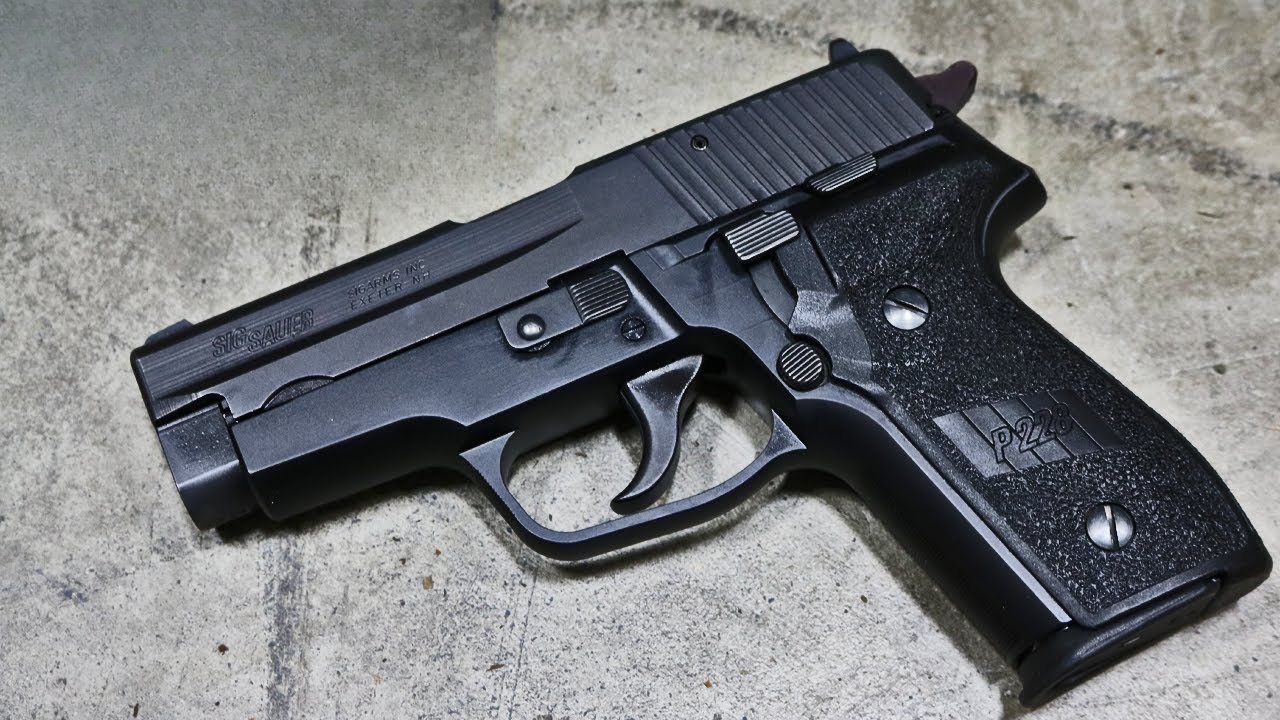
The P228 never needed a dramatic return because it already figured out the balance a lot of pistols still chase. It gave shooters a compact 9mm that felt serious in the hand without becoming bulky or awkward. The size made sense, the controls made sense, and the gun never had to scream for attention because it was already easy to trust once you spent real time with it.
That is why people who know these pistols still talk about them with real respect. The P228 shoots with a steadiness that many newer compacts never quite match, and it has the kind of all-around usefulness that ages well. It did not need reinvention. It just needed shooters who understood how much it got right the first time.
Beretta PX4 Compact
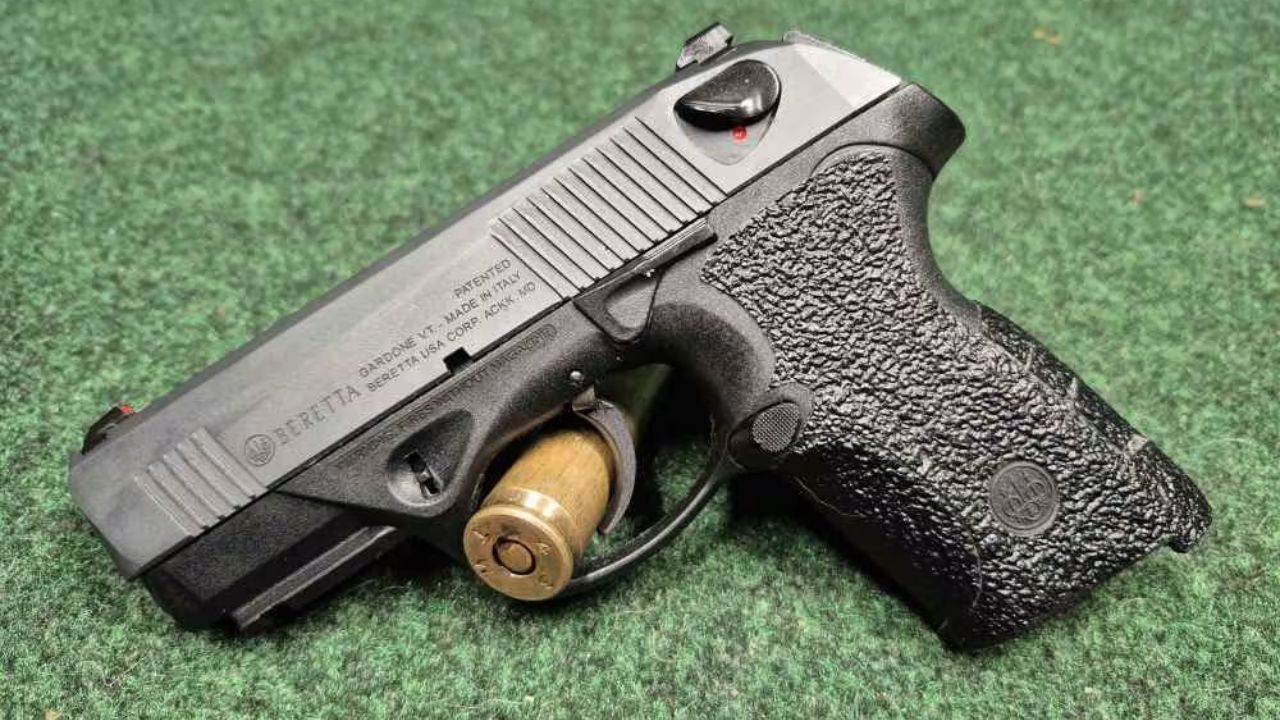
The PX4 Compact is a perfect example of a handgun that stayed better than the conversation around it. It never dominated the market the way some newer carry pistols did, but it kept solving real problems for shooters who actually used it. It was compact enough to carry, large enough to control, and smooth enough in recoil to win people over once they got past the name and the styling.
That matters because a lot of newer handguns got pushed harder than they ever got trusted. The PX4 Compact kept doing the work without asking for a complete identity rebuild every few years. It remained a practical defensive pistol with real range manners, and that is why it never needed to be reinvented into something else.
Smith & Wesson 3rd Gen 6906

The 6906 was doing the practical compact-duty-gun thing long before the market started acting like it had just invented the concept. It offered durability, dependable function, and the kind of solid handling that still makes sense today. It was not trying to be ultra-light, ultra-thin, or ultra-hyped. It was trying to be useful, and that is usually what keeps a pistol relevant longer than the market expects.
Shooters who spent enough time with one usually learned the same lesson. The gun may not have had the flash of later designs, but it had real substance. It shot well, held up, and made fewer excuses than plenty of newer pistols that arrived with more fanfare. The 6906 did not need a modern makeover. It already understood the assignment.
Heckler & Koch P2000
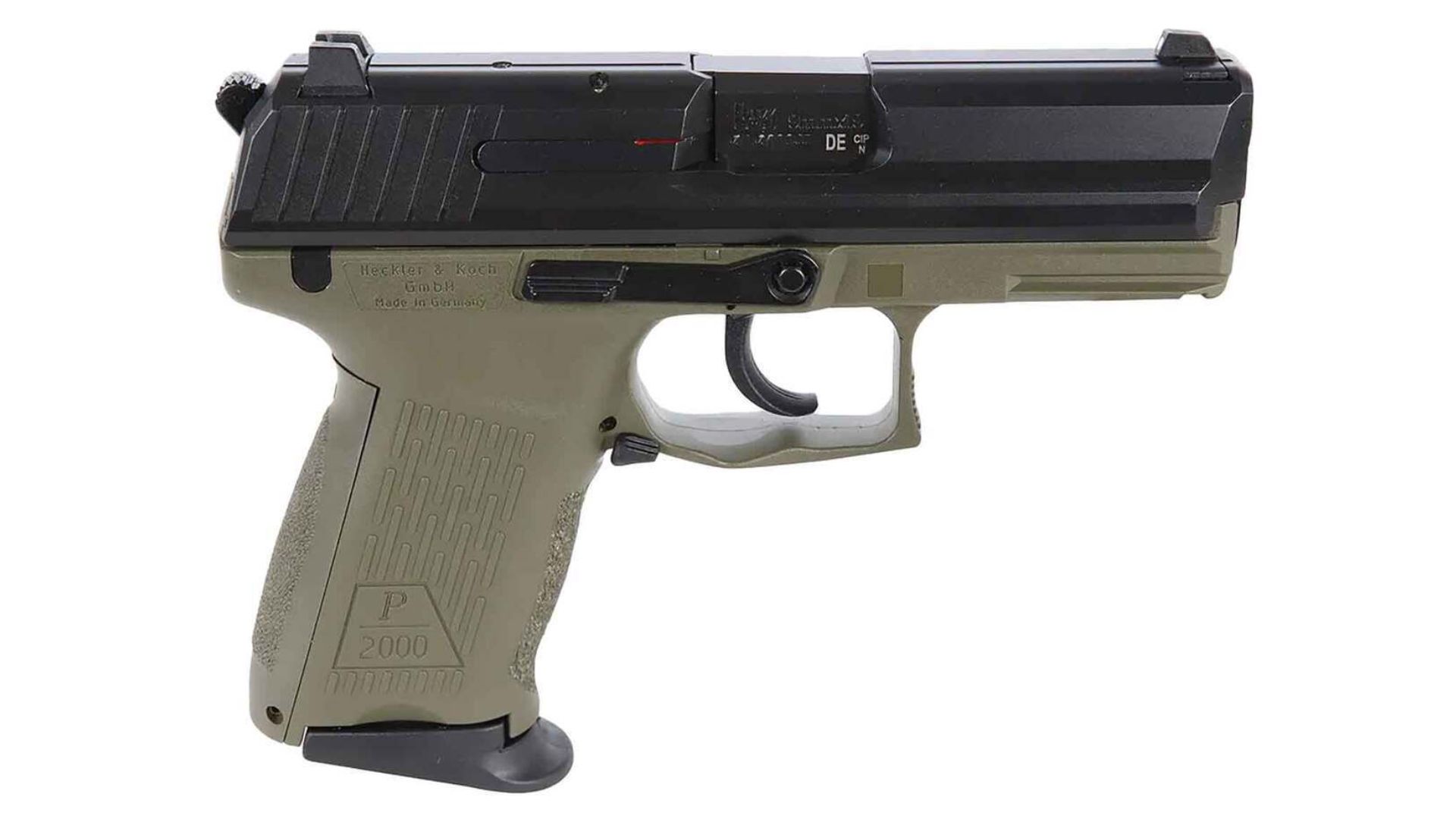
The P2000 never got the kind of attention that some newer carry and duty pistols soaked up, but that never changed what it was. It was already a dependable, compact, serious-use handgun with strong ergonomics and the kind of durability shooters expect from HK when the gun is meant for real work. It did not need to be louder because it was already useful.
That is part of why it has held up so well. The P2000 did not depend on a trend to matter. It concealed well enough, shot well enough, and carried enough confidence to stay in the hands of people who valued function over novelty. Reinvention is usually for guns still trying to prove themselves. This one was already doing the job.
CZ 75 Compact PCR

The PCR never needed a fresh identity because it already made sense as a carry pistol for people who wanted something they could actually shoot. It is compact without feeling toy-like, slim enough to carry sensibly, and still has the kind of control in the hand that keeps shooters from resenting range time. A lot of newer carry guns forgot how important that last part is.
That is why the PCR keeps aging well. It did not have to be sold as some revolutionary answer to concealed carry because it was already one of the more grounded answers. It offered real-world balance, good manners, and enough character to avoid feeling generic. The market kept reinventing carry pistols. The PCR just kept being a good one.
Glock 30SF

The Glock 30SF is not the pistol people usually brag about first, which may be part of why it has held up so well. It has always been a compact .45 that simply made more sense than many shooters expected. It carried better than its reputation suggested, shot softer than people assumed, and gave owners a thick, practical little workhorse that never depended on online approval to stay relevant.
That is what makes it fit this headline so well. The gun never needed a redesign campaign to remind people it was useful. For shooters who wanted a dependable carry-size .45 with real substance, the 30SF was already doing the job. It did not need reinvention. It just needed enough range time to shut down shallow first impressions.
Browning Hi-Power Practical

The Hi-Power platform as a whole never needed to be rescued, and the Practical versions only make that clearer. These pistols already handled well, carried slimmer than many double-stacks, and pointed in a way that kept experienced shooters loyal even while the market rushed toward newer service-pistol ideas. They were already giving people a lot of what they needed before reinvention became a constant sales pitch.
That is why the platform stayed respected by people who actually shot it. A good Hi-Power did not need a fresh mission statement. It needed a shooter who understood balance, natural handling, and the value of a pistol that feels alive in the hand. The Practical models just reminded people that the old formula was still doing real work without needing to become something trendy.
SIG Sauer P220 Carry
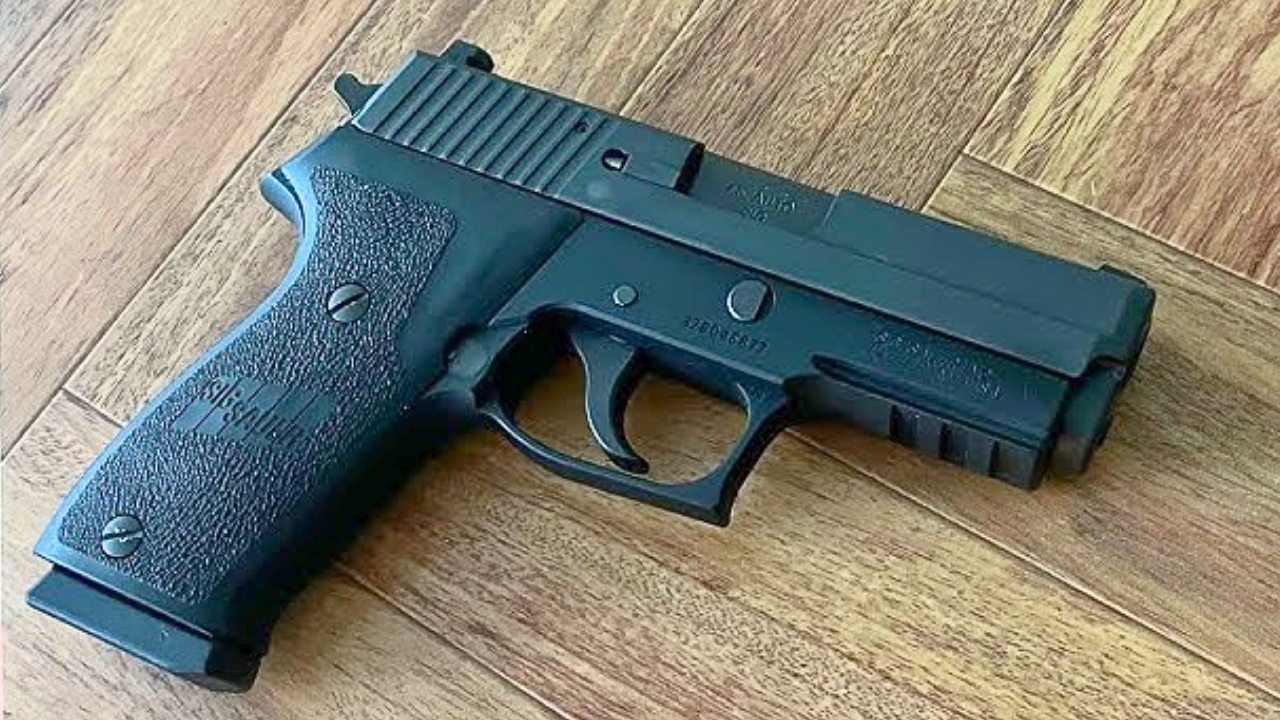
The P220 Carry never needed a dramatic relaunch because it was already giving shooters a very mature answer to a familiar problem. It brought the steadiness and shootability of the full-size P220 into a handier format without turning the gun into a compromise-heavy experiment. That kind of restraint is rare in a market that loves to keep cutting and stretching pistols until the original idea gets buried.
Shooters who appreciated the P220 Carry usually appreciated it for exactly that reason. It felt like a serious .45 meant to be owned, not just compared. It shot well, carried with purpose, and avoided the disposable feeling that clings to too many newer handguns. It did not need reinvention because the original recipe already made sense.
Walther P88 Compact

The P88 Compact is one of those pistols that reminds you some designs were simply ahead of the endless update cycle. It offered quality, good handling, and a level of refinement that still stands out, even though it never became the kind of mass-market handgun the internet can endlessly obsess over. It was already a serious, usable pistol before the industry got addicted to constant refreshes.
That is why it still earns respect from people who know what they are looking at. The gun was not trying to be disposable, modular, or built around the next quarter’s buzzwords. It was trying to be good. That alone gives it a kind of permanence many later pistols never managed. Reinvention usually follows insecurity. The P88 Compact never felt insecure in the role.
Springfield Armory Loaded 1911

The Loaded 1911 never needed reinvention because it was already giving a lot of shooters what they actually wanted from a practical 1911. It offered real features, real shootability, and enough quality to matter without drifting into the kind of fussy territory that makes some buyers more nervous than confident. It was a working version of the platform, not just a decorative one.
That is why it stayed relevant even while the market kept trying to repackage the 1911 for every new buyer mood. The Loaded models already understood that most people wanted a pistol that could be carried, trained with, and trusted without turning the whole ownership experience into a project. It was already doing the job, and shooters noticed.
Beretta 84FS

The 84FS never needed a modern rebirth because it had already nailed what a compact, easy-shooting pistol was supposed to feel like. It was comfortable, soft in recoil for its size, and had enough quality in the frame and controls to make plenty of newer pistols feel cheaper than they looked. It did not need the market’s permission to stay smart.
That is why it continues to make sense even after newer carry options came and went. For shooters who valued control, comfort, and a pistol that felt like it was made with some pride, the 84FS was already covering the role. It did not need to be reinvented into a new concept. It was already a good answer for people who knew what mattered.
Ruger P95
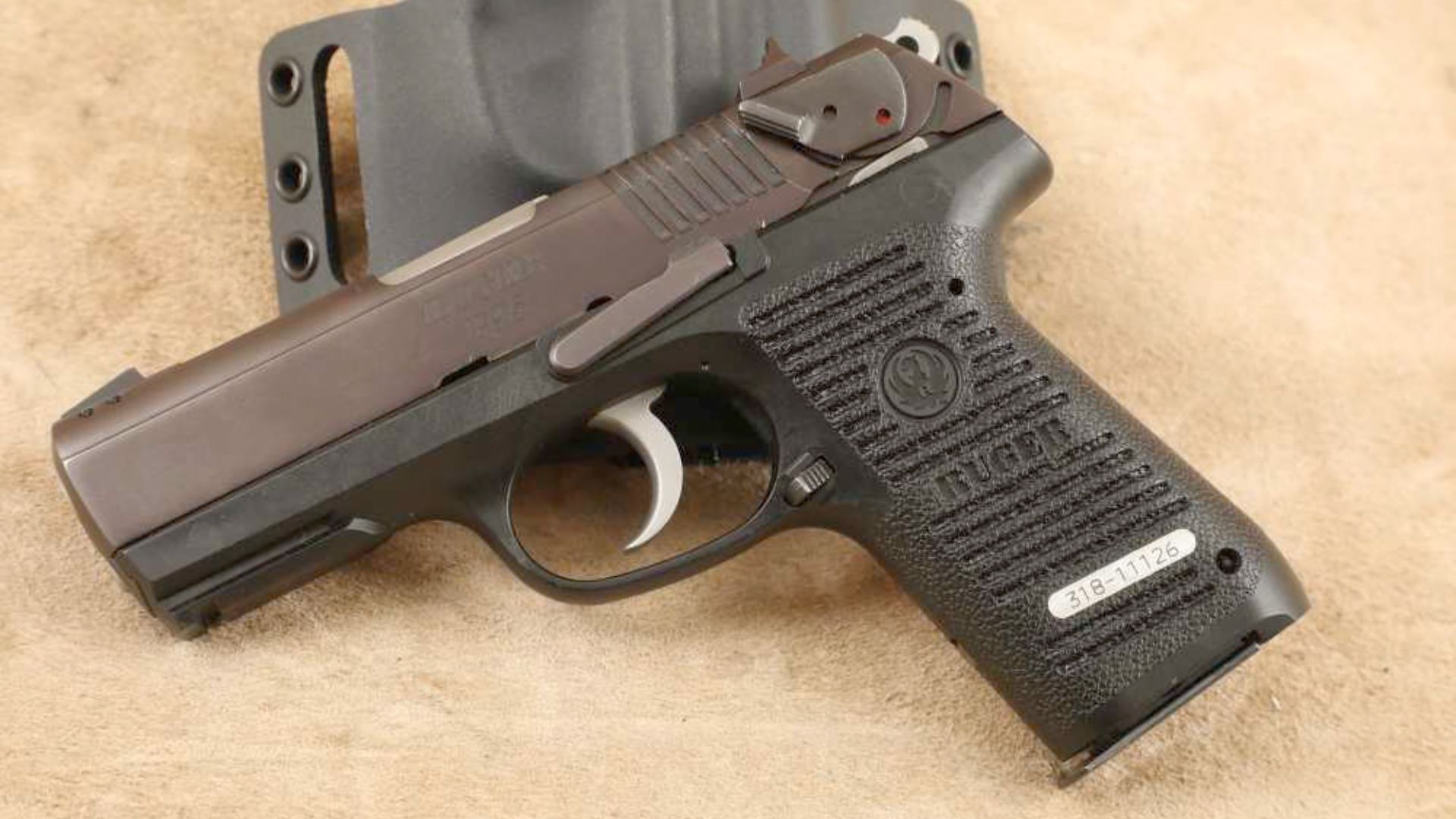
The P95 was never stylish, but it was already doing exactly what a lot of louder pistols claimed they would do. It ran, it held up, and it gave owners a dependable 9mm that did not need to flatter anybody to remain useful. For years, that plainness made it easy to underrate. Then enough newer handguns started feeling more delicate, more forgettable, or more dependent on hype than on actual trust.
That is when the old Ruger started looking smarter. It did not need to be reimagined because the original mission was already solid. It was built to be dependable first, and that kind of design tends to age better than guns built around flashier goals. The P95 was already doing the job while shinier pistols were still trying to explain themselves.
Smith & Wesson 3914
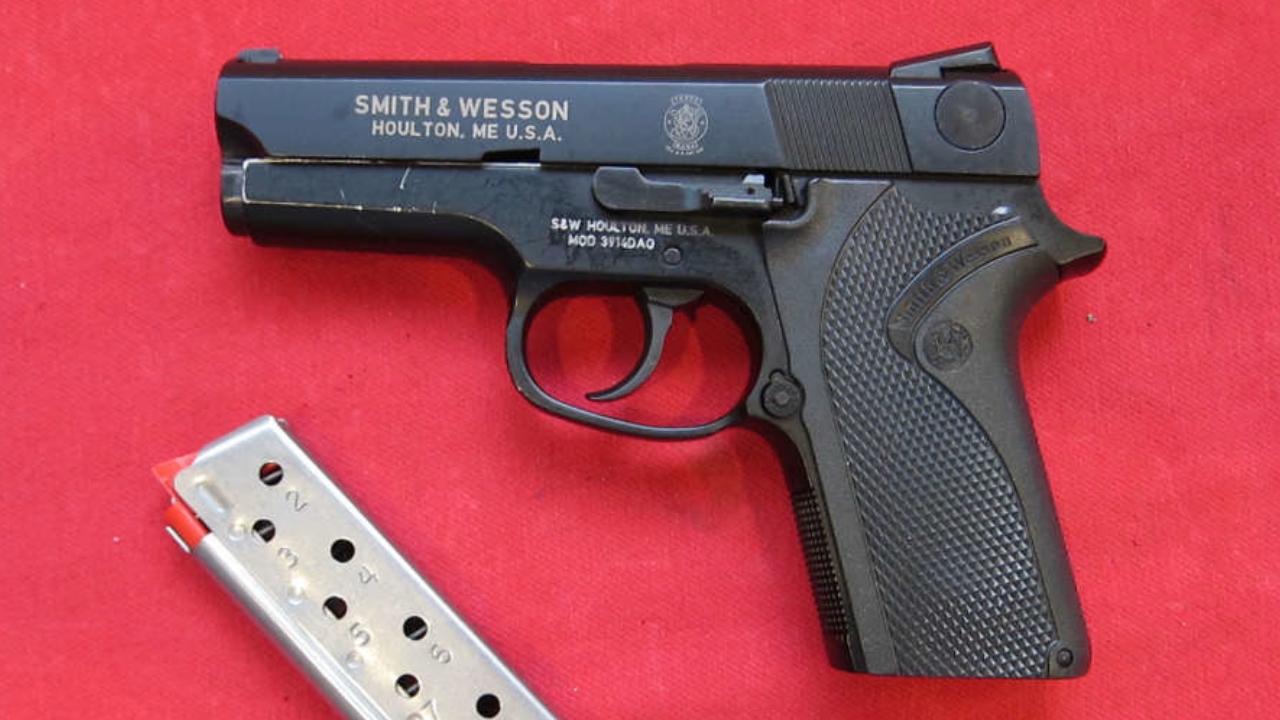
The 3914 was already solving concealed-carry problems before a lot of the market’s modern carry language even existed. It was slim, compact, and easy to live with in a way that still feels smart today. It did not need oversized claims or constant updates because it already understood the role: a practical carry pistol that could be carried comfortably and shot seriously.
That is why people still respect these older Smith compact autos. They were not trying to be the next big thing. They were trying to be real sidearms for real use. The 3914 kept that identity, and it never needed to be dressed up as something more revolutionary than it was. It was already doing the job well enough to last.
HK45 Compact

The HK45 Compact came into a market that already had plenty of opinions about what a compact .45 should be, and it never really needed to chase those opinions. It already had durability, real control, and the kind of build quality that makes shooters feel like the gun was made to survive ownership instead of just attract buyers. That matters more over time than a lot of short-term excitement does.
The gun stayed useful because it was already grounded in what matters. It carried well enough, shot well enough, and gave owners a sense of mechanical confidence that many newer compact pistols still struggle to create. The HK45 Compact did not need to be reinvented because it was already filling its lane with more maturity than most competitors.
Colt Commander
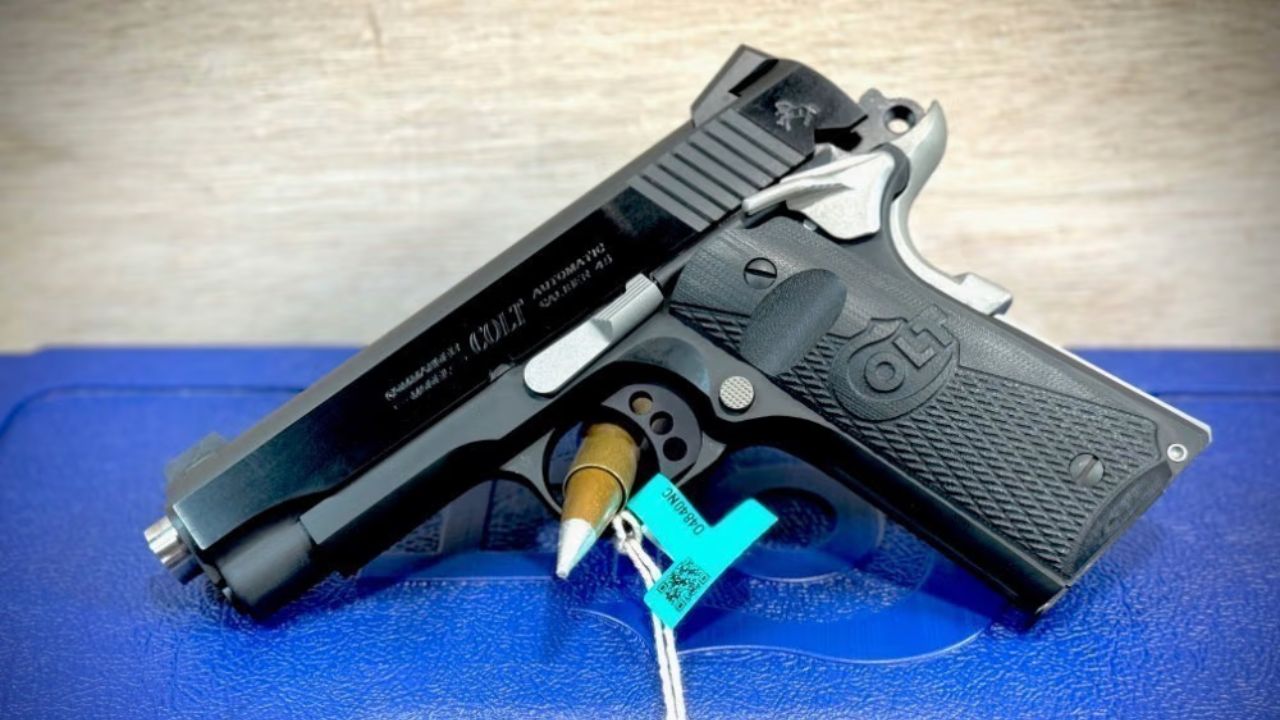
The Commander never needed reinvention because it already answered one of the most practical handgun questions ever asked: how do you make a 1911 easier to carry without ruining why people like it? Colt solved that a long time ago. The pistol kept enough of the Government Model’s shootability to feel like a real fighting handgun while becoming handier and easier to live with.
That is exactly why shooters keep circling back to it. It did not need to be sold as a radical evolution. It just needed to remain a good pistol in a very usable size. Plenty of later handguns tried to act like they had discovered the compact-duty balance for the first time. The Commander was already doing it before the pitch decks got involved.
Walther P5 Compact
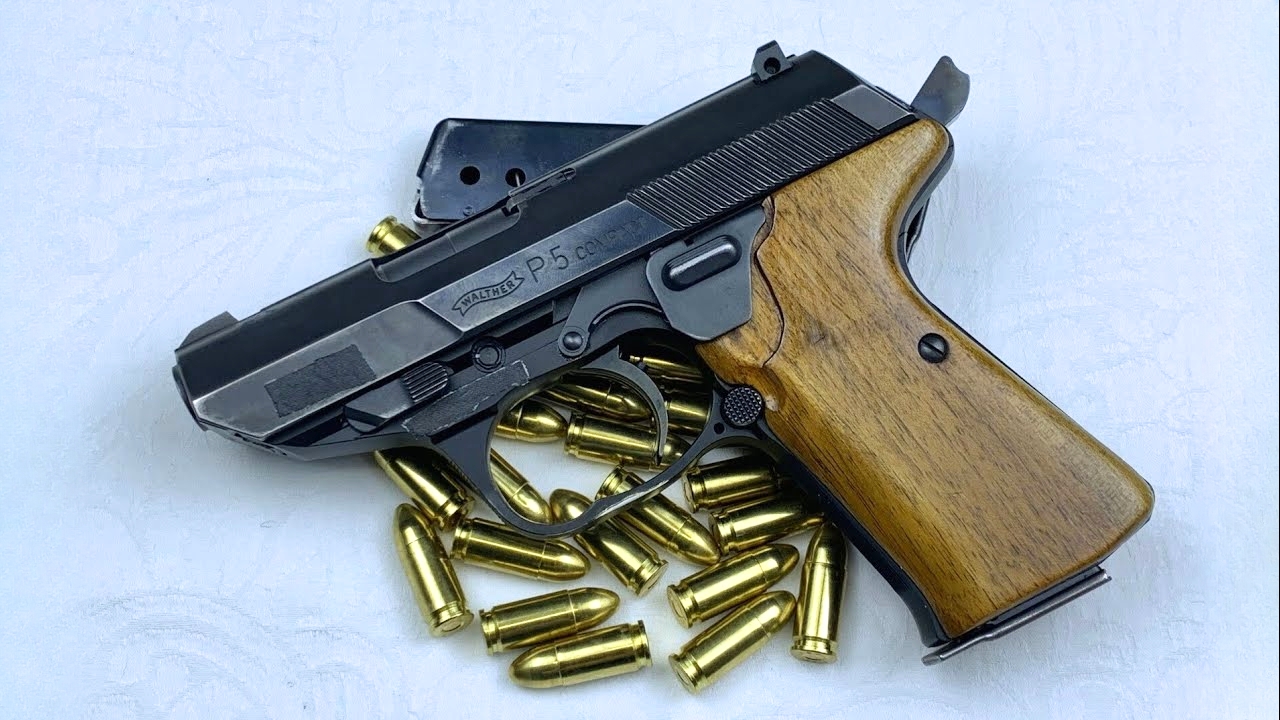
The P5 Compact is one of those handguns that never needed a fresh story because its original story was already strong enough. It was compact, intelligent in layout, and built with the kind of care that still stands out. It was not trying to be a platform for endless accessories or a shape-shifting answer to every buyer segment. It was trying to be a very good sidearm.
That is part of what makes it feel permanent. The gun has purpose, identity, and a kind of self-confidence many newer designs never achieve. It did not need reinvention because it did not arrive confused. It knew what it was supposed to do and did it well enough to remain respected long after louder handguns came and went.
Like The Avid Outdoorsman’s content? Subscribe to our newsletter so you never miss an article.
Here’s more from us: