Photo credit: InRangeTV/YouTube
When a gun gets discontinued, it doesn’t automatically become a collector piece. Most of the time it turns into a used gun with a story and a little extra nostalgia baked into the price. The ones that spike fast are different. They’re the models that hit a sweet spot of performance, timing, and scarcity—sometimes helped along by import changes, factory shutdowns, or a cult following that was already quietly hoarding magazines and spare parts.
If you’ve ever watched a “normal” used gun turn into a “don’t touch it with sweaty hands” gun, you know how it goes. One week it’s sitting in a case. Then the rumor hits, production stops, and suddenly every clean example is “rare.” Here are discontinued models where the market jumped hard, fast, and loud.
Browning Hi-Power (Belgian/Portuguese production)

When regular Hi-Power production ended, the price jump didn’t take long. You’re talking about a pistol with real military history, a slim profile that still carries well, and a trigger system that a lot of shooters grew up learning. Once new guns stopped showing up in shops, clean original examples became the ones everyone “meant to buy later.”
The collector pull is strongest on nicer Belgian- and Portuguese-made pistols, especially with original finish and correct markings. You also see demand from shooters who want a classic steel 9mm that still points naturally. Modern clones exist, but collectors tend to chase the real thing—because the original run is a closed book. When supply dries up and nostalgia stays strong, prices don’t politely creep. They jump.
Heckler & Koch P7M8
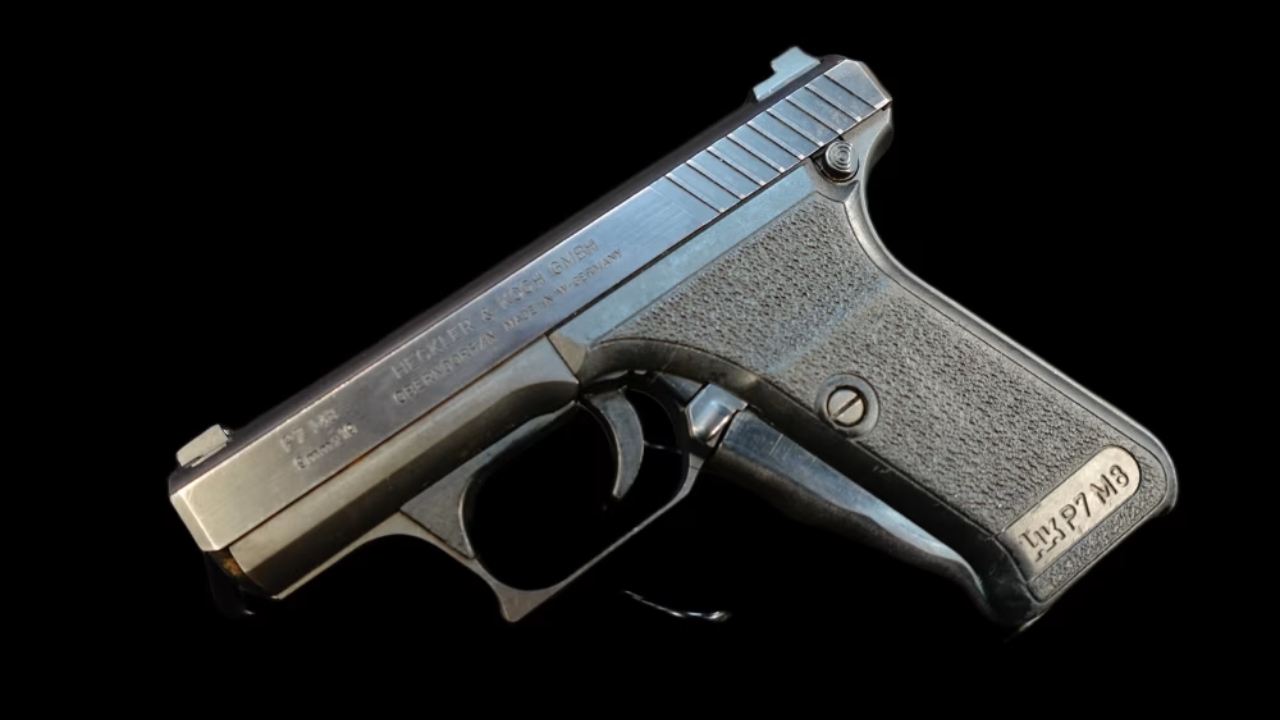
The P7M8 has always been a “you either get it or you don’t” pistol, and discontinuation made the fan club louder. It’s compact, accurate, and built like a precision instrument, with that squeeze-cocker system that feels strange until it suddenly feels brilliant. Once HK stopped making them, the people who wanted one stopped waiting.
What pushes P7 prices is condition and completeness. A clean gun with the proper box, tools, and extra mags can sell for a painful amount, and mags alone became their own little economy. The design is also unique enough that nothing else scratches the same itch. Plenty of pistols carry easier, and plenty shoot softer, but the P7’s mix of engineering and history is what turns “used” into “collector.”
Colt Python (original production)

When Colt ended the original Python run, it didn’t take long for the market to realize the supply was finite. You’re looking at a revolver that became a status symbol long before social media existed. The finish, the smoothness, the way it stacks in double action—people talk about them like they’re comparing old pickups, and the stories keep the demand hot.
Collector value climbs fastest on unmolested examples: correct sights, original finish, no amateur polishing, no “action job” from a guy with a Dremel. Barrel length and era matter, but condition matters more. The later reintroduction didn’t erase that, because collectors still chase the original guns. If you owned one before prices took off, you saw it happen in real time. If you didn’t, you felt it.
Colt Anaconda (original production)

The original Anaconda lived in that space where not everyone bought one, but the people who did tended to keep them. When Colt stopped making them, the market did what it always does with a big-name revolver that’s already scarce: it started acting like every clean example was a museum piece. The Anaconda’s size and chamberings also made it attractive to hunters and revolver guys who wanted power without going full custom.
Condition drives everything here. A hard-used Anaconda won’t bring the same excitement as a clean one with sharp markings and an honest finish. Once collectors realized there weren’t endless stacks of them hiding in shop safes, prices climbed fast. Even with Colt bringing the name back later, the originals still carry their own value lane. You’re paying for that earlier era, not only the rollmark.
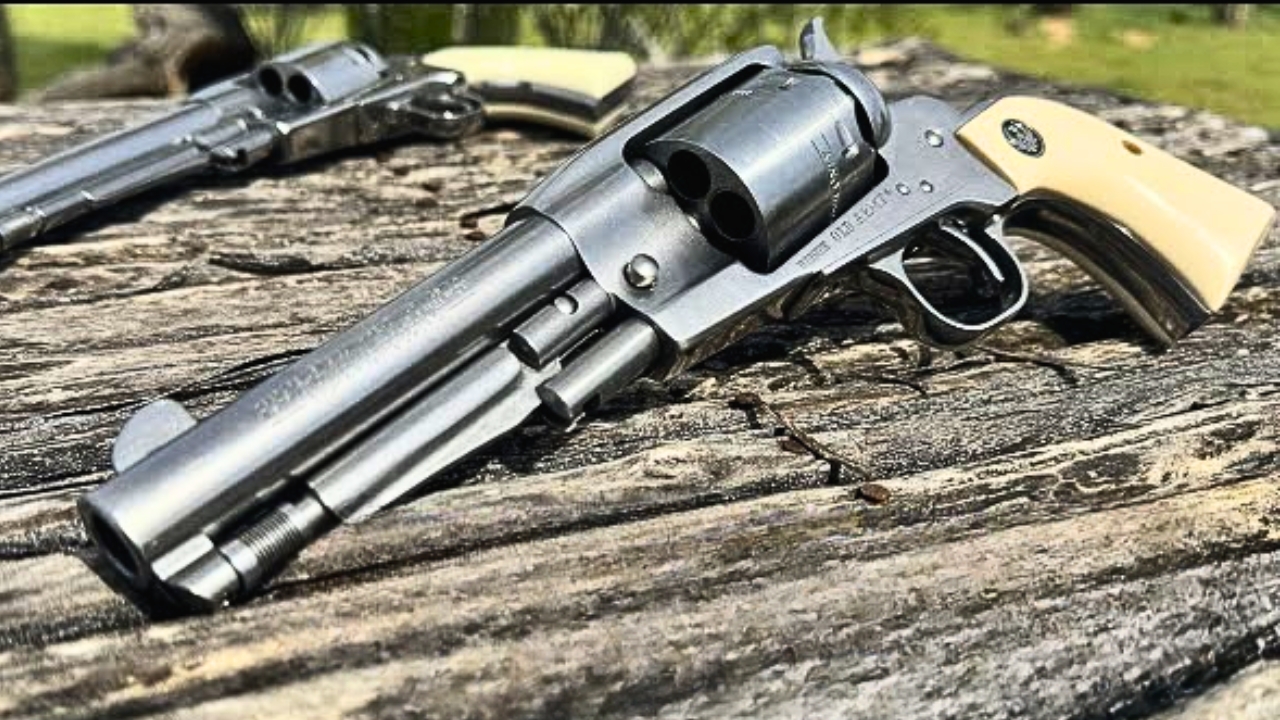
Ruger Old Army

The Ruger Old Army became a collector’s item fast because it wasn’t a fragile wall-hanger. It was a cap-and-ball revolver built like a Ruger, which means it could take real use and still stay tight. When Ruger discontinued it, the blackpowder crowd and the Ruger crowd both leaned in at the same time—and that’s how you get a price jump.
What collectors chase are clean examples with the right parts, good timing, and no home-brew “improvements.” Stainless models are especially common on wish lists because they hold up well over time. The Old Army also scratches a niche that modern production doesn’t fill the same way: a cap-and-ball revolver that feels overbuilt, not delicate. When a gun owns a niche like that and production ends, you don’t get a gentle rise. You get a scramble.
Ruger Speed-Six
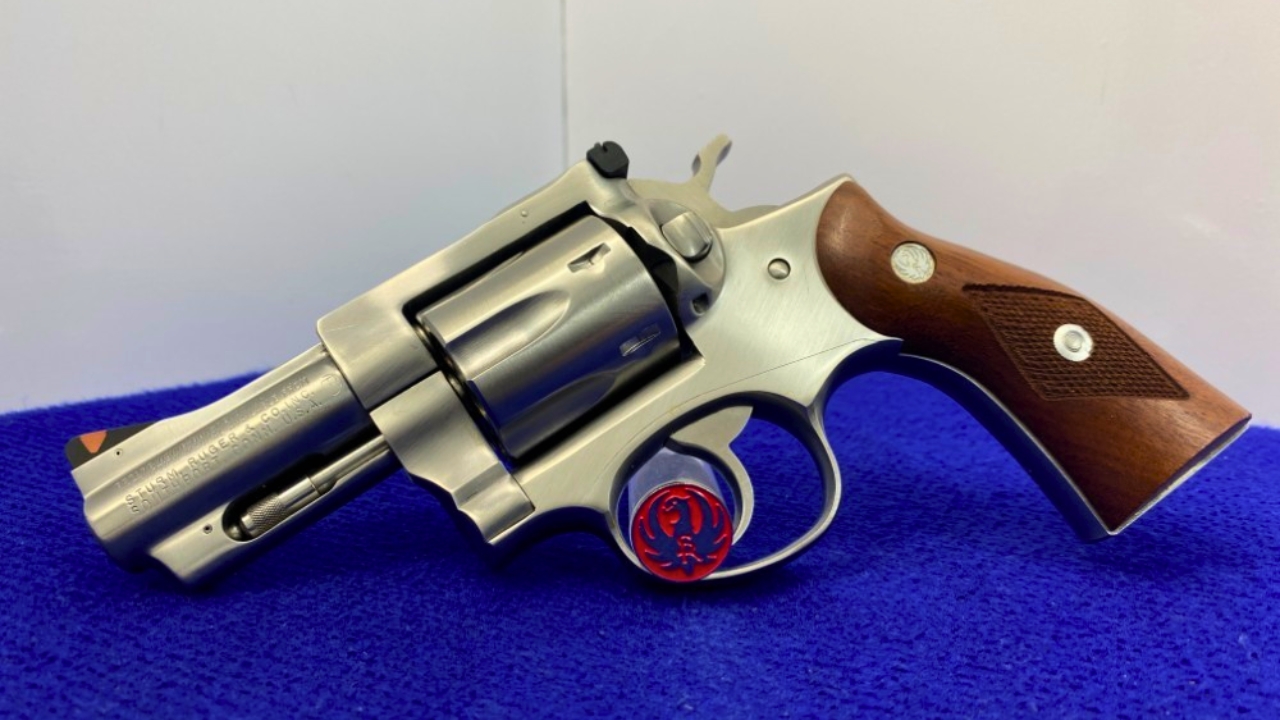
The Speed-Six is one of those revolvers that used to be a practical used-gun buy, right up until people started realizing what they were: compact, tough Rugers that carry and shoot well, with a real service history. Once they were long gone from production, the “buy it later” crowd started hunting them, and nice examples got harder to find than you’d think.
Collector demand spikes around clean, original guns—especially in configurations people associate with duty use. The reason prices climb is straightforward: they’re durable, they’re proven, and they’re not being made anymore. New revolvers exist, but they don’t replace that exact mix of size, strength, and old-school build. When you see one that hasn’t been dragged behind a truck, you understand why the asking price keeps creeping up.
Marlin 39A

When the 39A went away, it hit a nerve with hunters and plinkers who grew up with one in the family. It’s one of the classic American .22 lever guns—smooth, accurate, and built with the kind of steel-and-wood feel that people associate with “they don’t make them like that.” Once production stopped, clean rifles stopped sitting around long.
The collector premium shows up fastest in rifles that haven’t been modified and still wear their original finish well. A 39A with a clean bore, tight action, and no extra holes drilled is the kind of rimfire that gets treated like heirloom material. You can buy other .22 levers today, but the 39A carries a different kind of reputation. When supply dries up and the nostalgia is that strong, the market doesn’t wait for permission.
CZ 527

The CZ 527 became collector bait the moment word spread it was gone. It was one of the best “walk-around” bolt guns ever made—light, handy, and offered in chamberings people actually hunted with, including small-game and predator rounds that shoot above their weight. When CZ ended it, the used market tightened up fast.
What you’re paying for is the whole experience: controlled-round-feed feel, good accuracy, and a rifle that doesn’t handle like a fence post. The 527 also built a quiet cult following among handloaders and varmint hunters, and those are the people who buy quickly when discontinuation hits. Clean examples with original stocks and intact metalwork went from “nice used rifle” to “hard to replace” in a hurry. If you want one now, you already know you’re shopping in a different price lane.
CZ 550
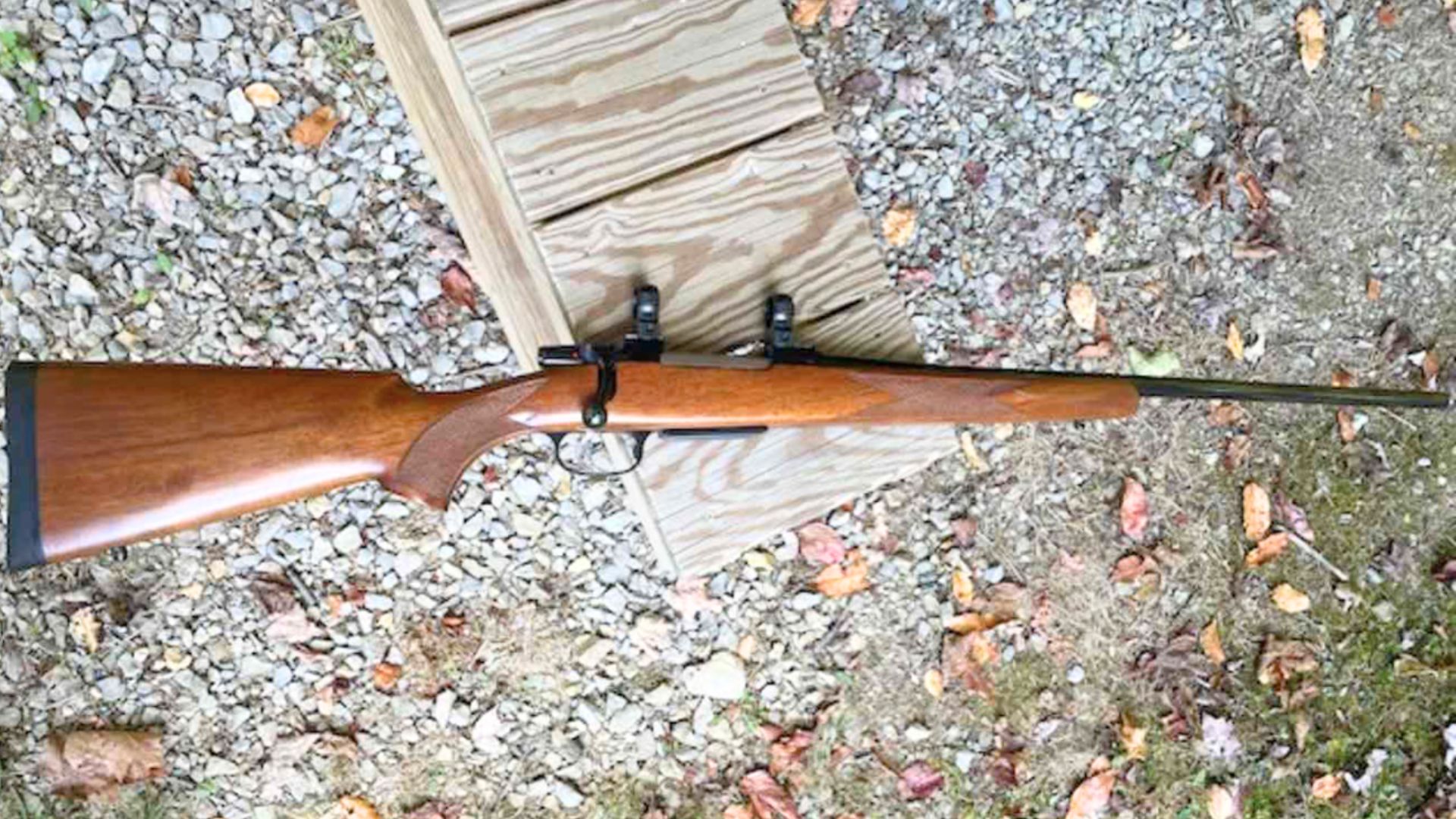
The CZ 550 has a reputation as a serious hunting rifle with classic lines and controlled-round-feed manners, especially in the bigger chamberings where people want reliability first. When it was discontinued, the demand didn’t stay calm. The guys who loved them started grabbing spares, and the guys who waited suddenly realized there was no “next shipment.”
Collector value rises fastest on cleaner rifles and desirable chamberings, especially those that fit traditional big-game roles. Part of the appeal is that the 550 feels old-school without being fragile. It has the kind of handling and build that a lot of modern production rifles don’t chase anymore. When a rifle like that disappears, it isn’t only collectors who react. It’s hunters who want a certain feel and function, and they’re willing to pay when the clock runs out.
Winchester Model 70 (New Haven production)

When New Haven production ended, it created an instant dividing line for Model 70 fans. Plenty of Model 70s exist, but collectors love clear “eras,” and the New Haven shutdown turned those rifles into a defined chapter. Clean examples started getting treated differently almost immediately, especially in classic chamberings and traditional configurations.
The collector pull here is a mix of history and identity. People aren’t only buying a hunting rifle—they’re buying a piece of American manufacturing that no longer exists in that form. Condition, stock style, and correct parts matter a lot, and rifles that haven’t been tinkered with rise to the top. You’ll also see hunters chase them because they want a Model 70 that feels like the ones they grew up around. Once that supply tightens, prices don’t stay polite.
Winchester Model 94 (U.S. production end)

When U.S. production of the Model 94 shut down, it sent a signal that hit deer camp culture right in the chest. The 94 is more than a lever gun. It’s a symbol, and collectors respond fast when symbols become finite. Clean rifles that used to be “grandpa’s truck gun” started getting priced like something you should insure.
The market cares about originality and condition more than most people expect. A nice, unmodified rifle with honest finish and a clean bore will bring a different kind of money than a cut-down or drilled-up example. There are newer 94s and other lever guns, but the older American-made rifles have a feel and history collectors chase. If you watched the pricing swing, it didn’t happen over decades. It happened in a hurry, because that’s what happens when nostalgia meets scarcity.
Remington Model 600

The Model 600 has always been a little oddball, and that’s exactly why it became collectible when it was long gone. It’s short, light, and built around the idea of a handy hunting rifle—something you carry more than you shoot. Once enough years passed and clean rifles got harder to find, the collector crowd started treating it like a snapshot of a very specific era of American rifle thinking.
What drives value is condition and originality. A 600 with its correct parts, good metal, and a clean bore is far more appealing than one that’s been “improved” into something else. The rifle also gets chased by hunters who want a compact bolt gun without going to a modern chassis setup. When a discontinued rifle has a strong identity—and nothing current feels quite the same—collectors don’t wait around.
Ruger .44 Carbine (Deerstalker)

The Ruger .44 Carbine became collectible because it’s a practical hunting gun with a very specific personality. It’s light, fast-handling, and built for the kind of close-range deer hunting that happens in real woods. Once it was discontinued, people started realizing how few clean examples were actually floating around, and the price started reflecting that reality.
Collector demand favors rifles that haven’t been modified and still wear their original configuration. The attraction is straightforward: it’s a classic Ruger that fills a niche, and it does it with real charm. You can hunt with other .44 options, but the Deerstalker has a feel all its own. When something like that stops being made, it stops being replaceable. That’s when used prices stop acting “reasonable” and start acting like collector prices.
SIG Sauer P225 (commercial) and P6 (police trade-in wave)

The P225 and the P6 didn’t start out as glamorous collector pistols. They were practical, well-made 9mms with a strong reputation, and for a while you could find them as affordable trade-ins. Then the supply dried up, and the market did what it always does: it turned yesterday’s “deal” into today’s “hard to find.”
Collector interest leans toward cleaner examples with matching parts, good finish, and original markings that tell the story. A lot of shooters also like them because they’re thin, carry well, and feel solid in the hand. Modern options exist, but the P225/P6 has that older SIG character people chase. Once the trade-in pipeline slows, the price jump can feel sudden, because everyone remembers when they were cheap—and nobody wants to miss that window twice.
Swiss SIG P210 (original production)

The original Swiss P210 is one of those pistols that went from “expensive used gun” to “collector staple” as soon as the supply became clearly finite. It has a reputation for accuracy and precision fit that people repeat like scripture, and when production moved on, collectors tightened their grip. Clean originals became the ones you don’t see often, and when you do, the number on the tag usually makes you swallow hard.
Value hinges on originality, condition, and correct markings. The pistol’s whole appeal is that old-world, tightly fitted feel—so collectors want examples that haven’t been messed with. Later versions and reintroductions didn’t erase that demand, because collectors aren’t chasing “a P210.” They’re chasing that earlier Swiss chapter. When a firearm already has a serious reputation and then becomes scarce, the market doesn’t drift upward. It climbs fast and stays there.
Like The Avid Outdoorsman’s content? Subscribe to our newsletter so you never miss an article.
Here’s more from us: