Photo credit: LifeSizePotato/YouTube
A trigger should help you settle in behind the gun, not work against you. When it’s predictable, you press cleanly and watch your rounds land where they should. When it’s heavy, mushy, inconsistent, or slow to reset, your confidence disappears almost immediately. You start fighting the gun instead of shooting it, and every flaw in your mechanics gets magnified. Many pistols never recover from that first impression because the trigger shapes how you perform under stress and during long training.
Astra A-75

The Astra A-75 is a compact DA/SA pistol with a trigger that feels heavier than it needs to be. The double-action pull is long and stacks early, forcing shooters to break the shot with more effort than expected. That added tension shows up in low-left impacts and inconsistent first-shot accuracy.
Once the trigger transitions to single-action, the creep becomes noticeable and makes precise shooting more difficult. The reset is serviceable but lacks the clear feedback modern shooters are accustomed to. The A-75 is durable, but the trigger takes work—and often erodes confidence during deliberate fire.
FEG PA-63
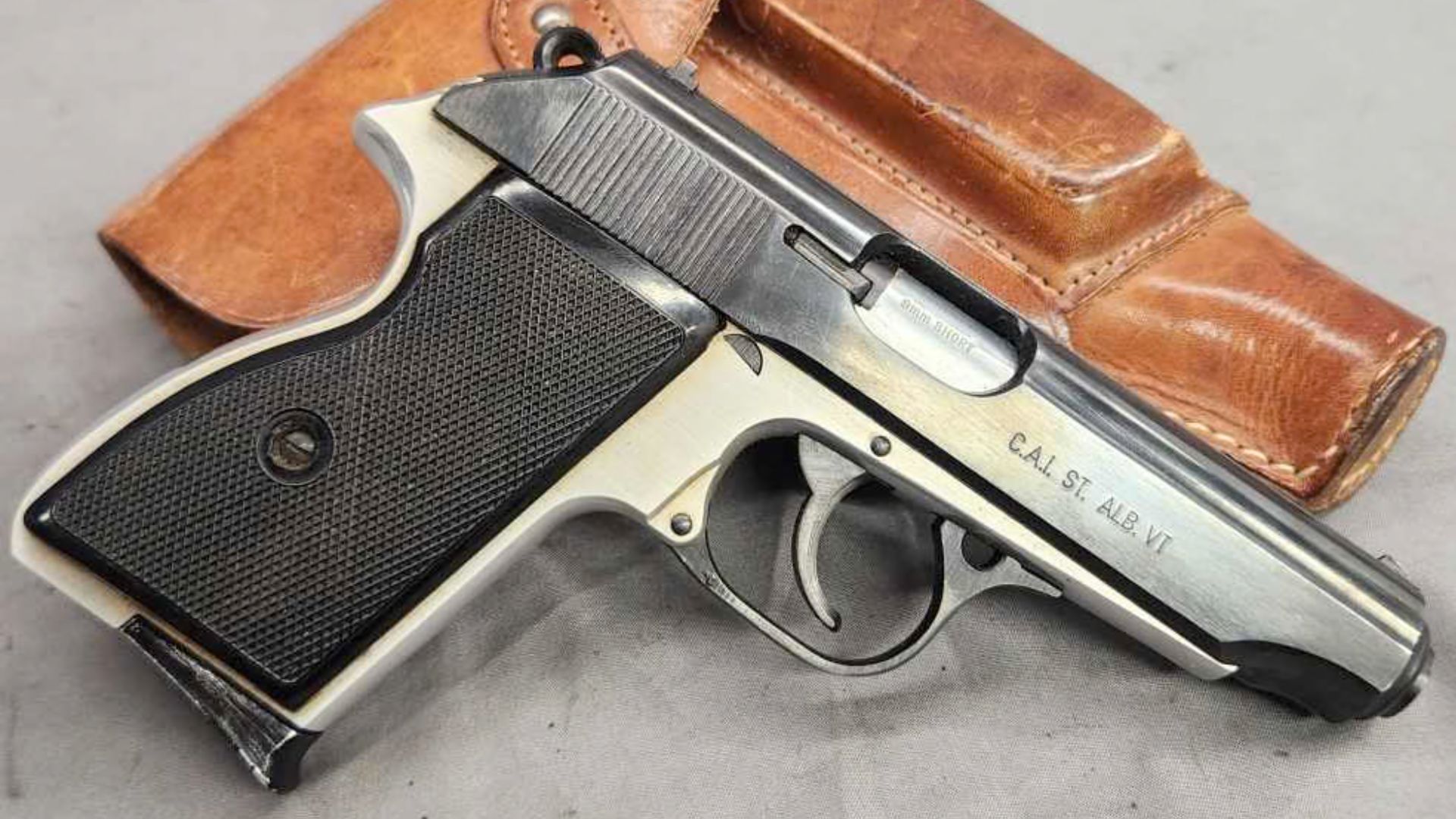
The PA-63 gained popularity as an affordable surplus option, but the double-action trigger remains notoriously heavy. Some examples break above 14 pounds, making the first shot difficult to control for even experienced shooters. That level of effort disrupts sight alignment and leads to jerky presses.
The single-action pull improves things but brings a sharp break that offers little warning. Shooters often struggle to maintain smooth mechanics because the trigger gives so little consistency. It’s a reliable pistol, but its trigger keeps it from being an easy shooter.
Arcus 98DA

The Arcus 98DA, modeled after the Hi-Power, suffers from a double-action pull that feels long and uneven. The weight combined with the lengthy stroke causes many shooters to fight through the press rather than settle into it. The transition to single-action helps, but a gritty take-up remains.
Reset length varies between examples and lacks strong tactile feedback. This makes rhythm work and rapid follow-ups harder to trust. While the pistol has strong build quality, its trigger characteristics can shake a shooter’s confidence quickly.
Daewoo DP51

The DP51’s unique “fast action” trigger system confuses many shooters. The long travel followed by a sudden break makes controlled presses more difficult than on traditional DA/SA pistols. The trigger feel changes depending on how the action is staged, which can disrupt muscle memory.
During training, shooters often find themselves second-guessing the break, resulting in inconsistent shots. While the pistol is well-made, mastering the trigger requires more adaptation than most expect—and confidence wanes when each shot feels different.
Llama Max-I
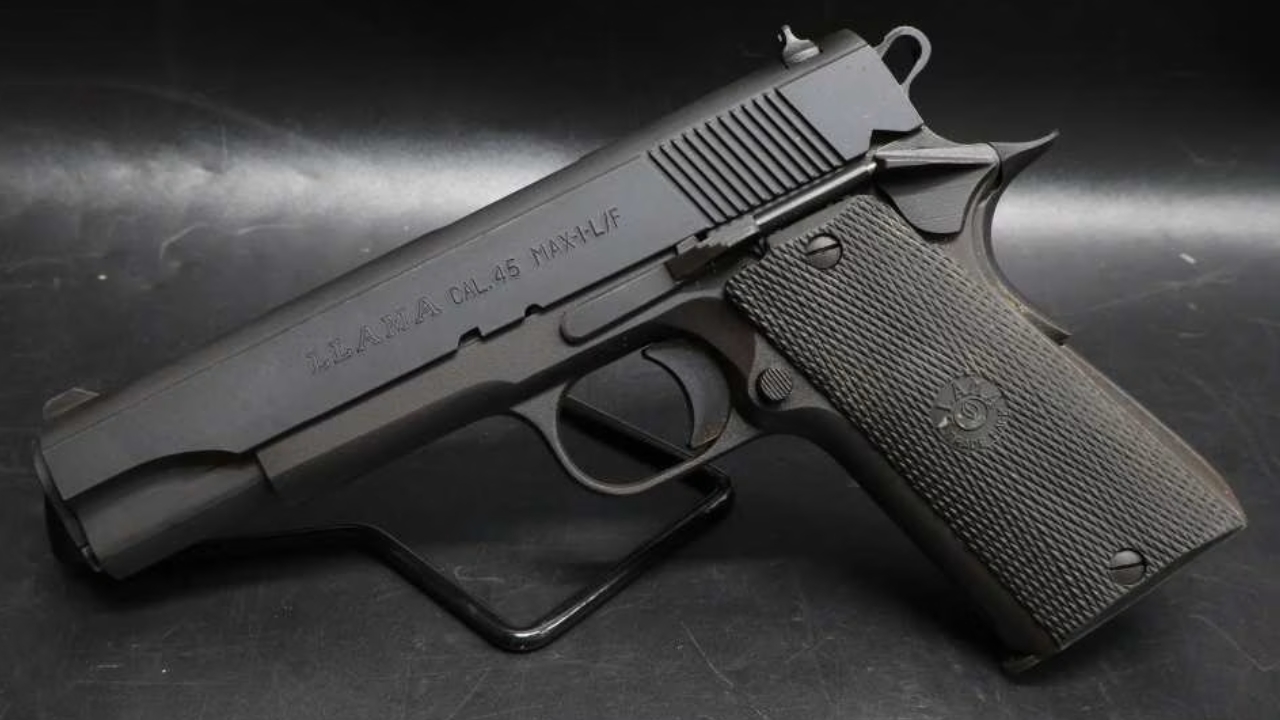
The Llama Max-I resembles a 1911 externally, but the trigger feel is far from what shooters expect from that platform. Many examples show significant creep before the break, and the inconsistency makes precise shooting difficult. Even experienced 1911 users find themselves struggling to predict when the shot will fire.
Reset length varies widely depending on wear and production tolerances. When the break and reset feel different from one magazine to the next, confidence drops. The platform can work, but the trigger feel rarely inspires trust.
Star Model BM (worn surplus examples)
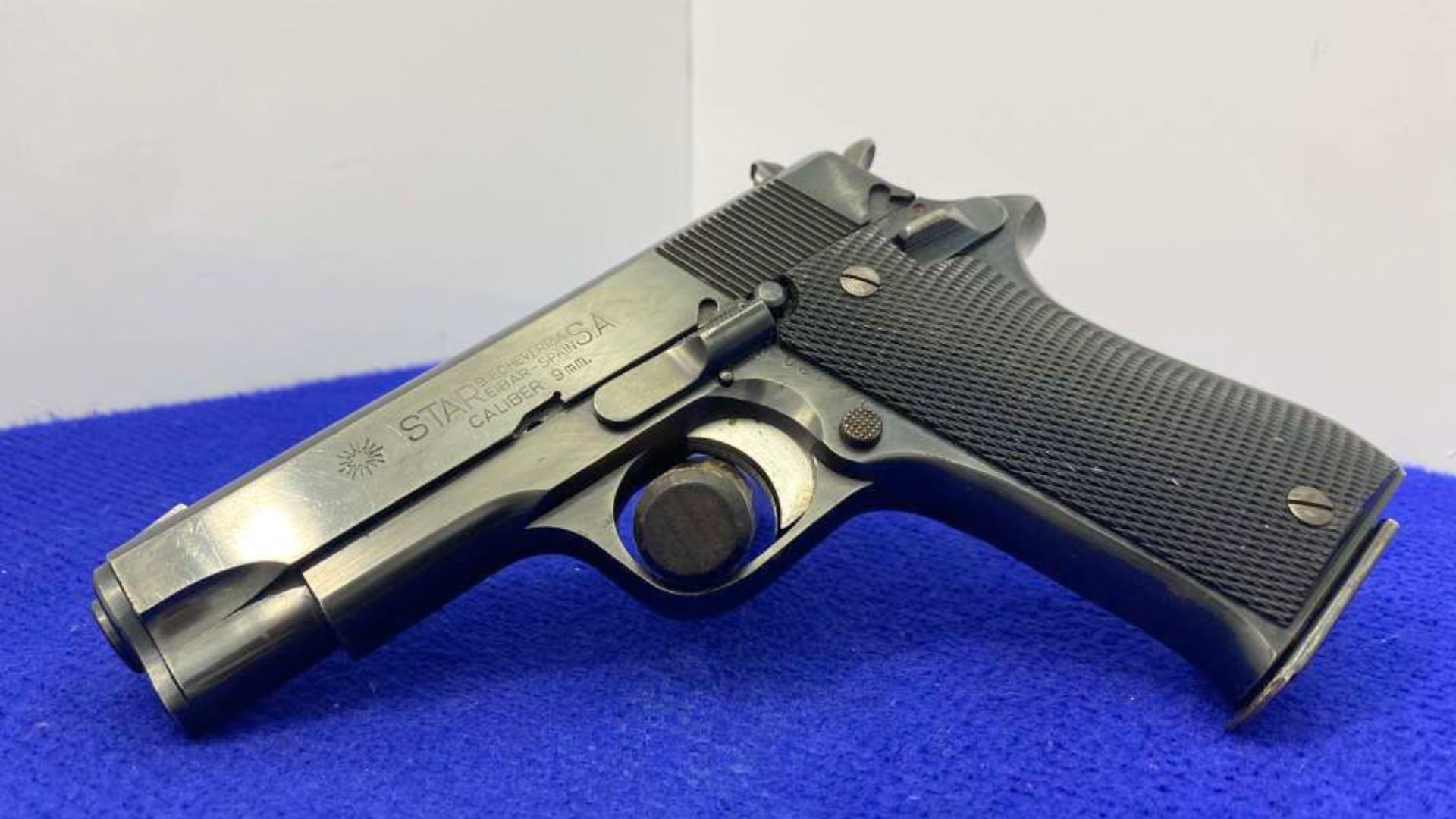
While some Star BM pistols have decent triggers, many surplus examples suffer from heavy pull weights, uneven travel, and unpredictable breaks. The wear on internals varies greatly, and that inconsistency leads to mushy walls and shifting break points.
During slow-fire work, shooters often flinch because they don’t know exactly when the trigger will release. That uncertainty carries into timed drills, making the pistol harder to run smoothly. The design is solid, but surplus condition often ruins trigger confidence.
Walther P38 (late-production aluminum-frame models)

Late-production P38s, especially aluminum-frame varieties, frequently show heavy double-action pulls with noticeable grit. The long travel already challenges sight stability, but the stacking near the end of the pull makes it worse. Many shooters have difficulty keeping the front sight steady through the press.
The single-action break can be crisp, but the reset is unusually long. That slow reset forces shooters to break their rhythm and creates timing issues. It’s a classic firearm with historical value, yet the trigger doesn’t provide the confidence expected from a duty pistol.
Steyr GB
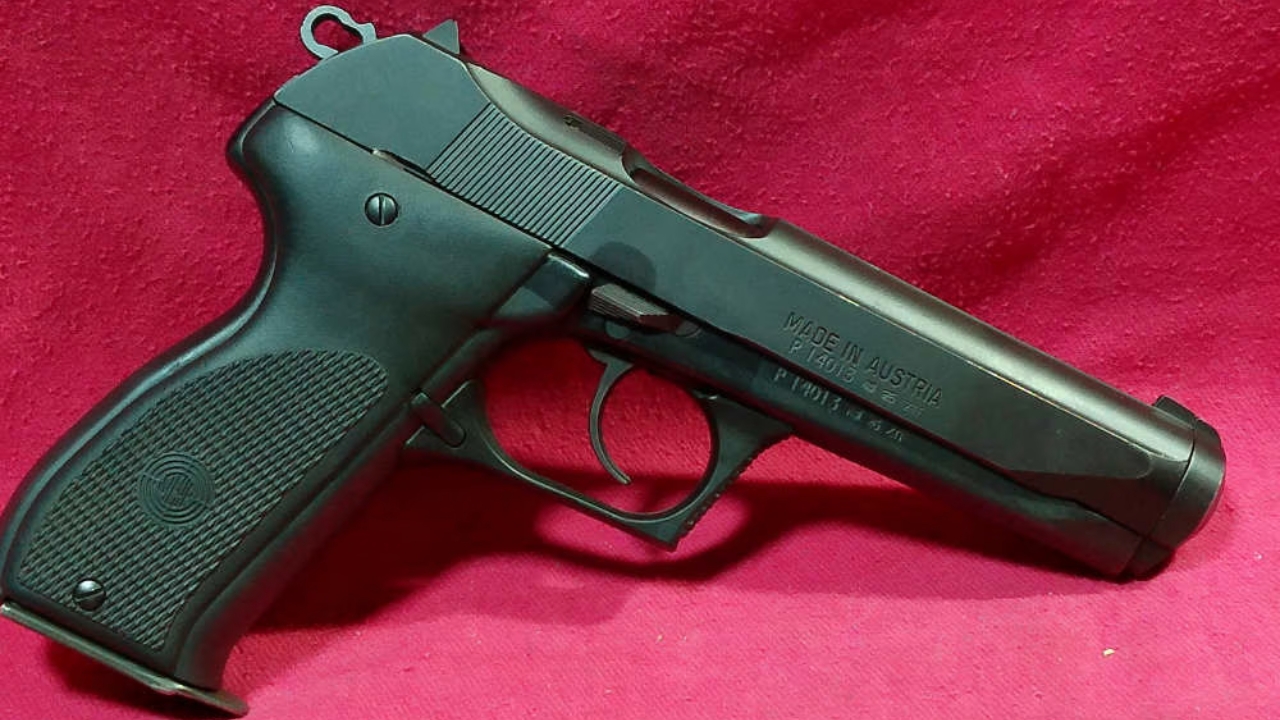
The Steyr GB has many strengths, but its trigger has long been criticized for being spongy and vague. Take-up feels endless, and the break lacks clear definition. Shooters often press through without knowing exactly where the shot will fire.
The reset is long and soft, making rapid strings difficult. For a pistol with so much mechanical refinement elsewhere, the trigger surprises many shooters with its lack of clarity. That inconsistency makes it hard to shoot accurately at speed.
FIE Titan II
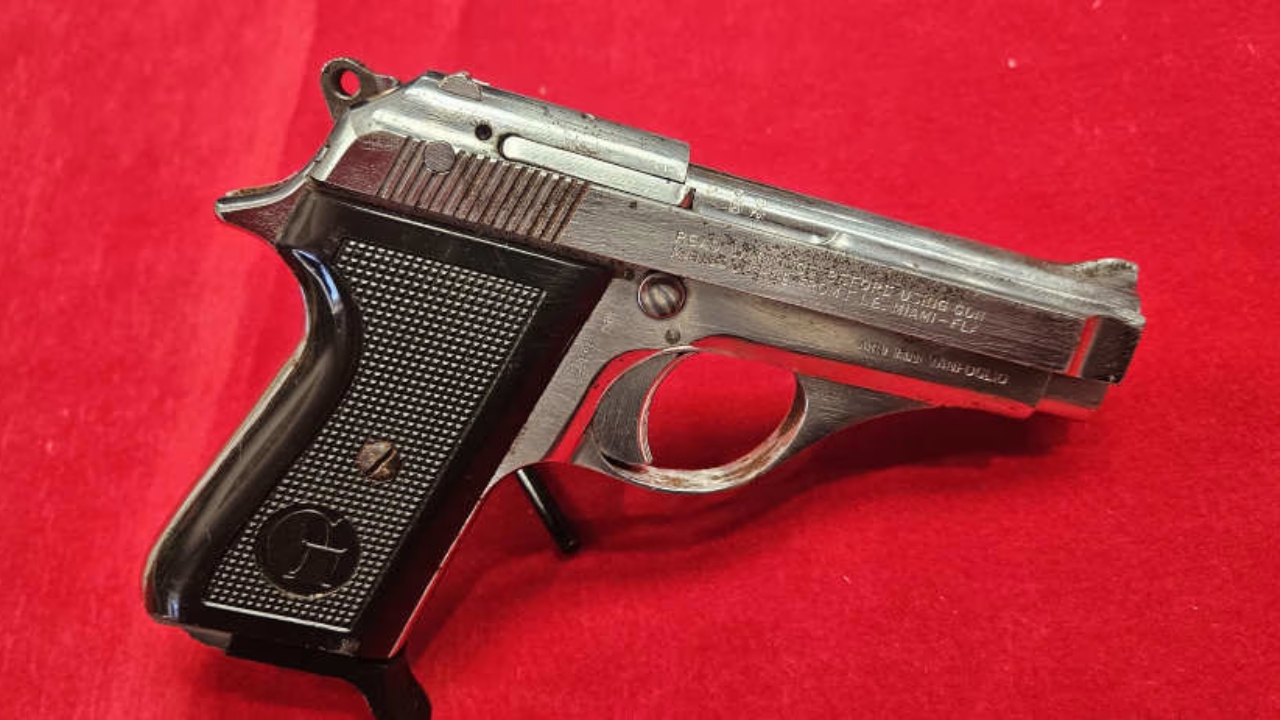
The Titan II offers affordability, but the trigger reflects its budget construction. Heavy pull weights, uneven travel, and creeping breaks are common. Shooters often notice the trigger moving in stages, none of which feel predictable or smooth.
During extended sessions, the lack of consistent break points makes accuracy difficult to maintain. The reset is equally vague, forcing shooters to relearn timing every time they pick it up. Confidence rarely builds with a trigger this inconsistent.
Norinco Model 59 (Makarov variant)
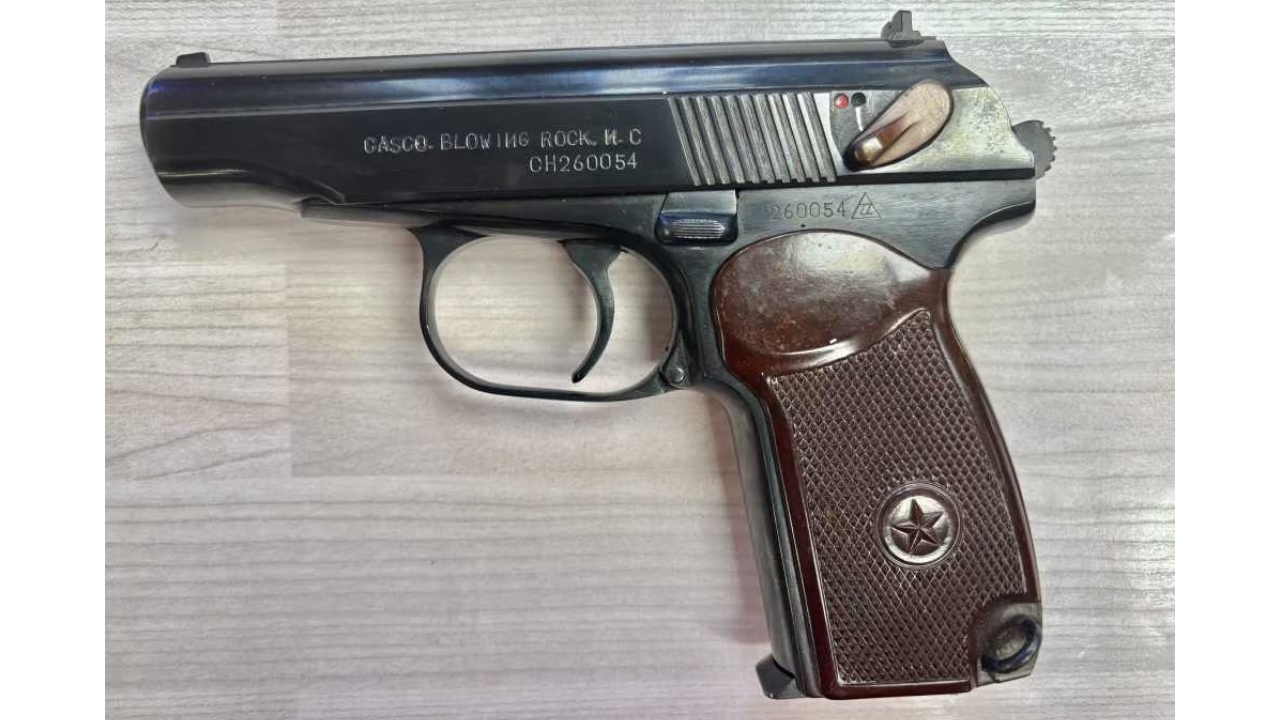
Some Norinco M59 pistols exhibit heavy double-action pulls that exceed even the already firm standards of Makarov-style triggers. The long travel combined with significant stacking makes the first shot difficult for many shooters to manage cleanly.
Single-action improves the experience but still shows noticeable creep. Without a clear break point, many shooters end up snapping through the final portion rather than pressing smoothly. The pistol is durable, but the trigger rarely builds trust during precision work.
Llama IIIA

The Llama IIIA’s trigger is known for its inconsistent travel and soft break. The mushy wall makes it hard to predict when the shot will fire, and shooters often find their groups drifting as a result. The light weight of the gun amplifies any small disruption during the press.
The reset is long and lacks tactile feel, making timed drills challenging. Instead of settling into a normal shooting rhythm, you spend each magazine adapting to the trigger’s inconsistency. It’s a handgun that never quite settles into a trustworthy feel.
FEG R61

The R61’s small frame already challenges shooters, but its heavy and gritty double-action pull makes things worse. The break often comes abruptly after a long, rough press, leading to snapped shots and poor sight alignment.
Even in single-action mode, the trigger often shows creep and inconsistent weight. These issues combine to make the pistol difficult to shoot accurately. When every press feels unpredictable, your confidence erodes fast, especially during deliberate fire.
Bernardelli Model 60
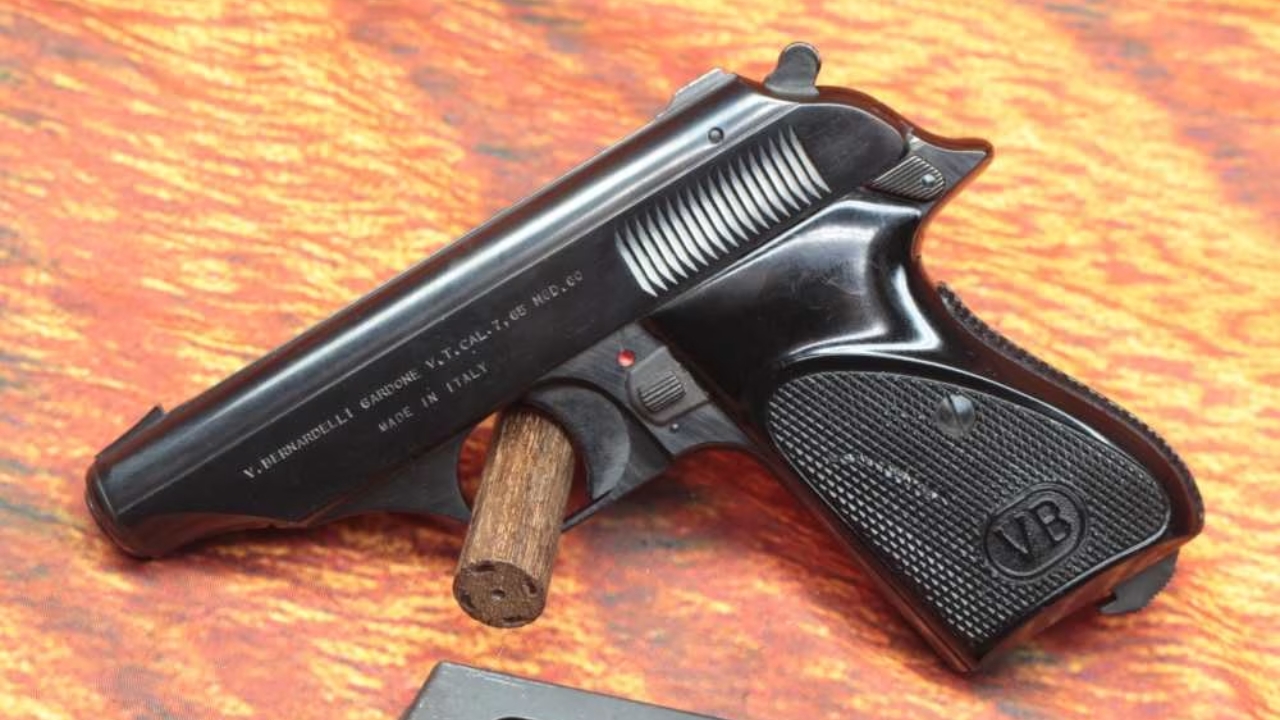
The Model 60 is well-crafted, but many examples have spongy triggers with little tactile feedback. Shooters often struggle to identify the wall, causing them to press more aggressively than intended. When the break finally occurs, it surprises even experienced hands.
The reset is also weak, making it difficult to maintain pace during multi-shot strings. It’s a pistol with good bones, but the trigger characteristics keep it from reaching its potential.
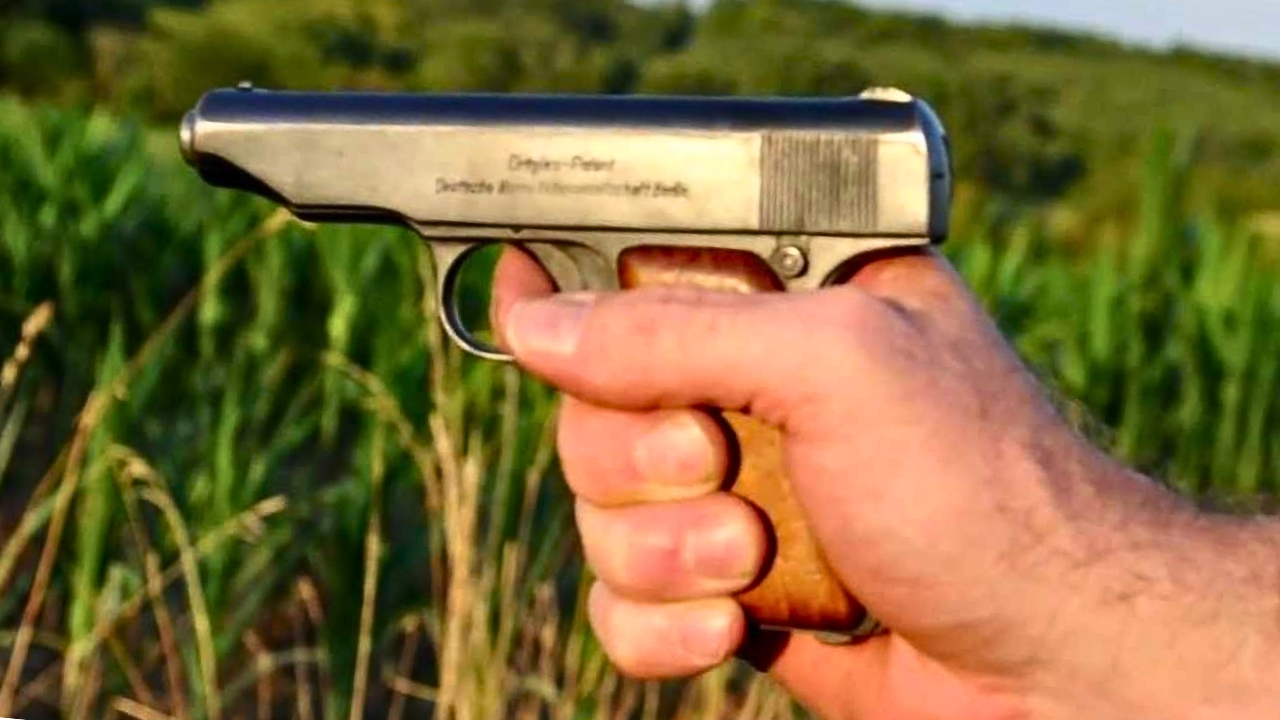
Ortgies Pocket Pistol

The Ortgies pistols have intriguing designs, but their triggers can vary significantly. Many feel mushy with little separation between take-up and break. That vagueness makes it difficult to establish consistent pressure, especially during slow-fire accuracy work.
Because the reset is nearly undetectable, shooters often release the trigger fully between shots. This breaks rhythm and makes repetition difficult. The historical appeal is strong, but the trigger behavior rarely helps shooters build confidence.
Astra A-100
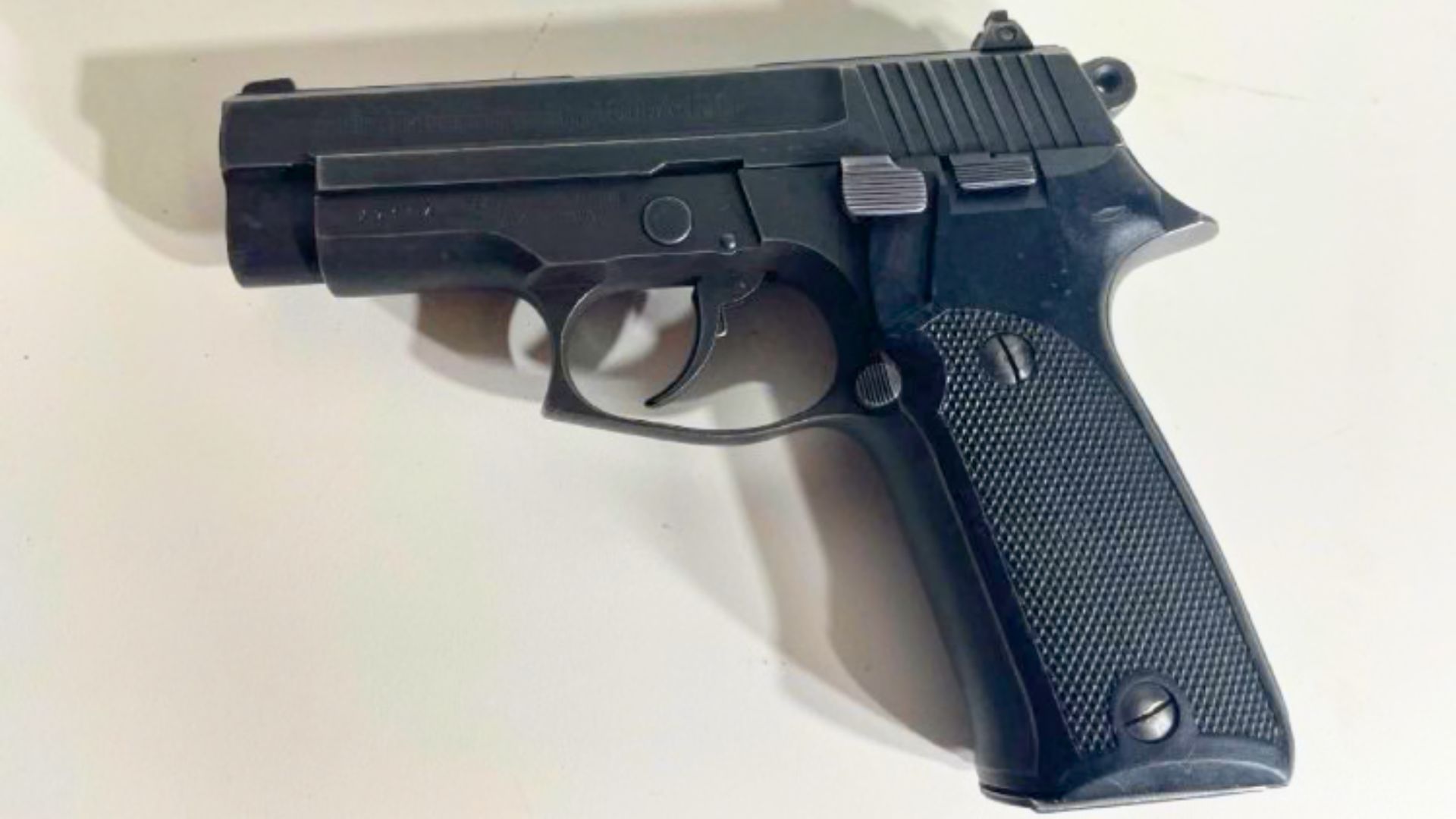
The Astra A-100’s double-action pull is long and heavy, with a noticeable stacking phase that complicates smooth presses. Shooters trying to maintain sight alignment often fight the trigger more than they work the gun. The abrupt break makes anticipation a real issue.
In single-action, the creep remains obvious, and the reset is longer than expected for a service-style pistol. These traits make the trigger feel sluggish, especially during timed drills. The pistol is durable, but the trigger keeps many shooters from trusting it fully.
Like The Avid Outdoorsman’s content? Subscribe to our newsletter so you never miss an article.
Here’s more from us: