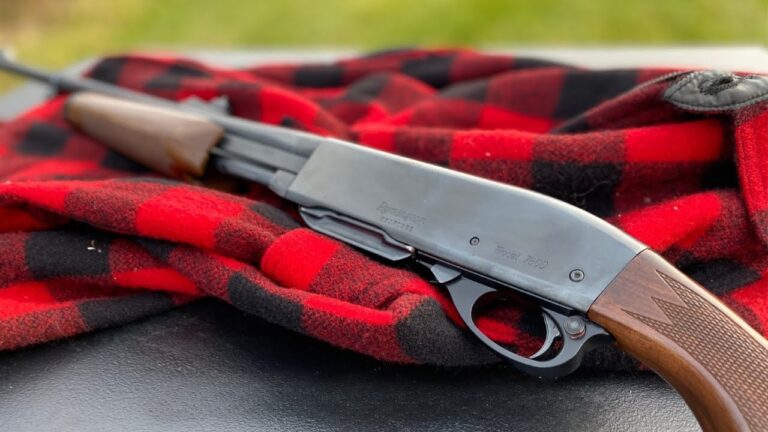
Photo credit: Johnny's Reloading Bench/YouTube
When a cartridge looks good on paper, it’s easy to get hooked. You see the velocity, the energy, the trajectory—and think, “Yeah, I want that.” But things change when you sit down at the bench and try to reload it. Some calibers are a nightmare once you get into the weeds—fussy brass, hard-to-find dies, inconsistent case life, or a powder charge that leaves no margin for error. If you’ve ever regretted falling for a hot new round, you’re not alone. A few of these might shoot like a dream, but when it comes to reloading, they’ll make you wish you’d stuck to .308.
.22 TCM

The .22 TCM sounds fun—light recoil, big fireball, screaming fast—but try finding brass that isn’t factory-new. Reloading it takes specialty dies, and most presses don’t like how short and stubby the case is. It’s also sensitive to case length and seating depth, so consistency is a headache.
Powder choices are narrow, and it’s easy to spike pressure if you’re not careful. You’re dealing with bottleneck pistol brass, which already complicates case prep. Even when it works, your velocity gains don’t justify the time. It’s neat to shoot, but not worth the hassle on the reloading bench unless you’re really committed.
.25-06 Remington
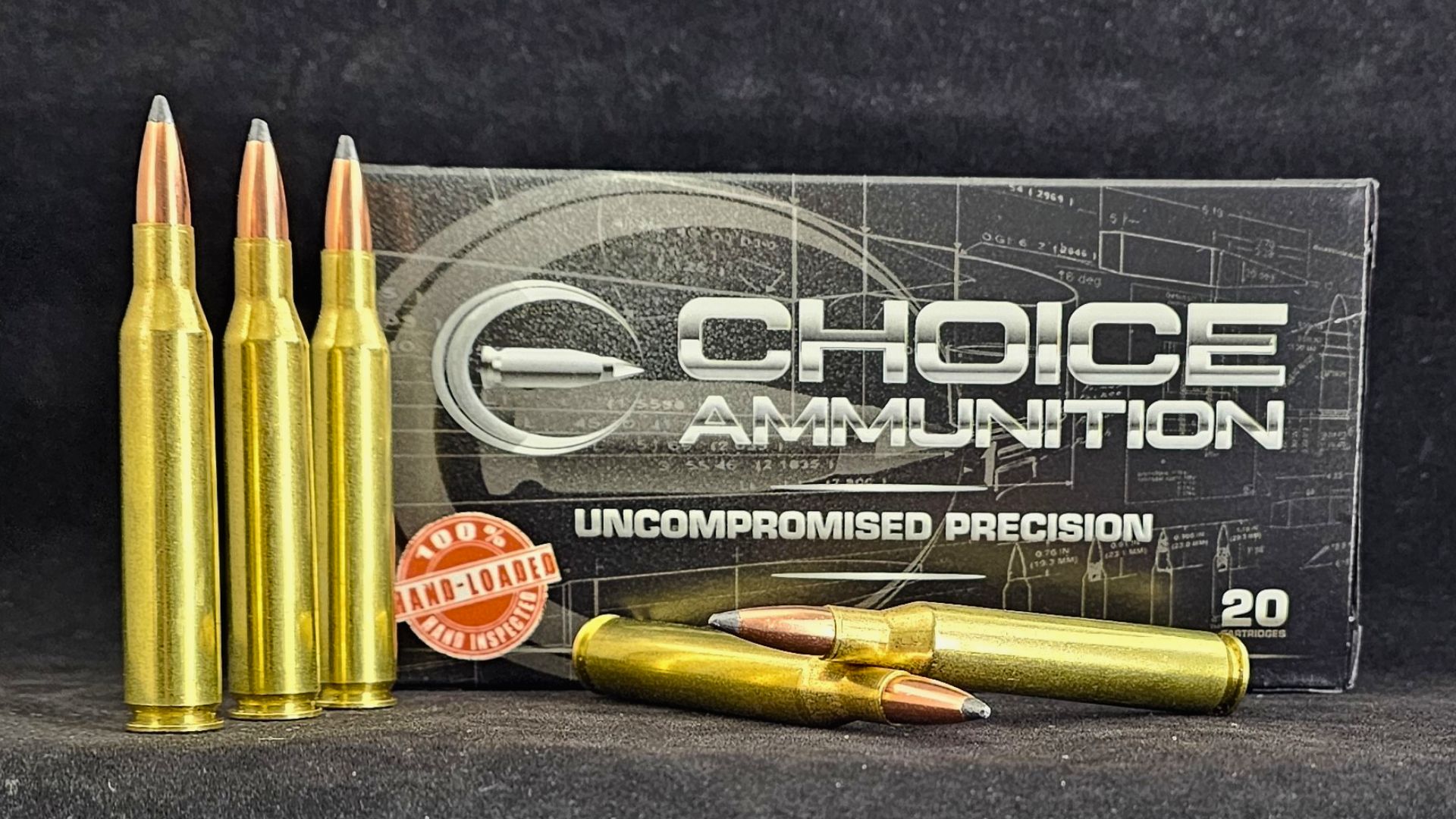
The .25-06 might be fast and flat, but brass life can be unpredictable. It eats barrels, which means loads that worked great last season might not behave the same next year. You’ll find yourself chasing accuracy with a shrinking window of consistency.
There’s also a surprisingly narrow powder range if you want to keep pressures reasonable and velocity high. Too slow, and you risk unburned powder. Too fast, and your brass stretches like taffy. You end up trimming constantly. If you’re reloading for volume, it’s going to wear you down. This round looks good on paper but punishes lazy reloaders.
6.5 PRC

The 6.5 PRC is popular with long-range shooters, but once you start reloading, you find out quick that it’s not beginner-friendly. It’s a high-pressure round with a tight case capacity window and very little forgiveness when seating depth is off.
You’ll burn through brass fast, especially if you don’t anneal every few loads. Powder charges are usually near max, and slight variations can throw pressures out of whack. Finding the right node takes more rounds than it should. You’re always tuning, always adjusting. It’s not that you can’t get it right—it’s that it makes you work for every inch.
.300 WSM

The .300 WSM was supposed to give you magnum performance in a short action. And it does. But it also eats brass, hates neck tension issues, and doesn’t like being loaded below max. If your brass isn’t perfectly uniform, good luck getting groups to tighten up.
It also likes certain powders—and those powders often don’t meter well. You’ll be trickling a lot. Add to that a chunky recoil impulse during load testing, and the appeal starts to fade. The factory numbers look great, but the reloaders who stick with it usually end up chasing their tail or swapping rifles.
.264 Winchester Magnum

If you’re reloading the .264 Win Mag, you better like trimming brass. Case growth is aggressive, and you’ll get neck splits early unless you’re annealing often. Dies aren’t rare, but they aren’t common either. And powder charges are huge—expect to go through a jug quicker than usual.
It also tends to be picky about seating depth. Just bumping a bullet a few thousandths can ruin a group. If you don’t have time to tune every variable, it’ll frustrate you. The performance is there, but the reloading process feels more like a science project than a Saturday hobby.
.223 WSSM

The .223 WSSM was always a bit of an oddball, and reloaders found that out fast. Brass is hard to find, and when you do find it, it’s usually expensive or once-fired and brittle. The case walls are thick, the shoulders are sharp, and feeding can get finicky when tolerances slip.
Powder fill is awkward—there’s often too much room or not quite enough. You’re either compressing loads or losing consistency. Even getting reliable chronograph numbers can feel like a chore. This round might shoot fast, but if you’re trying to handload it on a regular basis, it’ll wear you down quick.
.280 Ackley Improved

The .280 AI has a cult following, and accuracy can be great when everything lines up. But that’s the key—it has to line up. You’re likely forming brass from .280 Rem or .30-06, and fireforming adds a whole extra step before you even begin true load development.
Chamber variations across rifles don’t help either. Some barrels love certain bullets, others scatter them. Getting sub-MOA often means fine-tuning powder charges and playing musical chairs with primers. It’s not an impossible round, but it takes time. If you want plug-and-play performance, the .280 AI won’t give it to you.
5.7x28mm

Reloading 5.7x28mm is where a lot of folks throw in the towel. The brass has a lacquer coating that complicates resizing. If you scrape it off, you risk feeding issues. Leave it on, and your dies might start sticking or denting shoulders.
It also uses a small rifle primer in a small case with a narrow margin for error. Pressure spikes happen fast. Case capacity is tight, so any inconsistency shows up on the target. You’ll spend more time prepping than shooting. For most folks, it’s easier to buy factory—assuming you can even find it when you need it.
.30 Carbine

The .30 Carbine seems like a breeze—until you start trying to get reliable cycling out of it. Case taper is odd, and headspacing can get touchy if you’re using mixed brass. It’s a straight-wall case but behaves more like a bottle-neck when resizing.
Powders that work well in other short cartridges don’t always play nice here. Charges are finicky, and pressure signs aren’t always obvious. And while bullet options exist, many don’t feed well through original M1 Carbines. Even if you nail the load, you’re still babysitting reliability issues. It’s a classic round, but not one that plays nice at the bench.
.32 H&R Magnum

Reloading .32 H&R Magnum is a tightrope act. There’s not a ton of case capacity, so small charge variations can mean big differences in pressure. Seating depth also matters more than you’d think, especially if you’re pushing close to max loads.
Brass availability is hit or miss, and if you’re trying to run it in older revolvers, tolerances vary widely. You’ll often find yourself trimming cases or adjusting crimp on a per-batch basis. And while it has its fans, it’s not forgiving when you’re trying to chase consistent accuracy. It looks like a fun reloader’s round—but it rarely is.
.338 Lapua Magnum

The .338 Lapua Mag gives you bragging rights and power—but reloading it is like loading artillery. Dies are expensive, brass is even worse, and powder charges eat through your supply faster than any hunting round should. It also stretches brass aggressively, so you’ll be trimming constantly.
You need magnum primers, heavy-duty components, and a press that can handle the size. Even resizing requires careful lube work or you’ll stick a case. If you’re not measuring every charge by hand, you’re asking for pressure swings. Sure, it can shoot well—but if you don’t love reloading, this one will burn you out.
.45 GAP

The .45 GAP wasn’t widely adopted for a reason. Reloading it is its own set of headaches. It’s a short case that uses .45 ACP bullets, but with far less room for powder. That means seating depth becomes critical—too deep, and you spike pressure; too shallow, and you lose consistency.
Brass is rare and often once-fired police trade-in stuff that’s already near end-of-life. Component choices are limited, and many reloading manuals barely mention it. The round might function okay in Glock platforms, but it doesn’t give you much margin to tune for accuracy. Reloading .45 GAP feels more like a chore than a skill.
Like The Avid Outdoorsman’s content? Be sure to follow us.
Here’s more from us:
The worst deer rifles money can buy
Sidearms That Belong in the Safe — Not Your Belt
*This article was developed with AI-powered tools and has been carefully reviewed by our editors.