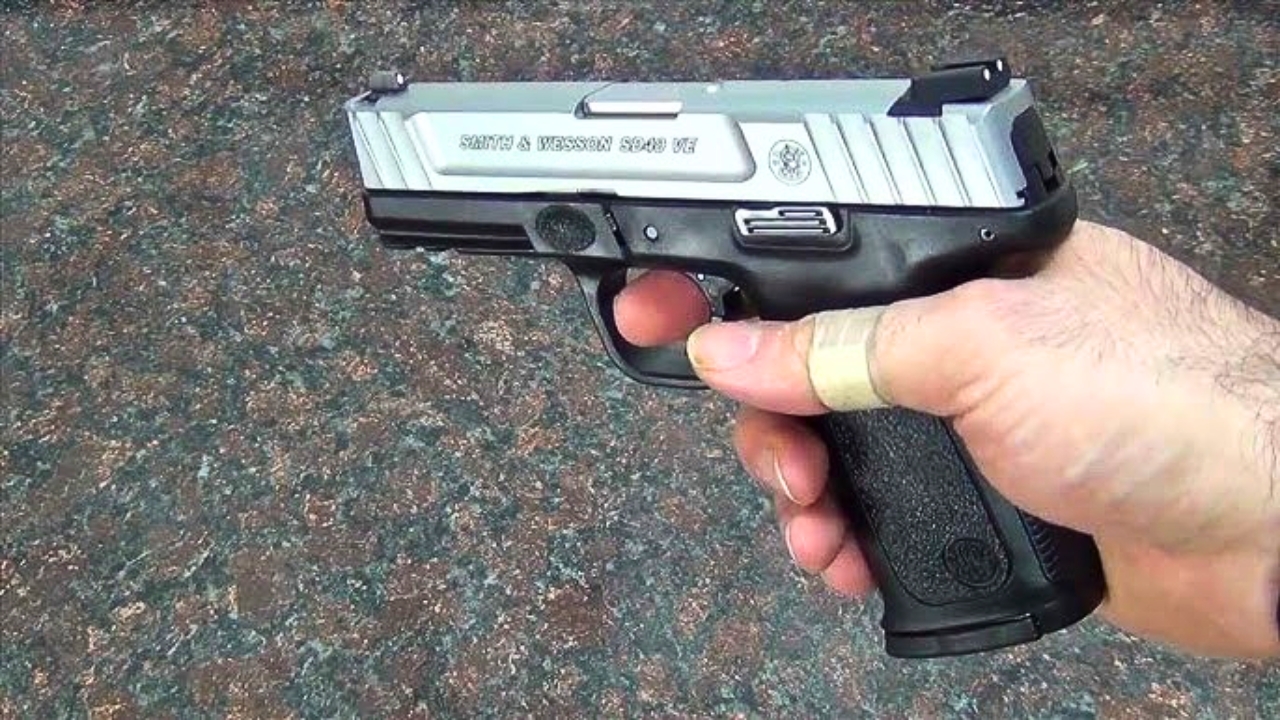
Photo credit: TheFirearmGuy/YouTube
When you read the spec sheet, it looked like a slam dunk—good capacity, decent sights, maybe even an optic cut or threaded barrel. The price seemed fair, and the brand had enough recognition to ease your nerves. But the first time you put rounds downrange, you knew something was off. Sometimes the ergonomics are a mess. Other times it’s gritty triggers, unforgiving recoil, or a point of impact that wanders like a leaf in the wind. A pistol can look great in photos and promise the moon on paper—but the range doesn’t lie. And if you’ve spent enough time shooting and training, you’ve probably crossed paths with at least one of these disappointments.
Remington R51
This one reeled folks in with big talk about its low bore axis, sleek profile, and classic styling. Remington hyped it as a soft shooter with better ergonomics and less felt recoil. What actually showed up were feeding issues, awkward takedown, and enough reliability problems to spark a full recall. The second generation helped a bit, but it didn’t solve everything. Even when it ran, the trigger felt squishy, and the grip safety was finicky. It should’ve been a lightweight carry option that shot like a dream, but the execution never matched the pitch. If you’ve ever tried to make one work, you probably walked away shaking your head.
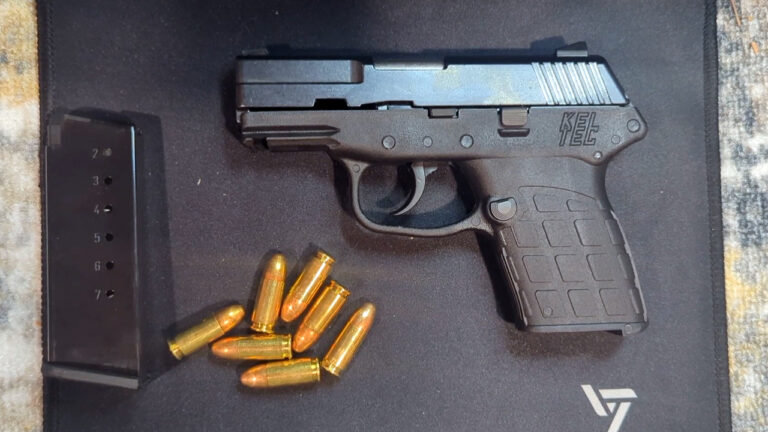
KelTec PF9

On paper, it’s everything you want in a deep-concealment 9mm. Slim, light, affordable, and chambered in a full-power cartridge. But shooting it tells a different story. The PF9 kicks like a mule, chews up your trigger finger, and has a trigger pull long enough to grow a beard. The sights are tiny, and the grip is aggressive in all the wrong ways. Even if it runs reliably—which is hit or miss depending on ammo—it’s not a pistol you’ll enjoy putting rounds through. You can carry it, sure, but practicing with it isn’t fun, and you’re not going to get better behind a pistol that’s punishing to train with.
Taurus PT709 Slim
Taurus pitched this as a great budget-friendly carry gun with decent capacity and compact dimensions. And at first glance, it looks like a solid little single-stack 9mm. But at the range, issues creep in fast. The trigger reset is vague, the recoil impulse feels snappy, and long-term durability starts to raise concerns after a few hundred rounds. Add in sporadic feed issues and a slide that sometimes fails to lock back, and you’ve got a pistol that sounded fine on paper—but gives you headaches at the bench. For a gun meant to inspire confidence in a pinch, it too often falls short.
SIG Sauer Mosquito
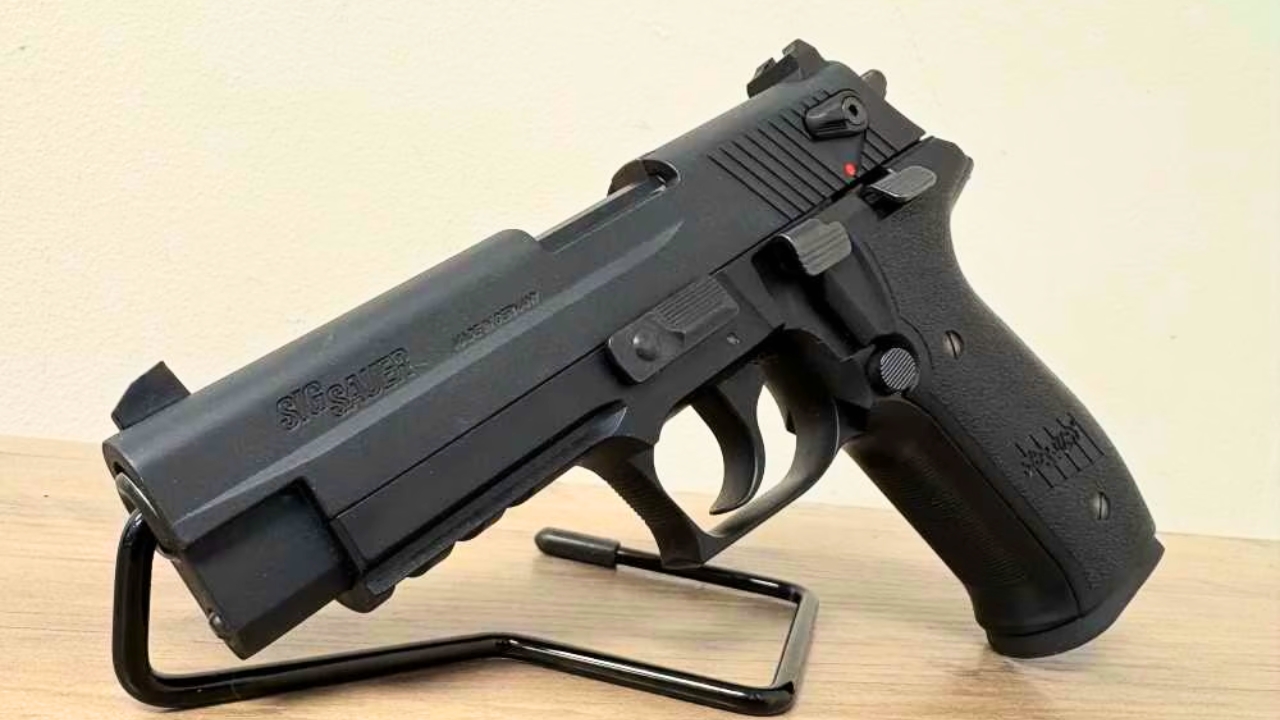
You’d think a .22 from SIG would be an easy win. Instead, the Mosquito frustrated nearly everyone who bought one. It’s picky about ammo, especially with bulk box rounds. Failure to feed, failure to eject, stovepipes—you name it, the Mosquito probably did it. The trigger has a heavy, gritty feel, and the slide often feels sluggish in colder conditions. It doesn’t inspire the kind of trust you want from a rimfire trainer or plinker. You can sometimes coax decent performance out of it with high-velocity ammo and aftermarket tweaks, but by then, you’re wondering why you didn’t get something better in the first place.
Walther CCP (First Gen)
The CCP had an intriguing gas-delayed blowback system and a promise of soft recoil in a carry-sized package. But in practice, the first-generation models had their fair share of problems. The takedown process required a special tool and felt like a cruel joke. The trigger was oddly inconsistent, and the gas system could get gunked up quickly. Reliability was never quite there for defensive use, and if you carried one in rough conditions or neglected cleaning, it could let you down. Walther eventually improved things with the CCP M2, but if you had one of the originals, you probably didn’t keep it long.
Smith & Wesson Sigma Series
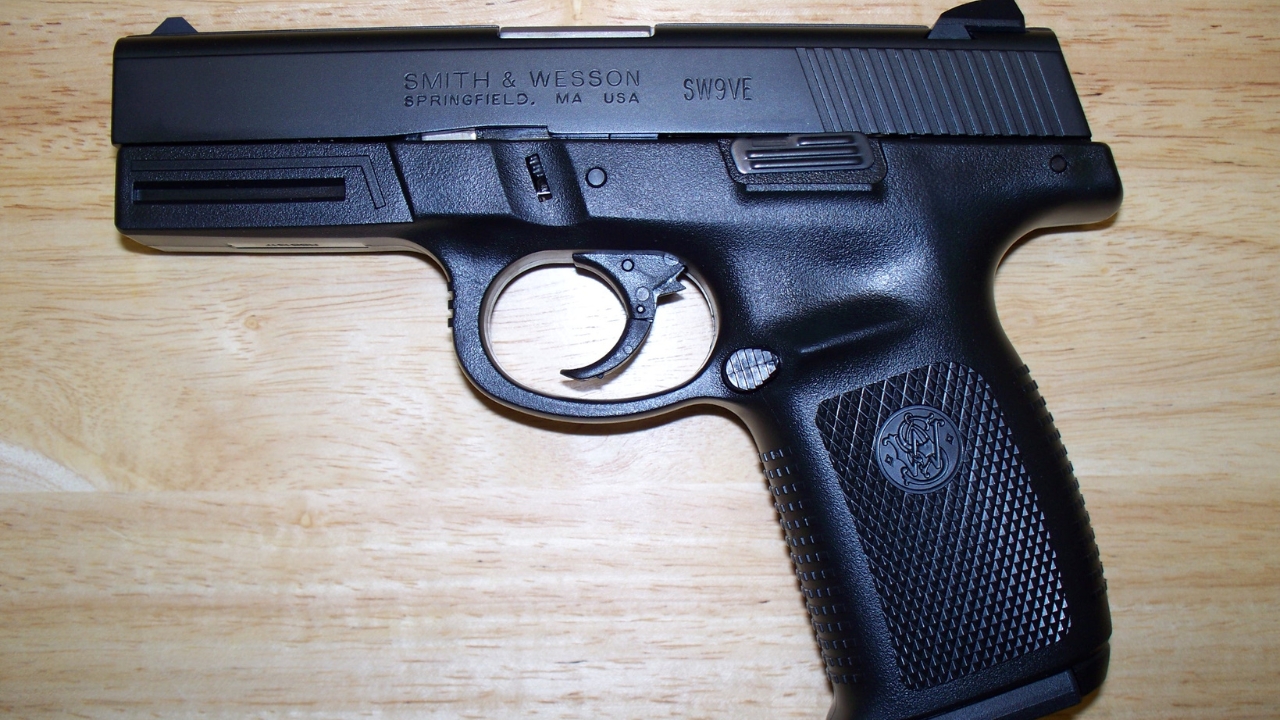
This one really looked good on the shelf. Full-size, affordable, striker-fired, and backed by a major brand. But then you dry-fired it. The Sigma’s trigger pull is famously heavy and gritty, often compared to dragging a brick through gravel. Accuracy suffers because of it, and newer shooters struggle to manage consistent groups. Some models had reliability issues as well, especially with certain hollow points. Smith eventually moved on to the much-improved M&P line, but the Sigma lingered for years as a “budget” alternative that rarely delivered the kind of performance serious shooters expect.
Desert Eagle .50 AE
Let’s be honest—this thing looks like it should be in every movie and on every magazine cover. And that’s where it probably should’ve stayed. While it sounds incredible on paper—a massive caliber, tons of power, semi-auto—it’s not built for anything practical. The recoil is jarring. It’s huge, heavy, and prone to malfunctions if you don’t grip it exactly right. Limp-wrist it even a little and you’ll get failures to feed. It’s not a gun you shoot quickly or comfortably. And unless you’ve got forearms like a pro wrestler, you’ll probably walk away wondering what all the fuss was about.
Like The Avid Outdoorsman’s content? Be sure to follow us.
Here’s more from us:
The worst deer rifles money can buy
Sidearms That Belong in the Safe — Not Your Belt
*This article was developed with AI-powered tools and has been carefully reviewed by our editors.