Photo credit: Cavan-Images/Shutterstock.com
Ballistics charts can make a cartridge look unbeatable, but paper doesn’t always match real-world performance. Some rifle calibers promise impressive velocity and energy inside 200 yards, yet they fall apart once you stretch past 300. Whether it’s rapid velocity loss, poor bullet design, or instability at distance, these rounds hit a wall where consistency and accuracy start to suffer. If you want a caliber that truly performs at mid-range and beyond, you need to know which ones struggle when the distances get real.
.350 Legend
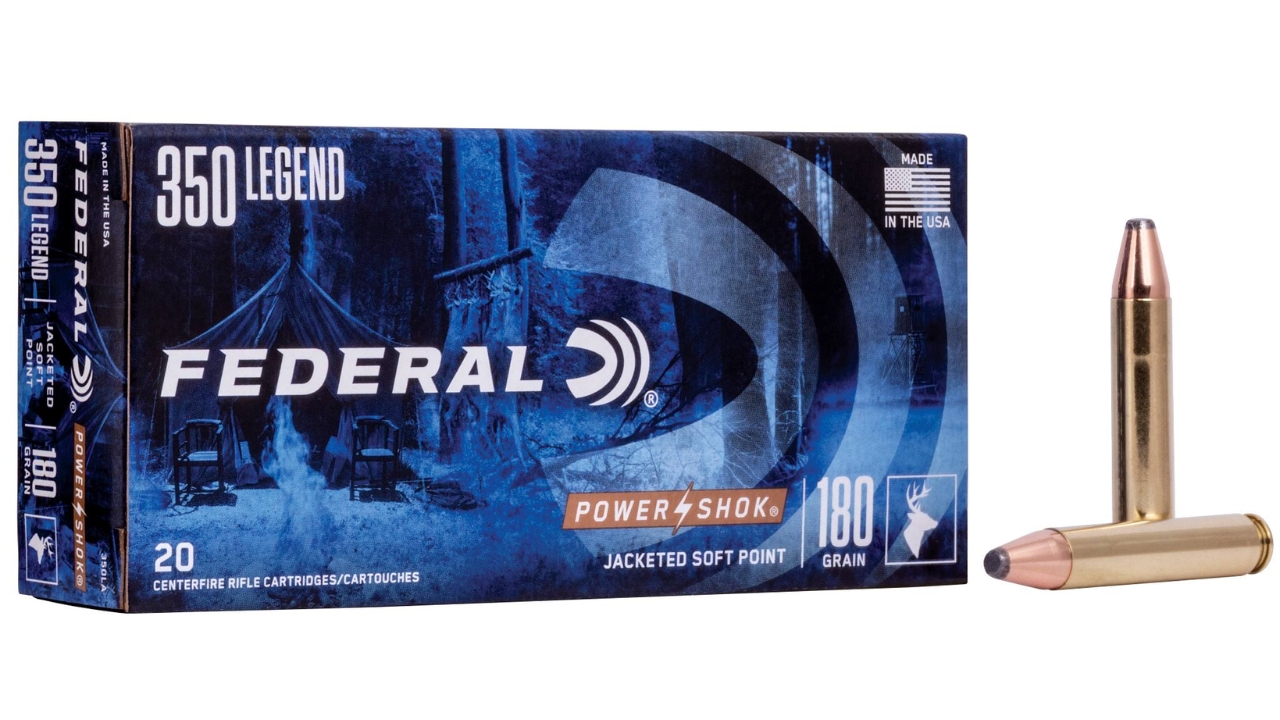
The .350 Legend was designed for hunters in straight-wall states and performs well at closer ranges. But past 300 yards, its low ballistic coefficient and slower velocity cause rapid drop and energy loss.
At extended ranges, wind drift becomes a real issue, making accurate shots difficult without heavy compensation. While it’s a great deer cartridge inside 200 yards, it’s not built for stretching distances. If your hunting or shooting takes you past mid-range, you’ll notice its limits quickly.
7.62x39mm

The 7.62x39mm is legendary for its reliability and effectiveness in short- to mid-range setups, but long-range shooting isn’t where it shines. Its slow velocity and blunt bullet design lead to significant drop after 300 yards.
Wind drift also becomes problematic, making consistent hits on smaller targets challenging. While it’s perfect for carbines and brush guns, it struggles where precision matters. If you’re thinking about stretching it past mid-range, this round’s performance falls well short of modern alternatives.
.450 Bushmaster
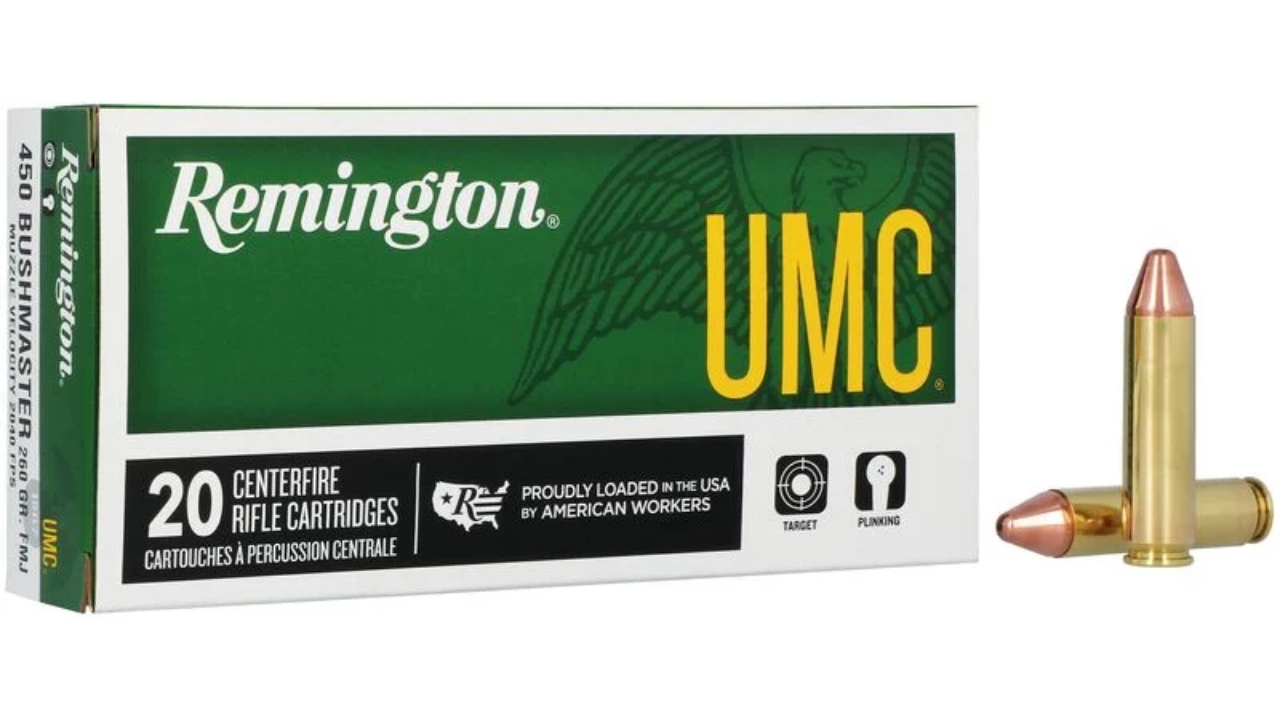
The .450 Bushmaster delivers impressive stopping power inside 200 yards, but its heavy, slow-moving bullets aren’t suited for long-range shooting. By 300 yards, you’ll see dramatic drop and reduced terminal performance.
It’s an excellent straight-wall cartridge for hunting in restricted states, but if you expect reliable accuracy past mid-range, you’ll be fighting its limitations. For shooters looking to push further, lighter, higher-BC bullets tend to perform far better at extended distances.
.30-30 Winchester

The .30-30 Winchester is a classic lever-gun caliber with over a century of proven hunting success, but it shows its age past 300 yards. Flat-nosed bullets paired with modest velocities lead to steep trajectory curves.
While effective inside its intended range, trying to push a .30-30 beyond 250–300 yards means battling drop, drift, and diminished energy. Lever-action rifles paired with modern ammo help slightly, but this is still a caliber best kept inside its sweet spot.
.300 AAC Blackout

The .300 Blackout shines in short-barreled rifles and suppressed setups, but its energy and accuracy fade fast beyond 300 yards. Subsonic loads especially lose stability, while supersonics suffer from limited velocity retention.
Its low ballistic coefficient limits performance against wind and drop, making precise mid-range shots challenging. For home defense or close-range hunting, it’s a fantastic option, but if you plan to shoot further out, you’ll quickly see its shortcomings compared to more efficient cartridges.
.450 Marlin
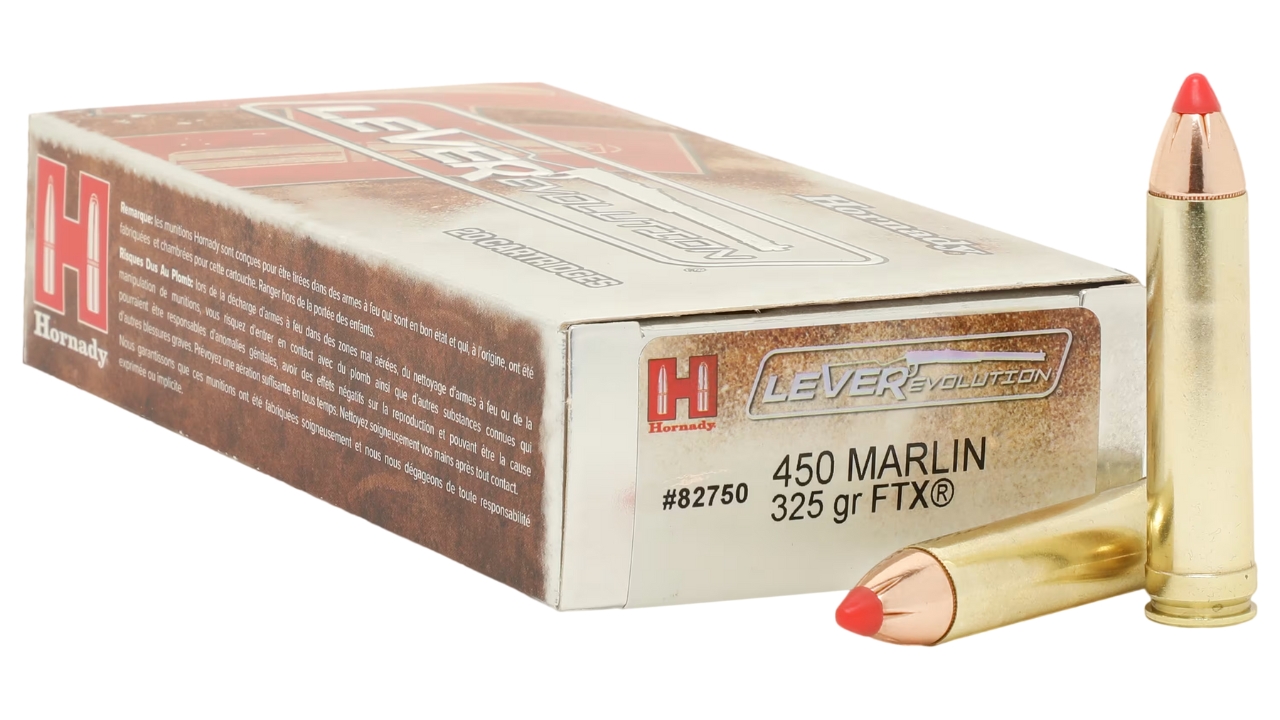
The .450 Marlin brings plenty of power up close, but its heavy bullet and modest speed work against it once you start stretching distance. At 300 yards, the trajectory drops steeply, and its wind resistance isn’t competitive.
It’s an excellent cartridge for close-range hunting of large game, especially in brushy environments, but beyond mid-range, maintaining accuracy and retained energy becomes a struggle. If you need a rifle that can handle power and distance, there are more efficient magnum options available.
5.45x39mm

The 5.45x39mm performs well in lightweight platforms and offers flat shooting inside 200 yards, but it loses steam fast beyond 300. The lightweight bullet combined with modest velocity creates instability at extended distances.
Wind drift becomes another hurdle, forcing significant corrections when precision counts. It’s reliable and affordable for shorter ranges, but when mid-range accuracy matters, it doesn’t compete with modern alternatives designed for stability and higher BC performance.
.444 Marlin
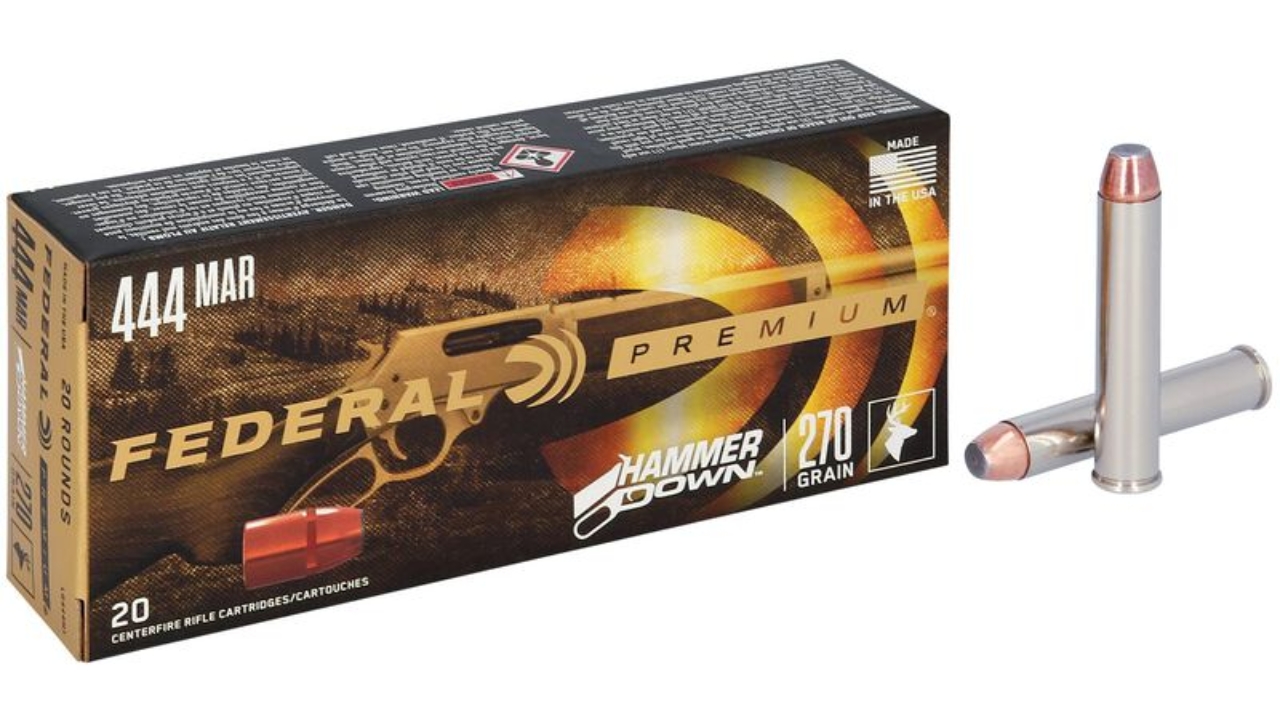
The .444 Marlin was built to deliver hard-hitting performance at moderate distances, but its trajectory suffers when you push it past 300 yards. With large-diameter bullets moving at moderate speeds, the drop becomes substantial.
Energy retention also drops quickly, limiting its effectiveness on larger game at extended ranges. While it’s excellent for close-quarters hunting in heavy cover, it’s simply not designed for precision or consistent hits beyond its intended reach.
6.8 SPC

The 6.8 SPC was developed to improve performance over 5.56 NATO in short-barreled rifles, but it’s not optimized for long-range work. Its lighter bullets and modest muzzle velocity cause steep trajectory arcs past 300 yards.
It performs well inside its effective range, especially for hunting medium game or personal defense, but precision shooters will notice its limitations when dialing for distance. If your shooting regularly extends past mid-range, other cartridges hold their velocity and energy better.
.50 Beowulf

The .50 Beowulf offers huge short-range energy, but its performance drops off rapidly past 300 yards. Its massive bullets carry tremendous recoil but shed speed fast, resulting in extreme bullet drop and wind drift.
It’s an effective hunting cartridge for hogs and large game up close, but it wasn’t designed for precision shooting. While it excels where raw stopping power is the priority, those looking for accuracy at distance will find its limitations impossible to ignore.
7.62x54R Surplus Loads
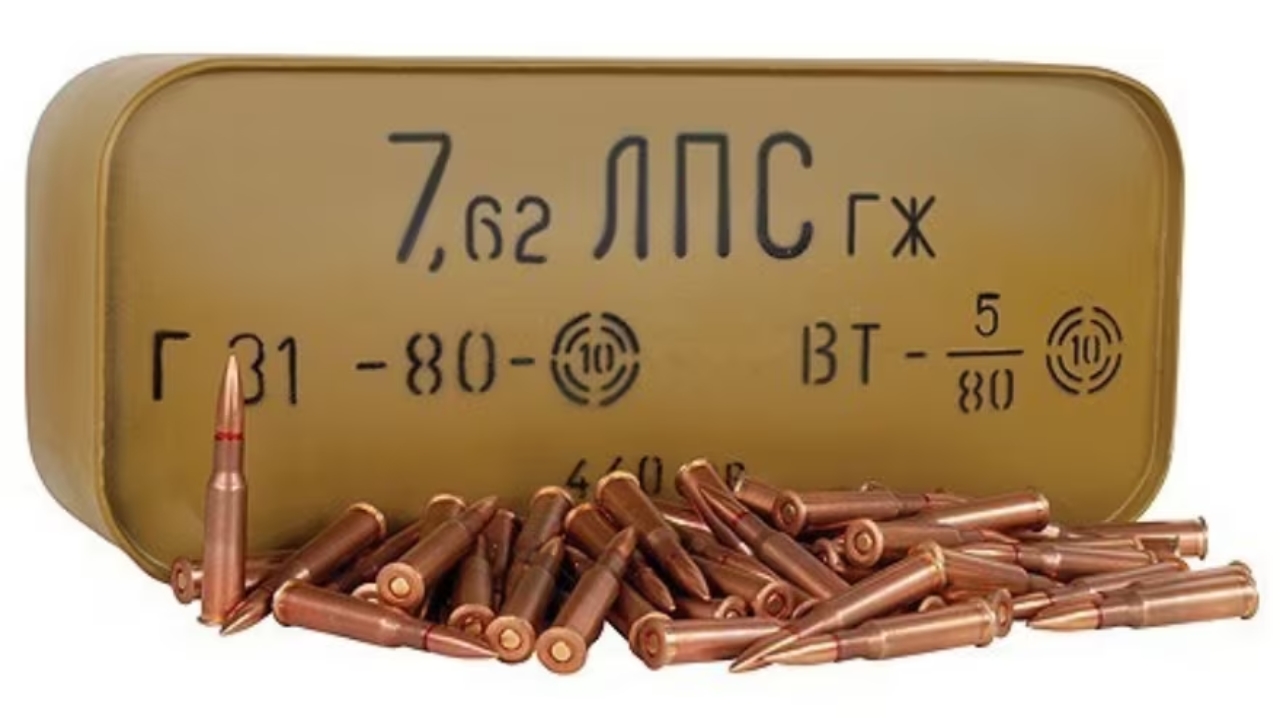
The 7.62x54R has potential with modern match-grade ammo, but surplus loads tell a different story. Older military rounds often use inconsistent powders and lightweight bullets that struggle to maintain stability beyond 300 yards.
Wind drift becomes unpredictable, and velocity spreads create inconsistent impacts. While the cartridge itself can perform with the right loads, surplus ammo commonly shot in Mosin-Nagants is a poor choice if you’re looking for precision past mid-range distances.
.458 SOCOM

The .458 SOCOM was designed for massive energy at short distances but wasn’t built for long-range precision. Its heavy bullets and relatively low velocities cause steep trajectory curves and poor retention past 300 yards.
In close-quarters setups, it’s highly effective, especially on large game and within dense cover. However, if you’re looking for consistent hits and predictable ballistics at mid-range and beyond, this round struggles to deliver the stability required for accurate performance.
.35 Remington

The .35 Remington has a loyal following among lever-action hunters, but its performance falls off fast beyond 250–300 yards. Modest muzzle velocities paired with traditional flat-nosed bullets mean steep drops and limited retained energy.
It’s a great close-range deer cartridge in thick woods, where shots stay under 200 yards. Once you push past that, though, its limitations become clear. For longer distances, higher-BC options maintain better flight characteristics and far greater consistency on target.
6.5 Grendel (Lightweight Loads)
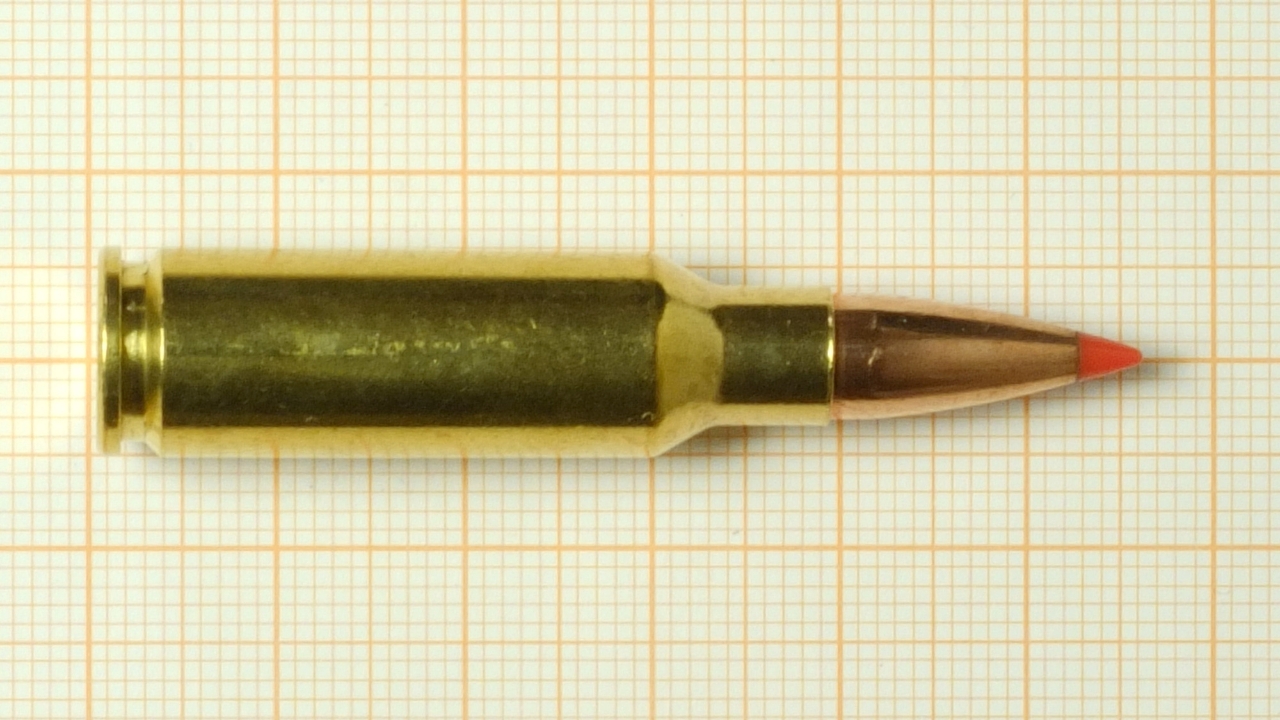
The 6.5 Grendel can be excellent with high-BC bullets, but many factory lightweight loads don’t hold up at 300+ yards. Lighter projectiles lose velocity faster and are more prone to wind drift, limiting effective range.
If you’re running premium ammunition with heavier bullets, the Grendel shines. But with bulk factory ammo, expect more drop and less predictability than the ballistics charts suggest. It highlights the importance of bullet selection when pushing intermediate cartridges further.
.300 HAM’R

The .300 HAM’R was designed to bring improved energy to AR-15 platforms, but like other lightweight calibers, it struggles past 300 yards. While it offers better ballistics than .300 Blackout up close, it still suffers from velocity loss at mid-range.
Wind drift and drop both become significant factors, making precise adjustments harder as distances stretch. For shooters looking to stay inside its effective hunting range, it performs well, but pushing it further exposes its limitations compared to higher-BC alternatives.
*This article was developed with AI-powered tools and has been carefully reviewed by our editors.