Photo credit: All About Survival/YouTube
Some guns earn respect right away. Others have to sit through years of jokes, low prices, bad timing, or plain old indifference before people finally understand what they were looking at. That kind of respect usually means more because it was not handed out by ads or internet noise.
The guns on this list did not all start out as legends. Some were considered ordinary. Some were too cheap to impress anybody. Some were misunderstood because they looked different, felt different, or arrived before the market knew what to do with them. Over time, real use has a way of cleaning up the conversation.
Ruger 10/22

The Ruger 10/22 spent years being treated like a basic rimfire you bought for plinking, teaching kids, or tossing behind the truck seat. That was fair in one way, because it was affordable, handy, and everywhere. But that also made people overlook how good the little rifle really was.
Time has been kind to it because the 10/22 just keeps working. It is easy to modify, easy to feed, and useful for everything from squirrels to cheap practice. A lot of rifles try to become classics. The 10/22 did it by being the rifle people never stopped using.
Marlin 336

The Marlin 336 was never the fanciest deer rifle in camp, and for a long time that kept it from getting the respect it deserved. It was the rifle you saw behind pickup seats, in farmhouse corners, and in the hands of hunters who cared more about meat than talk.
Now people look at the 336 differently. A smooth lever gun in .30-30 with decent wood and honest wear feels like something worth keeping. It carries well, points fast, and still makes perfect sense for woods hunting. What once looked ordinary now looks practical in a way newer rifles struggle to match.
Smith & Wesson Model 10
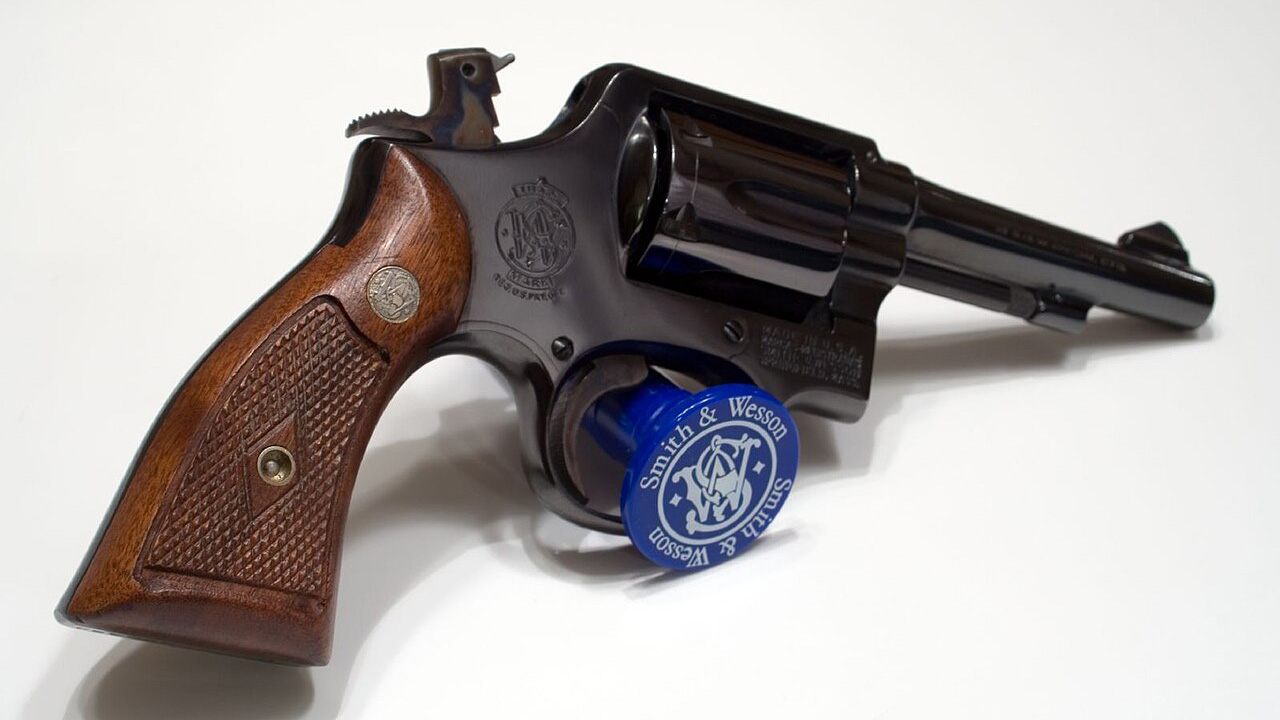
The Smith & Wesson Model 10 was so common for so long that people forgot to admire it. Police departments carried them, guards carried them, and used cases were full of them. That kind of availability made the Model 10 feel plain.
Years later, shooters started noticing what had always been there. The fixed sights are rugged, the double-action trigger can be excellent, and the balance is hard to fake. It is not a flashy revolver, but it teaches fundamentals better than most modern pistols. The Model 10 earned respect by doing quiet work for decades.
Remington 870 Wingmaster

The Remington 870 Wingmaster used to be the shotgun people bought because it was simply the sensible answer. It was not rare, exotic, or hard to understand. You bought one, hunted with it, cleaned it sometimes, and expected it to last.
That expectation turned into respect over time. Older Wingmasters have a smoothness and fit that newer budget pump guns often lack. They carry well in the field, cycle cleanly, and handle birds, deer, and home-defense duty without acting specialized. The more shooters deal with rough modern shotguns, the better an old Wingmaster looks.
CZ 75

The CZ 75 did not get the early American attention it probably deserved. For years, it had a loyal following, but it was not treated like a mainstream rival to the big names. Plenty of shooters knew it was good before the broader market caught up.
Today, the CZ 75 gets much more respect because people finally appreciate how well it shoots. The grip shape is natural, the slide rides low, and the steel frame gives it a calm feel under recoil. It is one of those pistols that makes sense the moment you run it instead of only reading about it.
Browning Auto-5

The Browning Auto-5 looked strange to a lot of newer shooters, especially with that humpback receiver. For years, plenty of people saw it as old, heavy, and outdated compared with lighter gas guns and sleeker modern semi-autos.
Then people started paying attention to what it had already proven. The Auto-5 ran through decades of hard hunting, cold mornings, muddy fields, and rough handling. Its long-recoil system feels different, but different does not mean weak. A clean, honest Auto-5 now carries the kind of respect that only comes from surviving real use.
Ruger P95

The Ruger P95 was not a pistol people bragged about owning. It was chunky, inexpensive, and not especially pretty. For a long time, it was treated like a budget gun you bought when you could not afford something cooler.
That attitude has softened because the P95 built a reputation for being tougher than expected. It feeds, fires, and takes abuse better than its looks suggest. The trigger is nothing fancy, and the styling is pure utility, but the gun works. In hindsight, a lot of shooters realized they had dismissed one of the more honest affordable pistols of its era.
Winchester Model 70 Post-64 Push Feed
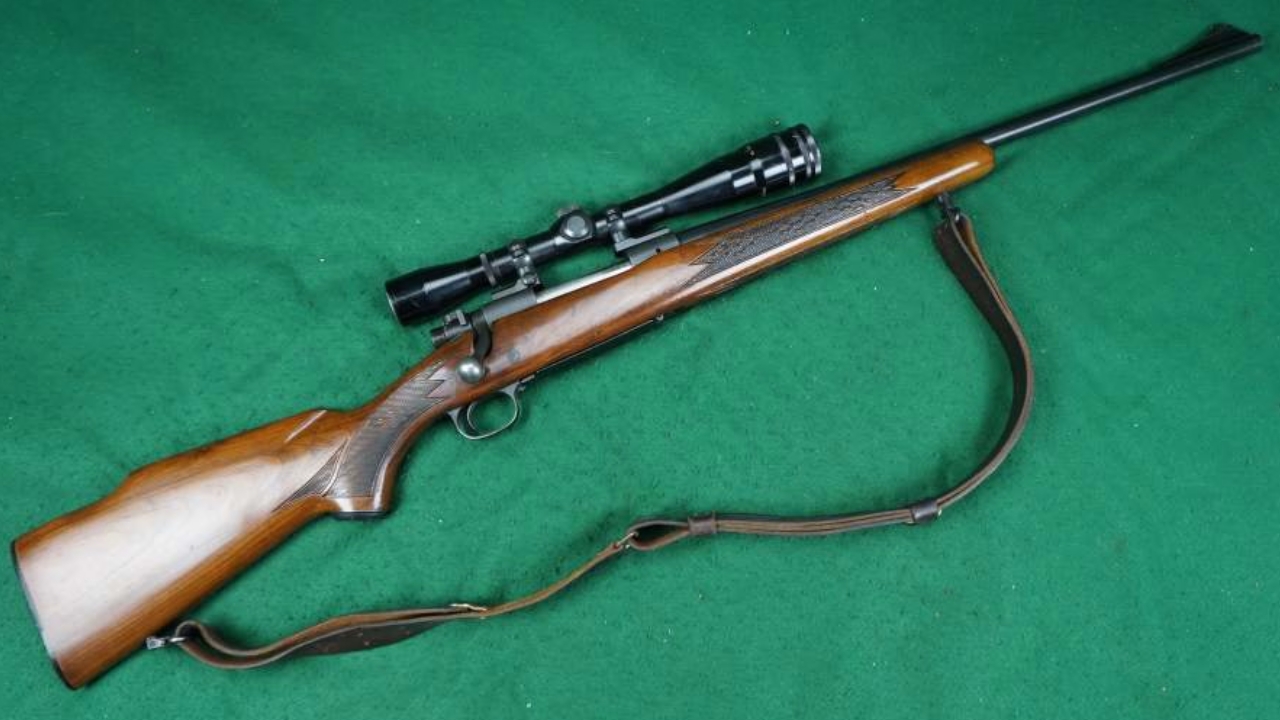
The post-64 Winchester Model 70 spent years living in the shadow of the pre-64 rifles. That comparison was always going to be brutal. Collectors loved the older controlled-round-feed guns, and the push-feed models were often treated like a step down before anyone judged them fairly.
Over time, hunters learned that many post-64 rifles shot well and held up just fine. They were not pre-64 classics, but they were still useful hunting rifles with the Model 70 feel. A good one in a practical caliber now looks less like a compromise and more like a smart rifle people ignored too quickly.
Beretta 92FS

The Beretta 92FS has taken plenty of criticism over the years. Some shooters complained about the size, the slide-mounted safety, the double-action first pull, or its military reputation. It became easy to blame the pistol instead of learning how to run it.
With time, the 92FS has gained more respect from people who actually shoot it well. It is soft, accurate, durable, and surprisingly fast in trained hands. The big grip is not for everyone, but the pistol itself has aged better than the complaints. It remains one of the smoothest full-size service pistols around.
Savage 110

The Savage 110 was once seen mostly as the affordable bolt-action that got the job done. It did not carry the same campfire status as a Remington 700 or Winchester Model 70, and that hurt its image with some hunters.
Accuracy changed the conversation. The 110 platform earned respect because so many of them flat-out shot well. The barrel nut system, floating bolt head, and later AccuTrigger helped turn a plain-looking rifle into a serious performer. It may not have always been pretty, but deer, paper, and steel targets never cared about pretty.
Smith & Wesson 5906
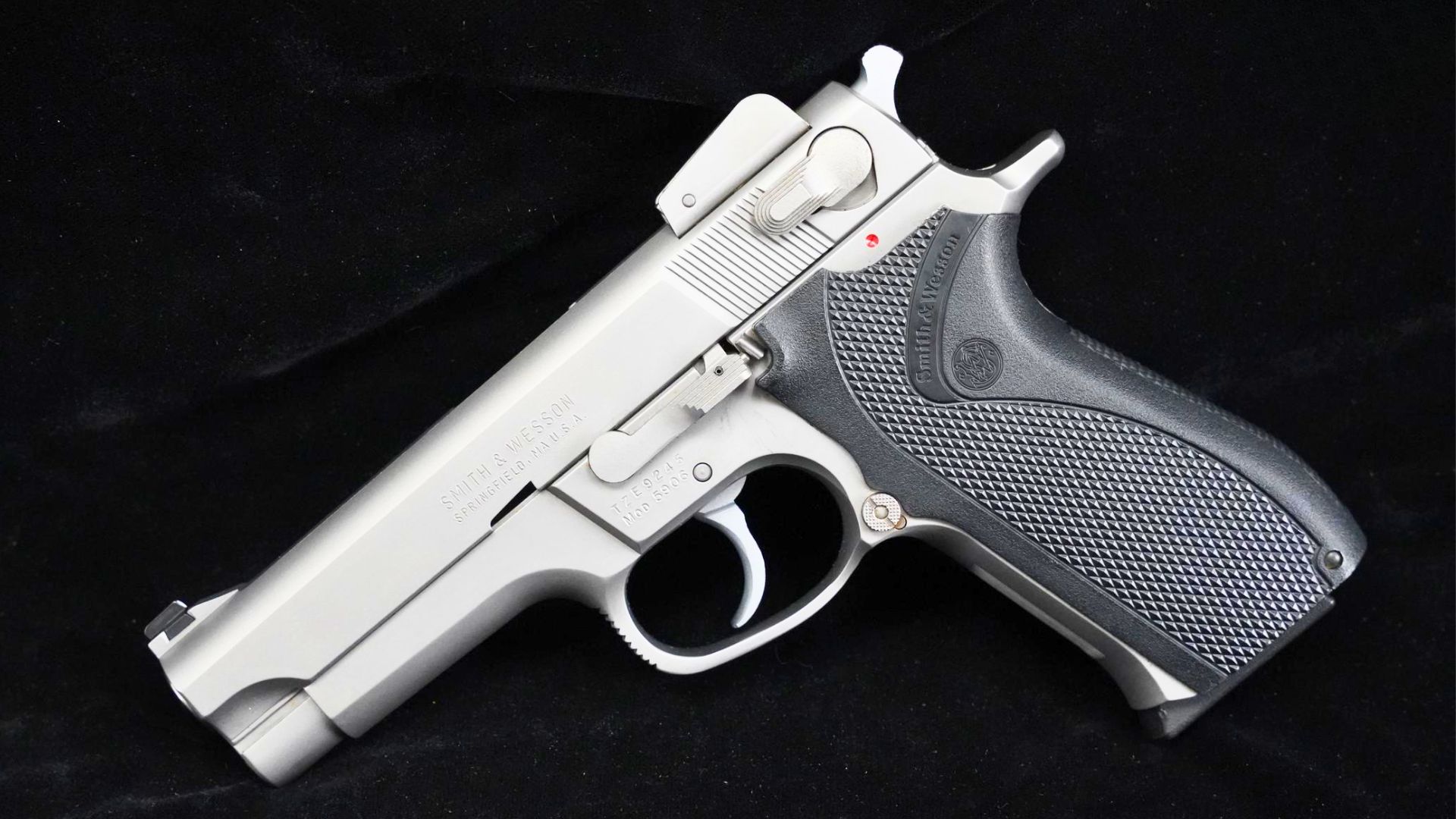
The Smith & Wesson 5906 spent years as a heavy, stainless police trade-in that many shooters passed over. It was not polymer, not light, and not fashionable once striker-fired pistols took over the market. For a while, it looked like yesterday’s duty gun.
Now, that same weight and all-steel construction make it more interesting. The 5906 is solid, controllable, and built with a level of durability people respect more now than they did when these guns were cheap. It feels like a pistol from a time when duty guns were expected to take hard use without much drama.
Ruger Mini-14

The Ruger Mini-14 has always had a complicated reputation. Older rifles were often criticized for accuracy that did not match what AR shooters expected, and the platform spent years being compared to rifles it was never really trying to be.
Even with that baggage, the Mini-14 has gained respect because it is handy, rugged, and still appealing to people who like a traditional rifle feel. Later models improved accuracy, and the rifle remains easy to carry and fast to shoulder. It is not an AR replacement. It is better understood when judged as its own thing.
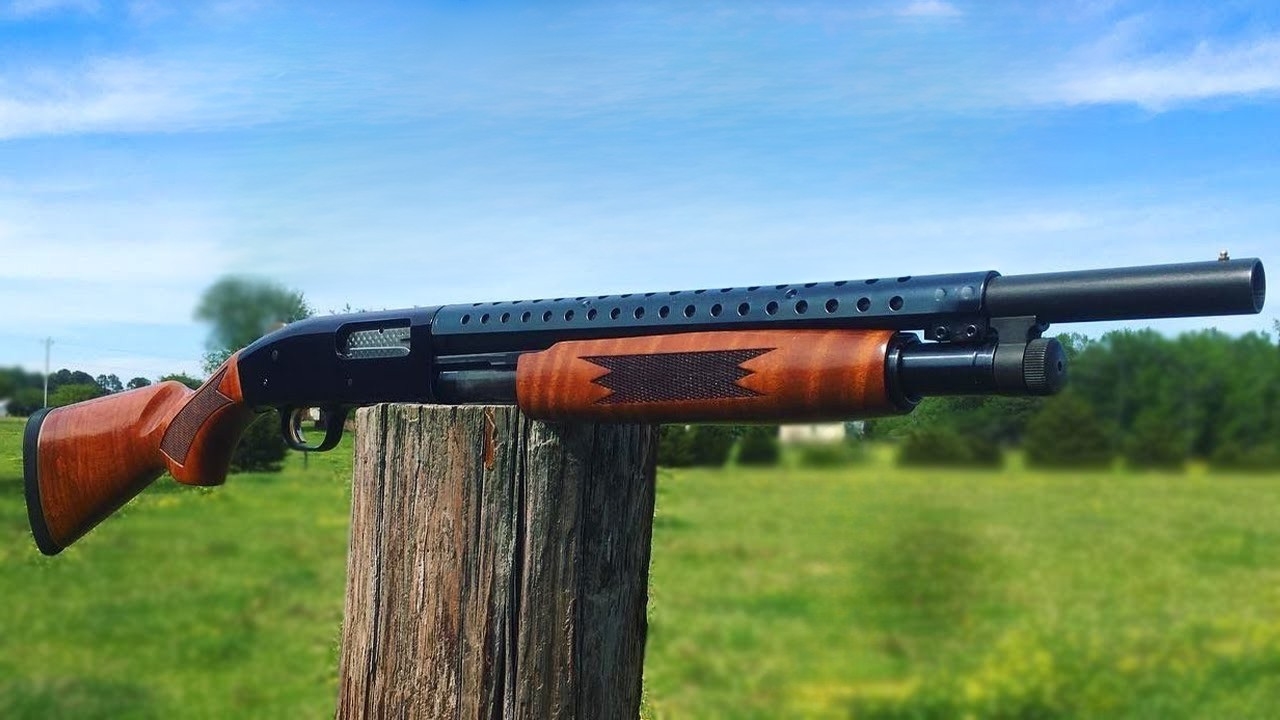
Mossberg 500

The Mossberg 500 was often seen as the cheaper alternative to the Remington 870. That label stuck for years, even though plenty of hunters, homeowners, and working people were using the 500 without much trouble.
Time helped prove the point. The tang safety is easy to reach, the action is simple, and the gun keeps running with basic care. It may rattle more than some people like, but that never stopped it from working. The 500 earned respect the same way a good tool does: by being there every time someone needed it.
Colt Police Positive
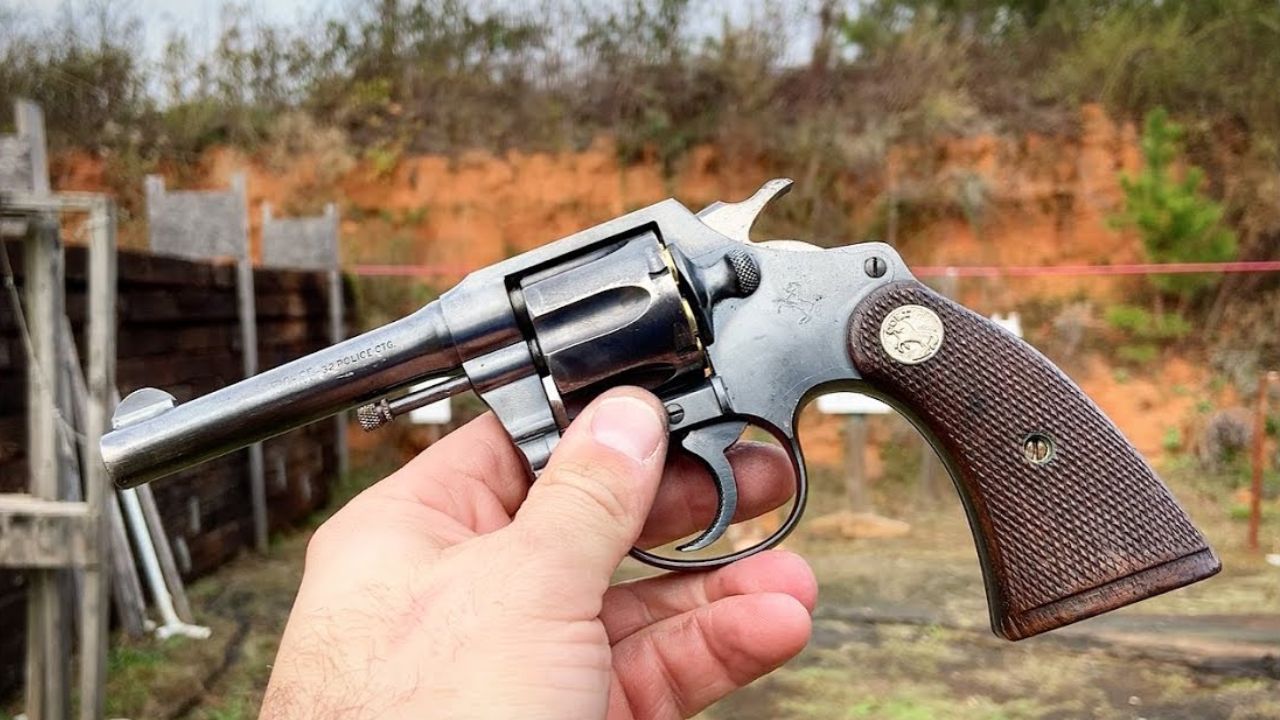
The Colt Police Positive used to sit in the shadow of bigger, flashier Colt revolvers. It was smaller, milder, and often viewed as an old service revolver rather than something worth serious attention. For years, many examples were simply inexpensive used guns.
Now shooters look at them with more appreciation. The craftsmanship, balance, and old Colt action give the Police Positive a feel that is hard to find in modern production revolvers. It is not a magnum powerhouse, but it was never meant to be. It was a clean, practical revolver that aged into real charm.
Browning BL-22

The Browning BL-22 never had the same loud following as some rimfire rifles, partly because it was not the cheapest option on the rack. For years, people who only wanted a basic .22 often walked right past it.
The shooters who bought one usually understood. The short lever throw, good handling, and smooth feel make it one of the nicest rimfire lever actions to actually use. It is the kind of rifle that feels better with age because it was built with care from the start. Over time, that matters more than saving a few dollars upfront.
Like The Avid Outdoorsman’s content? Be sure to follow us.
Here’s more from us: