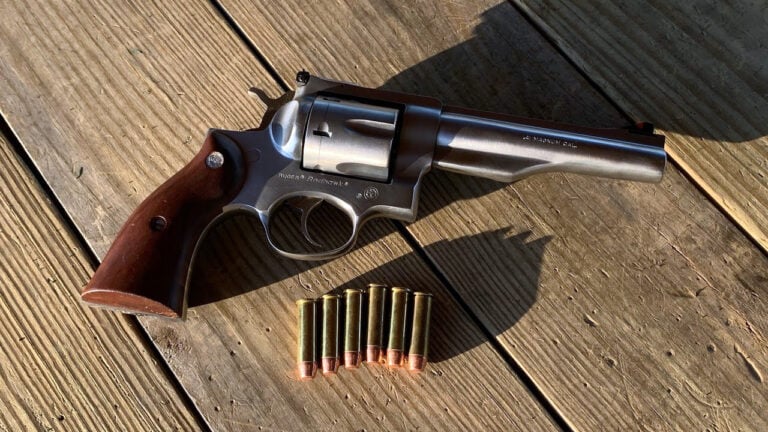
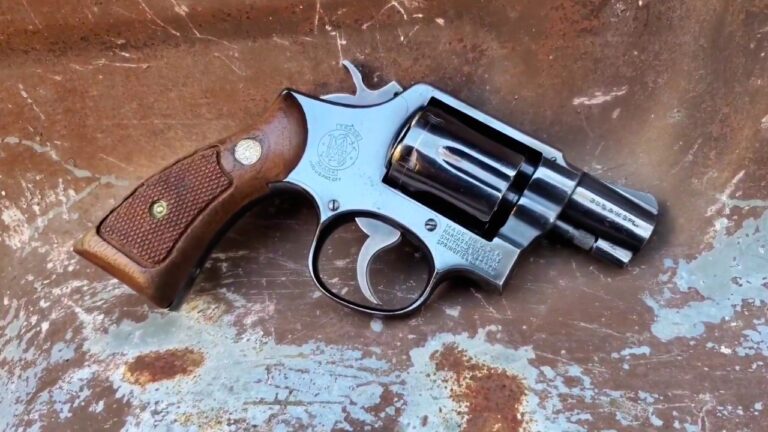
Photo credit: Tools&Targets/YouTube
I used to think the answer to every hunting problem and every carry problem was “a different caliber.” I’d read enough campfire talk and gun-counter wisdom to believe there was a perfect cartridge for each job: one for thick timber, one for bean fields, one for coyotes, one for elk, one for bears, one for recoil-sensitive shooters, one for suppressed use, one for cheap range days.
So I chased them. I carried them. I built rifles around them, bought dies, stocked magazines, and convinced myself the next one would finally simplify my life. What actually happened is I ended up with a bunch of half-fed guns, oddball ammo on shelves, and a nagging feeling I was working harder than the deer were. Here are 20 calibers I ran hard enough to form an opinion on—and why I eventually walked away from every one of them.
1. .22 WMR

The .22 Magnum is a slick little round when you’re tired of .22 LR not anchoring bigger varmints clean. I carried it in a light rifle and a revolver for trapline checks and “just in case” chores. On paper it looked like the perfect step up.
Then the real world showed up: ammo cost swung all over, and the accuracy between loads could be moody. Some guns love it, some never settle down. I went back to .22 LR for most small stuff and jumped to .223 when I needed real reach and authority.
2. .17 HMR
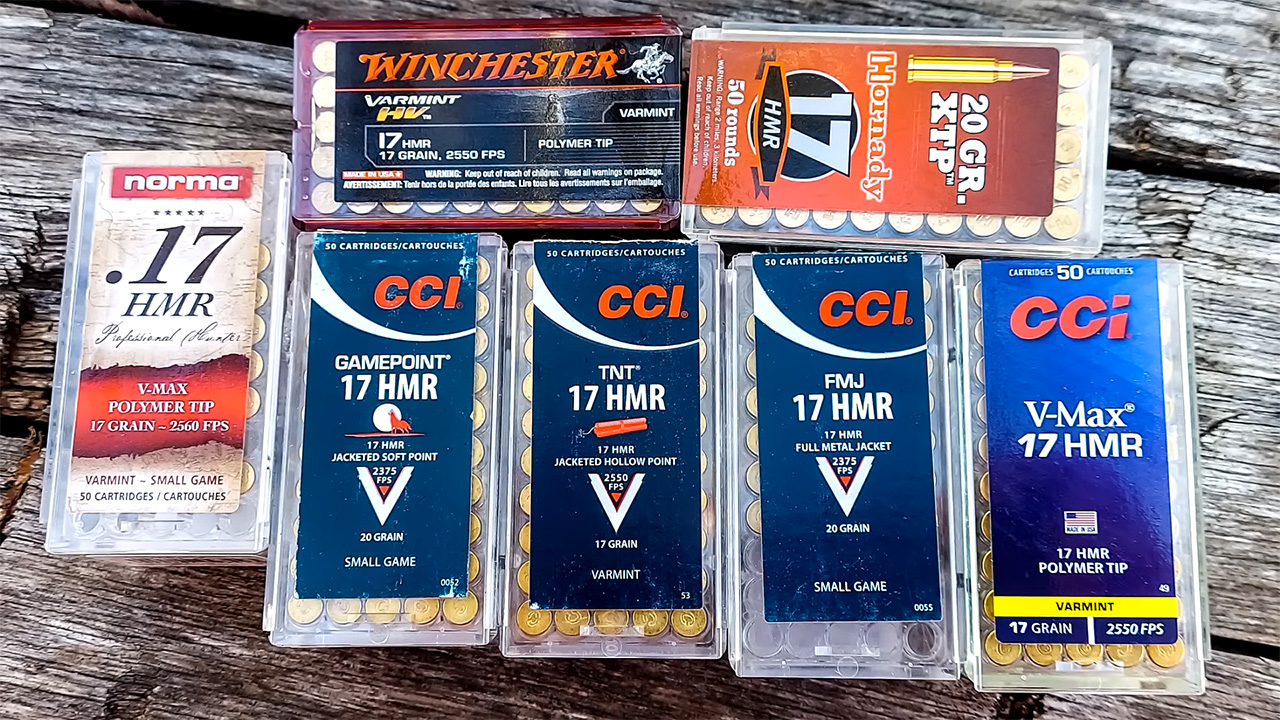
I wanted to love it because it’s fun. A .17 HMR on prairie dogs or ground squirrels makes you feel like you’ve got a laser. Flat, fast, and it turns range time into a confidence boost.
But it’s also a rimfire with rimfire quirks, and it gets pushed around in wind more than folks want to admit. Once the novelty wore off, I didn’t like keeping another ammo type around for a role my .22 LR and .223 already handled.
3. .22 Hornet
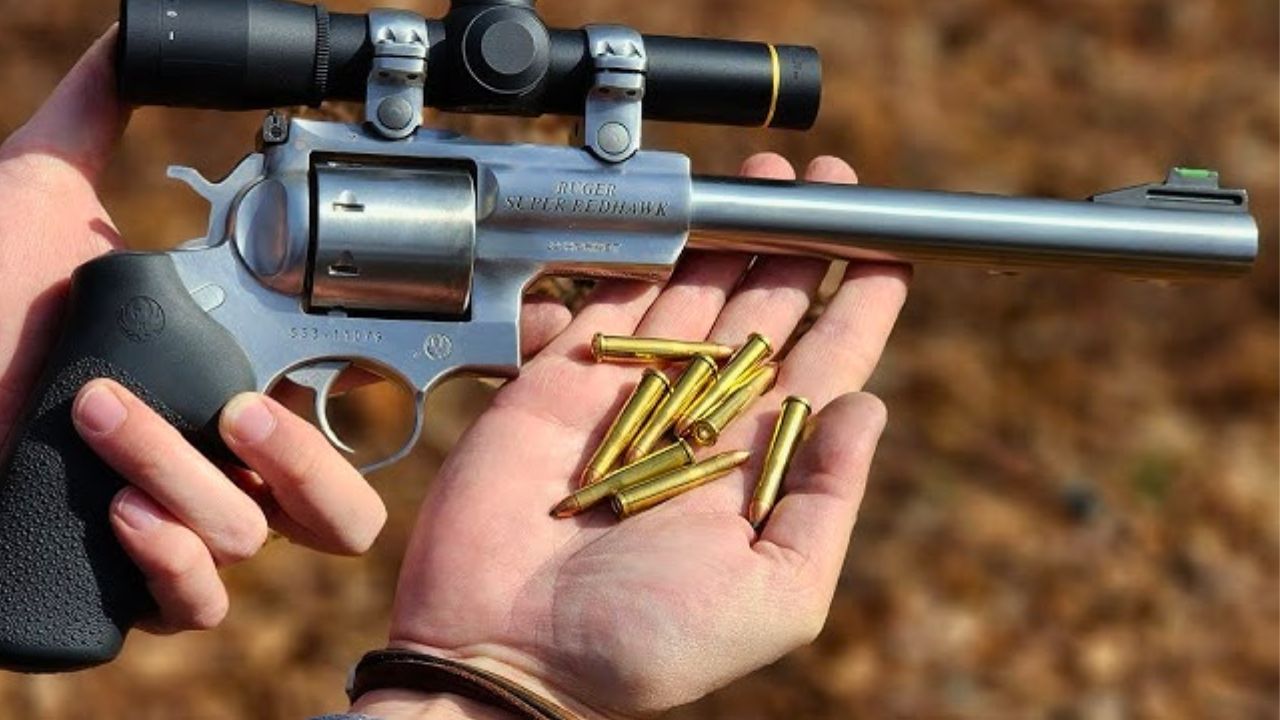
There’s something classy about the Hornet. Light report, light recoil, and it feels like an old-school farm cartridge that never needed to be loud to be effective. Mine was a sweet-carrying bolt gun that pointed like a wand.
Reality: factory ammo wasn’t cheap or everywhere, and performance overlaps heavily with .223. If you handload, it makes more sense. I don’t always want another set of brass and load data to babysit.
4. .204 Ruger
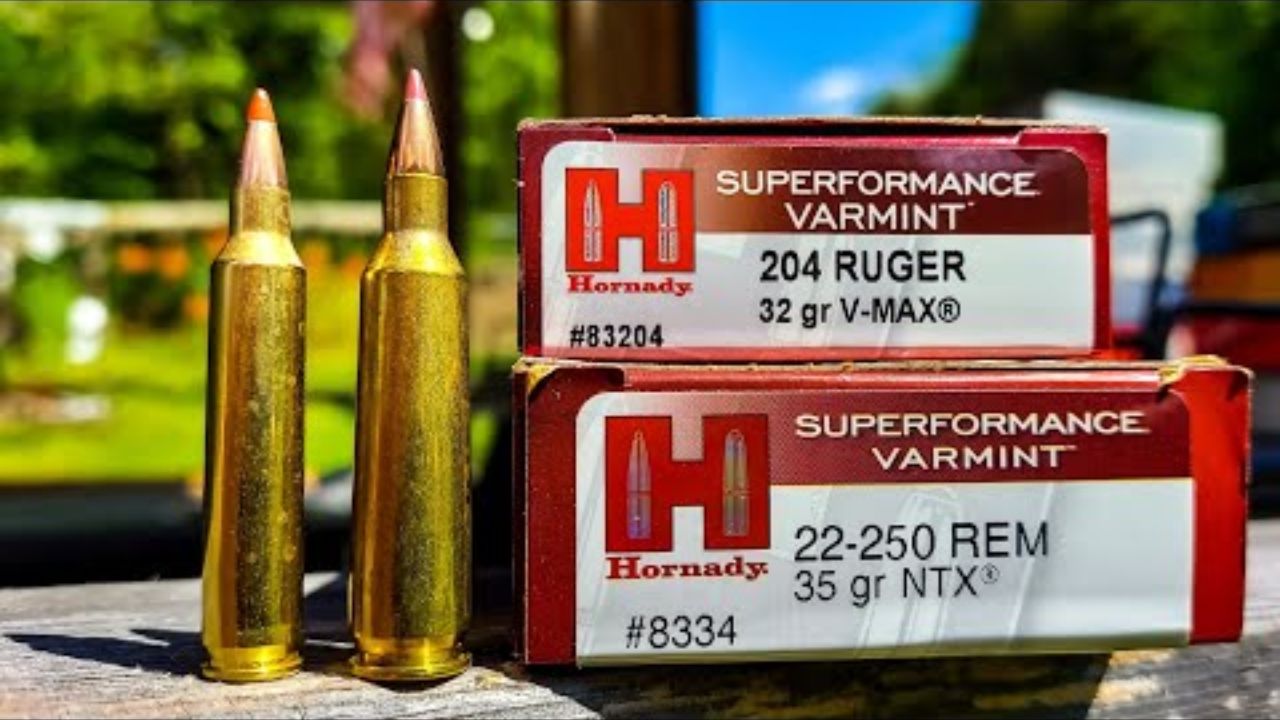
This one flat-out shoots. When everything is dialed, .204 Ruger is fast, flat, and accurate enough to make you cocky. It’s a coyote and varmint round that feels like cheating on calm days.
What ran me off was barrel heat and barrel life concerns once I started shooting it like I shoot .223—lots of rounds, lots of practice. I also got tired of finding the “right” load again every time ammo availability changed. .223 is boring, and boring wins.
5. .223 Remington
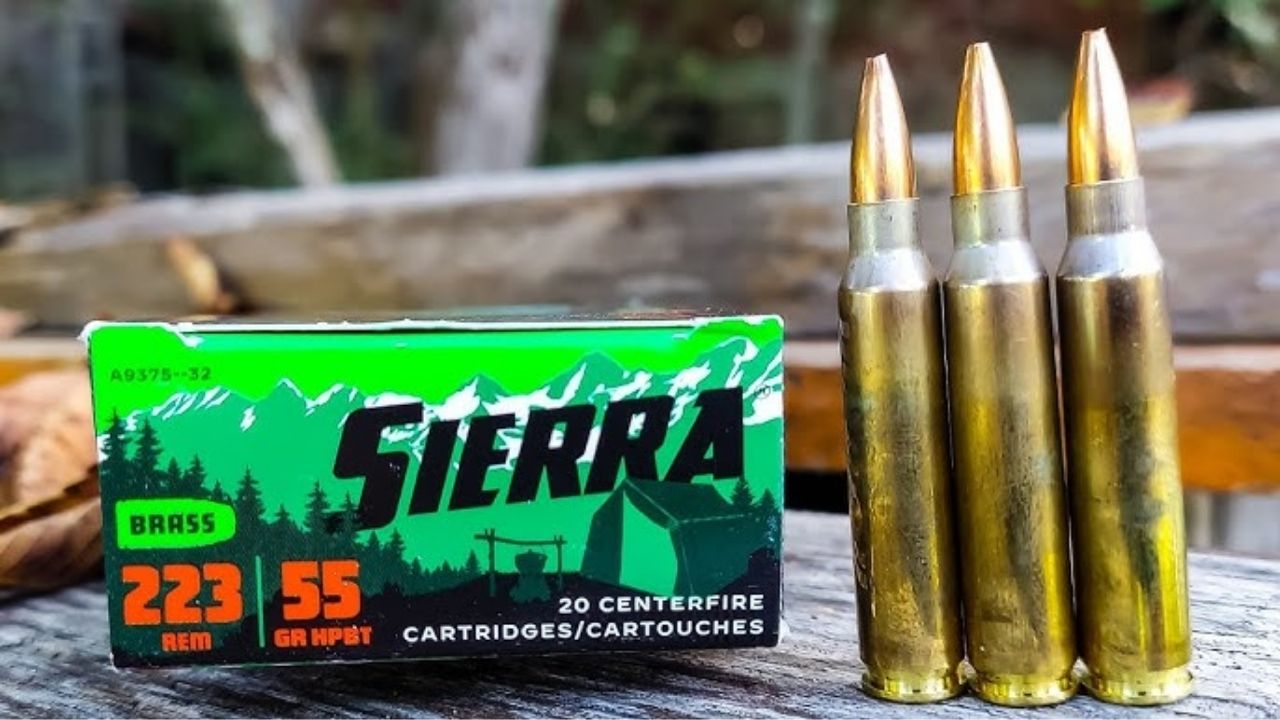
Yep, I walked away from it for my “main” use even though I still respect it. I carried .223 in the truck, on the range, and on predator stands for years. Magazines and parts are everywhere, and the recoil is nothing.
My switch wasn’t because it fails. It was because I got tired of the gray area of what’s “enough” on bigger-bodied coyotes in bad angles and heavy cover, and I don’t like stretching it toward deer where it’s not legal in some places anyway. For my hunting, I ended up preferring either a little more bullet or a totally different tool.
6. 5.56 NATO
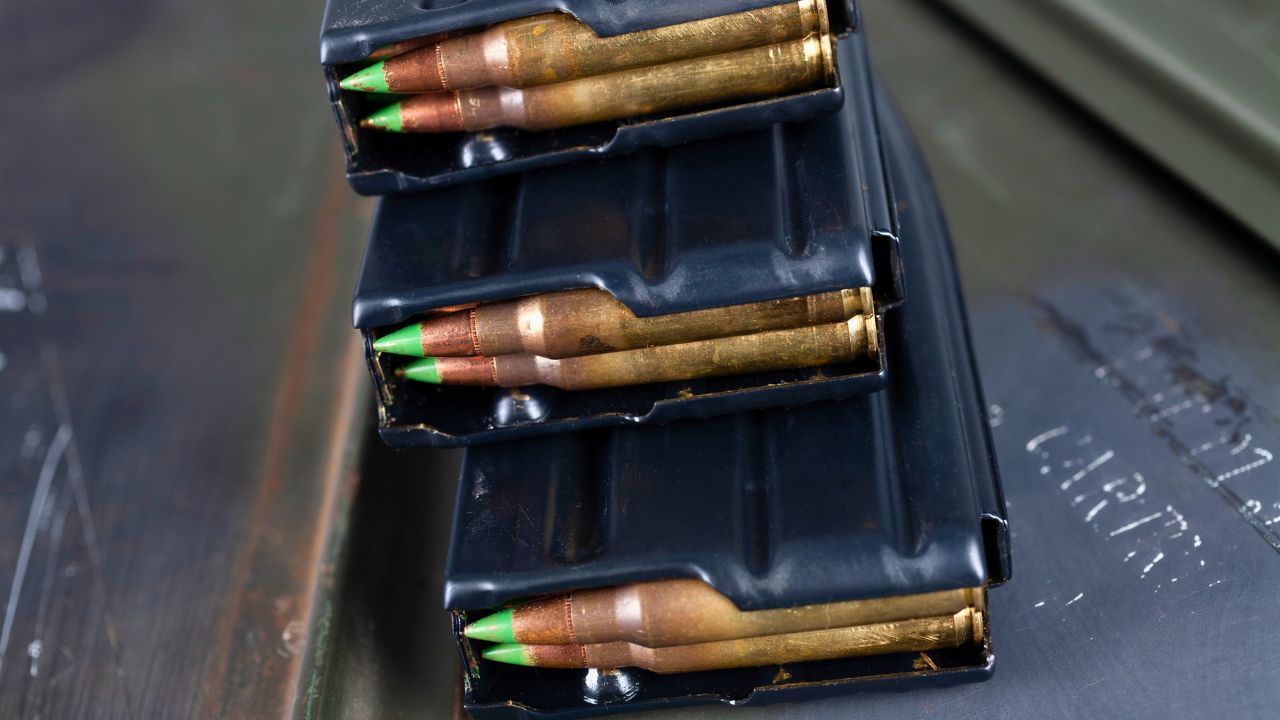
I’m separating it because the way folks use it is different. In ARs it’s the default, and I ran it hard—classes, range days, and plenty of time behind a red dot. It’s handy, and it works.
But for me the “do everything” carbine dream got old when I realized I was keeping multiple loads around to make it fit multiple roles. I consolidated and simplified. I still like ARs, I just stopped building my whole world around 5.56.
7. .224 Valkyrie
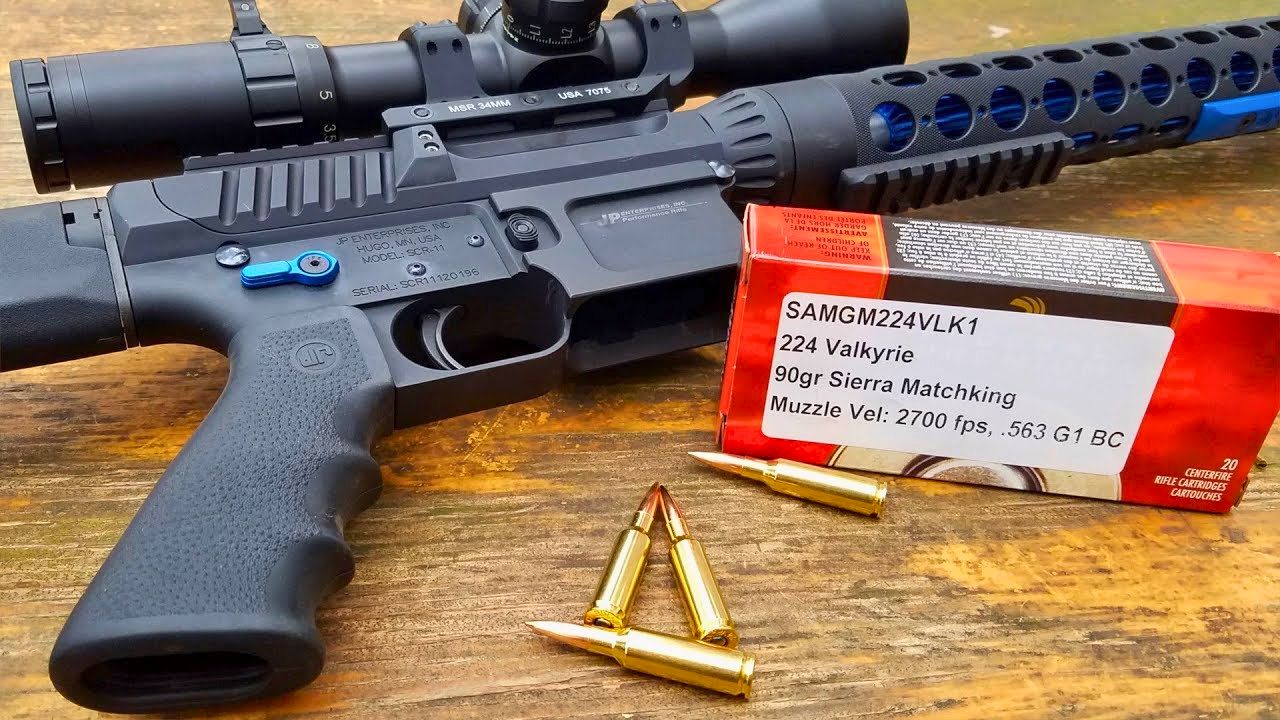
This one is a lesson in internet hype versus real ammo shelves. I bought into the idea of stretching an AR platform farther with better ballistics. When it’s right, it does what it says it does.
The problem is “when it’s right” can mean very specific loads, and those loads aren’t always easy to find. My gun shot some stuff great and some stuff like it had a grudge. Eventually I asked myself why I didn’t just run a bolt gun in a proven caliber if distance mattered that much.
8. 6.5 Grendel

Grendel is a legit hunting round in the AR world. It hits harder than 5.56, bucks wind better, and it’s pleasant to shoot. I carried it on deer and it did its job.
What I didn’t love was the magazine sensitivity and the “this load, not that load” dance depending on the rifle. Also, ammo availability wasn’t as consistent as I wanted. I ended up moving back to simpler supply lines: common bolt-gun rounds for hunting and common carbine rounds for training.
9. 6.8 SPC
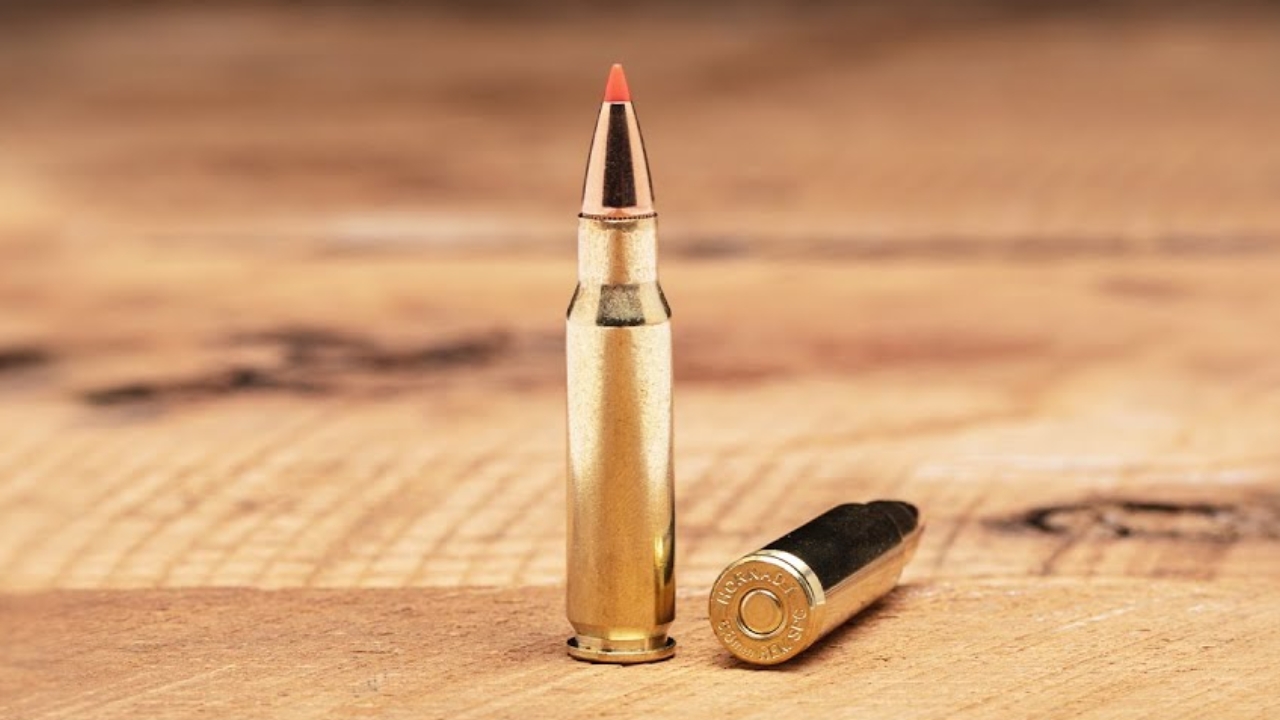
I ran 6.8 when it was the “AR deer answer.” Inside reasonable range it smacks, and it feels like a purpose-built woods cartridge. In thick timber it made sense.
But it became one more caliber that I couldn’t just grab anywhere without thinking. Magazines weren’t as universal as standard AR mags, and the round never felt like it had a strong “future-proof” path for me. I switched to cartridges with either bigger adoption or clearer advantages.
10. .243 Winchester
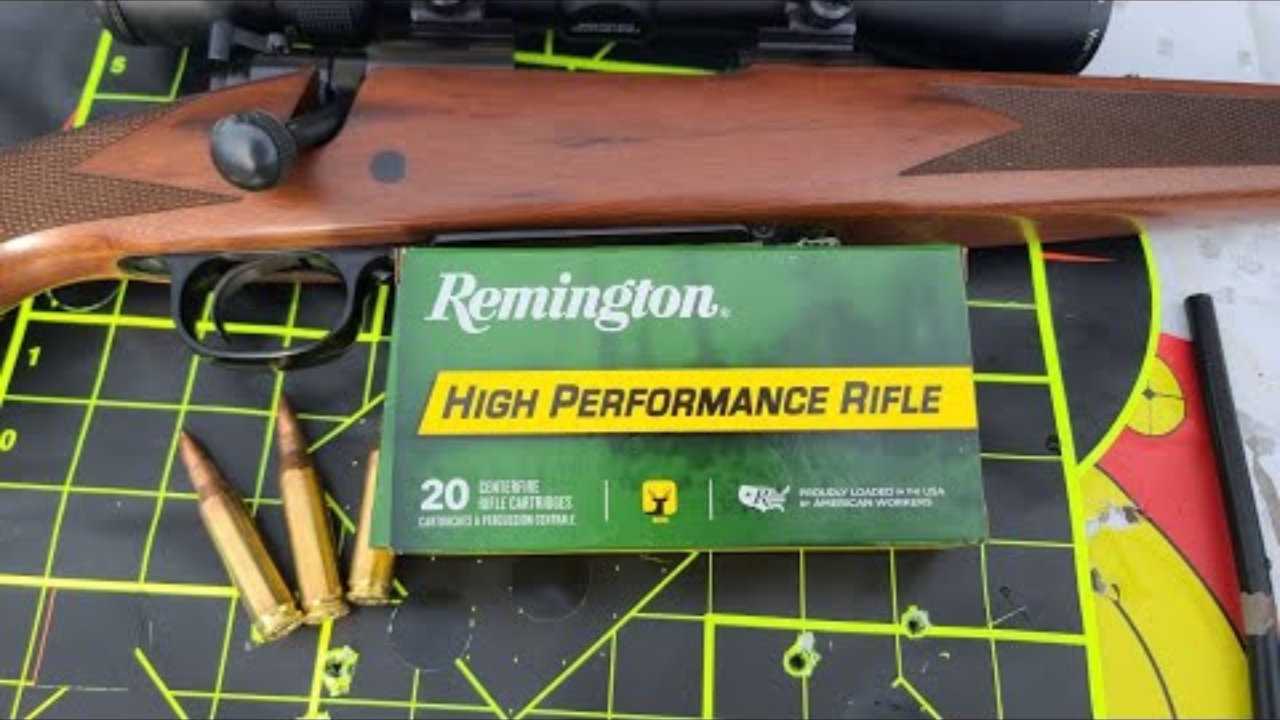
This one hurts a little because .243 flat works. It’s mild, accurate, and deadly on deer with good bullets. I carried it a lot when I wanted light recoil and a rifle that felt easy to shoot well.
I moved away because I kept wanting a little more margin for bigger deer, windy days, and tougher angles, especially when shots weren’t perfect. Nothing wrong with .243—my change was me, not the cartridge. I just prefer a bit heavier bullet now.
11. 6mm Creedmoor

I tried it because it’s a sweetheart on the range and it makes hits feel simple. It’s easy to spot impacts, easy to stay on glass, and it’s accurate enough to make you think you’re a better shooter than you are.
For hunting, it started to feel like a specialty tool I didn’t need. Great bullets exist, but I already had other rifles that covered the same game with less fuss. Also, when you’re trying to keep ammo and brass simple, another Creedmoor variant is one more lane on the highway.
12. .25-06 Remington
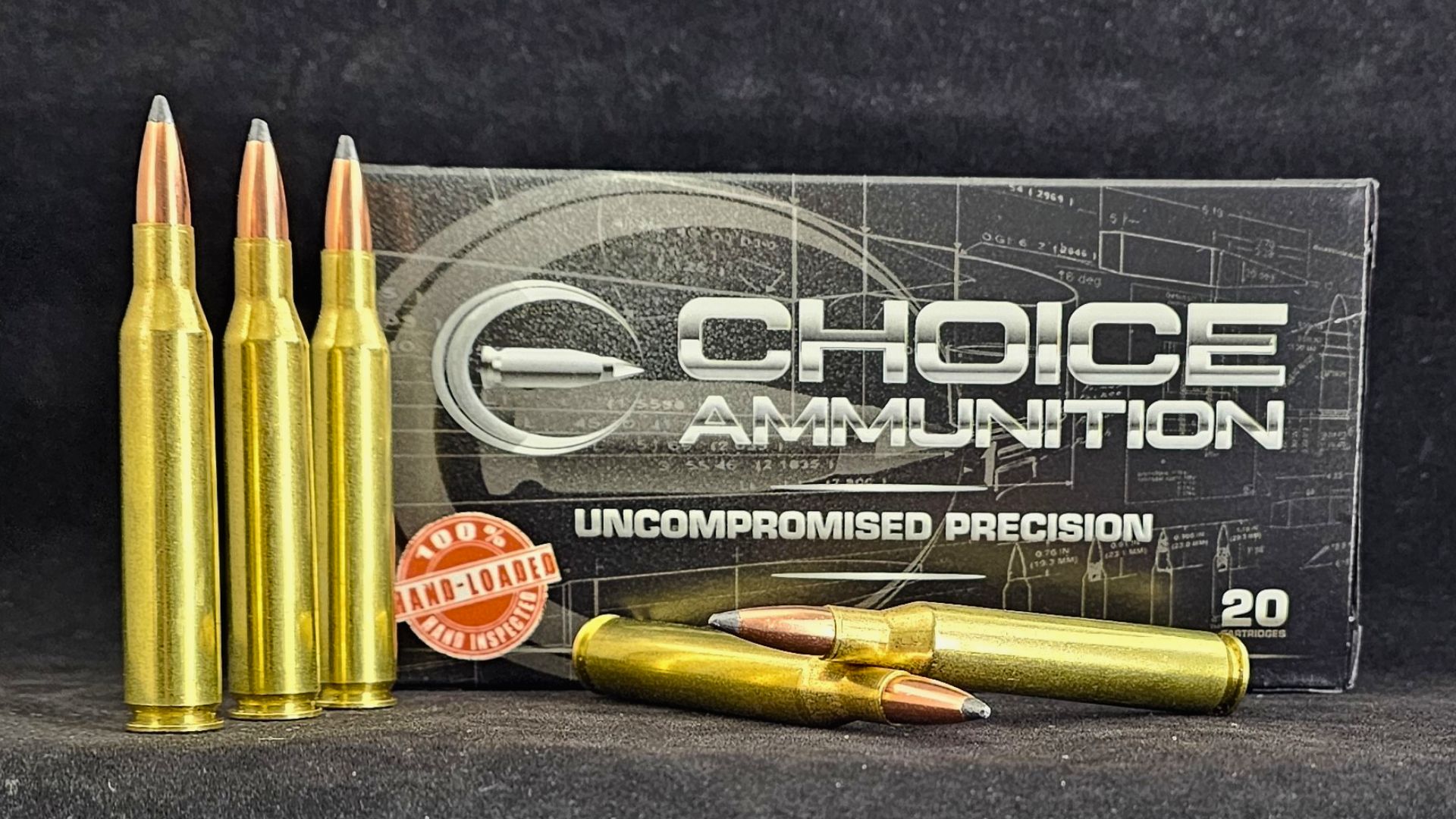
The .25-06 has real fans for a reason. It’s fast, flat, and it hits deer like it means it. Mine was a long-action rifle that carried fine but always felt like it wanted open country.
I stepped away because it’s a barrel-burning personality if you shoot it a lot, and it’s not as easy to find everywhere compared to the more common .270 and .30-06. I also found I didn’t need that exact blend of speed and bullet weight once I quit trying to “optimize” every hunt.
13. .270 Winchester
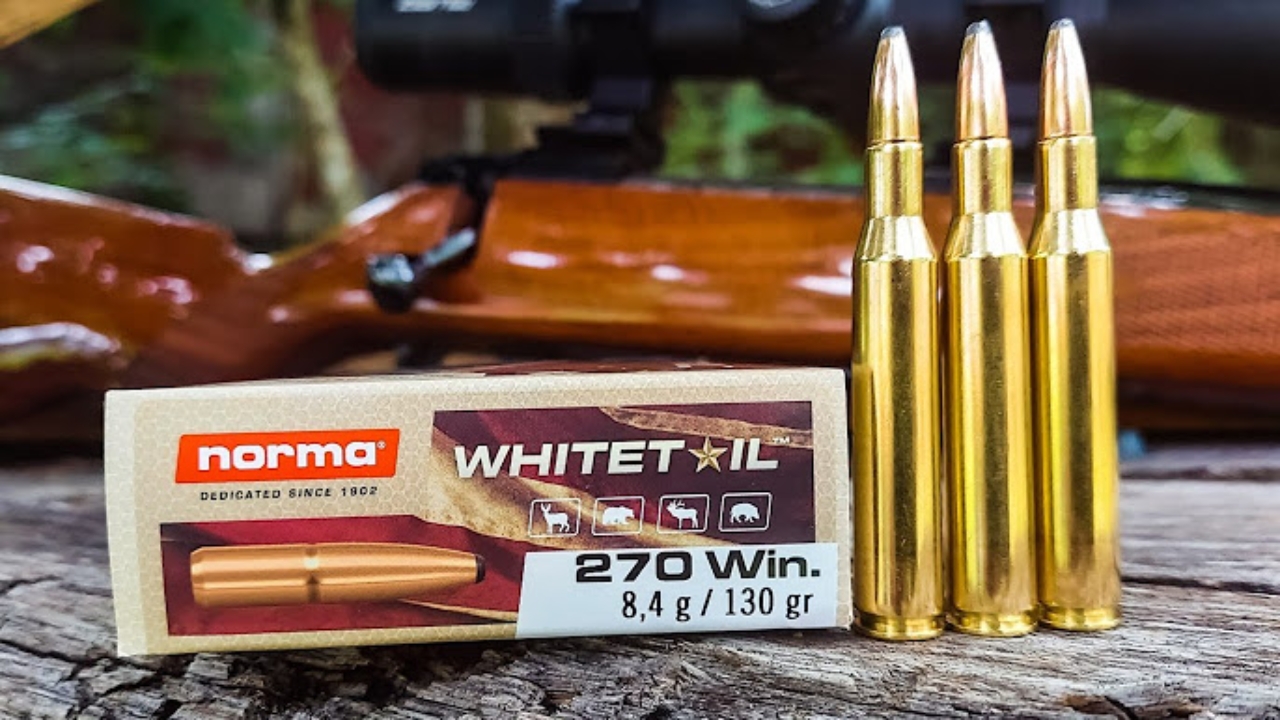
There’s nothing fancy about .270, and that is kind of the point. It shoots flat enough, hits hard enough, and it’s been killing deer and elk clean for a long time. I carried one for years and never felt undergunned.
I still moved away from it because I didn’t like being stuck between bullet weights sometimes. I wanted either a heavier-for-caliber thumper for elk and tough angles or a softer-shooting option for high-volume practice. The .270 did everything well, but I found I liked clearer “lanes” in my own lineup.
14. 7mm-08 Remington

If you told me to pick one deer cartridge for most folks, 7mm-08 would be near the top. It’s mild, efficient, and it hits above its recoil class. Mine was in a short, handy rifle that carried like it belonged in the woods.
So why switch? Ammo availability, mainly, and my own tendency to overthink bullet choices. In my area, some seasons I could find 7mm-08 easily, other seasons it was a ghost. I finally decided I wanted my “go-to” rifle to eat what every hardware store keeps on the shelf.
15. 7mm Remington Magnum

I bought a 7 mag because I wanted “reach” and I wanted it in one clean jump. It is a classic for a reason. When you connect well, it hits hard and shoots flat, and it carries confidence across canyons.
But it’s loud, it’s sharp, and it can teach bad habits if you don’t stay honest. I also got tired of paying magnum prices for range time. Once I admitted most of my hunting shots didn’t need magnum speed, it was an easy one to sell.
16. .308 Winchester
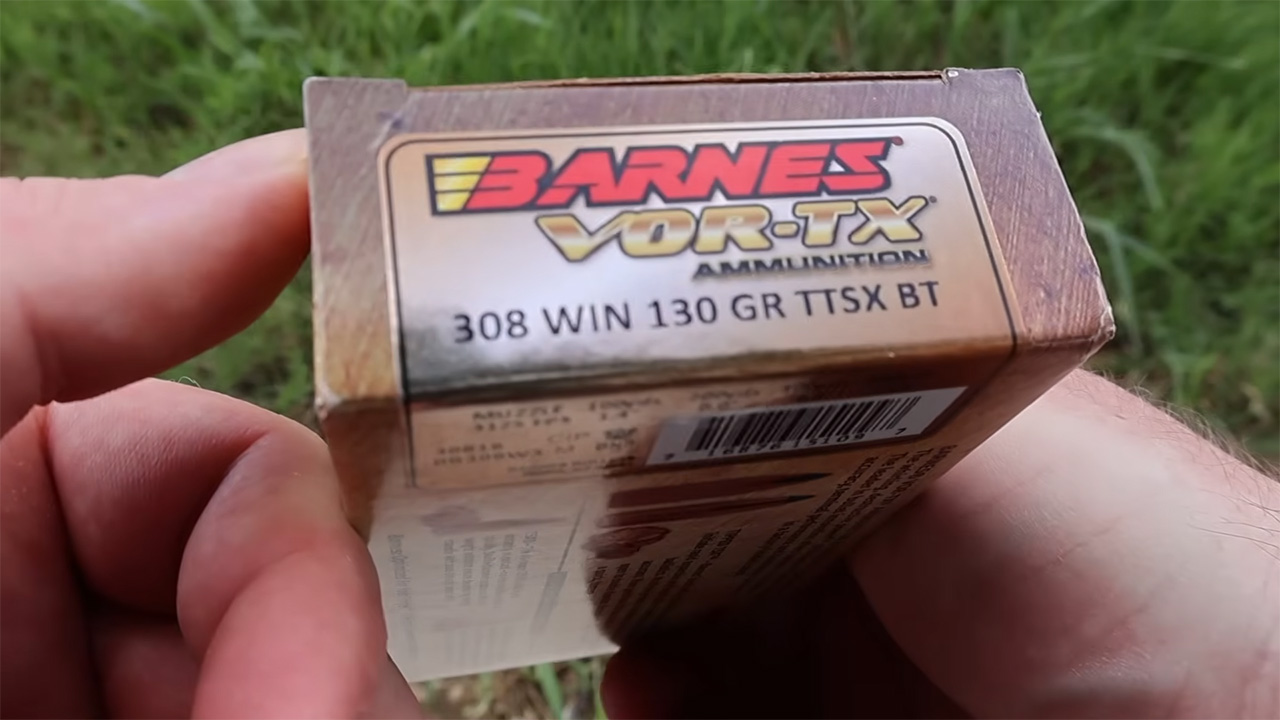
.308 is the work boot of rifle cartridges. It isn’t exciting, but it’s hard to argue with. I carried it in a short bolt gun and in a semi-auto, and it’s one of the easiest rounds to find and feed.
I moved away because I got tired of the recoil and blast in lighter rifles when I was practicing a lot. Not “too much,” just enough to make me shoot fewer rounds and enjoy it less. I also found that for my deer hunting, other rounds gave me the same results with a little less push.
17. .30-06 Springfield
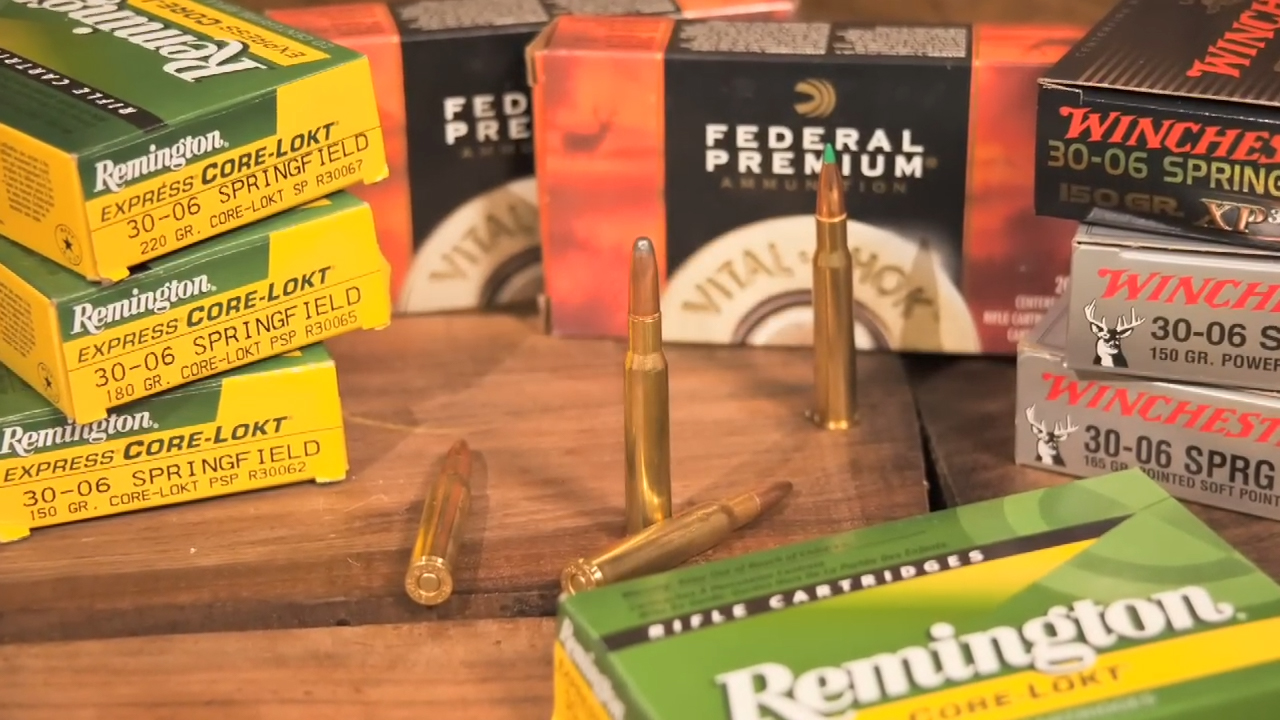
This is the one everybody thinks you’ll keep forever. I carried an ’06 for deer, for hogs, and as an “anything in North America” security blanket. With the right bullet, it’s a hammer.
What ran me off was mostly me simplifying. I didn’t need the full flexibility of 125 to 220-grain loads, and I didn’t like how some rifles in ’06 end up a little longer and heavier than I want for tight woods. I respect it. I just stopped reaching for it first.
18. .300 Winchester Magnum
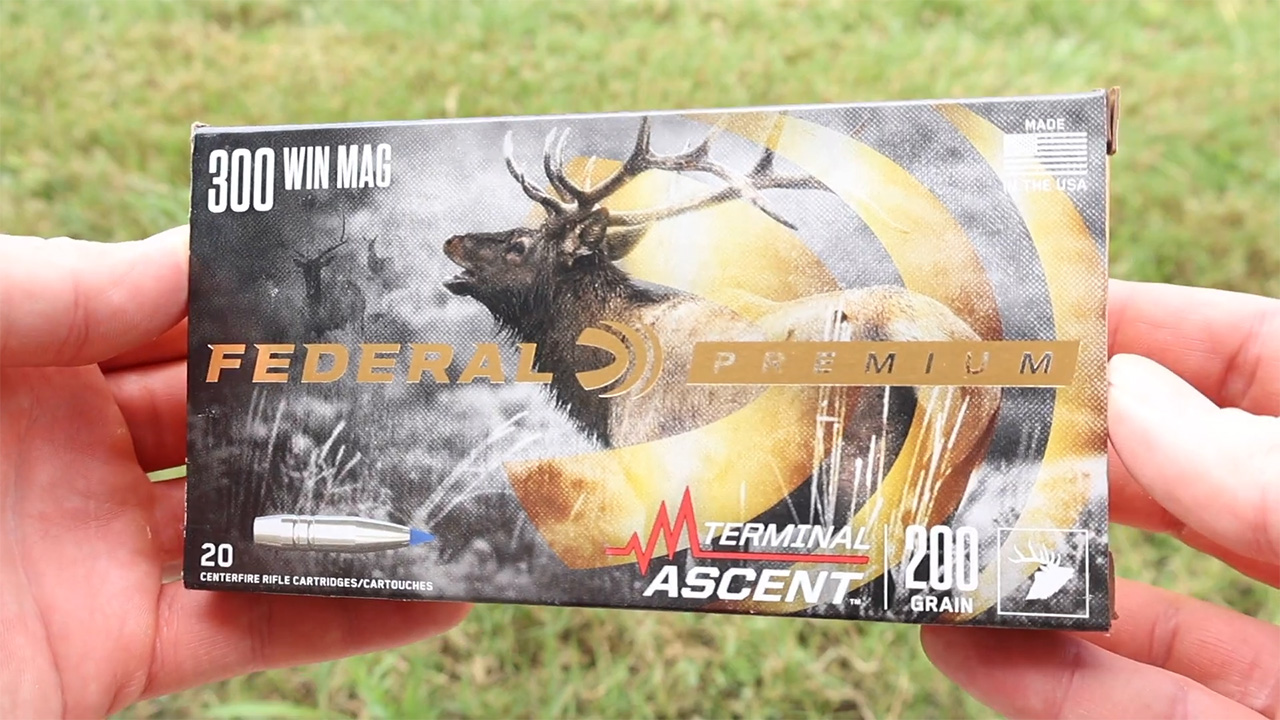
I went through a phase where I thought a .300 magnum was the adult answer. More energy, more distance, more everything. It is absolutely effective, and I’ve seen it drop big animals with authority.
It also beats you up in a light rifle, and it’s punishing without a brake, which adds noise and blast that can make range time miserable. I decided I’d rather shoot a little less cartridge really well than flinch through a big one. Ask me how I know.
19. .45 ACP
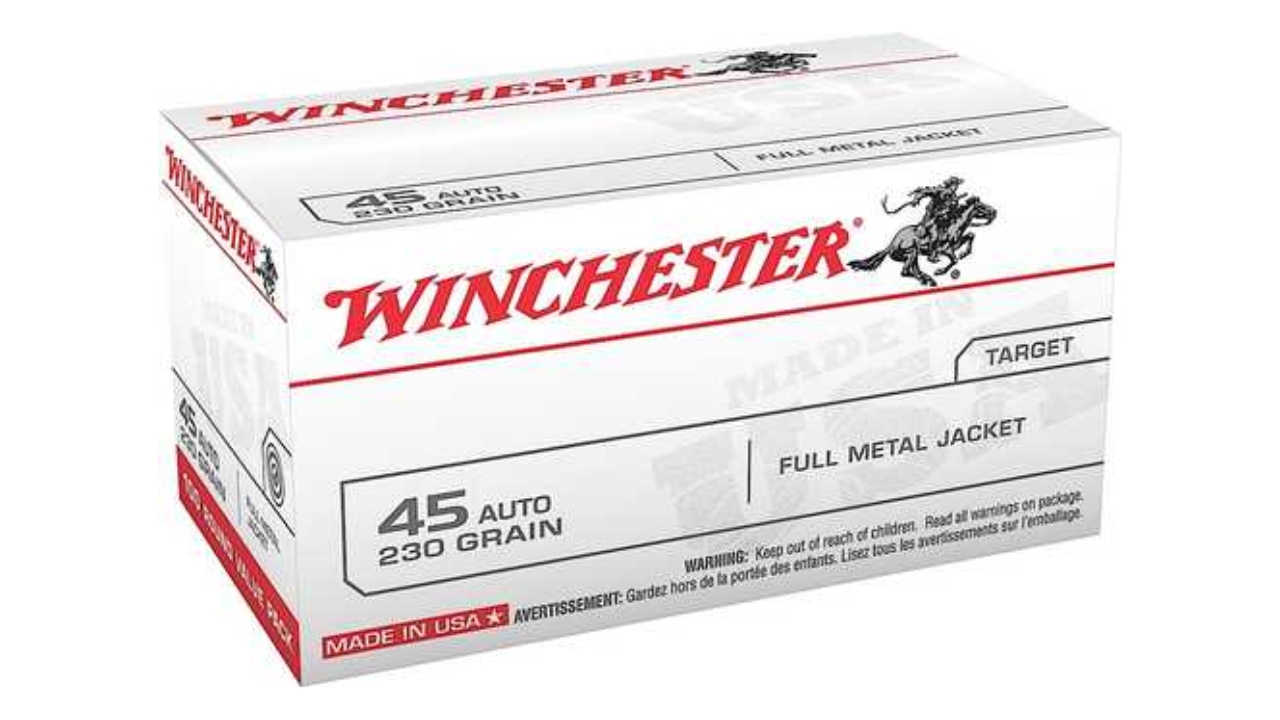
.45 is comfortable in the right pistol and it has a feel that’s hard to explain until you’ve shot it a lot. Mine ran fine, and it carried well enough in a solid holster. There’s a reason it’s still around.
But once I got serious about training and consistency, I stopped enjoying the cost and the lower capacity in the guns I preferred. I also got tired of owning pistols that felt like they demanded a different wardrobe. I consolidated into platforms I shoot the most.
20. 10mm Auto
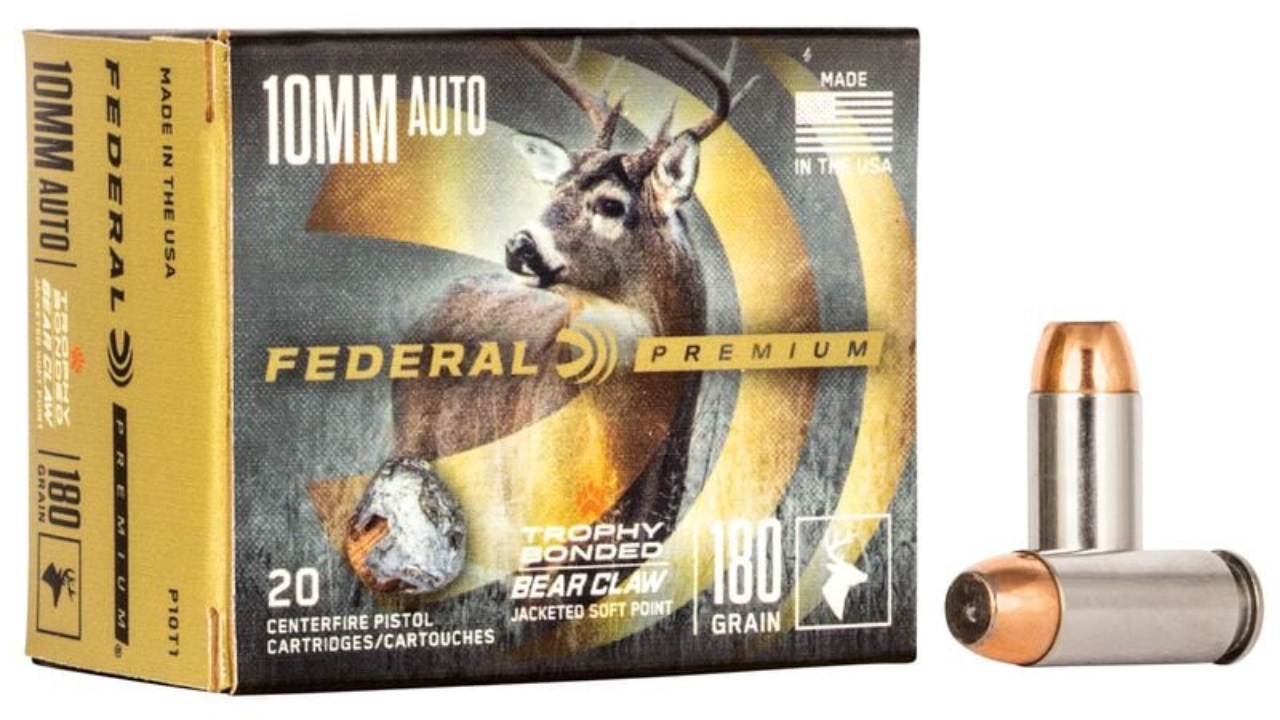
10mm is the caliber that makes you feel prepared. I carried it in the woods and liked the idea of extra penetration and horsepower on the belt. With the right load, it’s impressive.
Then I had to live with it. Full-power 10mm is snappy, and not every “10mm” load is really what folks think it is. The guns are often a little bigger than I want for all-day carry, and ammo isn’t always a quick grab. In the end, I picked a simpler option that I actually carried more.
Switching away from these doesn’t mean they’re bad. Most of them work, and several of them work extremely well. The lesson I had to learn the slow way is that “works” isn’t the same as “fits my life.” If a caliber makes you practice less, costs you more time hunting for ammo, or turns your safe into a logistics problem, it’s probably not your forever round—no matter how good it looks on paper.
Like The Avid Outdoorsman’s content? Subscribe to our newsletter so you never miss an article.
Here’s more from us: