Photo credit: Volodymyr Burdiak/Shutterstock.com
A caliber can do fine in thick woods or up close, but once you stretch it beyond 150 yards, some loads start showing their limits. Energy falls off, trajectory turns sloppy, and anchoring deer or similar game becomes hit-or-miss. These aren’t the rimfires everyone already knows about—they’re rifle rounds hunters actually use, but ones that lose reliability past moderate ranges.
.30-30 Winchester

The .30-30 has filled freezers for over a century, but its flat-nose bullets shed energy fast. Once you push past 150 yards, bullet drop becomes a problem, and it can struggle to anchor deer consistently.
Lever-gun hunters love it for close-range woods work, but when shots stretch further, the shortcomings show. It’s still effective in its comfort zone but falls behind when the terrain opens up.
.35 Remington
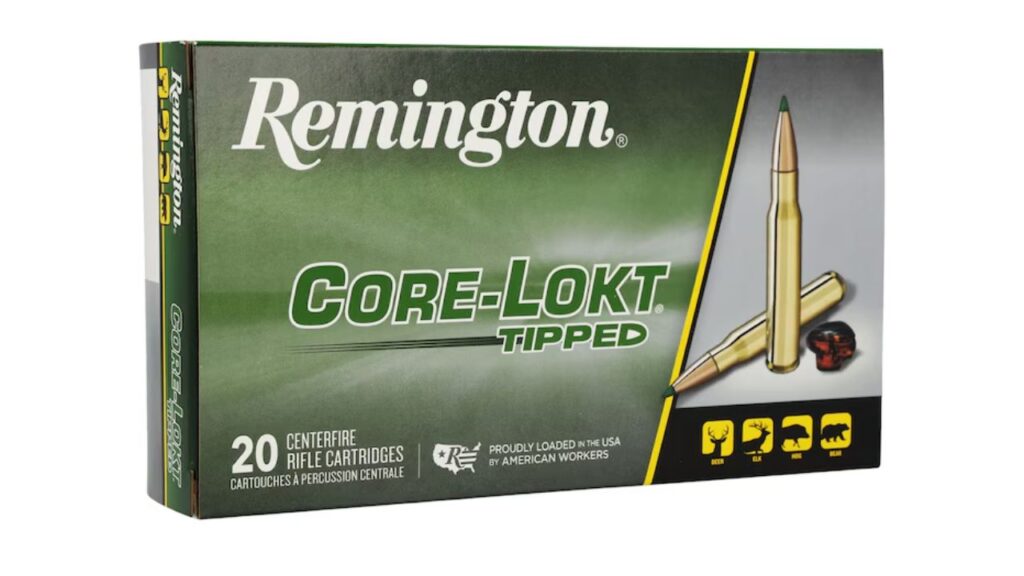
The .35 Remington hits hard up close, but its slow-moving bullets lose steam fast. Once you’re out beyond 150 yards, anchoring deer or black bear cleanly becomes less reliable.
It shines in thick brush where ranges are short, but hunters expecting it to carry into open fields often find themselves disappointed. It’s a close-quarters round, not a distance performer.
.444 Marlin
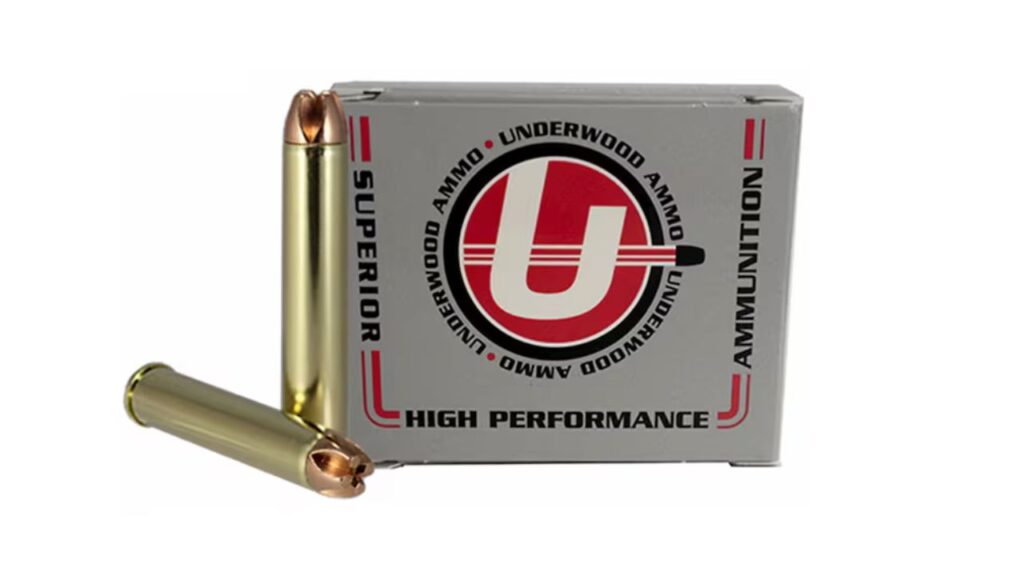
The .444 Marlin delivers big energy at short range, but past 150 yards, its trajectory falls off badly. The heavy, slow bullets drop hard and don’t carry energy well at longer distances.
Inside 100 yards on hogs or deer, it works as intended. Push it further and you risk wounding rather than clean kills. It’s a round that rewards close encounters, not distance shots.
.450 Bushmaster
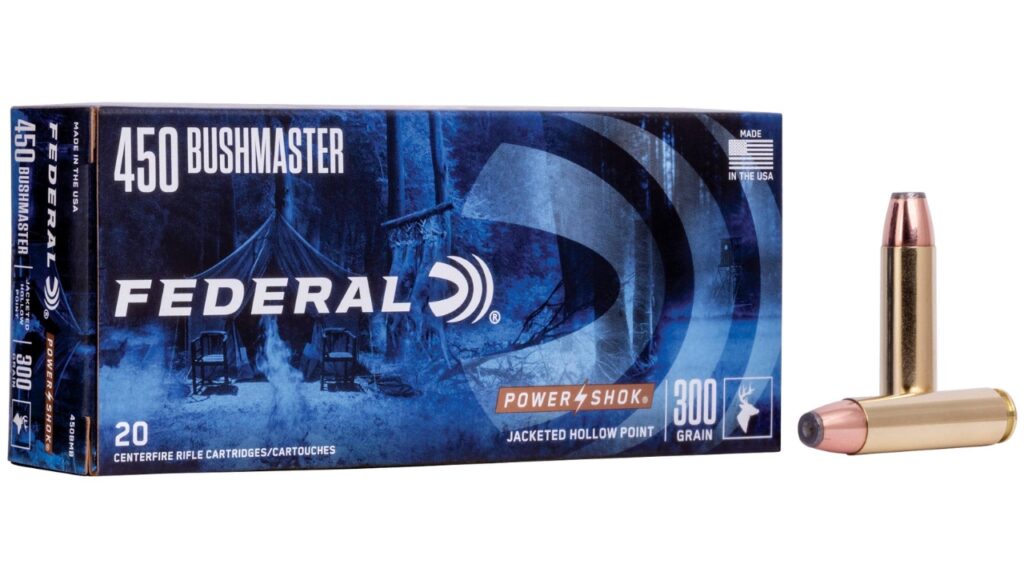
The .450 Bushmaster was built for states with straight-wall cartridge rules, and it does fine within 150 yards. Beyond that, the slow bullet drops fast, and energy loss makes anchoring deer much less reliable.
It’s popular for Midwest whitetail hunting, but if you’re hunting open country, its limitations become obvious. It’s more tool for the job than all-around solution.
.45-70 Government (standard loads)

The .45-70 has a legendary history, but with traditional loads, it drops like a rock after 150 yards. It can anchor big animals at close range, but beyond that, its trajectory and energy loss limit effectiveness.
Modern high-pressure loads extend the range, but in lever-action rifles with traditional ammo, it’s still best inside 150. Hunters who’ve stretched it further often walk away disappointed.
.32 Winchester Special
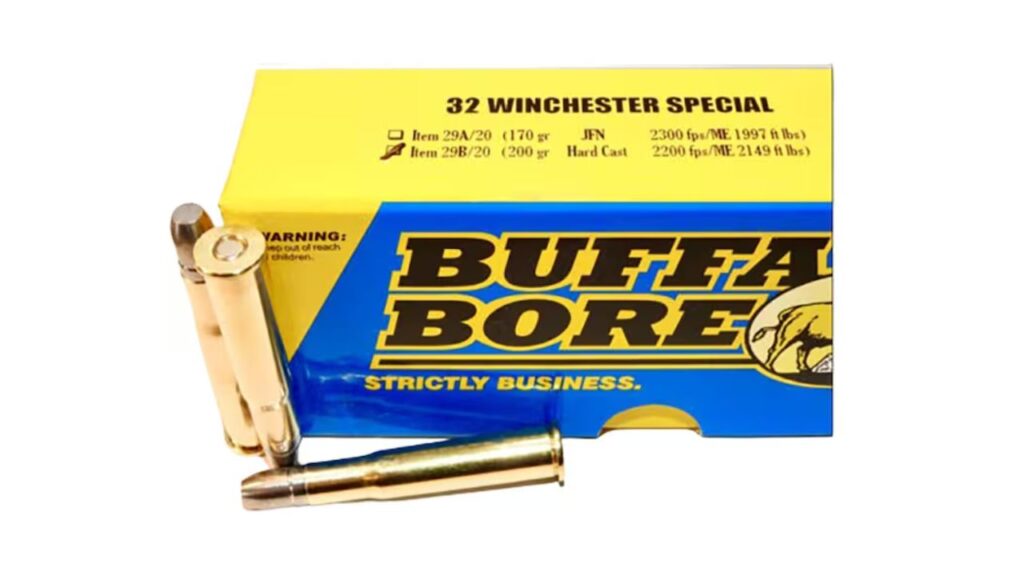
Designed as a lever-gun option, the .32 Winchester Special shares many of the same issues as the .30-30. It was never meant for long-range shooting, and once you’re beyond 150 yards, bullet drop and energy loss are a problem.
It’s accurate enough inside its sweet spot, but trying to stretch it further risks poor performance on game.
.300 Blackout (supersonic loads)

The .300 Blackout has gained popularity for versatility, but in hunting situations past 150 yards, it struggles. Even with supersonic loads, the lightweight bullets don’t hold velocity or energy well.
It works well in close brush, but it’s not a round you can trust to anchor deer-sized animals at distance. Energy and trajectory quickly limit its reach.
.30 Carbine
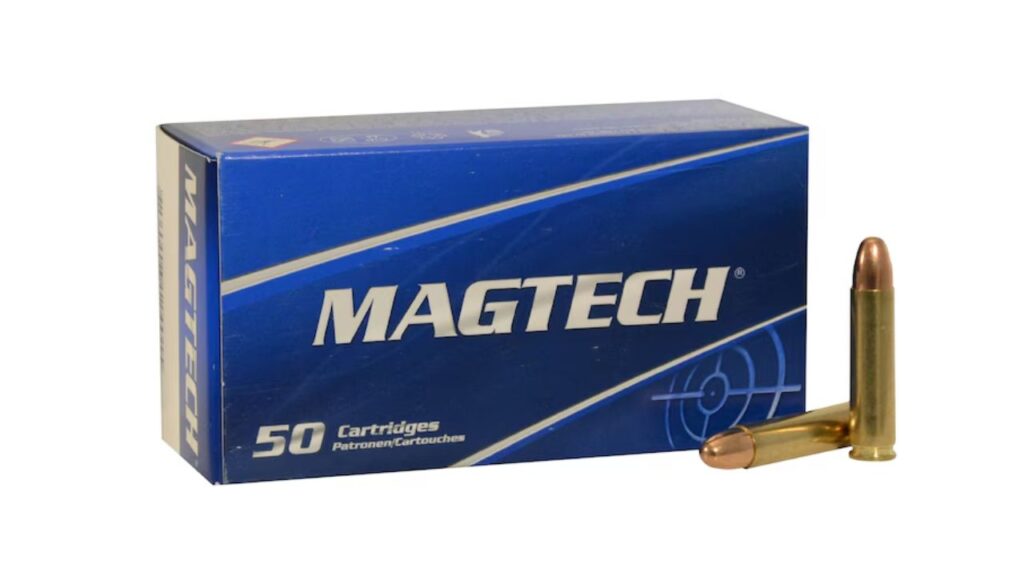
The .30 Carbine was never intended for long-range hunting, and it shows. At 150 yards, it’s already pushing the edge of effectiveness on medium game, with poor energy retention and lackluster trajectory.
Hunters who’ve tried to make it work at those ranges quickly learn it’s best left for closer encounters.
7.62x39mm
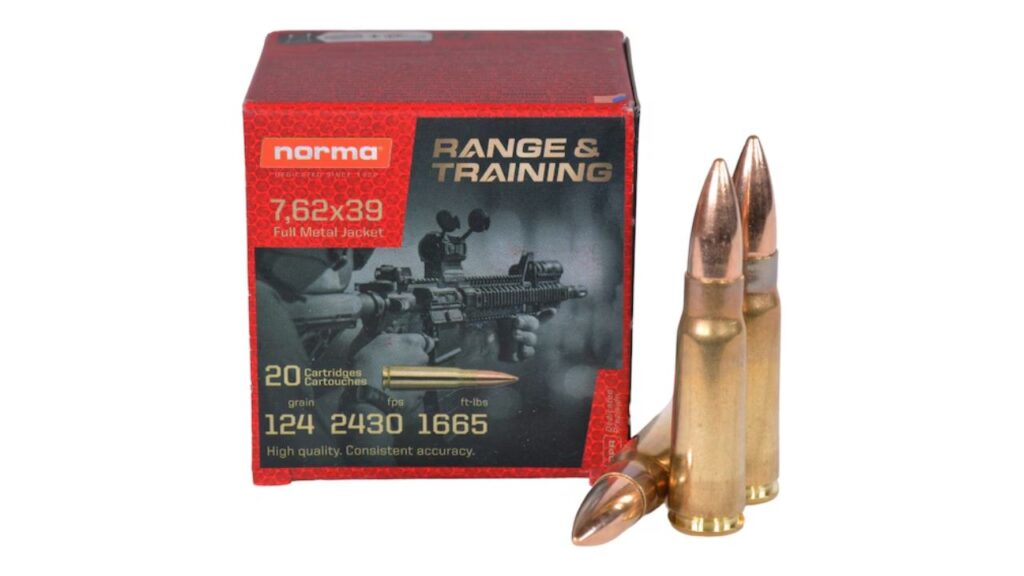
The 7.62×39 is popular thanks to the rifles it’s chambered in, but past 150 yards it falls short. Bullet drop and limited energy make anchoring deer-sized game unreliable.
It’s fine for hogs or whitetails in brush country, but it’s not a caliber to rely on for open fields or longer shots.
.25-35 Winchester
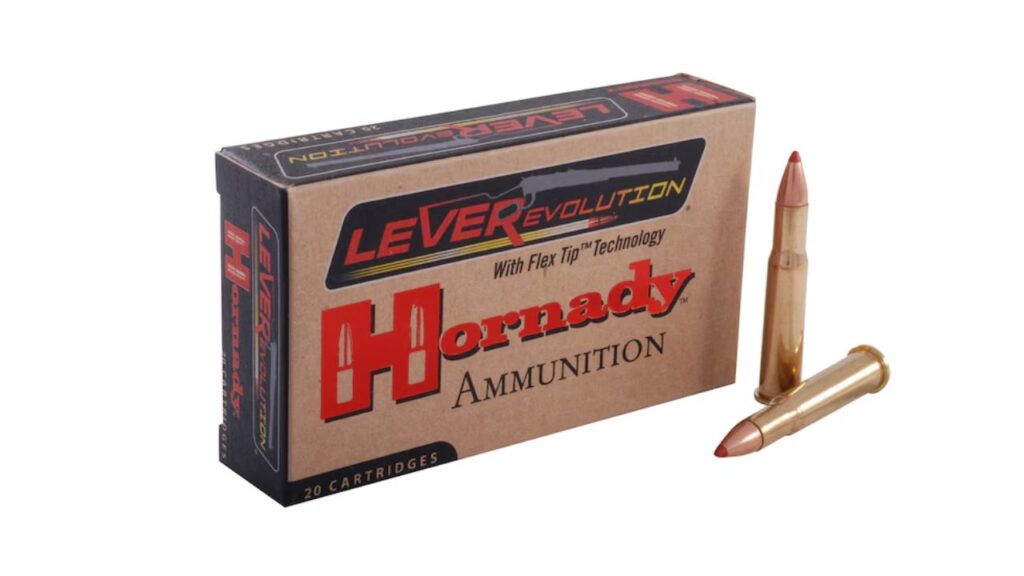
The .25-35 Winchester is another lever-gun round that fades past 150 yards. Its light bullets lack energy at distance, and accuracy suffers as drop becomes significant.
For varmints and close-range deer hunting, it has its uses. Beyond that, its performance struggles to keep pace with modern calibers.
*This article was developed with AI-powered tools and has been carefully reviewed by our editors.