Photo credit: János Csomán/YouTube
When you spend enough time behind handguns, you learn pretty quickly which ones help you settle in and which ones make every shot feel like work. Some pistols are remembered for accuracy, easy shooting, and predictable behavior. Others develop reputations for doing the opposite—forcing even experienced shooters to slow down, re-check fundamentals, and wonder why their groups suddenly look like shotgun patterns. These aren’t guns you take to “impress” anyone. They’re the ones that remind you how much fit, design, and mechanical quirks can affect real-world performance.
Ruger LC9

The LC9 has always been known for being easy to carry and tough enough to live in a pocket or waistband. But once you start shooting it, you notice how much the long trigger pull affects your rhythm. Even if you’ve been shooting for years, you’ll probably find yourself overthinking every press.
The short sight radius doesn’t help either. At defensive distances it’s manageable, but as soon as you stretch the target out or pick up the pace, groups tend to drift. It’s a pistol that works when you need tiny size, but it makes you work harder than you’d like on the range.
Taurus PT145 Millennium Pro
This compact .45 earned attention for packing big-bore power into a small frame, but that came at the cost of shootability. The recoil impulse feels abrupt, and the trigger has a wandering break that makes consistency difficult. Even seasoned shooters often take a few magazines to settle in.
The other challenge is grip width. It’s blocky, and unless your hands line up perfectly, you’ll feel the gun shifting under recoil. When everything comes together, it shoots fine, but it rarely feels intuitive. It’s a pistol that reminds you that power and compact size don’t always mix cleanly.
Kahr CW380
The CW380 is tiny, lightweight, and genuinely easy to pocket-carry. But when you’re actually shooting it, the experience changes fast. The extremely long trigger stroke forces you to slow down more than you’d expect from a modern defensive pistol.
Its small grip leaves little real estate for control, and even experienced shooters tend to fight the gun to keep it aligned through the entire pull. At close range it’s workable, but beyond a few yards the lack of sight radius and the heavy trigger make accuracy feel like a moving target.
Walther PPS

While Walther makes some very shootable pistols, the first-generation PPS wasn’t one of them. The grip is narrow and flat, and many shooters find it rotates in the hand under recoil. That small shift is enough to open up groups, even for people who normally shoot compact pistols well.
The trigger is serviceable but inconsistent, and that inconsistency shows when you’re trying to string together tight, fast hits. It’s reliable and slim, but it demands a level of grip strength and attention that surprises even seasoned shooters.
SIG Sauer P290
The P290 had plenty of potential on paper, but the heavy, grinding trigger made it tough for skilled shooters to find a rhythm. The break feels vague, so you’re always guessing when the shot will fire. That alone throws off timing and accuracy for people who normally shoot double-action guns with confidence.
The small frame doesn’t make things easier. Every bit of recoil is transferred straight into your hands, and the gun never quite settles. It’s dependable, but it takes a lot of focus to shoot well—more than most people want from a pistol this size.
Beretta Nano
Beretta built the Nano to be simple, snag-free, and durable, but it’s also a pistol that frustrates experienced shooters. The lack of external controls streamlines the design, but the real issue is the stiff trigger, which makes rapid-fire accuracy difficult.
The gun’s smooth sides mean less grip texture, and under recoil the frame shifts more than you’d expect. Even shooters with a firm grip find their groups wandering as the gun moves subtly between shots. It’s a pistol you can carry easily, but earning precision takes effort.
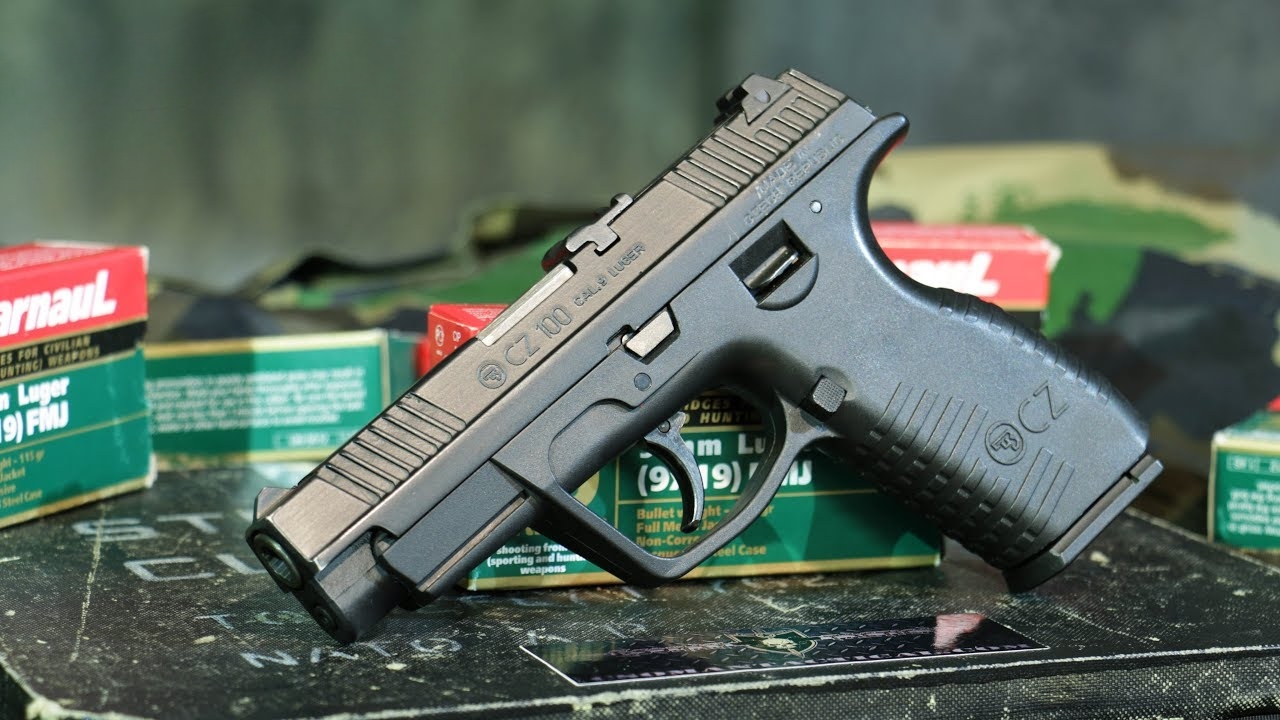
CZ 100

CZ has made many exceptional handguns, but the early CZ 100 polymer pistol never caught on for a reason. The trigger is one of the most unusual you’ll experience, with a long, rubbery pull that feels disconnected from the rest of the gun. That alone trips up seasoned shooters.
Recoil control isn’t terrible, but the combination of a high bore axis and that strange trigger makes accuracy unpredictable. You can shoot it well with enough practice, but the learning curve is steeper than most shooters want to deal with.
Smith & Wesson Sigma
The Sigma series paved the way for modern S&W polymers, but the early models were notorious for their heavy triggers. Even shooters with solid fundamentals ended up yanking shots because the pull weight felt closer to a stapler than a handgun.
The ergonomics weren’t bad, but the trigger overshadowed everything. Trying to shoot tight groups becomes an exercise in patience, and many veteran shooters walked away wondering why they suddenly looked like beginners on paper.
KelTec PF9
The PF9 is one of the thinnest 9mms ever produced, and that’s great for carry—but not great for range sessions. The recoil feels sharp, and the gun tends to twist upward in your hand unless you clamp down hard. Even experienced shooters find their follow-up shots lagging behind.
The trigger isn’t terrible, but the break isn’t crisp, and the reset is long. Put that all together and accuracy becomes harder to maintain as the string of fire gets longer. It’s a practical gun, but it rarely feels easy.
Desert Eagle .357 (Short Barrel Variant)
This version of the Desert Eagle brings all the weight and complexity of the platform into a configuration that’s surprisingly hard to shoot. Despite the gas system, recoil remains abrupt, and muzzle rise feels exaggerated. Even shooters used to magnums struggle to keep the gun flat.
The massive grip adds another challenge. If your hands aren’t sized perfectly, the gun shifts slightly under recoil. That small movement translates to large changes on target, and running the pistol quickly becomes almost impossible without dedicated practice.
Steyr M40
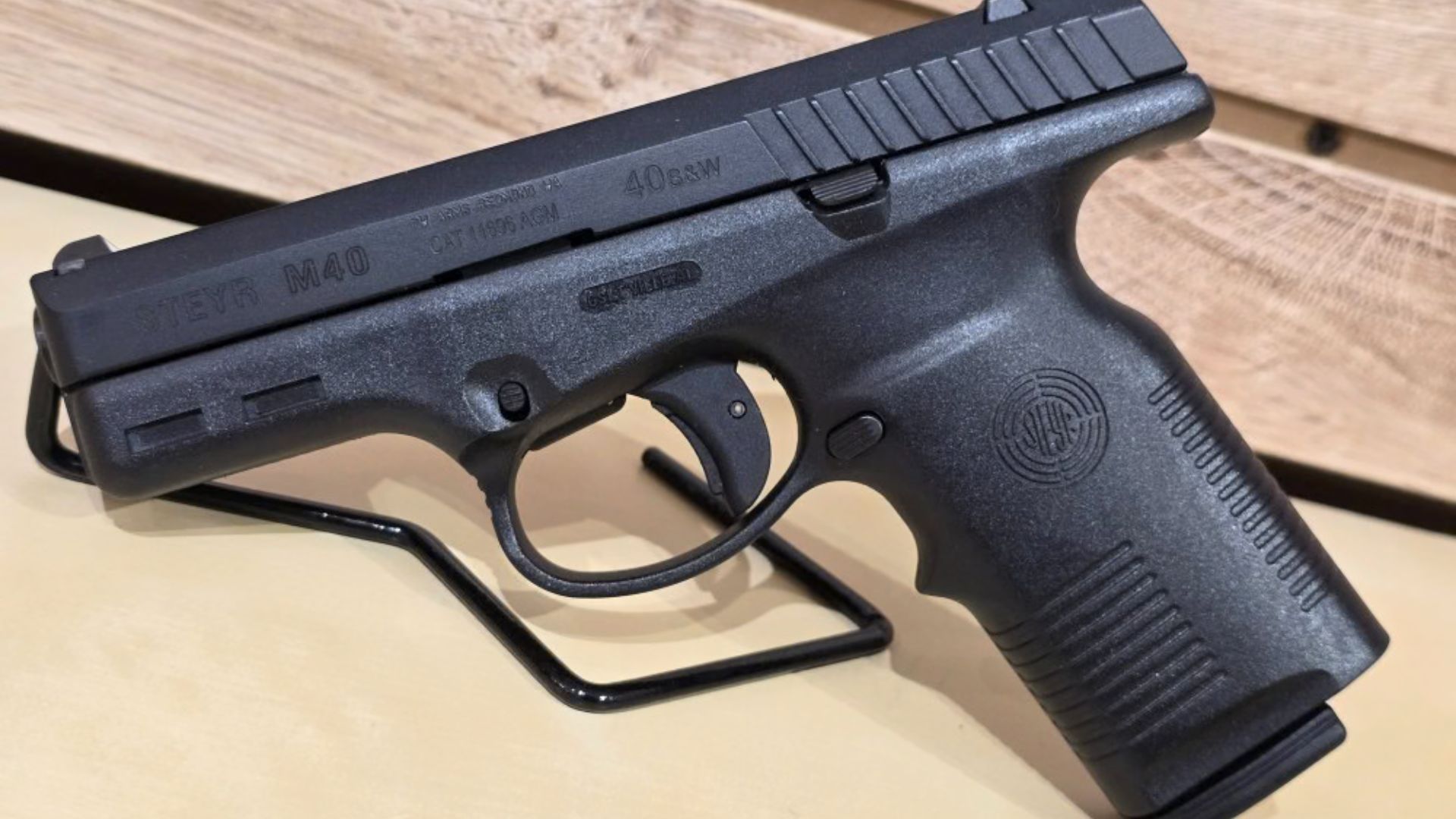
Steyr’s early M40 models weren’t as refined as later versions. They had unusually snappy recoil and a trigger that felt gritty until broken in. Even for seasoned shooters, those first hundred rounds could be humbling.
The trapezoid sights are unique, but they take time to learn, and most people shoot worse before they shoot better. When everything aligns, the gun performs fine, but experts often find the learning curve steeper than expected.
Colt Double Eagle
This DA/SA .45 never gained a strong following, partly because the trigger system was difficult to master. The double-action pull is long and heavy, and even experienced 1911 shooters struggled to adapt.
Recoil control isn’t the issue—the gun is heavy enough—but the inconsistent break makes precision work slow. Many shooters walk away feeling like they unlearned something, at least for the first few magazines.
AMT Backup .45
The AMT Backup earned its place as one of the hardest big-caliber pocket pistols to shoot well. The trigger is heavy, the sights are nearly nonexistent, and the recoil can feel abrupt even if you’re used to compact .45s.
Experts often find themselves tightening their grip and slowing down far more than expected. At close range it’s serviceable, but any attempt at controlled accuracy exposes how demanding the little pistol is.
Lorcin L380

While the L380 is inexpensive and accessible, it’s not a pistol most experienced shooters enjoy running. The heavy trigger and loose tolerances make accuracy unpredictable, even at modest distances.
Recoil feels sharper than it should for a .380, and the gun can shift in the hand because of its smooth grip panels. Experts often end up double-checking fundamentals simply because the pistol refuses to reward good technique.
Charter Arms Bulldog
The Bulldog has a loyal following, but the early lightweight versions were difficult to control. Recoil from the .44 Special load feels abrupt, and the short barrel doesn’t do much to soften it. Even revolver veterans struggled to maintain tight groups.
The sights are minimal, and the long, heavy trigger adds another layer of difficulty. It’s not a bad gun, but it’s one that makes every shooter—no matter how seasoned—slow down and refocus.
Like The Avid Outdoorsman’s content? Be sure to follow us.
Here’s more from us: