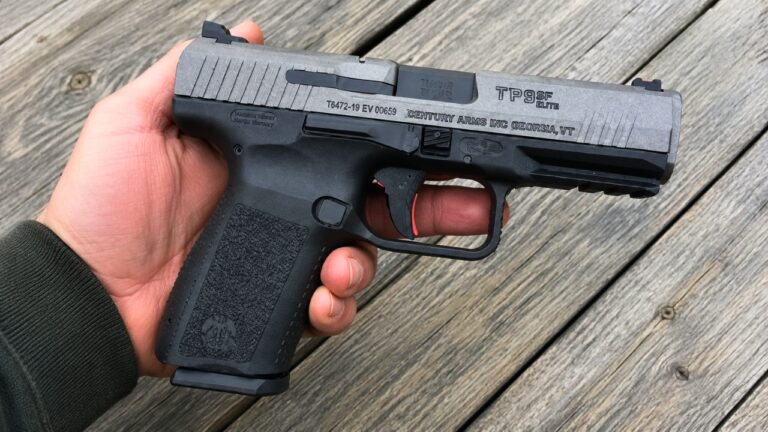
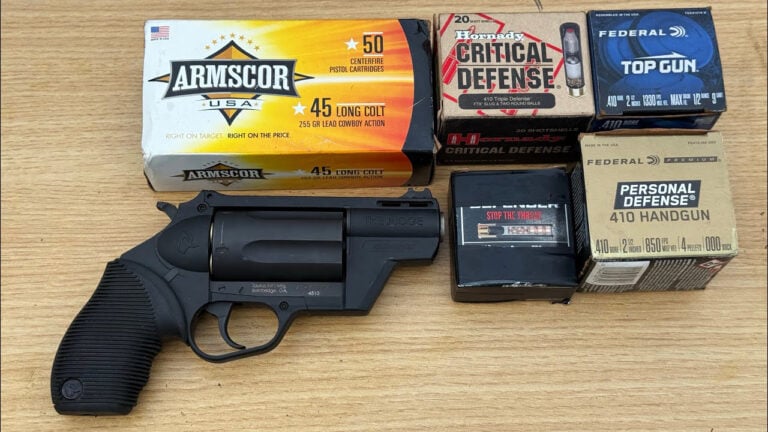
Photo credit: Springfield Armory
Law enforcement calibers have shifted over the years, but a handful remain in daily use because they balance effectiveness, control, and availability. Agencies weigh stopping power against overpenetration and recoil, and they rely on cartridges that can be trusted in both urban and rural settings. From service pistols to patrol rifles, these calibers are carried every day because they’ve proven themselves under pressure. If you’re wondering what rounds police departments continue to depend on, these are the ones you’ll find.
9mm Luger

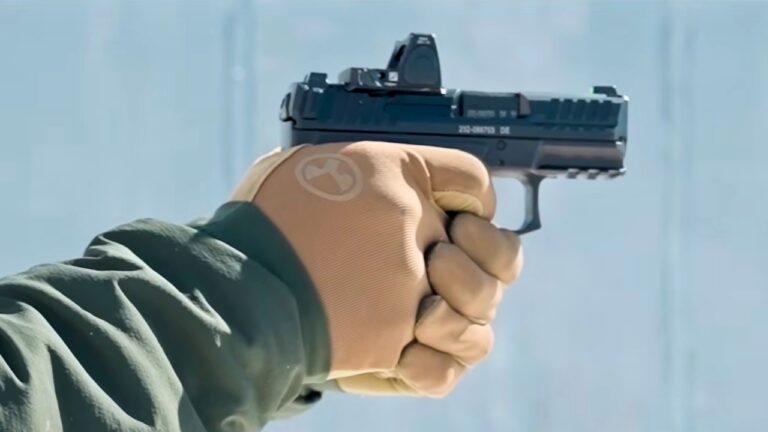
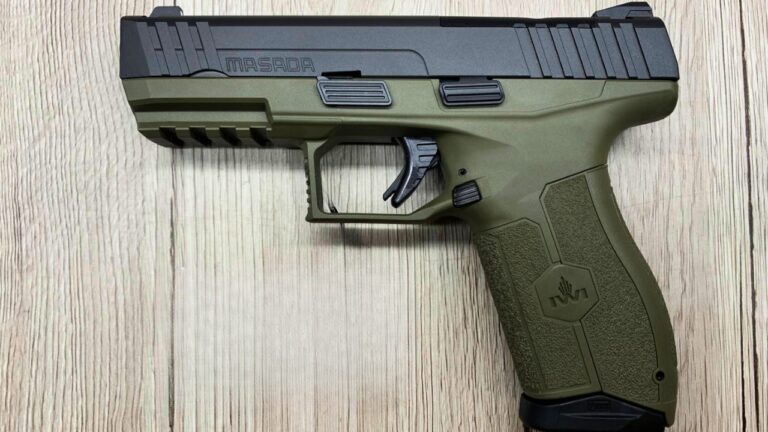
The 9mm Luger dominates law enforcement sidearms today thanks to its mix of manageable recoil and effective terminal performance. Improvements in hollow-point design over the last few decades made it more than capable of handling defensive duty. Officers can carry higher capacity magazines without sacrificing control, which matters in extended encounters. Agencies also favor it for training since it’s cheaper and easier on shooters during long qualification days. Its combination of economy, accuracy, and reliability keeps it the top choice.
.40 S&W
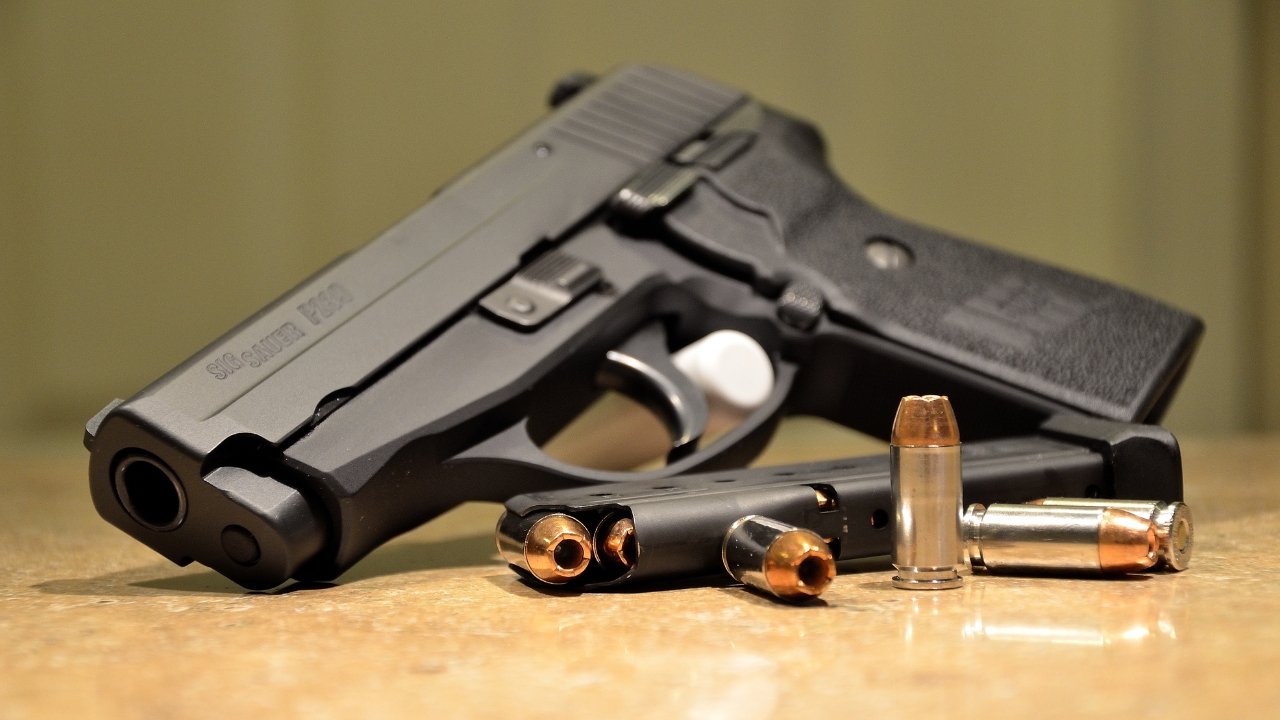
The .40 S&W surged in popularity after the FBI’s Miami shootout in the 1980s, and many agencies still carry it. While some departments have since transitioned back to 9mm, .40 remains trusted for its balance between power and magazine capacity. It delivers more punch than 9mm but with less recoil than .45 ACP, making it a compromise round. Officers who prefer extra stopping power without giving up too much control continue to rely on the .40 as their duty caliber.
.45 ACP\

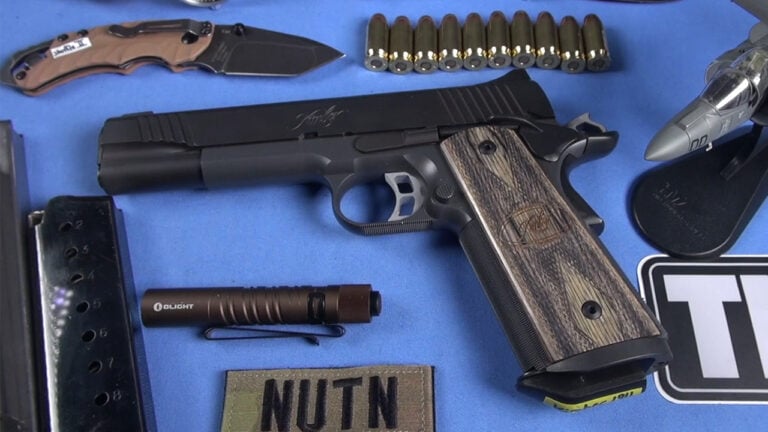
Though less common today, the .45 ACP hasn’t disappeared from law enforcement. Some agencies, particularly tactical units or departments with more leeway in sidearm selection, still field it. Its large, slow-moving bullets are known for creating consistent wound channels while limiting overpenetration in close quarters. While officers give up magazine capacity and face heavier recoil, many still trust it for its long history of proven effectiveness. For those who value raw stopping power, .45 ACP remains a solid option.
.357 SIG

The .357 SIG was designed to give semi-autos the performance of the .357 Magnum revolver, and some state police and highway patrol agencies still issue it. It delivers flat trajectories and strong barrier penetration, making it useful for vehicle encounters and open-road duty. The trade-off is sharper recoil and higher ammunition costs compared to 9mm. Agencies that continue to carry it value its accuracy and power at distance, along with its ability to defeat auto glass and sheet metal.
.38 Special

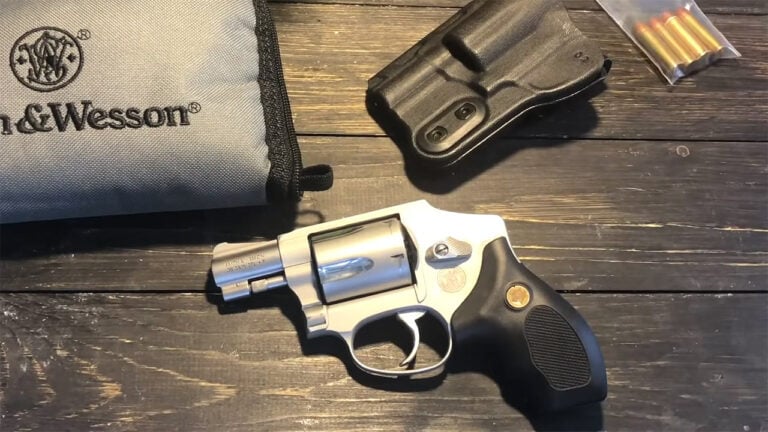
Even though revolvers are largely retired from frontline service, the .38 Special still has a place in law enforcement. Many officers use lightweight .38 Special revolvers as backup guns because they’re simple, concealable, and dependable. The round has a reputation for controllable recoil and steady performance, especially with modern defensive loads. It may not dominate duty holsters anymore, but in ankle holsters and deep concealment roles, .38 Special remains a trusted option officers quietly rely on.
.357 Magnum

The .357 Magnum was once a standard law enforcement round and still shows up in backup and off-duty revolvers. Known for its stopping power and accuracy, it’s effective in both urban and rural environments. While most agencies moved on to semi-auto pistols for capacity and quicker reloads, the .357’s legacy endures. Some rural deputies and retired officers still favor it for personal use, and it continues to be carried as a backup gun in certain departments.
12 Gauge

The 12-gauge shotgun is still a fixture in patrol cars across the country. Loaded with buckshot or slugs, it gives officers an option for close-range stopping power or reaching out further in rural settings. Its versatility makes it valuable for everything from breaching to wildlife control in small towns. While rifles have taken over in some areas, the 12 gauge remains trusted because of its familiarity and ability to end threats quickly when precision shooting isn’t the priority.
5.56 NATO

When patrol rifles began replacing shotguns in many cruisers, the 5.56 NATO became the go-to caliber. It offers light recoil, accuracy at distance, and compatibility with military and civilian supply chains. For law enforcement, barrier performance is often a consideration, and certain loads are chosen to minimize overpenetration. The 5.56’s adaptability, with expanding or bonded bullets, makes it versatile for both urban policing and rural highway stops. That’s why so many agencies keep AR-15 style rifles chambered in it.
.223 Remington

Closely related to the 5.56 NATO, .223 Remington is used in many of the same patrol rifles. Some departments specify .223 loads because they’re optimized for reduced penetration or improved accuracy at short ranges. The lighter recoil makes it easier for officers of varying experience levels to stay accurate during qualifications. Agencies that prioritize precision over raw velocity often stick with .223. While nearly interchangeable with 5.56 in practice, the choice often comes down to ammo contracts and training needs.
7.62×51 NATO (.308 Winchester)
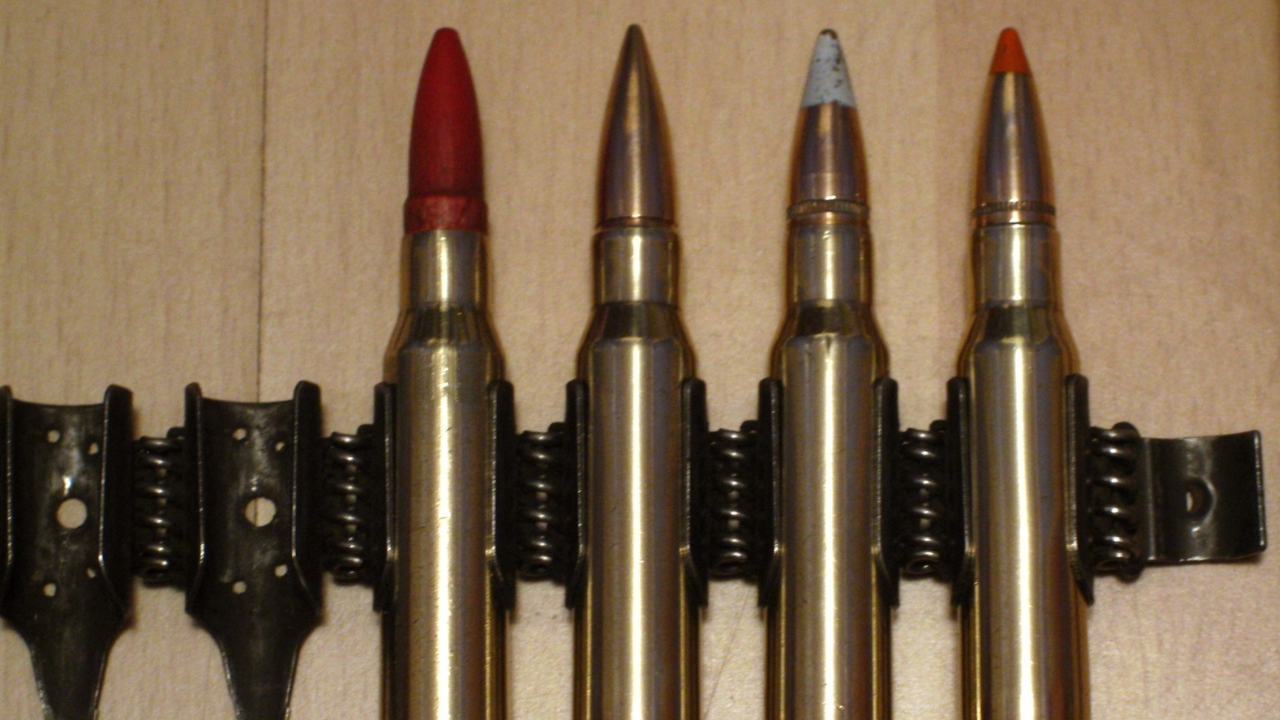
For designated marksman roles, rural law enforcement, and tactical units, the 7.62×51 NATO is still trusted. It offers reach and penetration that 5.56 can’t, making it suitable for stopping vehicles or handling threats at greater distances. While not every patrol car carries a .308 rifle, many agencies keep them available for situations where precision and stopping power are critical. The balance of accuracy, power, and availability keeps this round in service across specialized divisions in law enforcement.
*This article was developed with AI-powered tools and has been carefully reviewed by our editors.