
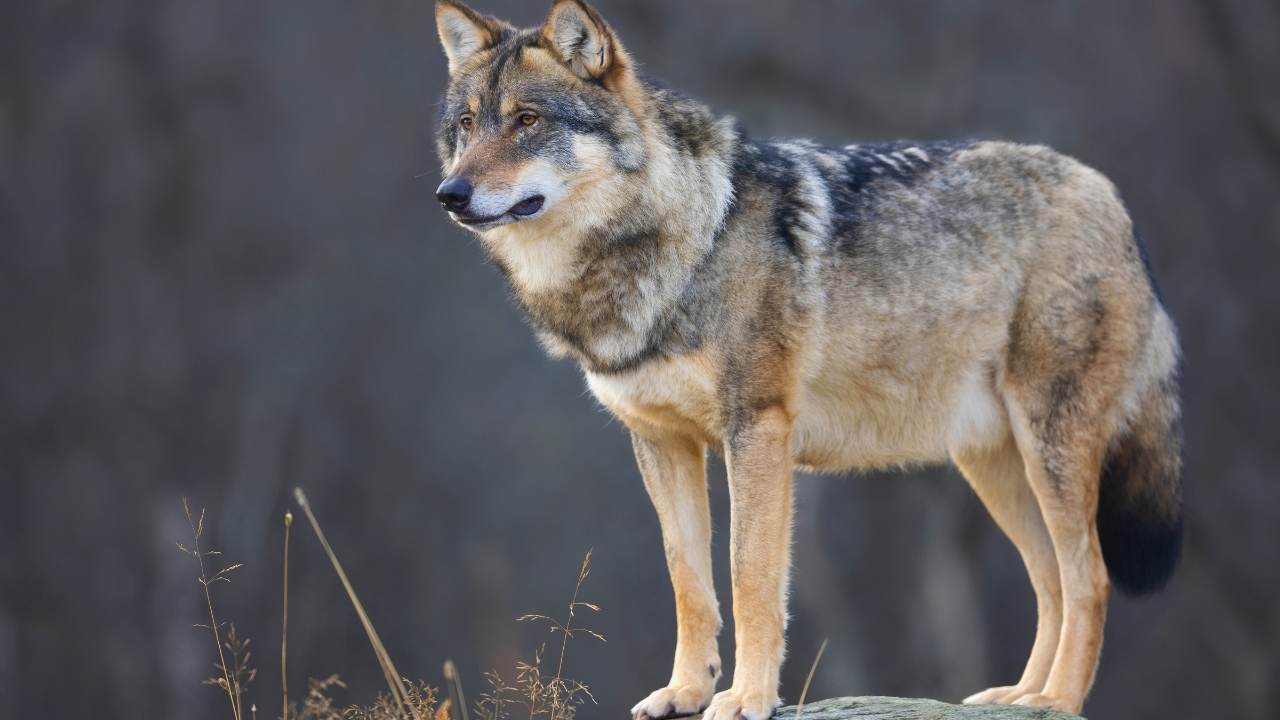
Photo credit: Kjetil Kolbjornsrud/Shutterstock.com
Wolf recovery isn’t uniform across the U.S. It’s patchy, political, biological, and heavily influenced by management decisions. In some states, wolves are expanding because habitat and prey support it. In others, protections, court rulings, or slow response to changing conditions have allowed numbers to grow faster than agencies expected. This list focuses on where wolf populations are actively increasing or expanding their range, not just where wolves exist. “Climbing fast” doesn’t always mean exploding overnight—it means sustained growth, new packs forming, or steady expansion into new territory that wasn’t occupied a decade ago.
Minnesota

Minnesota remains the anchor state for wolves in the Lower 48. It already had the largest population, but what’s notable now is continued stability and expansion into fringe areas. Northern Minnesota has long supported wolves, but sightings and confirmed packs continue to creep south and west where prey and cover allow it.
Deer populations remain strong enough to support wolves, and large tracts of public and private forest give packs room to operate. Management shifts and legal protections have also limited population reduction in recent years, allowing natural reproduction to drive growth. Minnesota wolves aren’t just holding on—they’re maintaining numbers that support dispersal into surrounding regions.
Wisconsin

Wisconsin has seen rapid wolf population growth over the past decade, followed by intense debate over management. Even with periodic harvest pressure, wolves here rebound quickly due to high reproductive success and abundant prey. Packs continue to form in new areas, especially where forest meets agricultural land.
The state’s mix of public land, timber, and low-density rural areas supports expansion. Dispersing wolves from Minnesota also bolster numbers. What stands out in Wisconsin isn’t just population size—it’s how fast wolves recolonize areas after removal efforts, indicating strong underlying habitat support.
Michigan

Michigan’s Upper Peninsula has seen steady wolf growth, with packs firmly established across much of the region. What’s changed recently is increased movement into the northern Lower Peninsula, something that was rare in the past.
Ice bridges and natural dispersal events helped wolves cross into new territory, and prey availability has allowed some to stay. While numbers remain lower than in the UP, the expansion trend is real. Michigan’s wolf population growth is slower than Wisconsin’s, but the geographic footprint continues to widen.
Montana

Montana’s wolf population has grown steadily as packs expand into new hunting units and fringe areas. Large elk and deer populations support this growth, especially in western and central parts of the state. Wolves here also benefit from vast public land and migration corridors.
Even with regulated harvest, wolves continue to form new packs, particularly in areas with less human pressure. Montana wolves are also a source population for dispersers moving into neighboring states, which is a sign of overall population strength rather than stagnation.
Idaho

Idaho has one of the most robust wolf populations in the West, and despite aggressive management tools, wolves continue to rebound and expand into suitable habitat. Remote wilderness, rugged terrain, and strong prey bases make long-term suppression difficult.
Wolf numbers here fluctuate year to year, but the overall trend shows resilience. Packs removed in one area are often replaced within a few seasons. Idaho’s wolves are a key driver of regional expansion into Oregon, Washington, and even farther south.
Wyoming

Wyoming’s wolf population remains strong, especially within and around the Greater Yellowstone Ecosystem. While management zones differ across the state, wolves continue to thrive where protections and habitat align.
The Yellowstone core population remains a consistent source of dispersing wolves, and packs outside the park continue to stabilize. Even with lethal control in some areas, reproduction and dispersal keep numbers climbing in protected regions.
Washington

Washington has experienced one of the fastest wolf expansions in recent years. Wolves have moved from the northeast corner of the state into the Cascades and even toward the coast. New packs are forming in areas that had no wolves for generations.
What’s driving this growth is a combination of protection, prey availability, and connected habitat. Wolves here are young, expanding, and still filling available territory. Washington’s population curve is still climbing, not leveling off.
Oregon

Oregon’s wolf population continues to grow steadily, with packs spreading west of the Cascades and increasing density in eastern Oregon. Wolves here benefit from prey-rich forest and rangeland systems.
Like Washington, Oregon is still in a recolonization phase rather than a saturation phase. New territories are being claimed, and reproduction remains strong. Even with management flexibility, the growth trend remains upward.
California

California’s wolf population is small compared to other states, but growth rate—not raw numbers—is what earns it a place on this list. Wolves have established breeding packs, and new individuals continue to disperse into the state from Oregon.
California offers vast areas of suitable habitat that remain largely unoccupied. As long as legal protections remain and prey availability holds, wolf numbers are expected to continue increasing and expanding geographically.
Colorado
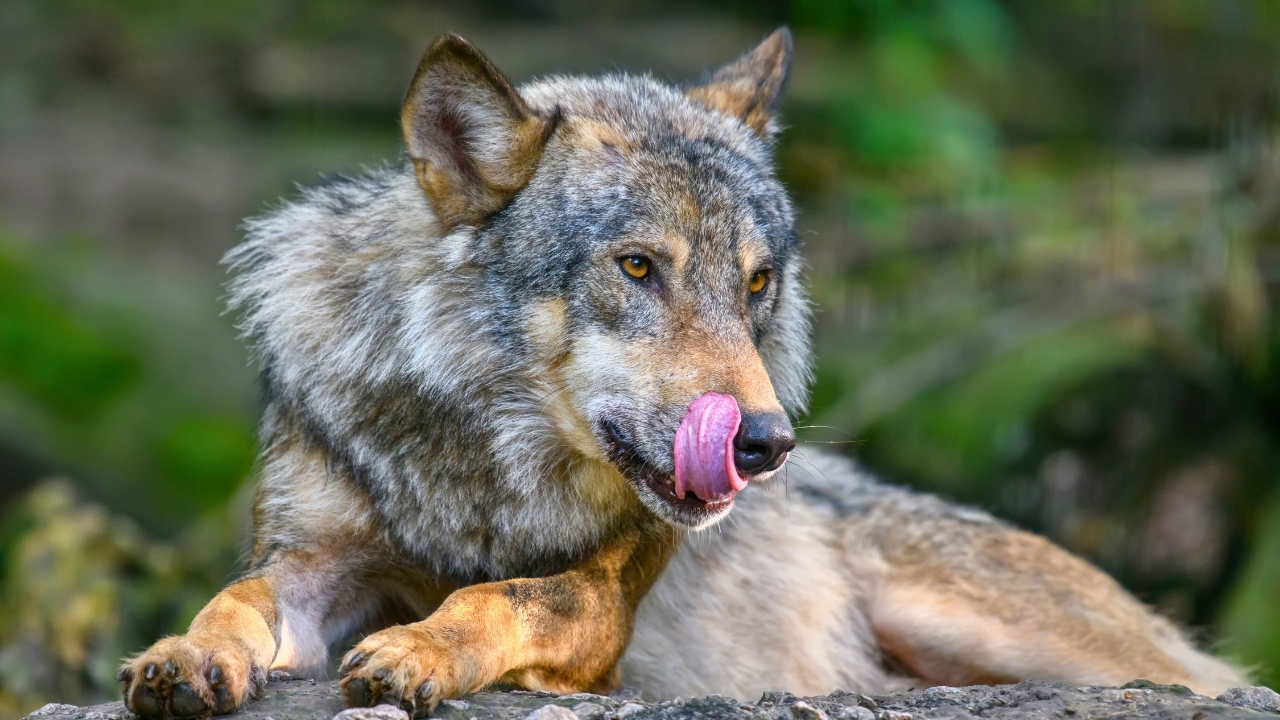
Colorado is one of the newest wolf states, and growth here is rapid by definition. Reintroduction efforts and natural dispersal have placed wolves into large areas of suitable habitat almost overnight.
Elk and deer populations provide strong food support, and vast public land offers room to expand. Colorado’s wolf numbers are expected to climb quickly over the next decade as packs establish territories and reproduction ramps up.
Utah
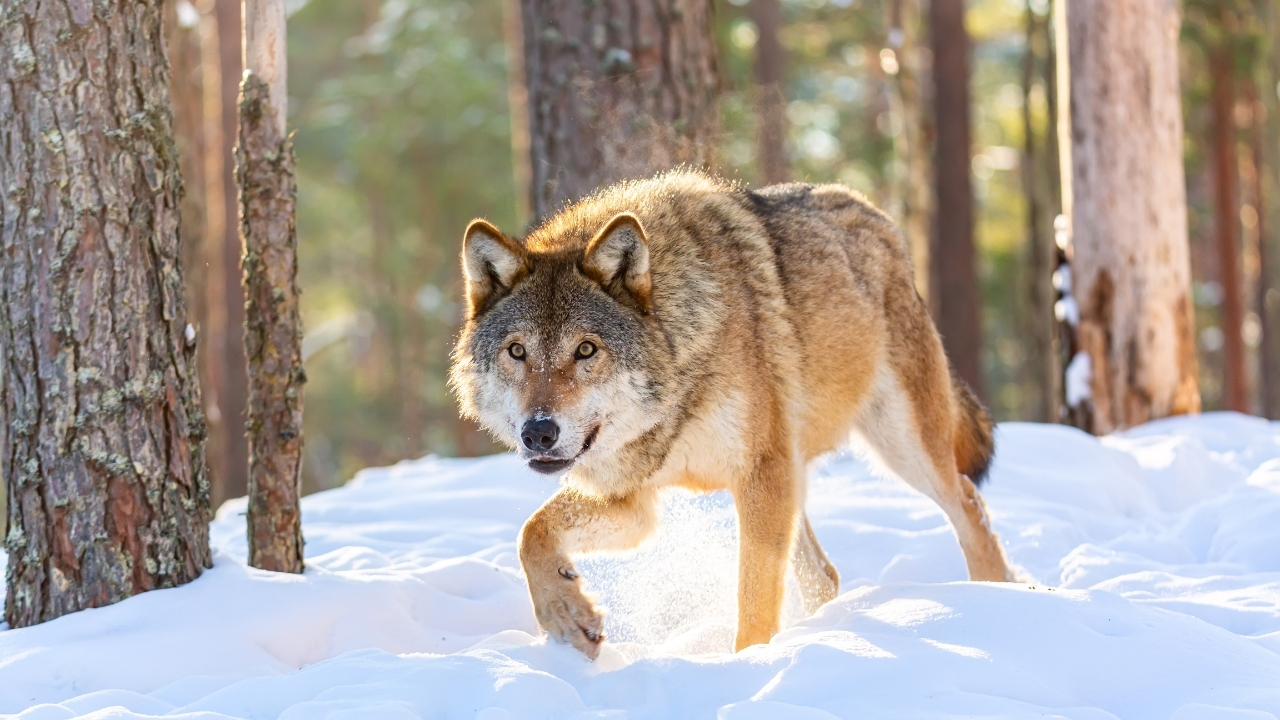
Utah doesn’t have a large resident wolf population yet, but confirmed sightings and transient individuals are increasing. Wolves dispersing from Idaho and Wyoming are using Utah as a corridor.
While packs aren’t firmly established statewide, the trend points toward eventual settlement in suitable northern and eastern regions. Utah’s role as a transition state makes it important in understanding regional wolf expansion.
Arizona
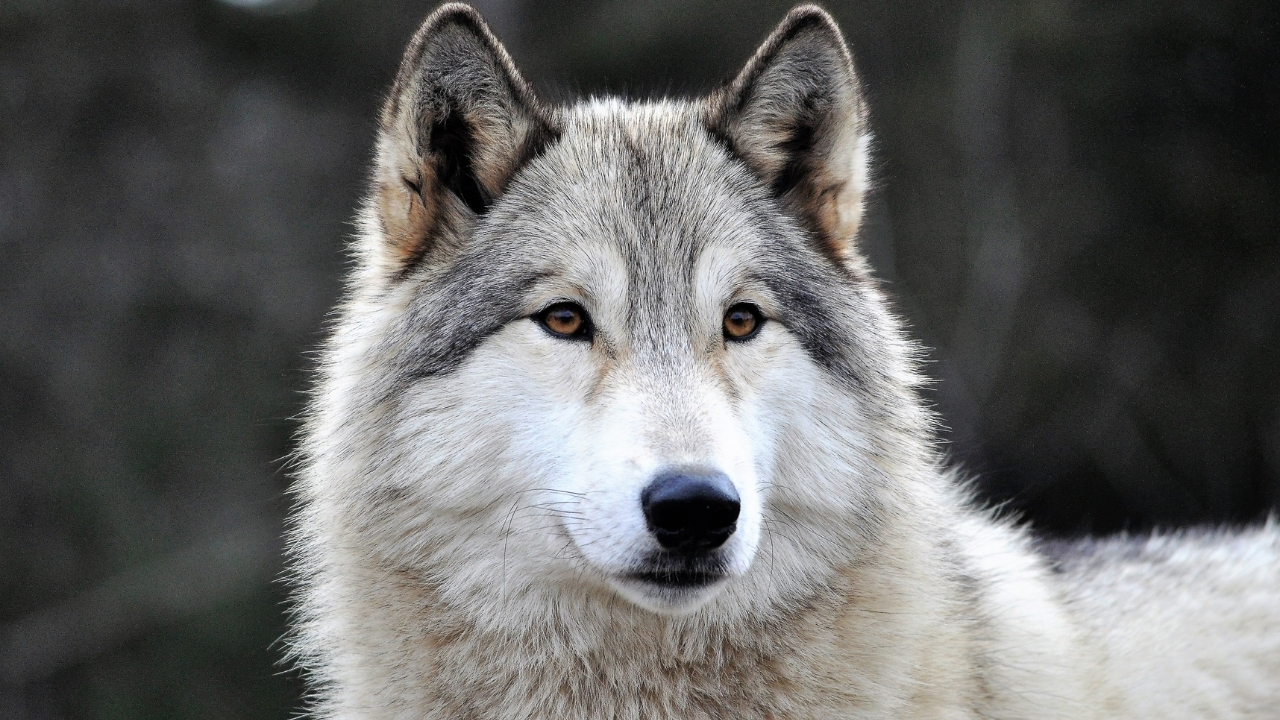
Arizona has seen increased wolf activity tied to the Mexican gray wolf recovery effort. While the population remains small, growth rate and geographic expansion are the key factors.
Wolves here are establishing breeding pairs and expanding their range within recovery zones. Habitat and prey support further growth, making Arizona one of the fastest-growing wolf regions percentage-wise.
New Mexico

Like Arizona, New Mexico’s wolf population is growing from a small base. Mexican gray wolves continue to reproduce and disperse into new territory.
Management challenges remain, but the biological trend is upward. New packs and breeding success indicate that wolves are gaining a foothold where conditions allow.
Nevada
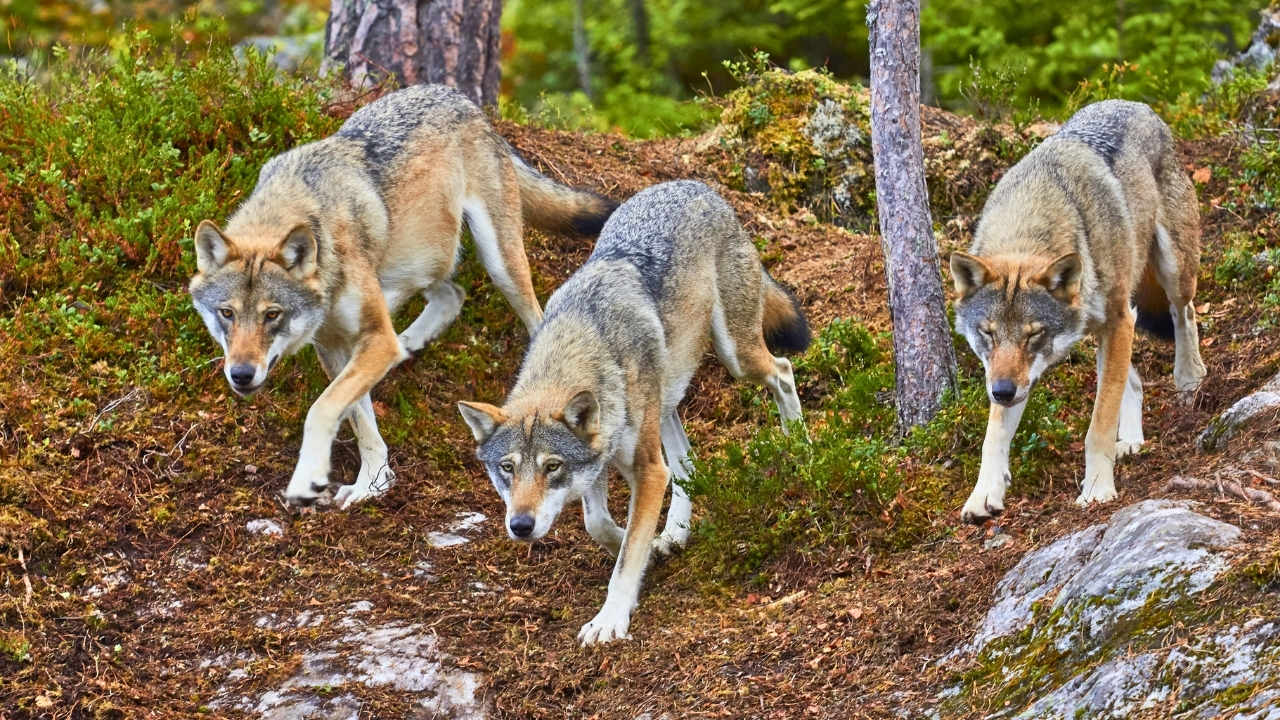
Nevada remains a fringe wolf state, but sightings and confirmed individuals are increasing. Wolves dispersing from Oregon and Idaho are exploring suitable habitat in northern Nevada.
While established packs are still limited, the increase in confirmed presence suggests future growth if protections and prey availability align.
North Dakota

North Dakota doesn’t host a large wolf population, but movement from Minnesota and Canada has increased sightings and transient individuals. Suitable habitat and prey exist in parts of the state.
If protections and conditions remain favorable, North Dakota could see more permanent wolf establishment in the coming years.
Like The Avid Outdoorsman’s content? Subscribe to our newsletter so you never miss an article.
Here’s more from us:


