Photo credit: The Avid Outdoorsman
A concealed carrier in Reddit’s r/CCW described a movie-theater trip that was supposed to be completely ordinary until one stranger decided the gun under his shirt was now everyone else’s problem too. In the post, he said he went to the movies, carried as he normally did, and got through the whole film without incident. The real trouble came before and after, when another man apparently noticed the gun under his shirt and turned it into a confrontation with theater staff. The original Reddit thread is here: https://www.reddit.com/r/CCW/comments/2bfrkz/i_got_busted/
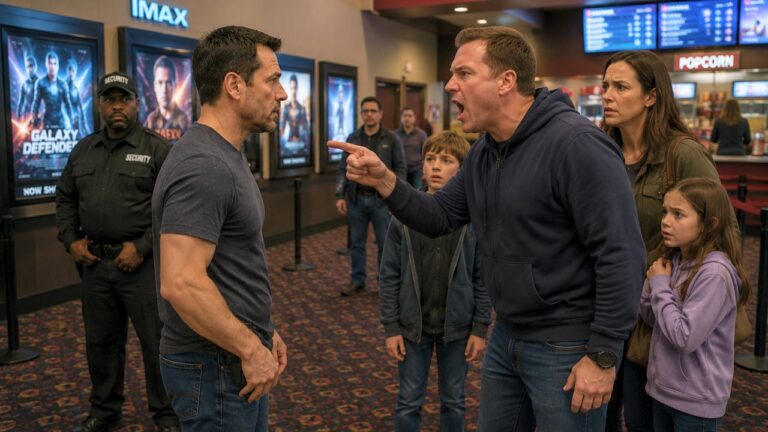
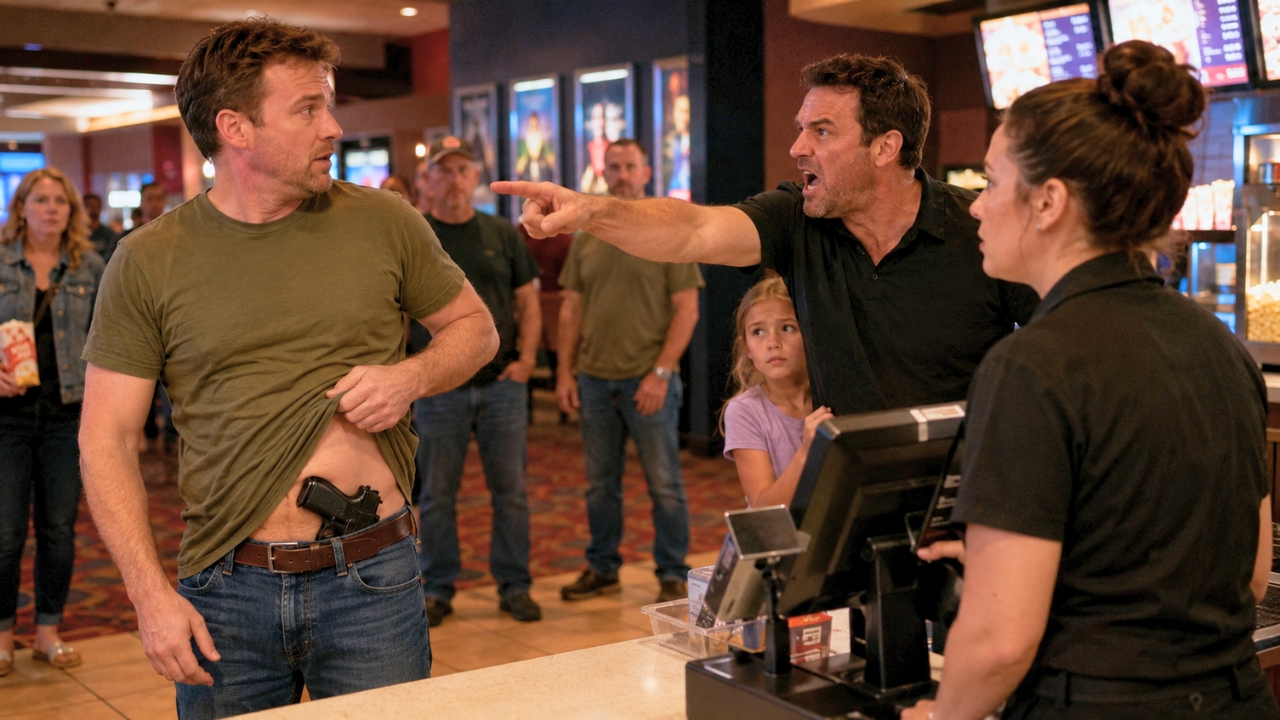
What makes the story different from a lot of the other public-carry encounters is that the carrier did not describe a direct showdown between himself and the offended stranger. Instead, he painted the scene from the side, almost like he was watching his own problem become a management issue before he fully understood how big it had gotten. He wrote that while walking by an angry father and the theater manager, he overheard the man saying things like, “That’s him!” and “He has a gun under his shirt!” The father then launched into the kind of questions that tell you immediately what direction the whole thing had gone: “You’re not going to tell me you’ll allow this; how could you?” and “What kind of a man needs to carry a gun?! I don’t feel safe!”
That is what gave the whole moment its shape. The carrier was no longer just a guy going to see a movie. He had become the subject of someone else’s fear and outrage, and that fear was now being performed in front of theater staff. It is one thing for a stranger to notice printing or glimpse a holster and keep moving. It is another for that person to decide the proper next step is to point at you, identify you to management, and demand that the business treat your mere presence as a crisis. That shift from private notice to public accusation is what made the whole thing so uncomfortable.
From the way he wrote it, the carrier did not actually get thrown out, handcuffed, or marched into some back room for questioning. In one sense, that is what makes the story more interesting. The father was angry enough to make a scene, but the theater itself apparently did not instantly react the way he wanted. The carrier said he went to his theater, enjoyed the movie, and walked out afterward. That detail is important because it tells you the confrontation was not really about what he was doing in any legal or immediate sense. It was about another customer deciding that a man with a gun under his shirt had no business being there, and trying to make the theater side with him.
The father’s wording also says a lot. “What kind of a man needs to carry a gun?” is not the language of somebody carefully trying to sort out policy or safety. It is the language of moral judgment. The problem, in that man’s eyes, was not only the gun. It was the kind of person he imagined the carrier must be for having one. That is part of what gives the story its edge. Public carry confrontations like this are rarely just about the object. They are about the meaning other people attach to the person carrying it.
The carrier’s own response was restrained, at least in the way he told it. He said he enjoyed the movie and, on the way out, tried to find the manager again but did not immediately see him. He was not sure what he would have said if he had found him, though he floated the thought that maybe he would have thanked the manager for understanding that one idiot’s opinion should not trump everyone else’s safety. That line tells you a lot about where his head was afterward. He was not only angry at being singled out. He was also quietly relieved that the manager, at least as far as he could tell, had not let one loud, frightened customer dictate what happened next.
The replies to the thread centered less on legal detail and more on the social side of the encounter. A lot of commenters focused on the father’s behavior and treated it as an example of exactly the kind of performative panic that makes armed citizens’ lives harder without making anyone safer. Some took the harder line that if the theater allows lawful carry, then one customer’s discomfort should not change that for everyone else. Others pointed out that even when a business does not have an explicit policy, a manager often ends up making a judgment call based on who looks calmer and more reasonable in the moment. In that reading, the father’s anger may actually have helped the carrier by making the whole complaint look more emotional than credible.
There was also an undercurrent in the comments about how public these moments feel once another person decides to escalate. The carrier may know he is just trying to watch a movie. The offended stranger may see a threat. The manager may see a headache. And once the scene is happening in a lobby or hallway, none of those people are really talking about the same event anymore. They are each reacting to a different version of it. That is why a story like this lingers even without an arrest or a formal ejection. A normal trip to the movies got rewritten, in public, by one man who decided the carrier’s gun under a shirt meant the whole place should stop and deal with him.
That is where the story lands. A man carried to a movie theater, another customer noticed, and an angry father turned his discomfort into a confrontation with staff before the carrier had even made it to the movie. The theater did not give him the dramatic payoff he wanted, and the carrier still got to watch the film. But once someone points at you and says “That’s him” over the gun you never intended anyone else to notice, the evening is no longer just a quiet night at the movies.
Like The Avid Outdoorsman’s content? Subscribe to our newsletter so you never miss an article.
Here’s more from us: