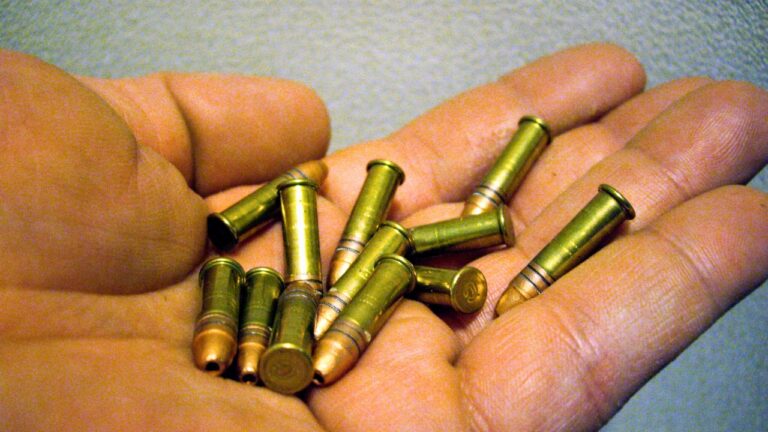
Photo credit: willeybros/GunBroker
Remington is one of those names that comes with baggage and loyalty at the same time. Some shooters hear it and think of the Model 700. Others think of the 870. Some remember green-and-yellow ammo boxes. Some think of Ilion, New York. Some think of bankruptcies, ownership changes, lawsuits, and the long decline of a brand that once felt almost untouchable.
That is what makes Remington interesting. It is not only a gun company story. It is a story about American manufacturing, legendary products, business mistakes, brand survival, and the strange way shooters can stay loyal to a name even after the company behind it changes shape. Remington traces its roots to 1816, when Eliphalet Remington II forged a rifle barrel in Ilion, New York, and that history still hangs over the brand today.
1. Remington Started With a Young Man Building a Rifle Barrel
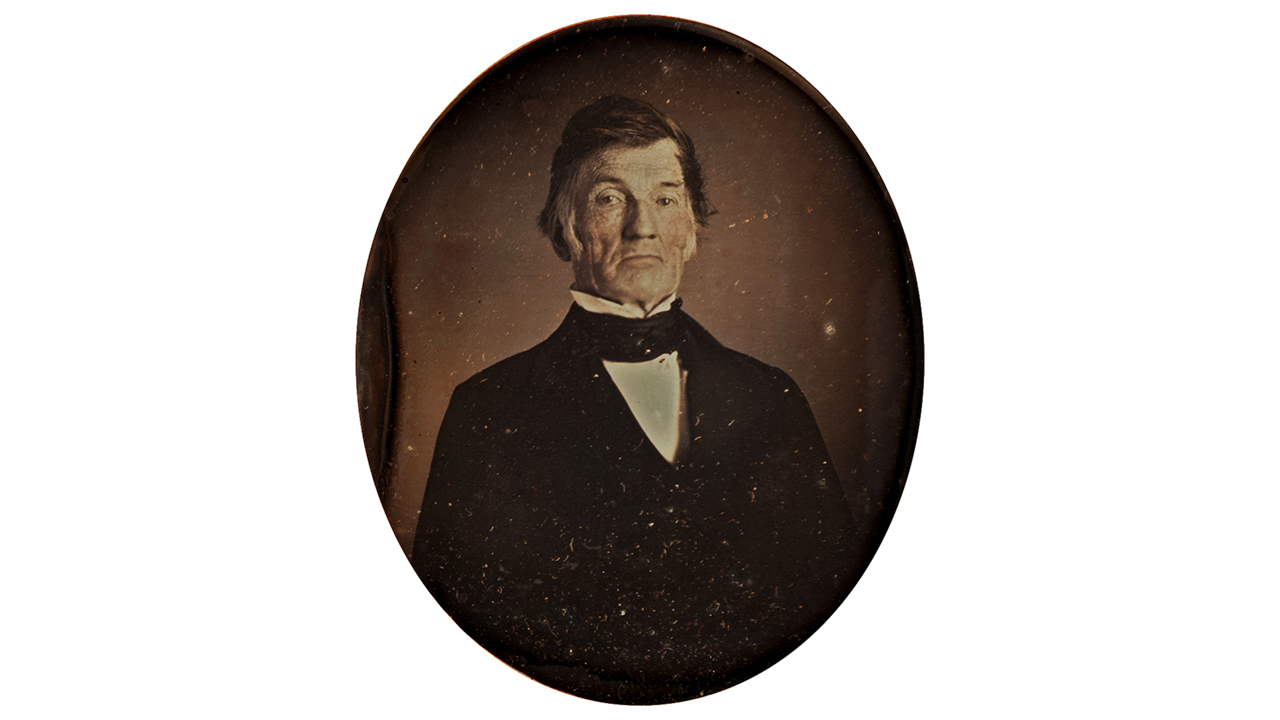
The Remington story begins with Eliphalet Remington II, who made his own rifle barrel in the early 1800s. That small beginning eventually grew into one of the oldest and most recognized firearm names in the United States. The company went through names like E. Remington, E. Remington & Son, and E. Remington & Sons as the family business expanded.
That origin matters because Remington did not begin as a modern corporation. It started as a family manufacturing story in upstate New York. Over time, that little barrel-making start became tied to rifles, shotguns, ammunition, typewriters, military contracts, sporting arms, and one of the most famous gun factories in America.
2. Ilion, New York, Was Part of the Brand’s Identity
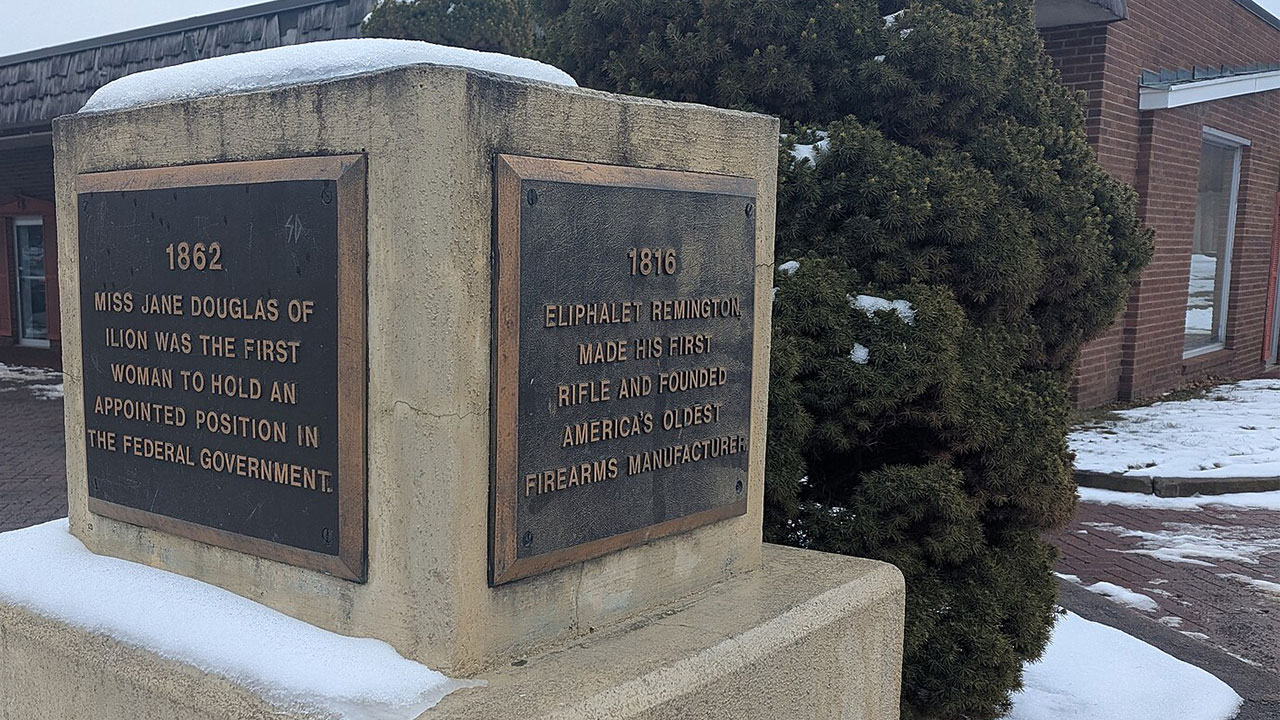
For most of Remington’s life, Ilion was not only a factory location. It was part of the brand’s soul. Generations of workers built Remington firearms there, and the town’s identity became deeply tied to gunmaking. That is one reason the closure of the Ilion factory hit so hard. AP reported that RemArms planned to close the historic Ilion factory in March 2024 after roughly 200 years of firearm production there.
That closure marked a major break with the past. Remington could still exist as a name, and RemArms could continue building firearms elsewhere, but Ilion was where the old story lived. When that factory closed, it felt like more than a business move. It felt like the end of an era.
3. Remington Was Not Always Just a Firearms Brand
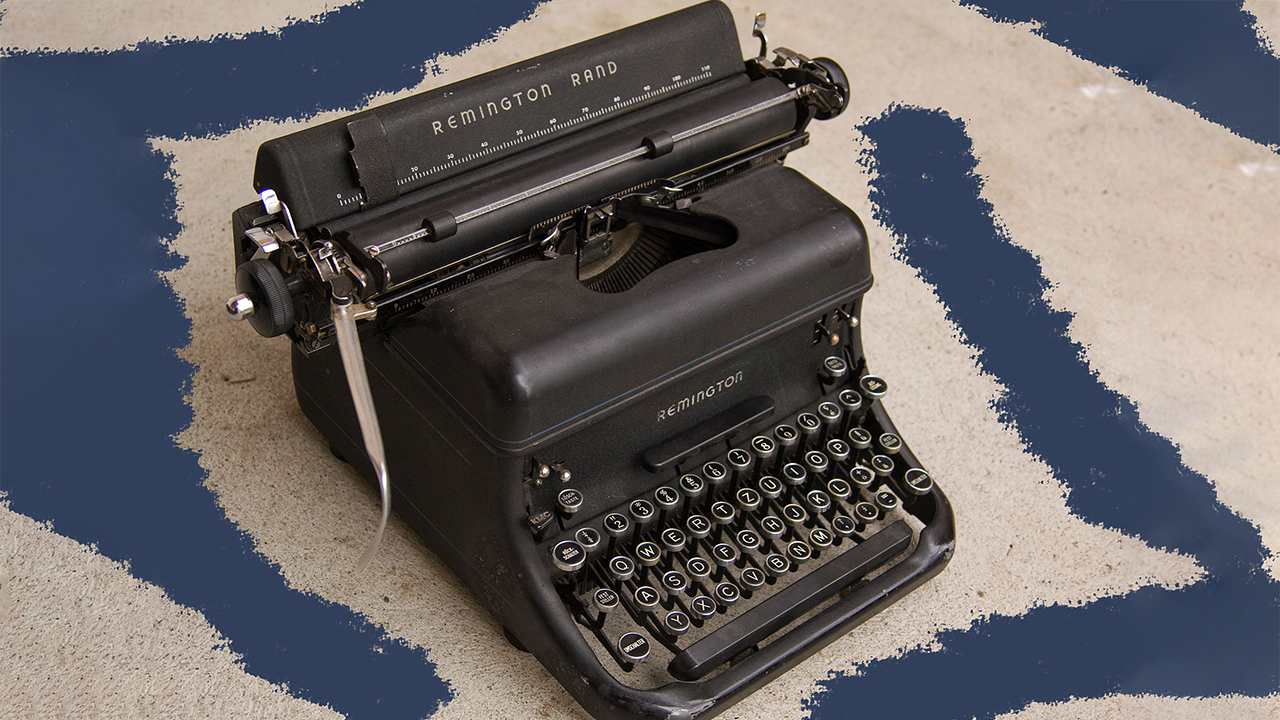
Most shooters know Remington for guns and ammunition, but the company’s history stretched into other industries too. Remington was tied to typewriters, sewing machines, tools, and other manufacturing ventures over its long life. That wider industrial footprint surprises people who only think of deer rifles and shotguns.
That tells you something about old American gun companies. They were often broader manufacturing operations, not narrow lifestyle brands. Remington’s name ended up on products far outside the gun rack, which helped make it one of the most recognizable industrial names of its era.
4. The Model 870 Became the Brand’s Best-Selling Gun

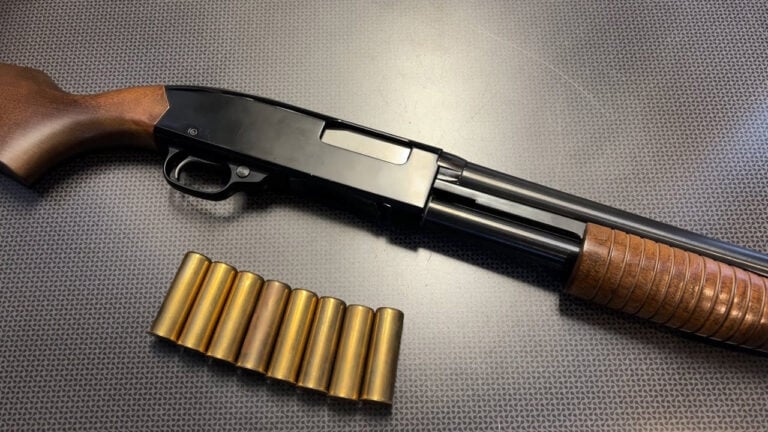
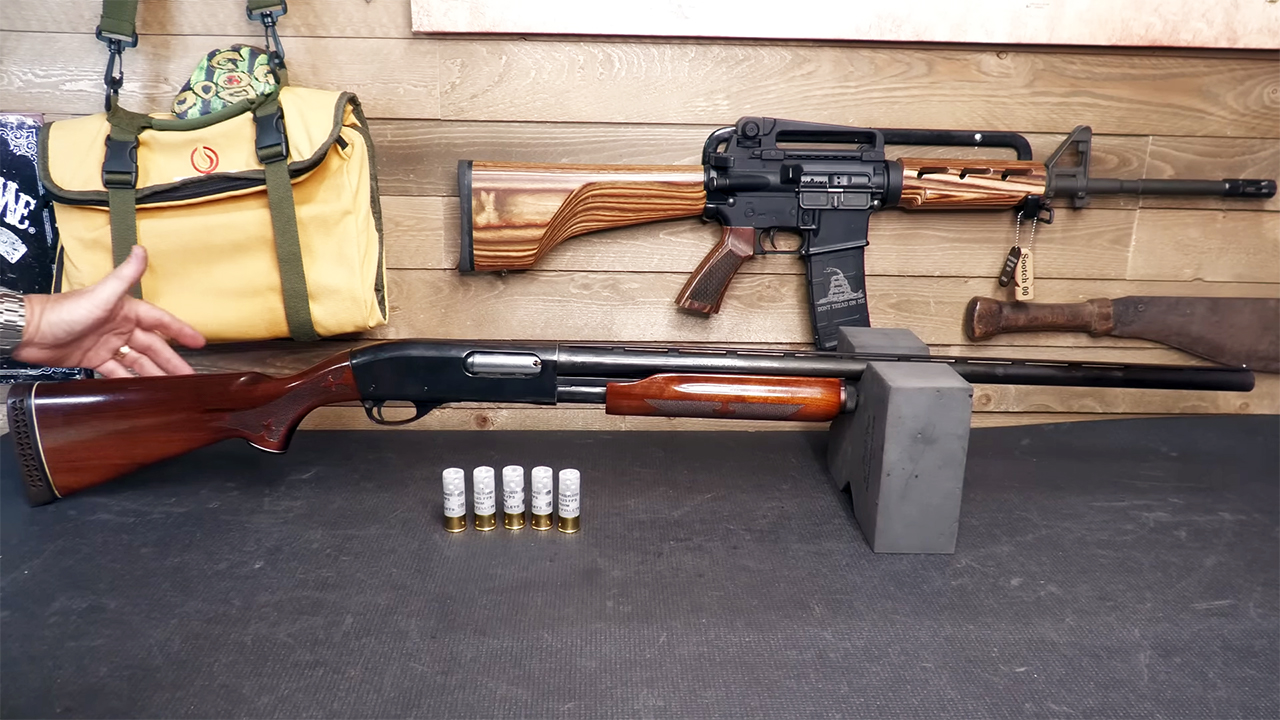
If one firearm defines Remington for regular hunters and homeowners, it may be the Model 870. Introduced in 1950 to replace the Model 31, the 870 became Remington’s best-selling gun and one of the most successful pump-action shotguns ever made. Outdoor Life described the 870 as the best-selling gun in Remington history and noted that it was produced in a huge number of variants for sporting, law enforcement, and military use.
That shotgun mattered because it worked across so many roles. A single 870 could be a bird gun, deer gun, home-defense shotgun, police shotgun, turkey gun, or clay gun depending on barrel and setup. That kind of flexibility made it a household name.
5. The 870 Helped Define the American Pump Shotgun
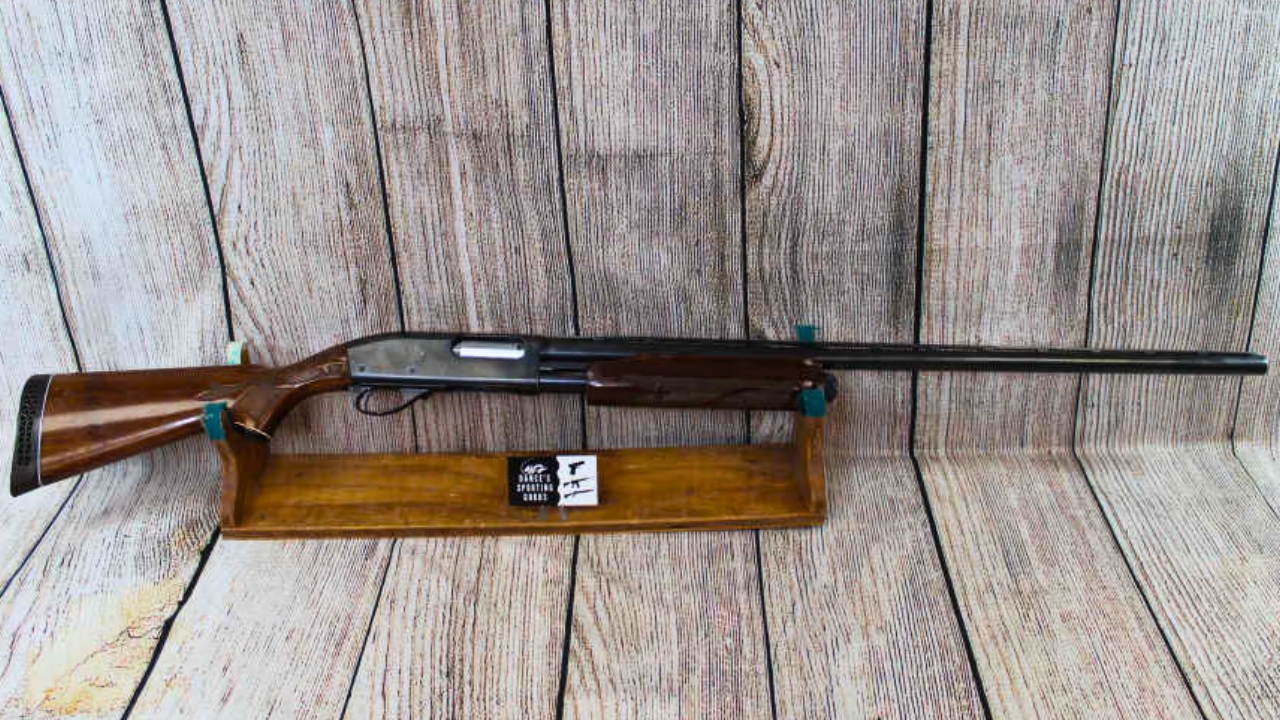
The 870 was not the only important pump shotgun, but it became one of the big measuring sticks. Steel receiver, smooth action, barrel interchangeability, broad parts support, and decades of use gave it a reputation that still lingers even after Remington’s rougher production years.
That is why shooters still defend it. Some prefer the Mossberg 500 or 590. Some chase old Winchester Model 12s. But the 870 remains one of those guns that almost every shotgun conversation has to acknowledge. It became popular because it was useful, affordable, and adaptable enough to fit regular people’s lives.
6. The Model 700 Changed the Bolt-Action Rifle Market

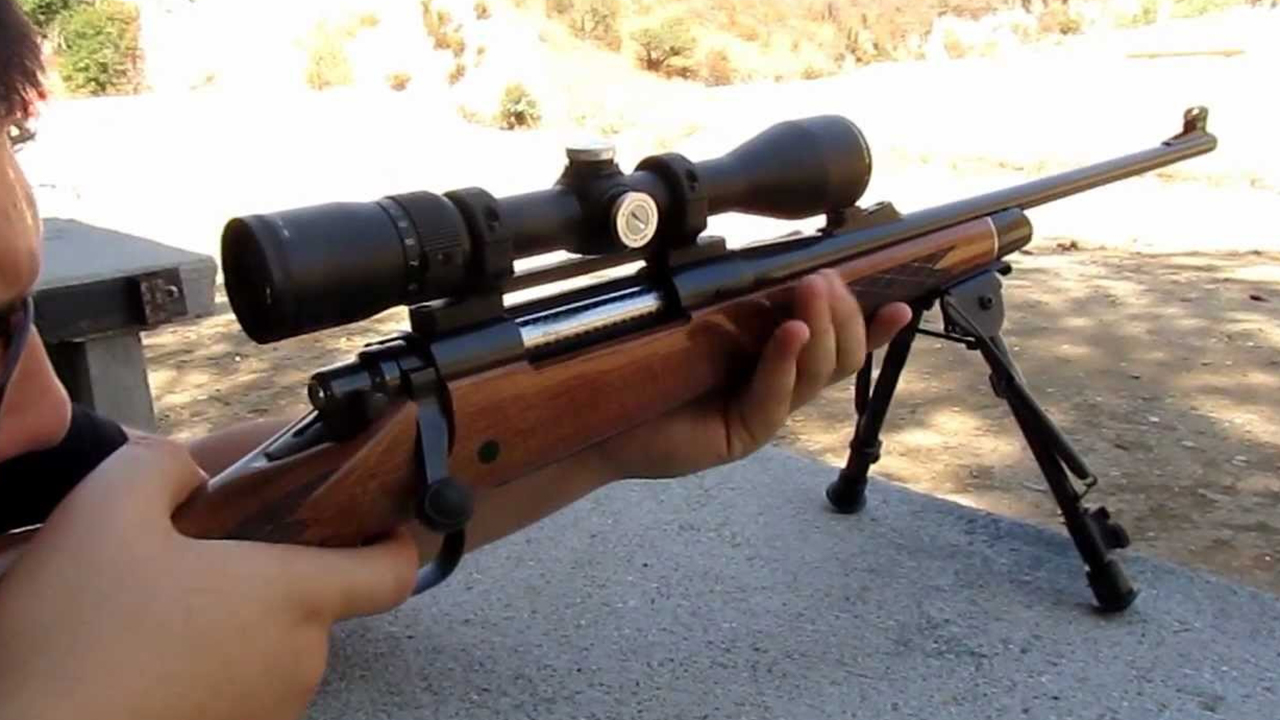
The Remington Model 700 is one of the most influential bolt-action rifles of the modern era. It was introduced in 1962 after development work that grew out of earlier Remington rifles like the 721, 722, and 725. The Model 700 was designed for mass production while offering strong accuracy potential, with features like a cylindrical receiver, short lock time, and tight tolerances.
That formula worked. The 700 became a standard hunting rifle, a basis for military and law enforcement sniper rifles, and one of the most common custom rifle foundations ever made. Its footprint still drives a huge aftermarket. Even shooters who have moved to other rifles still understand the Model 700’s influence.
7. The 700’s Aftermarket Became Almost Its Own Industry

One reason the Model 700 stayed relevant so long is that the aftermarket around it became massive. Stocks, triggers, barrels, bottom metal, rails, scope bases, chassis systems, and custom actions all grew around the 700 pattern. That made the rifle more than one factory product. It became a build platform.
That is a big deal. A hunter could buy a plain 700 and use it as-is. A precision shooter could rebarrel it, restock it, and tune it. A gunsmith could build a custom rifle around it. Very few bolt-action rifles have had that kind of ecosystem. Remington got a lot of long-term mileage out of that design.
8. Remington Made Some Cartridges That Still Matter
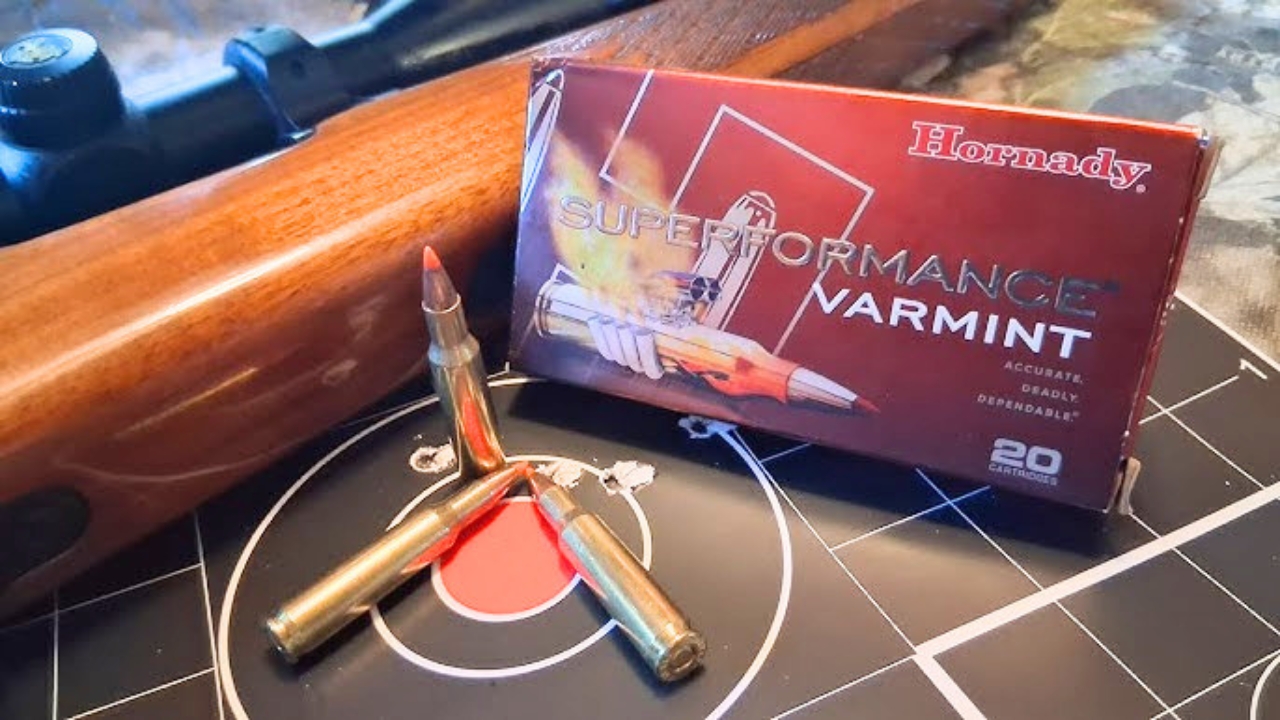
Remington was not only a gunmaker. It helped put important cartridges into the shooting world too. The .223 Remington, 7mm Remington Magnum, .22-250 Remington, .17 Remington, .260 Remington, .300 Remington Ultra Magnum, and others all carry the name in different ways.
That matters because cartridges keep a brand alive even when people are not buying that company’s firearms. A shooter may use a .223 Remington AR, a 7mm Rem. Mag. hunting rifle, or a .22-250 varmint rifle without owning a Remington-made gun. The brand’s influence spread through ammo names as much as through firearms.
9. Remington Ammunition Is Not the Same Company as Remington Firearms Now
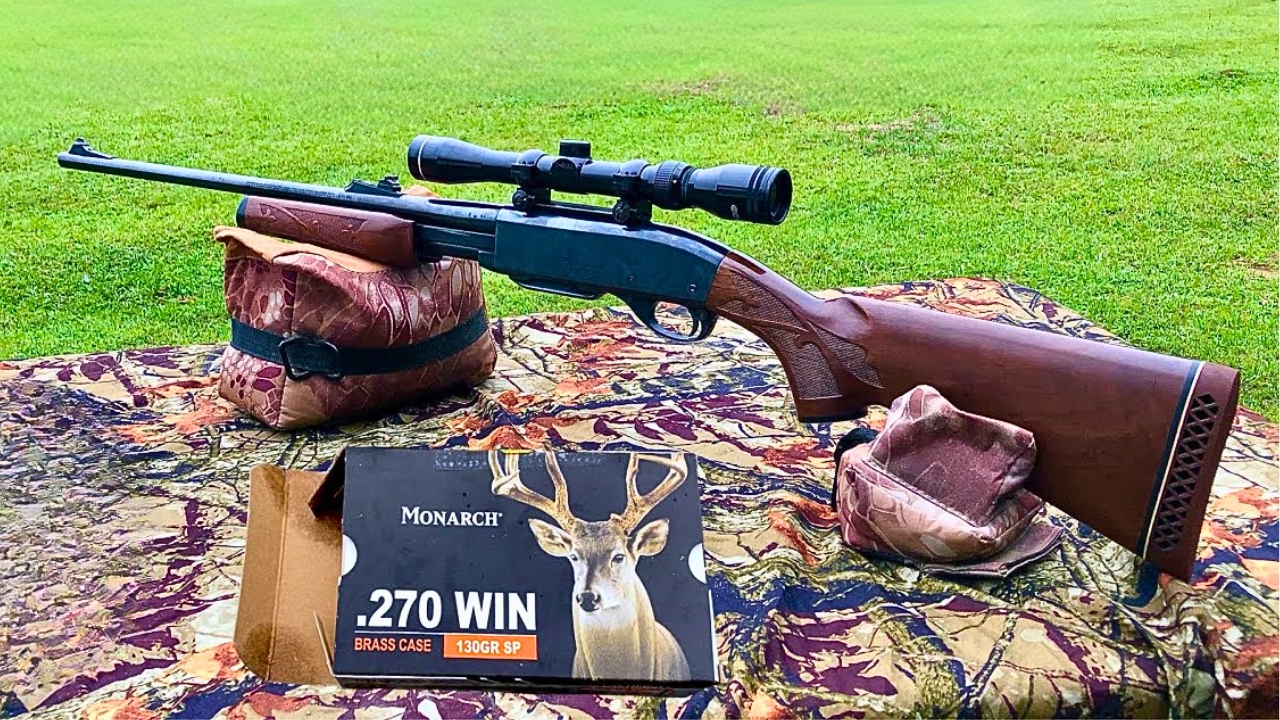
This is one of the biggest things shooters miss. After Remington Outdoor Company’s 2020 bankruptcy sale, the ammunition side and firearm side split. Vista Outdoor bought Remington’s ammunition and accessories assets, including the Lonoke, Arkansas ammunition plant and the Remington brand and trademarks.
The firearms business, excluding Marlin, went to Roundhill Group and is operated through RemArms. Public summaries of the asset sale note that RemArms licenses the Remington brand name from the owner of the trademarks. That means “Remington ammo” and “Remington firearms” are not one old unified company anymore. The name survived, but the structure changed completely.
10. Marlin Was Once Under the Remington Umbrella

A lot of shooters remember the rough “Remlin” years, when Marlin rifles were produced under Remington ownership after Remington acquired Marlin. That period created plenty of frustration among lever-gun fans because quality concerns hurt the Marlin name.
When Remington’s assets were sold in 2020, Marlin did not stay with RemArms. Ruger acquired Marlin, and that turned out to be a major reset for the lever-gun brand. That split is important because some shooters still talk about Remington-era Marlins when judging Marlin quality, but modern Ruger-made Marlins are a different chapter.
11. Remington’s Bankruptcy Split the Brand Apart
Remington’s 2020 bankruptcy was not a small restructuring that left everything mostly the same. The company’s assets were divided among multiple buyers. Vista Outdoor acquired the ammunition and accessories assets, while the firearms business went separately to Roundhill Group/RemArms.
That is why the modern Remington story can feel confusing. The name on a box of ammo and the name on a firearm do not point back to one single company the way many shooters assume. Remington still exists as a brand, but it is no longer the same old vertically unified giant people remember from earlier decades.
12. Remington’s Decline Was Not About One Mistake
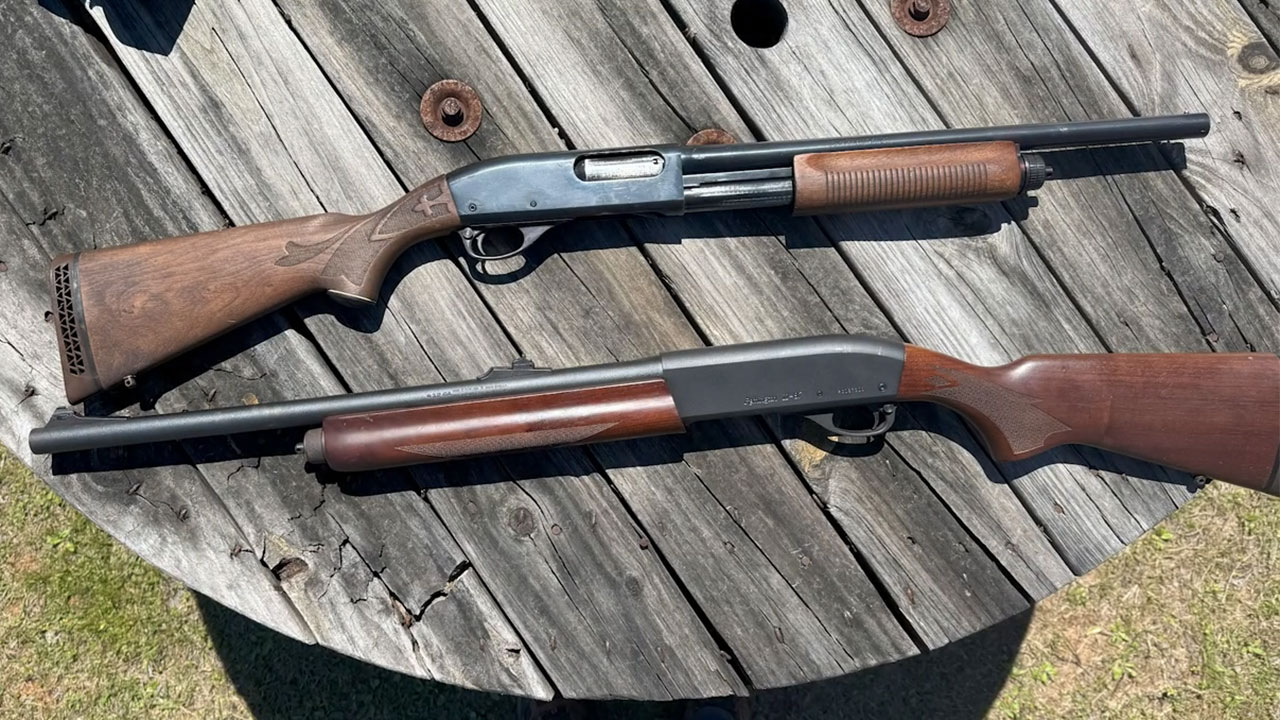
It is tempting to blame Remington’s troubles on one thing: lawsuits, debt, quality complaints, ownership, politics, management, or market changes. The real story is messier. Remington went through major ownership changes, including private-equity control, heavy debt, declining trust in some product lines, and two bankruptcies in 2018 and 2020.
That matters because the brand did not fall apart overnight. Shooters had been arguing about quality and direction for years before the final split. Some still loved older 870s and 700s. Others felt newer guns had lost the old feel. That tension is part of why the Remington name still sparks strong opinions.
13. The Ilion Closure Was Symbolic, Not Just Operational
When RemArms moved away from Ilion, it was easy to frame it only as a cost or regulatory decision. Those things mattered. AP reported that the historic factory had become inefficient and costly to maintain, and the company planned to expand in Georgia instead.
But for shooters, the closure was symbolic too. Ilion was where Remington’s story had been anchored for generations. A Remington firearm built somewhere else may still work fine, but the emotional connection changes. That is why so many people saw the move as a major turning point in the brand’s identity.
14. Older Remingtons Often Carry More Trust Than Newer Ones
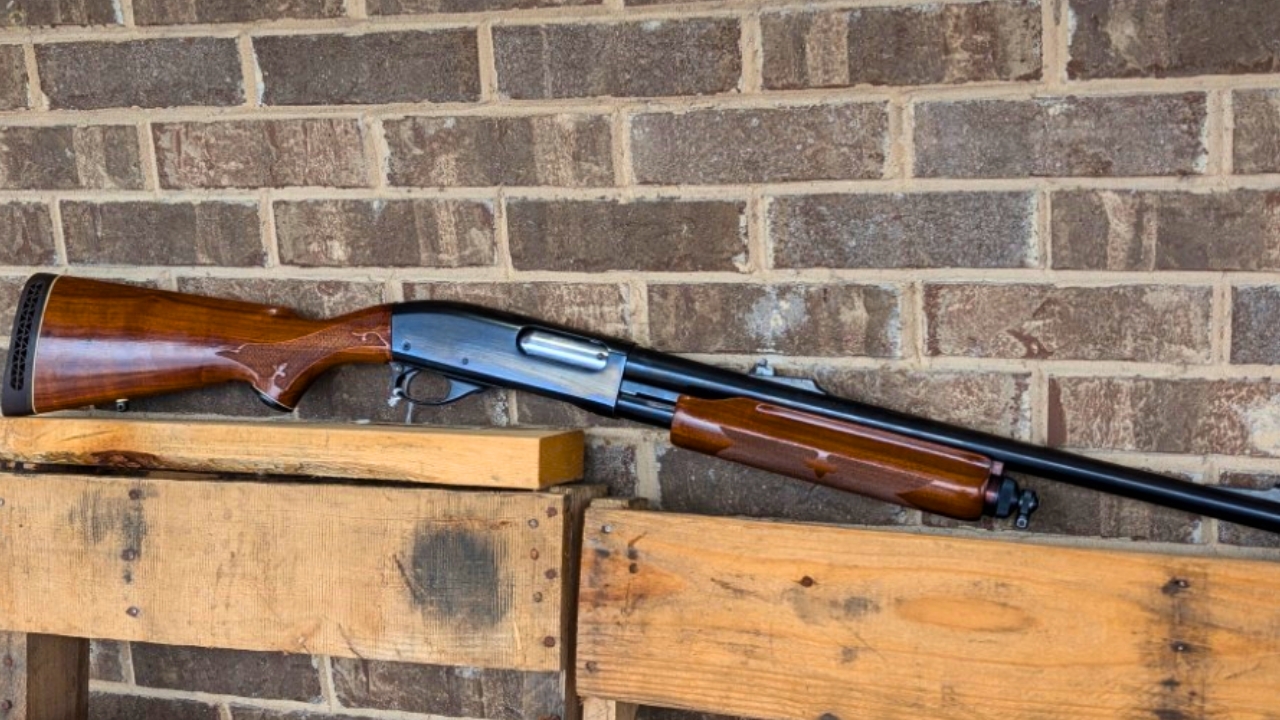
Many shooters still trust older Remington rifles and shotguns more than later production guns. Old Wingmasters, older 700s, classic 1100s, and certain vintage models get respect because people associate them with a stronger era of fit, finish, and quality control.
That does not mean every old Remington is perfect or every newer one is bad. That would be too simple. But it does explain the used-market loyalty. When people say they want “an old Remington,” they are usually chasing the version of the brand they remember: smooth 870s, trusted deer rifles, polished Wingmasters, and guns that felt like they were built before the business side got so messy.
15. Remington Survives Because the Best Products Were That Strong
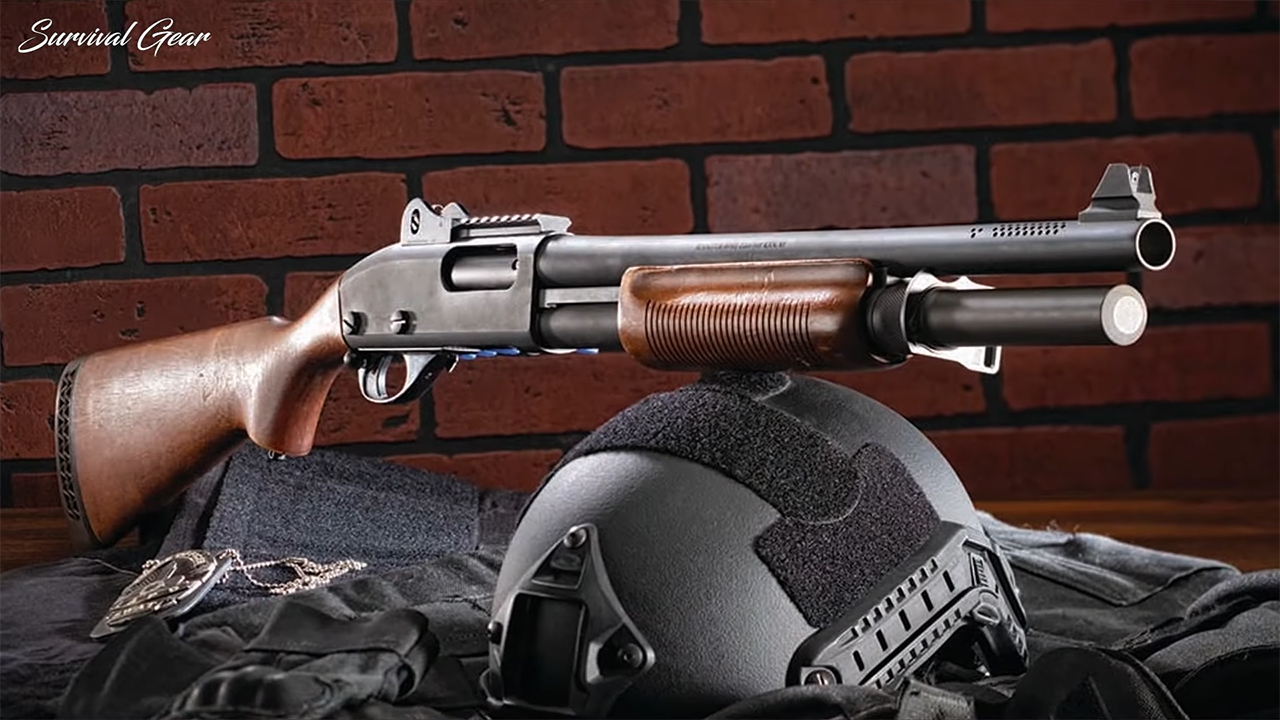
The real reason Remington still matters is that its best products were too important to erase. The 870, 700, 1100, Nylon 66, 760/7600, Model 7, XP-100, and classic ammunition lines all built loyalty over decades. Even after bankruptcies, factory closures, ownership changes, and quality debates, shooters still talk about Remington because the strongest guns left a mark.
That is the strange thing about the brand. The company story got messy, but the product legacy is still powerful. A clean old 870 Wingmaster still gets attention. A good Model 700 still makes sense as a hunting rifle or build platform. Remington ammunition still sits on shelves under a name generations recognize. The old Remington is gone in many ways, but the name still has gravity because the guns that built it were too good to forget.
Like The Avid Outdoorsman’s content? Subscribe to our newsletter so you never miss an article.
Here’s more from us: