
A carry gun can feel like a miracle the first time you hide it under a T-shirt. Then you take it to the range, run a few boxes, and realize concealment always comes with a bill. Short grips give you less leverage. Light frames transmit more recoil. Small sights and short sight radius make you work harder. Even the “easy” micro-compacts can feel snappy when the grip is barely long enough for two fingers and the backstrap is driving straight into your palm.
None of this means these guns are bad. It means they’re purpose-built. They’re meant to be carried a lot and shot enough to stay sharp—not turned into a 500-round range-day companion. If you understand that trade, you’ll pick the right tool, set realistic expectations, and keep your practice honest.
Smith & Wesson J-Frame Airweight

A lightweight J-frame disappears in a pocket or on an ankle better than almost anything else, and that’s why you keep seeing them in real carry rotations. The problem is you pay for that low weight the moment you start shooting. A small grip and a light frame make recoil feel sharper than the caliber suggests, and the backstrap can beat up the web of your hand fast.
Even with standard-pressure loads, the gun tends to shift in your grip during longer strings. You end up re-gripping more than you want, which adds fatigue and makes accuracy feel harder than it should. It’s a great “always there” revolver, but it rewards short, focused practice sessions. If you try to shoot it like a full-size range gun, your hands will let you know.
Ruger LCR .357

The Ruger LCR conceals easily because it’s trim, light, and rounded in all the right places. In .357, though, it can feel like you’re hanging onto a firecracker. The gun is controllable, but the recoil impulse is abrupt, and the grip can only do so much when the frame is that light.
Even .38 Special can feel snappy in it compared to heavier revolvers, especially if your hands are on the larger side. That short grip concentrates pressure into fewer contact points, and the muzzle flip can get tiring fast. The LCR makes sense as a carry revolver because it’s easy to live with on your belt, but it’s rarely the gun you want to shoot for fun. You practice with it because you should, not because it’s relaxing.
SIG Sauer P365

The P365 changed the carry landscape because it’s compact, thin, and still gives you real capacity. It also has the classic micro-9mm trade: it feels great in the store, and then the range reminds you it’s still a small, light pistol. The grip is short, the slide is light, and recoil comes back quick, especially with hotter loads.
What punishes your hands isn’t raw power so much as speed. The gun cycles fast, and the grip can feel “busy” in your palm after a couple hundred rounds. If your support-hand grip is even slightly off, you’ll feel it right away in the form of knuckle rub and palm sting. It’s absolutely shootable, but it’s not the gun most people want for long range sessions. It’s a carry pistol first, and it acts like it.
Springfield Armory Hellcat

The Hellcat hides well because it’s compact and flat, and it carries like it’s smaller than it performs on paper. At the range, that same compactness can turn into bite. The grip is short and aggressive, the gun has a quick recoil impulse, and the overall feel can get harsh if you run it hard for extended strings.
A lot of shooters notice the muzzle flip more than they expected, especially compared to slightly larger compacts. The pistol doesn’t feel uncontrollable, but it can feel sharp, and your hands take the message sooner than they would with a heavier gun. If you’re doing fast drills, you may also feel the grip texture chewing on your skin over time. The Hellcat is built to carry daily and shoot well enough to stay confident. It’s not built to be your all-day range companion.
Smith & Wesson M&P Shield (9mm)

The original Shield earned its reputation because it carries like a dream and shoots better than most slim pistols in its size class. But it’s still a thin, lightweight 9mm with limited grip area, and that adds up when you’re trying to put a lot of rounds through it. The narrow frame tends to concentrate recoil into the center of your palm.
The other factor is leverage. With a shorter grip, your pinky is either barely involved or completely out of the game, and that makes the gun feel more lively under recoil. Over a longer session, you’ll notice hand fatigue sooner than you would with a thicker, heavier compact. The Shield is a smart carry gun because it’s easy to conceal and easy to keep on you. It’s “range friendly” in small doses, not in marathon sessions.
Glock 43

The Glock 43 carries easily because it’s slim, light, and uncomplicated. The downside is the same thing you feel with most single-stack 9mms: less grip to hold onto and less mass to soak up recoil. The gun snaps more than people expect if they’re used to compact double-stacks, and the short grip makes it feel like it wants to squirm during fast strings.
What gets your hands isn’t that it’s unmanageable—it’s that it’s repetitive. After a few boxes, the pressure points show up: the web of your hand, your trigger finger, and the base of your thumb. You also end up re-gripping more often, which adds fatigue and slows you down. The 43 is a carry workhorse, and it runs. It’s simply not the pistol most people choose when the goal is a comfortable 300-round practice day.
Ruger LCP Max
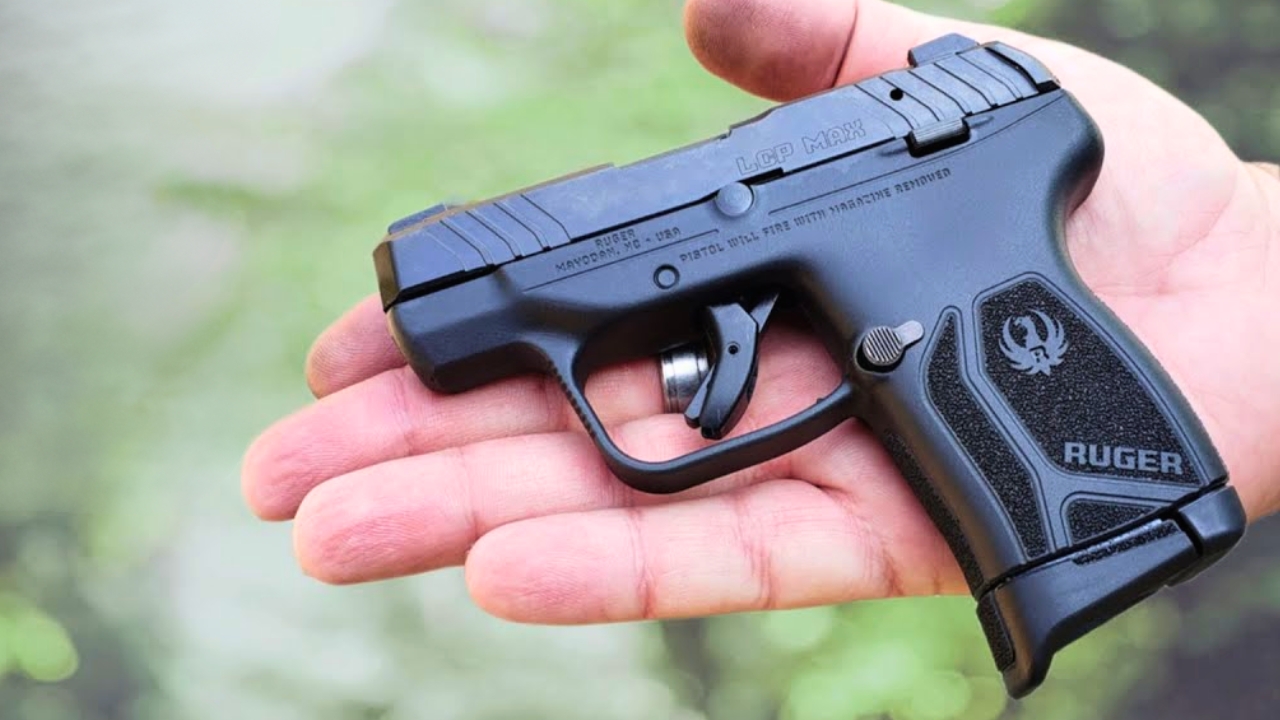
The LCP Max is one of the easiest pistols to conceal, period. Pocket carry gets real simple when the gun is that small and light. But tiny pistols don’t give you much to hold, and even in .380, the gun can be rough on your hands when you actually train with it. The grip is short, the frame is light, and recoil comes back into a very small contact patch.
The other issue is control over time. Your hands fatigue faster because you’re pinching the gun more than gripping it. That makes follow-up shots feel harder, and you’ll notice yourself adjusting your grip constantly. It’s a great “always with you” option, and the capacity is impressive for the size. Just don’t expect it to feel like a relaxed range pistol. It’s built for concealment first, and it treats your hands accordingly.
Kahr PM9

The Kahr PM9 is a classic deep-carry 9mm because it’s thin, compact, and easy to hide in places where thicker pistols print. The trade-off is that it’s a small pistol with a small grip, and recoil can feel sharper than you’d guess by looking at it. The narrow frame pushes recoil straight back into your palm, and the short grip doesn’t give your support hand much real estate.
Over longer sessions, the pistol can feel tiring even if you’re shooting accurately. A lot of shooters describe it as “work,” not because it’s unreliable, but because it demands more grip discipline to keep it steady. That’s the nature of this class of gun. The PM9 carries extremely well, which is why people put up with it. But if you’re planning long range days, you’ll usually reach for something with more grip and more weight.
Kimber Micro 9

The Micro 9 is popular because it’s compact, attractive, and easy to conceal, especially if you like a 1911-style feel in a small package. The problem is that small, light 9mms can feel harsh, and this category is famous for being “pleasant to carry, less pleasant to shoot.” The short grip and light frame make recoil feel fast and sharp.
A lot of shooters notice discomfort during longer sessions because the grip shape and controls can create pressure points. When your hands get tired, you also start chasing consistency—re-gripping, adjusting, and fighting the gun instead of letting it settle. It’s certainly shootable, and many people carry them successfully. You simply need to respect what it is: a concealment-first pistol that asks more from your hands than a larger compact would.
Springfield Armory XD-S (9mm)

The XD-S carries well because it’s slim and compact, and it hides under light clothing without drama. At the range, it can feel like it’s built to remind you it’s small. The grip is narrow, the frame is light, and recoil comes back with a sharp impulse that can wear on you during longer sessions.
The narrowness is a double-edged sword. It conceals easily, but it also concentrates recoil into a smaller area of your hand. If your grip is slightly off, you’ll feel it quickly, and the gun can become uncomfortable faster than you expect. It’s not that the XD-S can’t be shot well—it can. It’s that it takes more effort to shoot it fast and comfortably compared to slightly larger compacts. You carry it because it disappears. You practice with it because you have to.
Walther PPS (M2)

The PPS is a smart carry pistol because it’s thin, reliable, and easy to conceal without feeling like a toy in your hands. Still, it’s a slim 9mm, and slim guns often punish you more during long range sessions than thicker compacts do. Less surface area means the same recoil force feels more concentrated.
When you start running faster strings, you’ll notice the PPS can feel snappy, especially if you’re used to heavier pistols. Your grip has to be honest, and the gun asks you to pay attention to your support-hand pressure to keep it from shifting. After a couple hundred rounds, most shooters feel more hand fatigue than they would with a double-stack of similar barrel length. The PPS is a great “carry it daily” pistol. It’s simply not the one you pick when the plan is to shoot all afternoon.
Smith & Wesson 340PD
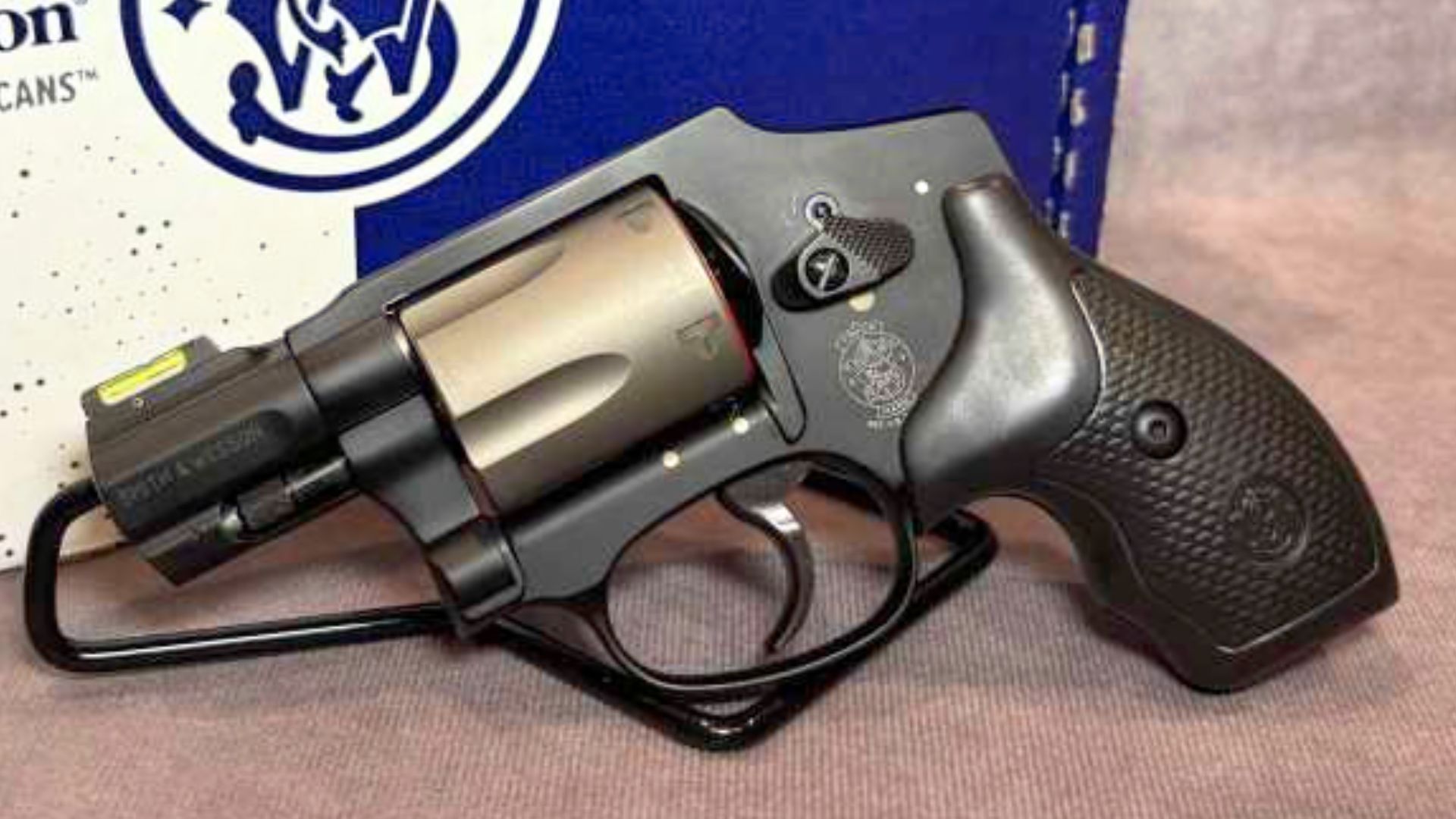
The 340PD is the definition of easy carry and hard shooting. It’s incredibly light for what it is, and that makes it vanish in carry. It also makes recoil feel brutal, especially with heavier loads. Even if you stick to more manageable ammo, the gun is so light that it still transmits recoil in a way that surprises people the first time they run it.
The punishment is twofold: the recoil is sharp, and the grip is small. That means the gun can shift in your hand, and the backstrap can feel like it’s hammering you. It’s a revolver you carry because you want “always there” without excuses. It’s not a revolver you take to the range for a fun Saturday. You practice with it in short, focused sessions, and you stop before your hands get sloppy—because the gun will make sloppy obvious fast.
Ruger SP101 (2.25-inch)

The SP101 conceals well for a steel revolver, and the extra weight helps compared to ultralight snubs. But in a short barrel with a compact grip, it can still punish your hands during extended shooting, especially with .357. The gun is sturdy, but the grip size and short sight radius encourage you to clamp down harder, and that leads to fatigue.
The recoil itself is often less abusive than the truly lightweight snubs, but the “punishment” shows up in a different way: it can wear your hands and wrists down over time because you’re doing more work to keep the gun tracking straight. In .38 it’s usually comfortable enough, but people buy these for .357 and then realize they don’t actually enjoy shooting full-power loads for long. It’s a great carry revolver that stays tight. It’s not always a great range-day revolver.
Beretta Pico

The Pico is built around deep concealment, and it succeeds at that better than many pistols people try to force into the role. The cost is shootability comfort. It’s a very small pistol with a small grip, and when you shoot it for more than a short session, you feel exactly how little gun you’re holding. Even in .380, recoil can feel sharp because there’s not much mass to soften it.
The other issue is ergonomics. Tiny guns tend to create hot spots—pressure points where the frame, slide edges, or grip panels meet your hand. Over time, those spots get tender, and your grip consistency starts to fall apart. The Pico isn’t meant to be a “train all day” pistol. It’s meant to be an “always” pistol—something you can carry when a bigger gun won’t work. You accept the range discomfort because the concealment advantage is real.
FN Reflex

The FN Reflex is a modern micro-9 built for concealment, and it carries extremely well for the capability you get. The trade-off is familiar: small grip, light gun, quick recoil cycle. Even when a micro-9 is well-designed, it can still punish your hands when you run it hard, because there’s only so much room to distribute recoil forces and only so much leverage available.
During longer sessions, you’ll feel that in the form of palm sting and fatigue from constantly managing the gun. Fast shooting magnifies it. The gun doesn’t necessarily hurt because it’s “too powerful.” It hurts because it’s compact, and compact guns make your hands do more work. The Reflex can absolutely be shot well with good fundamentals, but it tends to be more demanding than a slightly larger compact. You carry it because it hides easily. You don’t pick it because it’s the softest range pistol.
Taurus 605

The Taurus 605 is a small .357 revolver that conceals easily and fits roles that larger guns don’t. Like most small-frame .357s, it can be punishing at the range when you lean into full-power loads. The gun is compact, the grip is short, and recoil energy has fewer places to go besides straight into your hand.
What makes it tough over time is the combination of muzzle flip and grip shift. After a few cylinders, you may notice you’re re-gripping more than you want, and your hand starts to feel tender where the backstrap and grip meet. In milder loads it’s more manageable, but people buy it for the idea of .357 performance in a small package, and that performance comes with a cost. The 605 can be a practical carry revolver if you respect the size. It’s not the revolver you shoot all day without feeling it.
Like The Avid Outdoorsman’s content? Be sure to follow us.
Here’s more from us:


