Photo credit: Tex Mex/YouTube
When you’ve carried a handgun for real—through summer sweat, winter layers, long drives, quick store runs, and range days that expose every weak link—you stop caring about what’s trendy. Experienced shooters end up trusting carry guns that do a few things well every single time: they feed reliably with good magazines, they handle recoil predictably, they let you get a clean grip on the draw, and they don’t demand constant tinkering to stay “right.”
The truth is, almost any modern pistol can work for concealed carry. The guns below are the ones that tend to stay in rotations because they’re easy to live with and hard to outgrow. They aren’t perfect for every hand or every body type, but they’ve earned a reputation for being steady choices when you want a carry setup you can bet on and keep training with for years.
Glock 19

The Glock 19 stays popular with experienced shooters because it lands in a sweet spot: big enough to shoot well, small enough to conceal for most people. The grip gives you real control, the sight radius is usable, and the gun tracks predictably in recoil. That matters when you’re trying to put fast hits where they count, not only poke holes in paper.
It’s also a pistol that tends to stay reliable with boring maintenance and quality magazines. Many seasoned carriers keep the internals stock, add decent sights, and leave the rest alone. The 19 isn’t exciting, but it’s consistent, and consistency is what builds trust. If you want one gun that can handle training volume and still conceal under a hoodie or flannel, this is why it keeps showing up.
Glock 26

The Glock 26 earns trust because it carries smaller than it shoots. With the right magazine setup, it can run like a “real” pistol while still disappearing in places a compact can feel bulky. The short grip makes concealment easier, and the gun has a long track record of reliability when kept close to factory configuration.
The downside is shootability, and experienced shooters accept that trade. You have less grip to hang onto, and that shows up when you push speed. The fix isn’t fancy parts. It’s practice, a consistent grip, and magazines you trust. Many carriers like the 26 because it gives you options: run it flush for deep concealment, or use longer mags when clothing and season allow. That flexibility keeps it in a lot of holsters.
Glock 43X

The 43X is trusted because it’s one of the easiest ways to get a slim, comfortable carry gun that still feels controllable in the hand. The longer grip helps with recoil management and consistency on the draw, especially compared to tiny micro guns. It conceals well inside the waistband, and it doesn’t feel like a compromise when you’re shooting drills at speed.
Experienced shooters also like that it’s straightforward to maintain and run. Keep it stock inside, feed it good magazines, and it tends to behave. The slimmer frame can be more comfortable for all-day carry, particularly for people who find thicker double-stacks annoying against the beltline. It’s not a duty-size pistol pretending to be small, but it’s also not a pocket gun that beats you up. That middle ground is why it has loyal carriers.
SIG Sauer P365

The P365 built trust by proving that a true micro-compact can still run reliably and shoot predictably when you do your part. It’s easy to conceal in warm weather, easy to live with in a quality holster, and the grip shape gives you more control than its size suggests. For many experienced carriers, it’s the gun that finally made “small and capable” feel realistic.
The catch is that micro guns reward discipline. You need a solid grip and consistent trigger work to shoot it fast. The good news is the platform supports training: decent sights, manageable recoil for the size, and a design that holds up well when maintained. Most experienced shooters keep their P365 setups practical—reliable magazines, carry ammo tested, and a holster that protects the trigger. When it’s set up that way, it’s a trusted daily carry option.
SIG Sauer P365 XL

The P365 XL is the version many experienced shooters land on after living with smaller guns. That extra grip length and slide length buy you control, a better sight picture, and less “snappy” behavior without turning the gun into a brick on your belt. It’s still slim, still easy to conceal, and it’s easier to shoot well at speed than the shortest micro models.
The XL also supports a lot of practical carry setups without needing goofy changes. Many shooters add a quality optic or stick with irons and focus on reps. The gun tends to reward good fundamentals, and it’s easier to get consistent hits at distance compared to smaller carry pistols. If you want a carry gun that feels calm enough for hard training while staying comfortable under a T-shirt, the XL is a common “experienced shooter” answer.
Smith & Wesson M&P Shield Plus

The Shield Plus is trusted because it shoots bigger than it carries. The grip shape works for a lot of hands, the recoil impulse is manageable for the size, and the trigger is usually easier to run well than older slim carry guns. It also conceals easily without forcing you into oversized cover garments.
Experienced shooters like the Shield Plus because it stays practical. It’s a pistol you can carry daily, then take to a class without feeling like you brought a backup gun. Keep it maintained, run good magazines, and it tends to be consistent. The slim profile helps comfort, and comfort affects whether you actually carry. A gun that stays on you every day and still performs on demand is exactly what builds trust over time.
Smith & Wesson J-Frame 642

The 642 is trusted because it’s there when other guns get left behind. It’s light, compact, and pocket-friendly in a way that even slim autos sometimes aren’t. The enclosed hammer makes it resistant to lint and snags, and it carries well in quick errands, summer clothing, or as a secondary gun.
It’s also hard to shoot well fast, and experienced shooters know that going in. The trigger is heavy, the sights are small, and recoil can be sharp with defensive loads. The reason it stays trusted is that it’s mechanically dependable and easy to keep on your person. People who carry J-frames typically practice the fundamentals: a hard grip, clean trigger press, and realistic distances. It’s not a “range fun” gun. It’s a carry tool that rewards skill and honesty.
Ruger LCR (.38 Special)

The Ruger LCR earns trust the same way the J-frame does: it carries easily and tends to go bang when it’s supposed to. The trigger feel is often smoother than people expect from a small revolver, which helps you shoot it better than its size suggests. For many experienced carriers, it’s a reliable option when they want a revolver that’s actually comfortable to carry all day.
The tradeoffs are real. Light weight means recoil is brisk, and small sights limit speed and precision unless you train. What keeps the LCR in rotations is that it handles neglect better than many tiny autos and it’s uncomplicated in daily carry. Put it in a quality pocket holster, pick a load you can control, and keep your practice grounded in realistic distances. It’s trusted because it’s dependable and easy to live with.
HK VP9SK

The VP9SK is trusted because it feels like a serious pistol in a compact package. The ergonomics help you get a repeatable grip, the gun tracks predictably, and it tends to run reliably when you keep the setup sensible. It’s not the smallest compact on the market, but it’s small enough to conceal while still being shootable in real training.
Experienced shooters like that it doesn’t demand tricks. Good magazines, basic maintenance, and a solid holster usually get you where you need to go. The VP9SK also benefits from being comfortable to shoot for long sessions, which matters if you actually practice. A carry gun that hurts to shoot often becomes a carry gun you barely train with. The VP9SK avoids that problem for a lot of people, and that’s a big part of its reputation.
CZ P-01

The CZ P-01 is trusted by shooters who value shootability and durability in a carry-sized gun. The weight and ergonomics help it stay flat in recoil, and the grip shape makes it easy to be consistent. It’s also a proven design that holds up well to training volume when maintained, which is a major reason experienced shooters stick with it.
The manual of arms takes commitment. Double-action first shots demand practice, and you need to be honest about how you carry and train. The payoff is a pistol that can be extremely controllable and accurate for its size. Many shooters keep their P-01 setup straightforward: reliable magazines, good sights, and a holster that supports safe carry. When you do that, it’s a carry gun that feels steady and predictable under pressure.
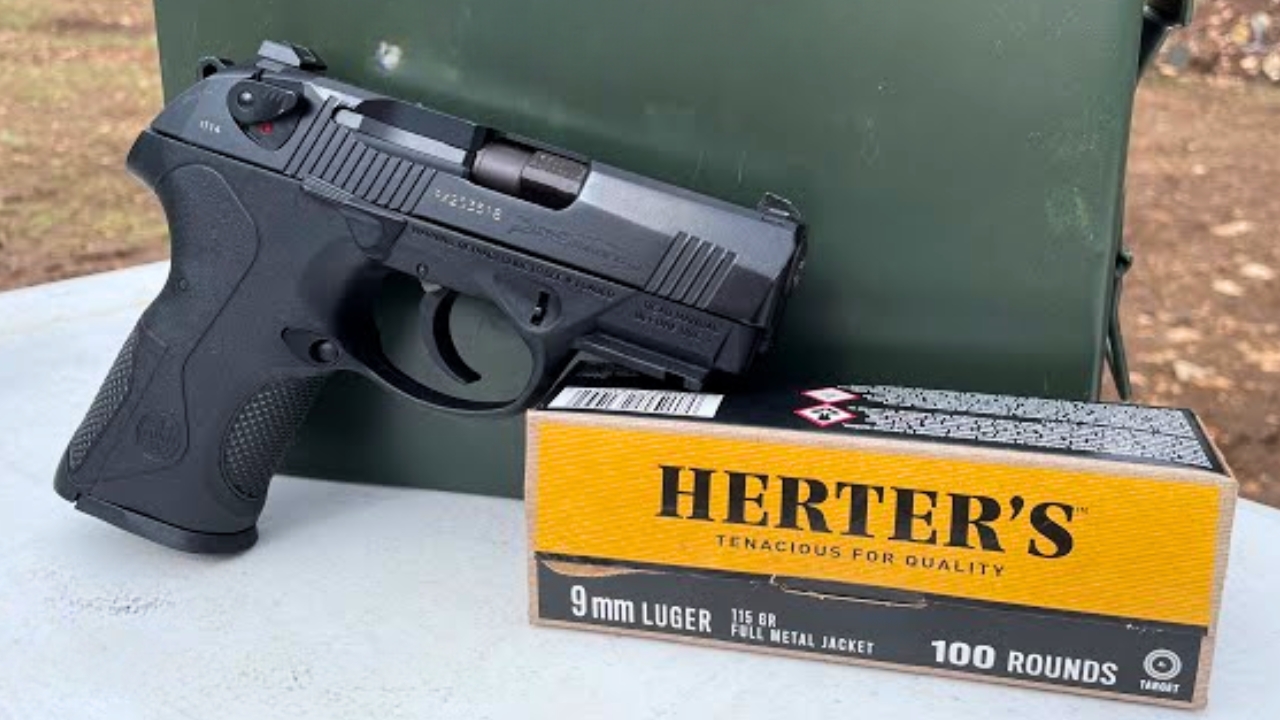
Beretta PX4 Compact

The PX4 Compact is trusted by people who want a carry gun that stays smooth under rapid fire and keeps running in real-world conditions. The rotating barrel system can soften perceived recoil and reduce slide snap, which helps control and follow-up shots. It’s not the most common choice, but it has a loyal base among shooters who have actually lived with one.
The PX4 also rewards a practical approach: good magazines, routine spring replacement when needed, and minimal tinkering. Its controls can feel different if you’re coming from striker guns, so you need reps to build consistency. Once you do, the pistol can be extremely easy to shoot well for a compact. Experienced shooters trust guns that help them perform, not fight. The PX4 Compact often lands in that category.
Walther PDP Compact

The PDP Compact is trusted because it’s easy to shoot well without chasing aftermarket fixes. The ergonomics are solid, the trigger is typically very usable, and the gun encourages good performance in drills. For experienced shooters, that matters because your carry gun should match your training gun as closely as possible in feel and control.
It’s also a pistol that demands responsible setup. Optics, lights, and holsters are fine, but the core reliability usually improves when you keep internals factory and focus on magazines and maintenance. The PDP’s strong point is that it feels like a “full capability” pistol in a size that still conceals. When you can carry it daily and still run it hard on the range, trust follows. Many shooters end up carrying what they shoot best, and the PDP Compact tends to shoot well.
Springfield Armory Hellcat

The Hellcat is trusted because it’s a high-capacity micro that’s easy to conceal and still capable when you train. It carries comfortably, fits in a lot of holster options, and gives you enough grip and sight system to run real drills. Experienced shooters who pick a micro gun tend to pick one they can actually control, not only one that disappears.
The hard truth is micro guns magnify mistakes. Grip, trigger press, and recoil control have to be consistent or your hits fall apart fast. The Hellcat can be shot very well, but it asks you to practice. Most experienced carriers keep the setup practical—reliable magazines, proven carry ammo, and a holster that supports a strong draw. It’s trusted because it’s easy to carry every day and capable enough to justify the effort.
FN 509 Compact

The FN 509 Compact is trusted because it’s built around duty-style reliability in a carry-friendly size. It’s a pistol that tends to handle high round counts without becoming finicky, and the overall feel is closer to a service gun than a delicate concealment piece. That matters to experienced shooters who train hard and want their carry gun to keep up.
It’s not the smallest compact available, but that’s part of the appeal. The grip gives you control, recoil stays predictable, and the gun is easier to shoot well than many thinner micros. Keep it maintained, run quality magazines, and it generally stays consistent. Experienced shooters often trust what they’ve seen survive classes, repetition, and imperfect conditions. The 509 Compact has earned that kind of confidence for a lot of people.
SIG Sauer P229
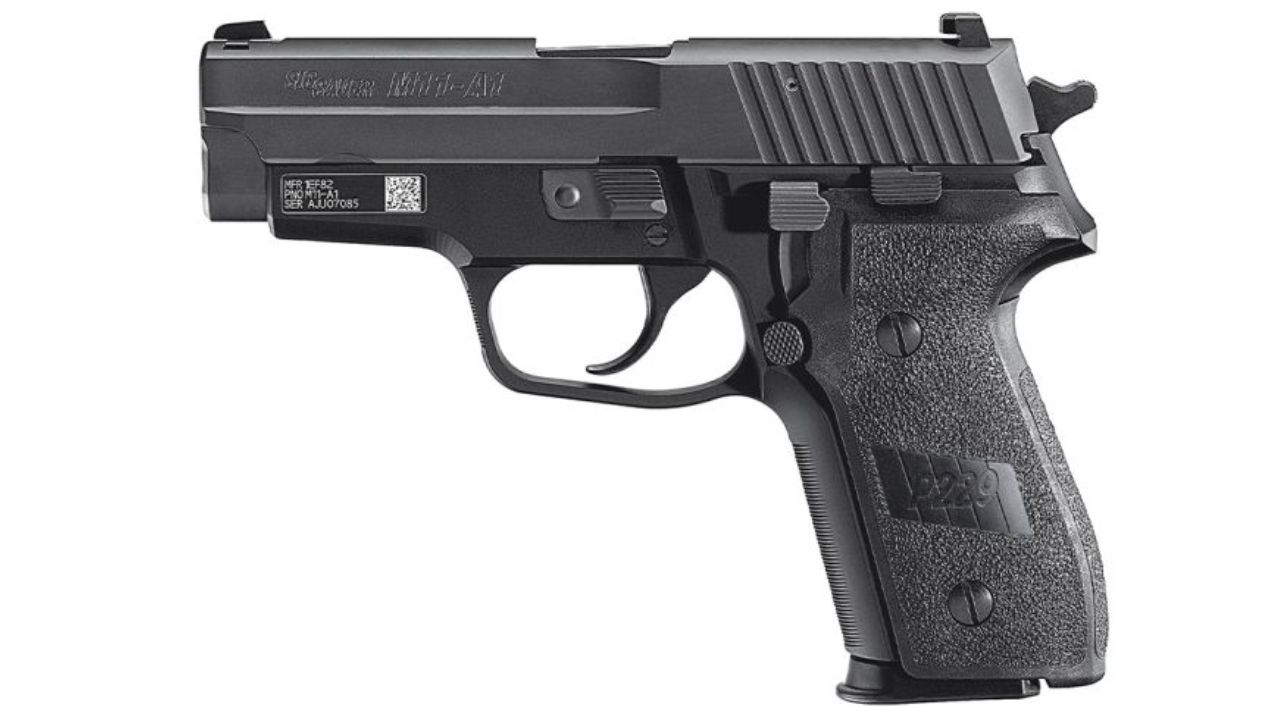
The P229 is trusted because it’s a proven service pistol that carries well enough with the right belt and holster, and it shoots extremely well when you do your part. The weight helps control, the slide cycles predictably, and the gun has a long history in professional use. Experienced shooters often trust guns that feel steady and repeatable under speed, and the P229 tends to deliver that.
The tradeoff is bulk compared to modern micros and slim compacts. You carry it because you want shootability and durability, not because you’re chasing the smallest footprint. The DA/SA system also requires training to master, especially that first shot. The shooters who stick with the P229 are usually the ones who’ve put in the work and value a pistol that stays consistent across years of use.
Ruger LCP Max

The LCP Max is trusted in a specific role: deep concealment when anything bigger is hard to carry. It’s small enough to disappear in pockets and lightweight enough that it doesn’t become a chore. Experienced shooters like having an option that truly fits low-profile carry, while still offering better capability than many older pocket pistols.
It’s still a pocket gun, and pocket guns are harder to shoot well. The grip is short, recoil is sharp for the size, and sight picture is limited. That’s why the shooters who trust it keep expectations realistic and practice accordingly. They use a proper pocket holster, they run enough rounds to confirm reliability, and they focus on close-range speed and accuracy. The LCP Max earns trust when it’s treated as a specialized tool, not a primary pistol pretending to be full-size.
Like The Avid Outdoorsman’s content? Subscribe to our newsletter so you never miss an article.
Here’s more from us: