Photo credit: SIG SAUER, Inc/YouTube
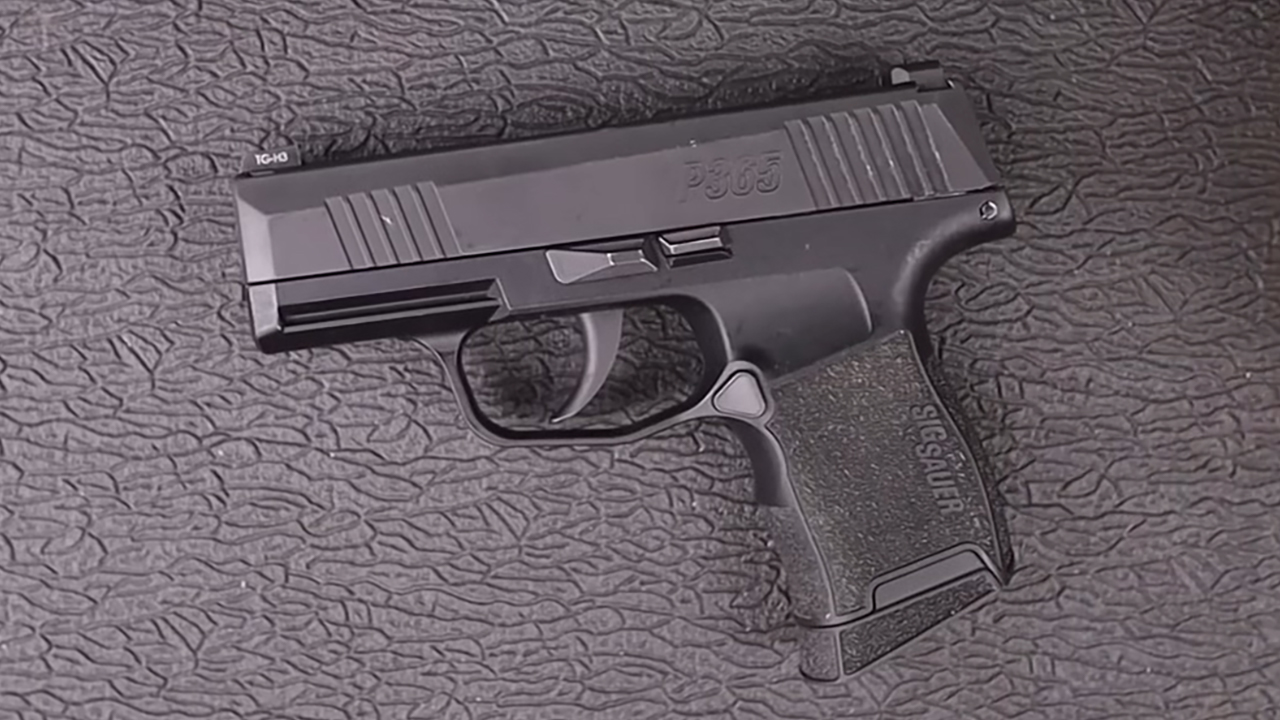
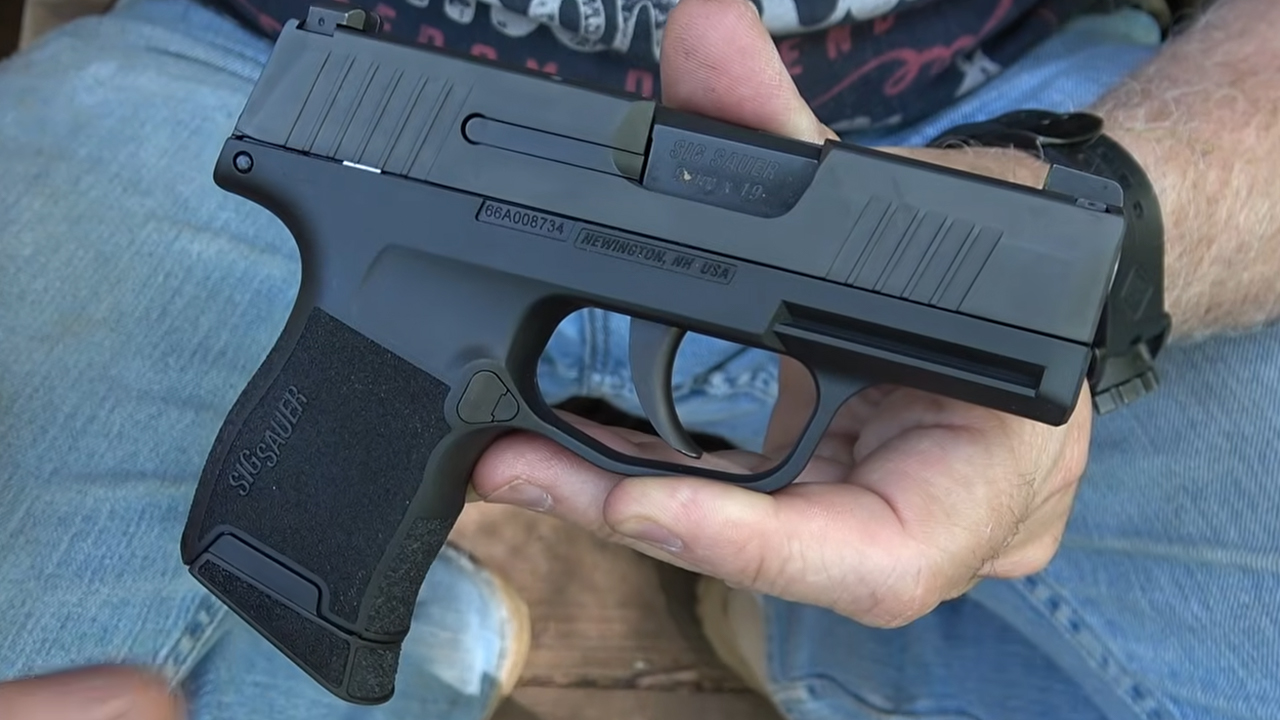
The SIG P365 did not just give shooters another small 9mm to argue about. It changed what people expected from a carry pistol. Before it came along, a lot of tiny 9mm handguns were easy to hide but hard to shoot well, and most of them gave you single-stack capacity that felt limited the second you compared them to larger guns.
Then the P365 showed up with a 10-round flush-fit magazine in a pistol that was still extremely small. SIG described the original pistol as using a narrow-neck, modified double-stack magazine that held 10 rounds in both flush-fit and extended versions, plus one in the chamber. That was the part that changed the market. It made a lot of older carry-gun compromises feel outdated almost overnight.
1. It Made 10+1 Feel Normal in a Micro-Compact

Before the P365, a lot of tiny 9mm carry pistols were sitting around six, seven, or maybe eight rounds depending on the model and magazine. That was accepted because shooters were used to trading capacity for concealment. If you wanted more rounds, you usually had to carry a larger gun.
The P365 reset that expectation. It made 10+1 feel normal in a gun that still carried like a true micro-compact. Once shooters got used to that, older single-stack pistols started looking a lot less attractive. The P365 did not make them useless, but it made buyers ask harder questions before accepting lower capacity.
2. It Forced Other Gun Companies to Respond

The P365 did not stay alone for long. Once shooters saw that a tiny 9mm could carry more rounds without becoming bulky, competitors had to answer. The high-capacity micro-compact category got crowded fast because the market had clearly moved.
That is one of the clearest signs the P365 changed concealed carry. It did not simply sell well. It shifted the baseline. After the P365, gun companies could not show up with another low-capacity slim 9mm and expect everyone to get excited. Buyers wanted more rounds, better sights, better triggers, and better shootability in the same carry-friendly size.
3. It Made Magazine Design the Main Story

A lot of shooters focus on barrels, triggers, sights, and grip texture, but the P365’s biggest breakthrough was the magazine. SIG called it a narrow-neck, modified double-stack design, and that is what allowed the pistol to stay slim while holding 10 rounds in the flush magazine.
That changed how people judged small pistols. Suddenly, magazine geometry became part of the conversation. Shooters started paying attention to how much capacity a company could fit into a small grip without making the gun feel chunky. The P365 made the magazine more than a spare part. It made it the reason the whole platform worked.
4. It Proved Small Guns Could Be More Shootable
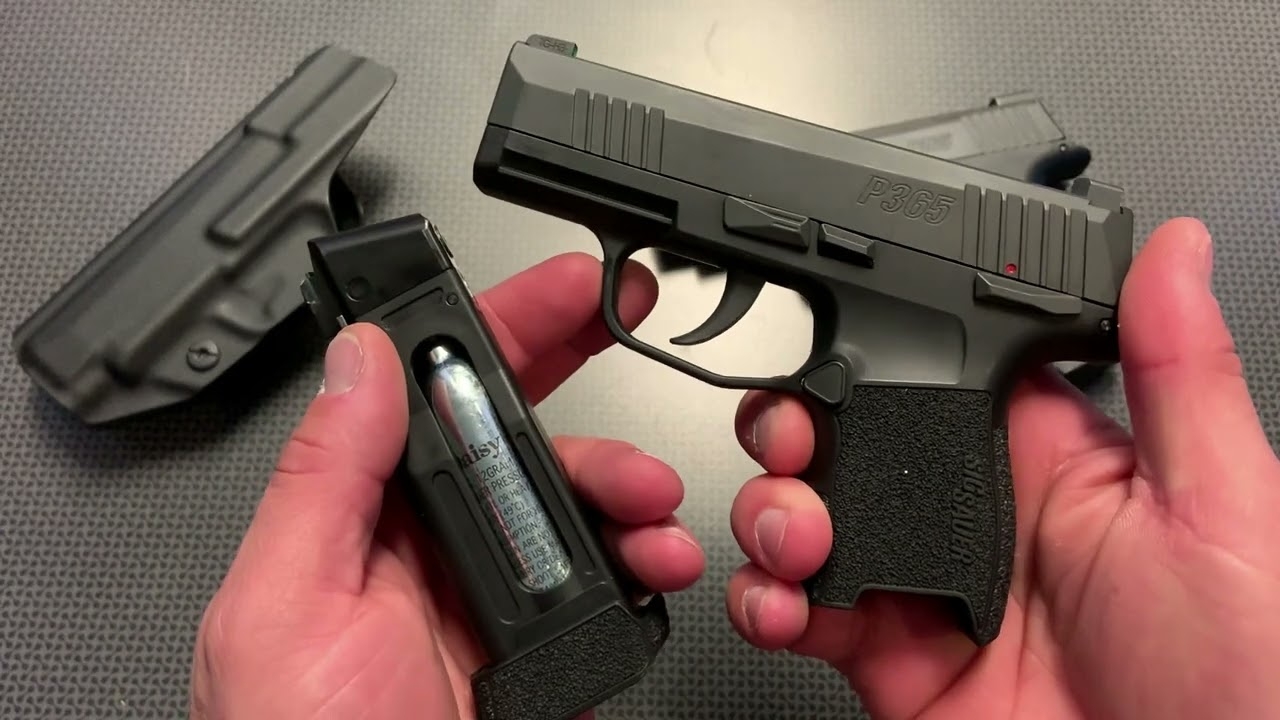
Tiny pistols have always been easy to carry, but plenty of them are not fun to shoot. They can feel sharp, cramped, and unforgiving. The P365 did not erase those realities, but it proved a very small pistol could still be manageable enough for real practice.
That mattered because a carry gun should not be something people dread taking to the range. The P365’s grip shape, trigger, sights, and capacity gave shooters a small gun they were more likely to train with. It still takes good fundamentals, but it made the “small gun equals miserable gun” idea harder to defend.
5. It Put Real Sights on a Tiny Carry Gun
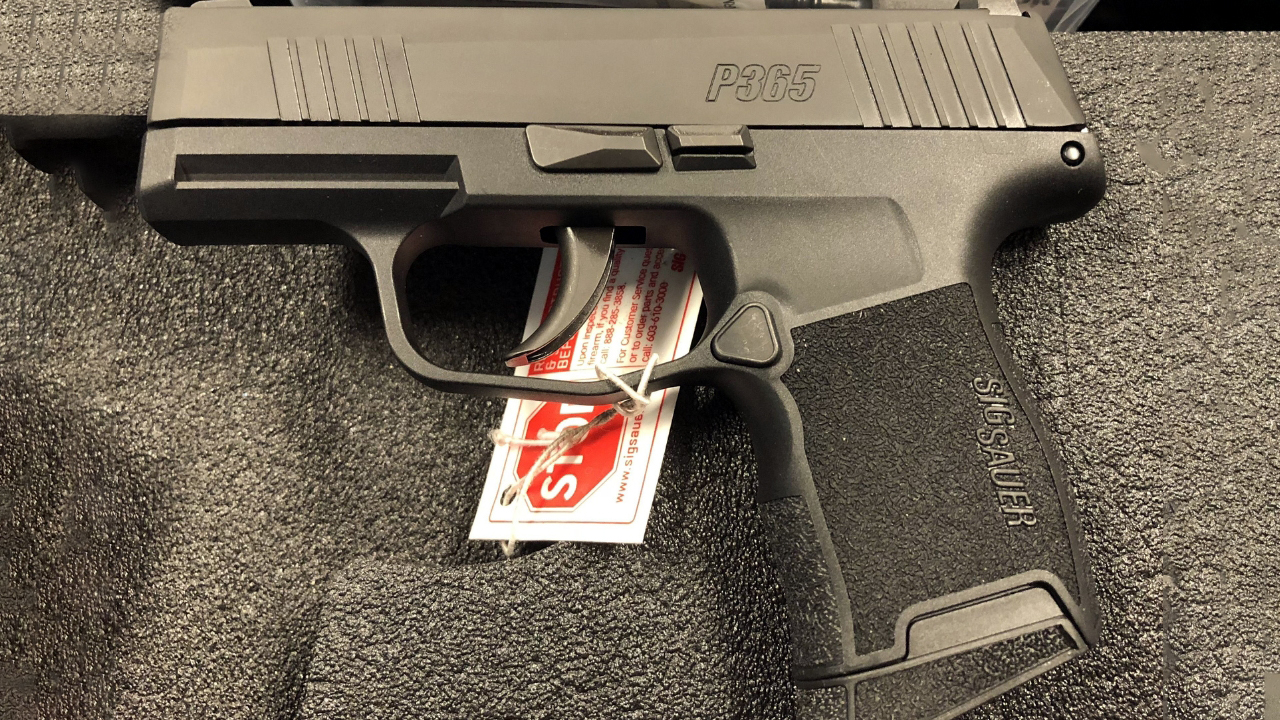
For years, some small carry guns shipped with sights that felt like an afterthought. They were tiny, vague, or clearly built around snag-free pocket carry rather than serious shooting. The P365 helped raise expectations there, too. SIG’s P365 lineup is known for coming with XRAY3 day/night sights on core models, which gave buyers a better setup from the start.
That mattered because sights are not decorative. A carry pistol needs to be aimed under stress, in imperfect light, and at realistic distances. The P365 helped normalize the idea that a small gun should still have useful sights. After that, cheap placeholder sights became harder to excuse.
6. It Made the Old Single-Stack 9mm Feel Dated

The P365 did not kill the single-stack 9mm, but it absolutely wounded its appeal. Before the P365, guns like that made sense because they were thin, simple, and easy to conceal. After the P365, buyers started asking why they should accept similar size with fewer rounds.
That was a major shift. A lot of people still like single-stack pistols because they can feel slimmer in the hand or carry very comfortably. But the value equation changed. Once a shooter could get 10+1 in a gun that still hid well, the older six- and seven-round carry guns had to compete on feel, price, reliability, or brand loyalty instead of just size.
7. It Helped Turn Carry Guns Into Platforms

The original P365 was important, but the family that followed may be even more important. SIG expanded the line into different sizes, grip lengths, slide lengths, optics-ready versions, compensated models, and higher-capacity variants. SIG’s current P365 family is described as covering 10+1 through 21+1 capacity, depending on model and magazine setup.
That changed how people thought about concealed carry pistols. The gun was no longer one fixed object. It became a platform. Shooters could choose a tiny version, a slightly larger version, an optics-ready version, or a higher-capacity version while staying within the same general system. That kind of modular carry family became a bigger expectation after the P365 took off.
8. It Made the Fire Control Unit Matter More

One of SIG’s biggest advantages with the P365 family is the serialized fire control unit concept. Instead of treating the frame as the permanent core of the gun, the system allows grip modules and configurations to become part of the platform’s flexibility. That gave shooters and aftermarket companies a lot more room to play.
That matters because concealed carry is personal. Grip size, texture, beavertail shape, magazine fit, and overall feel can change how a pistol works for one person. The P365 helped push the idea that a carry gun could be tailored more easily without buying an entirely different pistol every time.
9. It Made Higher-Capacity Carry Feel Less Bulky

The P365 X-Macro pushed the idea even further. SIG describes the P365-XMACRO family as packing 17+1 capacity into the thin P365 profile. That is full-size pistol capacity in a gun meant for concealed carry, and it shows how far the platform stretched after the original model reset expectations.
That does not mean the X-Macro carries like the original P365. It is a bigger pistol and needs to be judged honestly. But it continued the same theme: more capacity without the old level of bulk. The P365 line helped make shooters expect better capacity across the whole concealed carry category, not just in the smallest gun.
10. It Pushed Optics-Ready Carry Guns Forward
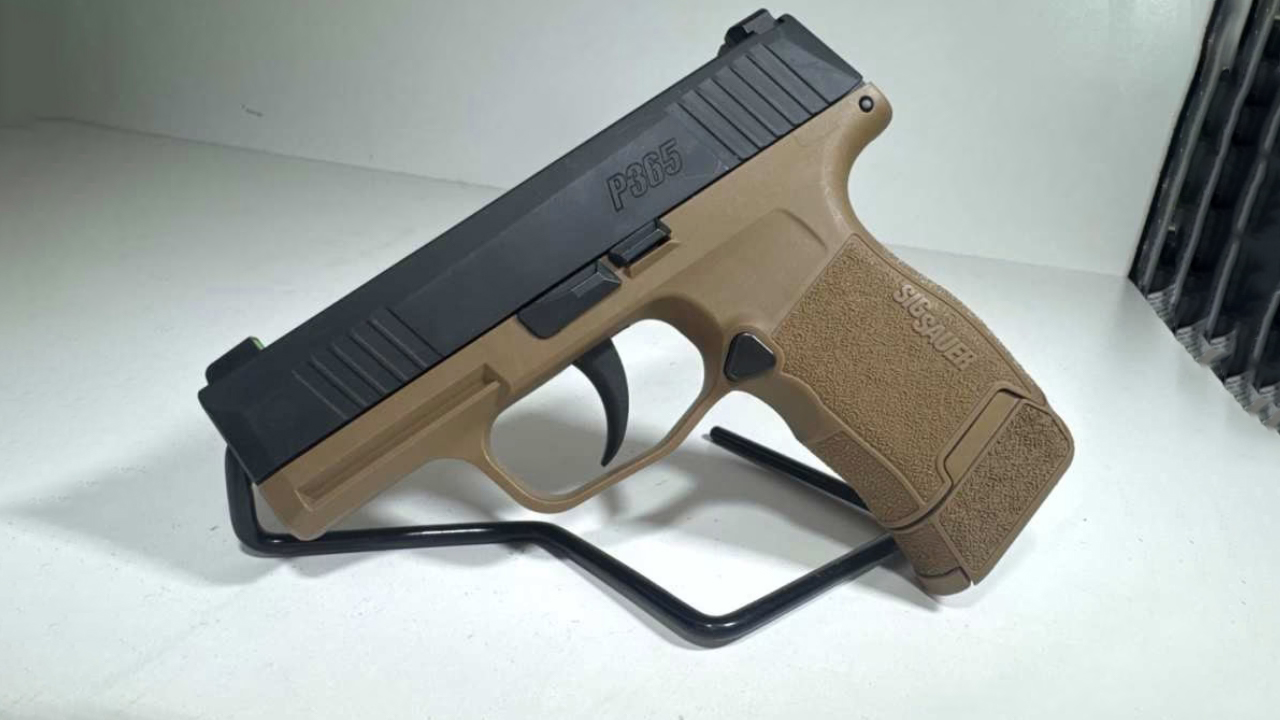
The P365 arrived right before carry optics really exploded for everyday users. As the market shifted, SIG kept expanding the line with optics-ready options, and that helped normalize red dots on smaller carry pistols. Once people saw tiny and slim pistols wearing dots, optics stopped feeling like something only duty guns or competition pistols used.
That was a big cultural shift in concealed carry. A red dot on a small pistol used to look odd to a lot of shooters. Now it is common enough that many buyers expect an optics-ready slide from the factory. The P365 family helped push that expectation along by keeping optics in the carry conversation.
11. It Made Comfort and Capability Compete Differently
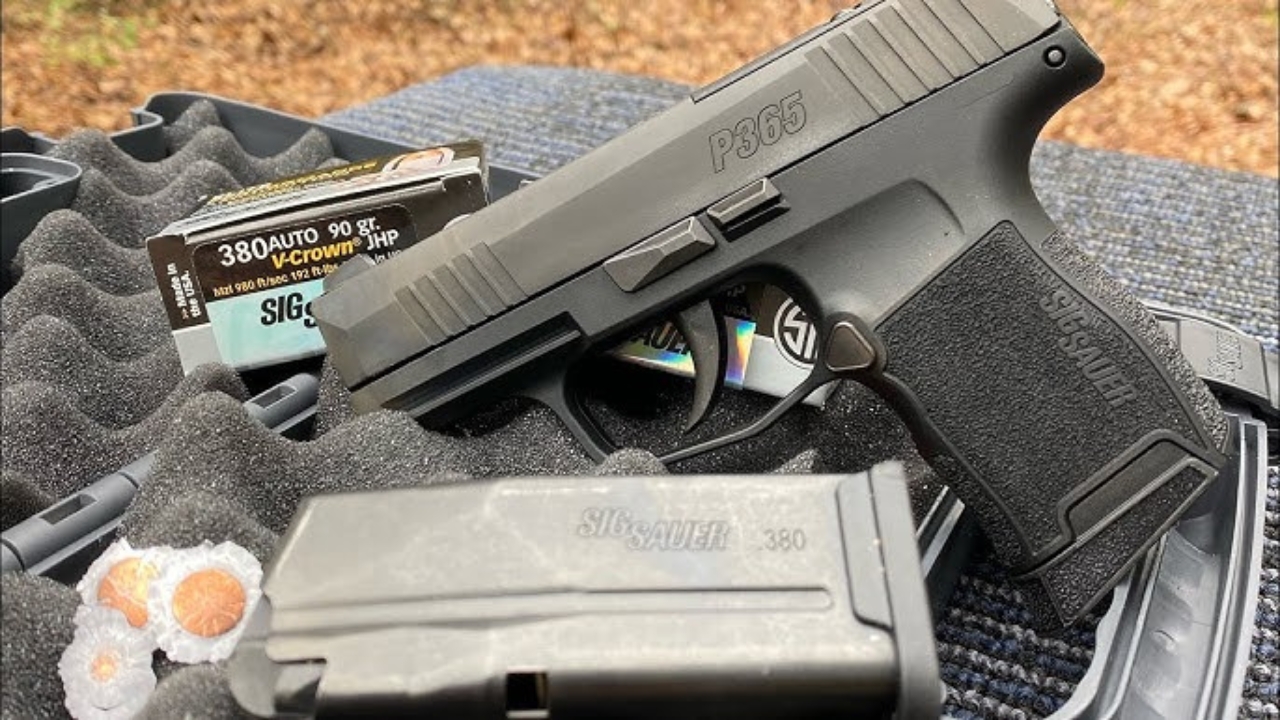
Before the P365, the usual question was simple: do you want comfort or capability? Smaller pistols were easier to carry, while larger pistols were easier to shoot and held more rounds. The P365 narrowed that gap.
It did not eliminate compromise, because every carry gun still has tradeoffs. But it changed the math. Shooters could carry something very small without feeling like they had given up quite as much capability. That made a lot of people rethink what they were willing to carry every day.
12. It Raised Expectations for Factory Carry Guns
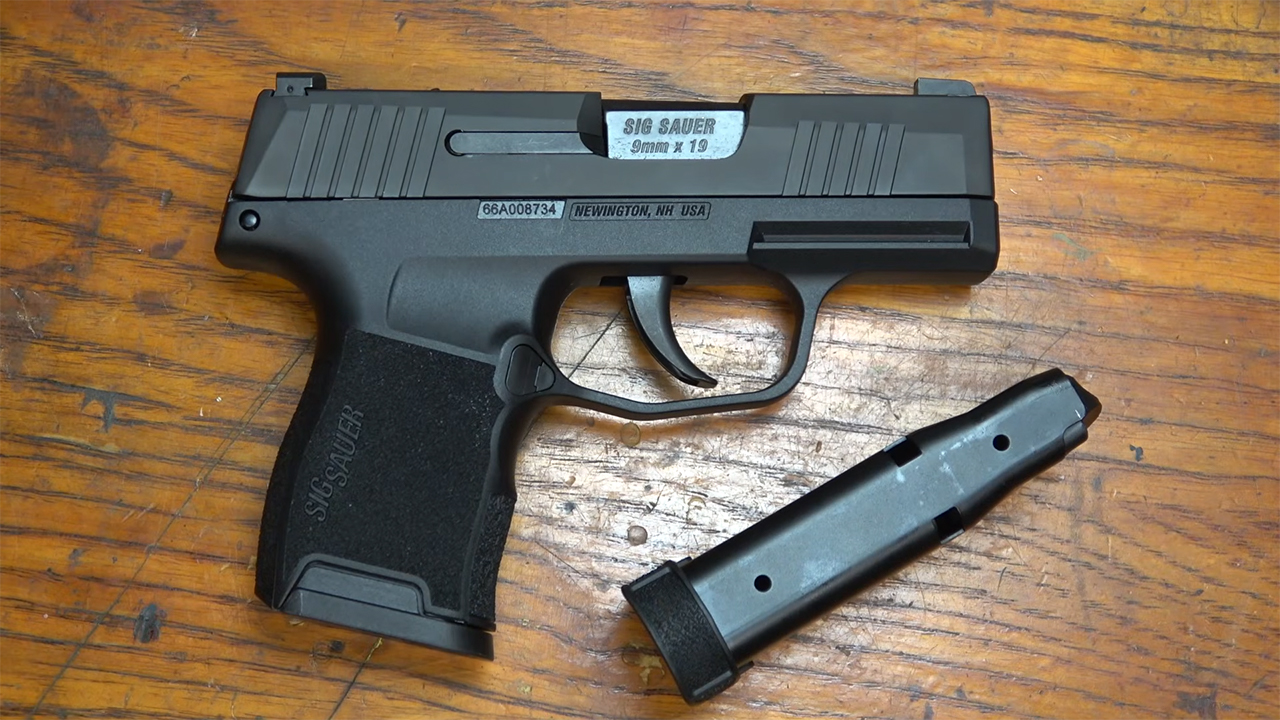
The P365 came out feeling like a serious carry pistol, not a stripped-down little gun that needed three upgrades before it made sense. Capacity, sights, trigger feel, and size were all part of the appeal. SIG’s 2018 launch recap called the P365 smaller and lighter than other pistols in its class and noted its patented modified double-stack magazine and 10+1 capacity, with 12-round magazines available.
That helped raise expectations for factory guns. Buyers started expecting carry pistols to show up ready to work, not half-finished. Better sights, better capacity, optics cuts, better texture, and more usable magazines became part of what people looked for. The P365 helped move the market away from “good enough because it’s small.”
13. It Made Training With a Tiny Gun More Realistic
A gun that is unpleasant to shoot often gets carried more than it gets practiced with. That is a problem. The P365 gave shooters a small gun that many people were willing to run harder in practice. More capacity meant fewer reloads during drills, and better shootability made range sessions less annoying.
That matters in the real world. A carry pistol is only useful if the owner can draw it, fire it accurately, clear problems, and reload it under pressure. The P365 made it more realistic for people to train with the same gun they carried instead of practicing mostly with a larger pistol and hoping the tiny gun would feel close enough.
14. It Changed What New Carriers Asked For
New concealed carriers used to walk into gun shops looking for “something small.” After the P365 changed the market, the question became more specific. People wanted small, but they also wanted capacity, night sights, decent triggers, optic options, and a grip that did not feel like holding a stapler.
That change matters because new buyers drive a lot of the carry market. The P365 helped educate buyers without them even realizing it. It showed them that they did not have to settle for the old compromises. Once that expectation spread, gun counters across the country had to answer different questions.
15. It Redefined the Modern Carry Pistol

The P365 changed concealed carry because it made the old categories feel too simple. It was not a traditional pocket pistol. It was not a classic single-stack. It was not a compact service pistol chopped down a little. It was something different enough that the industry had to make room for a new standard.
That is why the gun still matters. The P365 did not become important because it was perfect. It became important because it shifted the baseline for size, capacity, shootability, and modularity in everyday carry. After the P365, buyers expected more from small guns — and the rest of the market had no choice but to catch up.
Like The Avid Outdoorsman’s content? Be sure to follow us.
Here’s more from us: