Photo credit: logcabinlooms/YouTube
Every few years, the same cartridges start popping up in conversations like they’re about to make a big comeback. Somebody sees a slick social post, a limited run of ammo, or a boutique rifle builder chambering something “classic,” and suddenly the round is “back.” Then you look around in the real world—local shelves, rifle racks, what guys actually carry into the deer woods—and it’s crickets.
Cartridges don’t fail because they’re useless. Most of the “almost returns” are genuinely good rounds with one big problem: they’re stuck between better options. Maybe they’re too expensive, too niche, too hard to find, or they require handloading to shine. Sometimes they’re tied to a rifle that didn’t sell, or they got eclipsed by a newer round that does the same job with better availability.
.250-3000 Savage

The .250 Savage is one of those rounds that gets treated like a secret handshake among old-school deer hunters. It’s flat enough for sane ranges, easy on recoil, and it kills deer clean when you put the bullet where it belongs. Every time someone rediscovers it, you’ll hear the same line: “This one deserves to come back.”
The problem is it already has a modern replacement in most people’s minds. The .243 Winchester and 6mm Creedmoor dominate the “light recoil, deer-capable” slot, and they do it with far better ammo and rifle availability. The .250 Savage survives in nostalgia, handloading circles, and the occasional limited run. It never fully returns because the mainstream market has moved on.
.257 Roberts

The .257 Roberts has a loyal following because it’s a sweet spot—mild recoil, excellent deer performance, and a reputation for accuracy in rifles that like it. Every so often, you’ll see a manufacturer run a small batch and the internet starts buzzing like the Roberts is about to reclaim its throne.
Then reality hits. The .25-06 and .243 already cover most of its hunting roles, and modern 6.5 options stole a lot of mindshare too. Factory ammo is often limited, and it’s not always sitting on shelves in small-town America. The Roberts keeps “coming back” in conversation because it deserves respect. It doesn’t come back in the market because it’s stuck as a handloader’s round in a world that buys what’s easy.
.264 Winchester Magnum

On paper, the .264 Win. Mag. looks like it should be a star: fast 6.5 bullets, flat trajectory, real reach, and enough energy for serious game. It also has history and mystique, which is usually the perfect recipe for a comeback story. People talk about it like it was ahead of its time.
But it runs into two problems. First, the 6.5 Creedmoor and 6.5 PRC now own the modern 6.5 conversation. Second, the .264 has a reputation for being hard on barrels when pushed, and it often lives in older rifles with limited bullet and twist compatibility compared to modern designs. It’s not a bad cartridge. It’s an inconvenient one, and convenience wins.
.284 Winchester

The .284 Winchester is a legitimately smart design—short action capable, efficient, and capable of excellent performance with the right bullets. It’s also tied into some real competitive shooting history, which fuels the constant “it’s coming back” chatter. You’ll see custom builds and boutique runs that make it look like the revival is already happening.
For the average shooter, though, the .284 sits in a weird space. 7mm-08 is easier and widely available. 7mm Rem. Mag. is everywhere. And newer 7mm short mags and modern 7 PRC-style thinking eat up the “serious 7mm” market. The .284 can shine, but it often shines best for handloaders and custom rifle guys. That’s not a big enough crowd to bring it back for real.
.260 Remington

The .260 Remington should have been unstoppable. It’s accurate, efficient, easy to shoot well, and it makes a ton of sense for deer and steel alike. People still bring it up with a little bitterness, because it feels like the round that got robbed by timing.
The issue is that the 6.5 Creedmoor beat it at the marketing game and locked down rifle and ammo support. The .260 didn’t die because it was inferior. It lost because it wasn’t pushed hard enough by manufacturers and it never became “standard” on shelves the way Creedmoor did. You still see .260 in the hands of people who know what they’re doing, but it’s not staging a comeback. It’s living as the cartridge everyone respects and few people buy.
7mm WSM

Every few seasons, someone declares the short magnums are back, and the 7mm WSM is usually part of that speech. It offers strong performance in a shorter action, it can push modern bullets well, and it’s a serious hunting round when you feed it right. On performance alone, it has everything it needs.
Support is what holds it back. Rifles chambered for it aren’t common, and factory ammo isn’t something you expect to find everywhere. Hunters also have “magnum fatigue” now that standard cartridges and modern bullets do so much better than they used to. When guys want a 7mm today, they tend to grab what’s available and supported. The 7mm WSM gets talked about like a sleeper hit, but the market treats it like a limited release.
.325 WSM

The .325 WSM is one of those rounds that hunters bring up with real excitement, then admit they haven’t seen a box of ammo for it in years. It’s a hard-hitting .32-caliber option that can do excellent work on elk and moose, and it fits into handy rifles. It’s not a gimmick cartridge. It’s a practical one.
The problem is that it never found a broad base. Most hunters who want this kind of performance either stick with the .30 calibers they already trust or jump to established heavy hitters like .338 Win. Mag. or .35 Whelen. Without wide rifle support and reliable shelf ammo, it stays stuck in “cool idea” territory. The .325 WSM keeps getting “rediscovered,” but rediscovery isn’t the same as a comeback.
.338 Federal

The .338 Federal makes so much sense that it’s almost frustrating. It’s a .308-based cartridge that hits harder at close-to-mid ranges, works great in short actions, and is excellent for timber elk and big-bodied deer. It’s the kind of cartridge that should be a mainstream favorite in places where shots are close and animals are tough.
But it never gets shelf space. The .308 and .30-06 dominate the practical world, and the 6.5 wave pulled attention away from medium bores. Ammo selection tends to be limited, and rifles chambered for it come and go in small runs. The .338 Federal doesn’t lack performance—it lacks momentum. People talk about it like it’s about to return every fall, then they buy what’s easy to find.
.35 Whelen
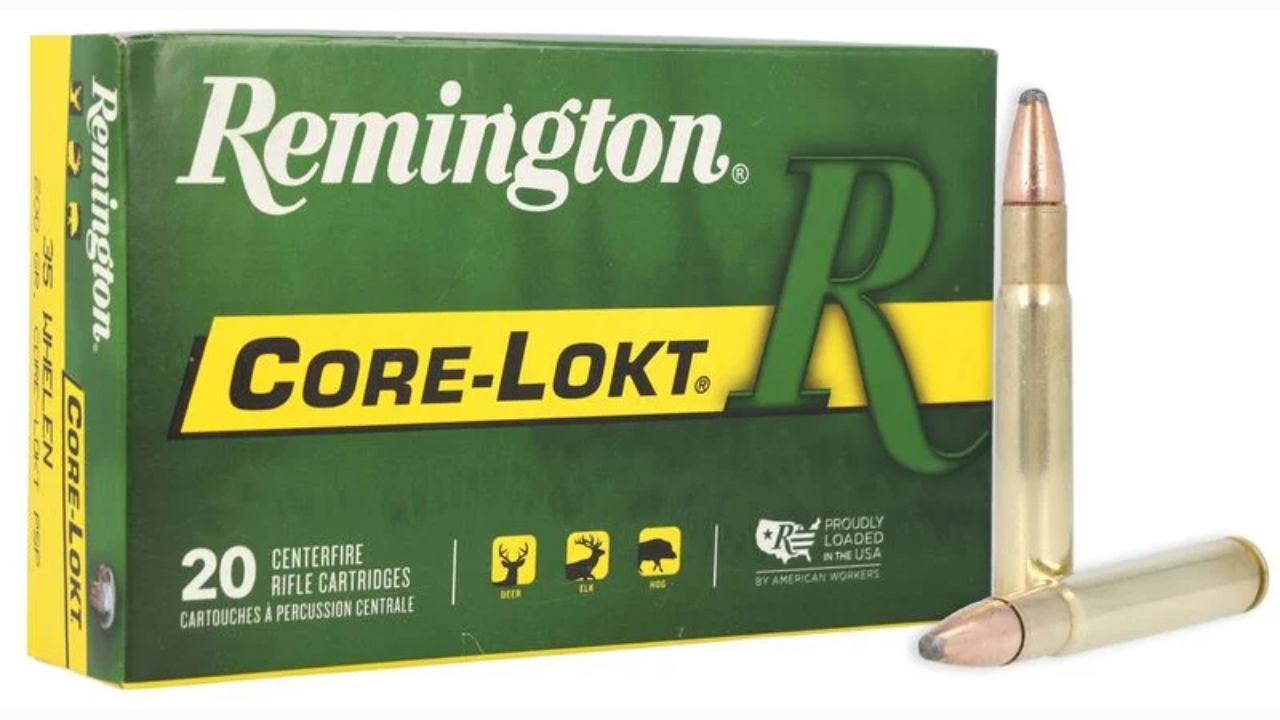
The .35 Whelen is one of the best “woods elk” and “big deer in brush” cartridges ever built, and it has enough real history that it feels like it should be a constant presence. Every time lever guns and big-bore talk trend upward, the Whelen gets pulled into the conversation as the sensible choice.
The issue is that it’s never fully mainstream. It shows up in certain rifles, often in limited production, and ammo availability can be patchy depending on where you live. A lot of hunters also default to .30-06 because it does most of what they need with easier logistics. The .35 Whelen doesn’t disappear because it’s bad. It disappears because it’s a “know what you’re doing” cartridge in a world that buys convenience.
.348 Winchester
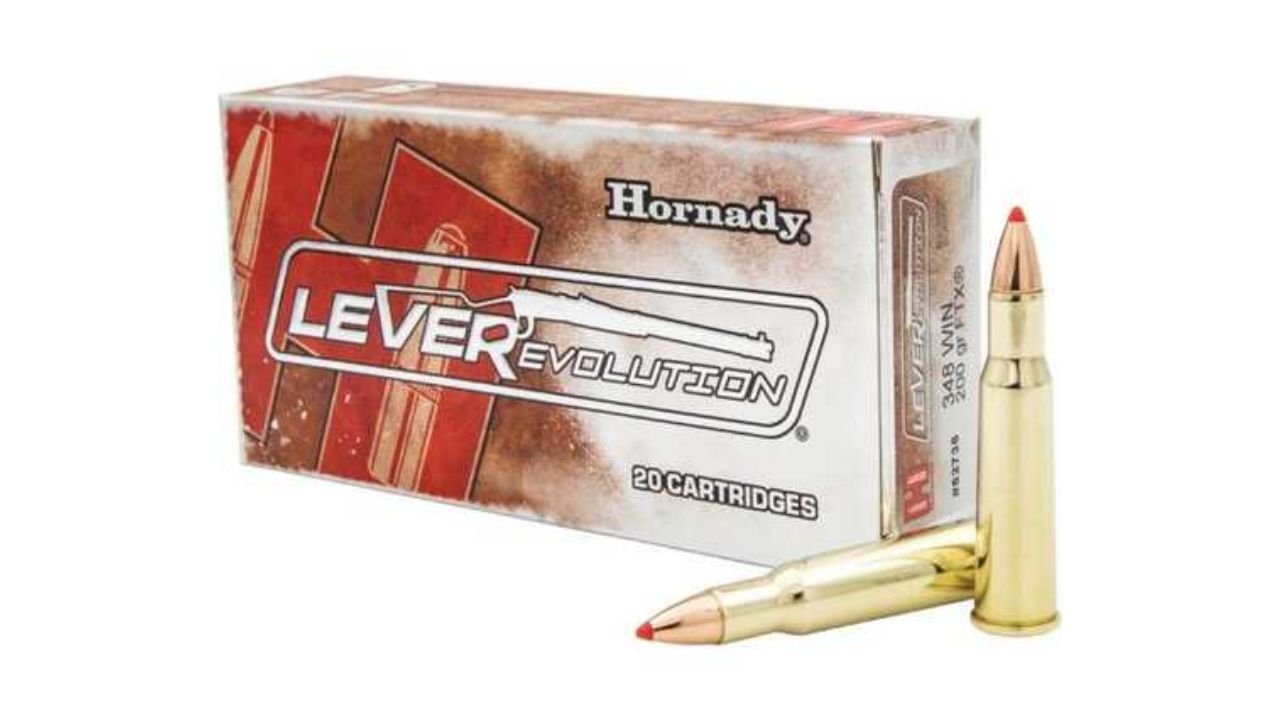
Mention .348 Winchester and you’ll see eyes light up—usually from guys who love classic lever guns and old-school big-game history. It’s tied closely to the Winchester Model 71, and that connection makes it feel legendary. That legend fuels the “it’s coming back” talk whenever vintage rifles trend.
The reality is harsh: rifle availability is limited, ammo can be expensive, and the cartridge is essentially married to a niche collector/hunter market. You’re not casually walking into a shop and choosing between five different .348 rifles. If you shoot it, you’re either committed to finding ammo, committed to loading, or committed to paying. It’s a cool cartridge that stays cool precisely because it never becomes common again.
.356 Winchester
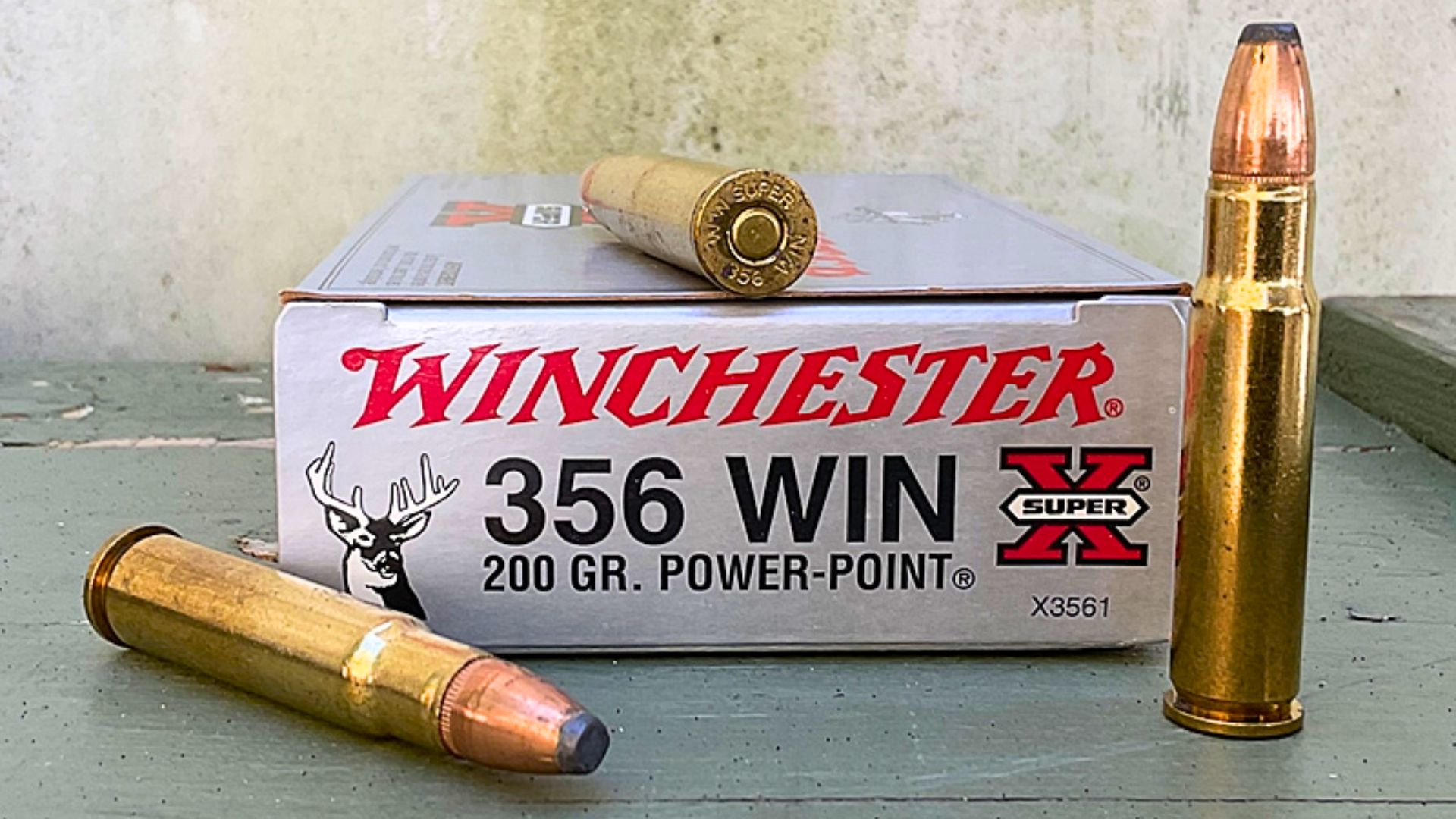
The .356 Winchester is another lever-gun cartridge that keeps getting “revived” in conversation, usually by hunters who want big thump in a compact rifle. It can be an excellent deer and bear round, and it fits the kind of hunting a lot of people actually do—close, quick shots in timber.
But it’s tied to limited rifle options and limited ammunition availability. The .35 Remington already owns a chunk of that lever-gun space, and .45-70 sits there like a heavyweight champ that won’t leave the ring. The .356 is stuck between “not common enough” and “not different enough” for the broader market. It’s the kind of round you love if you already love it. It rarely recruits new fans in big numbers.
.300 Savage

The .300 Savage is an honest cartridge with real deer-hunting history, and it still works great for what it was built to do. Every so often you’ll see talk about it returning because people are nostalgic for classic rifles like the Savage 99. The cartridge itself isn’t the problem. It’s efficient, capable, and pleasant to shoot.
The problem is that .308 Winchester took its lunch decades ago. The .308 offers similar performance with far broader rifle and ammo support, and it’s embedded in the culture of shooting now. The .300 Savage remains tied to older rifles and collectors, and that limits the “comeback” potential. It will always have respect. It just won’t have market dominance again.
.32 Winchester Special

The .32 Special shows up in the same breath as classic deer camps and lever guns with worn bluing and smooth actions. People talk about it like it’s a hidden upgrade over .30-30, and that conversation never fully dies. It’s an old round with enough charm to keep getting brought up.
But it’s hard for it to “come back” when most buyers want ammo they can find anywhere and rifles that are currently produced in volume. .30-30 still dominates that world, and modern options have pulled attention away from niche lever cartridges. The .32 Special hangs on because of old rifles and nostalgia, not because new shooters are demanding it. It’s always “returning” on forums, but it doesn’t return on store shelves.
6.5×55 Swedish Mauser

The 6.5×55 has a cult following for good reason. It’s accurate, mild, and it kills deer-sized game cleanly with good bullets. Every time the 6.5 conversation heats up, someone brings up the Swede like it’s the original blueprint and says it deserves a true comeback.
The issue is that it never fully left for the people who already own it, but it also never becomes a mainstream buy for new shooters. Modern 6.5 rifles and ammo are everywhere, and the Swede often lives in older rifles with varying chamber dimensions and pressure considerations. That makes mass-market ammo conservative, and it makes the cartridge feel less “plug and play” than Creedmoor. It doesn’t need a comeback. It needs new rifle support, and that’s always limited.
.22 Hornet

The .22 Hornet gets “revived” every time varmint hunting gets romantic again. It’s quiet compared to bigger centerfires, easy on recoil, and it’s fun in classic rifles. People talk about it like the perfect small-game and pest round that should be sitting next to .223 on every shelf.
Then you try to buy it. Ammo can be pricey and inconsistent across brands, and the cartridge sits in an awkward spot between rimfires and .223. A lot of shooters decide it’s easier to run a .22 WMR for close work or jump to .223 for everything else. The Hornet still has a place, especially for handloaders and for folks who love the old-school vibe. But it’s not truly “coming back” as a mainstream staple.
Like The Avid Outdoorsman’s content? Subscribe to our newsletter so you never miss an article.
Here’s more from us: