Photo credit: harley45acp/YouTube
If you hang around gun counters long enough, you start hearing the same line: “Mine runs flawless.” Sometimes that’s true. A lot of the time, it means the owner’s definition of “flawless” is forgiving, the round count is low, or the problems get blamed on ammo, mags, or the shooter. The truth is most modern guns will run well when you feed them decent ammo, keep the mags healthy, and don’t bolt a pile of aftermarket parts onto them.
This list isn’t about dunking on anyone’s favorite brand. It’s about the guns and platforms that tend to stack small reliability variables—magazine design, tight timing, finicky ammo, or user-induced issues—until you’re clearing stoppages more than you expected. If you’ve owned any of these, you already know how the excuses sound.
SIG Sauer Mosquito
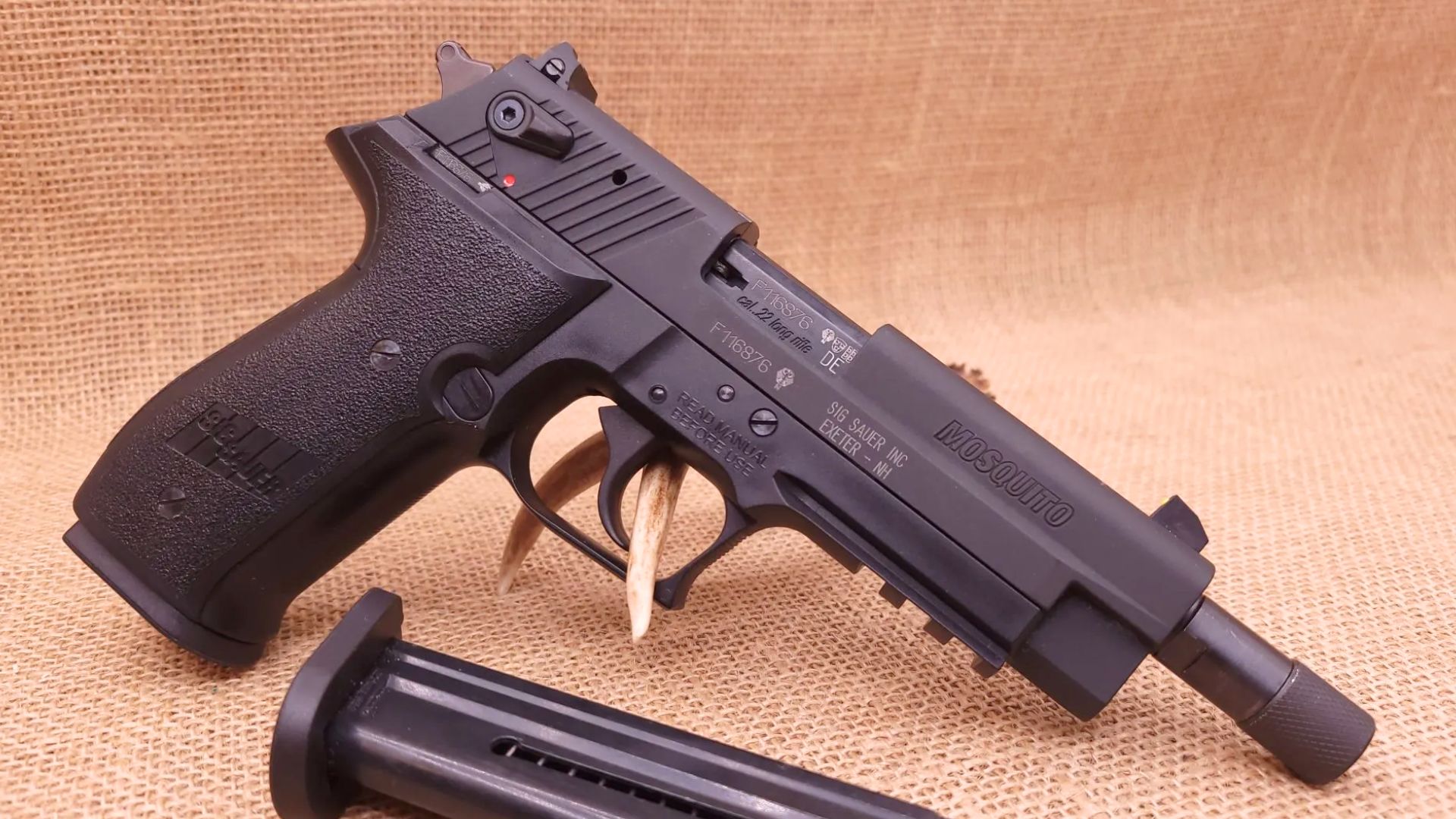
The Mosquito has a long-running reputation for being picky, and a lot of owners quietly learn to live around it. You’ll see failures to feed, failures to eject, and inconsistent cycling that changes with ammo brand, bullet shape, and even how clean the gun is.
What makes it sneaky is that many people treat those problems like they’re “normal .22 stuff,” then stop counting malfunctions as malfunctions. You end up with a pistol that runs “fine” as long as you baby it—hot ammo, clean chamber, the right recoil spring, and no weak magazines. If your goal is relaxed range time, the Mosquito often turns into a troubleshooting project you didn’t ask for.
Walther P22

The P22 is another rimfire that can make you work for reliability. It’s compact, light, and fun when it’s running, but it can also be sensitive to ammo power, chamber fouling, and magazine condition. Failures to feed and stovepipes aren’t rare when anything is slightly off.
Owners often defend it because it feels great in the hand and looks the part, and they’ll swear it “likes” a certain load. That may be true, but a gun that only runs with one brand of ammo and a freshly scrubbed chamber is not a carefree trainer. If you want a .22 you can shoot all afternoon without thinking, the P22 can leave you doing more clearing than shooting.
Kimber Ultra Carry II
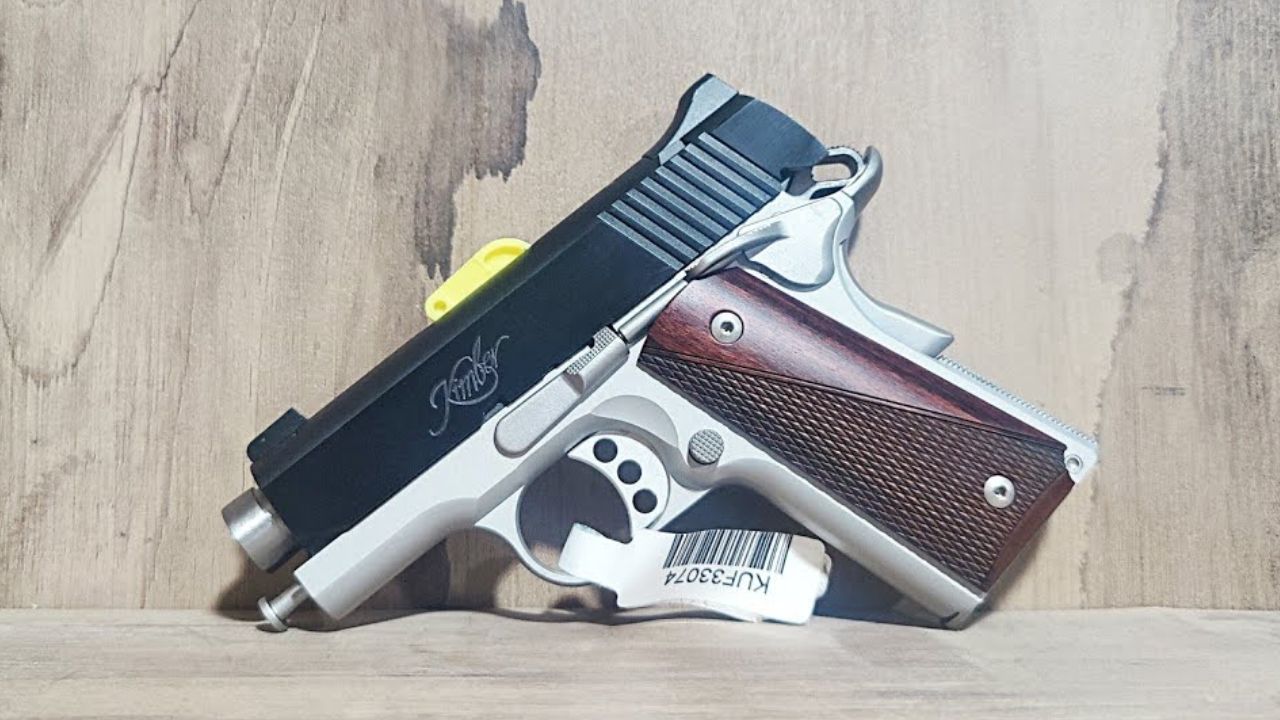
Short 1911s can run, but they live on tighter timing than a full-size gun. The Ultra Carry II often shows how little margin a 3-inch 1911 has when magazines, recoil springs, extractors, and ammo aren’t all cooperating. A minor change that a Government model shrugs off can turn into a stoppage in the compact gun.
The malfunctions get explained away as a “break-in period” or “needs to run wet,” and sometimes those statements hide the bigger point: you’re managing a system, not a forgiving pistol. If you don’t stay on top of recoil spring intervals, use proven magazines, and pick ammo that feeds smoothly, the gun can make you earn every clean mag.
Springfield Armory EMP

The EMP is a clever design, but it’s still a compact 1911-pattern pistol with the same basic reality: small changes matter. Feed geometry, magazine health, extractor tension, and recoil spring strength can all show up as failures to return to battery or intermittent feeding problems.
Owners often talk about how good it feels and how well it carries, and that part is real. The part that gets minimized is how quickly a compact 1911 can drift out of its happy zone if you neglect springs or run questionable mags. When it’s tuned and maintained, it can be excellent. When it isn’t, it can turn practice into a string of “one-off” issues that never seem to repeat until they do.
SIG Sauer P365

The P365 is a standout carry gun, but micro-compacts squeeze a lot into a small package. The magazines are doing serious work, and when mags get tired, dirty, or slightly out of spec, the gun can start showing it through nose-dives, sluggish feeding, or a first-round hang-up that feels random.
What owners don’t always admit is how much their reliability story depends on magazine rotation and honest testing. A P365 can run hard, but it doesn’t excuse beat-up mags, cheap practice ammo that’s weak, or repeated chambering of the same round until setback becomes a concern. If you treat it like a duty-size pistol and ignore the micro-compact realities, it will eventually remind you it’s a small gun.
Springfield Armory Hellcat

Like the P365, the Hellcat’s capacity comes from compact magazines that operate with tight tolerances. When everything is fresh, it runs well. When magazines get dirty, springs age, or the gun is fed a steady diet of underpowered practice loads, you can see failures to feed that seem to pop up without warning.
A lot of owners chalk it up to “micro 9s being micro 9s,” then stop treating it as a solvable issue. The fix usually lives in magazines and maintenance: mark your mags, keep them clean, and verify the ones you carry. The Hellcat is capable, but it asks you to be more disciplined than many people are with a gun that small and that high in capacity.
Glock 43X with aftermarket high-capacity magazines

A 43X with factory magazines is typically a steady performer. The trouble begins when you chase higher capacity with aftermarket mags and then treat the setup like it’s factory-level proven. Feed lips, spring rates, and follower geometry matter, and long-term loaded storage can reveal which mags are borderline.
Owners often defend the gun instead of admitting the magazine choice is the variable. You’ll hear “it hates this ammo” or “it needs to break in,” when the real pattern is a specific mag causing specific failures. If you want a 43X that stays boring, you need magazines you’ve thoroughly vetted. If you don’t, you can end up clearing stoppages while telling yourself it was a fluke.
Glock 42

The Glock 42 can be very reliable, but it’s also light and soft enough that shooter input matters more than people want to admit. Limp-wristing is real with small .380s, and a weak grip can turn a dependable pistol into a stovepipe machine, especially with lower-powered ammo.
A lot of owners blame the gun or the ammo, then quietly avoid training that exposes the issue. The other weak link is magazine condition—small mags with tired springs can start feeding inconsistently. If you shoot the 42 with a firm grip and feed it ammo it cycles confidently, it tends to behave. If you treat it like a larger pistol and get casual with grip and ammo selection, it will punish that.
Glock 44

Rimfire pistols can be wonderfully reliable when the design, ammo, and magazines line up. The Glock 44 can also show the classic .22 reality: ammo variability creates variability in cycling. Light loads, waxy bullets, and a dirty chamber can stack into failures to feed or extract that show up in clusters.
Owners often normalize it because it’s a .22 and because it looks and handles like a centerfire Glock. That familiarity makes it a great trainer, but it also makes stoppages feel more annoying because you expected centerfire consistency. If you keep it clean, run ammo it likes, and watch magazine condition, it can be a solid range tool. If you ignore the rimfire rules, you’ll spend a lot of time tapping and racking.
Kel-Tec P-3AT

The P-3AT earned its place as a true pocket carry gun, but ultra-light .380s can be unforgiving. Many examples run well, yet you’ll also see a pattern of finicky behavior tied to grip, ammo shape, and magazine condition. Small guns cycle fast, and they don’t have much spare energy to overcome friction or weak ammo.
Owners often excuse the issues because the gun fills a niche that few others do at the same weight. That’s fair, but it doesn’t change the reality: pocket guns can become “carry a lot, shoot a little” pistols, and low round counts hide problems. If you actually practice with it and run it dirty, you may see the malfunctions that never show up in a box-or-two-per-year lifestyle.
Ruger 10/22 with high-capacity aftermarket magazines

A 10/22 with the right magazine is one of the most enjoyable rifles ever made. Add high-capacity aftermarket magazines of uneven quality, and you can create a reliability story that gets blamed on the rifle. Misfeeds, bolt-over-base failures, and weird nose-dives often trace back to magazine geometry and spring consistency.
Owners don’t always admit it because the rifle feels “supposed” to run with any mag you stuff in it. The truth is the rotary mag system is part of what makes the 10/22 so dependable, and when you replace that with a questionable stick mag, you’re changing the whole feeding system. If you want the rifle to stay boring, be picky about magazines and replace worn ones without getting sentimental.
AR-15 pistols with very short barrels and bargain gas tuning

Short-barreled ARs can run great, but the platform becomes less forgiving as barrel length shrinks. Gas port size, buffer weight, extractor tension, magazine choice, and ammo pressure all start mattering more. When the setup is marginal, you’ll see failures to eject, bolt-over-base issues, and inconsistent lock-back that comes and goes.
Owners often defend these guns because they run “fine” with one ammo type, unsuppressed, on a warm day, while clean. Then conditions change and the problems appear. That doesn’t mean every short AR is unreliable. It means the short ones punish lazy tuning and cheap parts faster than a 16-inch rifle does. If you don’t build it right or buy one that’s properly set up, you end up learning malfunction clearance at high speed.
Budget 1911s with loose quality control

A well-built 1911 can be extremely reliable. A budget 1911 that slips through with rough machining, inconsistent extractor tension, or questionable magazines can be a stoppage generator that still looks great in the safe. You’ll see failures to feed, erratic ejection, and slide timing issues that change as the gun wears in.
Owners often defend them because they want the 1911 experience without paying for it, and they’ll point to one good range session as proof. The malfunctions get blamed on magazines, ammo, or “needs polishing,” and sometimes that’s accurate. The part that gets minimized is how often you’re forced into parts-swapping and tuning to reach the reliability you expected out of the box. If you want a 1911 that runs, the cheapest option often costs you later.
Mini-14 with aftermarket magazines

The Mini-14 can be a dependable rifle, but it has a long history of being picky about magazines. Aftermarket mags are the usual culprit when you see feeding issues, bolt-over-base stoppages, or inconsistent lock-back. The rifle gets blamed even when the magazine is clearly out of spec.
Owners don’t always admit that because magazines are an easy place to save money, and they look interchangeable until they aren’t. If you run quality mags and keep the gun reasonably clean, the Mini can run well. If you treat every cheap magazine as equal, you’ll end up with a rifle that “acts up” in ways that never quite repeat the same way twice. That’s the classic sign of a magazine problem.
Semi-auto .22 rifles that live dirty and get fed bulk ammo

A lot of .22 semi-autos run fine at first, then start choking once the novelty wears off and the cleaning gets skipped. Bulk ammo is dirty, rimfire priming is inconsistent, and a fouled chamber turns normal variability into constant failures to extract and feed. The gun isn’t failing out of nowhere—you’re watching the maintenance bill come due.
Owners often downplay it because rimfire is “supposed” to be cheap and carefree. Then they quietly stop bringing that rifle to the range because it’s embarrassing to clear a jam every other magazine. If you keep the chamber clean, run decent ammo when it matters, and replace worn magazines, most .22 semi-autos behave far better than their reputation. If you don’t, they become malfunction trainers.
Striker-fired pistols with heavy aftermarket trigger kits

Many striker-fired pistols are extremely dependable in factory form. Start chasing lighter triggers with aftermarket connectors, springs, and sears, and you can create your own reliability problems—light strikes, inconsistent reset, or failures that only appear when the gun gets dirty or you switch ammo primers.
Owners rarely admit the trigger work caused it because the gun ran “fine” for a few magazines. The trouble shows up later, often in the most annoying way: intermittent issues that you can’t reproduce on demand. If you want a carry or duty-style pistol to stay reliable, the safer path is modest changes or leaving it alone. The more you alter ignition and timing parts, the more you’re betting your life on your parts selection and your installation skills.
Like The Avid Outdoorsman’s content? Subscribe to our newsletter so you never miss an article.
Here’s more from us: