Photo credit: Shooter‘s Resource Channel/YouTube
Collector rifles can fool you. A lot of them already look expensive, which makes it easy to assume the big move already happened and the smart money is gone. That is not always how this market works. Some rifles climb fast because of sudden nostalgia or internet buzz. Others keep moving upward in a slower, steadier way because the supply is fixed, the clean examples keep getting harder to find, and more collectors eventually realize what they missed the first time. Current listings and auction coverage still show strong attention on classic Winchesters, Savage 99s, Marlin 39As, Ruger No. 1s, early Sakos, and other older sporting rifles that already command respect but still have room left if originality and condition are right.
What usually keeps these rifles climbing is not mystery. It is the same mix every time: recognizable name, real field history, limited untouched examples, and the fact that many were used hard instead of stored carefully. Once that starts happening, clean rifles stop looking common even if the model itself once was. If you are looking at collector rifles that already seem pricey but still may have more runway, these are the kinds of rifles worth watching.
Pre-64 Winchester Model 70
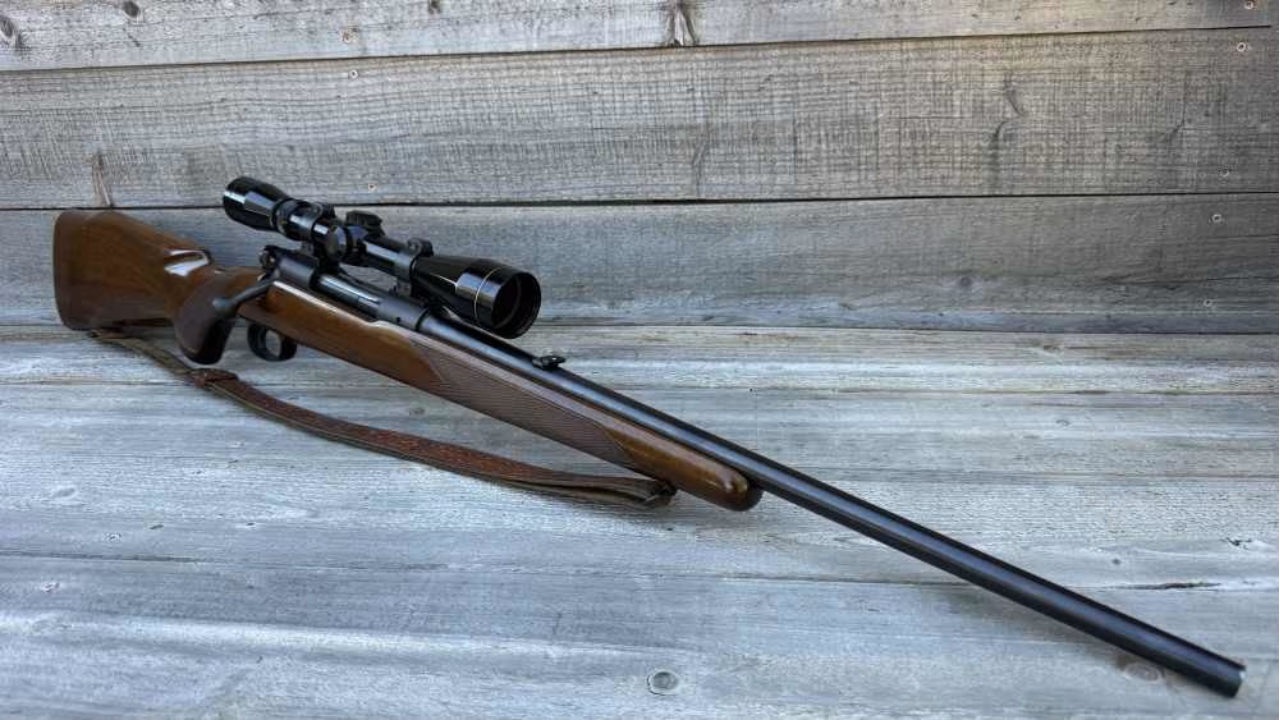
A pre-64 Winchester Model 70 already looks expensive because, in many cases, it is. But that does not mean the curve is finished. You are talking about one of the strongest names in American bolt-action collecting, and collectors still separate ordinary used rifles from sharp, original examples in a big way. The rougher rifles may always trade hands, but the cleaner rifles keep getting harder to replace.
That is where the upside still lives. The best pre-64 Model 70s are not being made again, and the collector crowd has not gotten less serious about originality, uncommon chamberings, or special configurations. If anything, the better-informed buyers seem more willing to pay for condition than they were a few years ago. A rifle with honest finish, matching details, and no bad alterations can still look expensive today and still feel underpriced five years from now.
Savage Model 99

The Savage Model 99 is one of those rifles collectors respected early, but the broader market still seems to be catching up in waves. People know it is a classic. They know the rotary-magazine design matters. They know it gave hunters lever-gun handling with better cartridge flexibility than many competing designs. Even so, a lot of shooters still think of it as “old but not rare” until they start looking for truly clean, original examples.
That disconnect is why I do not think it is finished climbing. Average rifles still show up, but the sharper rifles, early variants, takedowns, and desirable chamberings get more attention once you start looking closely. The market is also helped by the fact that many 99s were hunted hard and modified over the years. That leaves fewer collector-grade rifles than people assume. When supply keeps thinning, these rifles do not usually stall for long.
Winchester Model 88

The Winchester Model 88 still feels undervalued relative to how much collector appeal it actually carries. It has Winchester on the receiver, a shorter production life than many mainstream hunting rifles, and a very specific identity that modern rifles do not really duplicate. It appeals to lever-gun collectors, deer hunters, and Winchester people all at once, and that kind of crossover interest usually matters over time.
The reason I still think it has room is that many buyers have not fully re-priced what a clean Model 88 means today. Once you get into better-condition rifles, earlier examples, and stronger chamberings, the casual “used hunting rifle” label starts falling away. Then it becomes obvious you are looking at a rifle with real collector pull and finite supply. It already looks expensive beside ordinary used rifles, but it still does not feel fully priced against what it is.
Winchester Model 71
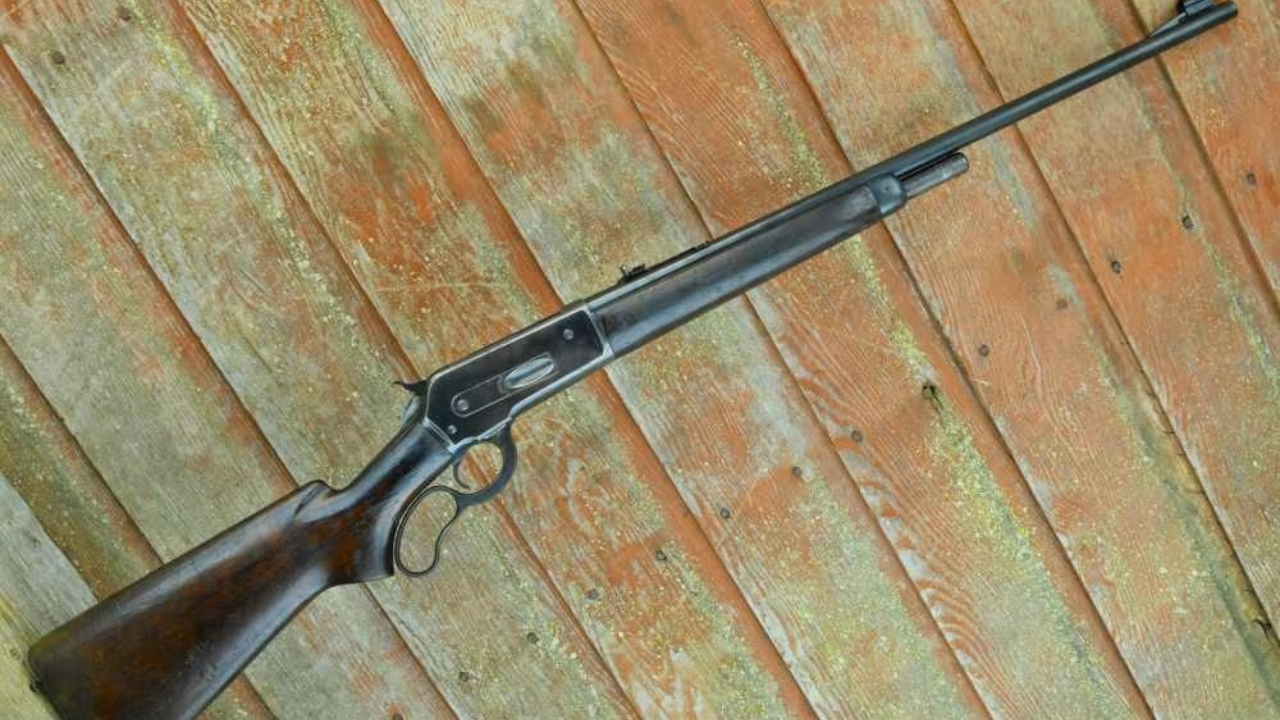
The Winchester Model 71 is one of those rifles that always seems to carry a serious look and a serious price, but I still do not think the best ones are tapped out. It was never a bargain-bin rifle in collector terms, and it is tied to a very specific kind of big-woods, big-cartridge appeal that later rifles never really replaced. The .348 Winchester chambering alone keeps it in a special lane.
What gives it more room is the usual collector math: limited original supply, strong Winchester brand gravity, and the fact that a lot of surviving rifles are not pristine. Clean rifles, deluxe versions, and sharp carbines still stand apart when they hit the market. That matters because the buyers shopping for a Model 71 usually know exactly what they want. When informed buyers chase a model with limited clean inventory, the ceiling often moves again.
Winchester Model 64

The Winchester Model 64 tends to live in the shadow of bigger-name Winchesters, and that is exactly why I still think it has room. It has the familiar Winchester lever-action appeal, but it usually does not get the same first-look attention as the Model 94 or the more glamorous early collector pieces. That can leave it looking expensive to casual buyers while still being a touch underappreciated by the broader market.
The upside is in that gap. When collectors start wanting something a little less common, a little more refined, and still deeply tied to classic Winchester sporting history, the Model 64 starts making more sense. The better examples are not common, and the rifles that escaped heavy field use are not getting easier to find. It does not need to become the hottest Winchester on earth to keep climbing. It only needs more buyers to notice what it already is.
Marlin 39A
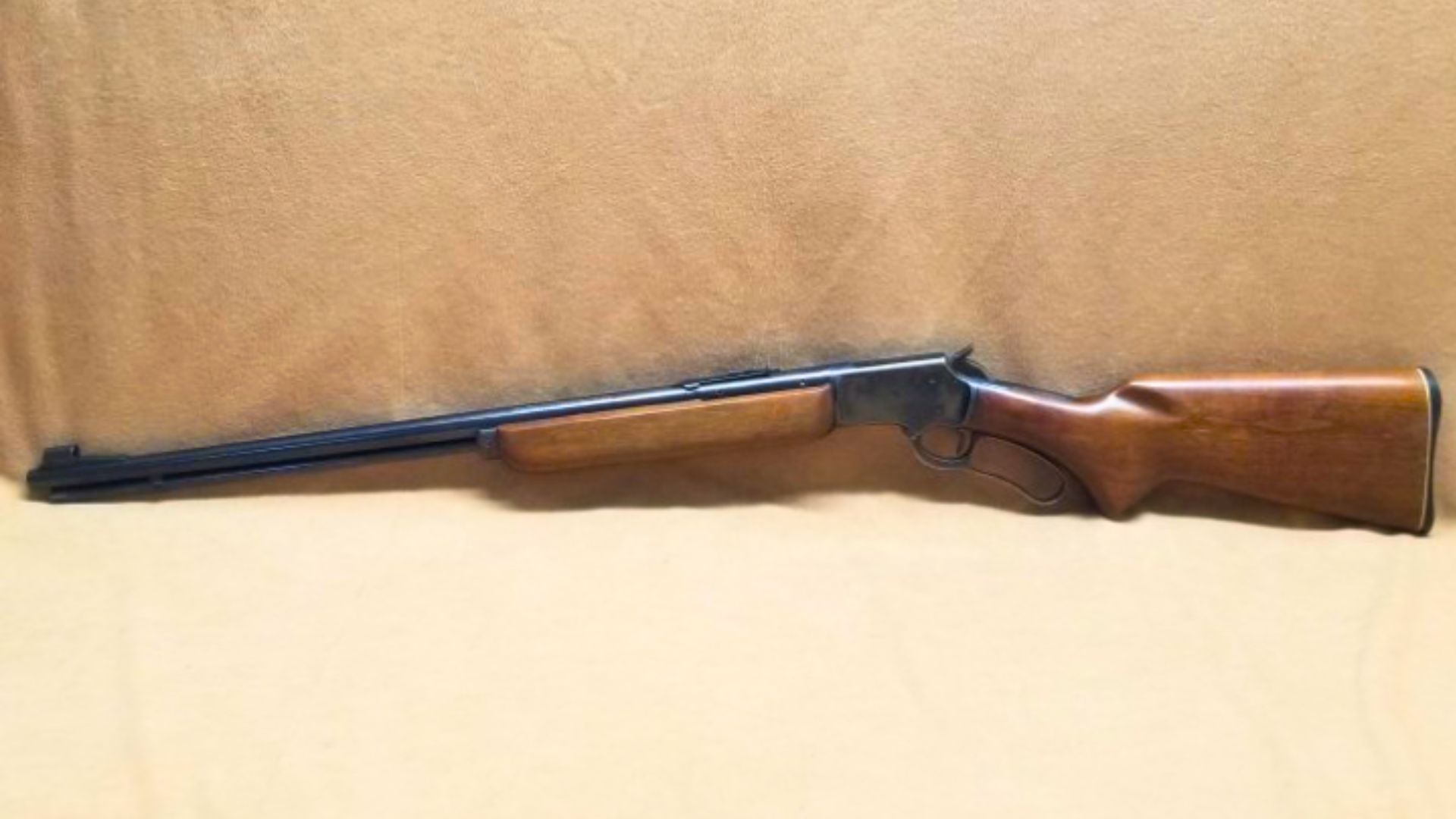
The Marlin 39A already looks expensive for a .22 to shooters who are only thinking in terms of utility. That is exactly why some people assume the run is over. But collector rimfires follow different rules, and the 39A keeps checking the right boxes. It is old enough to matter, well-known enough to be liquid, and built well enough that people who understand them still want the right examples.
What keeps me from calling the top is how many 39As were treated like working rifles instead of collector pieces. They got shot, carried, handed down, and worn the way a good rimfire should. That is great for the legacy of the rifle, but it also means truly sharp, original rifles are not nearly as common as casual shoppers think. When clean examples become the focus, the price story usually is not finished.
Ruger No. 1

The Ruger No. 1 has been collector material for a long time, but I still think the better rifles have more road left. It already stands apart because it is not trying to be anything else. The falling-block action, the clean profile, and the broad run of chamberings give it a following that crosses over between hunters, Ruger collectors, and single-shot rifle fans. That keeps interest from getting too narrow.
Where the upside still shows is in the sheer variety. Standard rifles matter, but unusual chamberings, distributor runs, better wood, and cleaner older rifles have a way of pulling stronger attention as the easier examples disappear into collections. A Ruger No. 1 in honest original condition already looks pricey to non-collectors, but the right rifle still feels like something the market has not fully sorted out yet. That usually means the story is not finished.
Sako L61R Finnbear

The Sako L61R Finnbear has the kind of quiet collector strength that often ages very well. It does not always get the same loud attention as classic Winchesters, but serious rifle people know what it is. Clean older Sakos have a reputation for quality, fit, and field performance that modern mass-market rifles do not really imitate. That matters more as collectors get tired of chasing only the obvious names.
I still think the Finnbear has room because it sits in that sweet spot between practical hunting rifle and true collector rifle. It is still recognizable enough to resell, but not yet so overrun by casual money that every good example feels fully inflated. Once more buyers start prioritizing well-made imported sporting rifles with real pedigree, the L61R usually looks stronger, not weaker. The better the condition and the cleaner the configuration, the easier that case becomes.
Browning Safari Grade

Belgian-made Browning Safari Grade rifles already wear the kind of look that tells you they are not cheap. Good wood, strong lines, and old-school Browning appeal make that obvious right away. But “looks expensive” and “has peaked” are not the same thing. These rifles still seem to have room because they appeal to a buyer who wants quality and collector legitimacy without chasing the exact same American models everyone else watches first.
That matters because collector markets often move in layers. Once the obvious blue-chip names get too crowded, buyers start looking harder at beautifully made rifles that still feel a little under-discussed. The Safari Grade fits that pattern well. Clean Belgian examples, especially in desirable chamberings and honest original condition, still look like rifles the market may appreciate more aggressively later than it does right now.
Browning SA-22

The Browning SA-22 is another rifle that can look expensive until you remember what collector-quality rimfires actually do over time. It is not merely a useful .22. It is a long-respected takedown design with real Browning name value and a level of charm that newer rimfires do not really duplicate. That gives it the kind of appeal that keeps pulling in buyers from multiple directions.
I would not call the best Belgian-made SA-22s finished at all. Collector-grade rimfires often rise more steadily than people expect because they get passed down, shot, and carried instead of preserved. That means the nicest examples become scarcer in a hurry once buyers start looking for original condition, better-era production, and clean metal-to-wood fit. It already looks like a premium .22, but the better rifles still feel like they have more collector gravity coming.
Remington 600
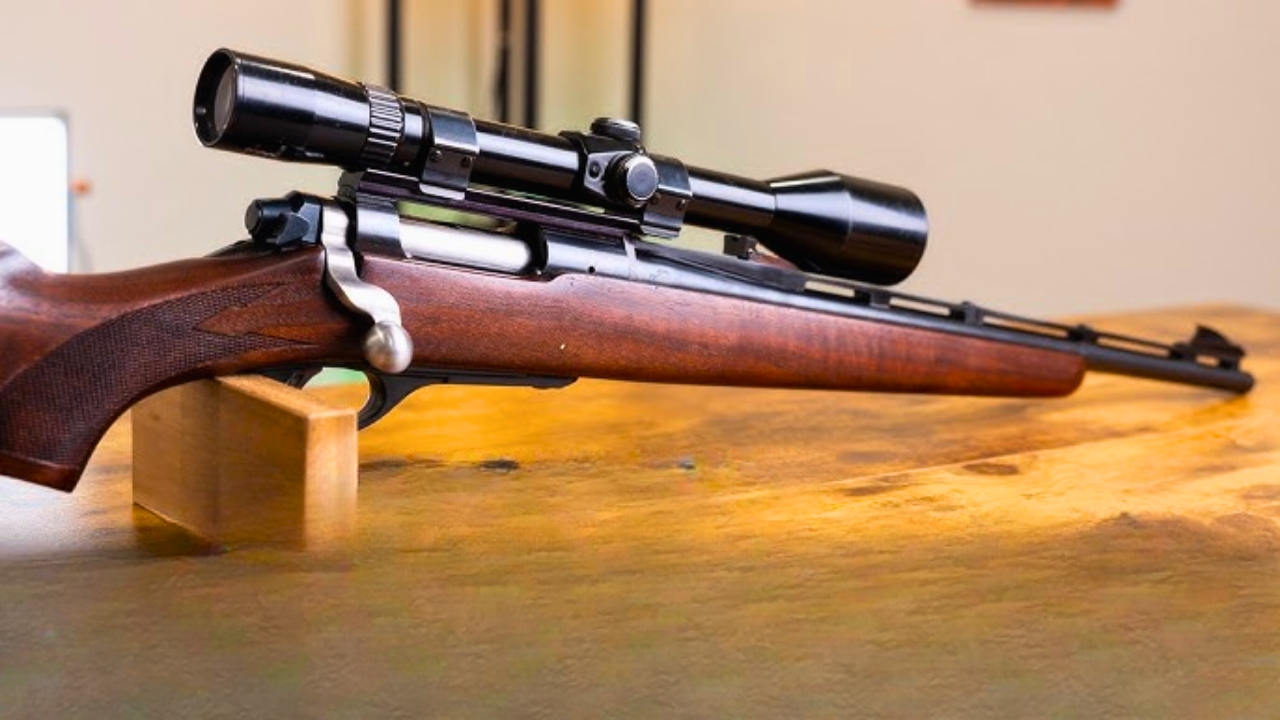
The Remington 600 used to be the kind of rifle a lot of people treated as a quirky little hunting gun. Now more collectors see it for what it is: a short-lived, distinctive rifle with a real identity and a strong following. It still has that odd, compact look that divides people, but in collecting, unusual features can become an advantage once the market stops viewing them as flaws and starts viewing them as defining traits.
That is one reason I do not think it is done. The 600 already gets more respect than it once did, but the clean rifles still seem to move into stronger hands over time. Once originality becomes the focus, the rifles that avoided bad refinishing, cut stocks, and rough use stand out much more sharply. It looks expensive if you remember old used-rack prices. It looks less expensive if you view it as a scarce, recognizable Remington collectible.
Remington Mohawk 600

The Mohawk 600 is a little different from the standard 600, and that difference is part of why I think it still has some room. For years, a lot of buyers treated it as the less glamorous branch of the same family. That can happen in collecting. The “secondary” model gets overlooked until people realize it still shares the same core appeal: short production-era identity, practical hunting roots, and a recognizable form that modern rifles do not really copy.
When that shift happens, the market can re-rate a model pretty quickly. The Mohawk 600 still benefits from the same compact rifle nostalgia that helps the 600, but it has also spent a long time being treated as the rifle people bought instead of the one they really wanted. That kind of imbalance does not always last forever. Once more collectors start wanting representative examples, the better Mohawks may look cheap in hindsight.
Marlin 1895 with JM Stamp
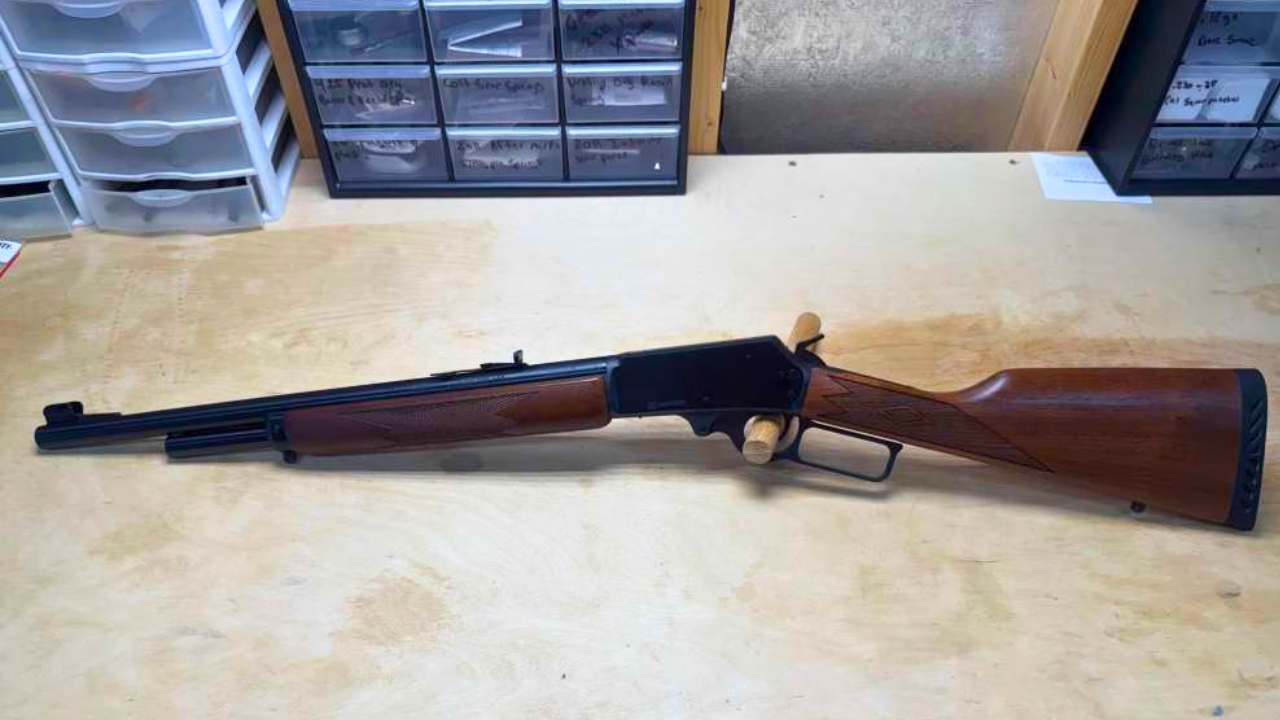
A JM-stamped Marlin 1895 already carries a collector premium in the eyes of people who know what they are looking at, but I still do not think all the good ones are topped out. The rifle sits right in the middle of several strong trends at once: classic Marlin appeal, lever-gun demand, and the continued draw of older production over later manufacturing transitions. That is a strong place to be if you are thinking long term.
The real separator is condition and configuration. A worked-over hunting rifle will always be one thing. A clean JM-stamped rifle with honest finish and no foolish alterations is something else entirely. Those better rifles keep getting siphoned into collections, and every year that makes the cleaner supply smaller. It already looks expensive next to ordinary used lever guns, but the sharper collector-grade rifles still feel like they have room left.
Weatherby Mark V Deluxe

The Weatherby Mark V Deluxe already looks like money, and that is part of its appeal. High-gloss wood, strong lines, and Weatherby branding make it feel upscale before you ever check the tag. But rifles like this can keep climbing because they appeal to a collector who wants more than utility. They want period style, name recognition, and a rifle that still looks like an event when you pull it from the safe.
I still think older Deluxe rifles, especially earlier production examples, have more headroom because they sit in that collectible sporting-rifle lane that often matures slowly and then gets more serious later. The better the wood, the cleaner the metal, and the more untouched the rifle remains, the stronger the case gets. It already looks expensive to the average buyer, but collector-grade Weatherbys still seem like the sort of rifles that can become noticeably harder to buy well.
Browning BLR Steel Receiver

Early steel-receiver Browning BLRs do not always get the same attention as older Winchesters, but that can work in your favor. They have real collector logic behind them: recognizable Browning name value, an early production distinction that matters, and a design that stands apart from more traditional lever rifles. Once you get into the earlier rifles, the conversation shifts away from “used lever gun” and toward “specific collectible Browning.”
That is why I would not call them finished. The early guns already look expensive compared with later, more ordinary BLRs, but the market still seems to be sorting out how much those first rifles should command when condition is strong. Collector markets often reward early production, steel construction, and originality in a big way once the broader crowd catches up. The first-year and early Belgian examples still feel like they have some unfinished business.
CZ 550 Safari Magnum
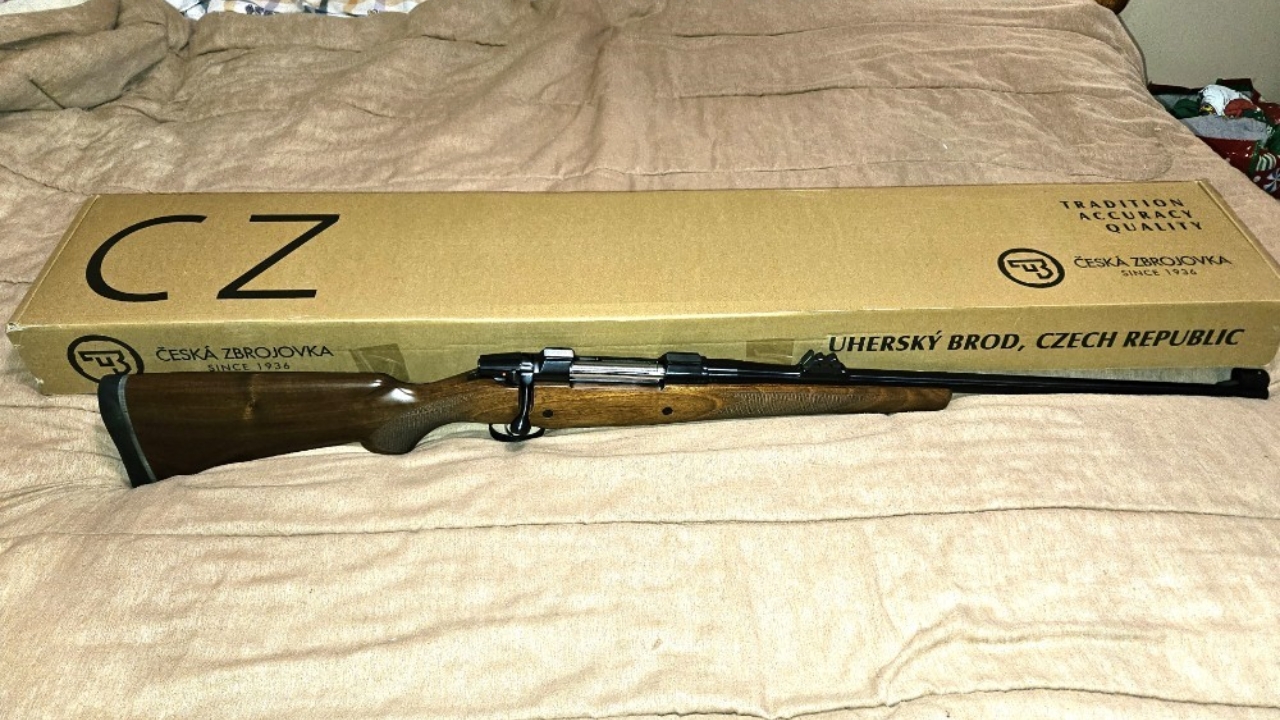
The CZ 550 Safari Magnum is not an old American classic, but that does not stop it from being a serious collector candidate. It already looks expensive because it was never trying to be a budget rifle, and rifles in this lane tend to get more attention once they are gone and buyers start appreciating how few practical, traditional dangerous-game rifles remain in regular circulation. That matters more than some collectors realize.
I think it still has room because it sits in a narrower category with committed buyers. Large-caliber safari rifles are never mass-market collectibles, but the people who want them usually want them badly, and good examples do not flood the market. When a rifle has a strong niche, real utility, and a discontinued feel that modern catalogs are not replacing cleanly, price resistance can fade over time. This one already looks expensive. It may still look cheap later.
Like The Avid Outdoorsman’s content? Subscribe to our newsletter so you never miss an article.
Here’s more from us: