Photo credit: NSSF—The Firearm Industry Trade Association/YouTube
When you spend time around shooters who truly care about accuracy, you learn quickly what they trust—and what they don’t even consider. These folks aren’t impressed by flashy marketing or aggressive styling. They measure everything by repeatability: how a pistol holds groups, how consistent the trigger breaks, and whether the sights stay locked through long sessions. If a handgun wanders, throws fliers, or behaves unpredictably with common loads, it gets dismissed without hesitation.
Some pistols fail this crowd because of design quirks, while others suffer from triggers or barrels that never deliver the consistency demanded by shooters who live on tight groups. These guns aren’t unusable, but they often frustrate anyone who expects precision from every squeeze of the trigger. Here are the pistols accuracy-focused shooters tend to walk away from.
Taurus PT111 G2
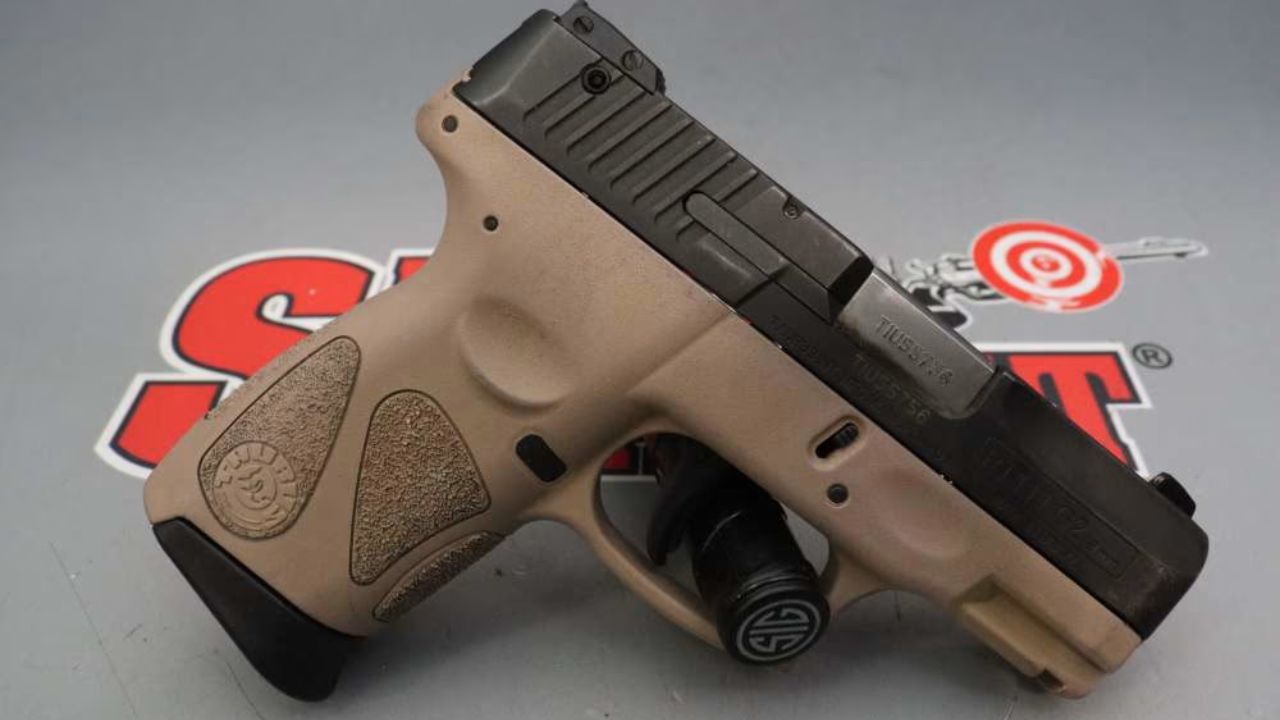
The PT111 G2 gained popularity for its price, but accuracy-driven shooters rarely praise it. The trigger has a long, spongy pull that makes consistent breaks tough, especially during slow-fire groups. Even when you think you’ve found the wall, it can feel unpredictable from shot to shot, which leads to wide patterns on paper.
The barrel lockup also varies slightly, and that inconsistency shows up downrange. Some shooters report solid accuracy at close distances, but once you reach 15–25 yards, groups begin to stretch noticeably. For budget carry, it serves a purpose. For precision-focused work, it simply isn’t the tool.
KelTec PF-9
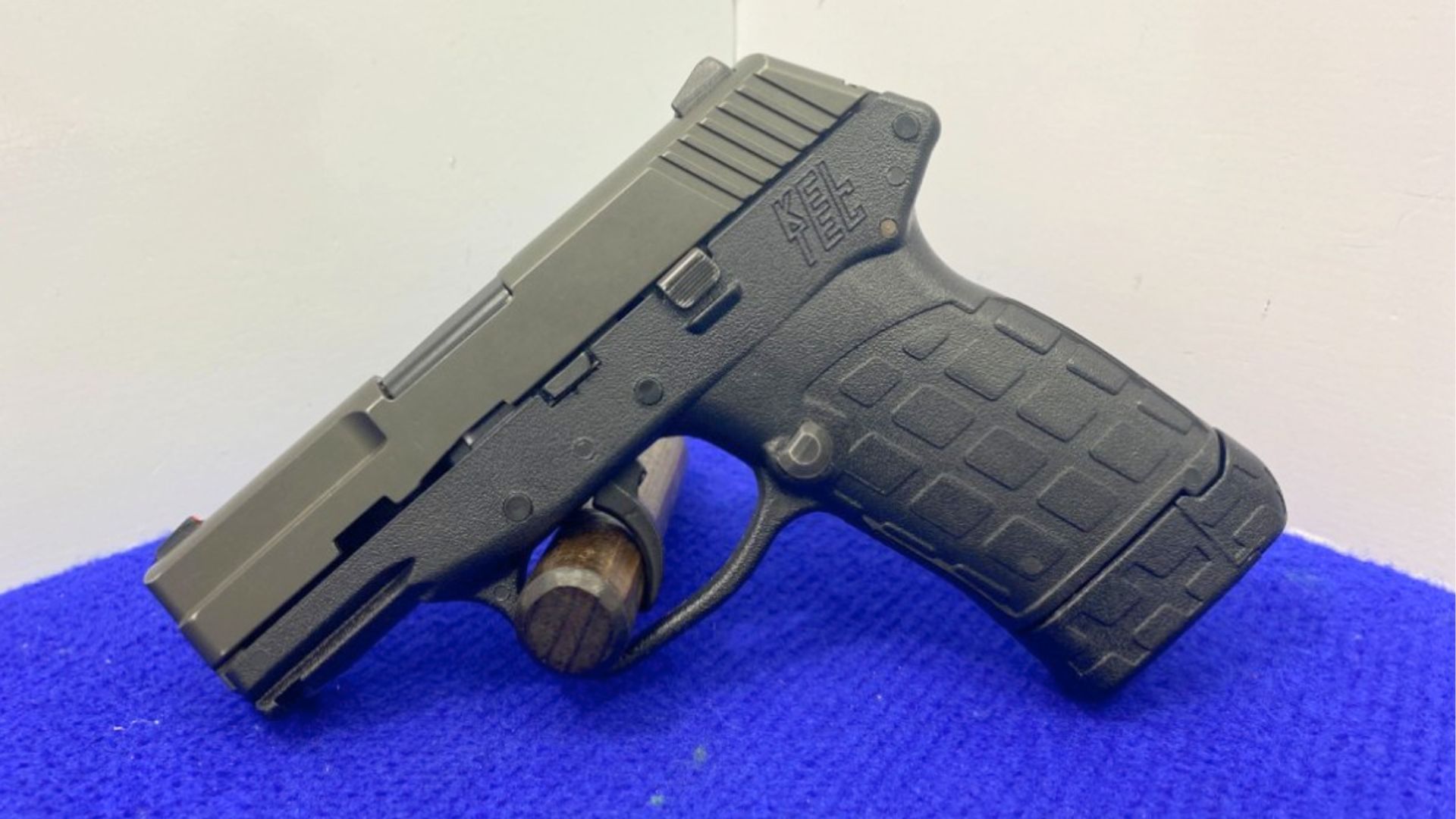
The PF-9 is light and compact, but its snappy recoil and short sight radius make tight groups a challenge. Accuracy-minded shooters dislike how the pistol jumps under recoil, forcing constant sight realignment. The trigger pull is long and heavy, further complicating consistent shot placement.
Another issue is variability between individual pistols. Some examples shoot acceptably, while others scatter rounds even off a rest. That inconsistency is a deal-breaker for shooters who want predictable results across multiple loads. It’s a convenient carry gun—but not one known for accuracy.
SCCY CPX-2
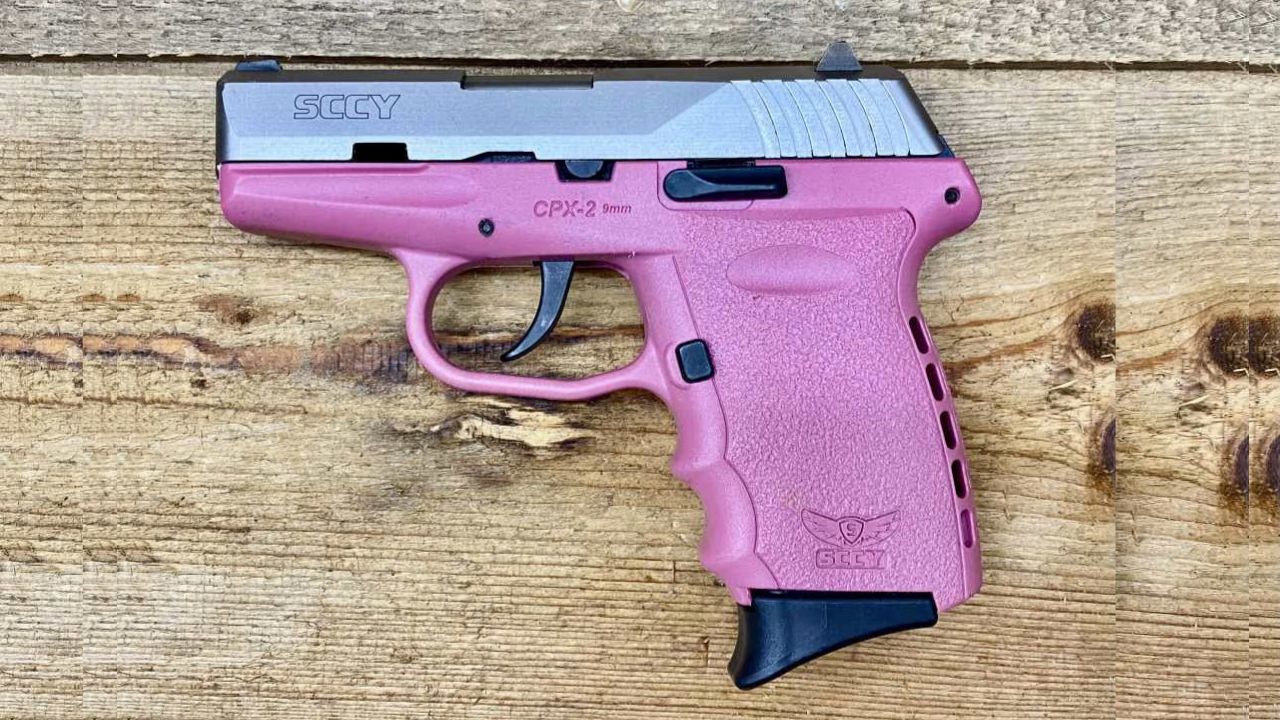
The CPX-2’s reputation centers on affordability, not precision. Its double-action-only trigger is heavy and stages in a way that makes smooth releases difficult. Shooters who aim for precise hits find themselves fighting the triggers more than refining their technique.
At distance, the barrel’s loose lockup becomes noticeable. Group sizes expand quickly, and the pistol struggles to maintain consistent point of impact. Even with premium ammunition, accuracy varies from session to session. The CPX-2 works for close-range defense but isn’t built for accuracy work.
Hi-Point C9

The C9 can be surprisingly reliable, but accuracy-focused shooters rarely give it a chance. The bulky slide and basic sights make precision challenging. Even when the shooter does everything right, the pistol’s inherent mechanical accuracy limits how tight the groups can get.
Most shooters report inconsistent lockup and occasional fliers that seem to appear without explanation. Trigger feel also varies, adding another obstacle to repeatable shooting. It’s functional, but it’s not a precision tool—and shooters who demand accuracy sense that immediately.
Ruger LC9 (Original)

The original LC9 has a long, heavy trigger that frustrates shooters trying to hold tight groups. It’s difficult to predict exactly when the break will occur, and that unpredictability makes slow-fire accuracy far more difficult than it should be.
The pistol’s thin profile and sharp recoil also push shots off target if the shooter doesn’t maintain a perfect grip. For concealed carry, it meets the need. For shooters who track their groups closely, it falls short.
Glock 42

The Glock 42 is reliable and easy to carry, but many accuracy-obsessed shooters find its performance inconsistent at distance. Its lightweight design and mild .380 chambering cause more muzzle movement than you’d expect, especially in slow, deliberate shooting.
The short sight radius also limits precision. Even small sight deviations show up on target. While the 42 excels in concealment roles, shooters who chase tight groups see it as too lightly built and too inconsistent for accuracy-focused sessions.
Springfield XD-S 9mm (Early Models)
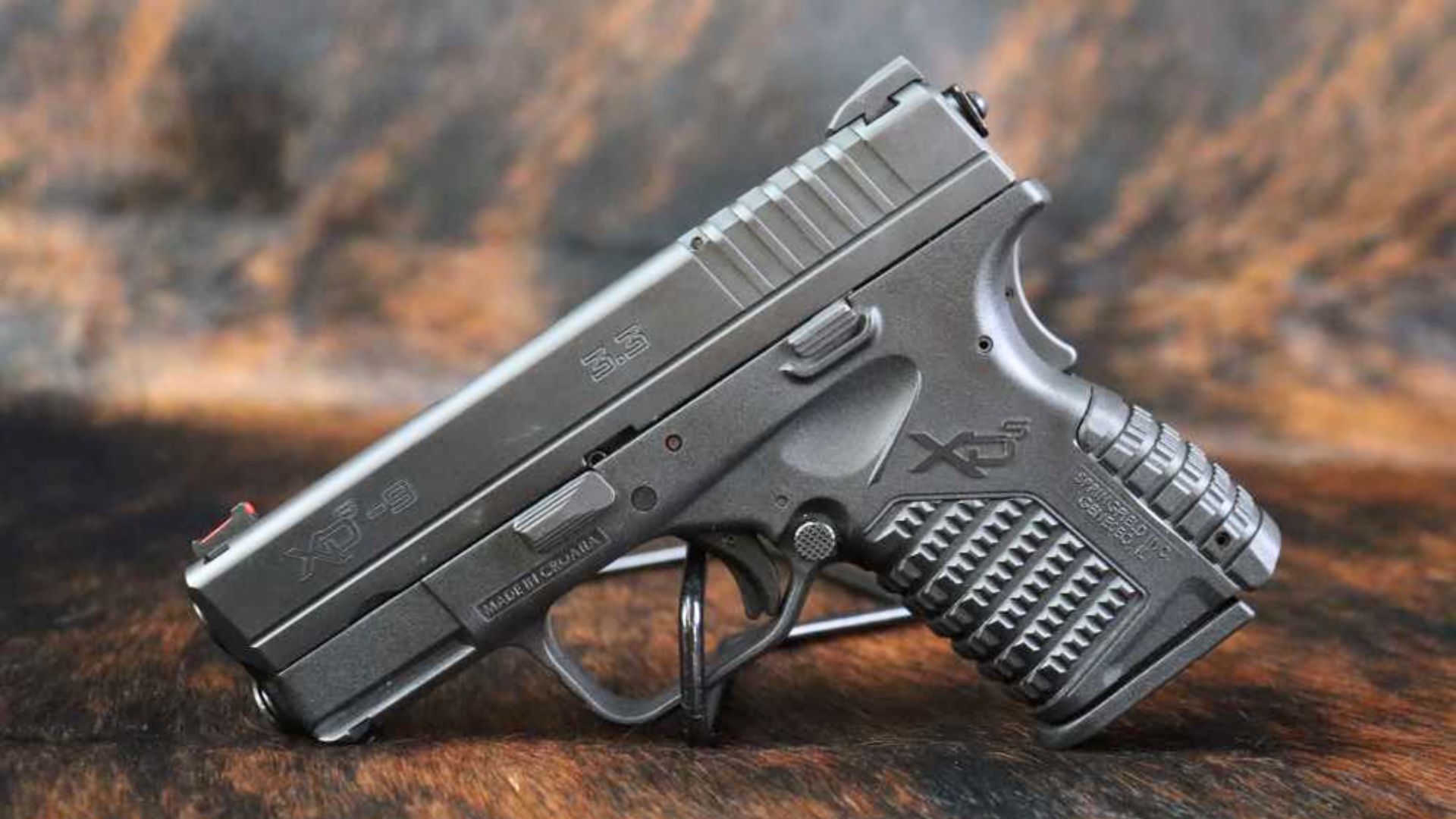
The early XD-S 9mm models had accuracy quirks tied to barrel fit and trigger feel. Shooters who measured groups carefully often noticed fliers that didn’t match their input. The trigger’s mushy break didn’t help, making it hard to control each shot cleanly.
Some models improved with newer production, but early pistols left a strong impression among shooters who prioritize precise hits. Even today, many consider the XD-S unpredictable in cold-barrel accuracy testing.
Walther CCP (Original Gas-Delayed Version)

The first-generation CCP has a soft-shooting design, but accuracy-focused shooters found the pistol inconsistent. The gas-delayed system introduced cycling quirks, which occasionally shifted the point of impact. The trigger also had a long, rolling break that made controlled precision shots more challenging.
At bench distances, many shooters reported drifting groups and difficulty maintaining repeatable hits. It’s comfortable to shoot, but it isn’t a pistol known for precision.
Bersa Thunder 380

The Thunder 380 is popular for concealed carry, yet accuracy-obsessed shooters regularly pass it by. Its fixed barrel should, in theory, support decent accuracy, but the lightweight frame and modest sights undercut that potential. Any grip inconsistency quickly shifts point of impact.
Its double-action pull is long and heavy, and the transition to single-action isn’t smooth enough to maintain rhythm during slow-fire drills. Shooters who want precision find it too variable.
KelTec P-32
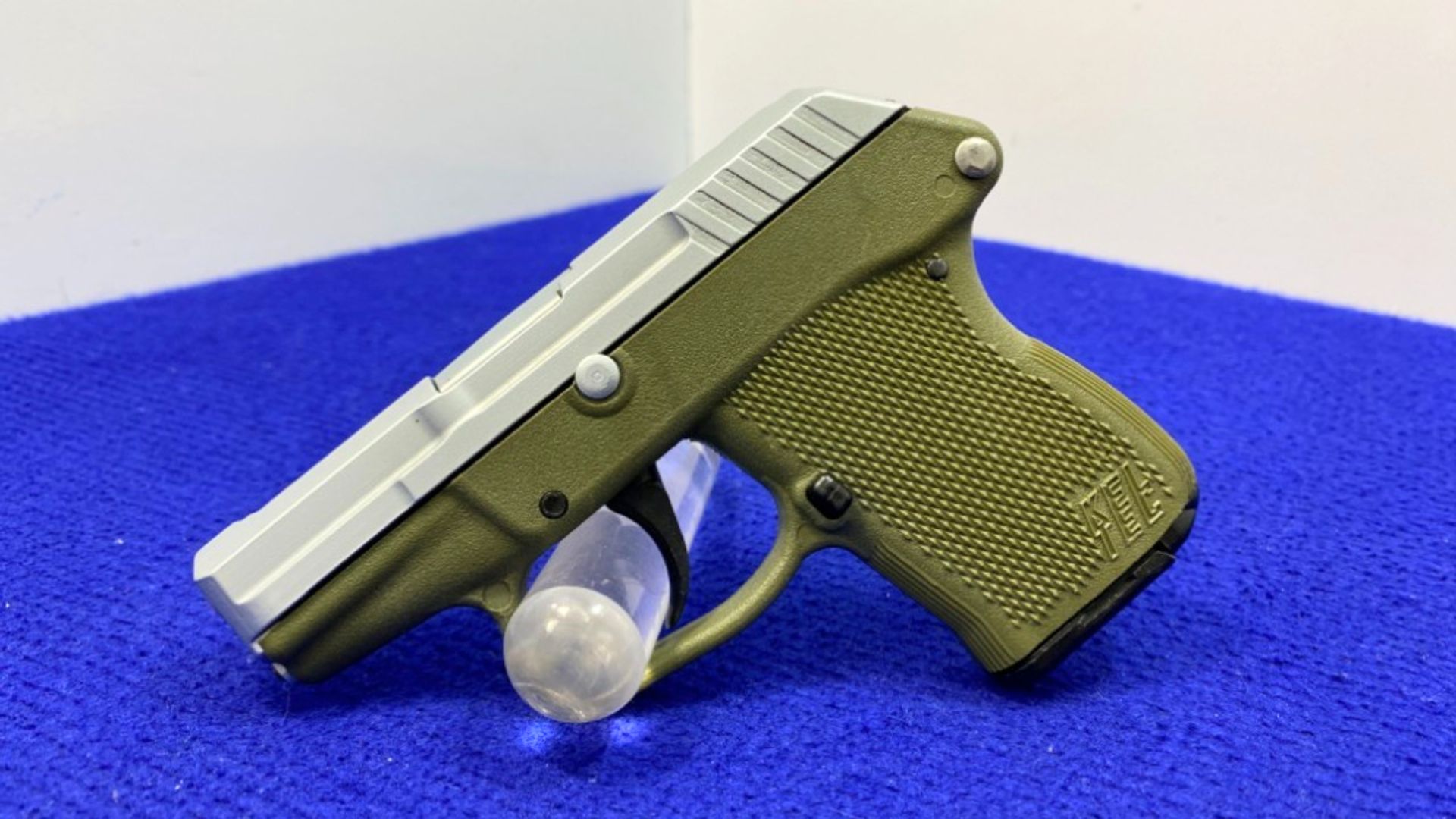
The P-32’s tiny frame makes accuracy tough from the start. Its minuscule sights and extremely short sight radius leave little margin for error. Shooters focused on tight groups consider it nearly impossible to shoot with the precision they expect at 15 yards and beyond.
Its light weight exaggerates movement, making the pistol feel unsettled on target. For deep concealment it’s great, but precision shooters typically avoid it entirely.
Beretta Pico
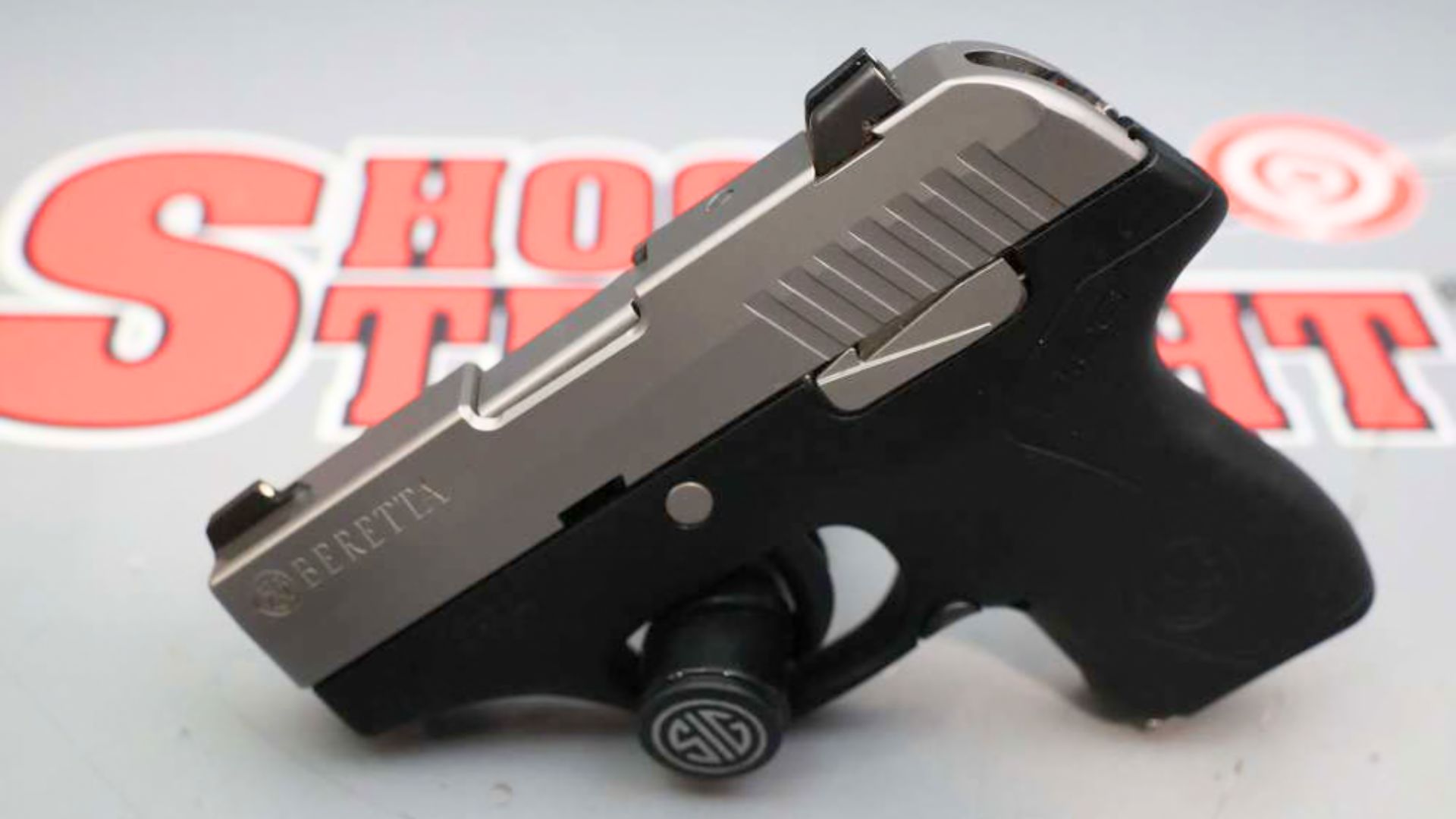
The Beretta Pico is durable and snag-free, but accuracy-driven shooters find its trigger too stiff and its sight picture too narrow. The pistol demands a perfect press to produce consistent results, and even then, groups tend to open quickly as distance increases.
The minimal grip surface contributes to shifting hand placement, which affects shot-to-shot precision. It’s dependable, but it’s nowhere near a precision handgun.
Taurus Spectrum

The Spectrum’s smooth lines make it comfortable to carry, but those same contours reduce grip control. Accuracy-focused shooters dislike how easily the pistol shifts during recoil, which leads to wandering groups. The simple sights don’t offer enough definition for fine alignment.
The trigger has a long, rolling break, making it even harder to produce consistent hits. For everyday carry, it works. For precision shooting, it’s a nonstarter.
SIG Sauer P250 Compact
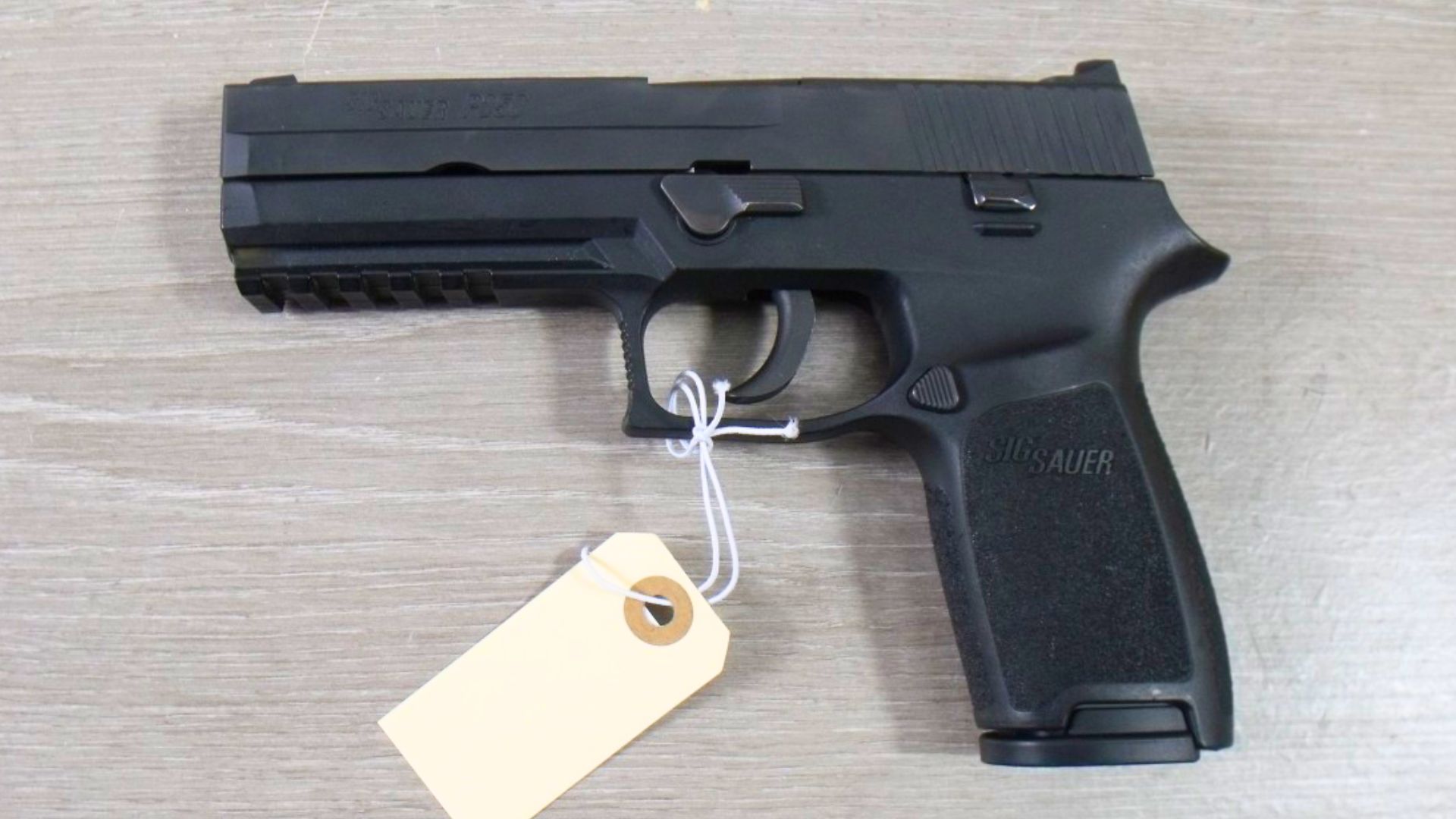
The P250’s modularity is impressive, but its long double-action pull holds it back with accuracy-obsessed shooters. Even skilled marksmen find it difficult to break shots consistently at the exact moment they intend. The heavy pull masks subtle trigger control.
Some shooters achieve decent accuracy, but the pistol’s design simply doesn’t support the clean, crisp trigger feel that precision shooters want. It’s reliable, but not a precision performer.
Smith & Wesson Bodyguard 380 (Original)

The original Bodyguard 380 features a heavy, gritty trigger that accuracy-focused shooters find unacceptable. Slow-fire drills often reveal early breaks, late breaks, or inconsistent staging. The short barrel and tiny sights further limit what the pistol can do at distance.
The gun excels as a deep-carry option, but shooters who focus on tight groups quickly realize it lacks the mechanical accuracy and ergonomics needed for precision.
Ruger Security-9 Compact

The Security-9 Compact is reliable and easy to carry, but its accuracy has limits. The trigger has noticeable take-up and a sometimes vague break, which leads to horizontal stringing during slow, controlled shooting. At 20–25 yards, those inconsistencies become very noticeable.
The pistol’s lightweight frame also produces more muzzle rise than precision-obsessed shooters prefer, making follow-through harder to maintain. It’s a practical gun, but not one chosen for accuracy work.
Like The Avid Outdoorsman’s content? Subscribe to our newsletter so you never miss an article.
Here’s more from us: